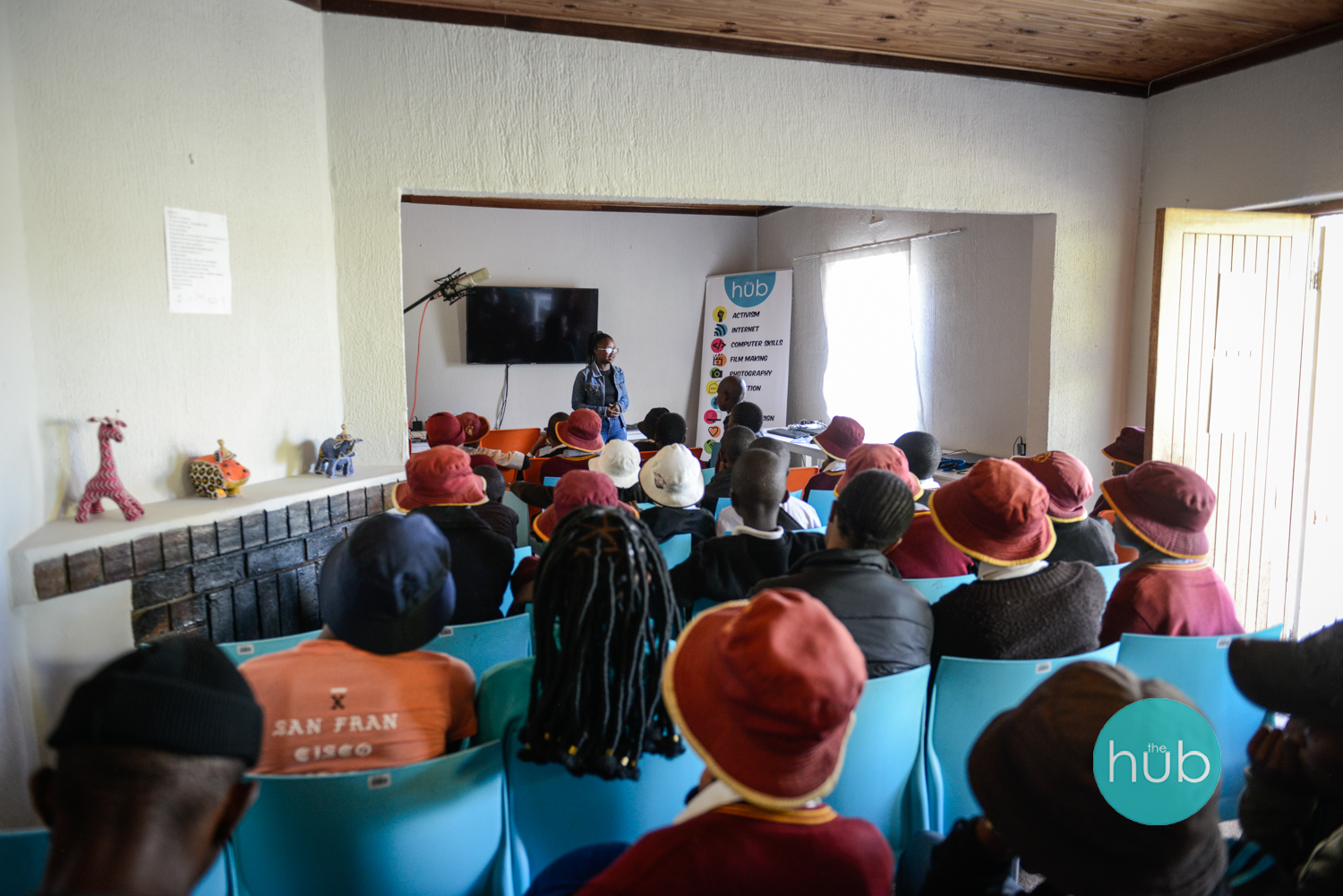
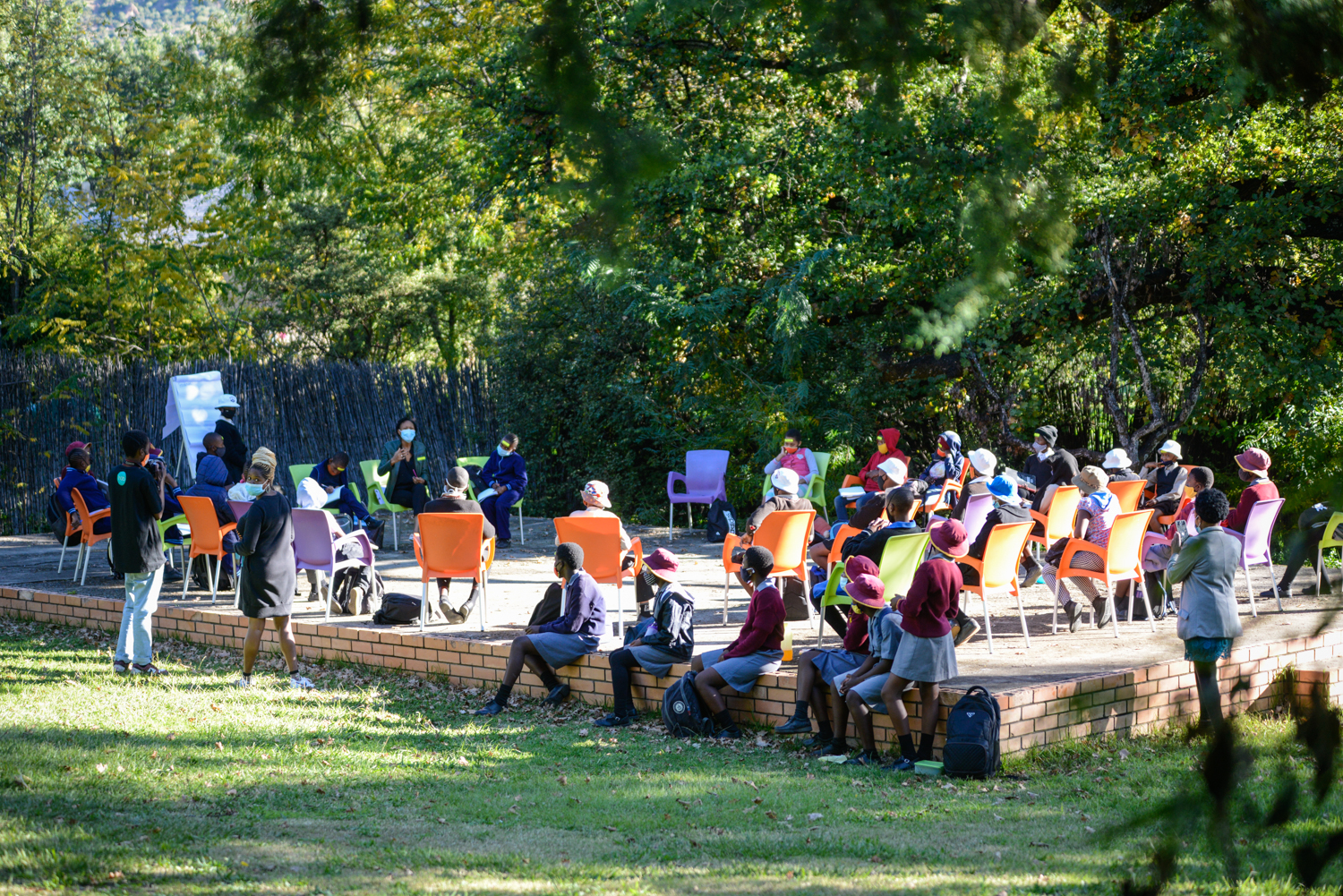
Hub Talks are monthly motivational talks that bring a range of professionals, creative practitioners and activists to The Hub and Skills & Soup. With support from Selibeng sa Thuto Trust in 2023, Hub Talks aim to inspire our participants to stand up for human rights and become active and engaged citizens, and open their eyes to a variety of career paths.
The Hub has been hosting these motivational talks in Morija since 2015. Some recent Hub Talks have hosted:
Special thanks to Nthabeleng Ramoeli, who is living with #EhlersDanlosSyndrome & multiple disabilities, for an engaging Hub Talk yesterday – part of a series of Hub Talks on #diversity & #inclusion, for us to become better allies for everyone who faces discrimination & exclusion. pic.twitter.com/9UDaN1OP5N
As part of our Hub Talk series on diversity & inclusion, we hosted The People's Matrix Association for a Hub Talk today. Big thanks to them for giving us insight into gender, sexuality & how to be better allies for anyone facing discrimination. #HumanRights are for everyone! pic.twitter.com/v1XxcDPWbp
Huge thanks to @dinnytsikoane for a powerful Hub Talk today on #HumanRights! Lineo is an experienced Human Rights lawyer & was able to talk to participants about how to better understand their rights in situations of abuse & in their everyday lives. pic.twitter.com/ccGLrbF8V4
Big thanks to Tšepang Maboee for her Hub Talk yesterday! She shared her experiences as a person living with #HIV, spoke about overcoming #cyberbullying, and answered many participants' questions. Tšepang will be on the next Hub Talk #Podcast episode, coming soon! pic.twitter.com/OGqRZDJqr1
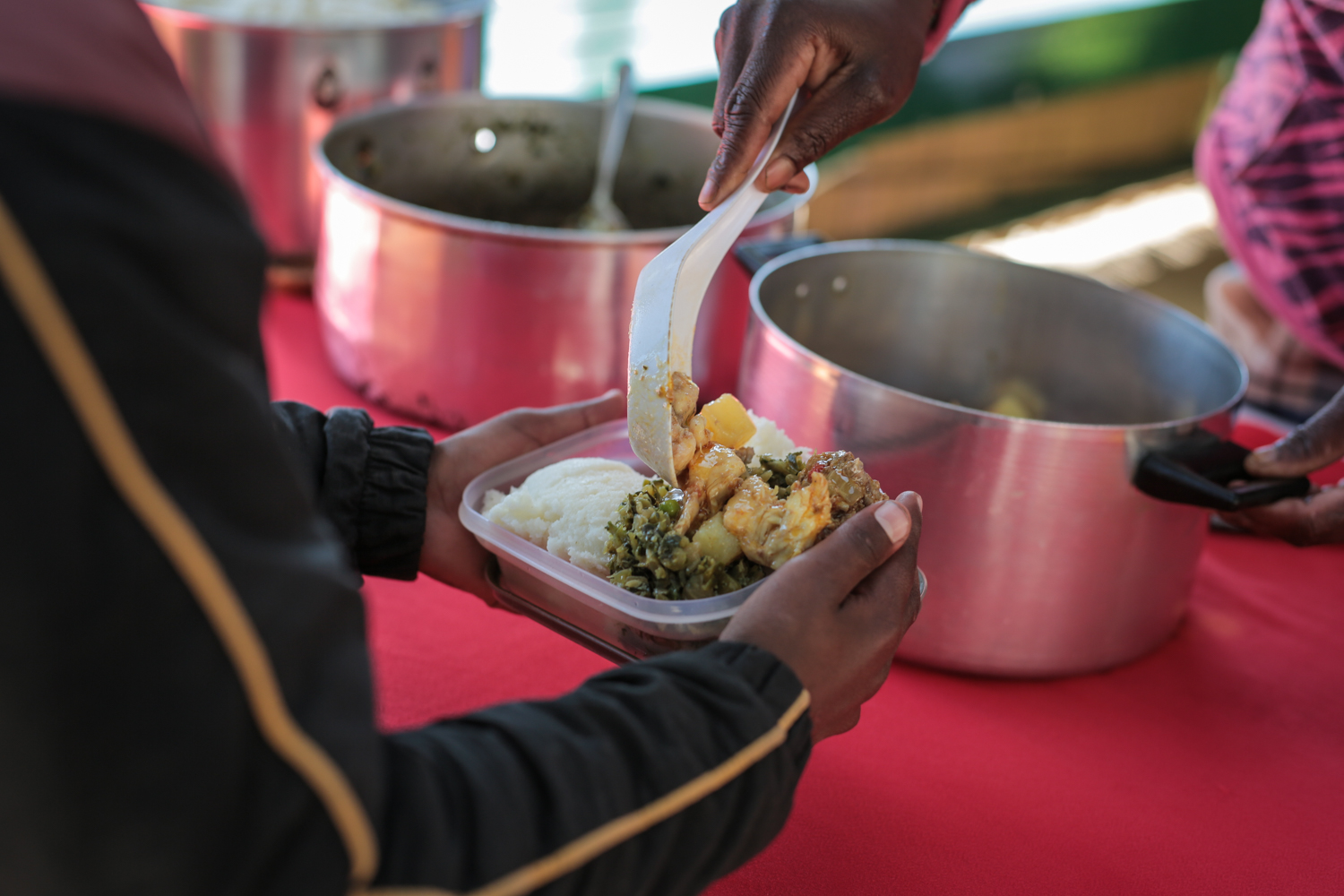
We got to host @SlowFoodLesotho for a Hub Talk today & also enjoy a meal of Sesotho chicken, Likhobe (sorghum & cracked wheat) & Moroho oa Sesotho (mixed wild greens).
What an amazing Hub Talk we had today with Bongiwe Buzi from the National Association of the Deaf Lesotho! Our Skills & Soup participants had a chance to put their sign language skills to the test! Special thanks to Bongiwe, Mamello, Lineo & Glasswaters Foundation! pic.twitter.com/yiWntCjC3e
Massive thanks to @tkay_nthebe for his inspiring Hub Talk at Skills & Soup today! Tkay gave our participants advice on how to save money and plan for their future financially from a young age. These are much needed lessons for all of us, and we hope to have him back again soon! pic.twitter.com/A4y9ZlmfZ4
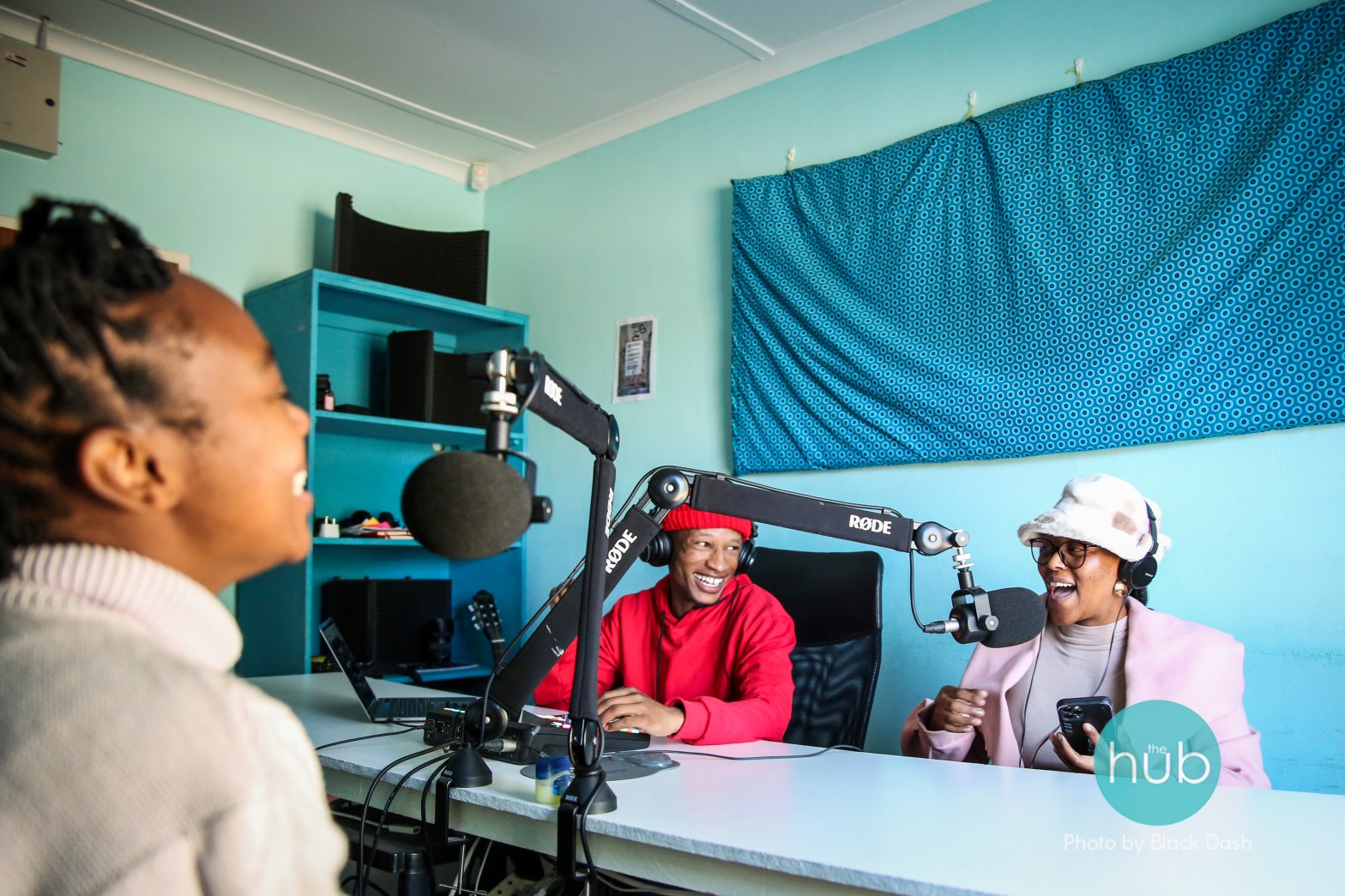
In an effort to extend the reach of the talks, and thanks to the experience gained by our host Maly Mohanoe at the NXT Podcast Bootcamp, in 2023 we launched the Hub Talk Podcast!
The podcast is made possible with support from Selibeng sa Thuto Trust and the Namibia Media Trust.
The episodes can be streamed on Spotify, and downloaded from Soundcloud:
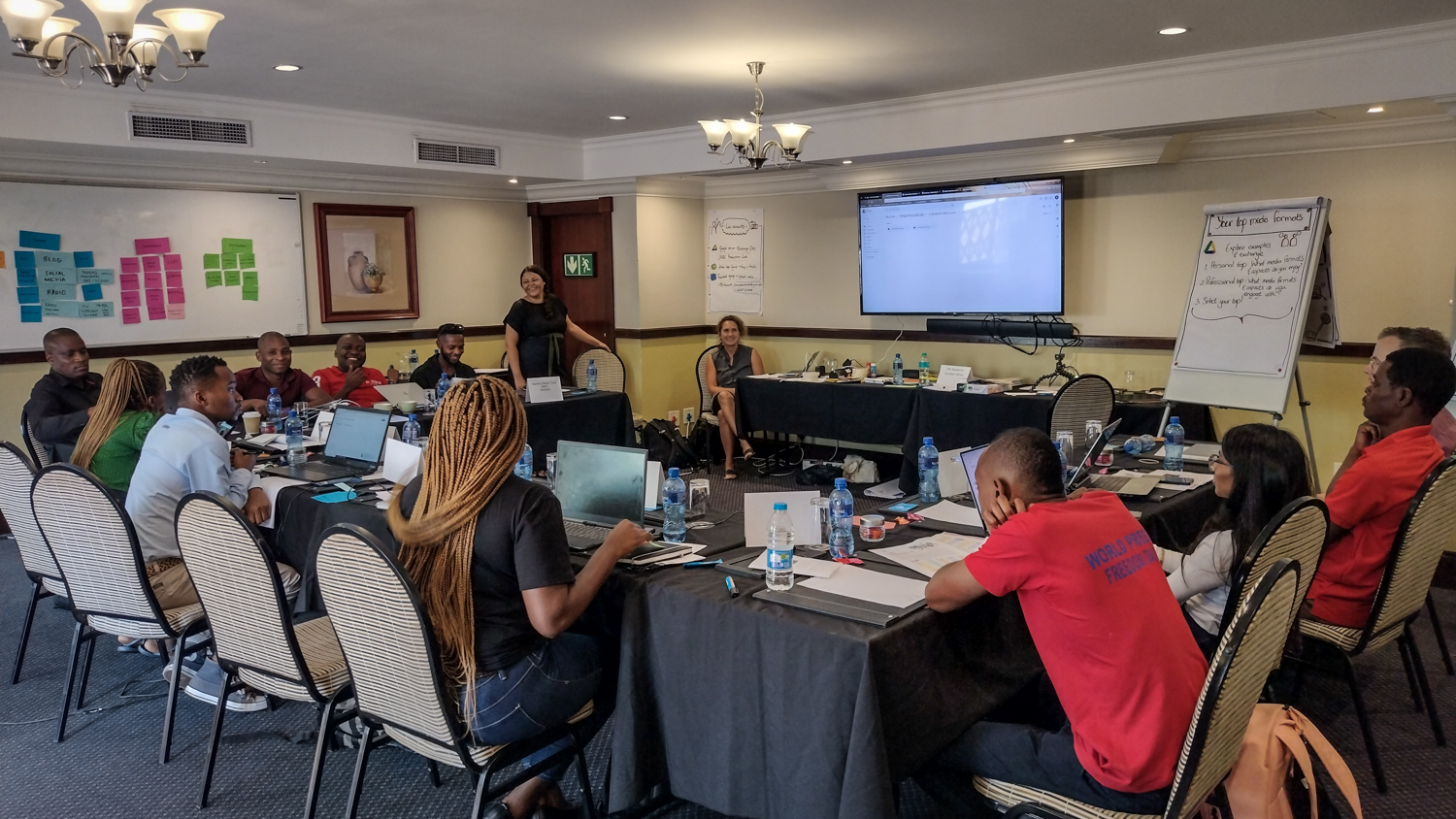
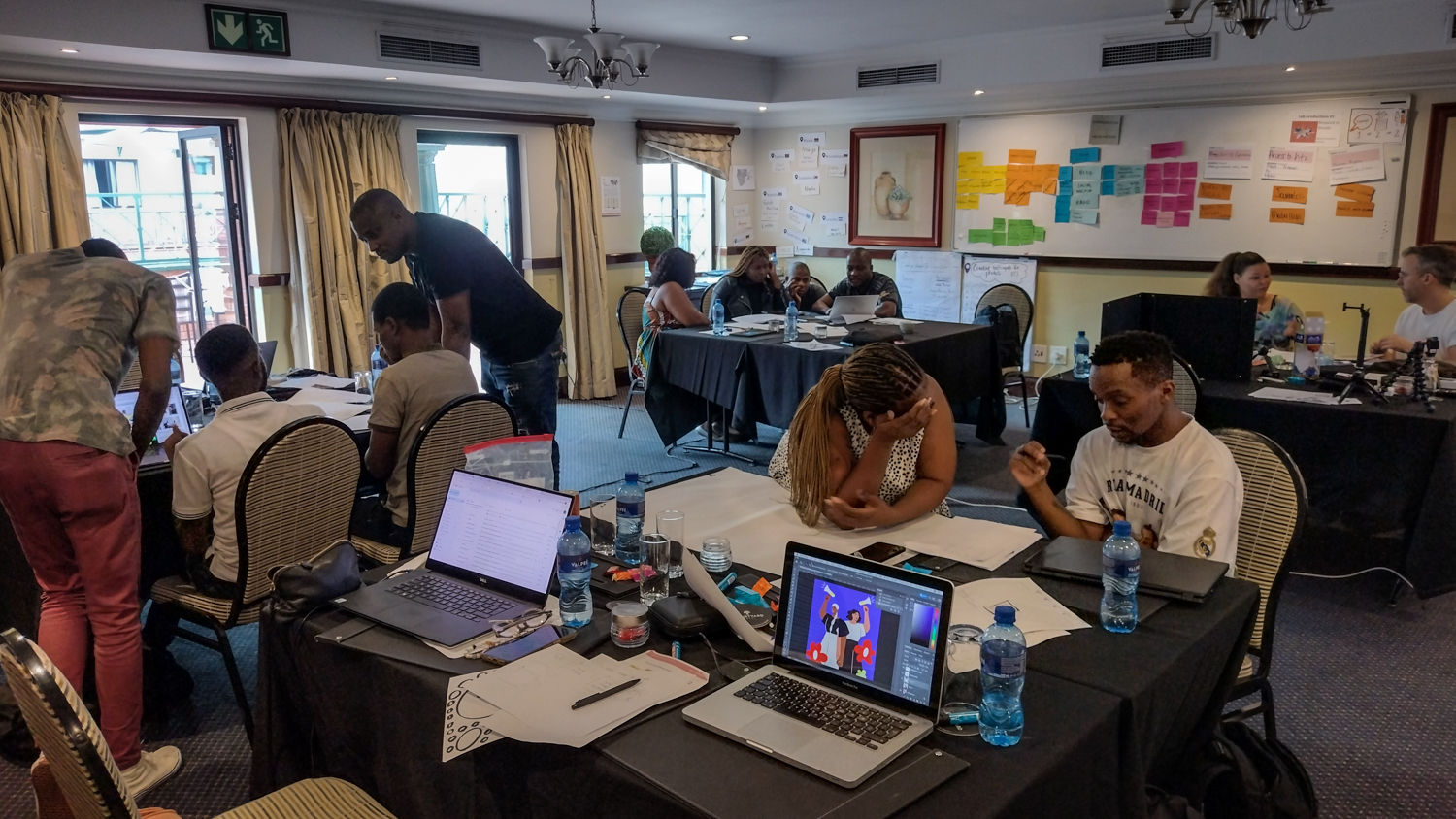
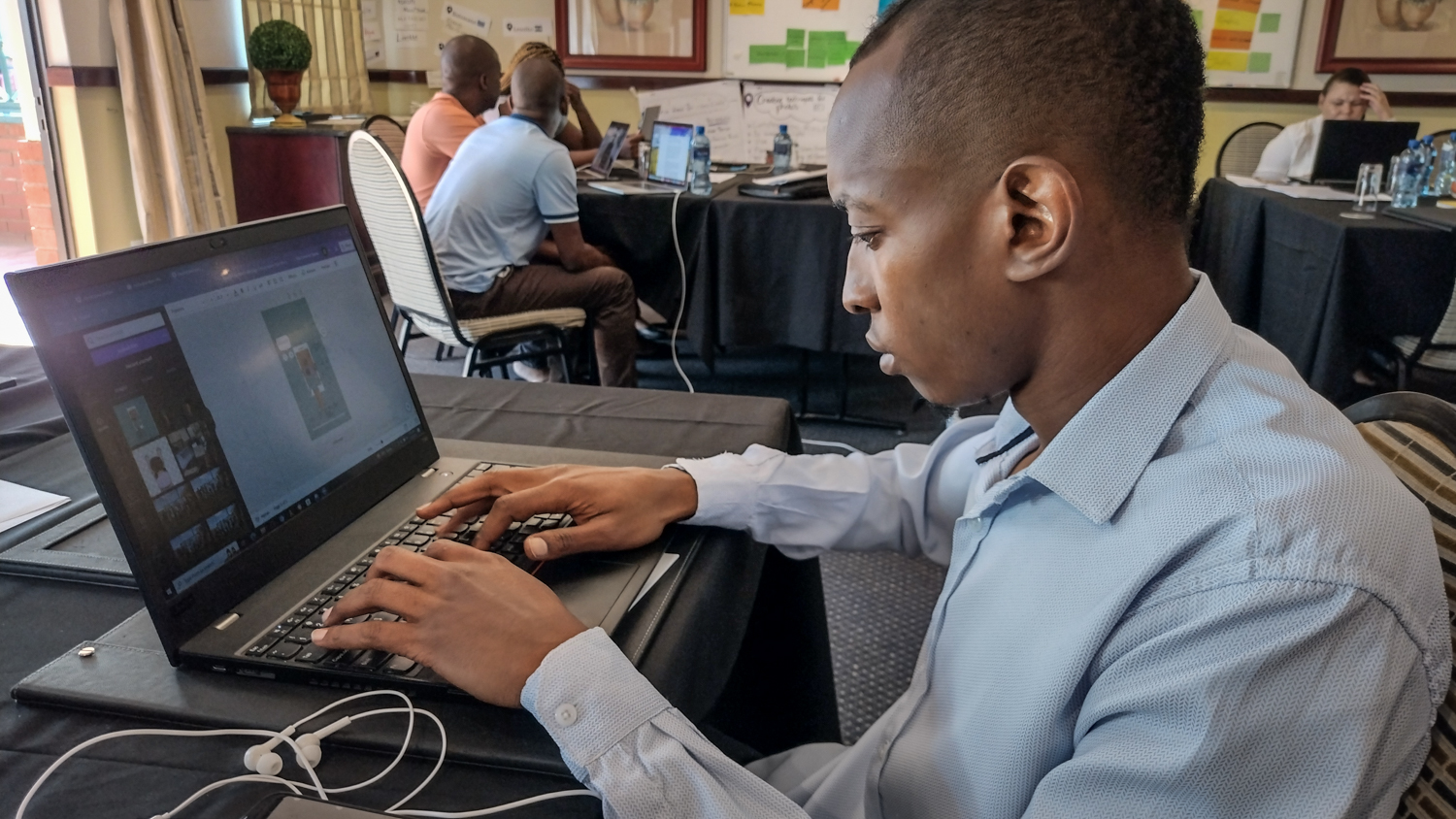
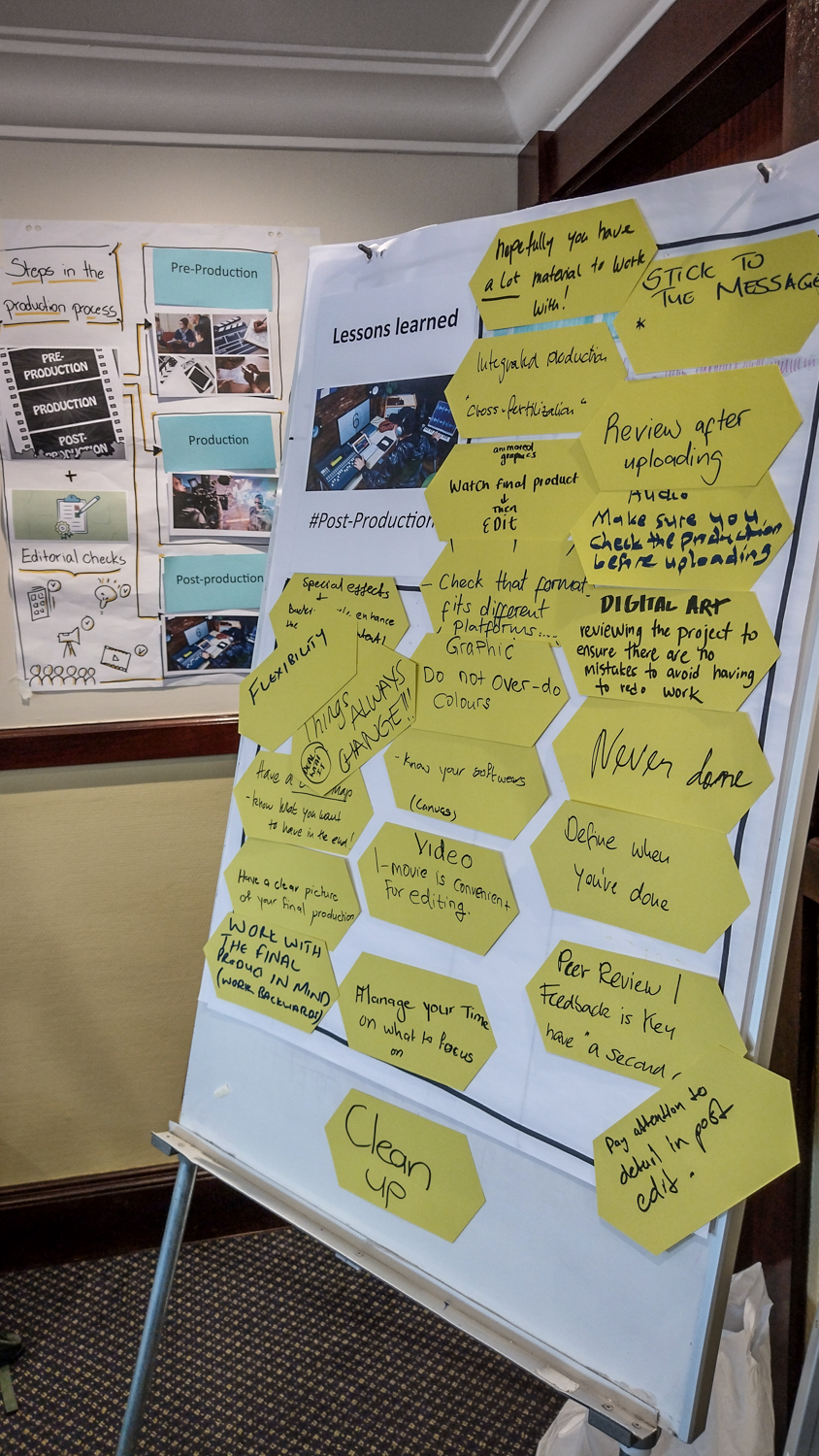
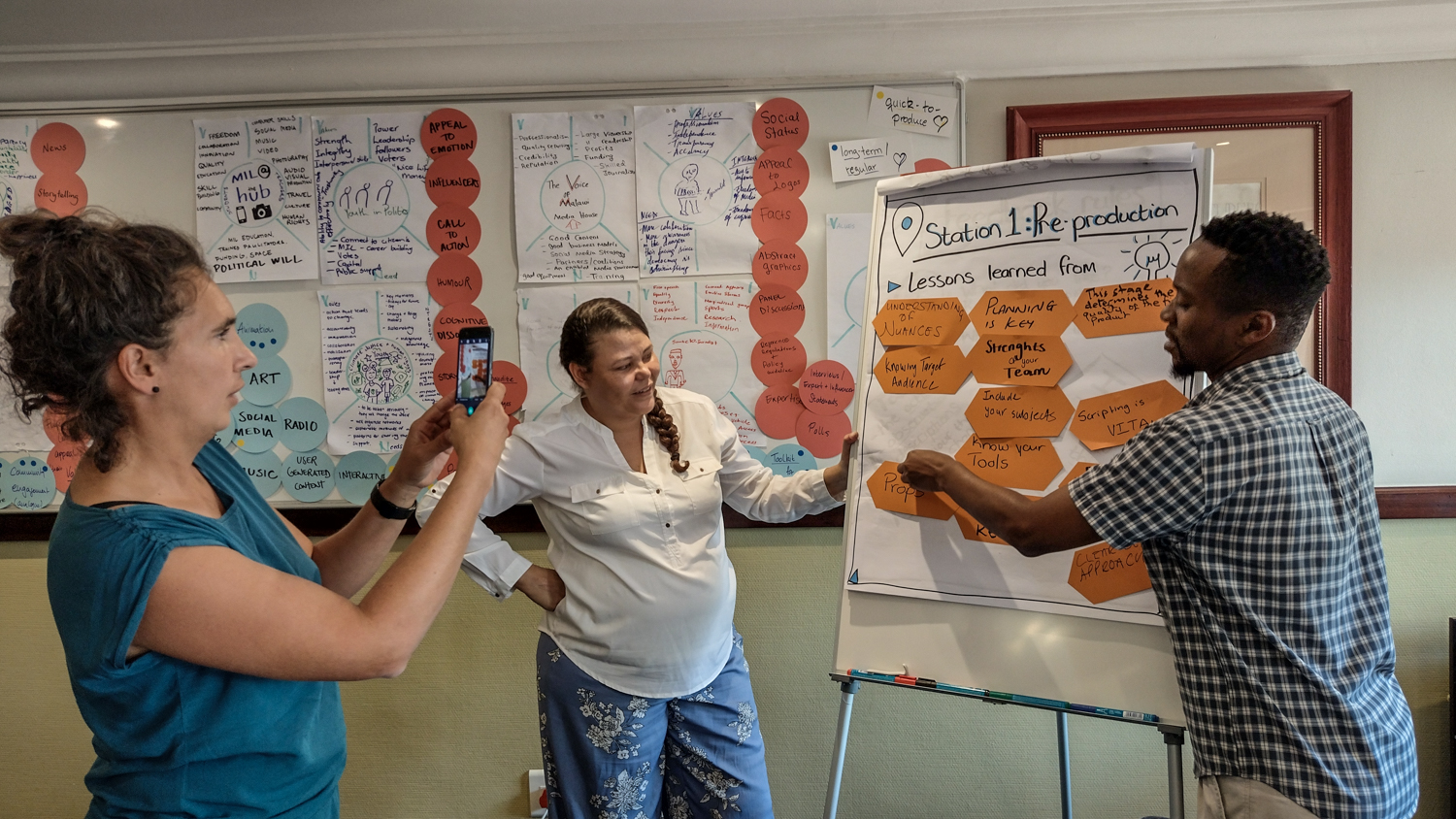
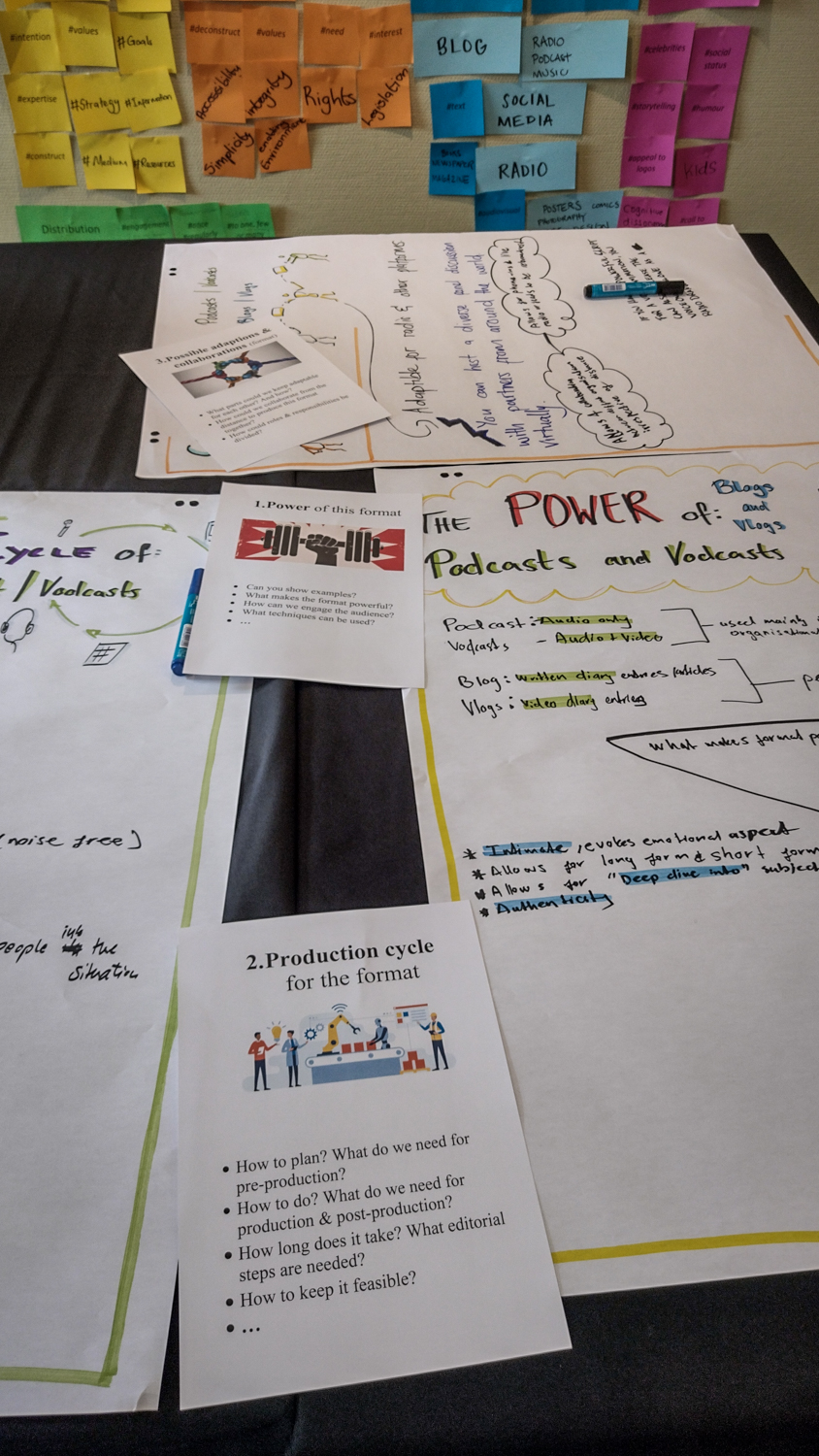
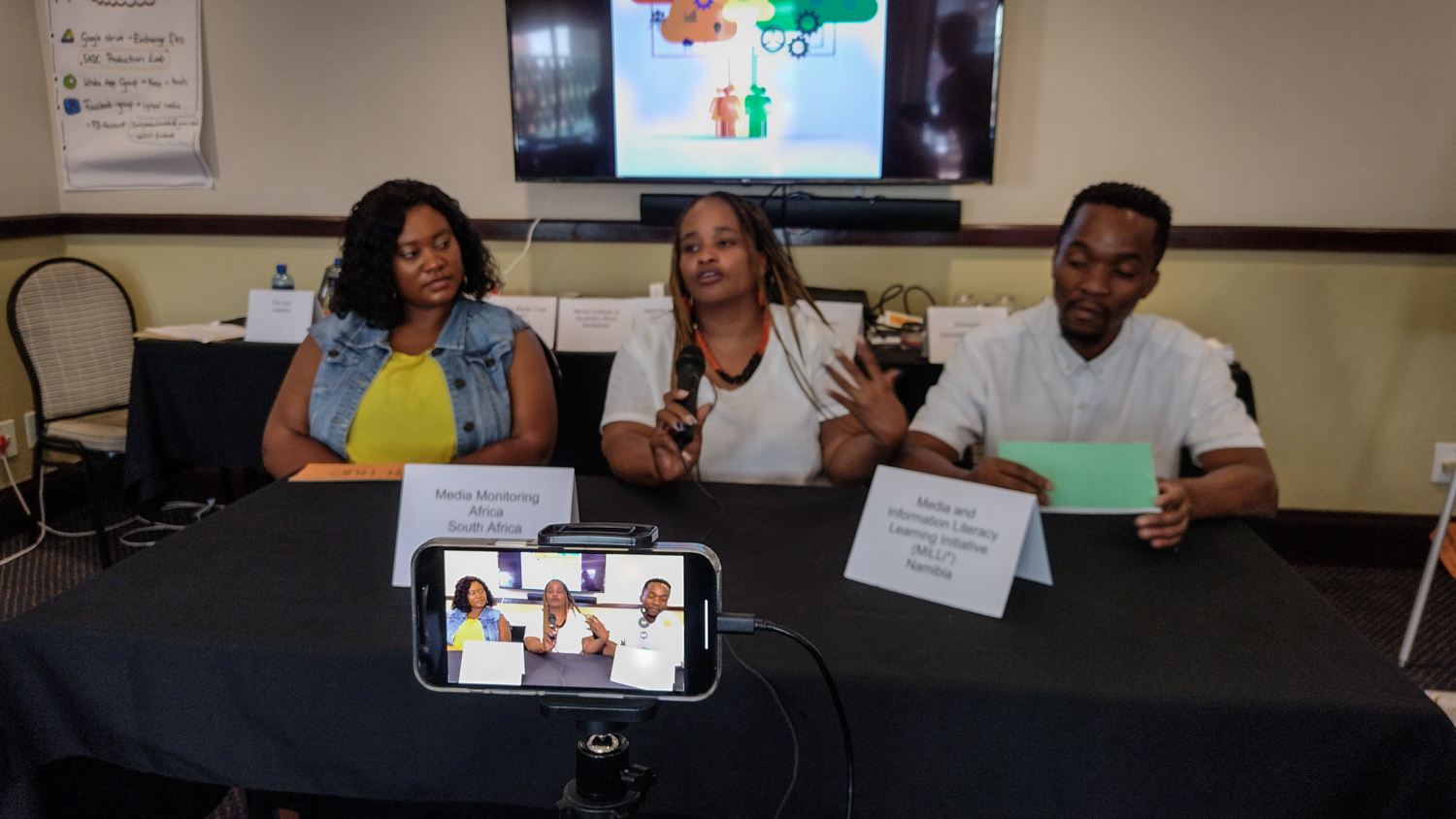
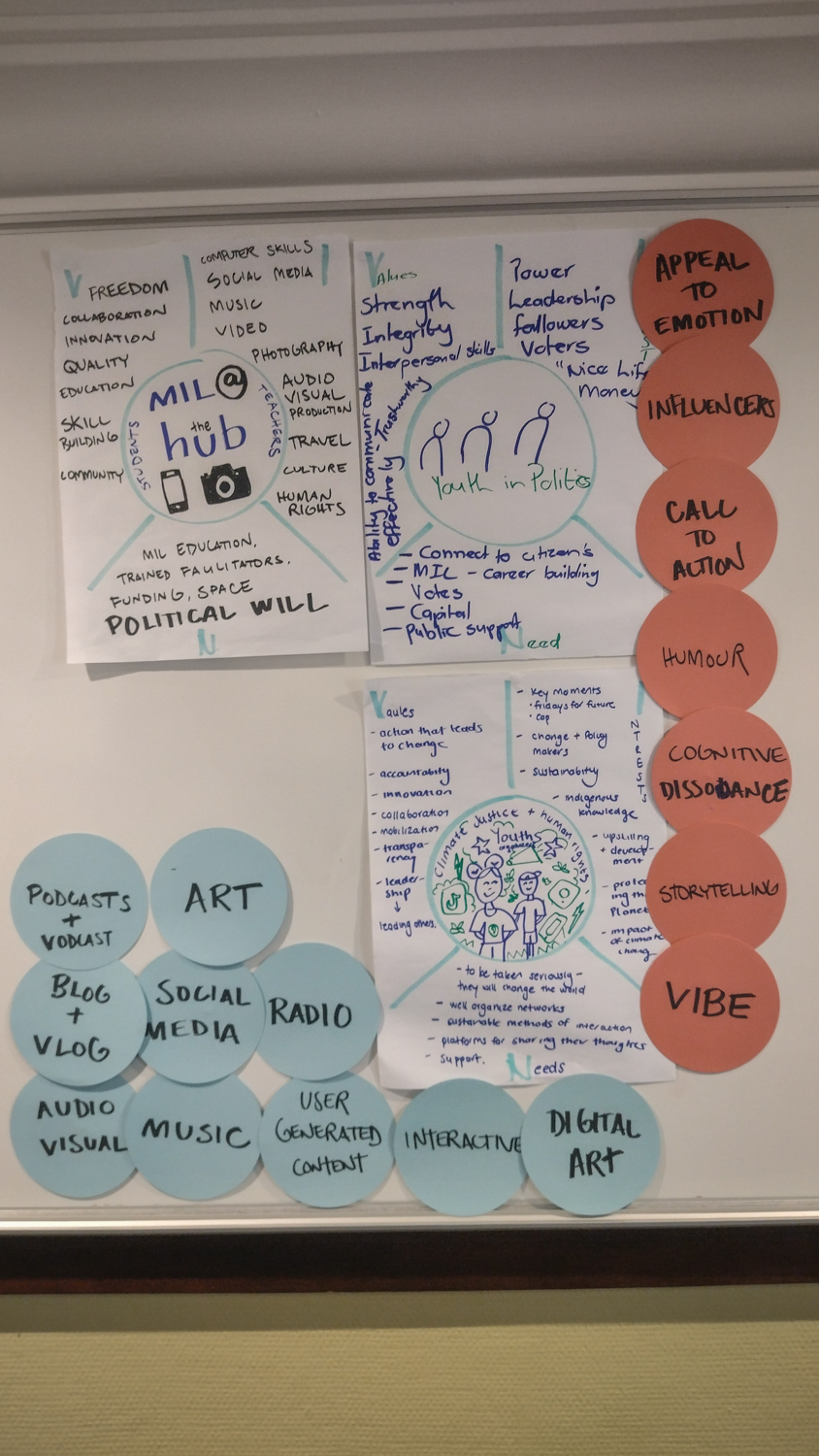
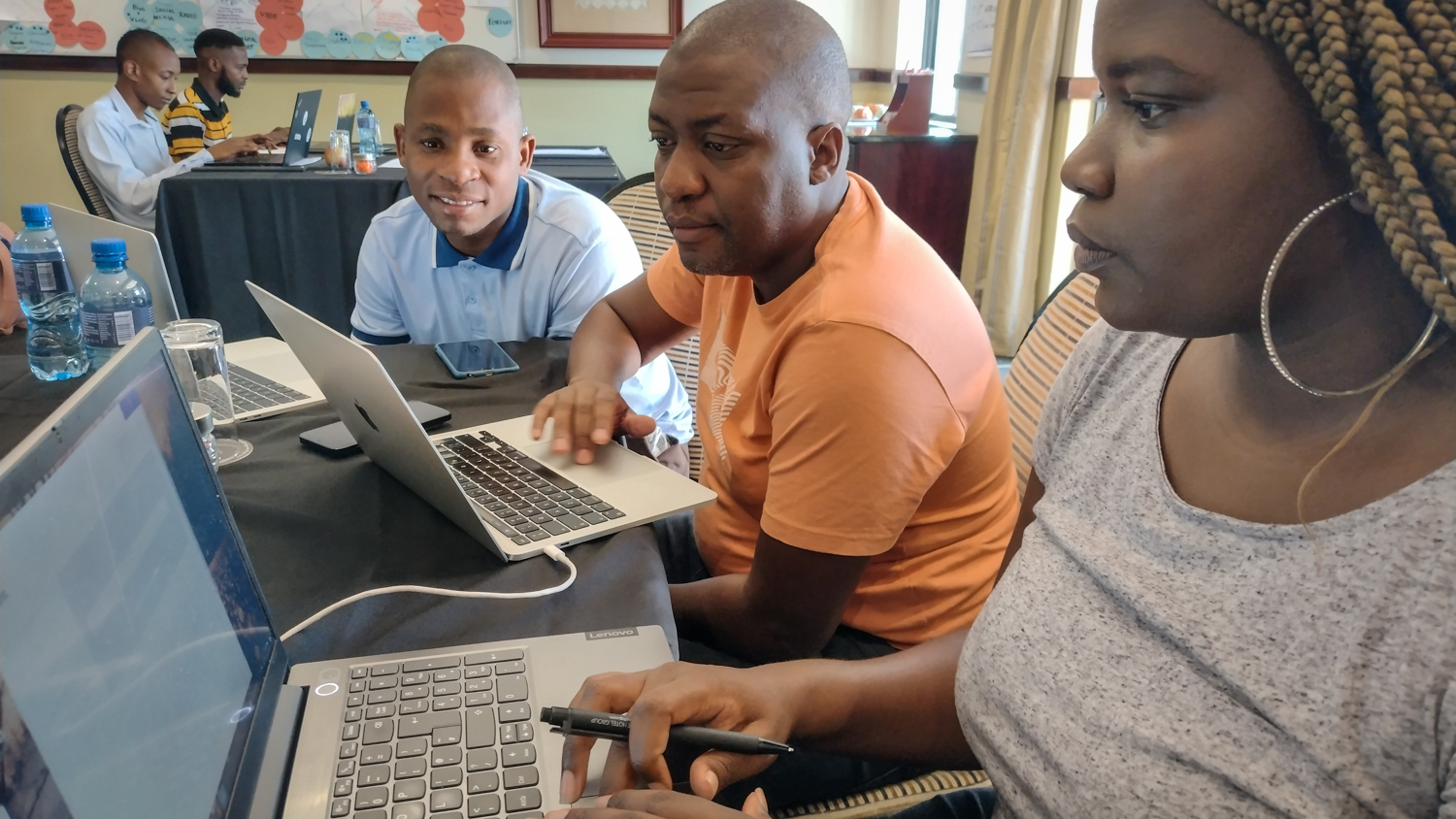
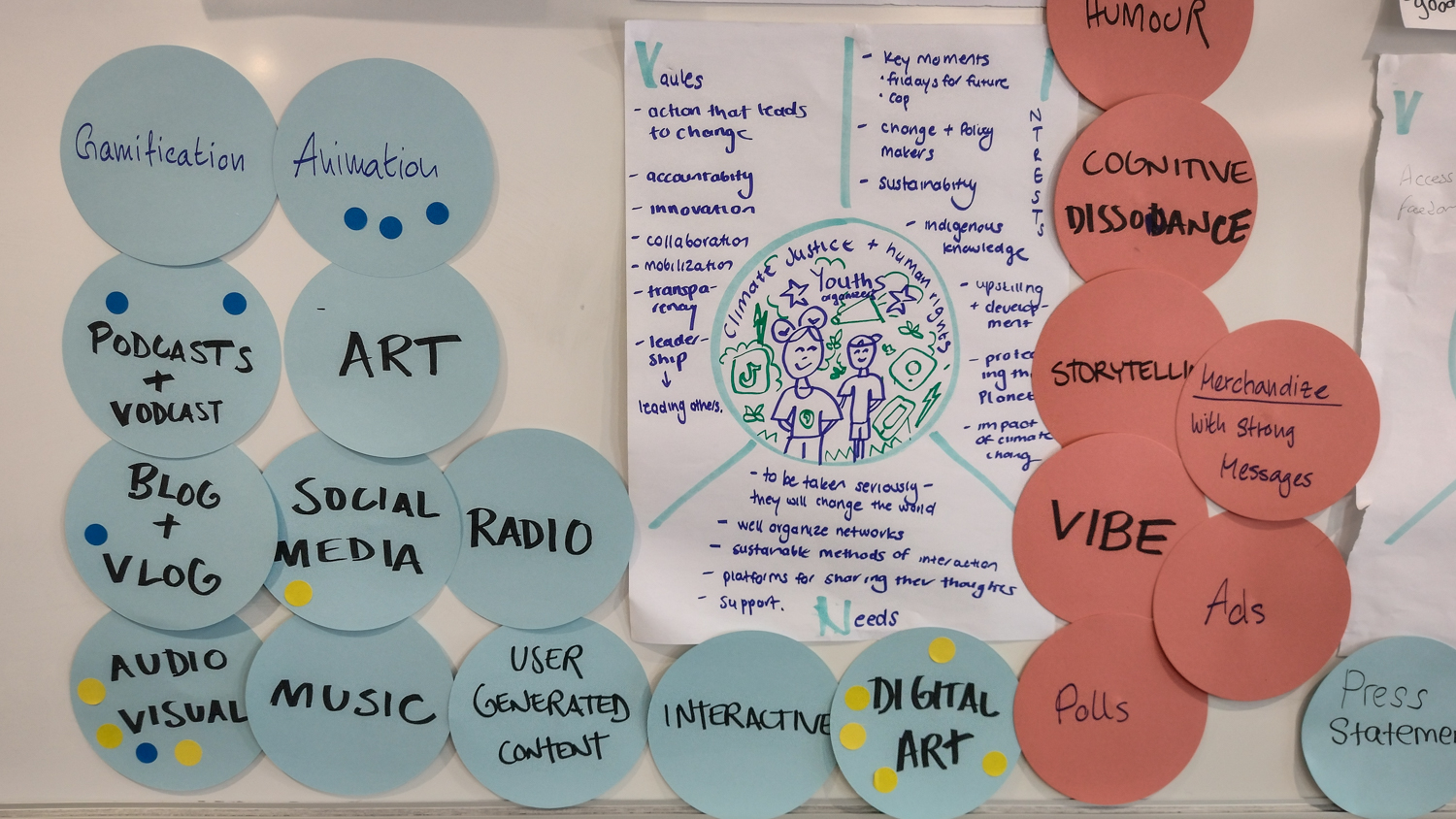
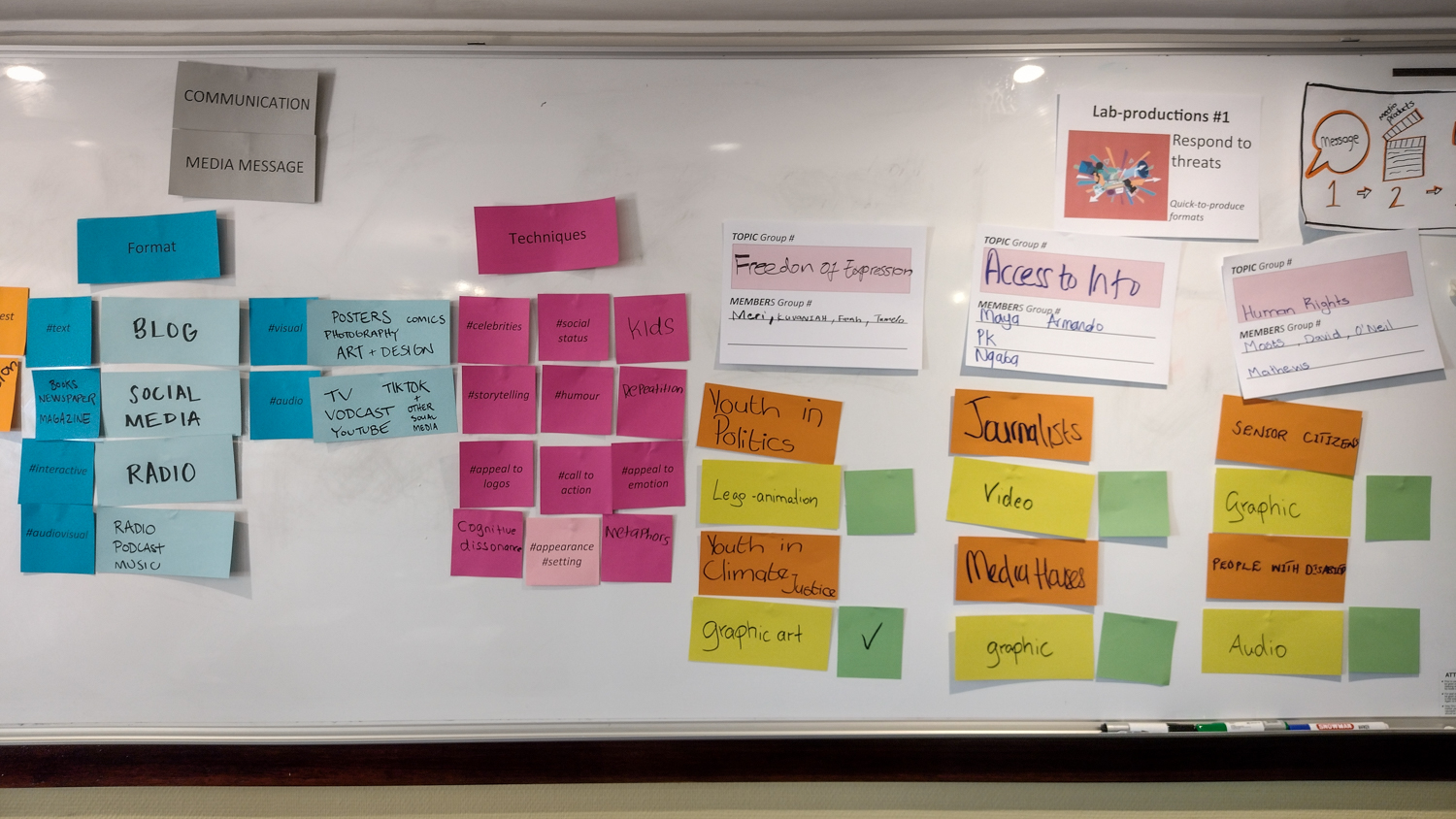
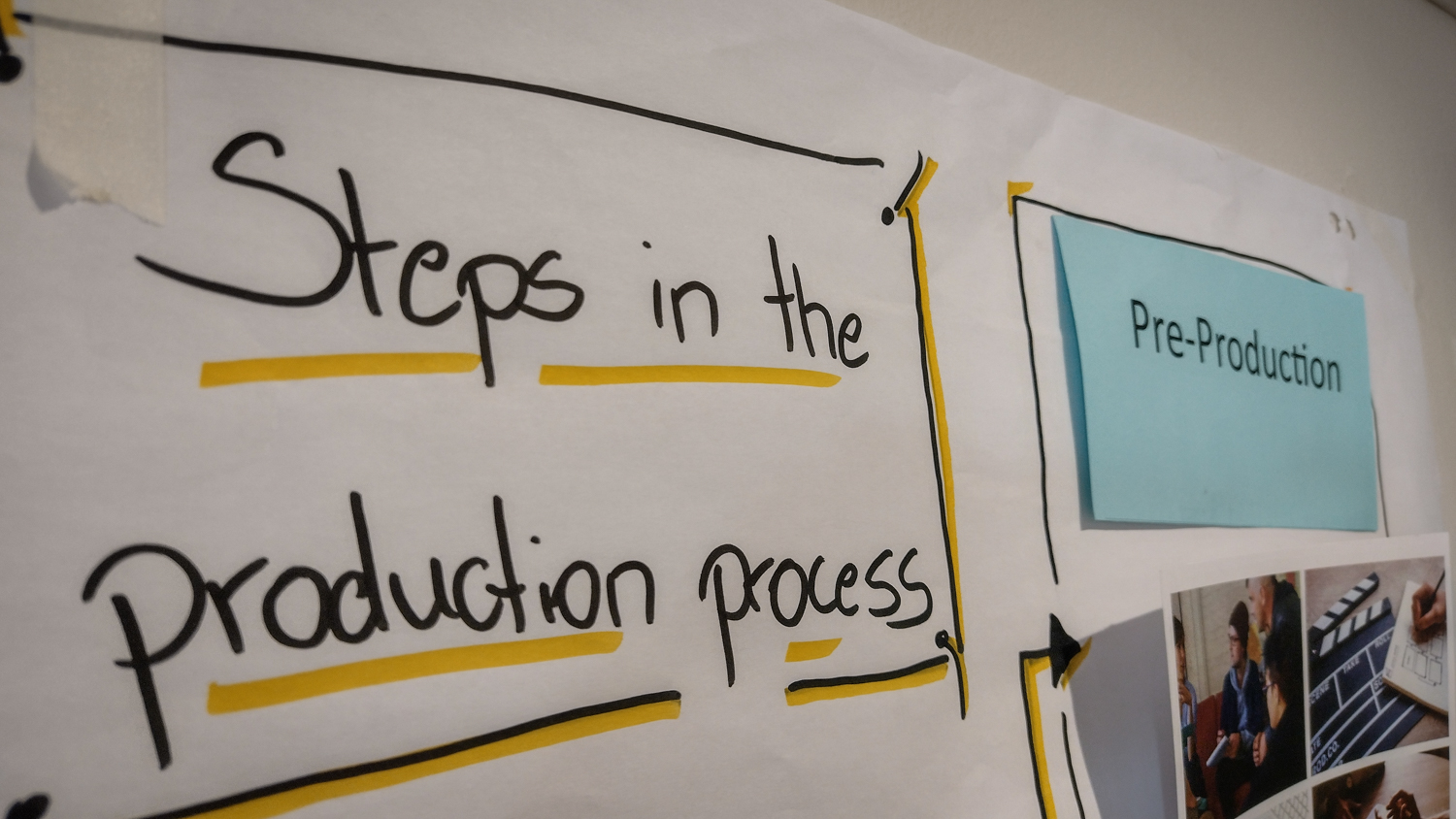
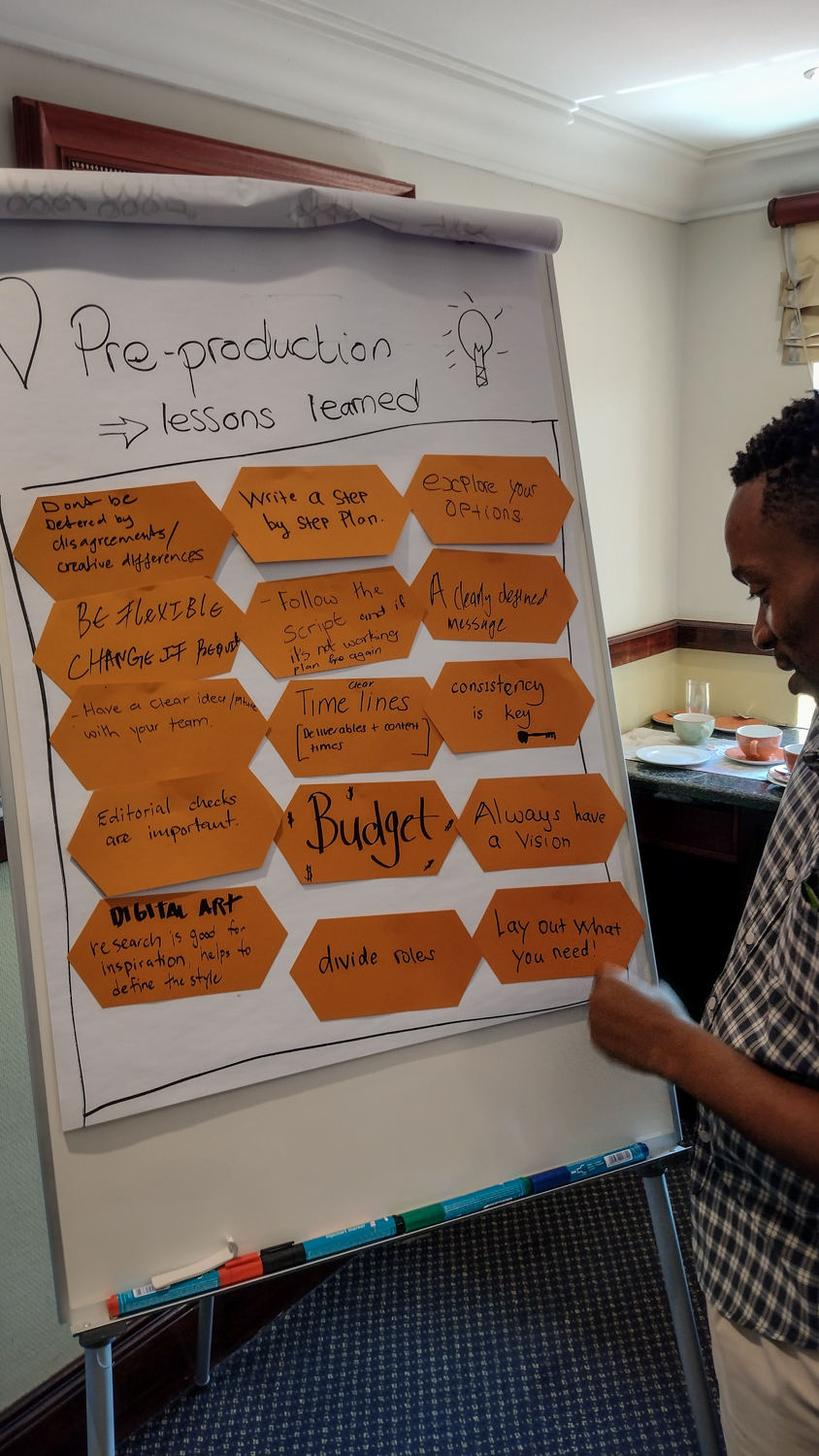
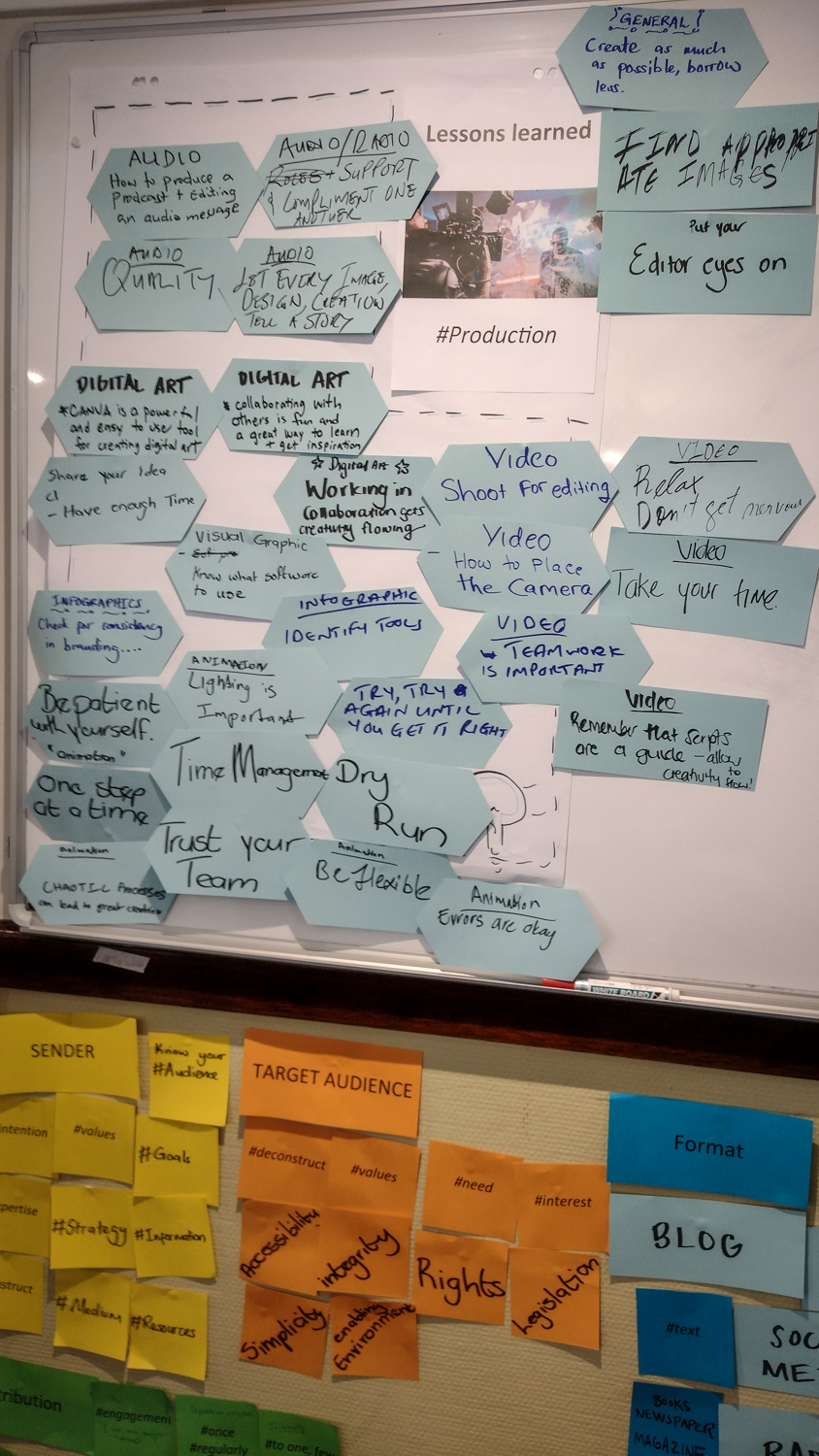
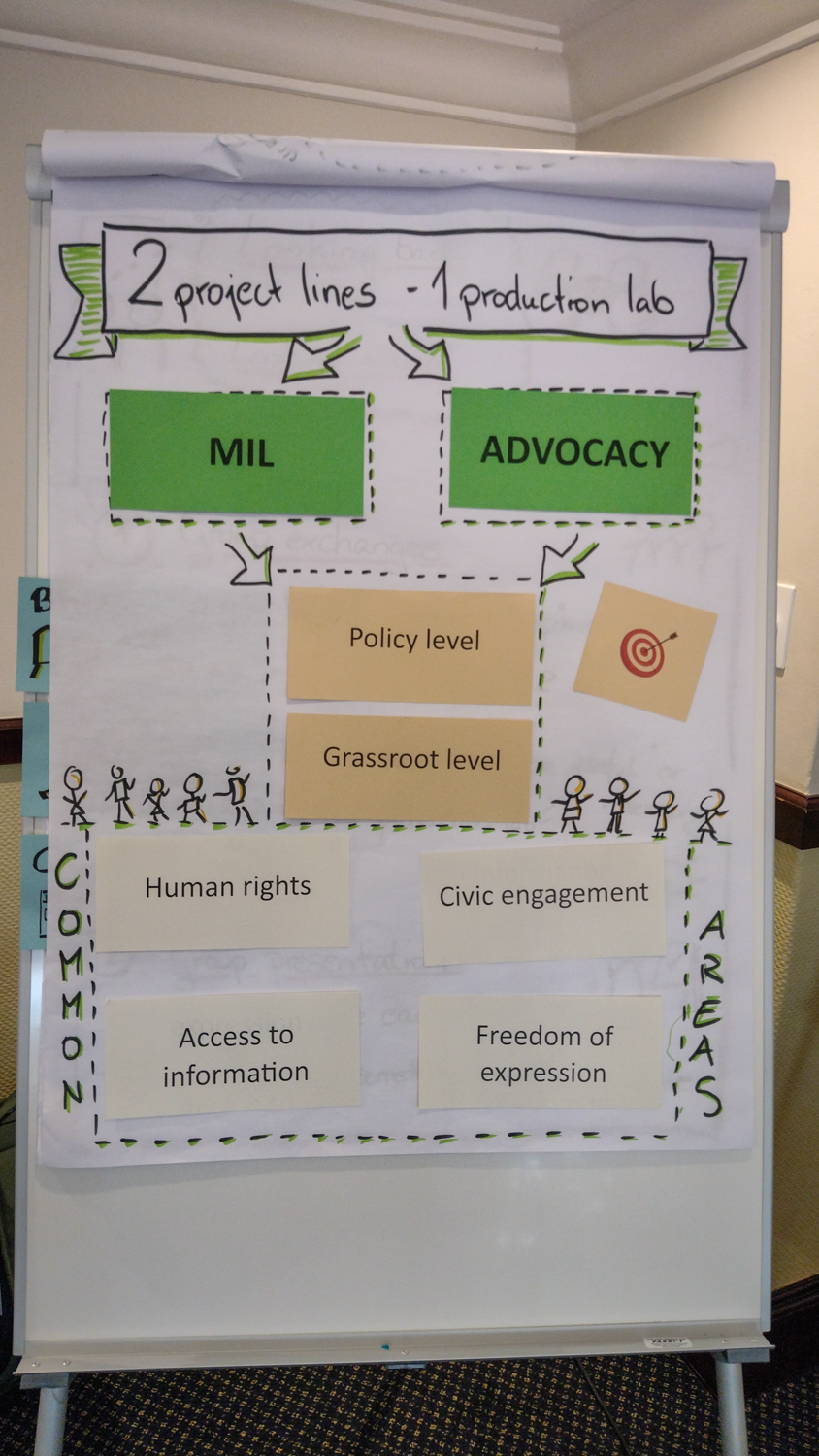
From March 20-24, 2023, The Hub joined DW Akademie and 11 other organisations from 8 SADC countries for a week-long production lab in Johannesburg, South Africa.
Thanks to @dw_akademie for inviting The Hub to take part in the SADC Production Lab last week, we’re certain that many collaborations will come out of the experience! More information about the experience coming soon 📝 pic.twitter.com/dwvsjBWp72
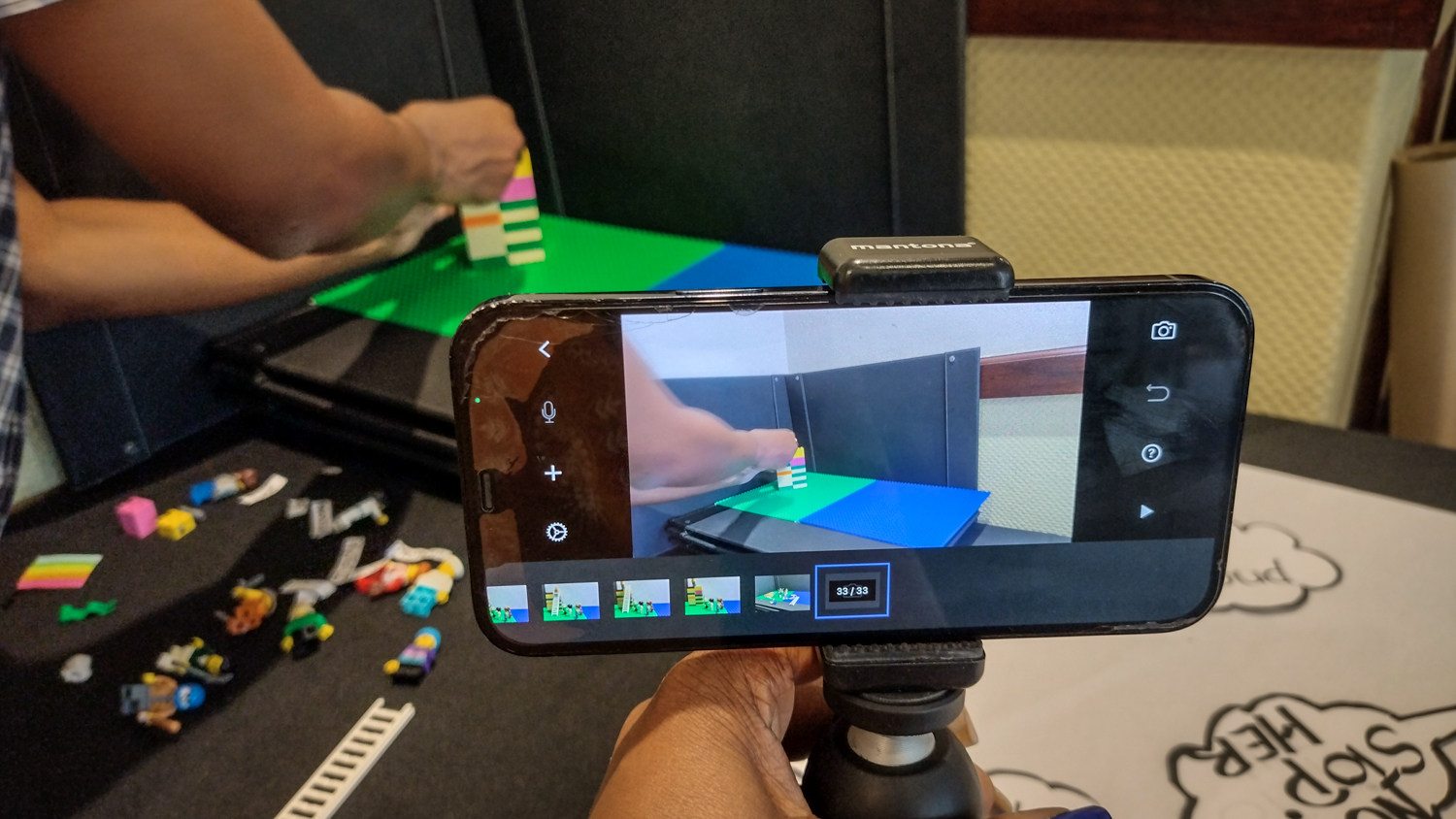
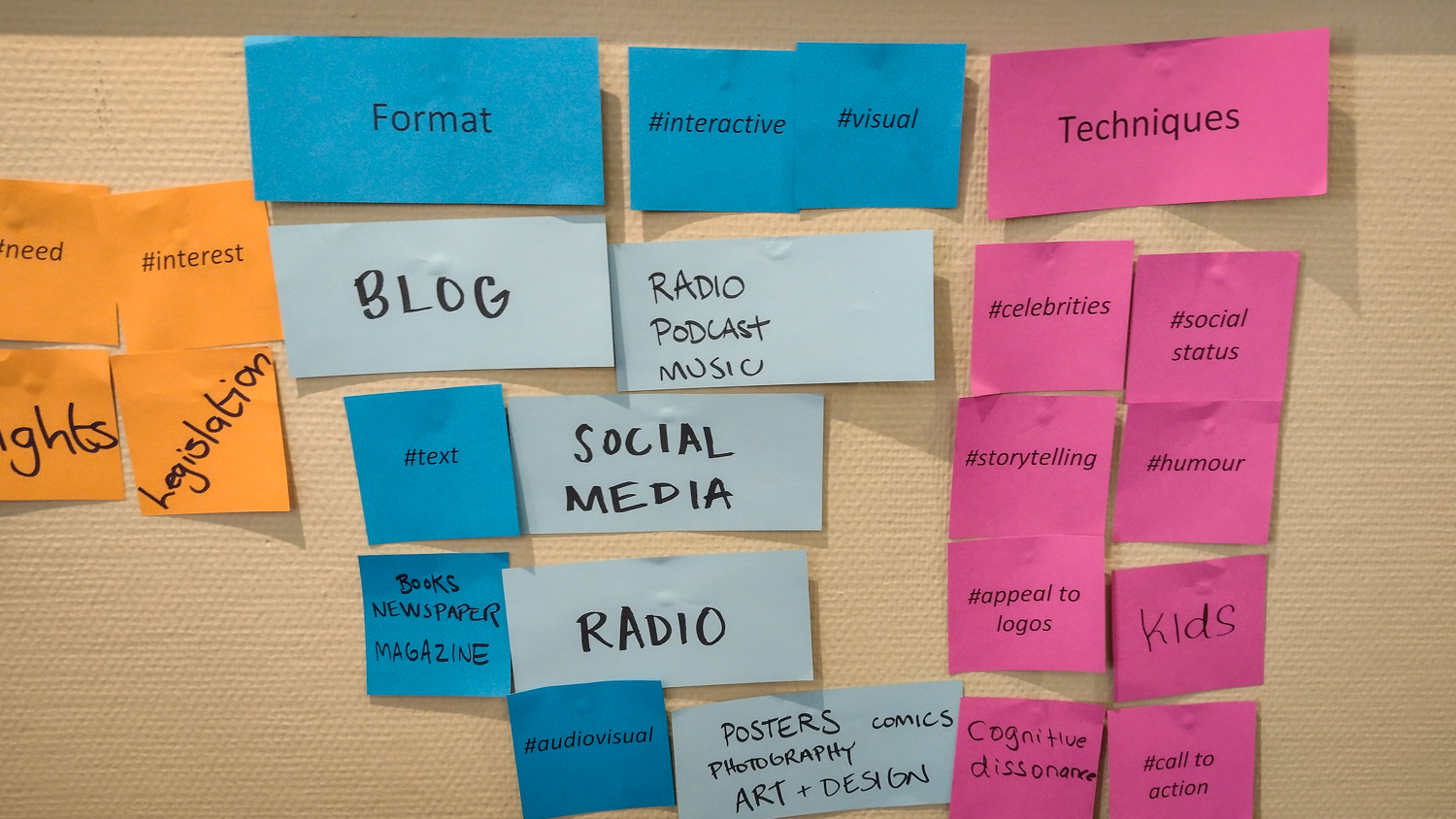
The aim of the week was to produce media and experiment with new forms of conveying relevant information and:
Share engaging media messages, experiment with new media formats and techniques that fit the needs and interests of our respective target groups.
Exchange our expertise and skills in planning, designing, and producing media to be able to respond swiftly to emerging developments in freedom of expressions, access to information and civic participation as well as to shape the public dialogue about these issues meaningfully.
Explore options to produce powerful media messages collaboratively from different corners of the Southern Africa region.
Media and Information Literacy (MIL) is essential because it helps people understand the messages that are being communicated to them. With so many sources of information today, media literacy can help people identify reliable sources and filter through the noise to get to the truth.
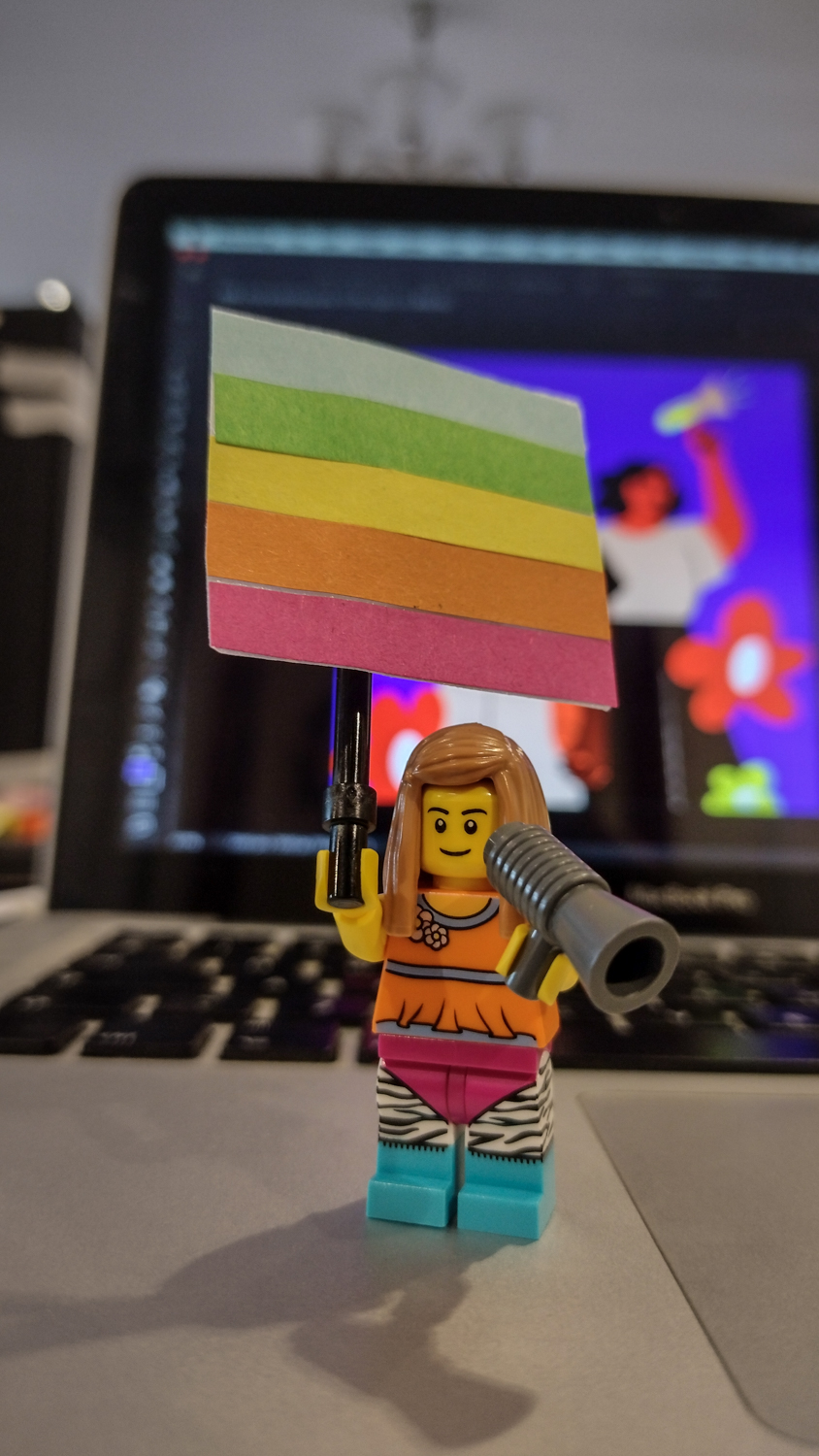
One of the media messages produced by The Hub, together with Amnesty International and adapted from a poster by Amplifier, took on Human Rights and Freedom of Expression in Climate Justice:
The message conveyed in the graphic became more relevant when one of the participants, Moses Kaunda from the National Initiative for Civic Education (NICE) Public Trust in Malawi, showed video of the shocking devastation recently left by Cyclone Freddy.
It is well acknowledged that across the globe, people who have the least role in causing the climate crisis are bearing the brunt of it, and unfortunately, climate justice is not talked about enough.
– Eric Njuguna, Youth Climate Justice Organizer
In sub-Saharan Africa, the impacts of the climate crisis are felt by society’s most marginalized people, where environmental destruction exacerbates economic and social inequalities already present in the region.
Change affects us all, but not equally. So far, during climate negotiations, wealthier governments are only willing to discuss small steps to reduce emissions – justice is not on their agenda. #climatejustice
Amnesty’s Human Rights Academy is training a new generation of human rights defenders – strengthening the human rights movement through action oriented education. It offers a free online course on Climate Justice. Join now! By the end of the course, you will be able to:
Detail how climate change is a major human rights issue
Define and express key terms and concepts related to human rights and climate change
Outline the numerous inequalities of climate change, including their causes and consequences across regions and demographics
Critically evaluate both the mutual supportiveness and possible tensions between human rights and climate change action
Differentiate between different types of climate change response measures that protect and promote human rights
Identify human rights-based mechanisms, tools and tactics to shape climate action
Analyze state and corporate responsibilities in tackling climate change
Challenge the hostility and antagonism faced by environmental human rights defenders and explain why their work is crucial
Build connections between the human rights and climate justice movements
Take action to promote human rights and climate justice
Do you want to learn more about MIL? For open-source MIL content, visit the MIL Content Hub. The Hub is part of a group of organisations from SADC countries that together with DW Akademie are passionate about empowering our citizens with open-source MIL content. We strongly believe that these skills will enable the citizens of our countries and communities to make informed decisions that can enrich and better their lives. We therefore strongly advocate for MIL in our societies!
We’re grateful to DW Akademie for inviting The Hub to take part in the SADC Production Lab!
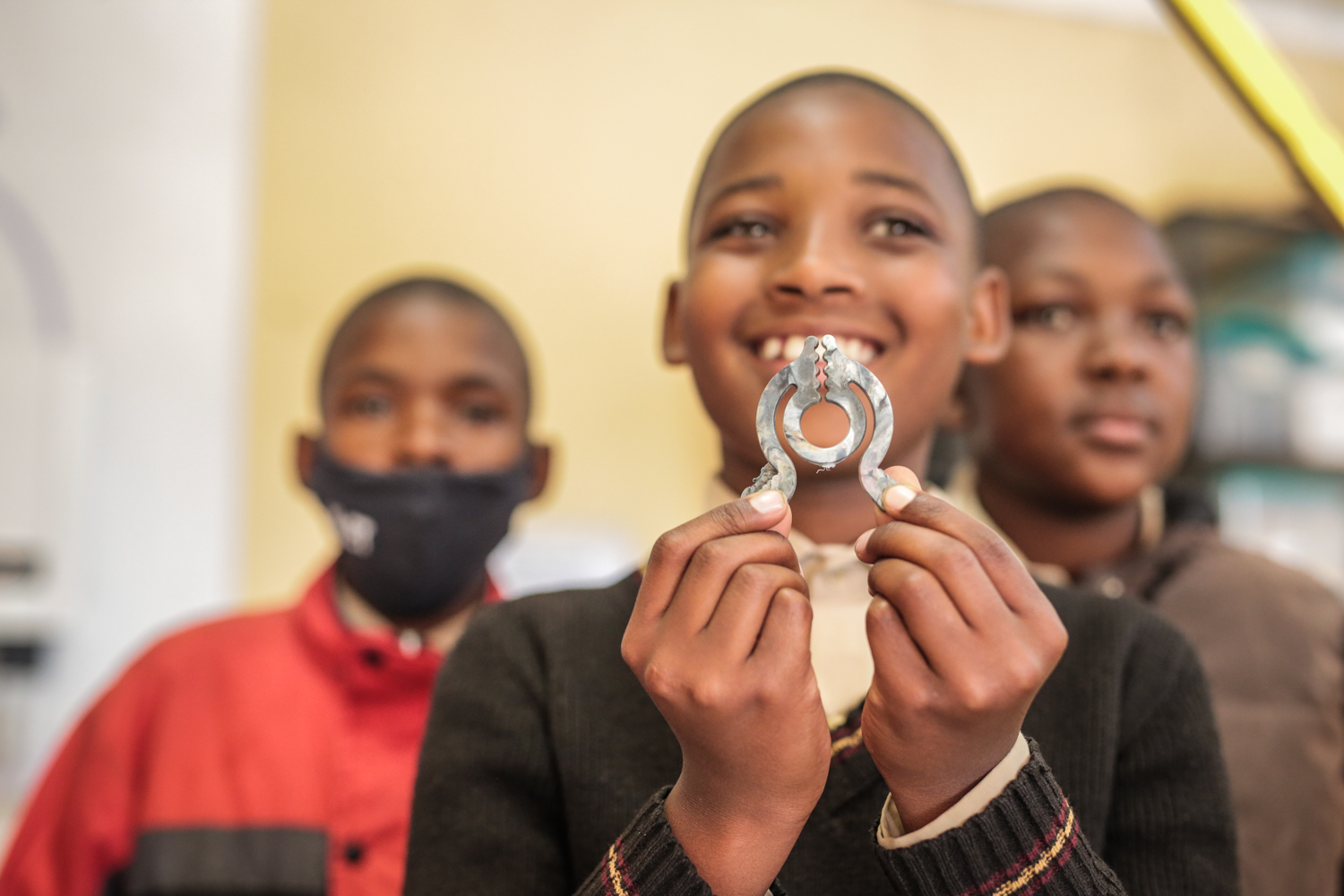
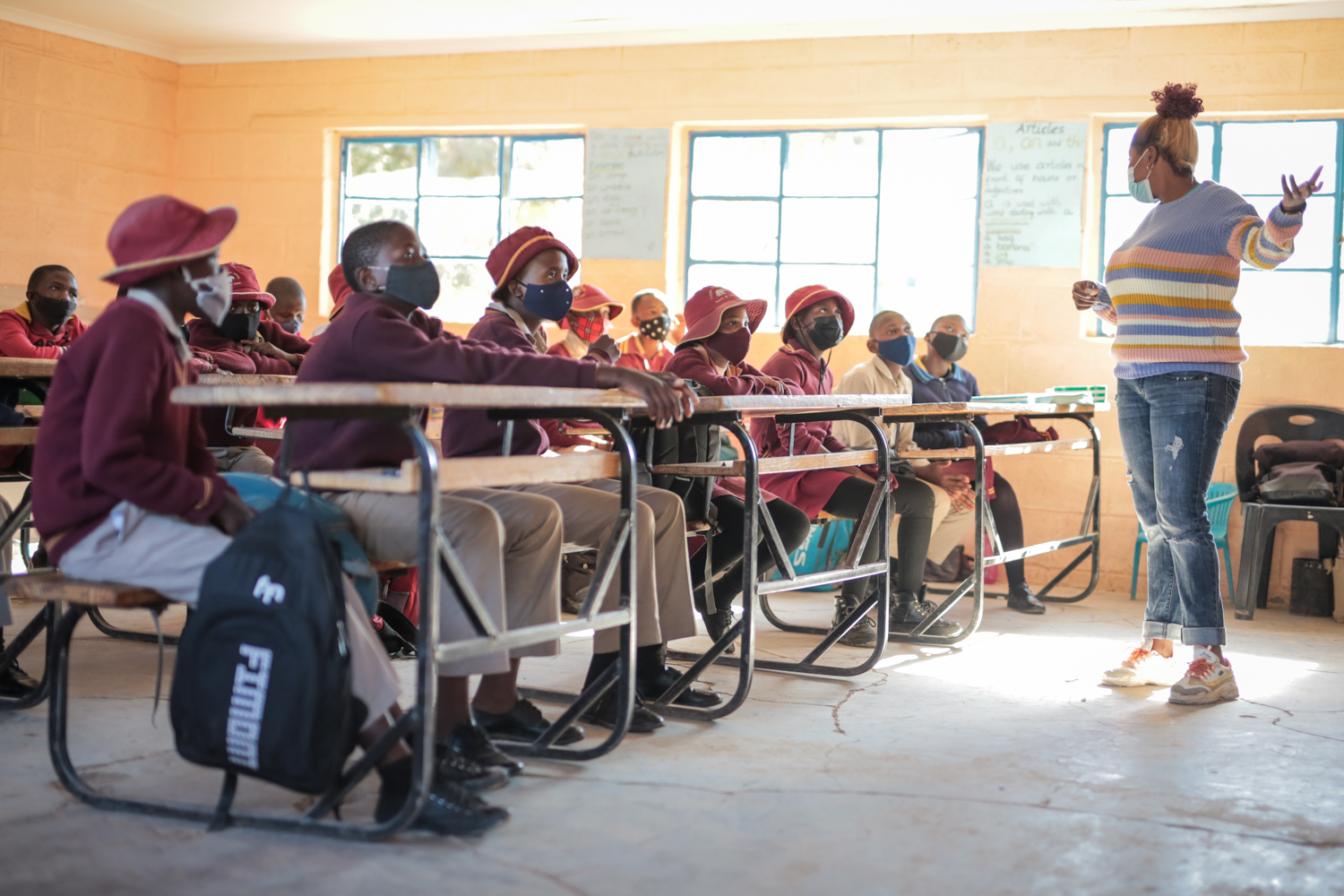
In partnership with Glasswaters Foundation and Dolen Cymru, Skills & Soup continues to provide 100 children and adolescents in Morija and surrounding communities with weekly nutritional meals, life skills, and after-school tuition.
Overview of The Hub’s Skills & Soup programming
100 weekly participants range in age from 8-18 from Morija and surrounding villages. 55% of the participants are girls.
The participants attend the programming free of charge.
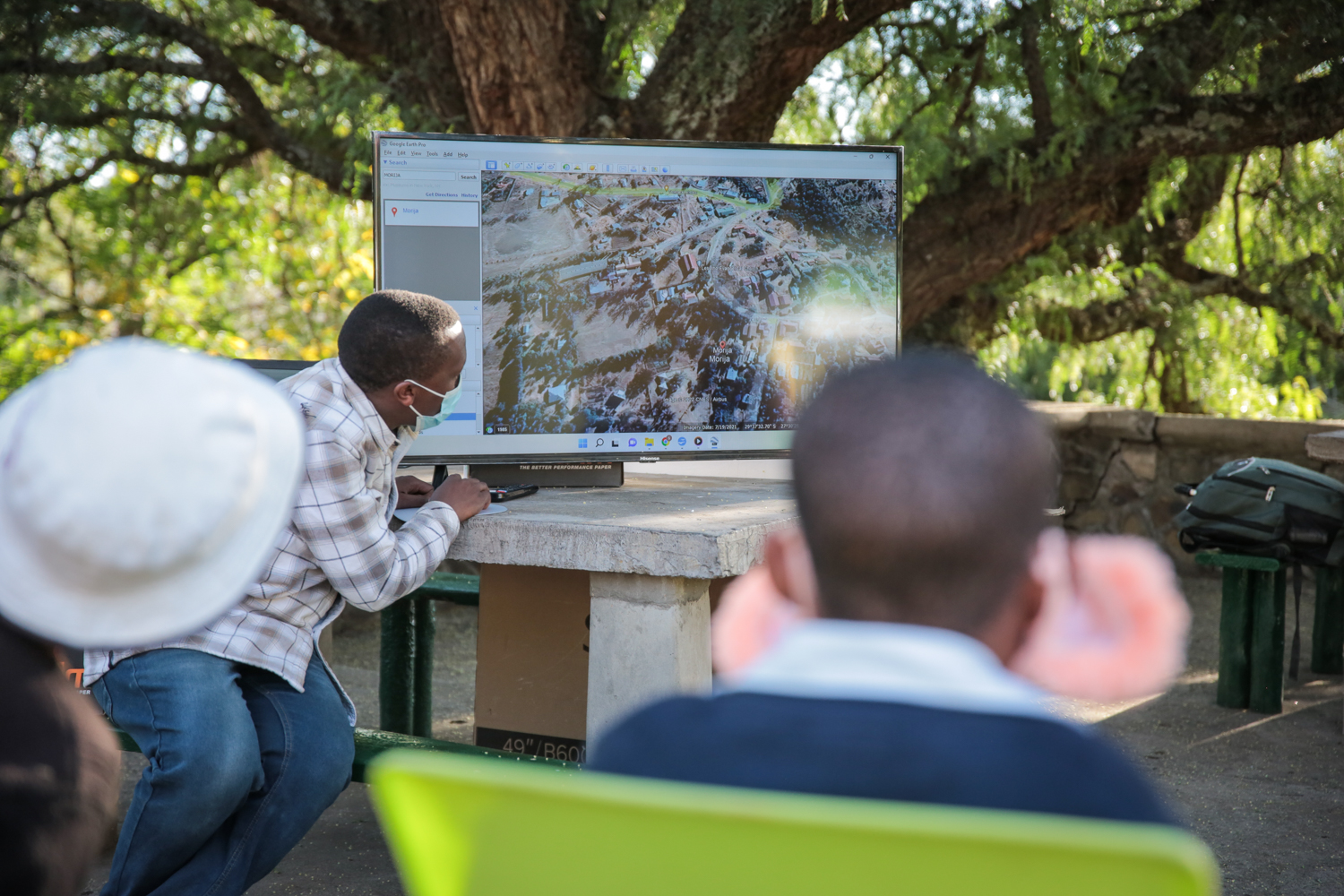
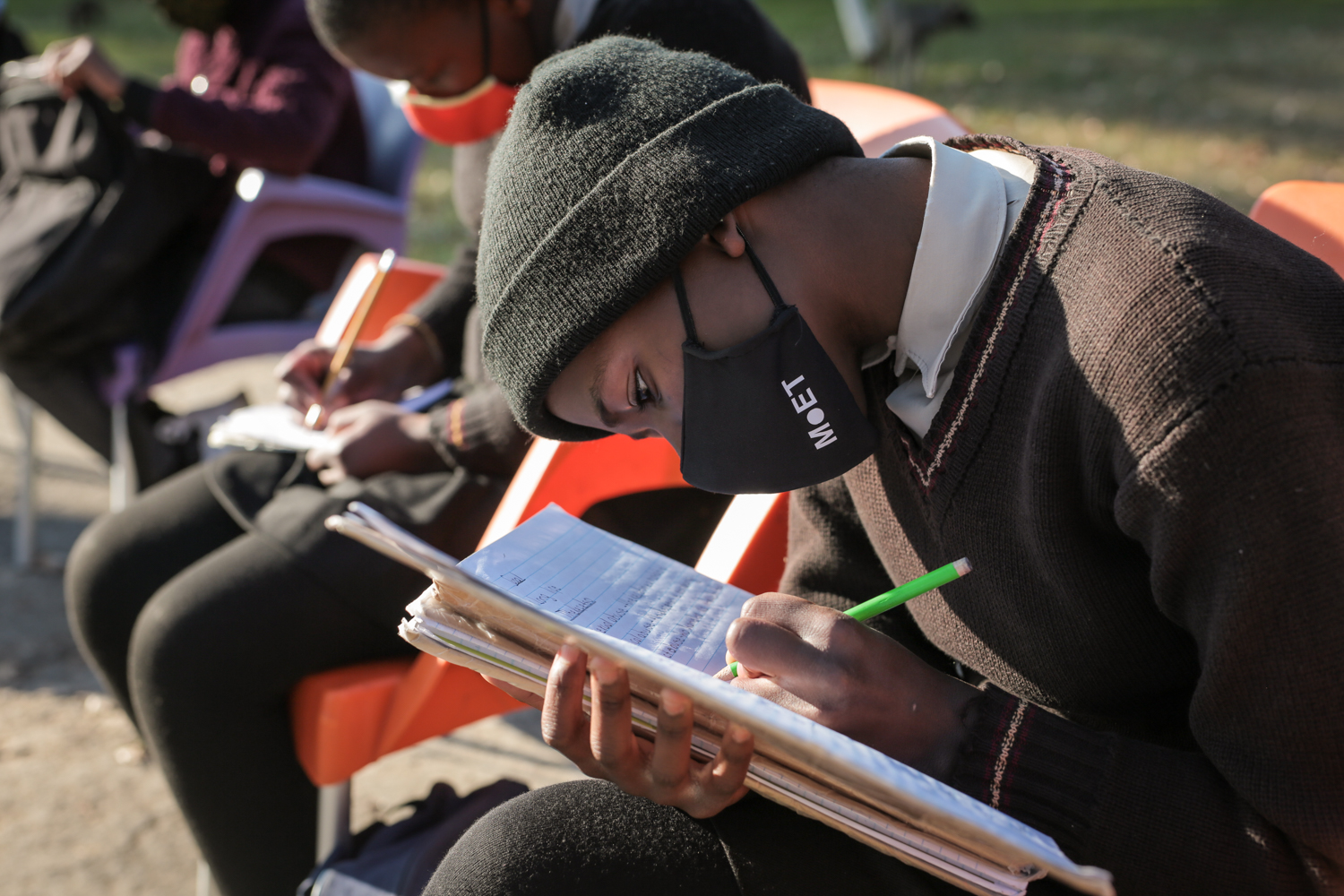
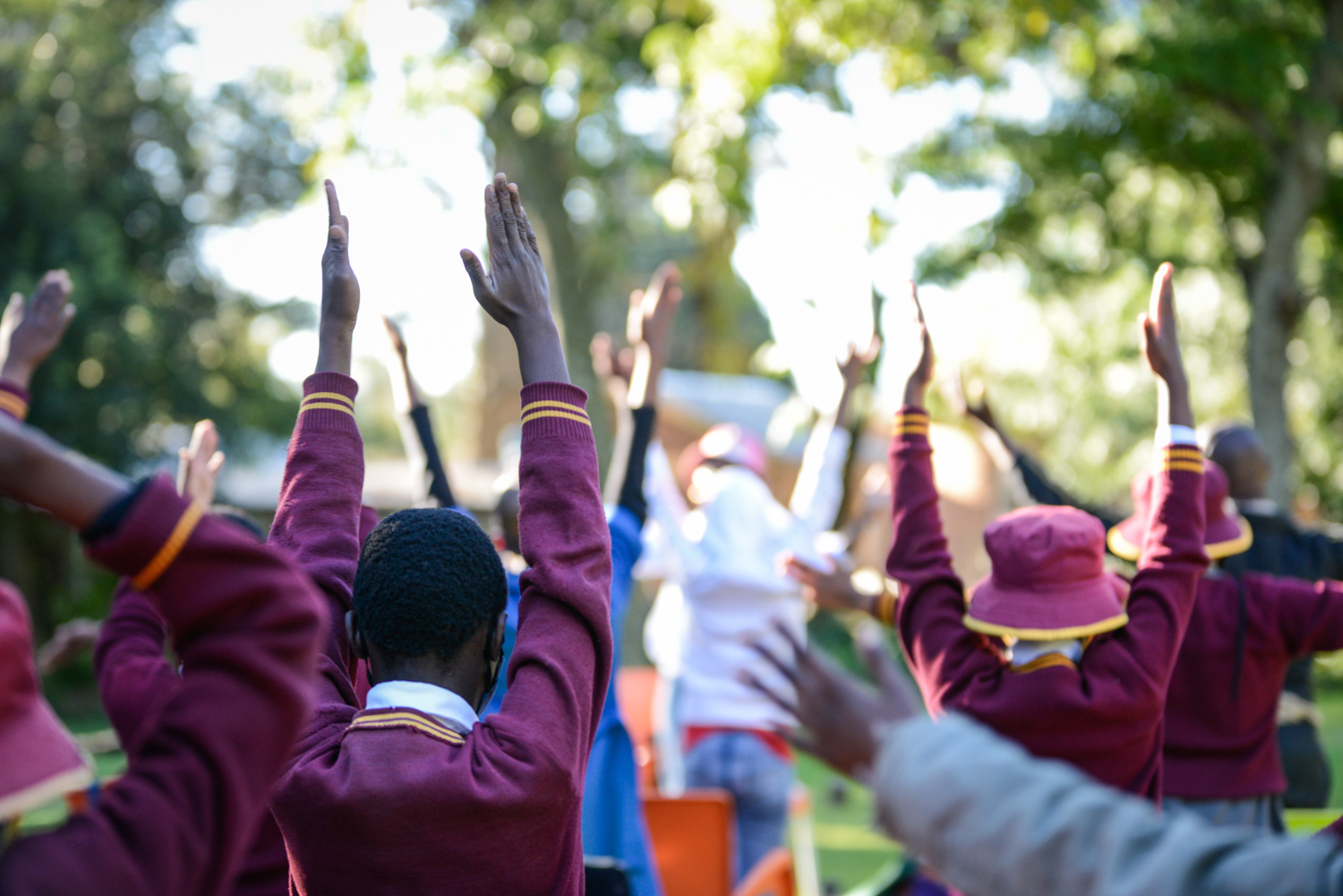
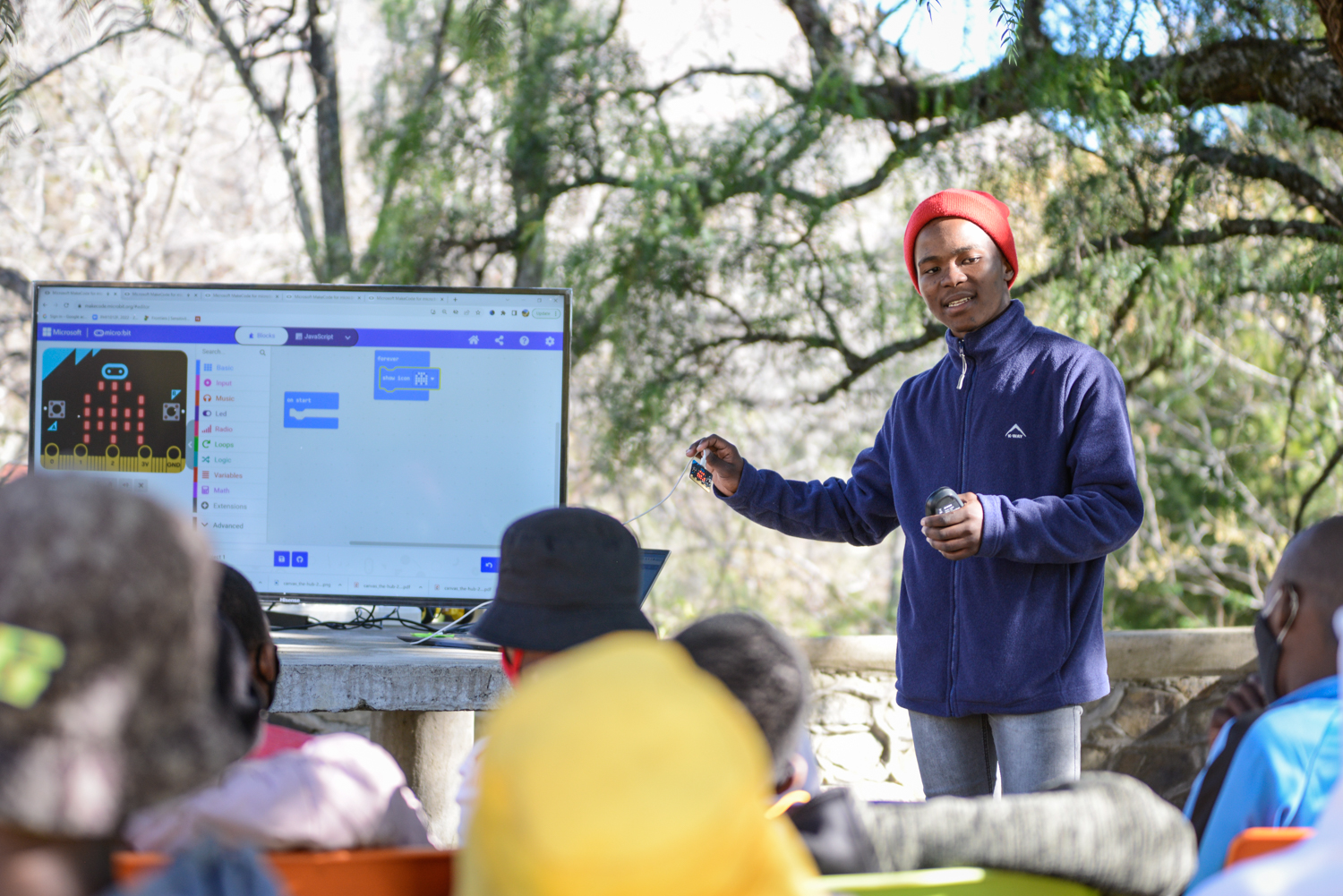
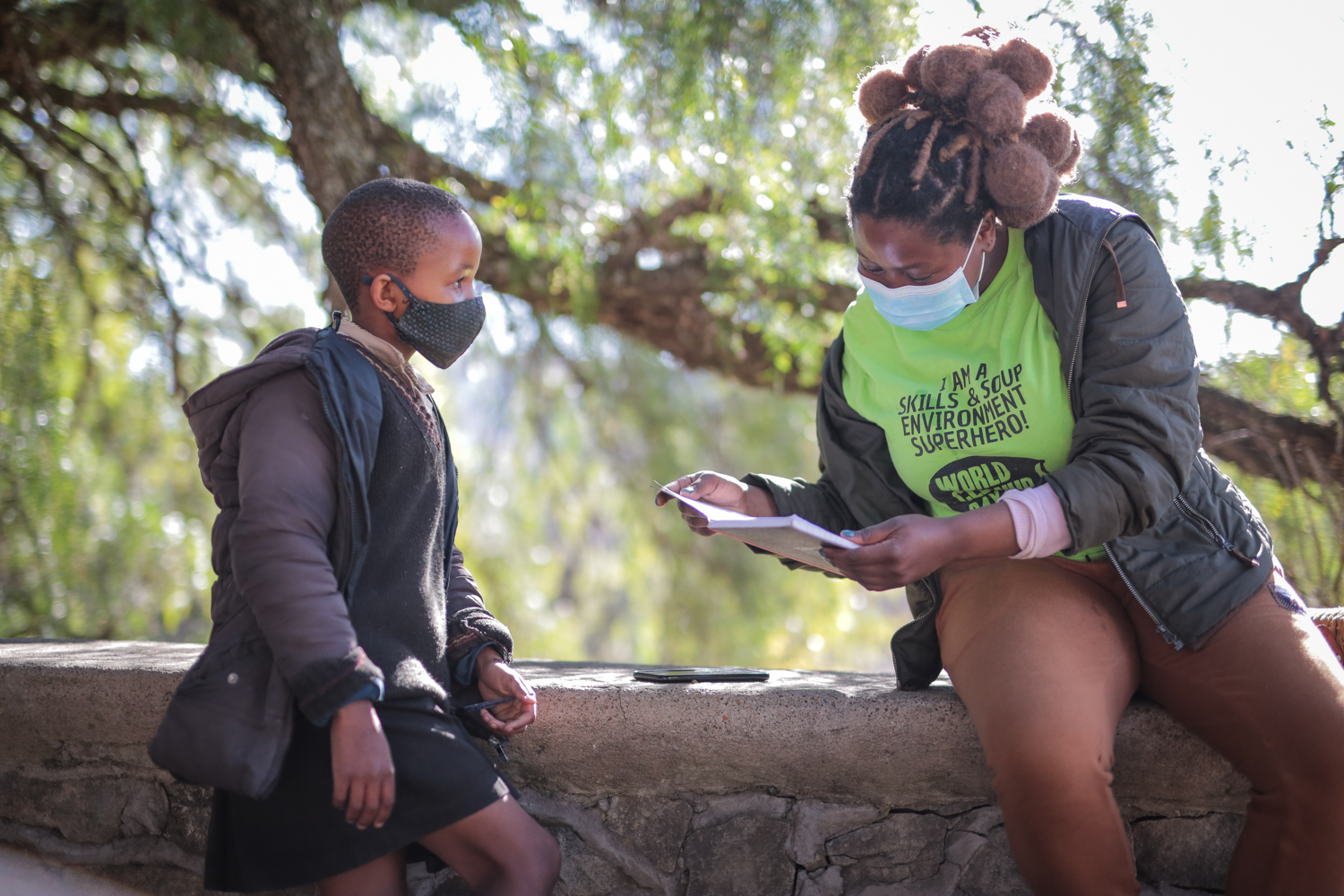
Provides after-school tutoring in IT, maths, English, science, technology, coding, mental well-being, and sign language lessons, as well as daily programming during school holidays.
Skills & Soup works toward lowering the incidence of gender-based violence through life skills and mental health programming which educates participants about the definitions of sexual abuse and where to find help if they are being abused.
Skills & Soup programming also emphasises gender equality, mutual respect and caring, and healthy coping mechanisms as ways of reducing the incidence of gender-based violence in future generations.
Skills & Soup in 2022
Through January – December 2022:
253 sessions held
5,060 hot meals served
5,060 take-home rations served
Meals at Skills & Soup
Prepared by Cafe Mojo, a female-owned and run business.
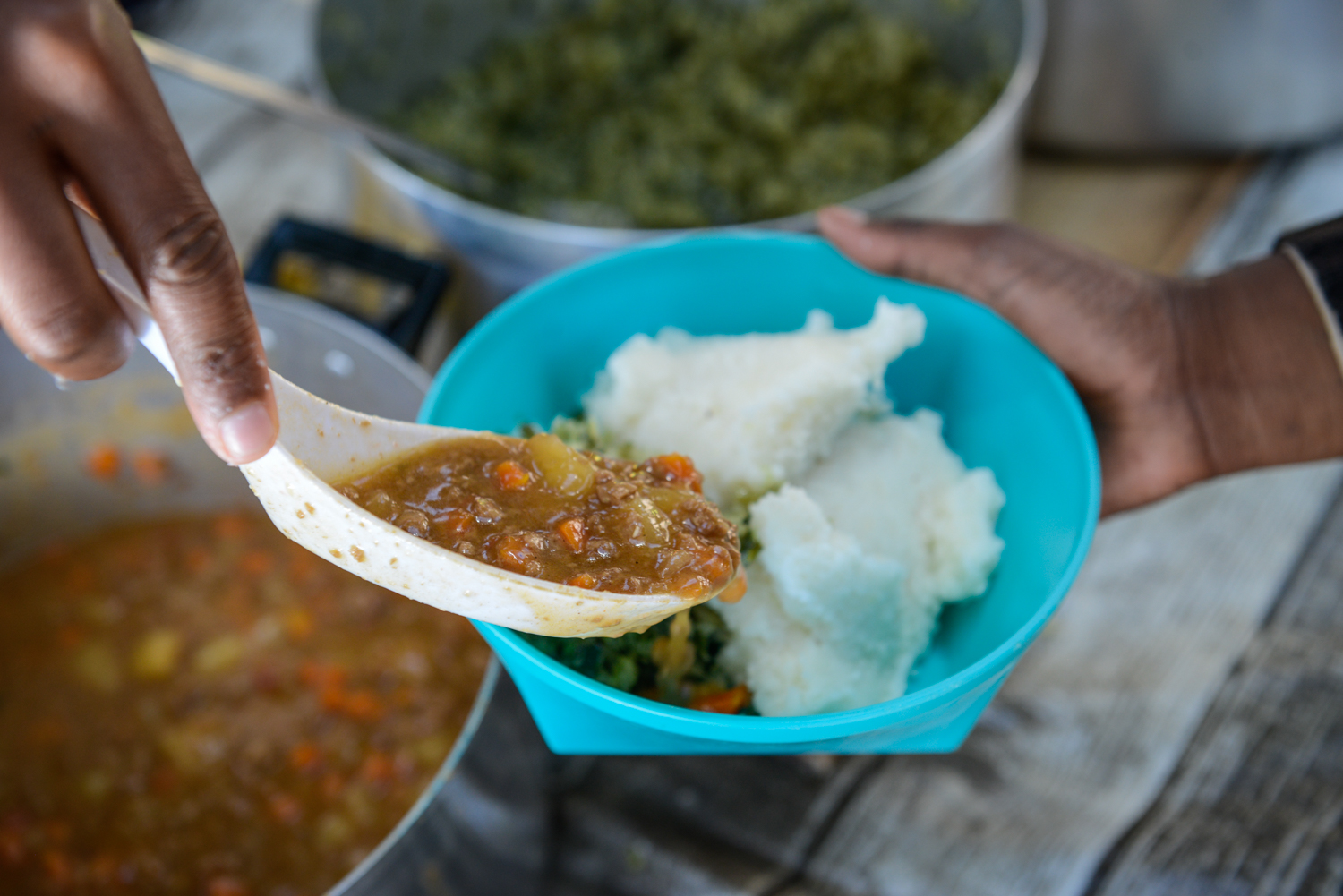
Daily highly nutritious hot meal includes protein, starch, vegetables.
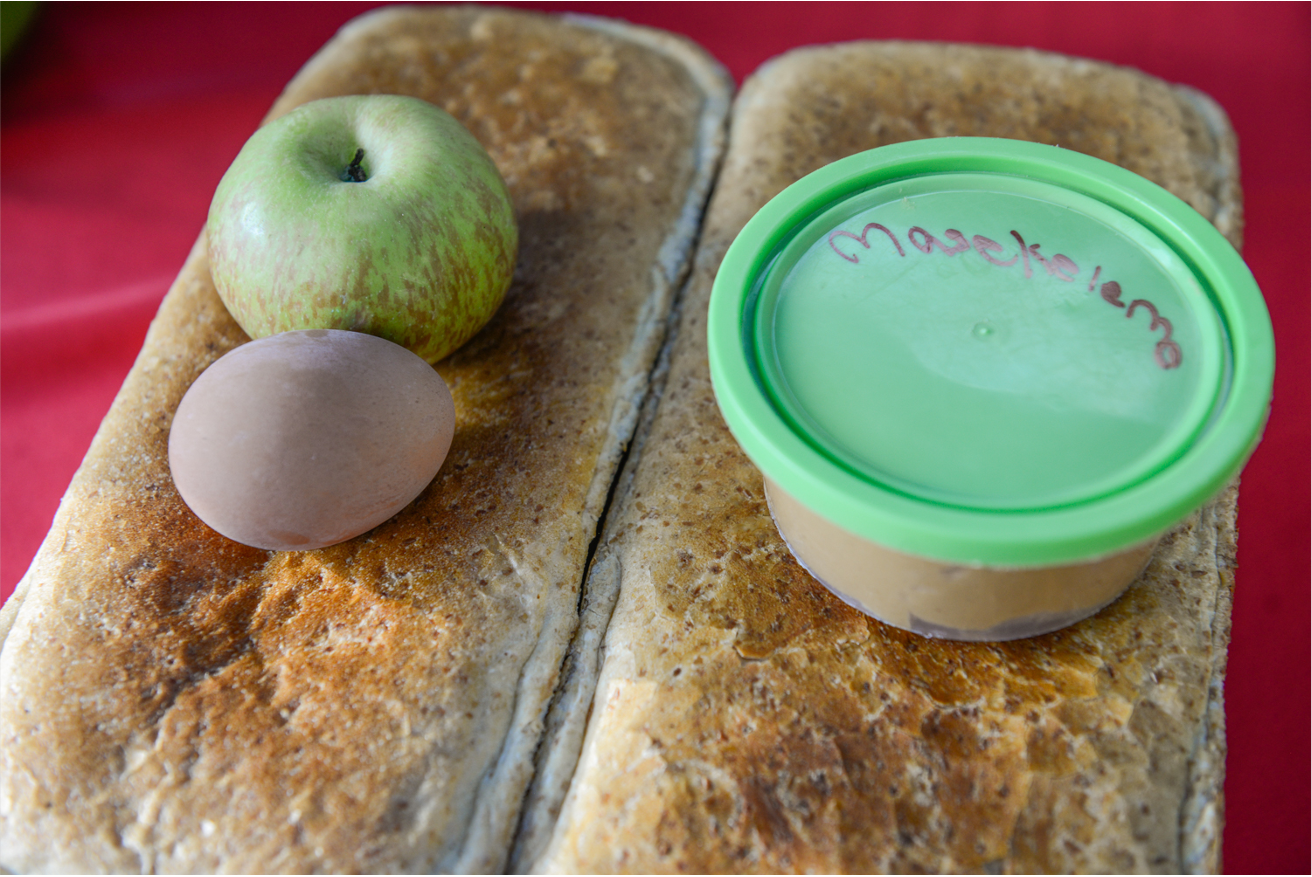
Daily highly nutritious take-home ration includes 2 loaves of locally baked fortified brown bread, peanut butter, boiled egg, fruit.
The Hub has eliminated single-use plastic by having participants bring their own reusable lunch containers.
Skills & Soup catering supports local businesses in Morija by purchasing:
200 loaves of bread from a local bakery weekly.
Eggs and seasonal vegetables from local farmers weekly.
Recent M&E quotations from our Skills & Soup participants, reflecting the impact of our weekly nutritional and educational programming:
Skills & Soup participants on their meals:
“I always share the bread with my siblings and we make a lunch box the following day.”
“Sometimes I leave home with an empty stomach and this is where the food makes a difference, especially the take-home ration.”
“Sometimes at home we are without food, the food at S&S enables me to eat during such times.”
“I feel energized after eating and I am able to actively participate during the lessons.”
“I have the opportunity to eat a variety of food and the take-home ration enables me to have a lunch box the following day, which I hardly have on other days.”
“When I left home on an empty stomach I know that at least I will eat a good meal when I get here.”
“At Skills & Soup I have a chance of changing a meal, almost daily at home it’s either there is no food or we have pap with cabbage or spinach.”
“I learned that if we are in class, but hungry, we can’t focus and hear anything. So I have learned that food and a good diet is important for our educational development.”
“Sometimes at home there is nothing to eat in the afternoon, the food helps me when there is such a crisis at home.”
“Our facilitators love us and care for us a lot. They ensure that nobody goes home hungry and sleeps on an empty stomach. So I have learned and experienced what love is.”
Skills & Soup participants on educational tutoring:
“I have learnt the importance of taking my studies seriously.”
“I learned about how to be a good reader and an active participant in my country in building it positively.”
“I now participate in school activities including English debate.”
“I learned that it is very important to read books.”
“I learned the importance of being able to communicate with all kinds of people.”
“I’m getting more fluent with English because of our interactions at Skills & Soup.”
“I like it when we don’t understand our school subjects, that is where Skills & Soup comes in with tutoring.”
Skills & Soup participants on well-being tutoring:
“When I have stress I am no longer isolating myself from other people, I go out and play.”
“I learned to accept myself the way I am and to love myself”
“I have learned to be good with resolving conflicts.”
“I am confident and I can stand peer pressure. I am able to take my stand and make positive decisions.”
“I liked learning about child abuse. She taught me that if a girl is sexually abused, it must be reported to the police station. She also taught me that I must not abuse other children.”
“I have learned to respect and to take care of other kids and to have self-confidence even when mocked or rejected by other kids due to vulnerability.”
“The lessons helped to take care of myself and my friends by understanding the importance of abiding with Covid-19 regulations.”
In 2022, The Hub expanded Skills & Soup:
Bringing back Hub Talks – monthly motivational talks by visiting entrepreneurs, artists, professionals and activists.
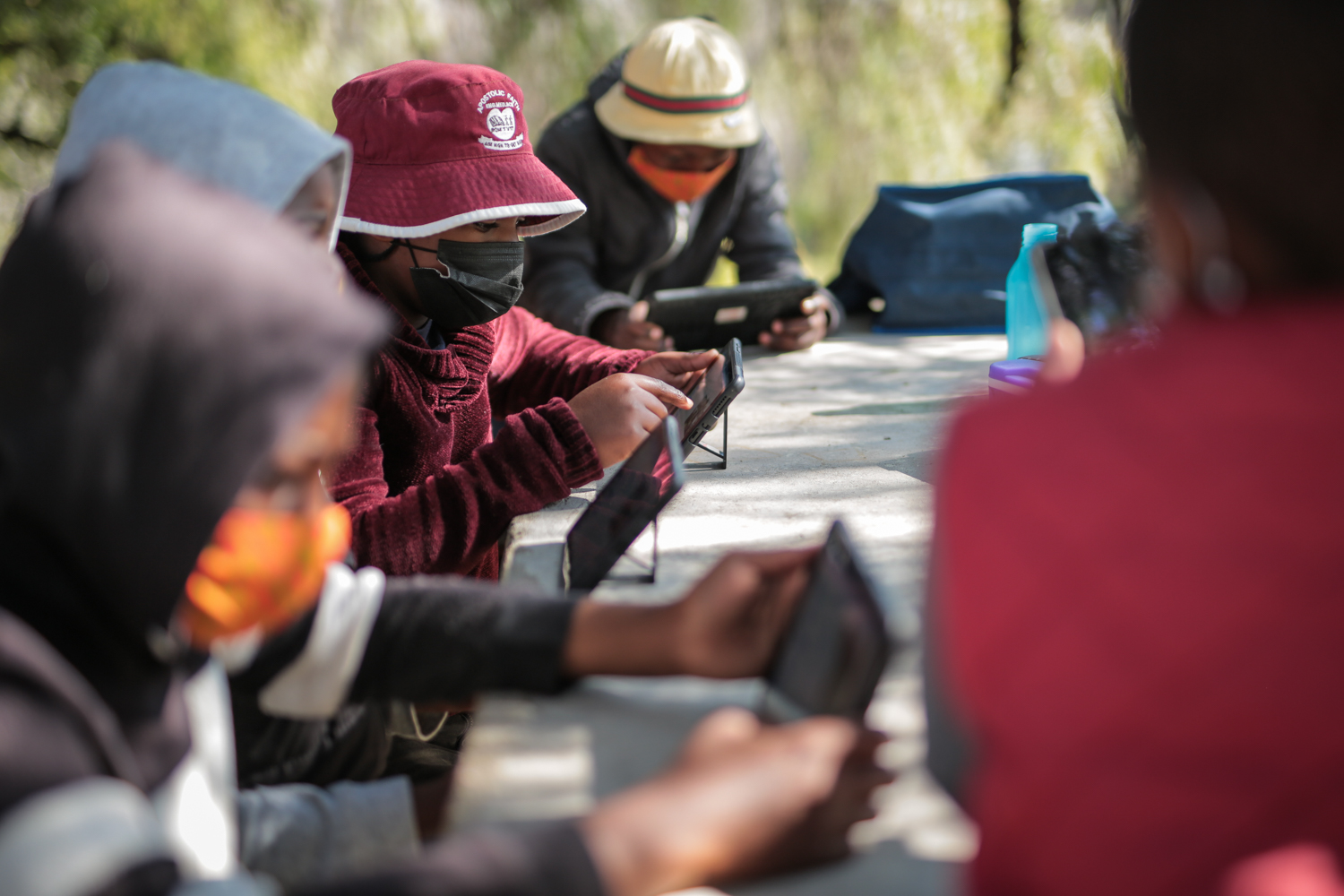
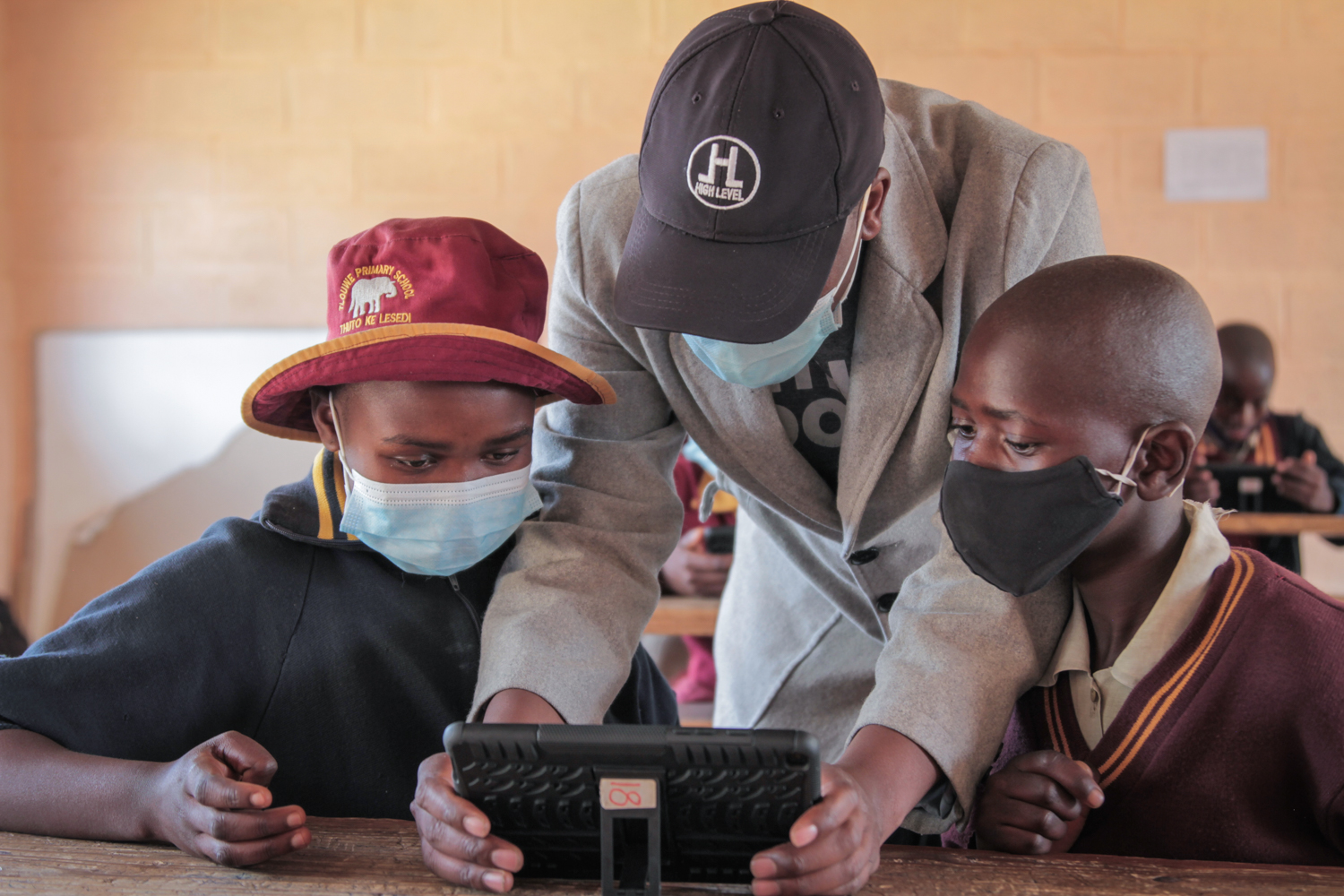
Skills & Soup outreach – monthly outreach to rural, digitally excluded schools to provide an introduction to coding using tablets and Scratch, as well as mental well-being lessons.
Visiting psychologist – monthly visits by Lebohang Bereng, a professional psychologist, to provide psychosocial support for Skills & Soup participants.
Well-being outreach – bi-weekly outreach to local schools to discuss issues youth are faced with, and healthy ways to cope with the problems.
Well-being for teachers – monthly well-being support for local teachers.
Ke Batla Ho Bua tackles the scale and impact of the Covid-19 pandemic, and how difficult it was for children to cope with. Many were left feeling afraid, lonely, anxious, and concerned for their future. They had questions, and were looking to adults to set good examples and help them through the difficult time. Watch the film below:
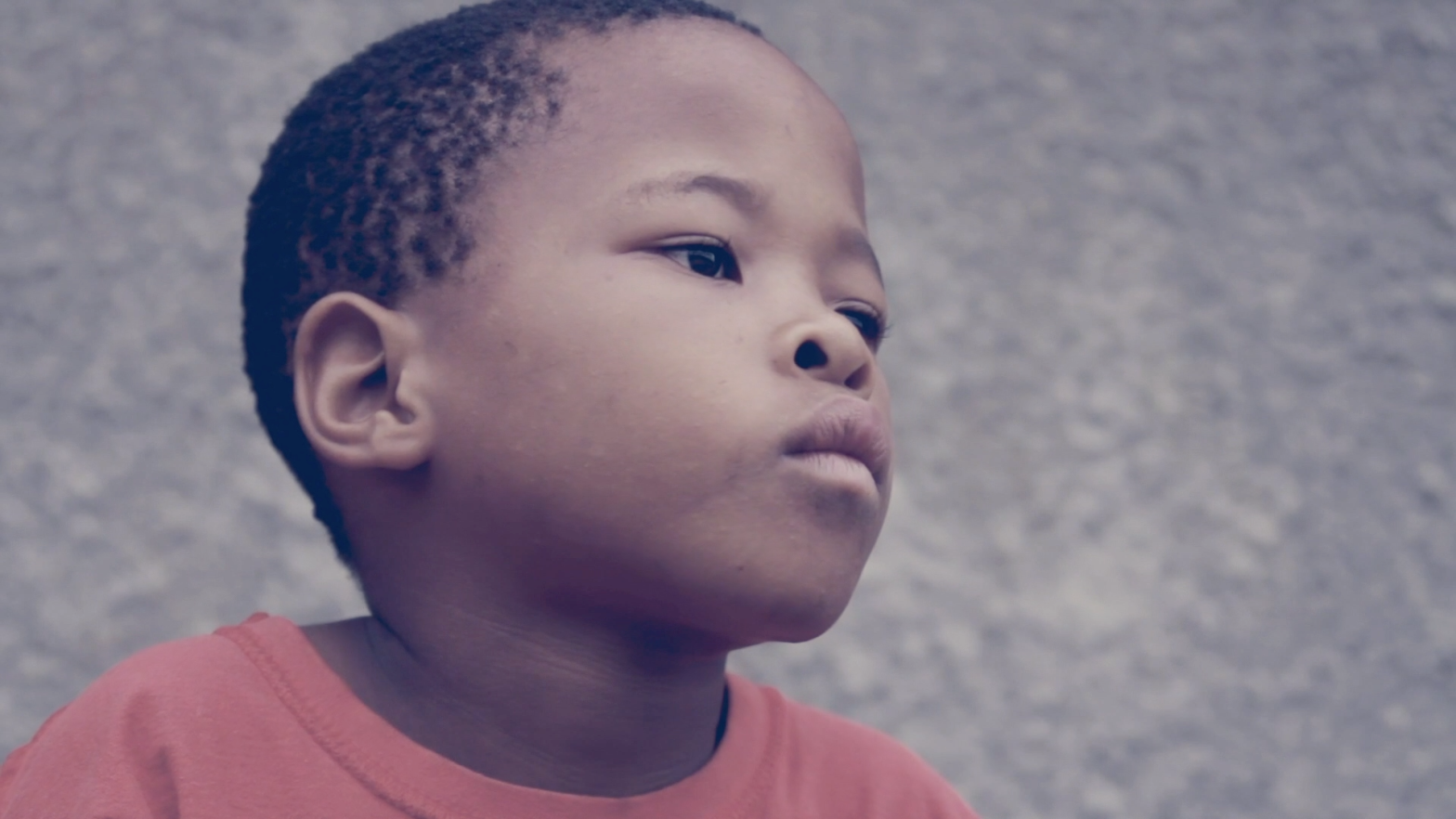
The film stars Tokelo Molato, a 9-year-old rapper, actor and dancer from Morija. Tokelo started rapping at the age of 5 by imitating his older brother, Liteboho’s songs. From an early age, Tokelo enjoyed watching cartoons and childrens’ films, and imitating the characters while watching. His brother introduced him to acting and rapping.
Tokelo has been an actor in short films and performed in some of The Hub’s music projects and events. He is also a participant of Skills & Soup at The Hub.
Tokelo hopes to study performing arts when he grows up, and The Hub aims to support him in finding a scholarship for his studies outside of Lesotho. Contact The Hub if you are interested in supporting Tokelo!
Many thanks to the Open Society Initiative for Southern Africa for supporting the production of Ke Batla Ho Bua, and to Tokelo for his stellar acting work, as well as Liteboho Molato, Tsebo Makakole, and Selebalo Molefe for voiceover recording, film directing, cinematography and editing!
Below is a retweet of Tokelo in Nthoe Tjena by The Hub, re-Tweeted by Nasty C with 17,500 views:
 The Hub