Exploring hair salons as potential venues for the promotion of sexual and reproductive health services in Lesotho

From March – July 2024, The Hub implemented an innovative cross-sectional survey – designed and conducted in collaboration with citizen scientists – and gathered data among more than 150 hair stylists and 300 clients across Lesotho. The survey assessed the acceptability and feasibility of offering SRH services (for example oral contraceptives, menstrual products, HIV self-testing or HIV pre-exposure prophylaxis) in hair salons and explored the role of stylists in such a care model.

Story by Mamaswatsi Kopeka and Leila Hall

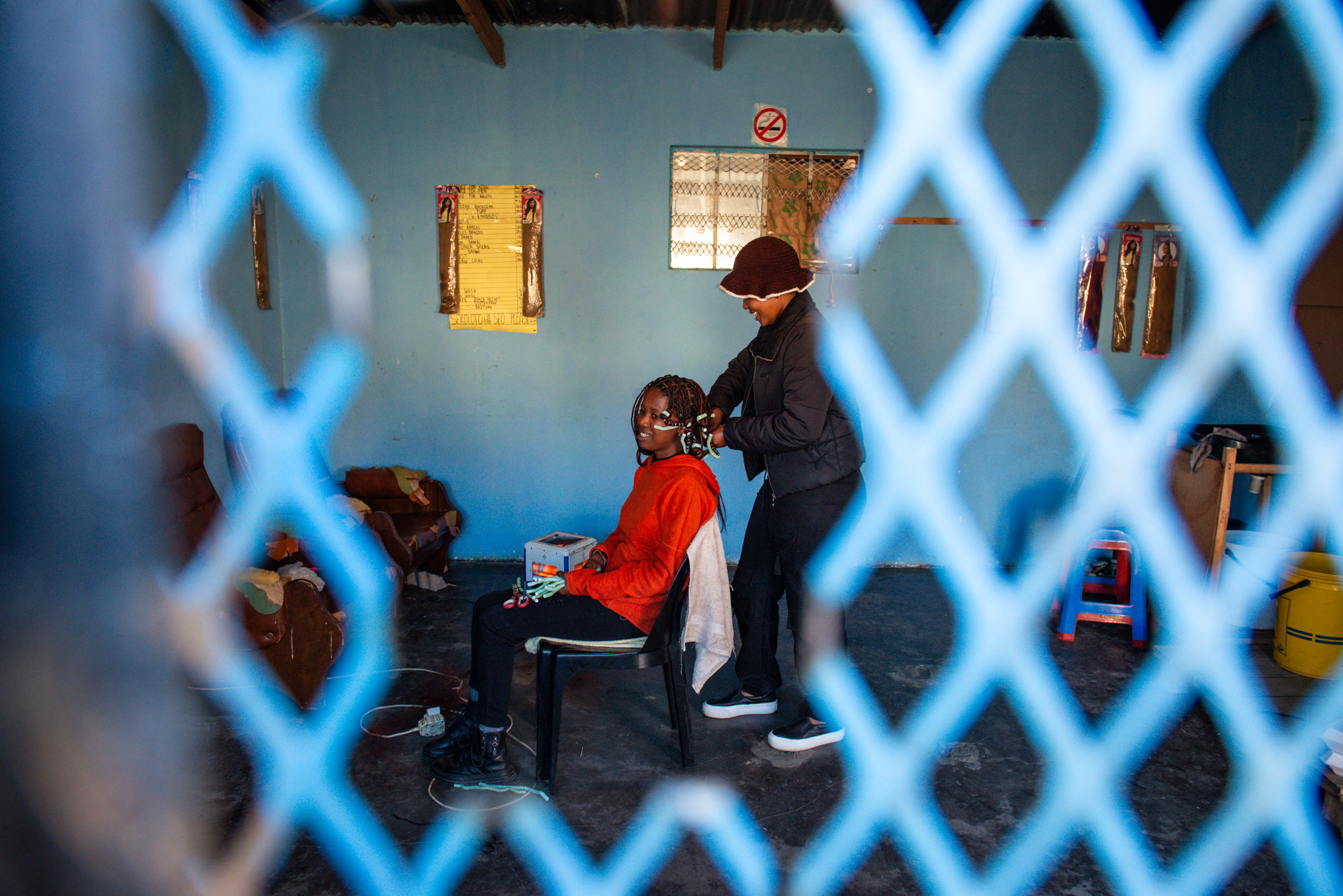
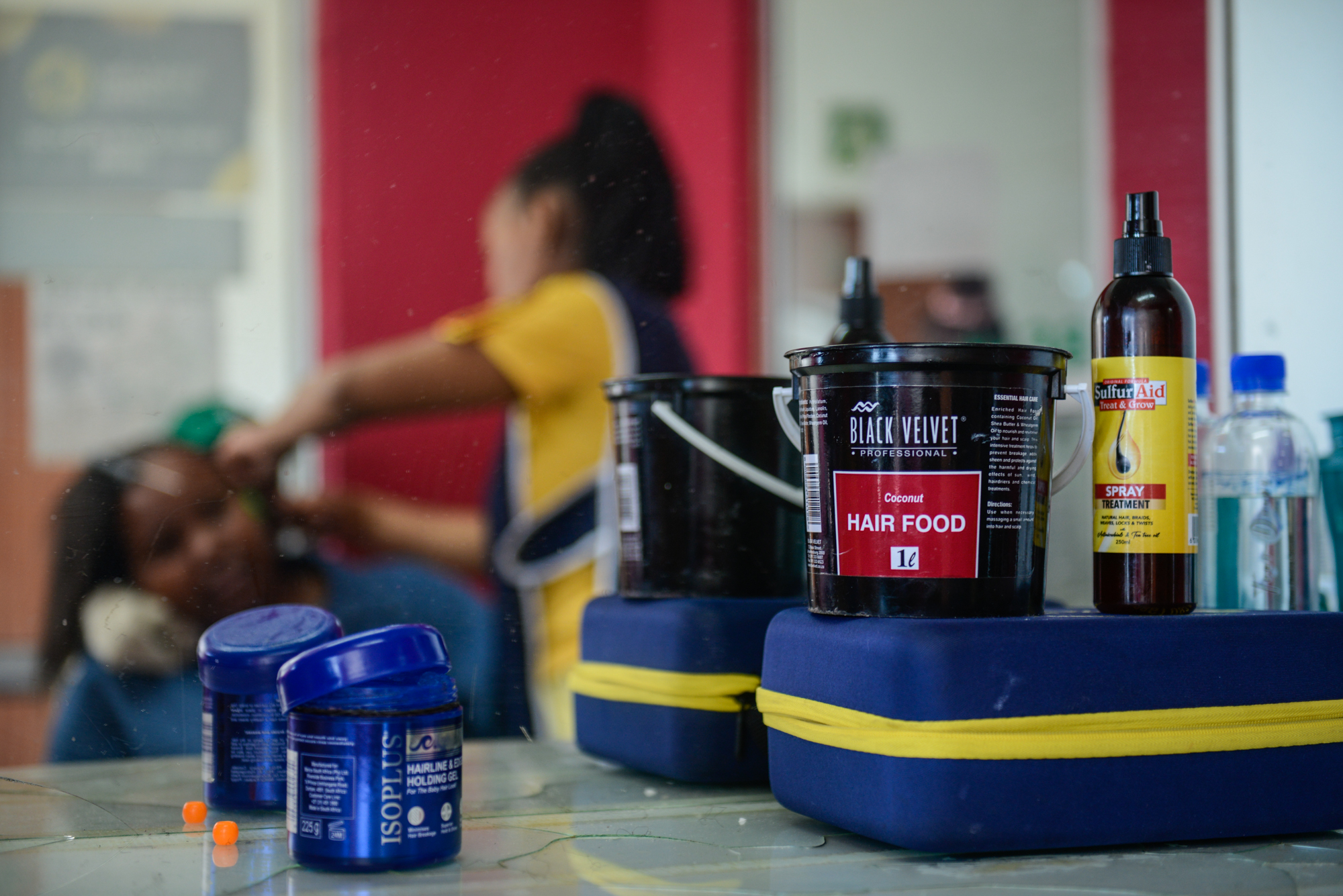
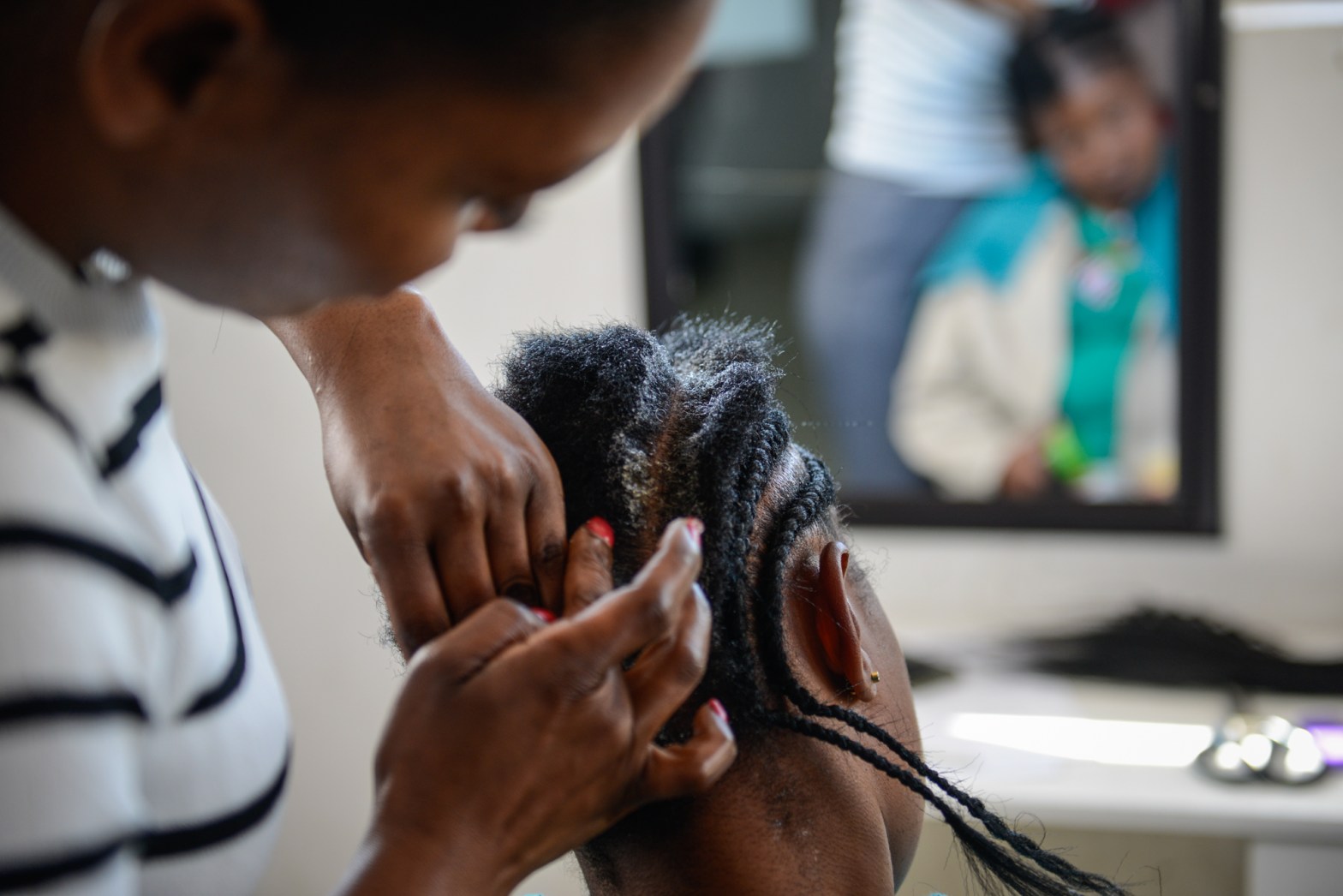
Hair salons in Lesotho come in all shapes and sizes: from a cozy, sunlit at-home set-up, to a large, open-plan room with multiple stations, to every other size and design in between. Yet in each of the unique settings, there is an overwhelming sense of familiarity with the space and the welcoming smiles. There’s often the familiar sound of an electric kettle humming in the background or the all-too-common smell of hair food as it melts into hot hair while the hair dryer fills the room with a cloud of smoke.
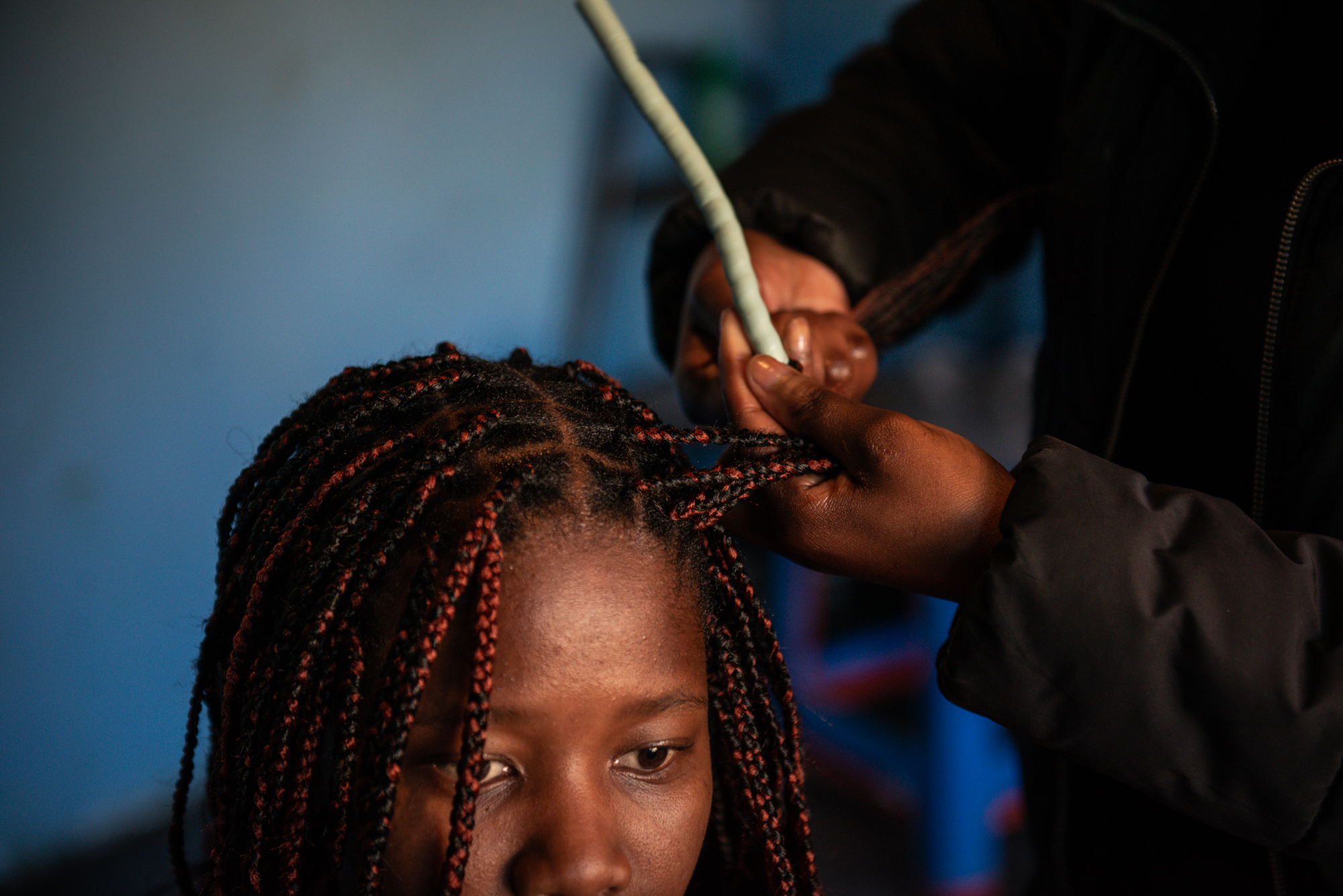
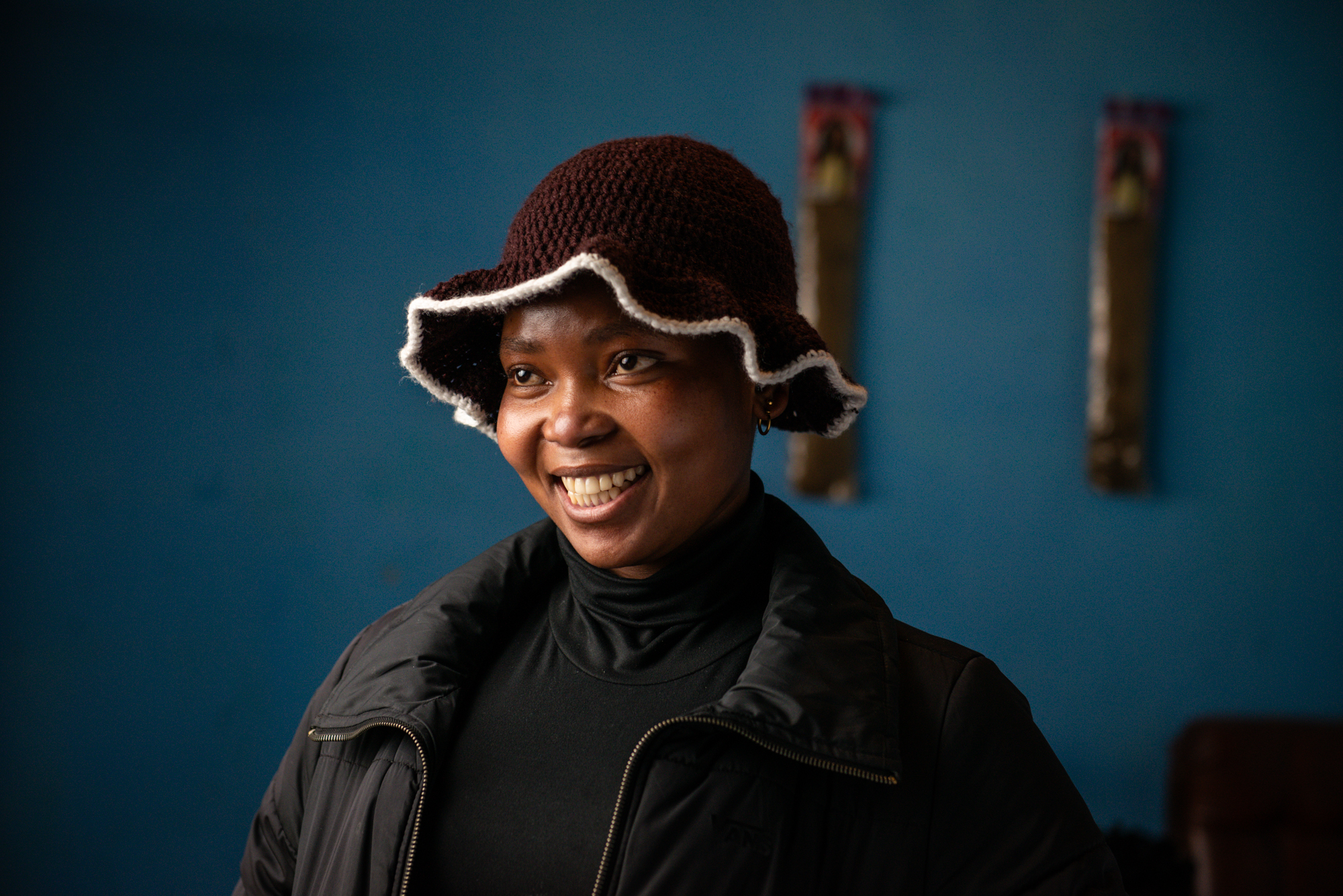
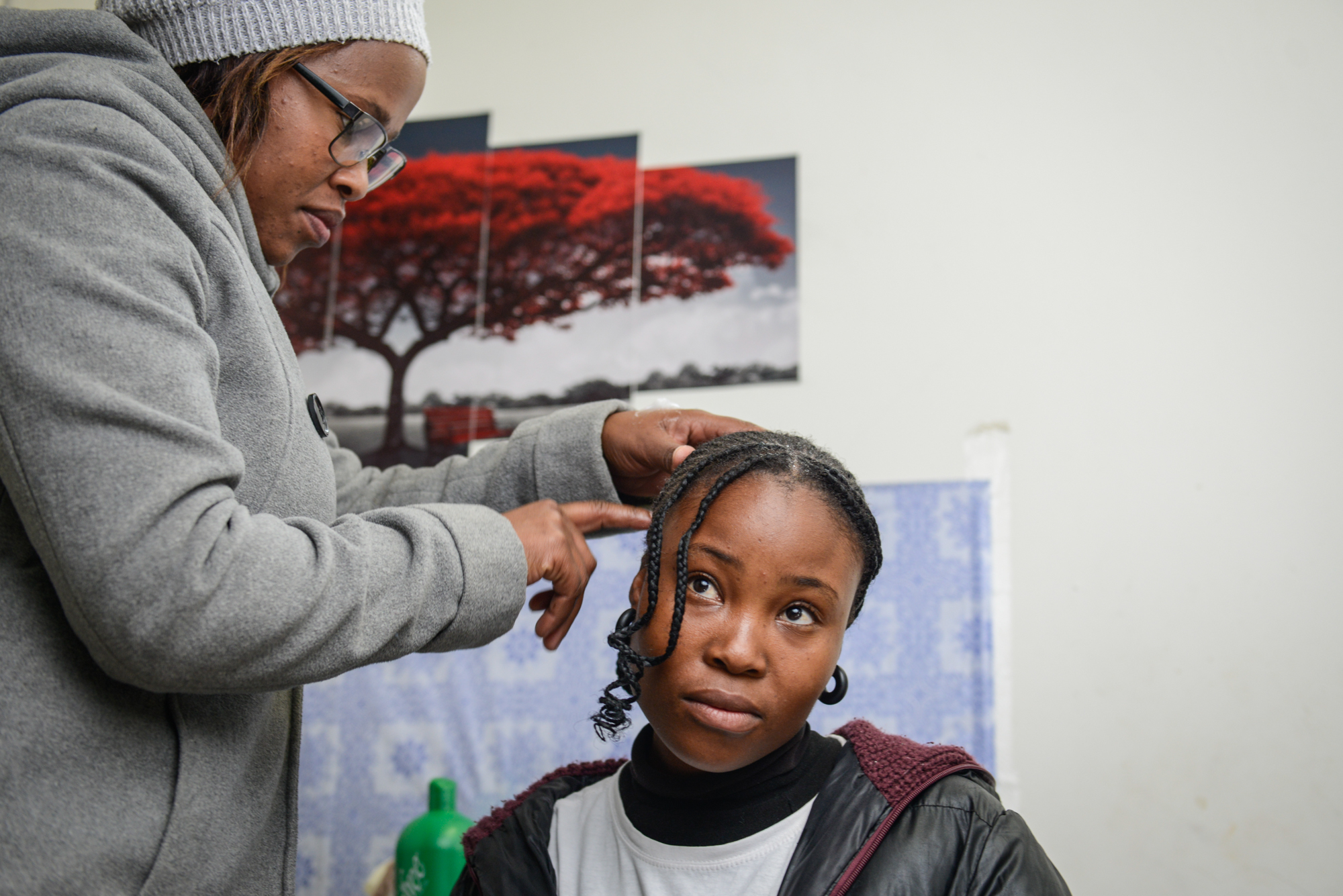
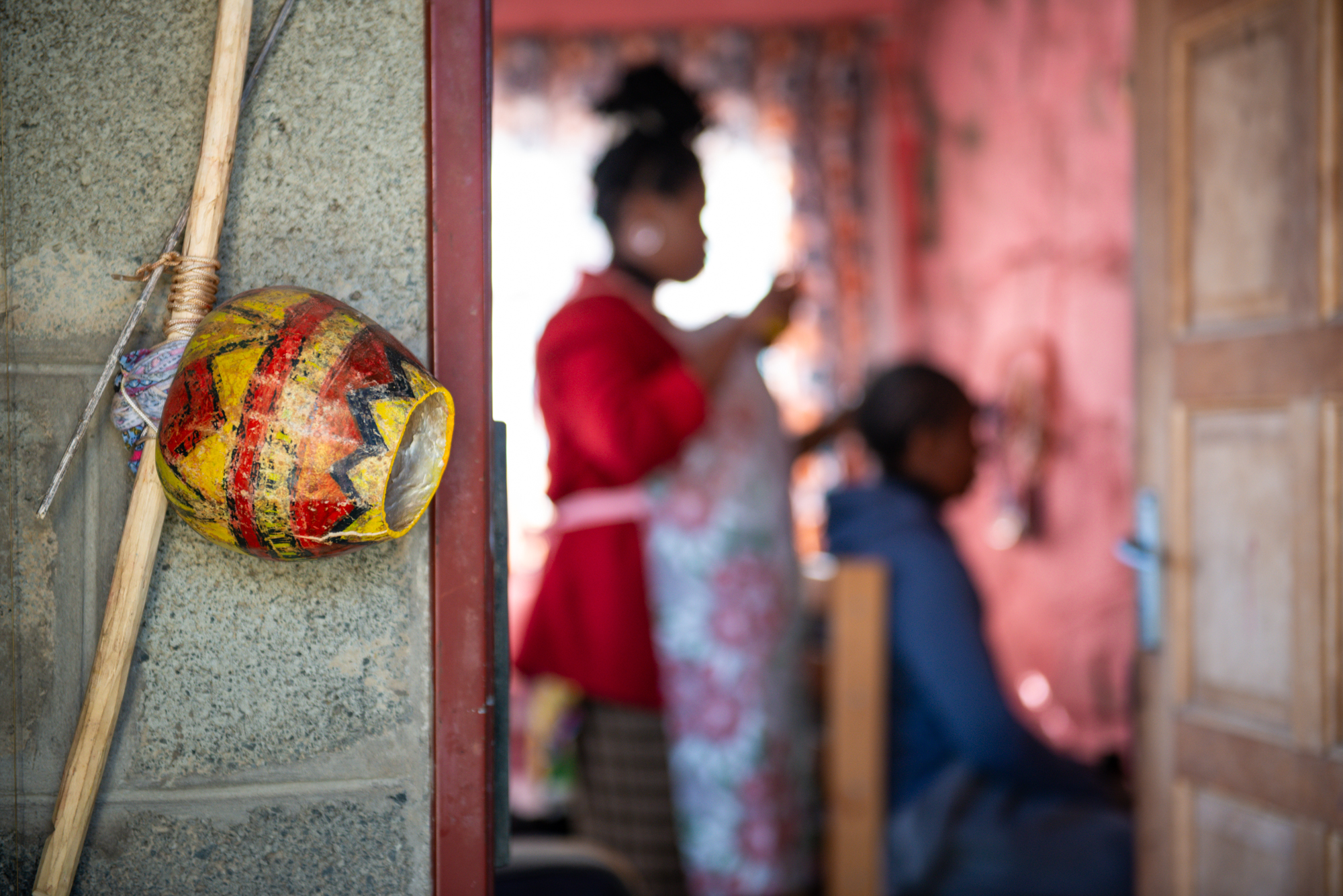
Itumeleng Mohale in her hair salon with her client Mantho Ramarothole in the small semi-rural town of Morija. Photos Β© Meri HyΓΆky

For a lot of women, a trip to the salon takes anywhere between 2 hours, for simple cornrows, to 7 or 8 hours for braids, also known as singles, extensions, knotless, blocks, and many other names depending on the latest trends. This time spent at the salon is rarely monotonous. Many stylists admit that they typically talk about mojolo (dating) with their clients, and about many life challenges that women in particular may face, including those related to their sexual and reproductive health (SRH).

In Lesotho, one-fourth of the population lives with HIV with continuing high incidence among young women despite substantial progress in the past decade. More than 80% of Basotho women have experienced some form of sexual violence in their lifetime and traditional patriarchal attitudes are all too common. Current health services are trying their best but often fail to accommodate young women and to give them the space to openly talk about their specific SRH needs and to receive effective advice and counselling when they experience challenges.
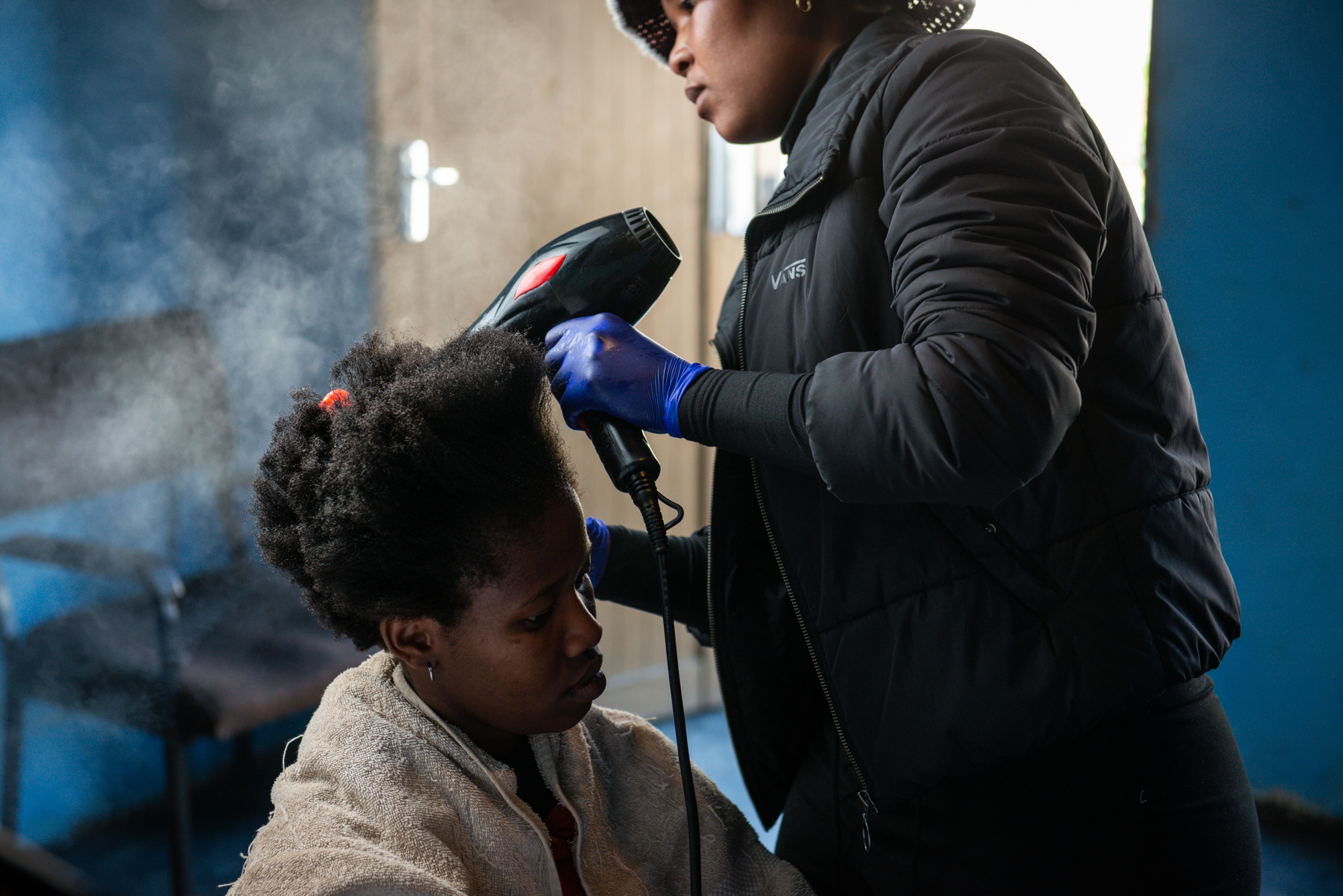
Itumeleng Mohale with her client Mantho Ramarothole in her hair salon in Morija. Photo Β© Meri HyΓΆky

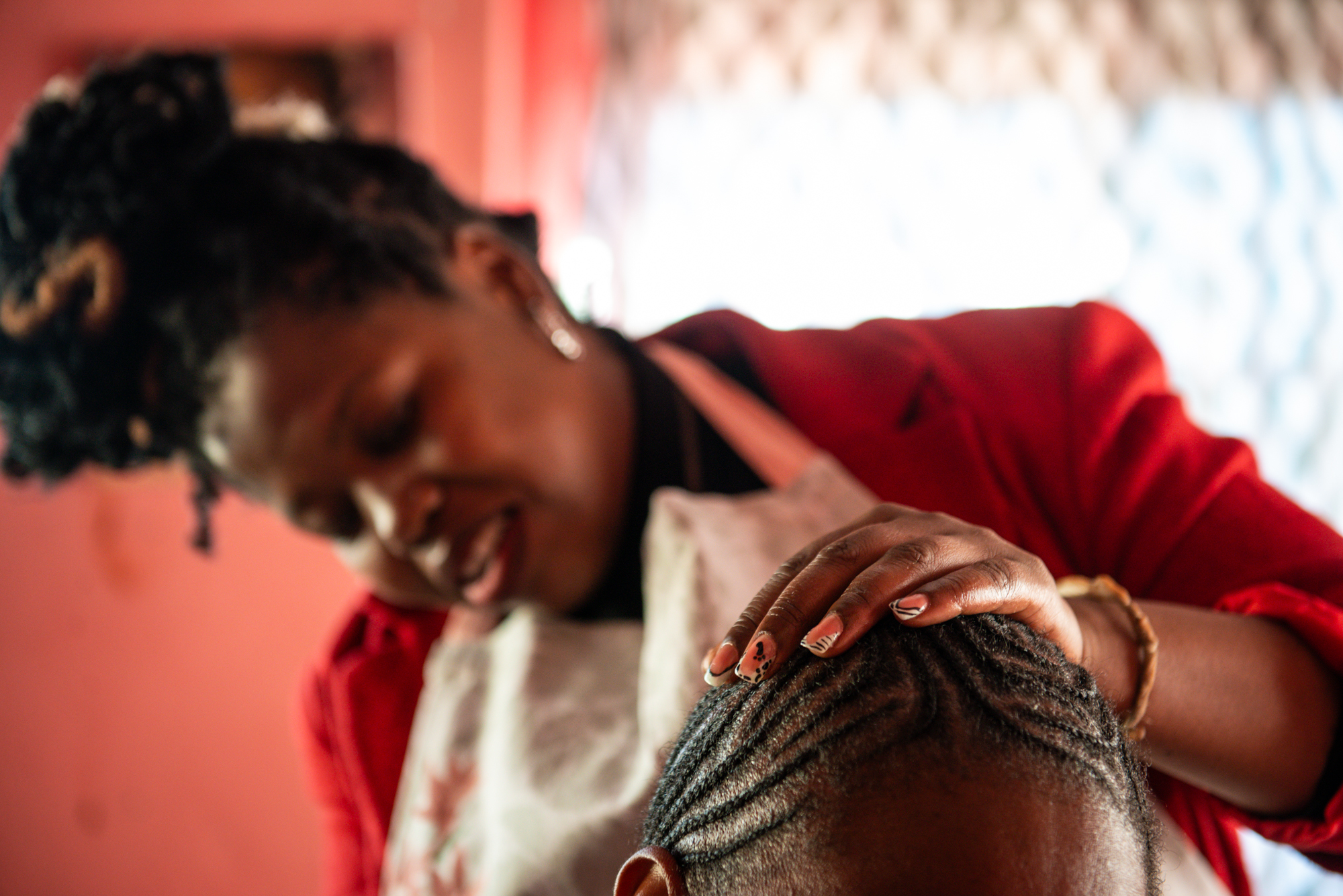
In the small semi-rural town of Morija, 40 km south of the capital Maseru, 29-year-old Thembekile Mokhosi Mapefane, who goes by Thembi, is a self-taught hairstylist who works from home. Today, standing in her small house with its bright pink walls, she is doing β€˜Maneo Seisa’s cornrows. This hairstyle will take an hour and a half to complete, giving Thembi and β€˜Maneo plenty of time to talk and catch up. As Thembi works on β€˜Maneo’s hair, she talks and throws in a couple of jokes, so that the air is soon filled with laughter.
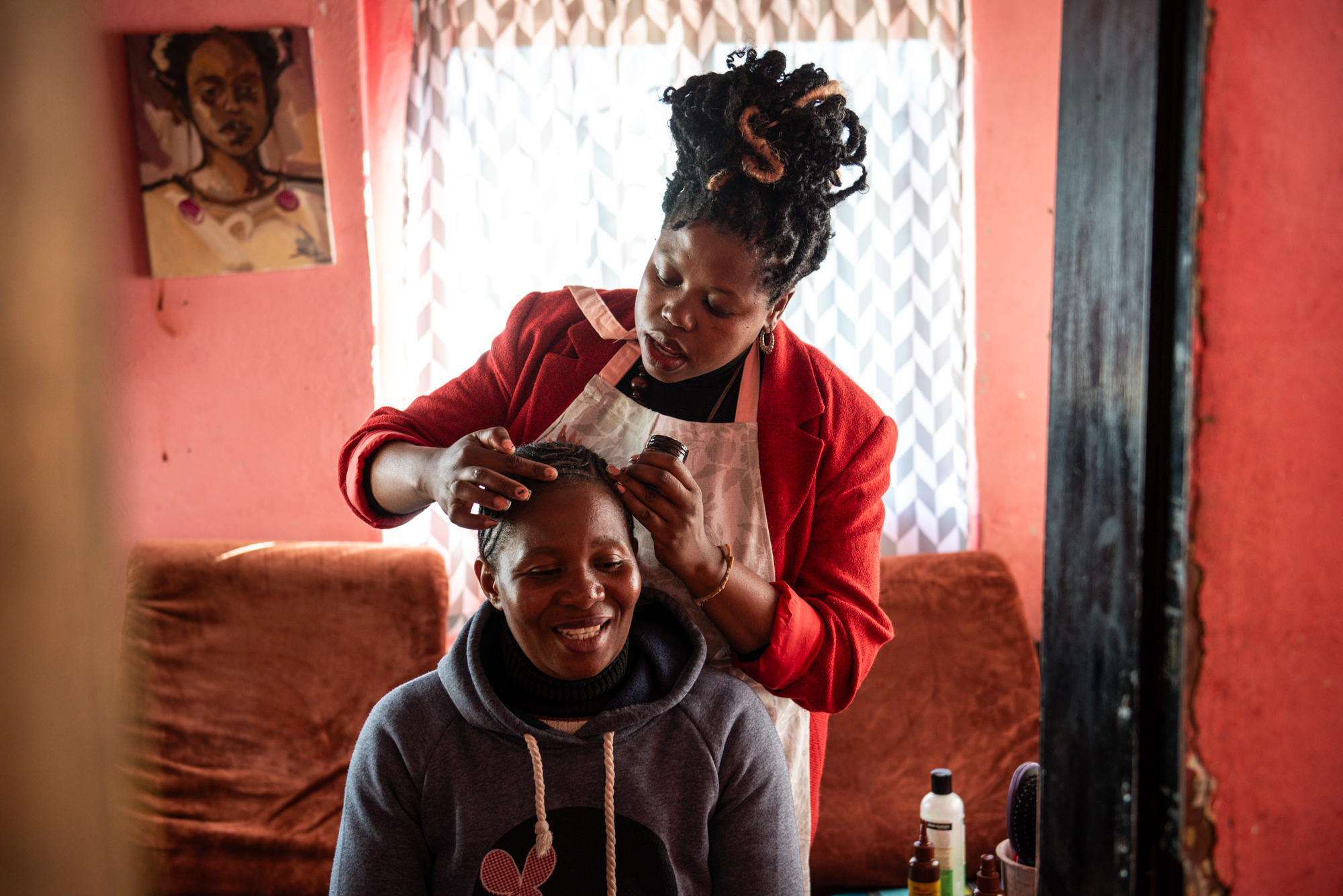
Thembekile Mokhosi Mapefane with her client β€˜Maneo Seisa in Morija. Photos Β© Meri HyΓΆky

Thembi is trained professionally as a counsellor, a skillset that she also finds helpful in her work as a stylist and in her relationship with her clients. She explains that unlike at a clinic or hospital, β€œpeople get here and they are already relaxed. Ho cha goz (We gossip a lot); we talk about issues we face as women, share good news, everything, which makes salons very different from a healthcare setting.” Recalling an instance when a client who lived a considerable distance away asked her to travel to come and do her hair (a β€œhouse call”), she explains that such requests are not uncommon. More importantly than getting a new hairstyle, clients often really need someone to talk to, and prefer stylists who they know and trust.
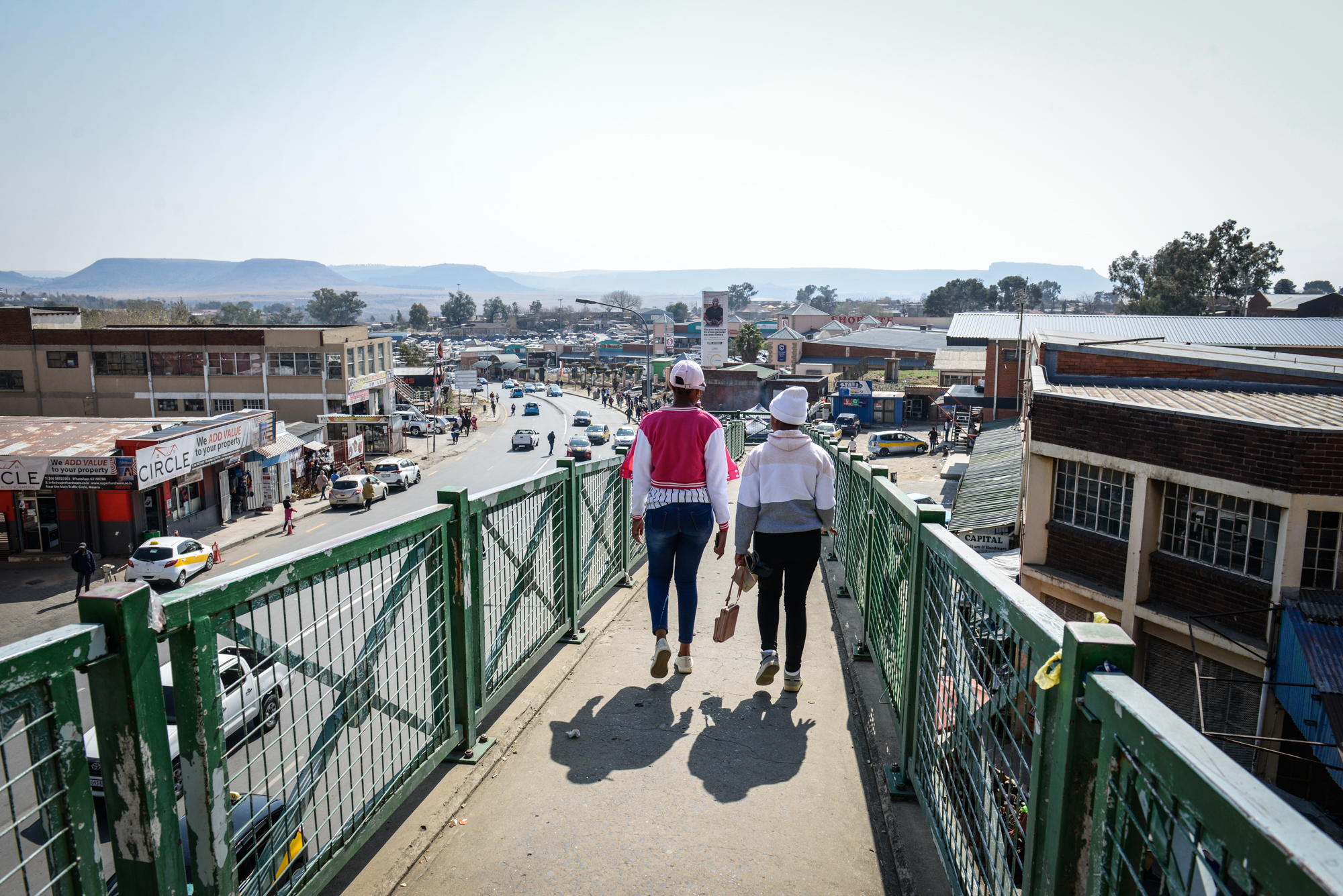
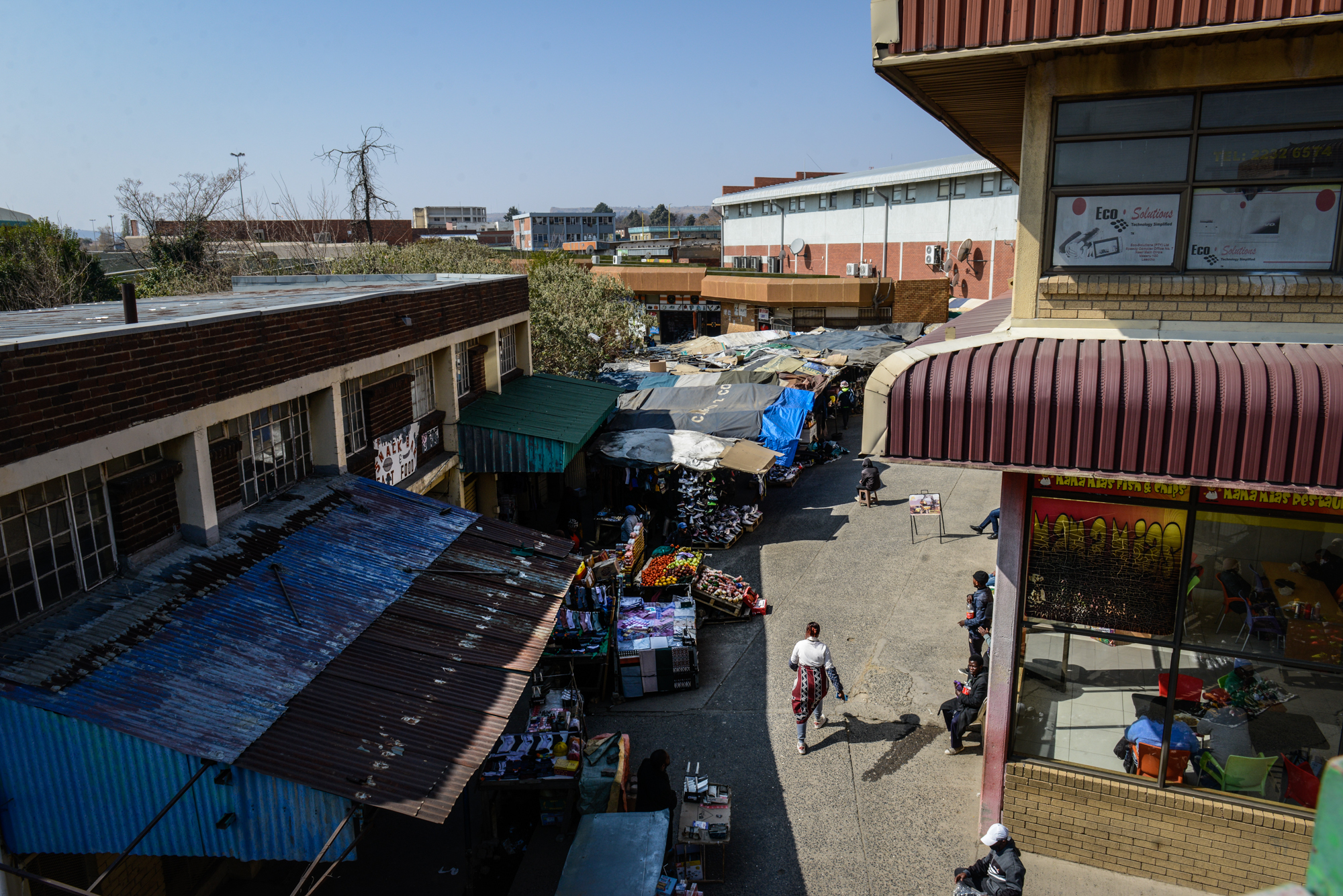
Two young women walk in Maseru, Lesotho’s bustling capital. Photo Β© Meri HyΓΆky

In the bustling capital of Maseru, close to the city’s taxi rank (ka setopong), and amidst the sounds of hooting taxis and loudspeakers advertising goods, 29-year-old β€˜Matseko Libe is working from a salon on the second floor of a large building that overlooks a busy street. The room is cozy, with a sink where β€˜Matseko washes her clients’ hair, pink walls, and large mirrors. β€˜Matseko’s client today is 29-year-old Puleng Makoae, who comes here regularly because she and β€˜Matseko have known each other since their high school days. As Puleng explains: β€œI choose this salon because I like the services I get, and my stylist is someone I’ve known for a long time; we’ve come a long way together.” As β€˜Matseko works on Puleng’s hair, the two women feel they can talk about everything and anything. For Puleng, the hair salon is a β€œsafe space” to talk about her experiences and health needs, without fear of judgement.
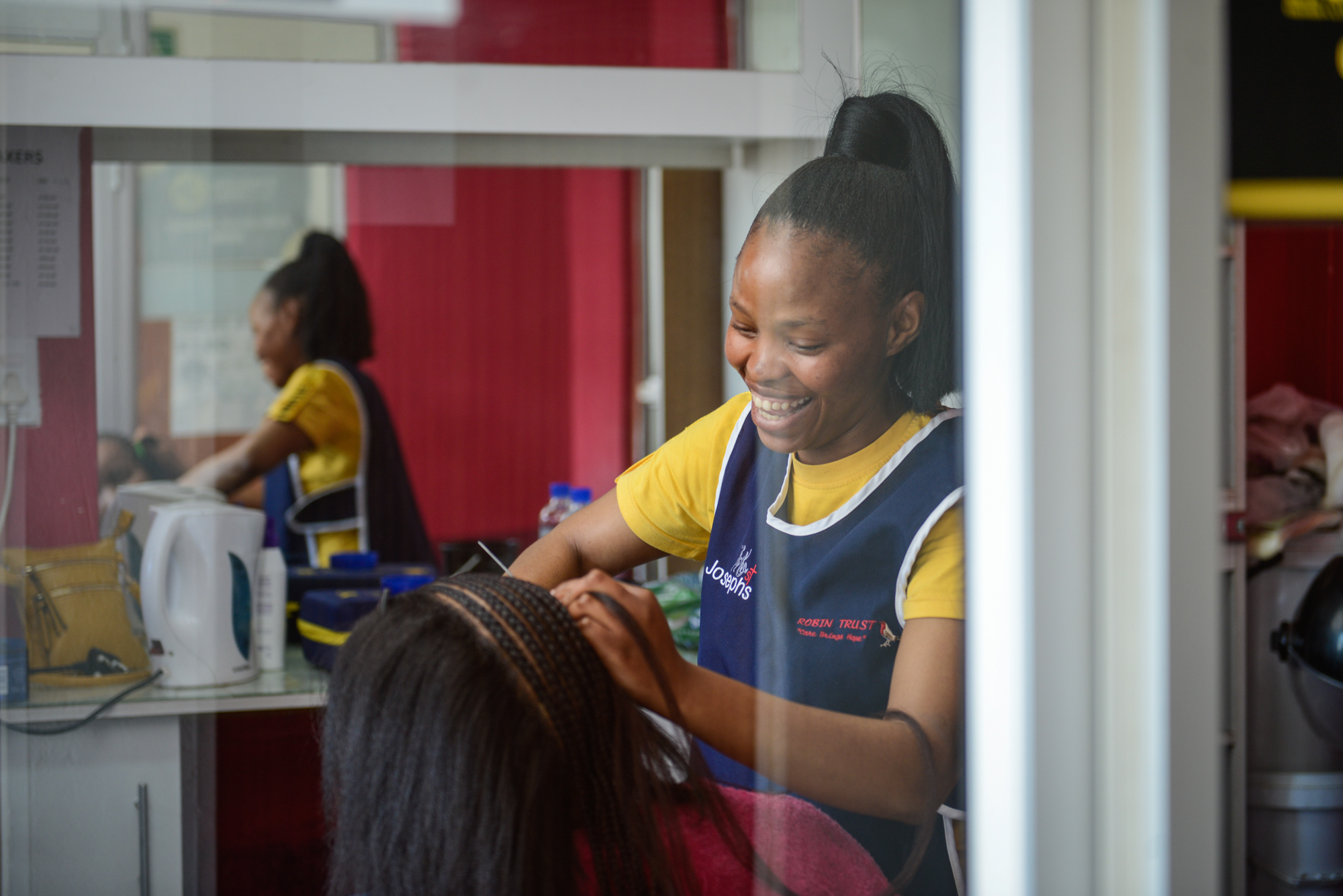
Hair stylist ‘Matseko Libe with her client Puleng Makoae in Maseru. Photo Β© Meri HyΓΆky

While SRH products such as condoms are typically free at local clinics, many women in Lesotho point out that clinics are not usually accessible due to long queues, transportation costs, bad weather, and the fear of being viewed negatively by healthcare workers. Interviewees pointed out that healthcare workers frequently β€œask too many questions” and are judgmental, so that women often feel uncomfortable about seeking out SRH products or services such as contraceptives or HIV prevention services. By contrast, hair salons offer safe and non-judgmental spaces that are conveniently located, with clients and stylists often meeting in their homes.

During a visit to her own hair salon appointment, TΕ‘epang Mohloanyaneβ€”a young woman from Butha-Buthe in Lesothoβ€”came up with the idea for the Hair Salon Project. After a conversation with her stylist and other women, she thought that given the familiarity between clients and their stylists, and the salon environment itself, it would be hugely beneficial if SRH services would be made available at hair salons for young women in Lesotho. TΕ‘epang recalls that as a young woman in Lesotho, she often felt β€œuncomfortable and judged for buying condoms or asking for birth control,” adding that β€œthe stigma makes it difficult for young women to take control of their sexual health, [leading to] high rates of teenage pregnancy.”
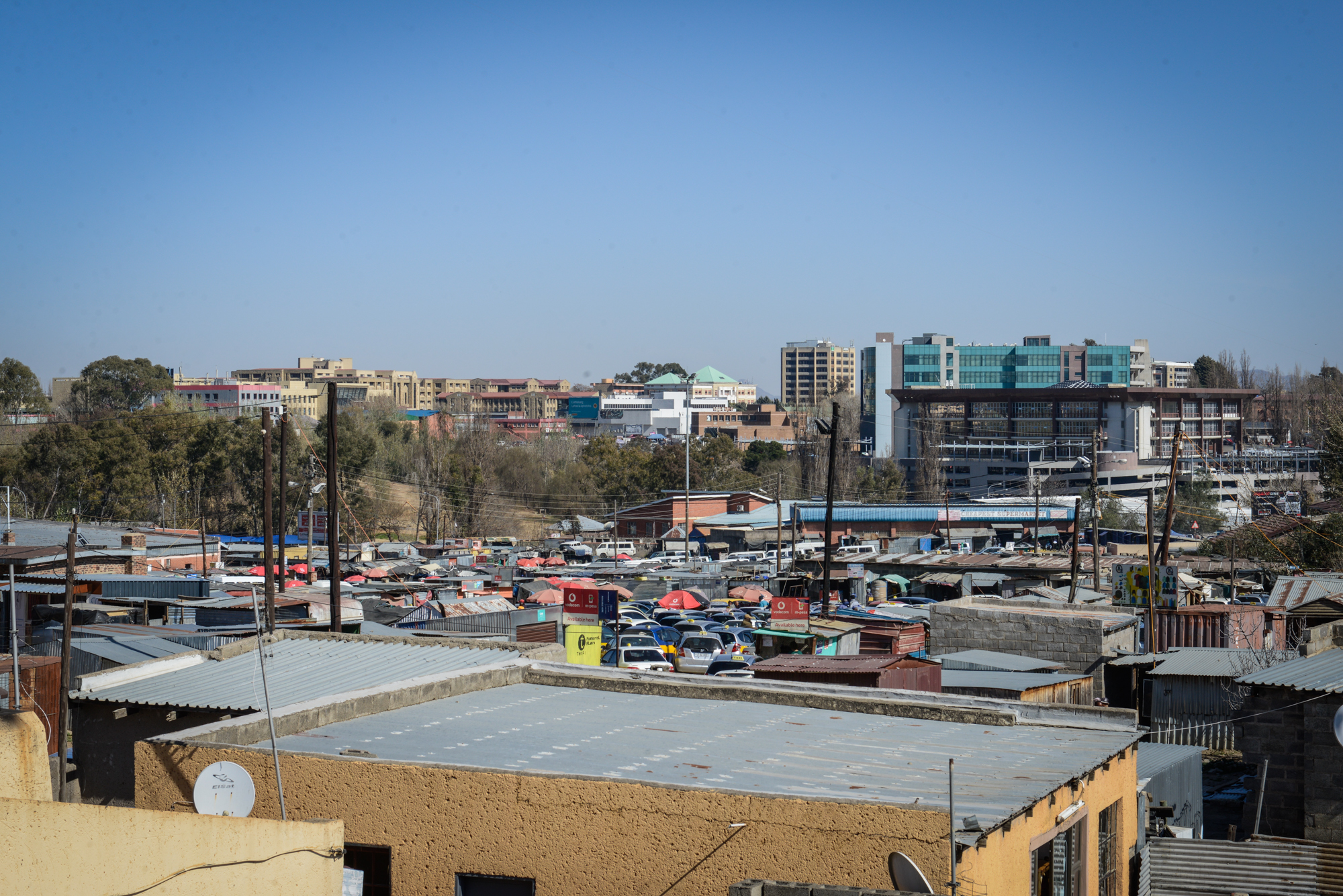
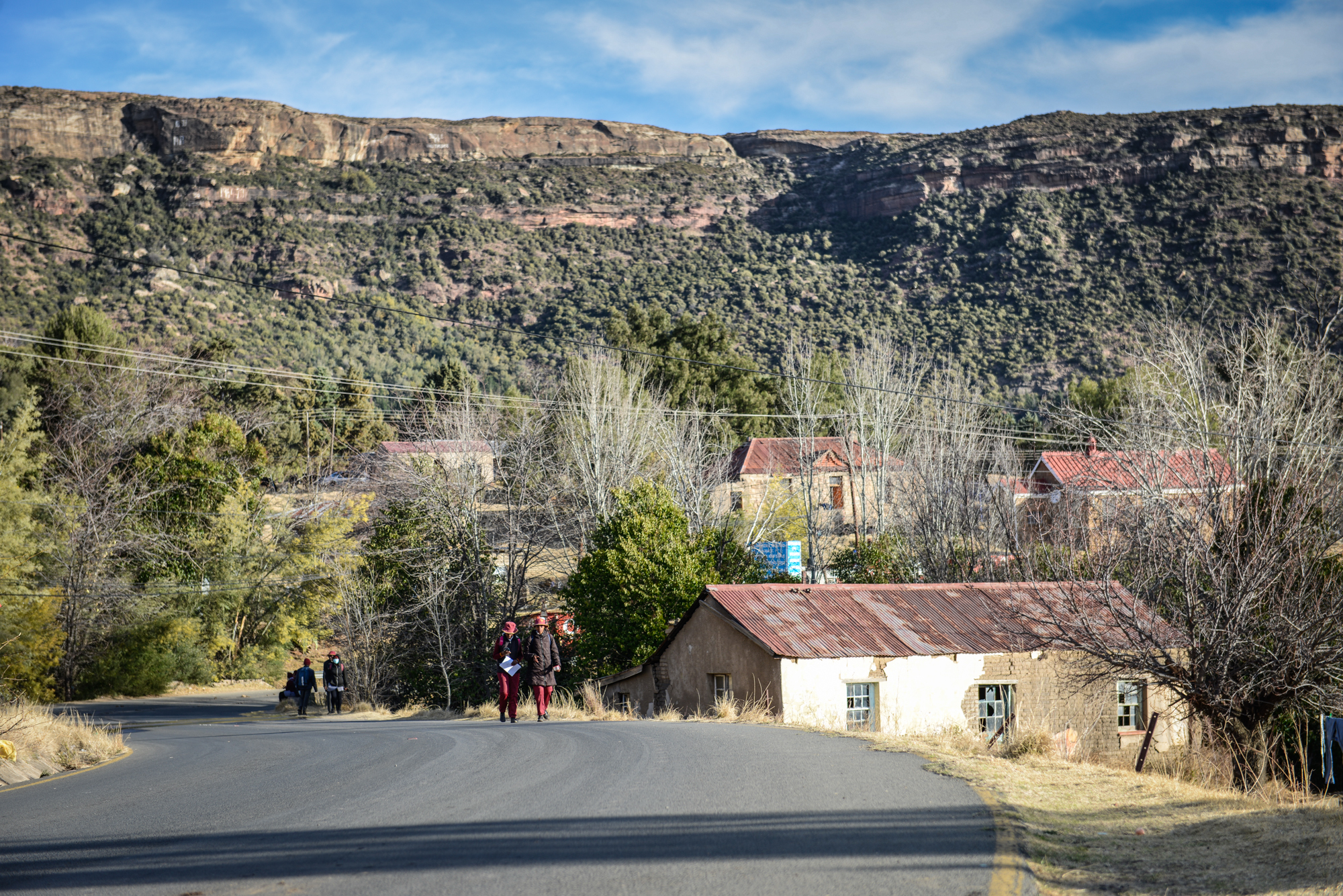
Across rural and urban settings, Basotho women face immense challenges when it comes to their sexual and reproductive health (SRH). Photos Β© Meri HyΓΆky

In November 2023, the Hair Salon Project was initiated in Lesotho as a citizen scientist survey: a collaboration between the Universities of Basel, Zurich, Colorado and George Washington, together with Citizen Science ZΓΌrich and The Hub in Morija. PontΕ‘o Sekhesa, the Project Coordinator, explains that the cross-sectional survey across the entire country aimed to understand whether offering selected SRH services and products in hair salons would be generally accepted by stylists and their clients.

Using various social media platforms, the project enrolled more than 150 stylists across all districts in Lesotho. The stylists filled in a questionnaire and then recruited up to 3 of their clients to do the same. Results from the survey indicate that over 90% of stylists would feel comfortable offering HIV-related services such as oral HIV self-testing or preventive therapy and that more than 86% of clients would be happy to receive these services at their local hair salon. For other products and services such as condoms, menstrual health products, oral contraception, and the provision of advice in cases of gender-based violence, the percentages were even higher.
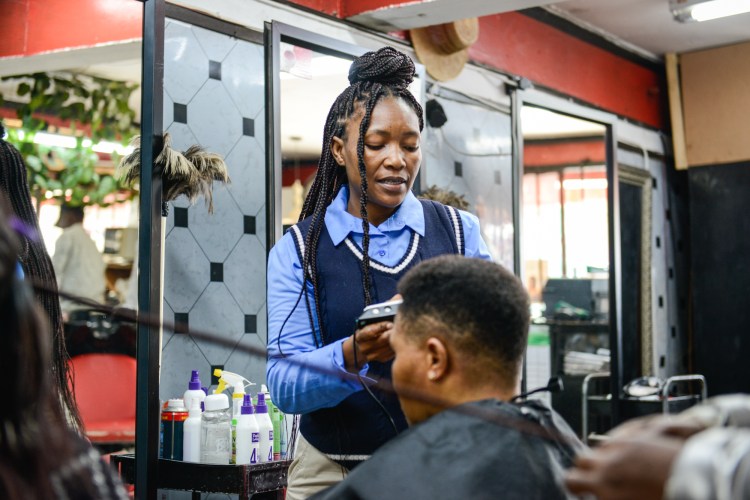
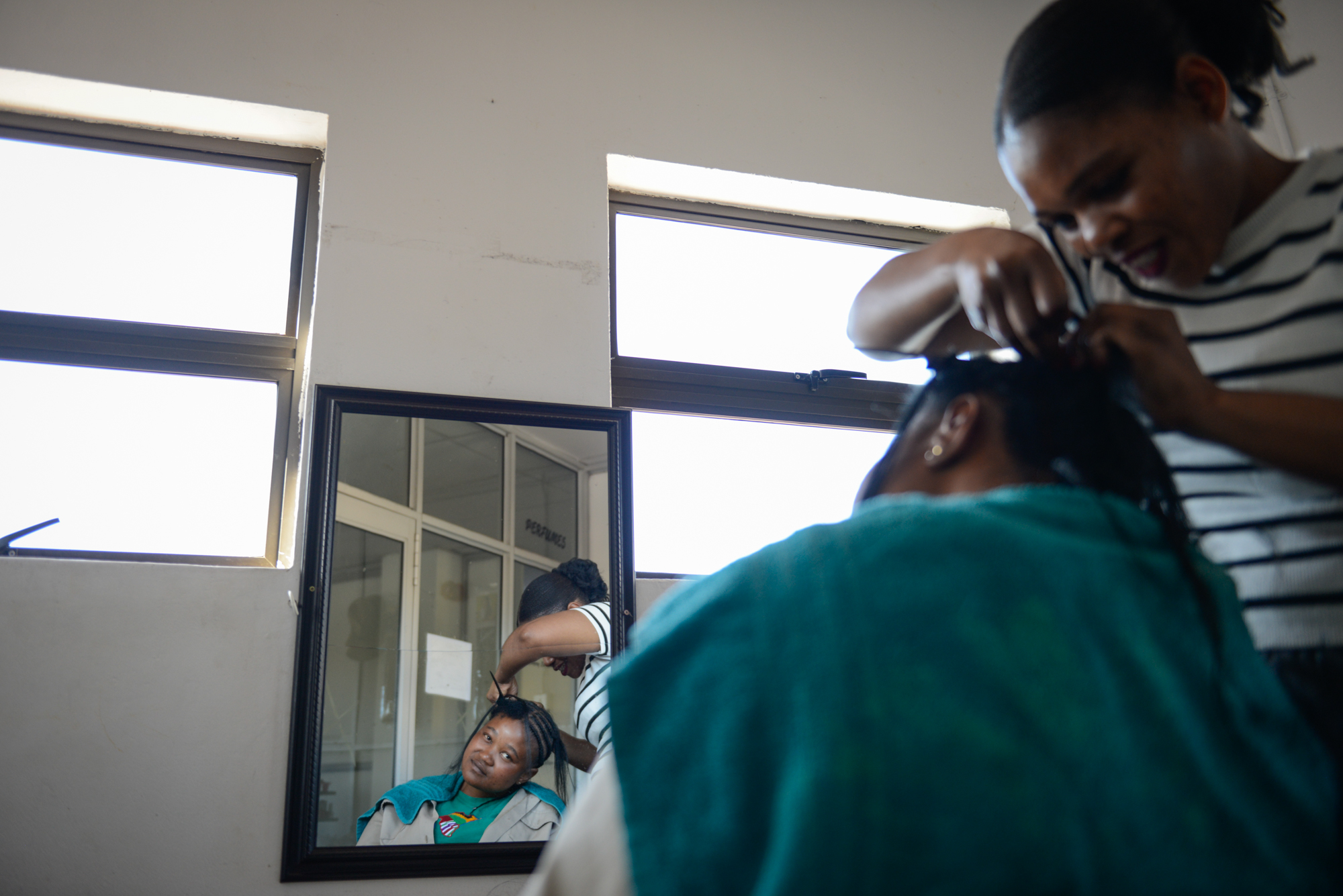
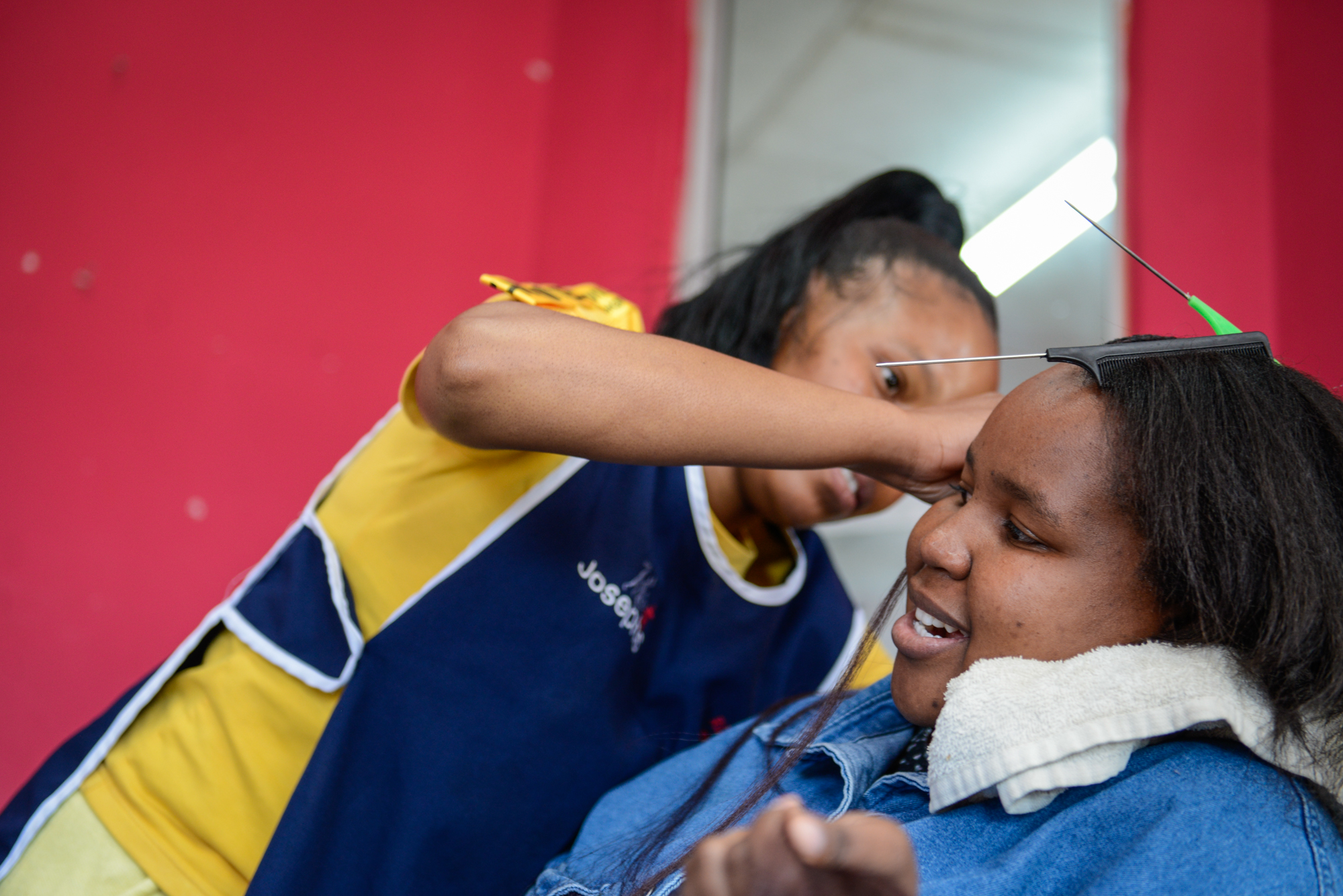
Hair stylists Tebalo Ramakatsa, Malineo Rakolobe and Moleboheng Rapolo with their clients at salons in Maseru. Photos Β© Meri HyΓΆky

In-depth interviews were also conducted with over ten clients and stylists. The results from these interviews confirm that hair salons are perceived as accessible spaces and as significantly less judgmental than the clinic. Dr Alain Amstutz, a medical doctor and researcher heading the project, says β€œour findings show that hair salons are a very promising space to offer HIV/SRH services for young women in Lesothoβ€”and a space that has so far been overlooked in Lesotho and beyond.” The next steps, he adds, will be β€œto carefully design, pilot and evaluate a service package across a few hair salons in the country.” As the project team plans for this next phase, they are excited for the potential that hair salon spaces offer to safely and comfortably provide much-needed services for young women in a country where SRH services are too often inaccessible and stigmatized. 
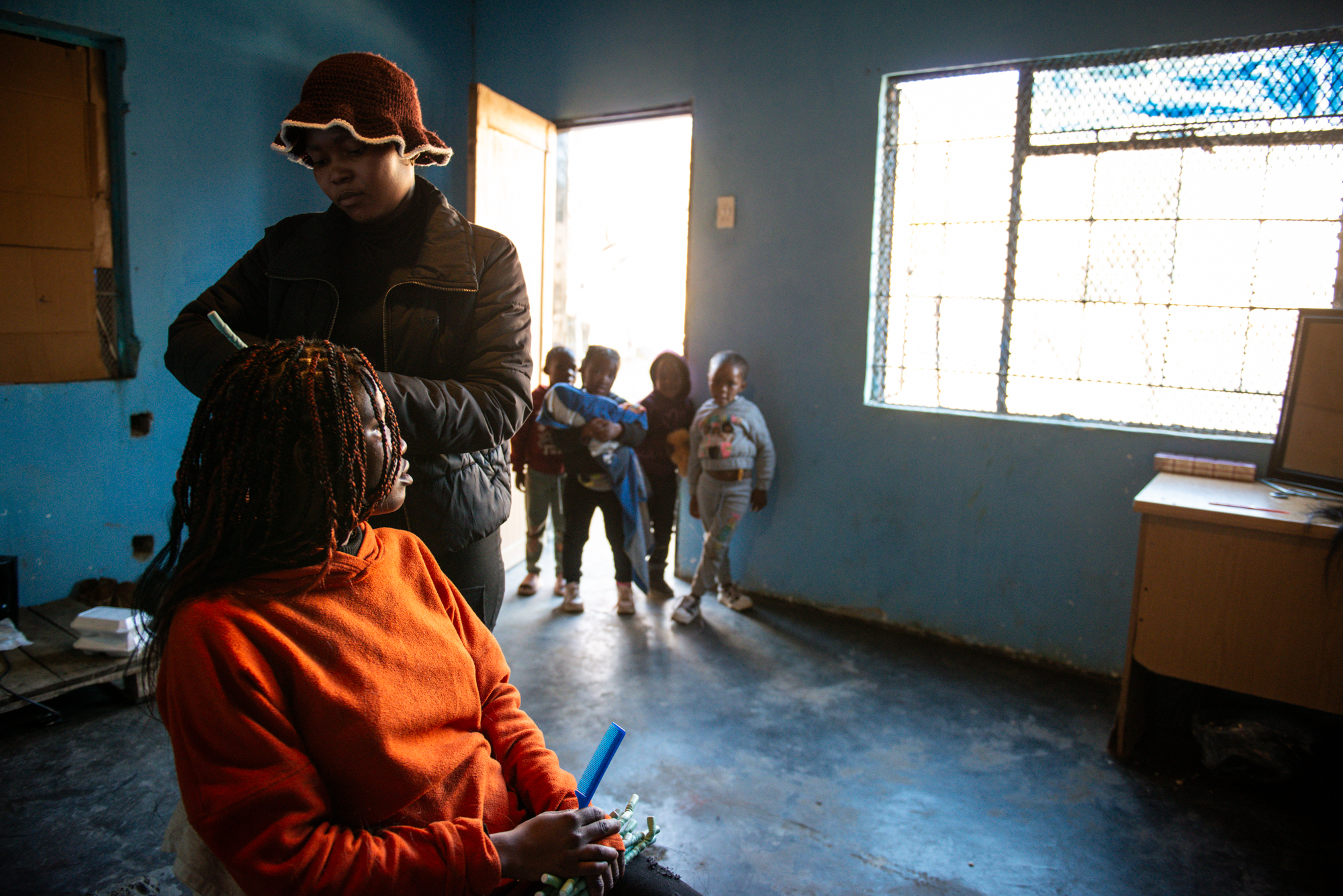
Photo Β© Meri HyΓΆky

Learn more about the Hair Salon Project:
The project consortium consists of partners from the Division of Clinical Epidemiology, Basel, Switzerland, the Epidemiology, Biostatistic and Prevention Institute, Zurich, Switzerland, the George Washington University, Washington, USA, the University of Colorado, Denver, USA, the CHUV Lausanne, Switzerland – coordinated by The Hub in Lesotho, and funded by Citizen Science Zurich, Switzerland

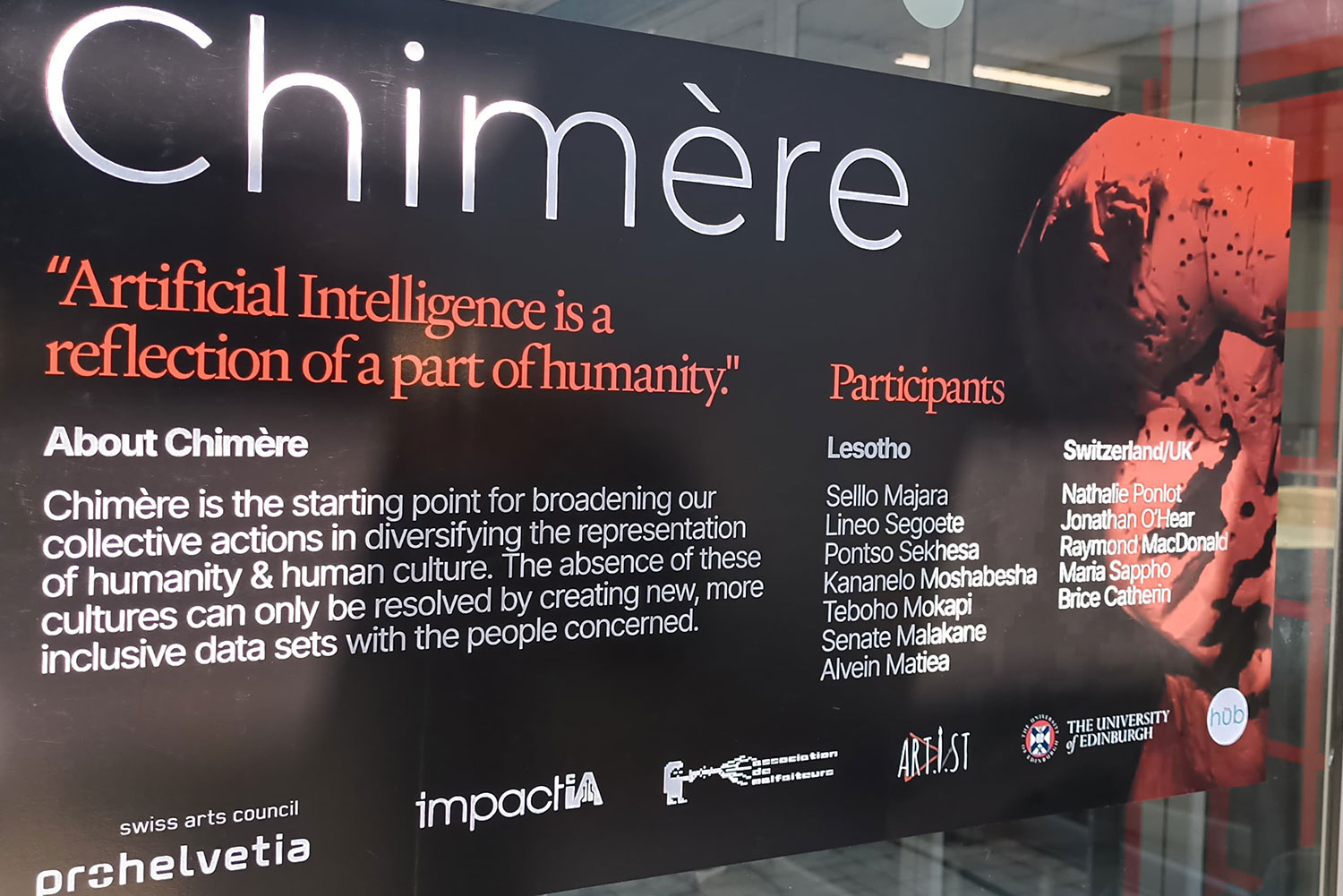
Fak’ugesi with ChimΓ¨re

By: PontΕ‘o Sekhesa, Kananelo Moshabesha

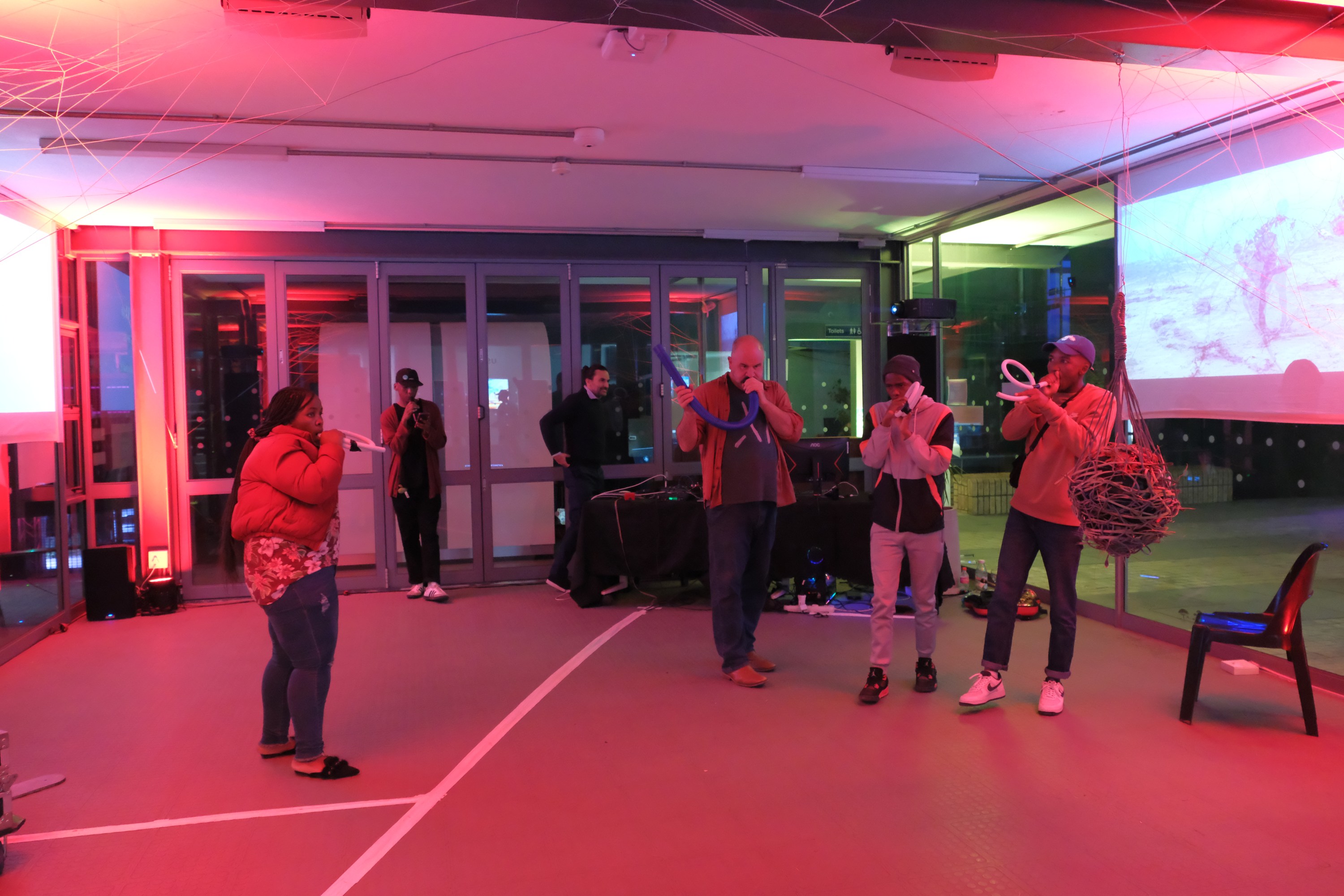
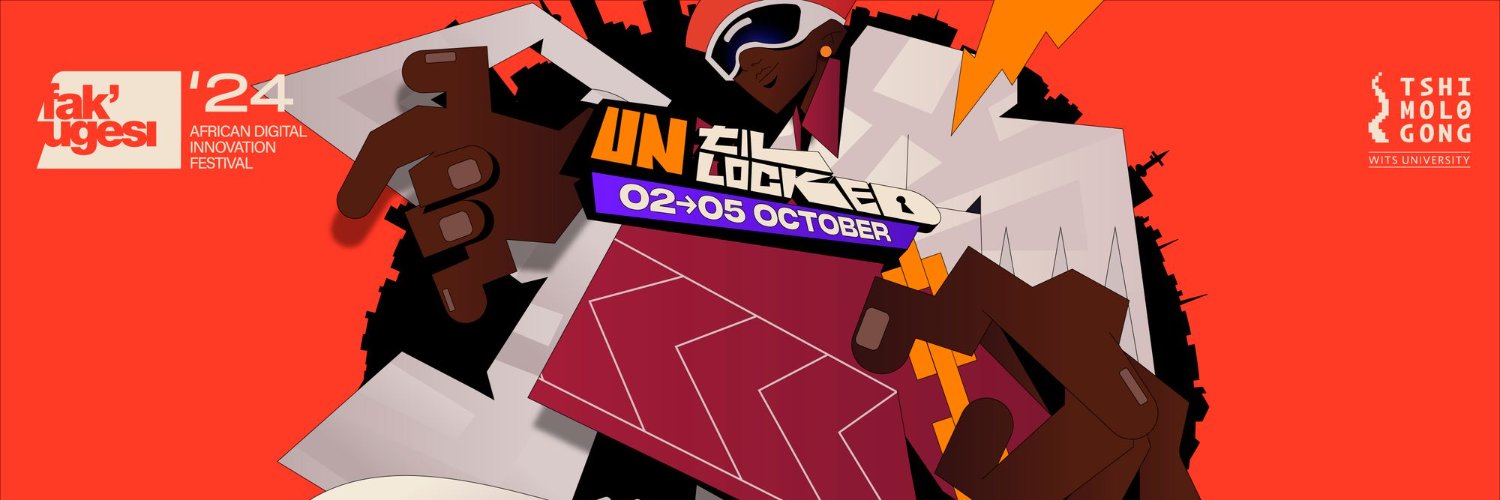
From October 2-5, 2024, five members of The Hub team were invited by ChimΓ¨re communities to attend the Fak’ugesi African Digital Innovation Festival. This vibrant African digital festival, held in Johannesburg, South Africa, provided the team with an exciting opportunity to explore the intersection of technology, art, and culture. Through their participation, they gained valuable insights into the current and future potential of the digital space.

On the opening night, The Hub team got to work on a collaborative piece with Raymond MacDonald and Nathalie Ponlot which consisted of a poem that captured the essence of Lesotho and ambient music which was later performed on stage.

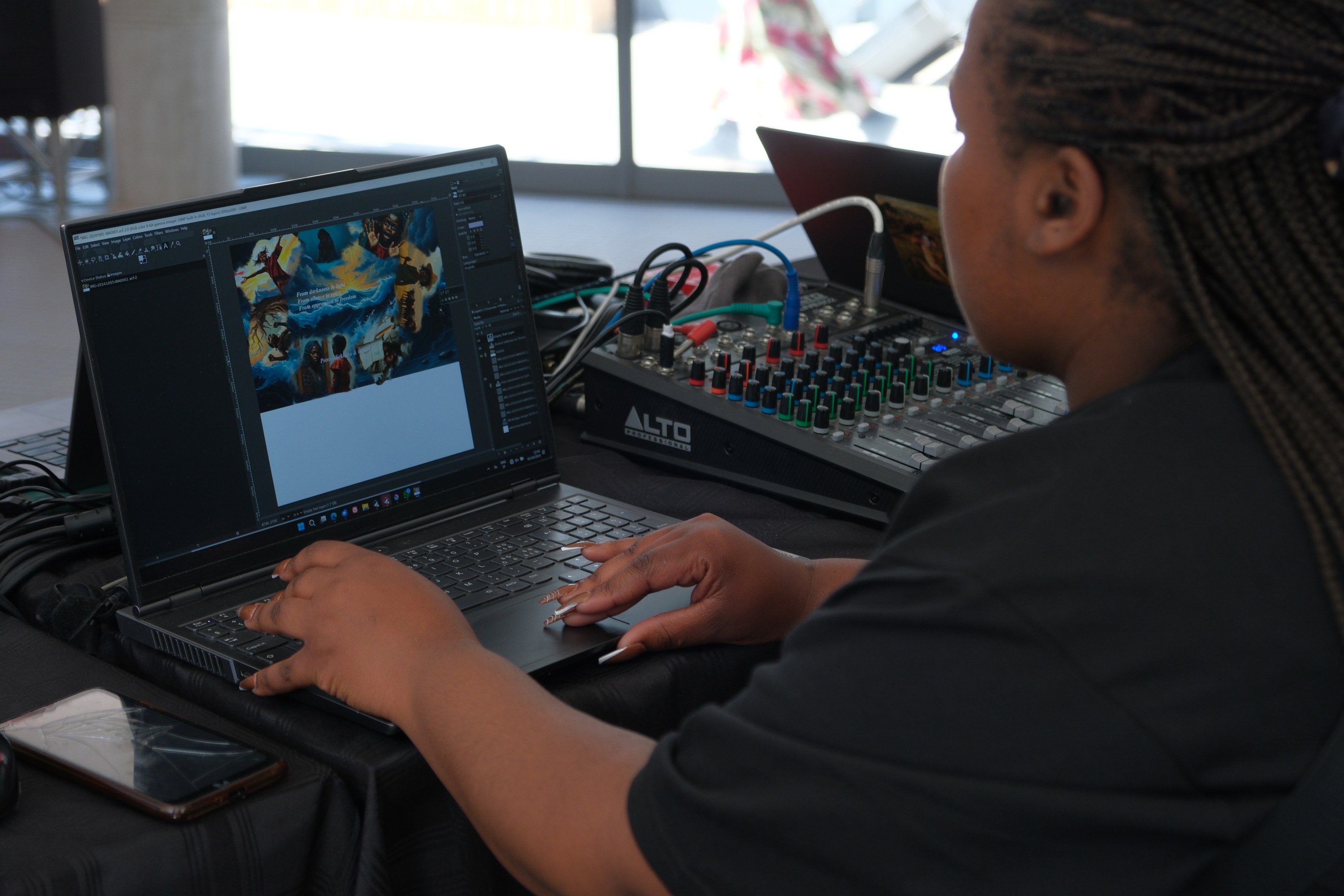
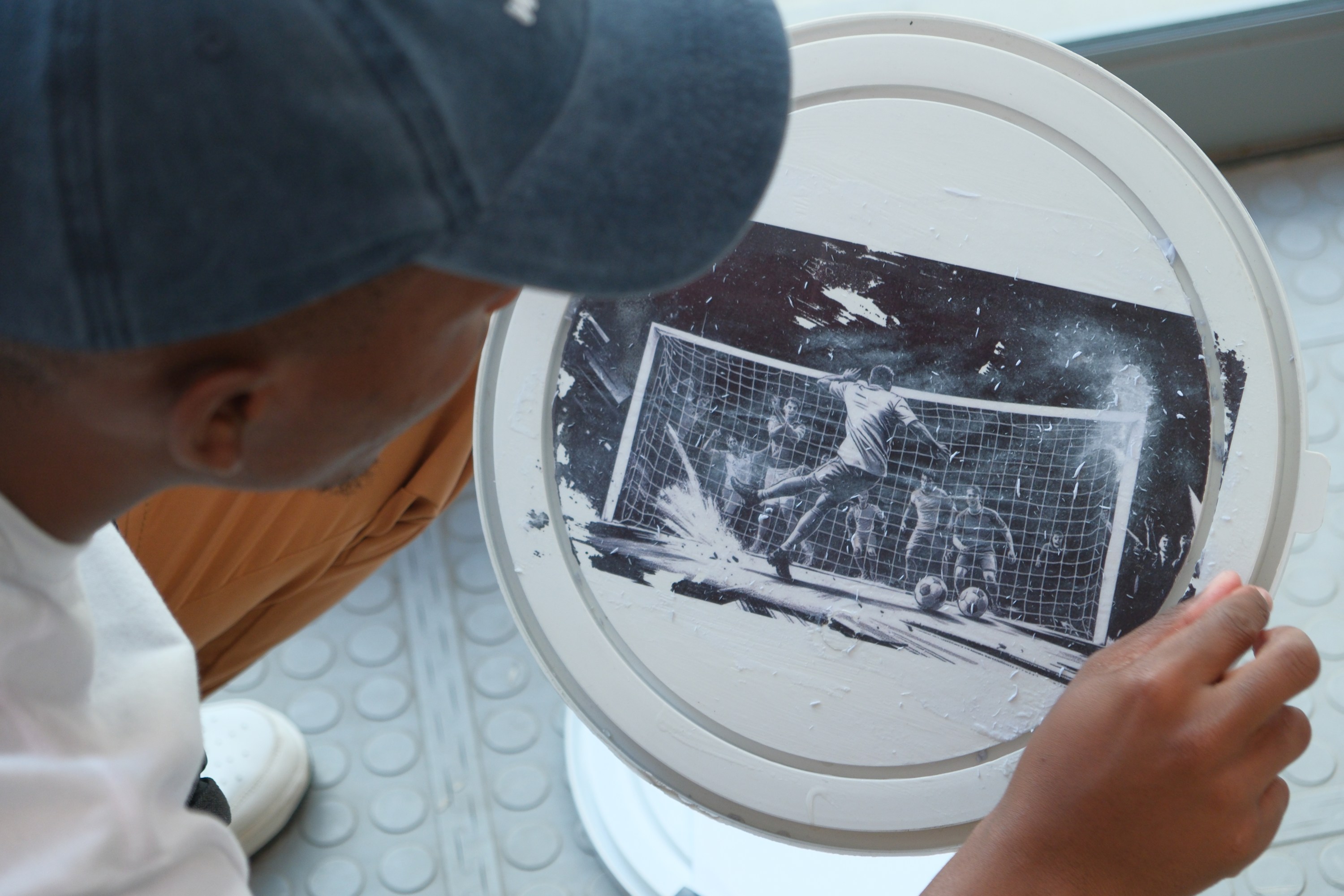
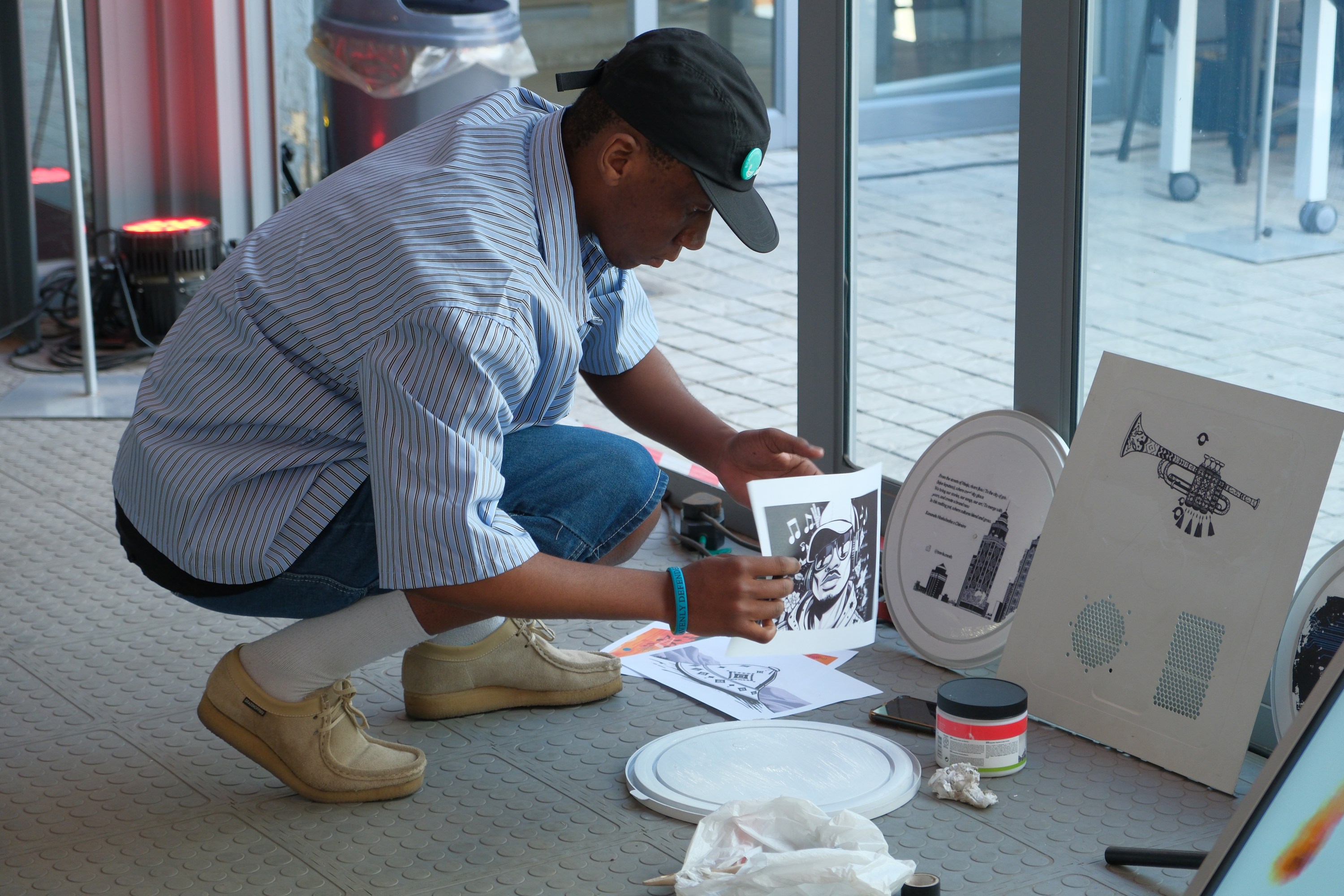
During the next few days, The Hub team worked on separate projects in collaboration with Chimère. Ntsie Mabuse and Thabang Ntlale (who did most of the documentation for The Hub Chimère team) worked on a comic book that represented them as a collective (in their younger years) and partnered with Chimère to generate the images that complemented their story. Pontőo Sekhesa worked on a photo story (collage). Kananelo Moshabesha and Teboho Mokapi created artwork using Photo Gel Transfer, which they transferred onto various surfaces like a CPU side panel and plastic lids.

Rewatch live streams of Fak’ugesi events here: fakugesi2024.super.site/livestreams

The Hub team got to rub shoulders with one of SA’s biggest creatives, Kay Kay Ribane who also had an exhibition at the festival under USURPA that showcased Africa’s first digital paintings.

β€œI attended an interactive workshop designed for content creators, animators, video game producers, architects, and designers. This workshop introduced participants to Indigenous Design Thinking and explored how it can be combined with AI to create alternative African worlds and future imaginaries. Participants learned how to envision alternative African realities that are rooted in a uniquely African perspective, moving beyond generic Afrofuturism. Using philosophical concepts like ontology, constructivism, and reframing, the workshop provided tools to imagine future cities and worlds that are influenced by indigenous ideas and cultural paradigms. I also tried the VR game”

Kananelo Moshabesha

β€œI learnt how to prepare a business elevator pitch at the Pitch-a-thon workshop, this is where I got inspired a lot because most of the content showcased and presented is the content I am learning at school. I also attended the Red Bull Basement Spotlight workshop, this is where Red Bull helps innovators build their projects that help the community around them.”

Teboho Mokapi

β€œI attended a fascinating session of Games For Change Africa where I experienced the greatness of how games are driving change in education, healthcare, sustainability and civic issues. This session was very empowering as we gained valuable insights from game developers, educators and game changers. It was an honour to meet professionals from around Africa and be in sessions that dug into the future of African Innovation.”

PontΕ‘o Sekhesa 

Creating with Chimère

During the festival, The Hub team created several projects collaborating with Chimère!

Thank you to ChimΓ¨re and Fak’ugesi!

Learn more about Chimère:

Learn more about Fak’ugesi:

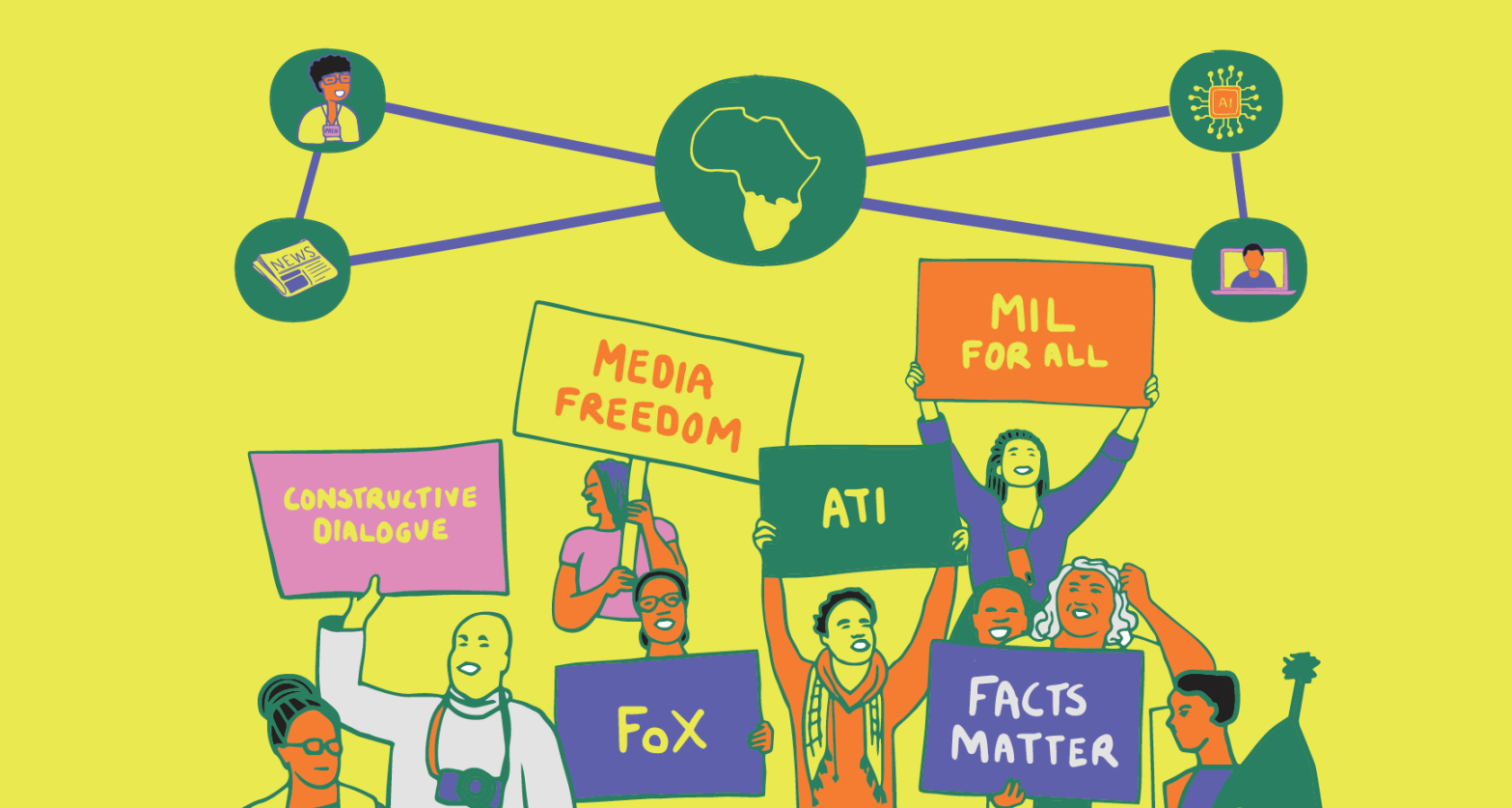
Building Resilient Information Ecosystems in Southern Africa

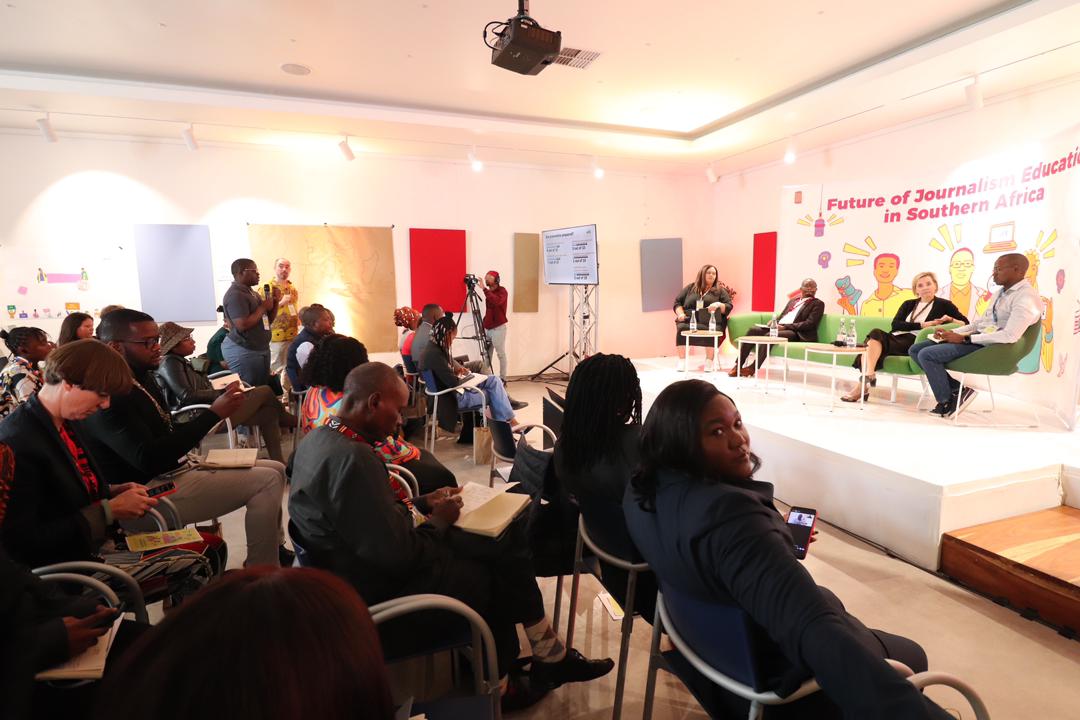
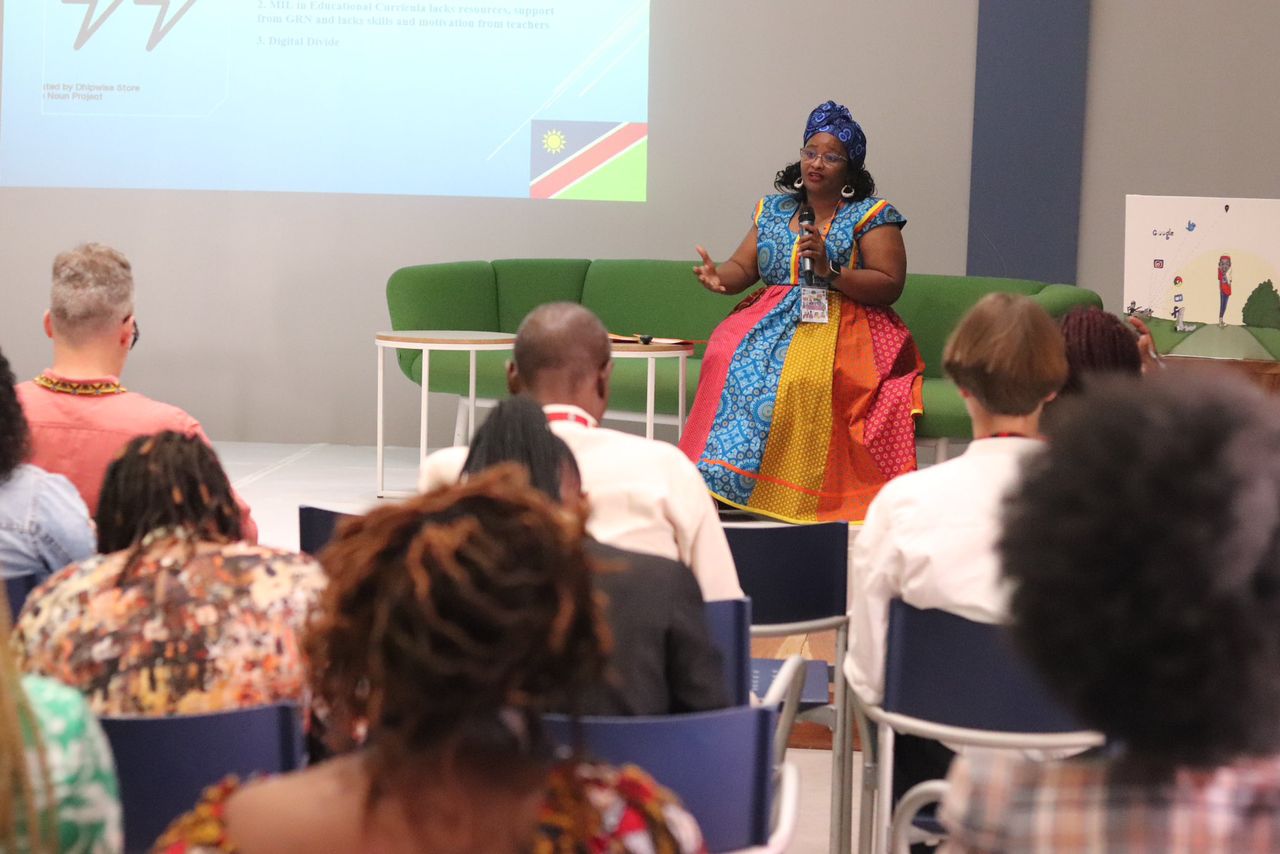
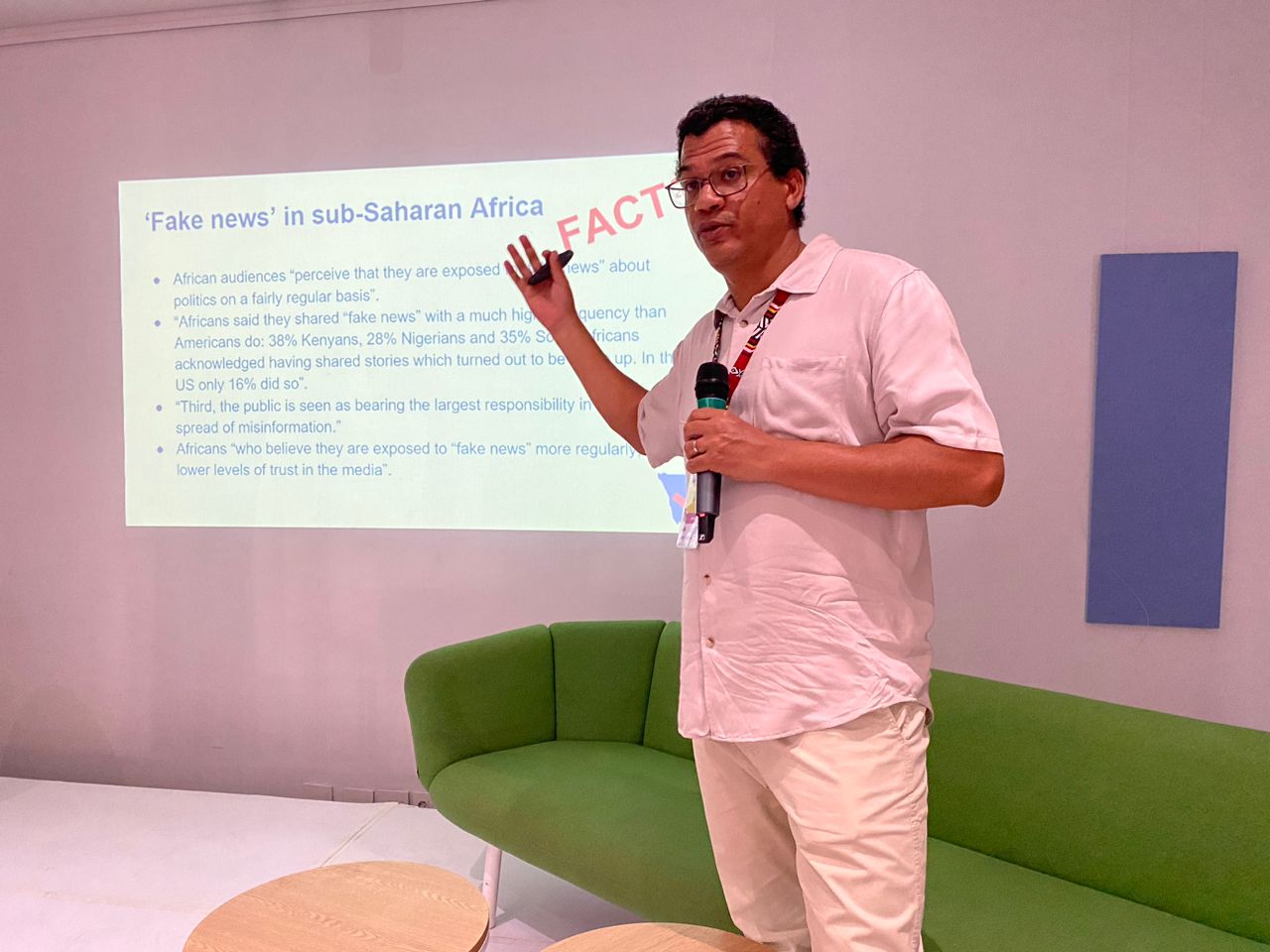
From September 30 – October 3, 2024, Meri HyΓΆky represented The Hub at the β€˜Building Resilient Information Ecosystems in Southern Africa’ conference on the future of journalism, education, free expression advocacy and media and information literacy in Windhoek, Namibia. The Hub was invited by DW Akademie, co-hosts of the conference together with the Namibia Media Trust, the Media Institute of Southern Africa (MISA) and CITE.

Graphic Recordings:

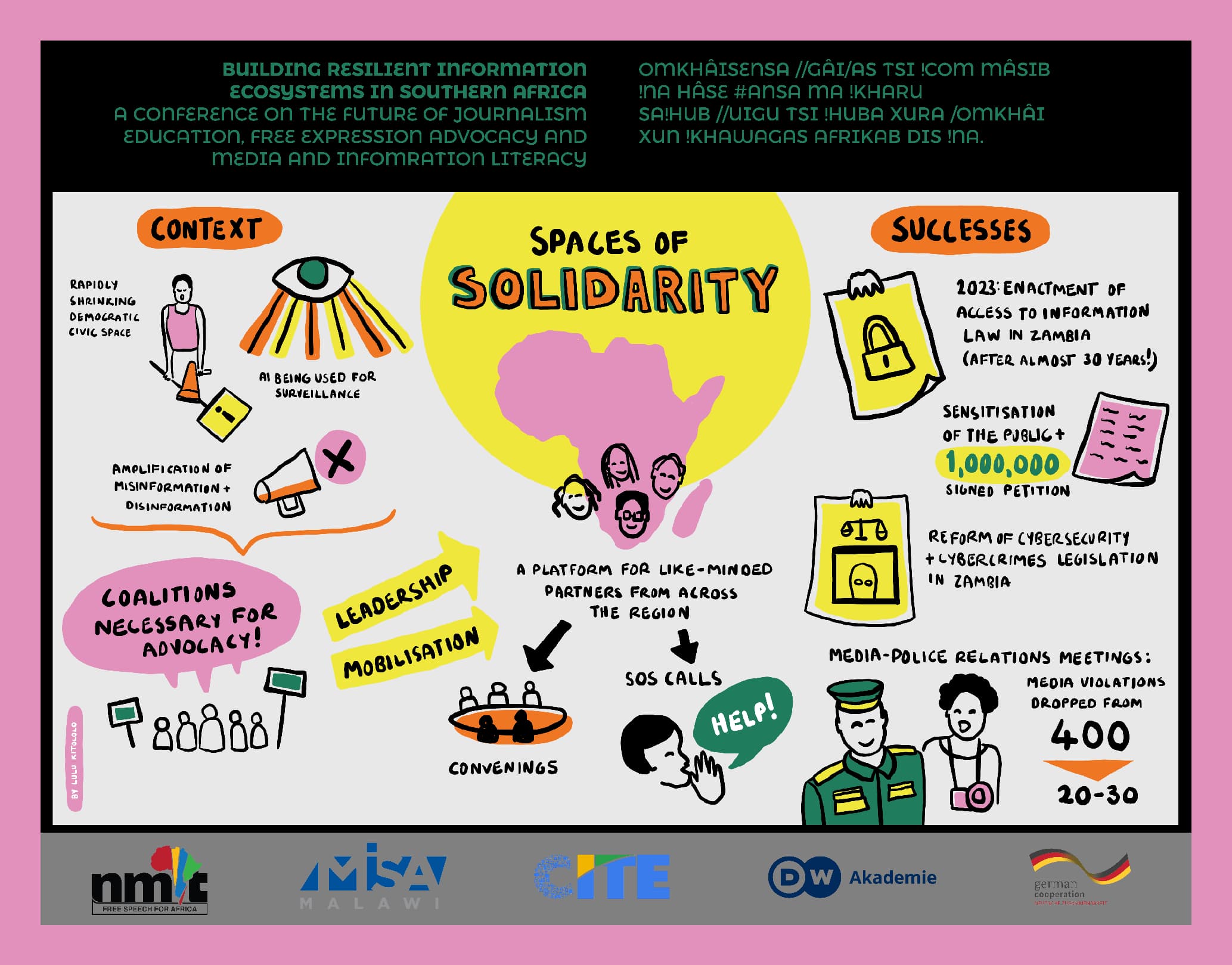
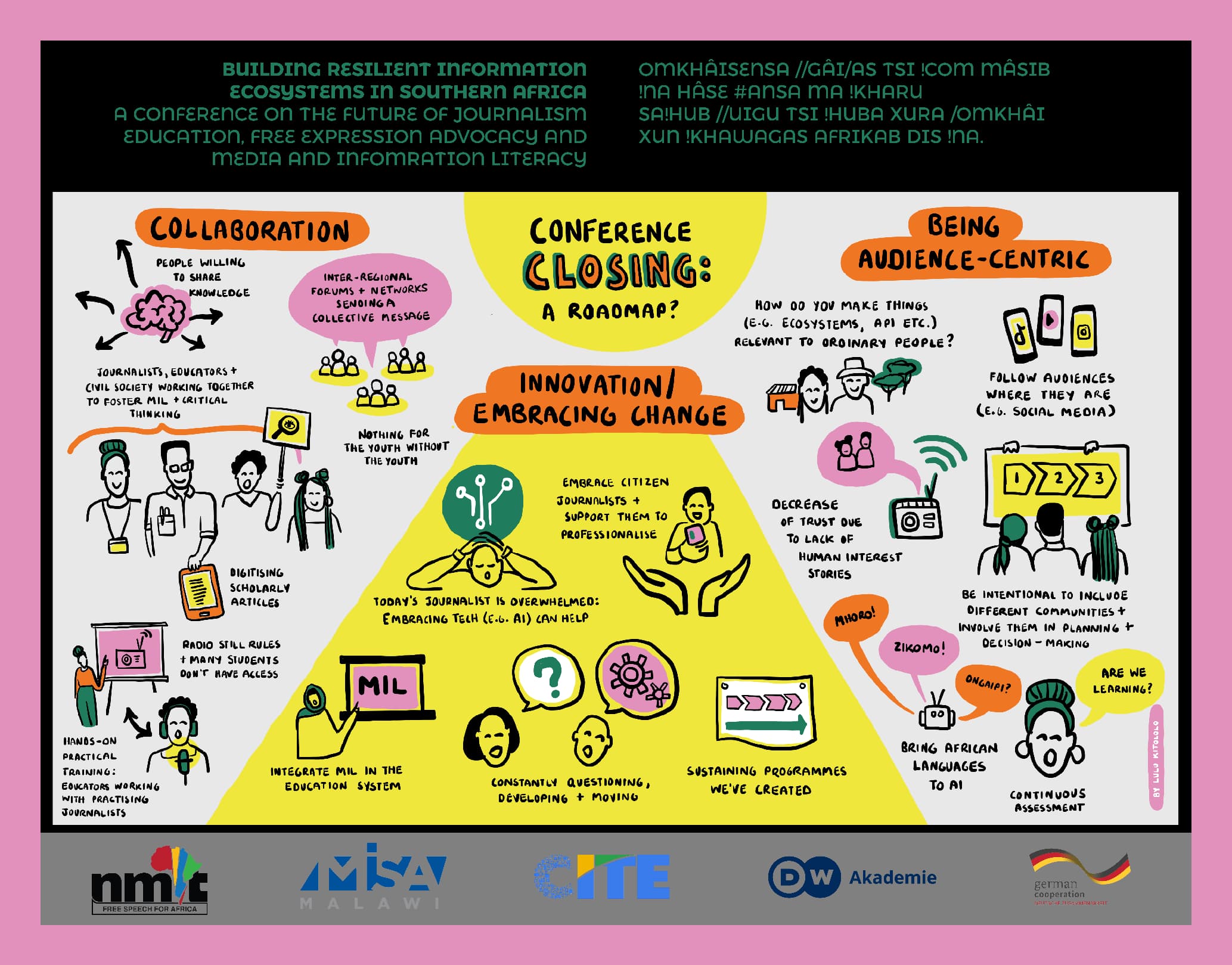
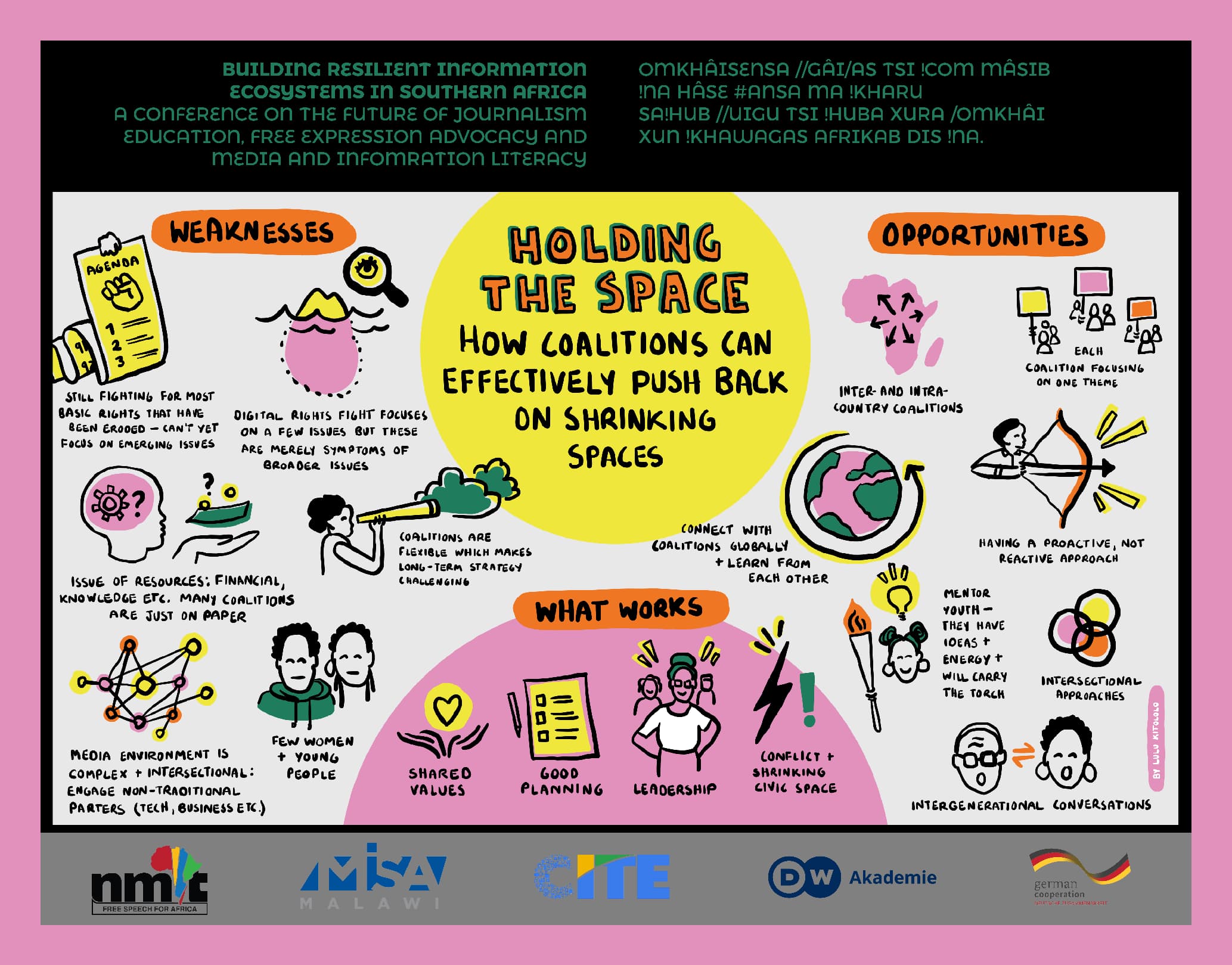
Graphic Recordings by Lulu Kitolo of the Spaces of Solidarity session:

Kananelo Boloetse, the Chairperson of MISA Lesotho, was also in attendance, and shared insight into Freedom of Expression in Lesotho, while The Hub shared our experiences on Access to Information and MIL education in Lesotho.

Programme:

From Spaces of Solidarity Survey 2024 across SADC countries:

“What role should technology (social media, internet, mobile telephone) play in improving the freedom of the media, freedom of expression and access to the information landscape?

  • Amplifying marginalized voices: Technology can help amplify the voices of underrepresented groups.
  • Dissemination of credible information: Technology should be used to spread accurate and verified information.
  • Combating misinformation and disinformation: Efforts should be made to tackle false information while enabling free expression.
  • Access to information: Technology should broaden access to information, especially for marginalized or rural populations.
  • Education and digital literacy: Training and awareness are needed to use technology responsibly and effectively.
  • Media sustainability: Technology can reduce costs (e.g., print media) and help sustain media organizations.
  • Citizen journalism and public participation: Technology empowers citizens to participate in journalism and public debates.
  • Cost of data and internet access: Reducing the cost of internet access and data is crucial for ensuring widespread usage.
  • Supporting media pluralism: Technology should provide diverse platforms and support freedom of the media.
  • Transparency and accountability: Technology should facilitate transparency and help hold governments and public figures accountable.
  • Legal frameworks: Governments should enact and support laws that promote digital rights and protect media freedom.”

In partnership with DW Akademie, The Hub has been facilitating Media and Information Literacy education in Lesotho since 2019. Media and Information Literacy (MIL) means knowing how to find, understand, and use information from different sources like TV, newspapers, and the internet. It helps you tell if the information is true or biased, and teaches you how to create and share your own content responsibly. These skills are important for making good decisions and staying informed in today’s world. MIL also supports freedom of expression by allowing people to share their ideas and opinions effectively and responsibly.
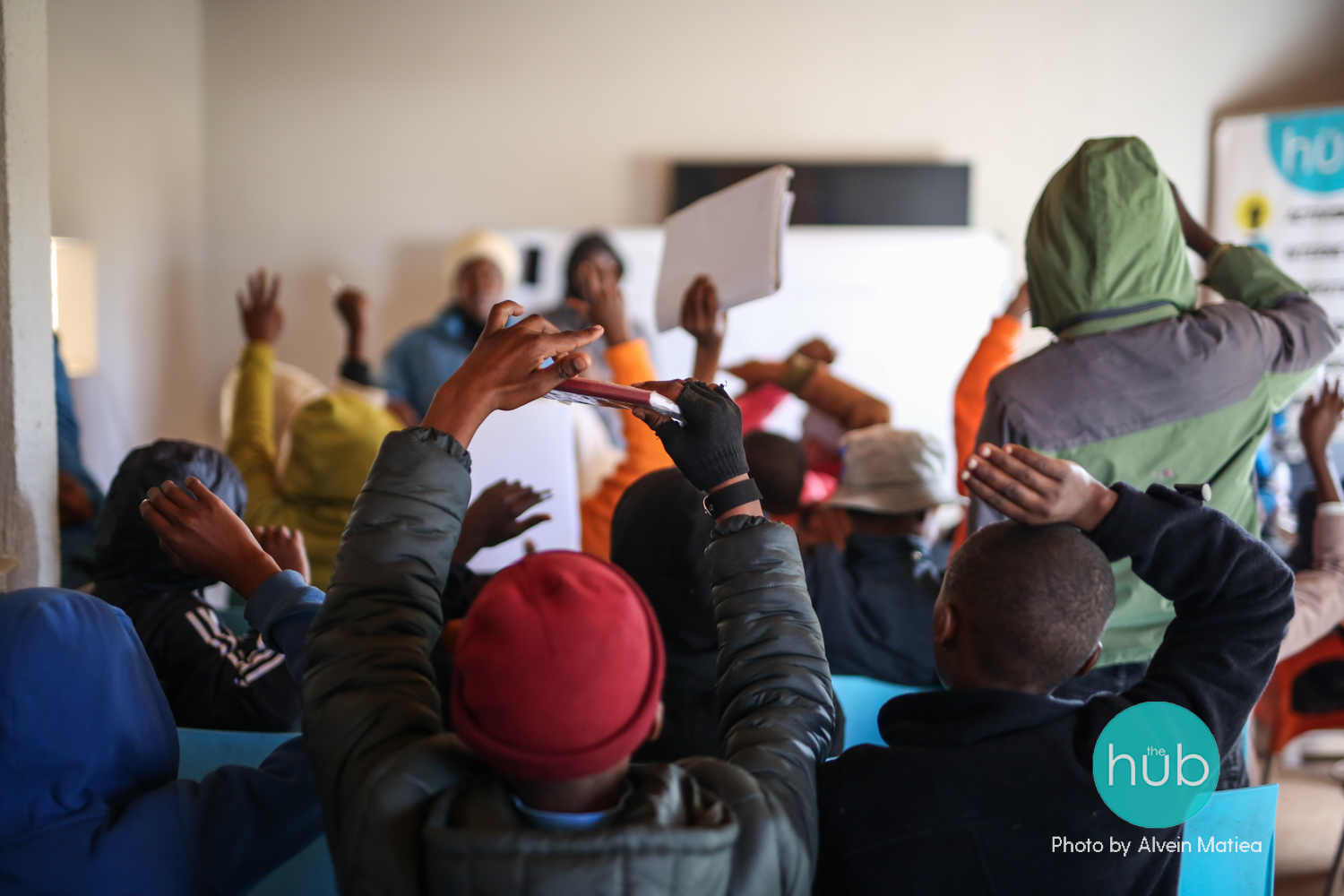
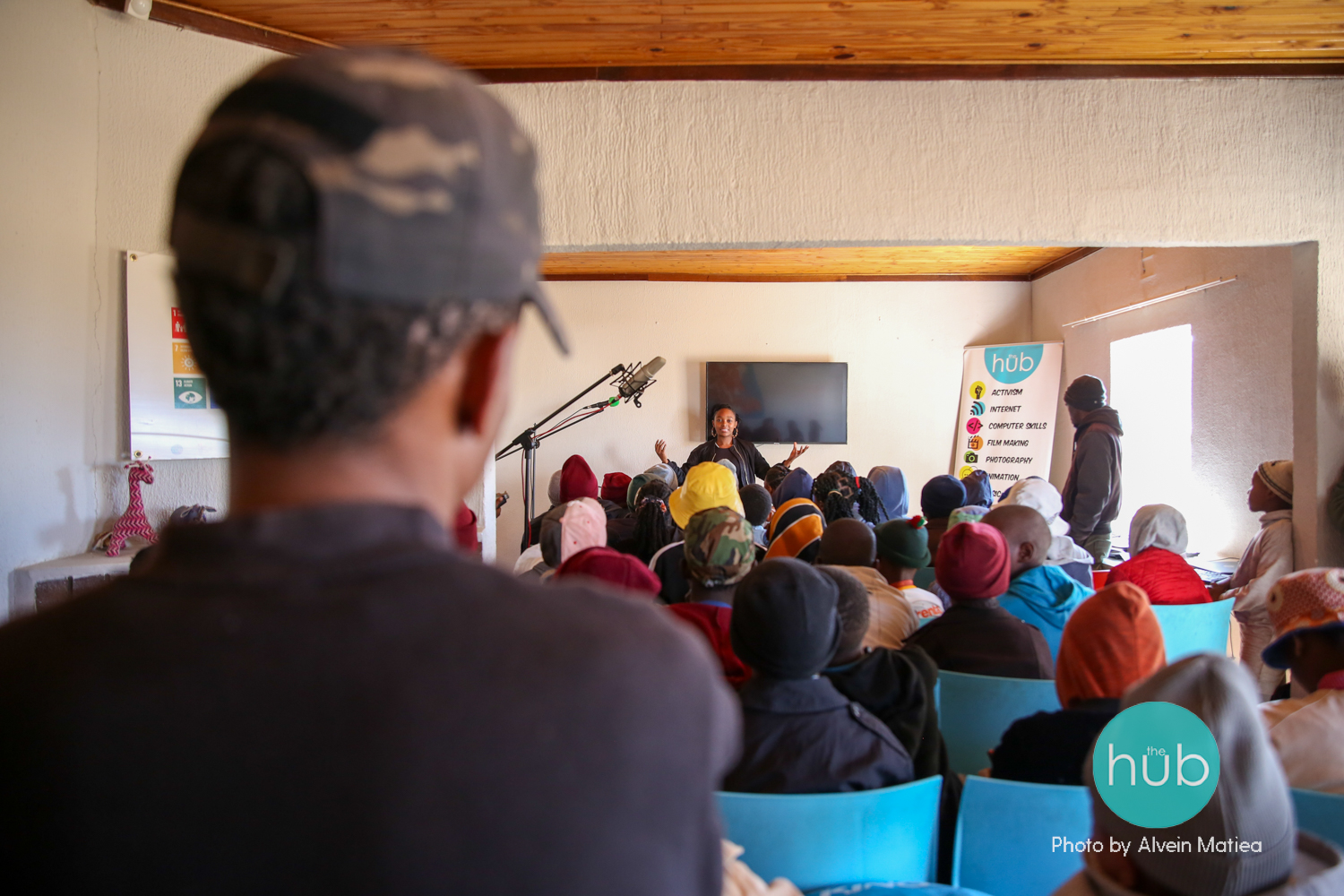
Learn more about The Hub’s MIL educational projects and see the content: thehubatmorija.co.ls/mil

Thank you to DW Akademie for supporting MIL in Lesotho!

Skills & Soup in 2024 Q3

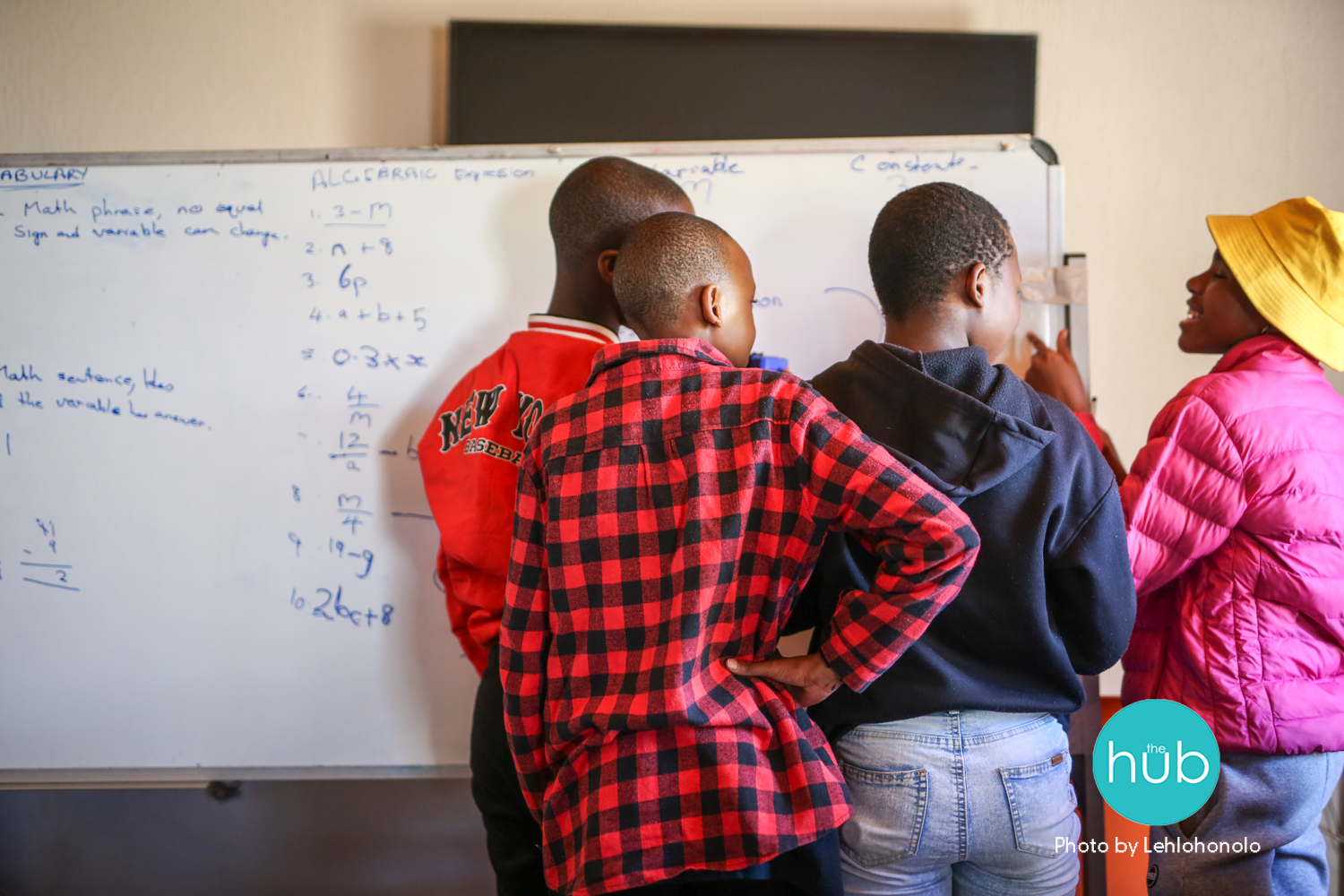
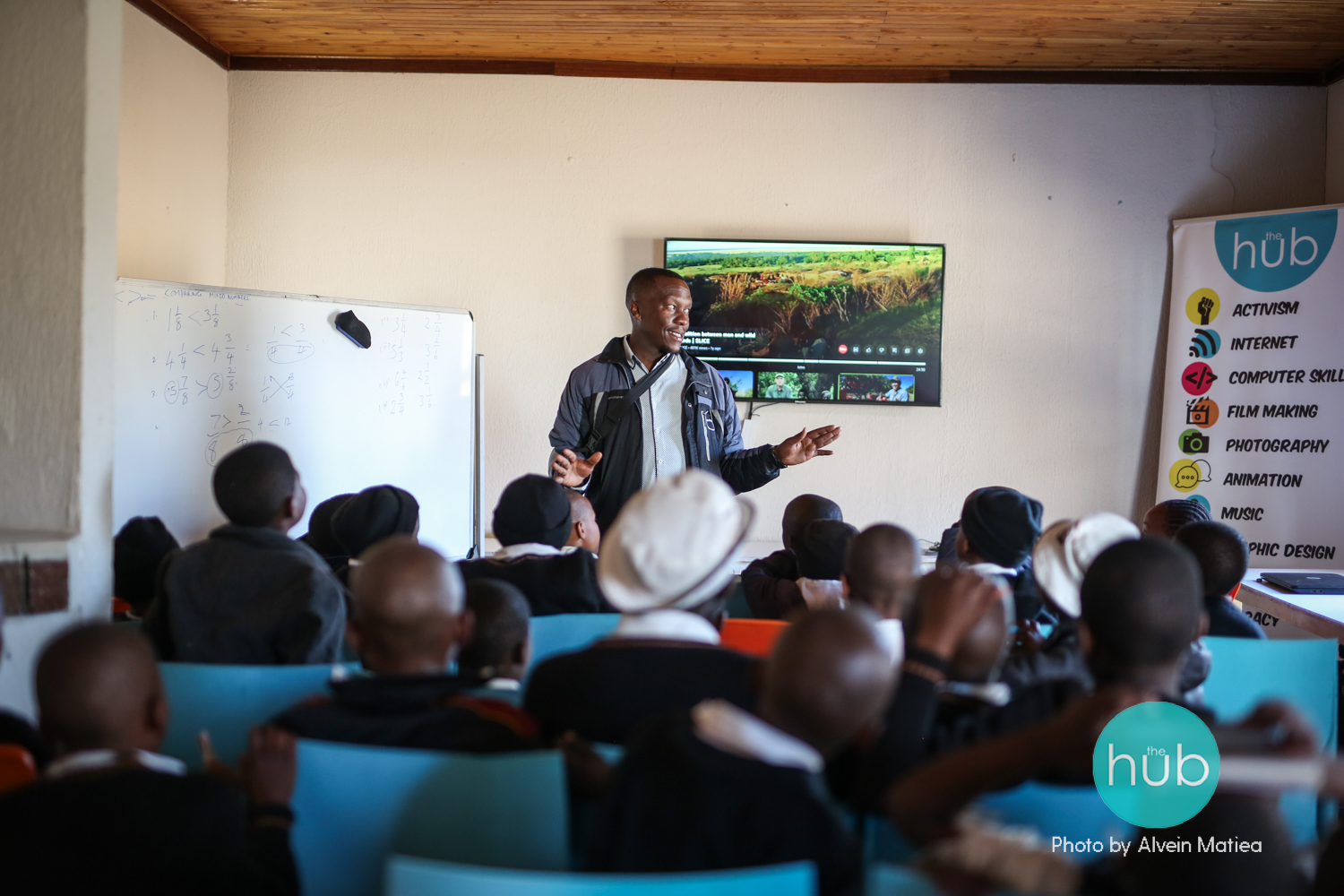
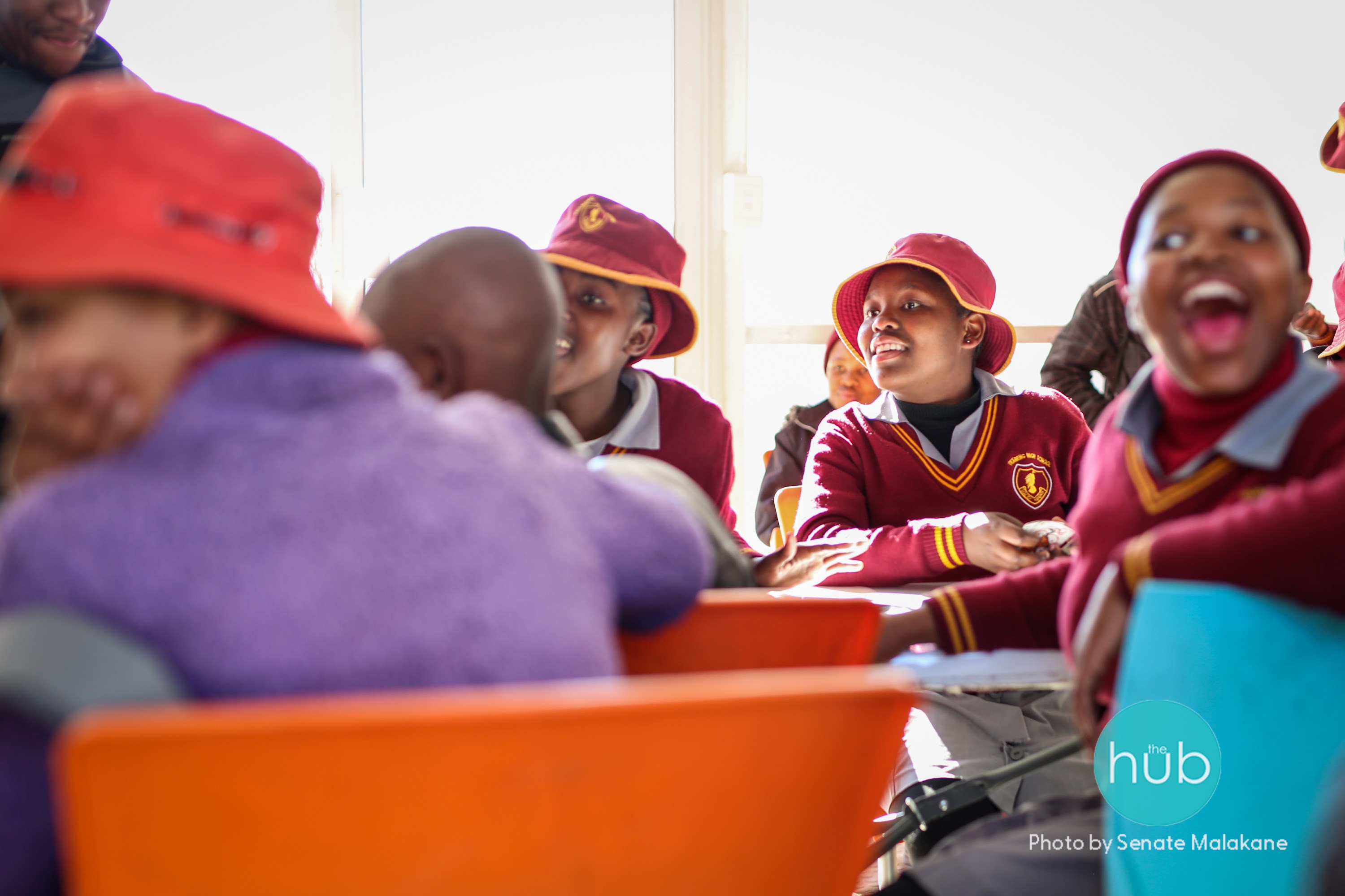
In partnership with Glasswaters Foundation, in July – September 2024 Skills & Soup at The Hub continued to provide 125 children and adolescents in Morija and surrounding communities with weekly after-school tuition, nutritional meals and life skills.

Overview of The Hub’s Skills & Soup programming
  • 125 weekly participants ranging in age from 8-18 from Morija and surrounding villages.
  • The participants attend the programming free of charge.
  • Provides daily after-school tutoring in:
    • STEAM (Science, Technology, Engineering, Art, Mathematics) subjects
    • Mental health and well-being
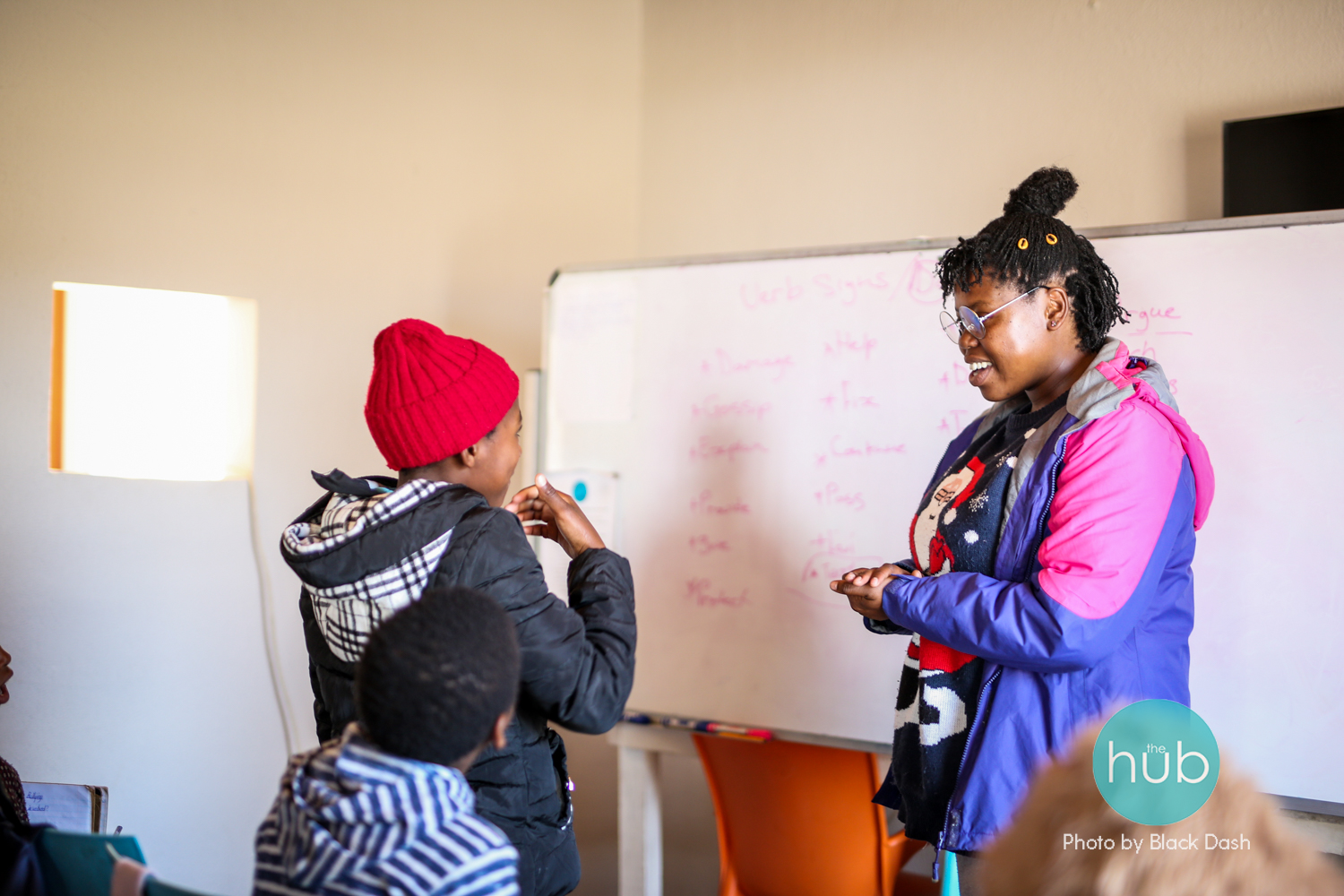
    • Daily programming including sign language lessons and educational clubs during school holidays.
Skills & Soup in 2024 Q3

Through July – September 2024:

  • 65 sessions held
  • 3,250 meals served
Meals at Skills & Soup
  • Prepared by Cafe Mojo, a female-owned and run business.
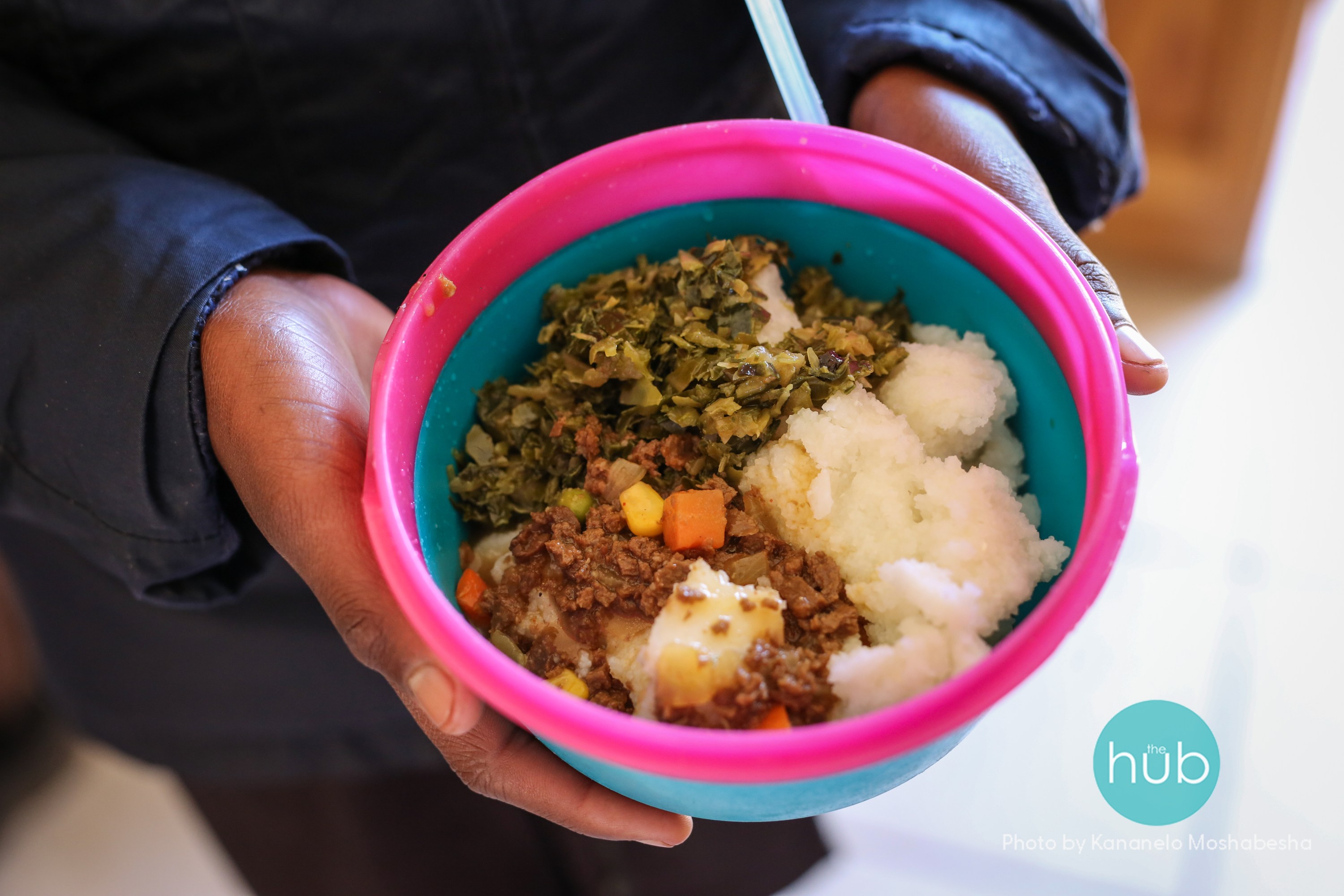
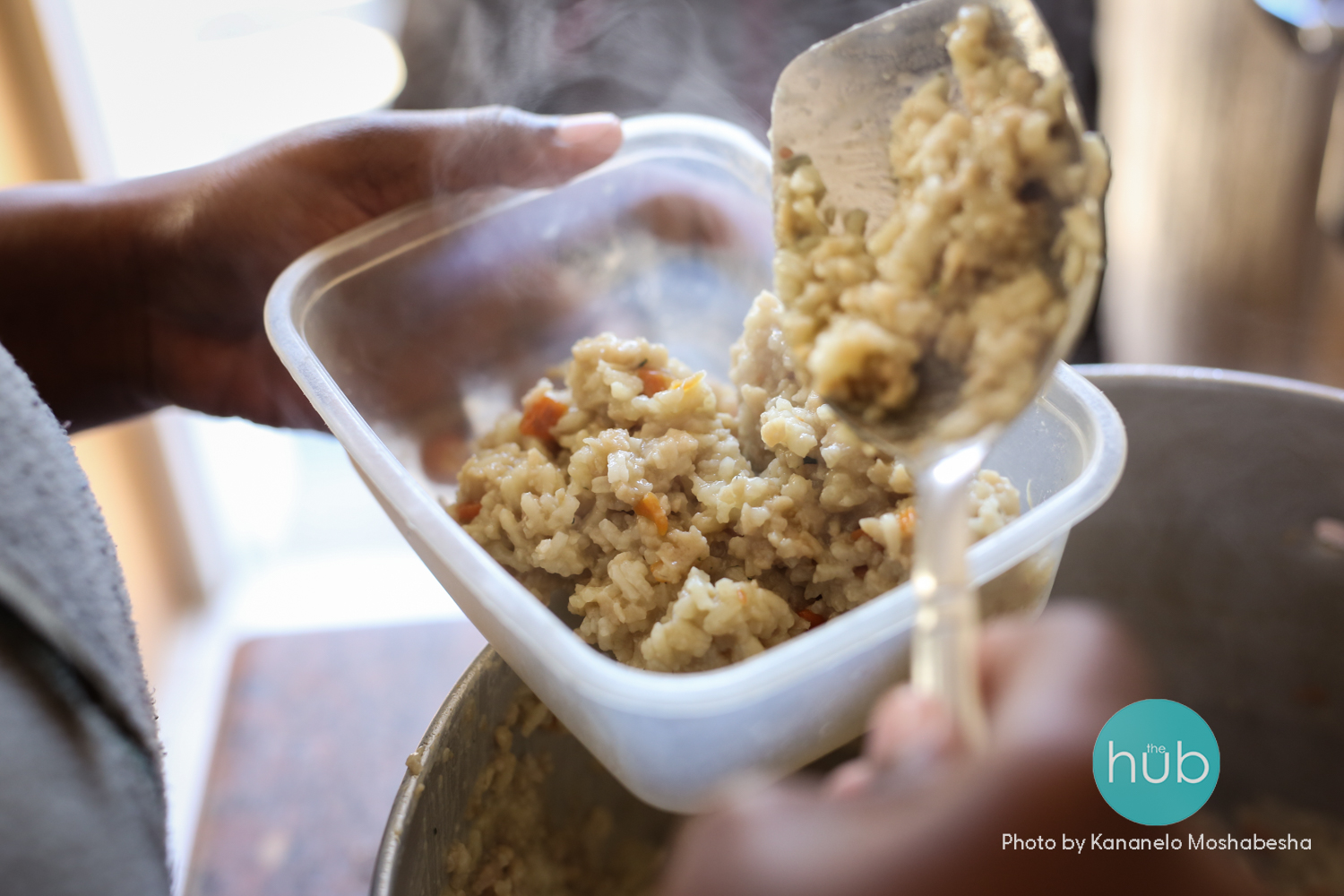
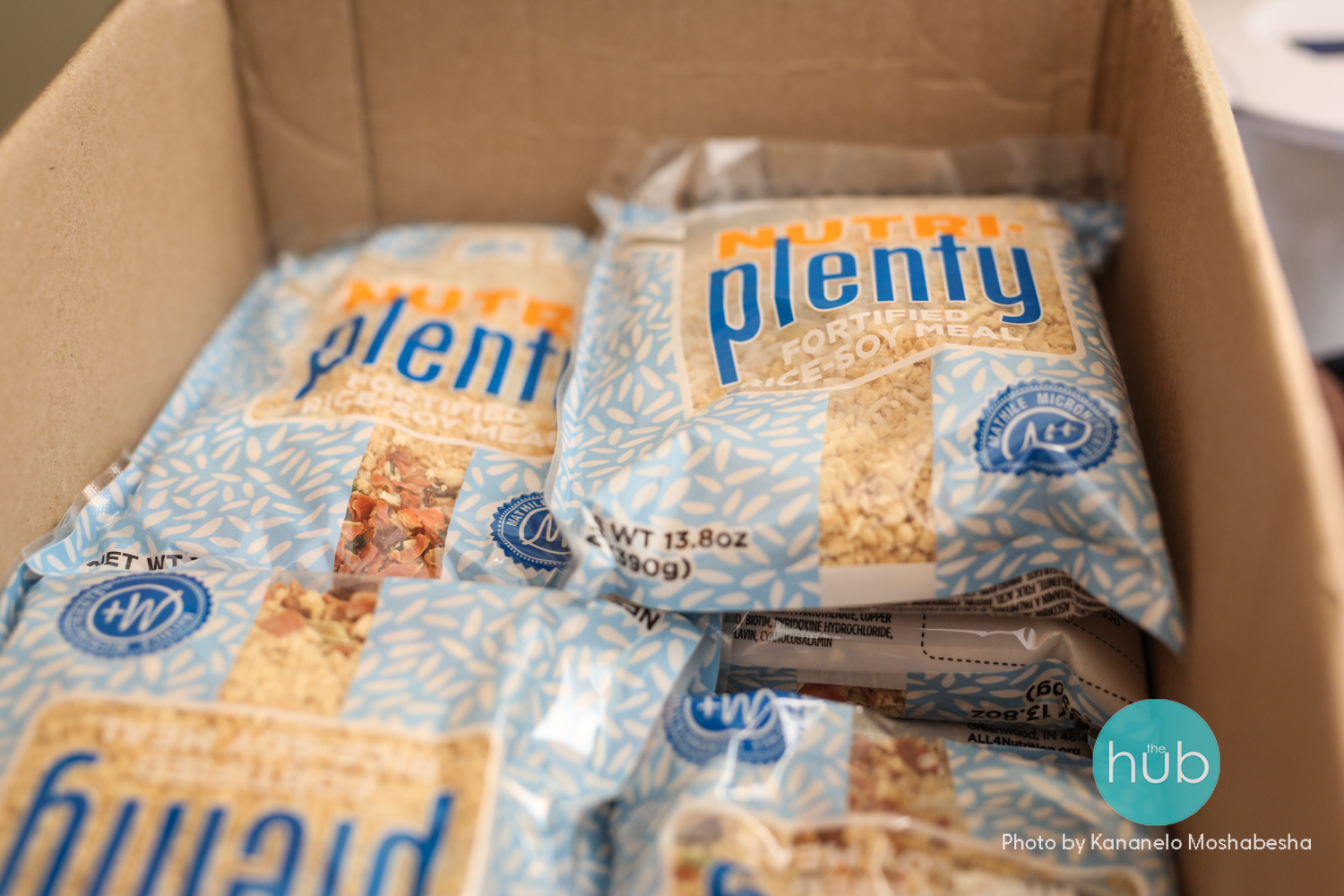
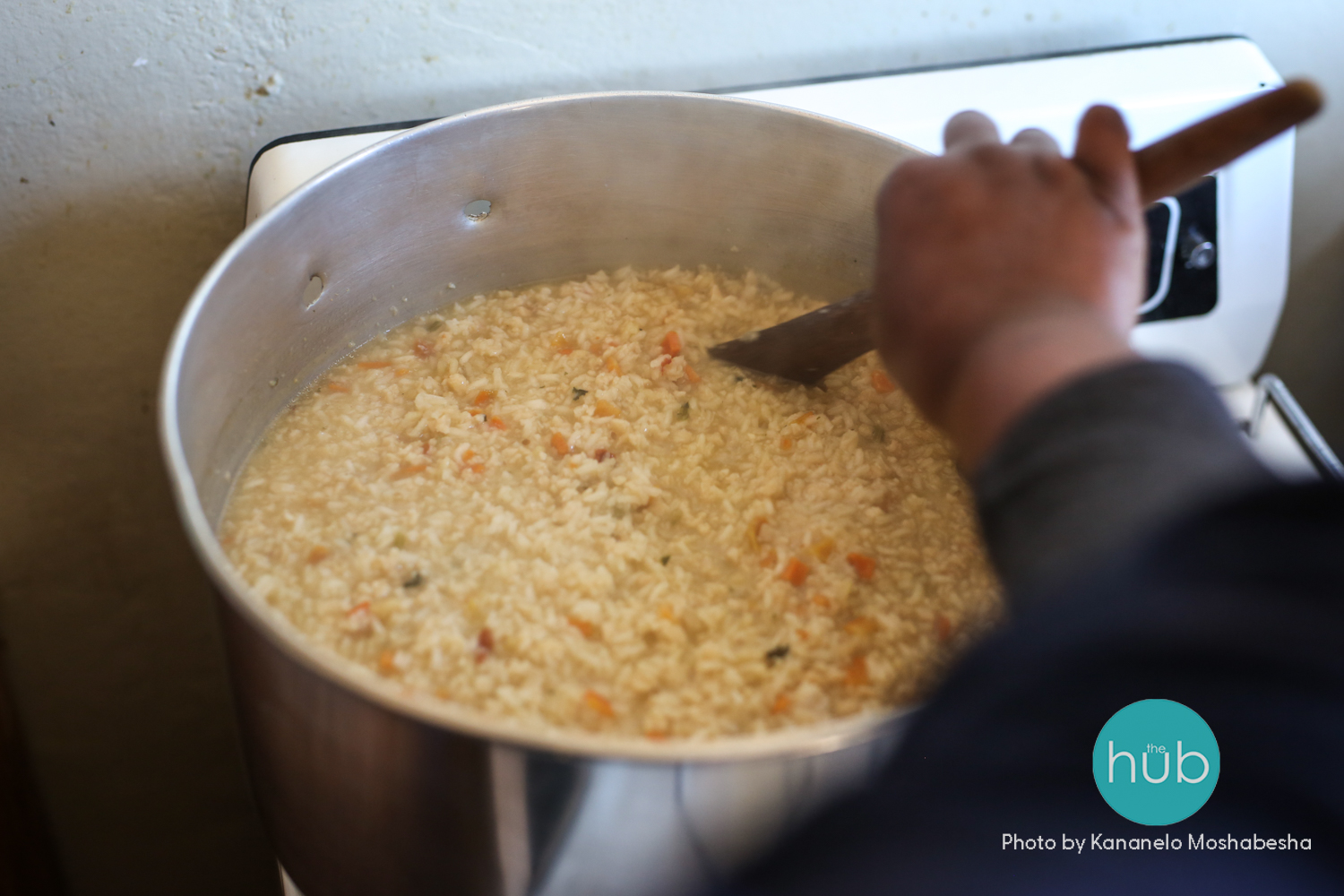
  • Daily highly nutritious hot meal includes protein (mostly plant-based), fortified starch, and vegetables.
  • Daily highly nutritious take-home ration includes 2 loaves of locally baked fortified brown bread, peanut butter, boiled egg, and fruit.
  • The Hub has eliminated single-use plastic by participants bringing their reusable containers.
Support from the Lesotho Nutrition Initiative enables The Hub to provide highly nutritious meals for the 30 youngest and most food-vulnerable Skills & Soup participants 5 days/week:
Skills & Soup catering supports local businesses in Morija by purchasing:
  • 250 loaves of bread from a local female-owned and run bakery weekly
  • Eggs and seasonal vegetables from local farmers weekly
Skills & Soup Outreach in Q3:
  • 4 outreach sessions at Mauteng Primary School, St Lucia Primary School and HOLO – monthly outreach to rural, digitally excluded schools providing an introduction to coding using tablets and Scratch, as well as mental well-being lessons.
Hub Talks at Skills & Soup in Q3:
  • 3 Hub Talks – monthly motivational talks by visiting entrepreneurs, artists, professionals and activists in partnership with Selibeng sa Thuto Trust.
The Hub’s garden:
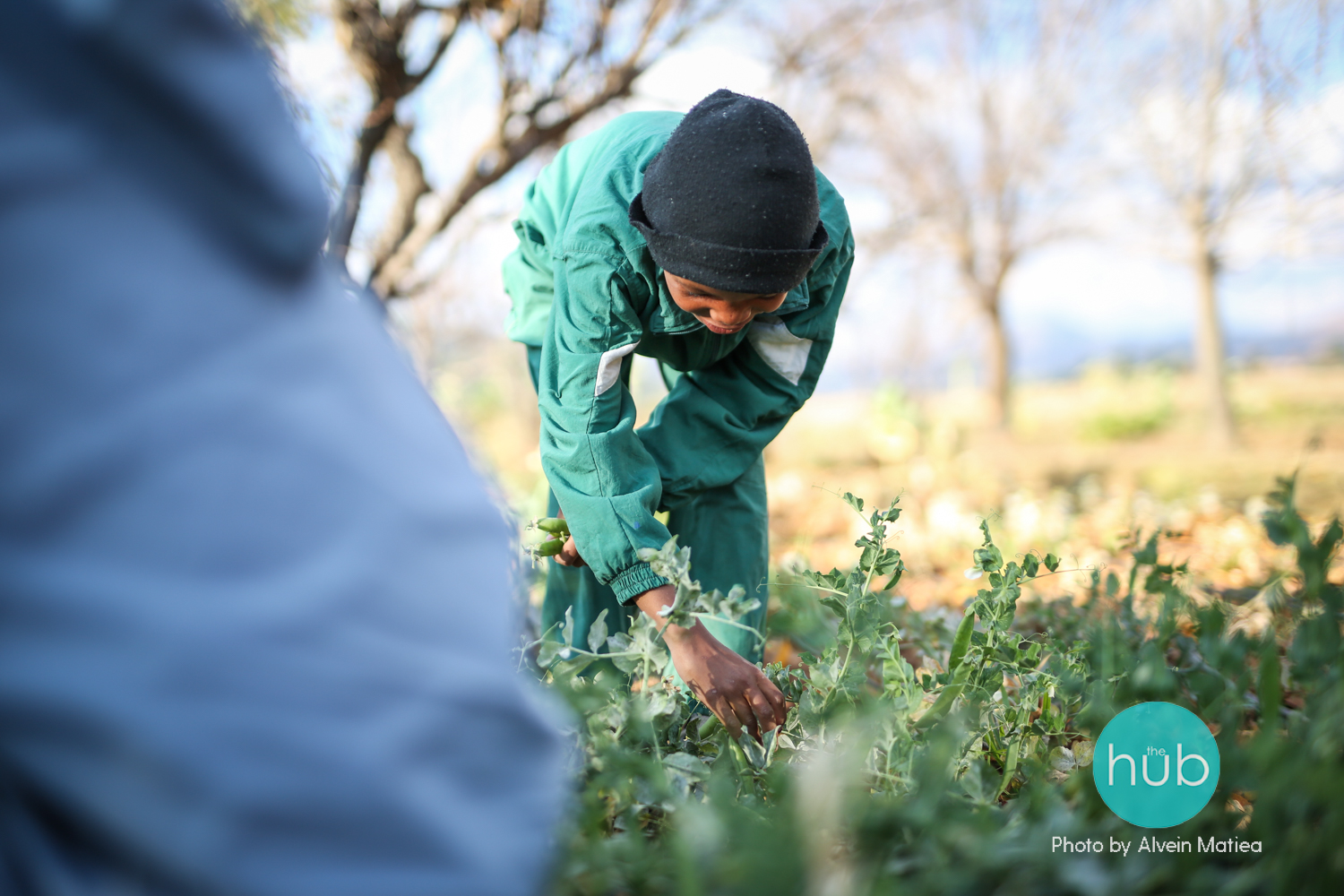
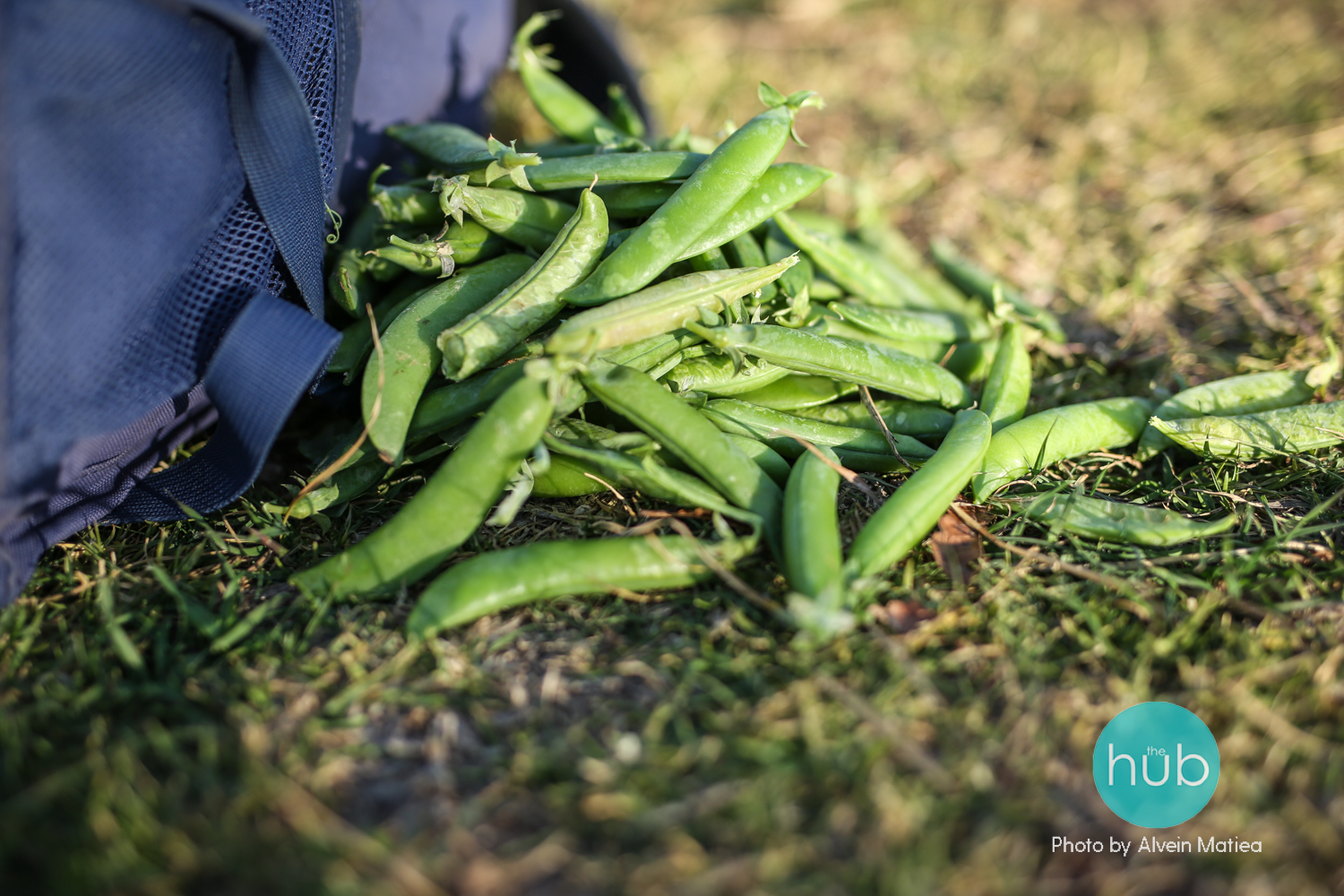
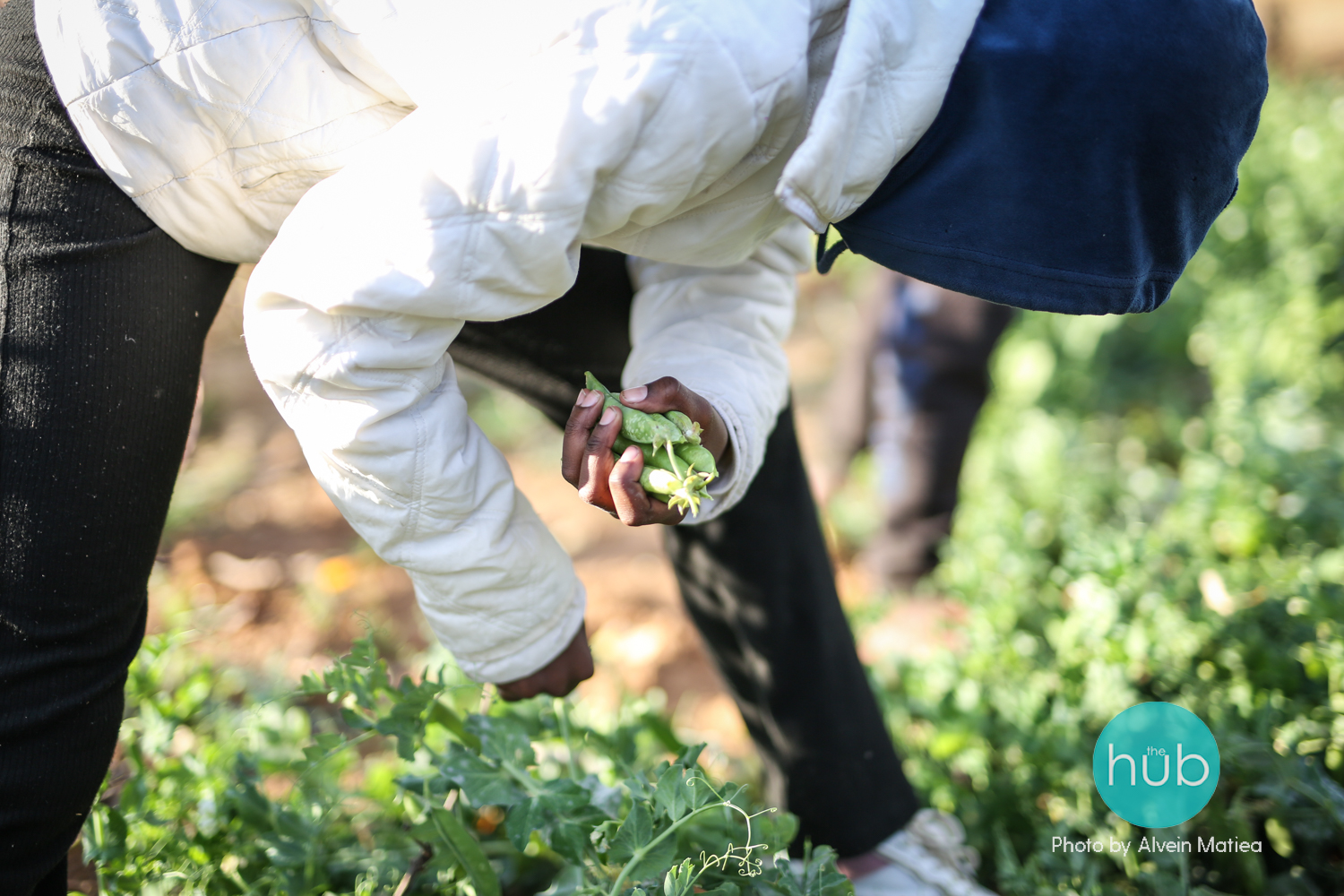
  • Aims to increase food security with fruit and vegetables for Skills & Soup participants to take home
  • Promotes organic and sustainable farming practices, and adaptation to climate change
Sign Language at Skills & Soup in Q3:
Additional activities at Skills & Soup in Q3:

Read more about World Cleanup Day 2024!

Bursary support for students:

Click below to support the Given Gain crowd funding campaign:

Skills & Soup is looking for partnerships, contact us!

World Cleanup Day 2024

Climate change and environmental degradation are some of the most pressing issues of our time in Lesotho, and by educating ourselves and others on the importance of reducing our carbon footprint, conserving natural resources, and protecting our ecosystems, we can work together to create a healthier, more liveable planet for ourselves and future generations.

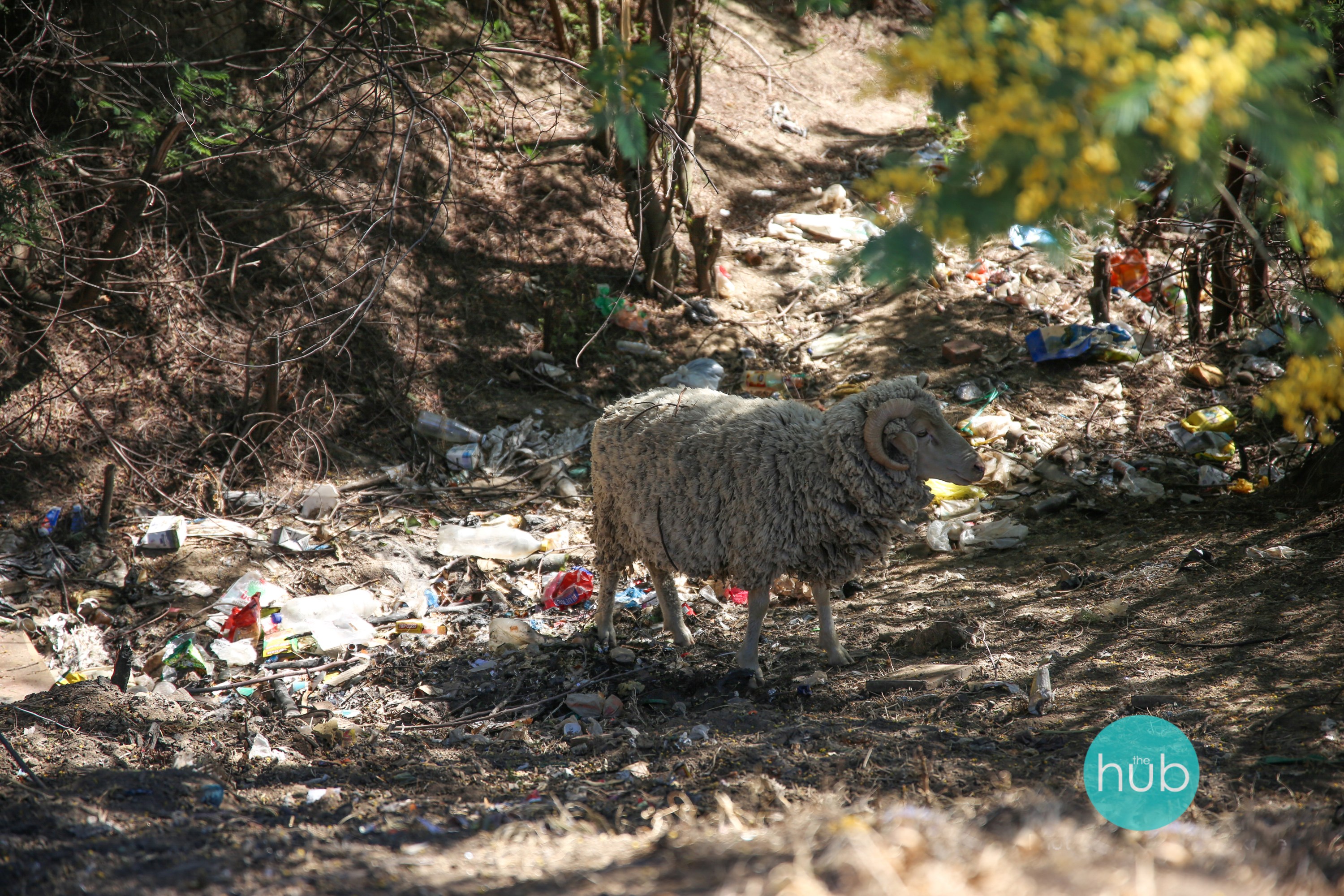
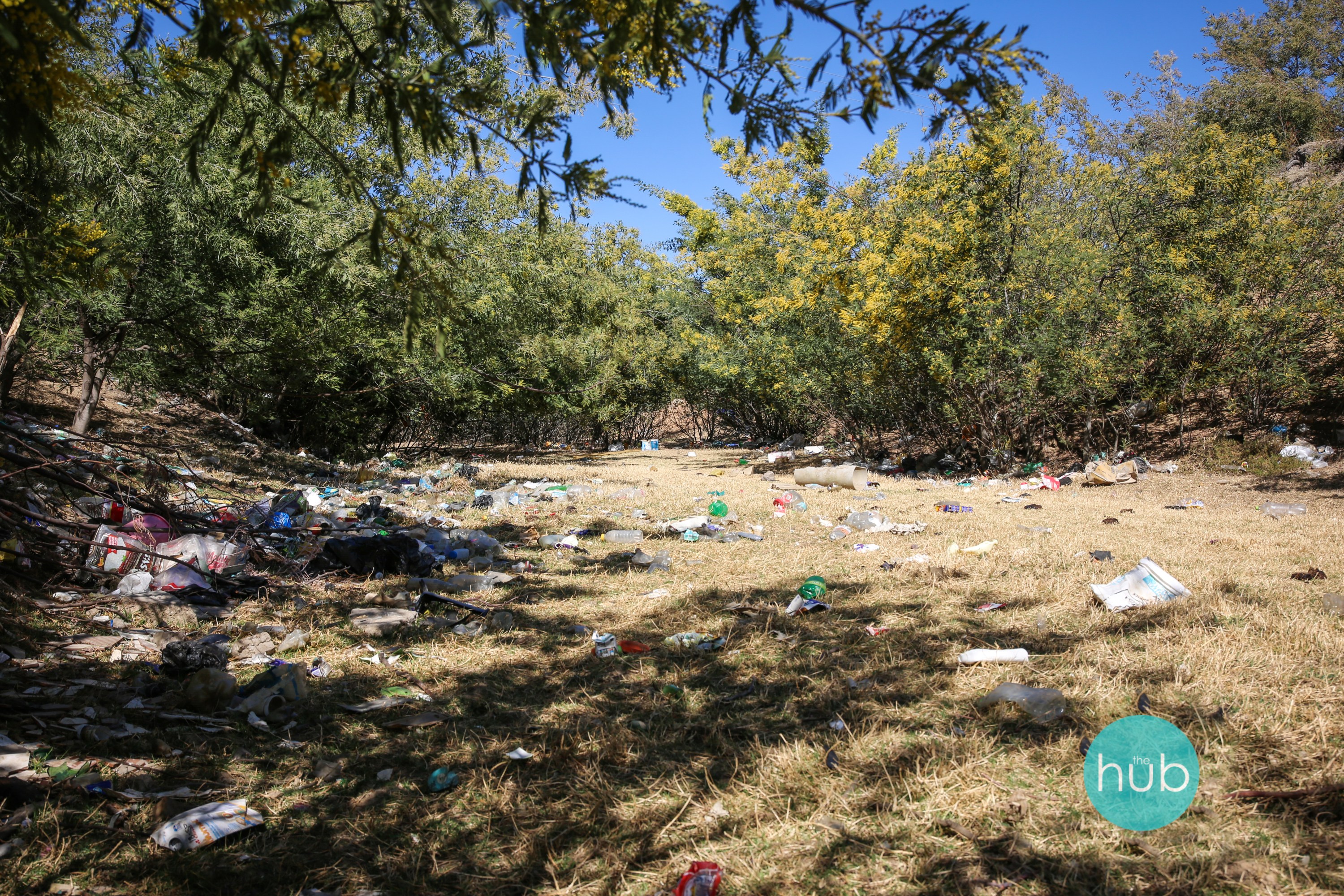
According to UNITAR, Lesotho generates 137510 tonnes of waste/year of which an average of 20% fall within collection system, whereas 80% is unaccounted for, either illegally dumped or ends up in open burning practices.

In Morija, due to the lack of any waste management system, open burning of litter is done by individuals, businesses and institutions. Some of this is done daily adjacent to homes, busy walking paths and sports grounds where youth gather and play sports, while breathing in smoke from burning plastic and chemicals.

In August, Skills & Soup participants MotΕ‘elisi Mohapeloa and PontΕ‘o Mothabeng expressed their concern for the amount of plastic pollution in Morija, and their initiative enabled The Hub to source the funds to join the global effort this year!

World Cleanup Day 2024

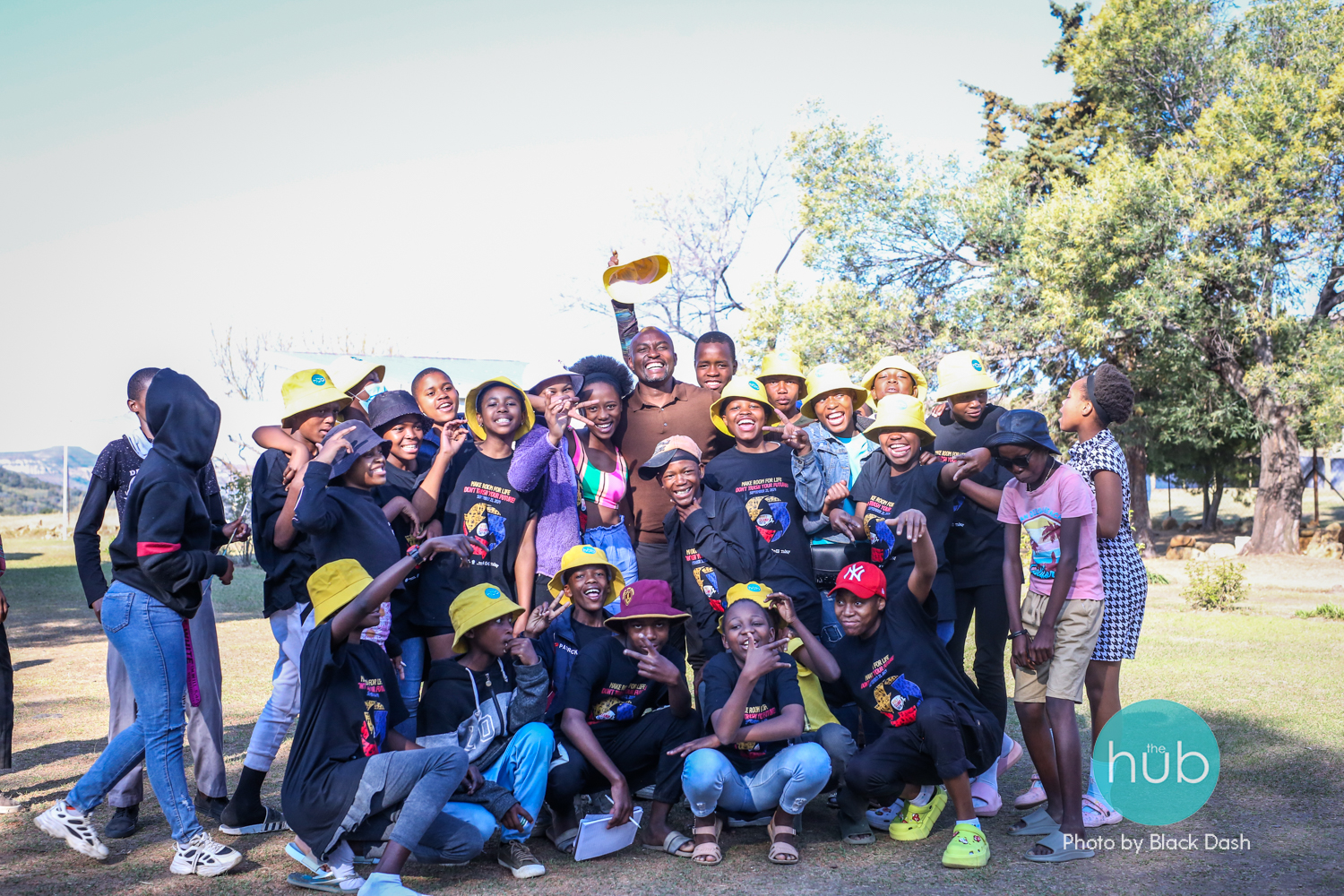
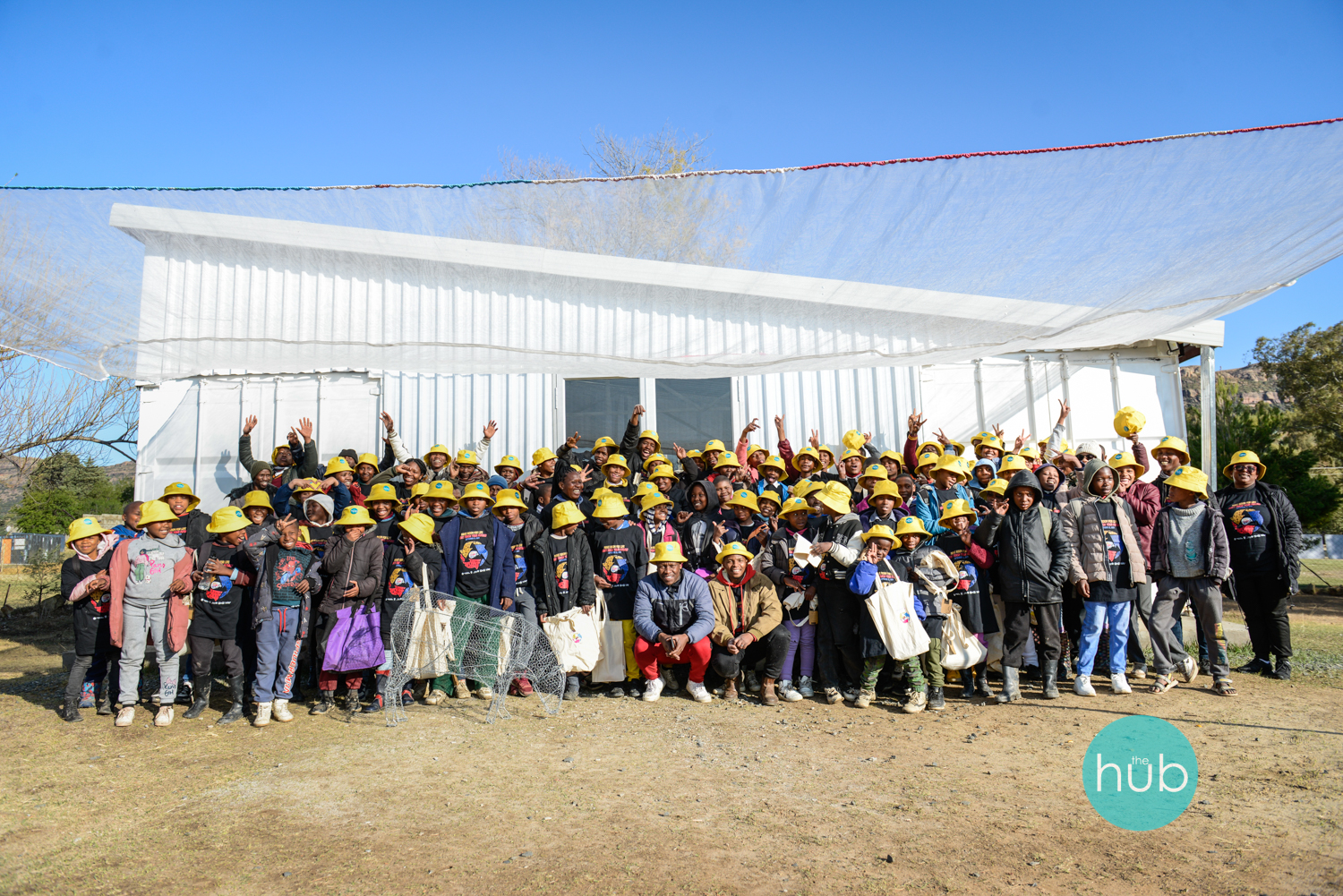
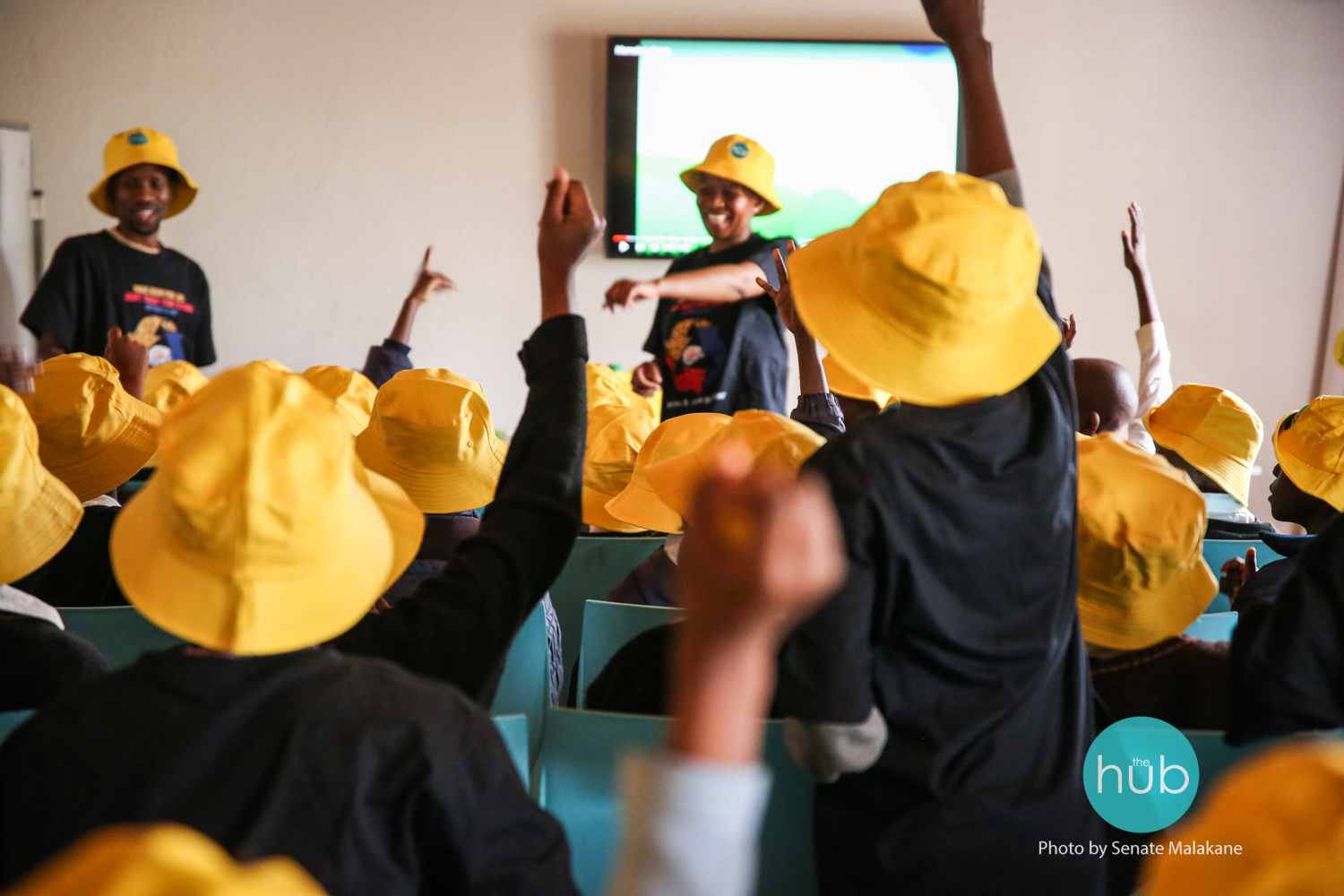
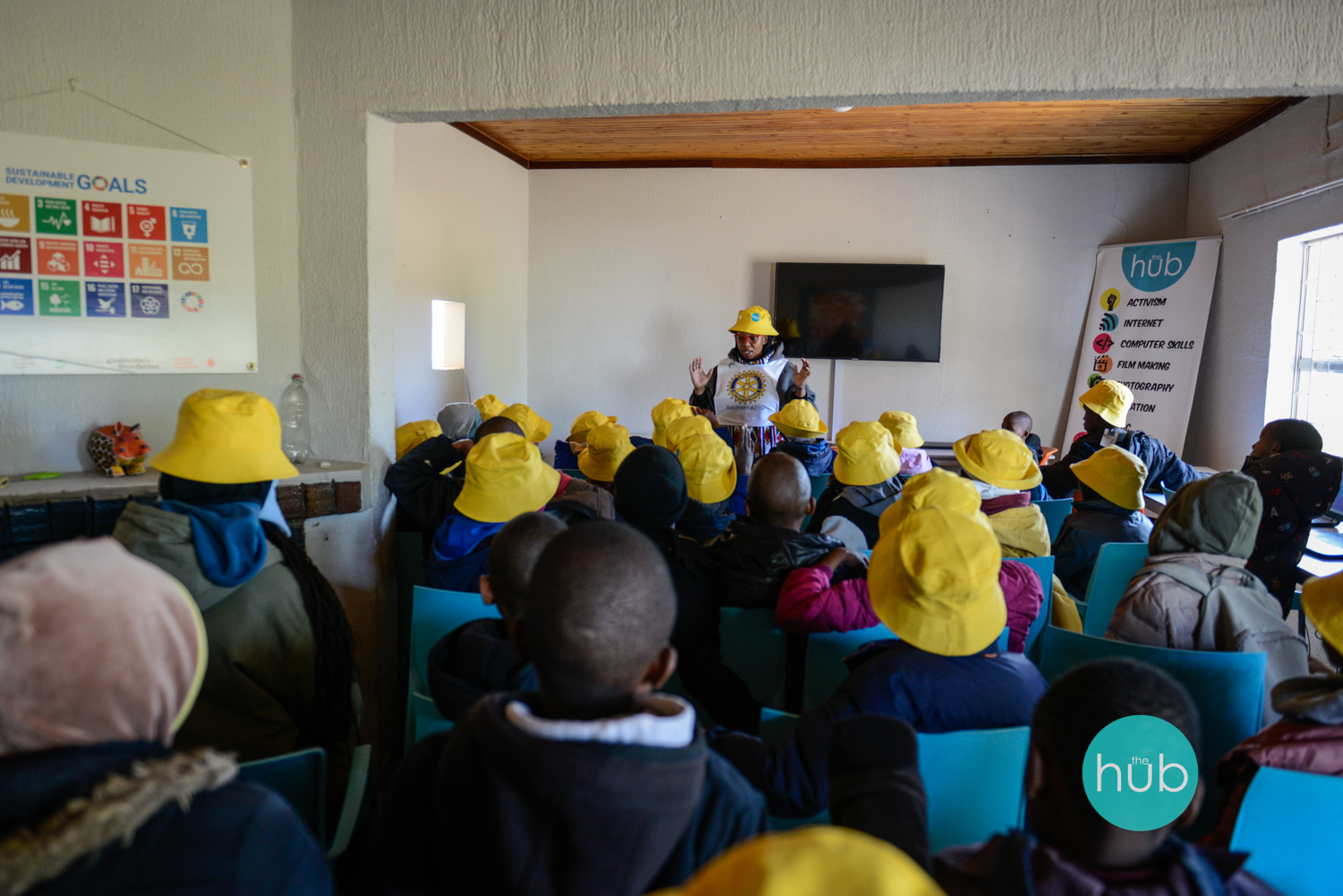
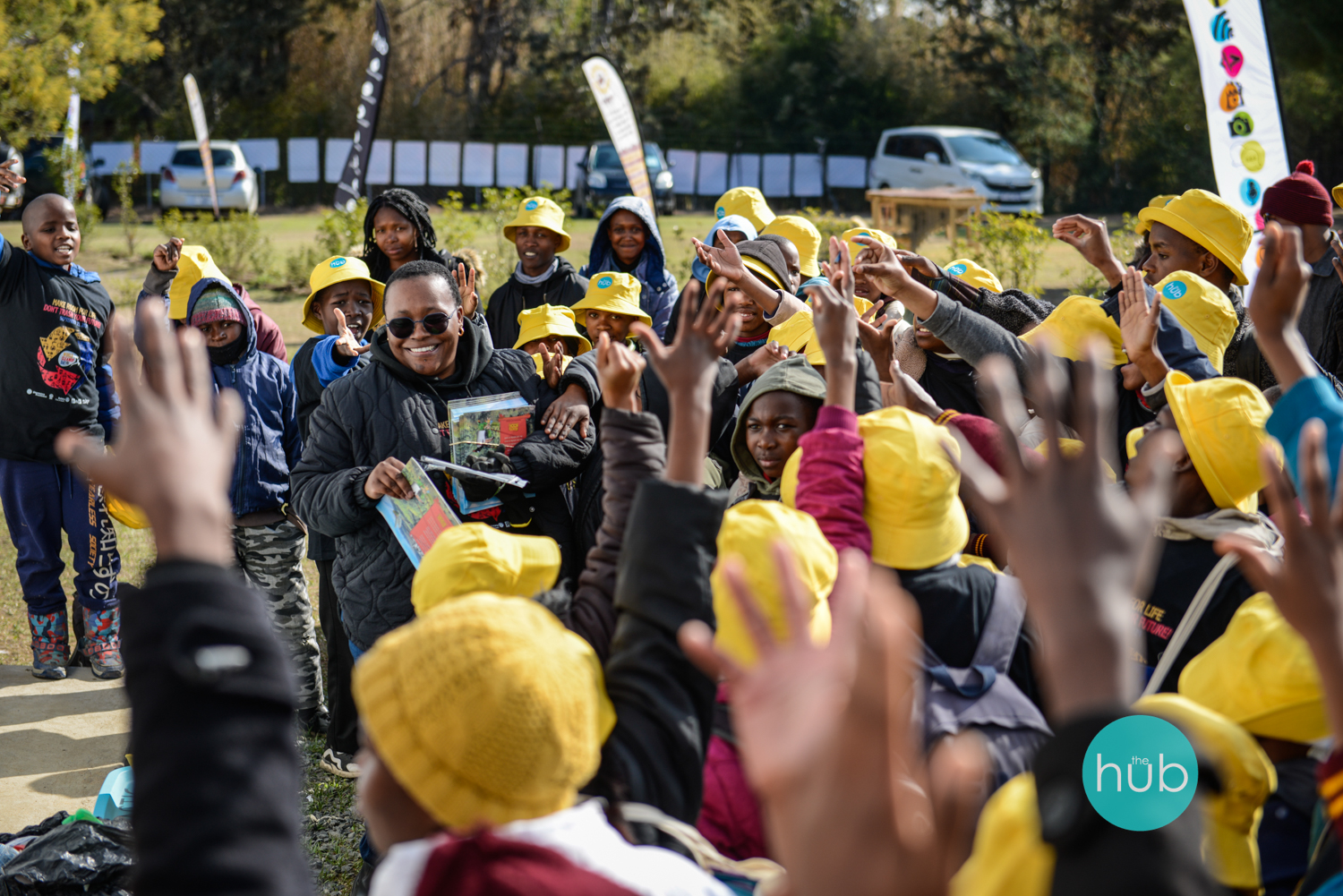
170 young people participated in a week of educational activities for World Cleanup Day at The Hub from September 16 – 21, 2024 with the theme Make Room for Life: Don’t Trash Your Future!

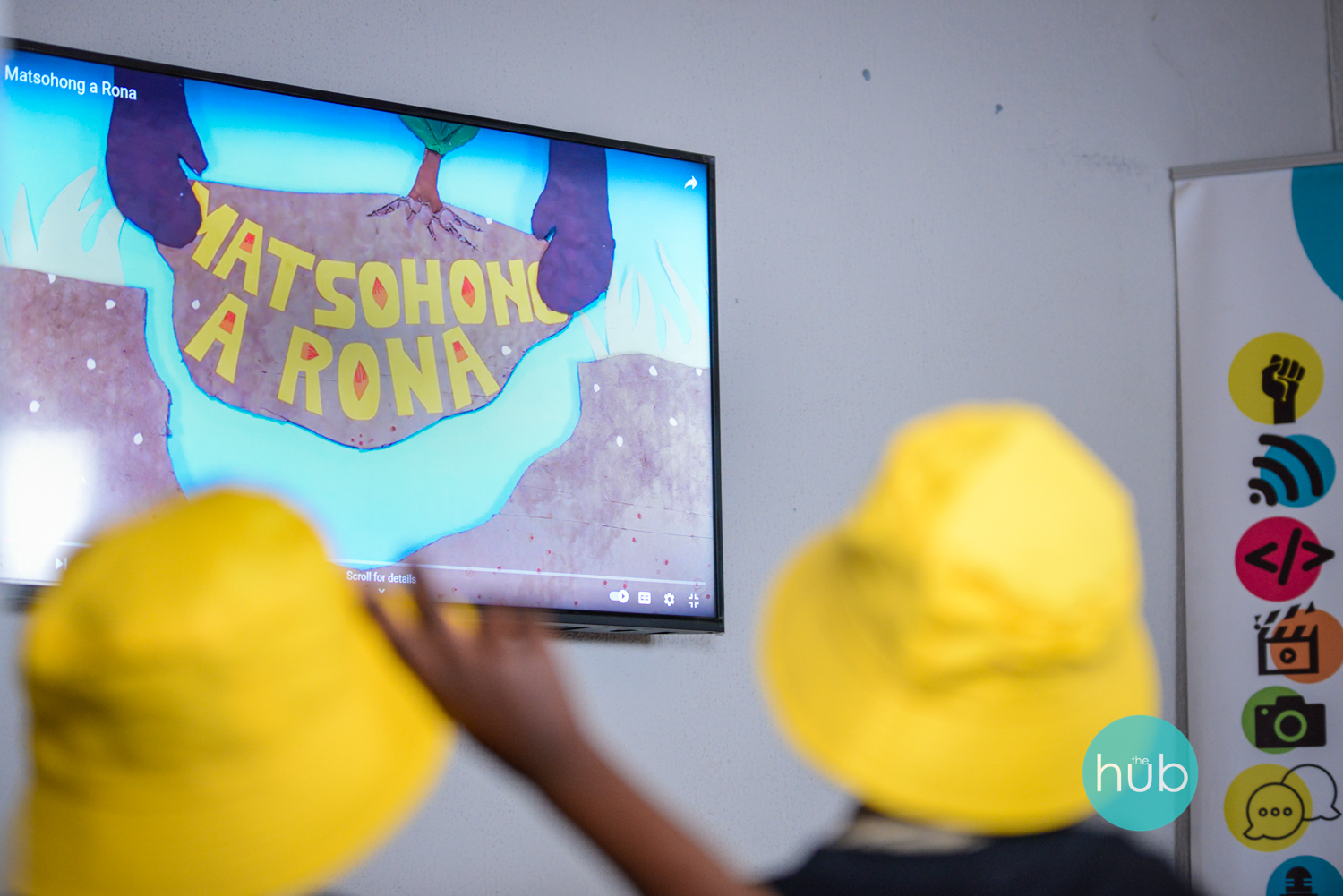
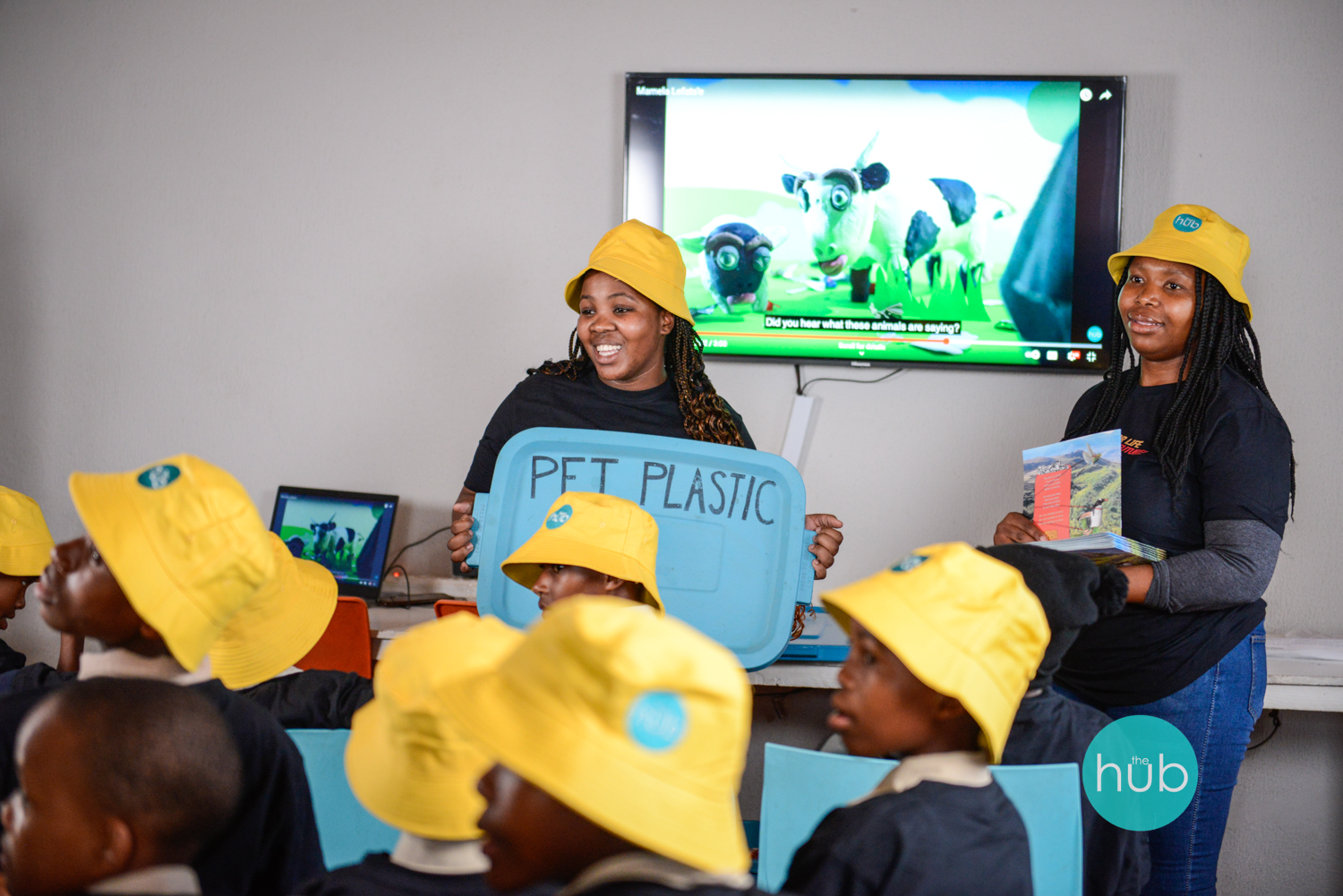
Our week started with the youngest Skills & Soup participants enjoying educational film screenings, with The Hub’s team teaching our future leaders about climate change, plastic pollution, and the importance of community action!

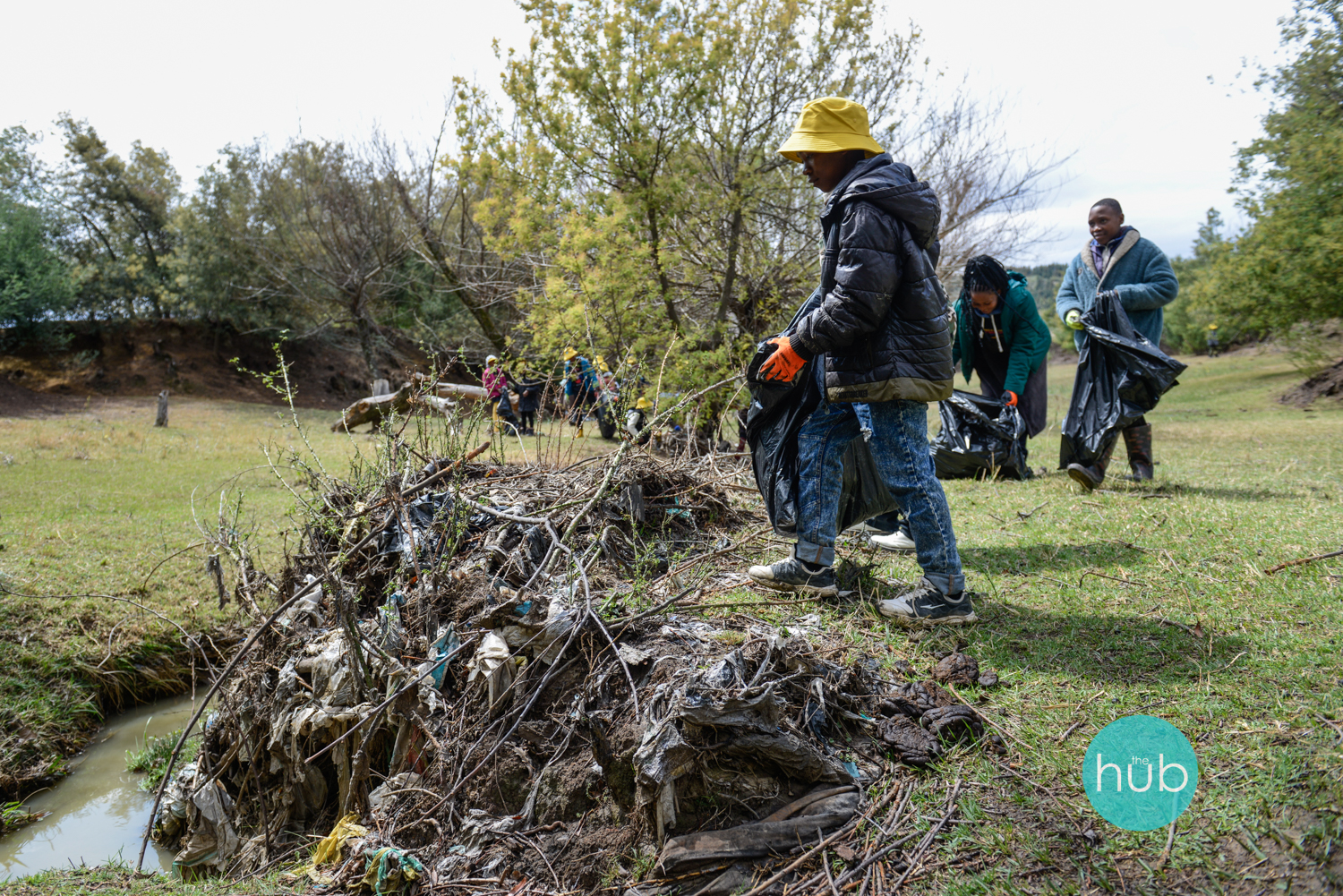
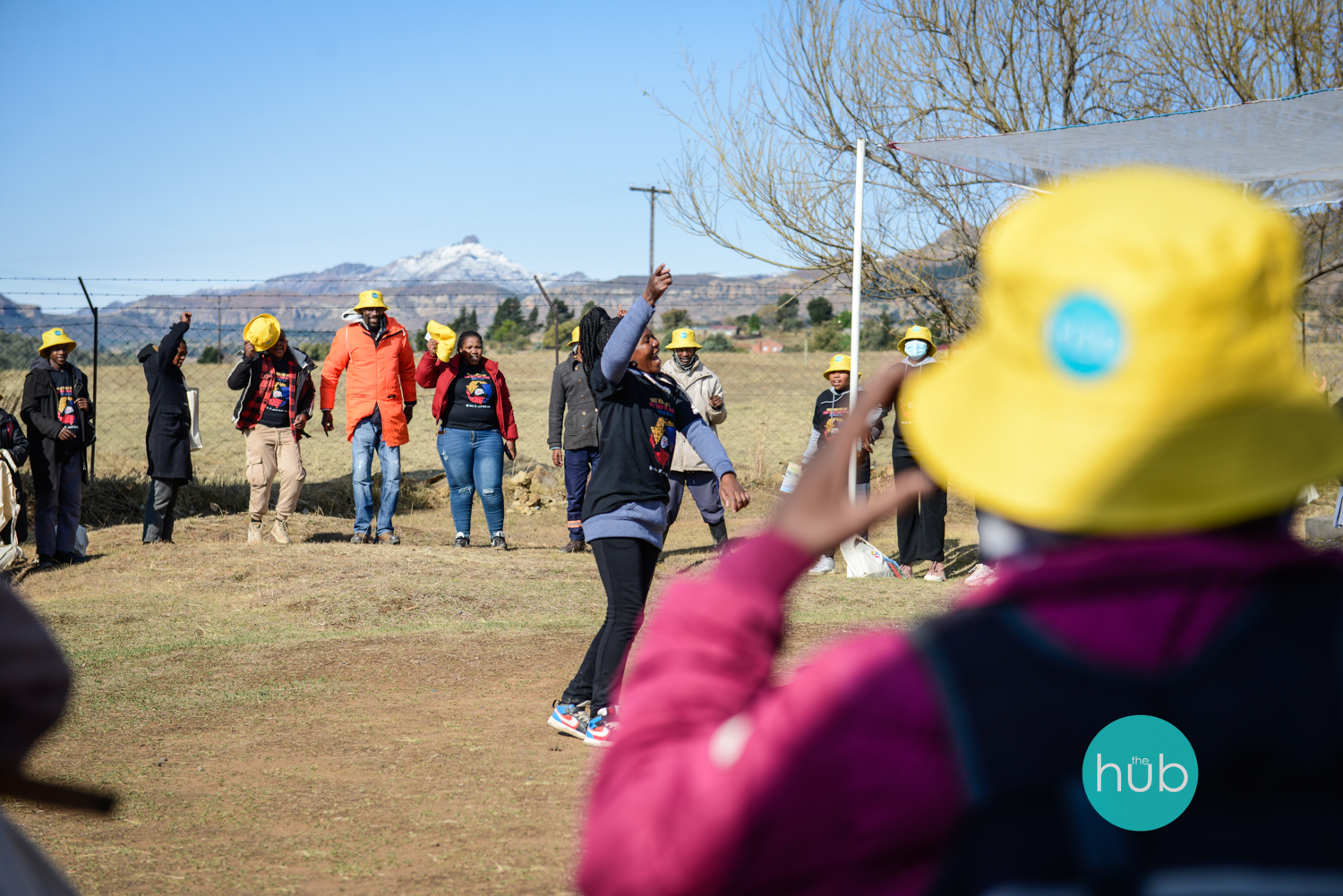
Our World Cleanup Day event started off in a blistering cold rain that transformed into stunning snow-capped mountains. Despite the cold, enthusiastic young Skills & Soup participants were at The Hub more than an hour before start time!

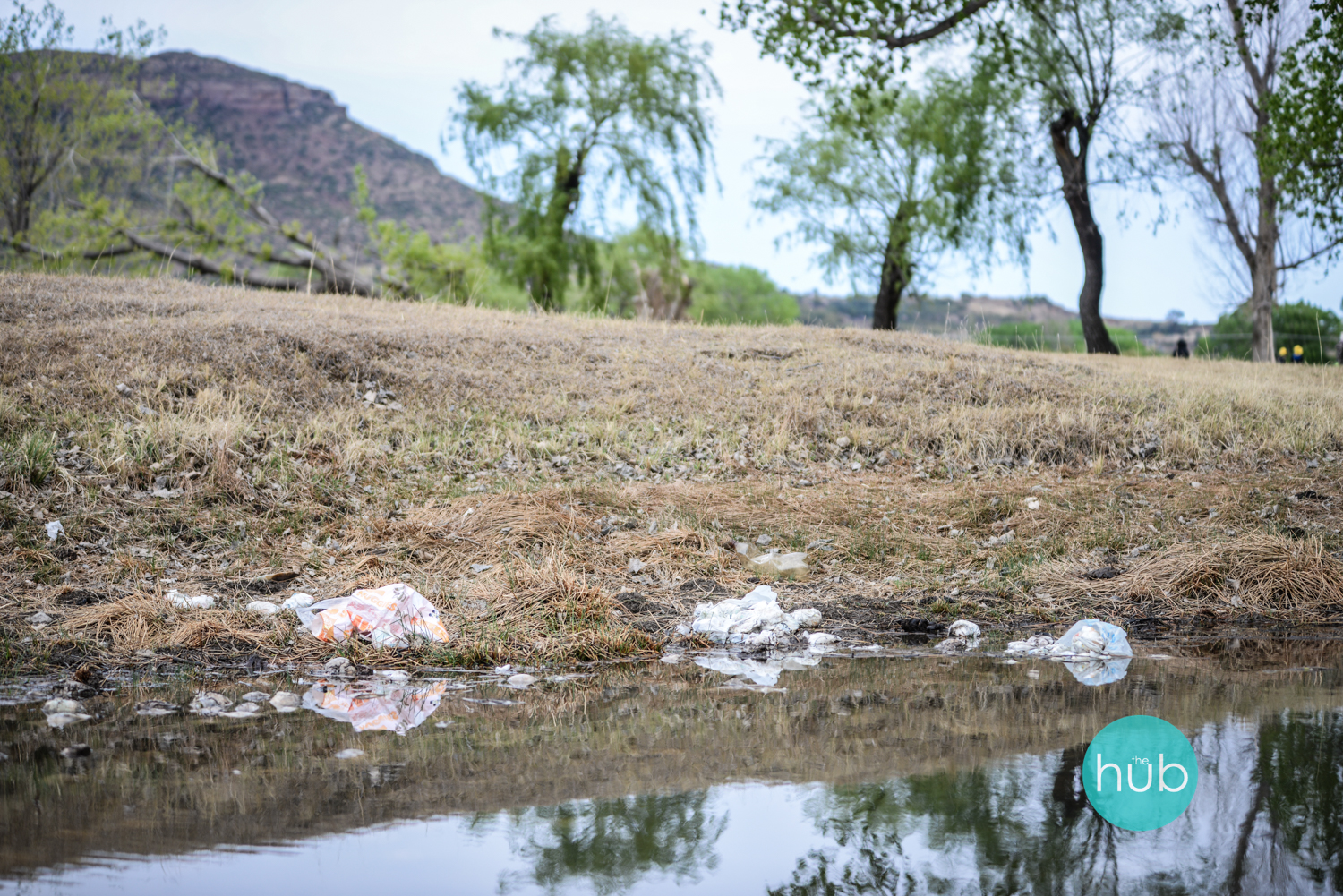
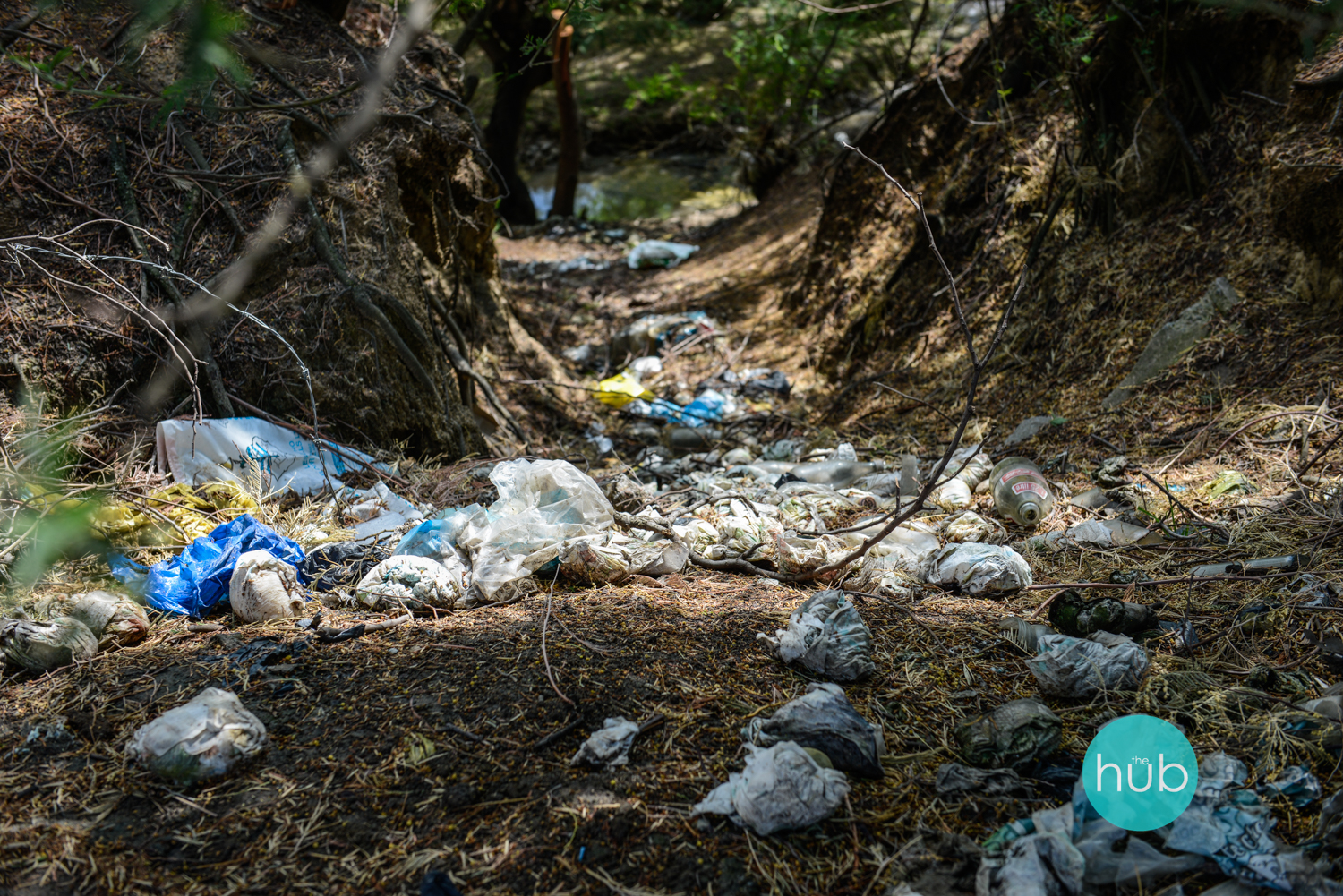
The cleanup route focused on pollution in and around bodies of water. Led by the Rotary Club of Maseru, we learned about the hazards of pollution resulting from the dumping of litter, especially near water sources.

Participants also learned about which types of litter to collect, and unfortunately, some that we could not due to being biohazardous such as disposable diapers. Improper disposal of diapers is a growing global health concern due to the accumulation of fecal pathogens and non-biodegradable materials, posing risks to drinking water safety and causing chemical and physical harm to human, animal, and environmental health.

Back at The Hub, the Rotary Club of Maseru recapped what we had learned, followed by Pheha Plastic leading a session on the importance of separating the litter we collected. All collected PP and HDPE plastic will be recycled by Pheha Plastic in Morija. Glass and PET plastic will be delivered to a depot in Mazenod for recycling. Not only does this reduce the amount of litter in the community, but teaches young people about reducing the amount of litter to dispose of, despite our lack of waste management in Morija.

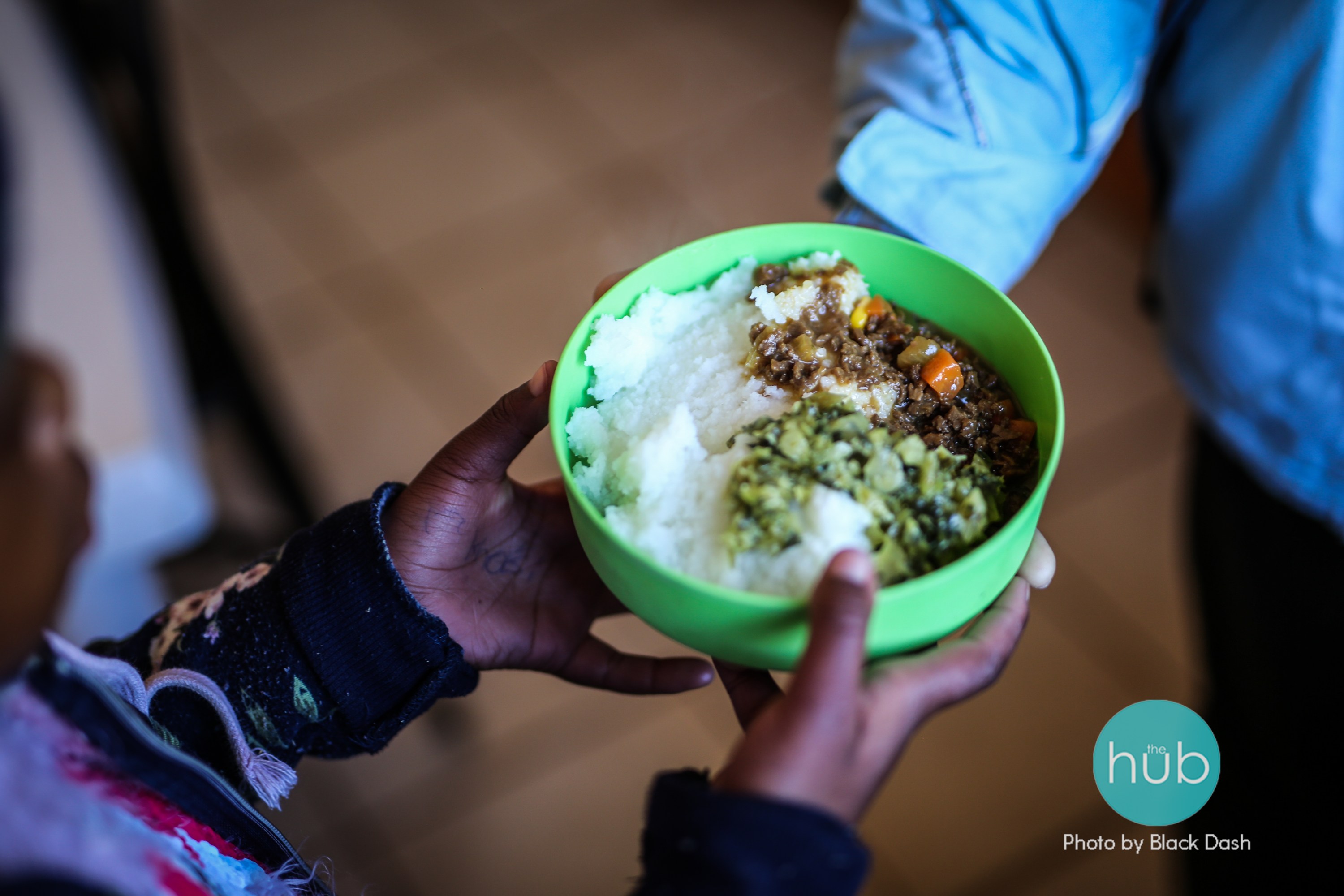
Cafe Mojo prepared traditional Basotho cuisine during the week, serving nyekoe, moroho, butternut, chakalaka, khemere, motoho, and liphaphatha! By embracing local, sustainable food, we’re nourishing our bodies while caring for the planet.

Educating young people in Lesotho about the environment is crucial for fostering a sustainable future. By equipping the youth with knowledge about conservation, climate change, and sustainable practices, they become empowered to take proactive roles in protecting their natural surroundings. Instilling environmental awareness ensures that young people understand the balance between utilising and preserving resources, enabling them to innovate solutions that mitigate environmental degradation, support biodiversity, and enhance community resilience against climate-related challenges. In turn, this paves the way for a more sustainable future, where both the environment and the communities that rely on it can thrive in harmony.

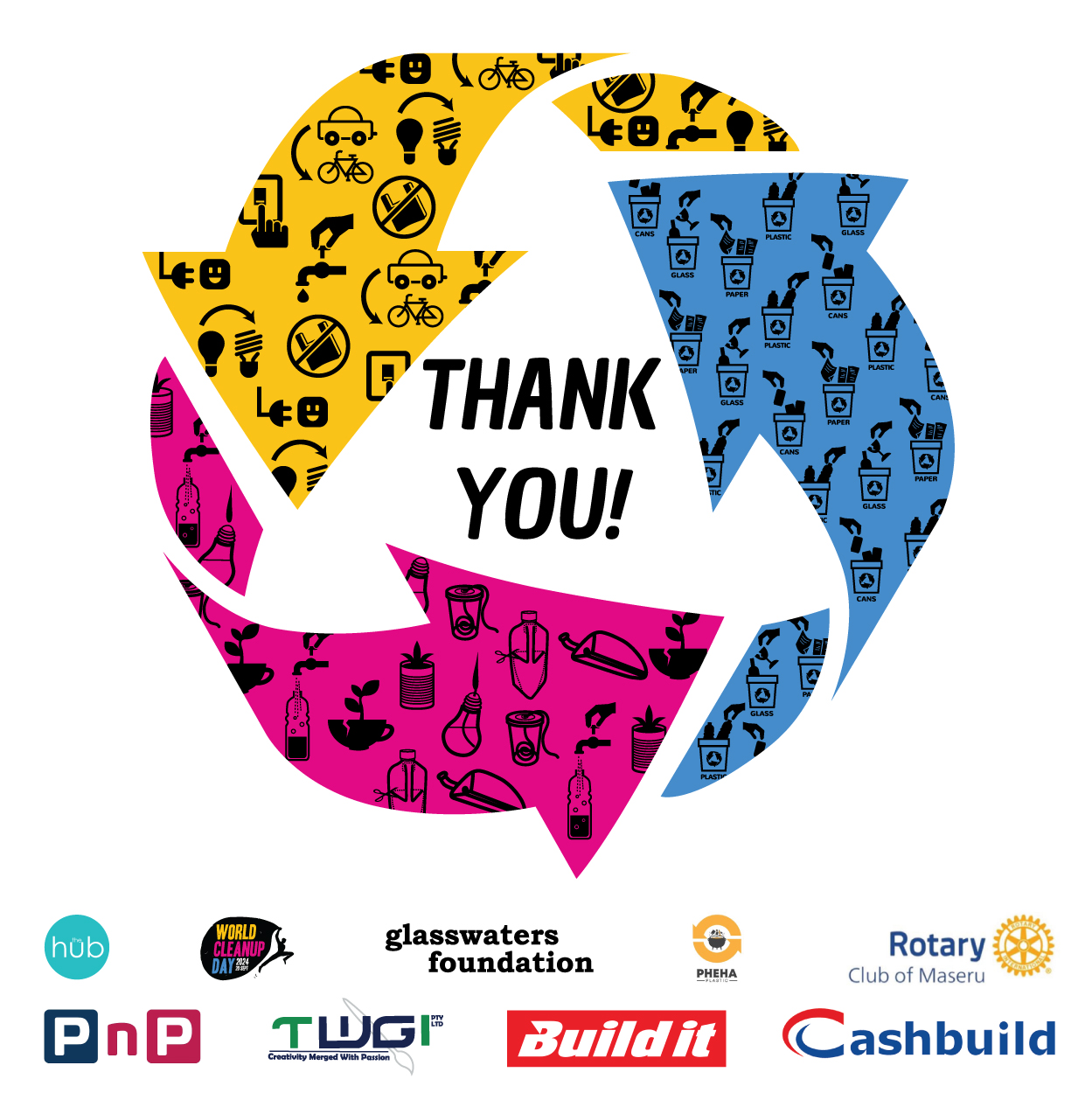
A huge thank you to our incredible sponsors for making this year’s World Cleanup Day a success!

  • Pick ‘n Pay Lesotho who donated peanut butter and oranges for our breakfast before the cleanup, and trash bags for collecting waste!
  • TWGI Pty – Ltd for a special rate on the printing of our colourful t-shirts, hats and tote bags!
  • Build it Maseru and Cashbuild Maseru for generous discounts on gloves that we can keep reusing at our next cleanup events!
  • Glasswaters Foundation for supporting World Cleanup Day and Skills & Soup!