The Forgotten Kingdom: Filming Lesotho’s Identity

Originally posted on The Culture Trip

By Leila Hall

Lesotho’s mountainous landscapes and turbulent political history provide the backdrop to The Forgotten Kingdom, a 2013 feature film directed by visionary filmmaker Andrew Mudge. We take a behind-the-scenes look at this spectacular production and follow it on an epic journey across Lesotho’s mountains, communities and complex cultural identity.
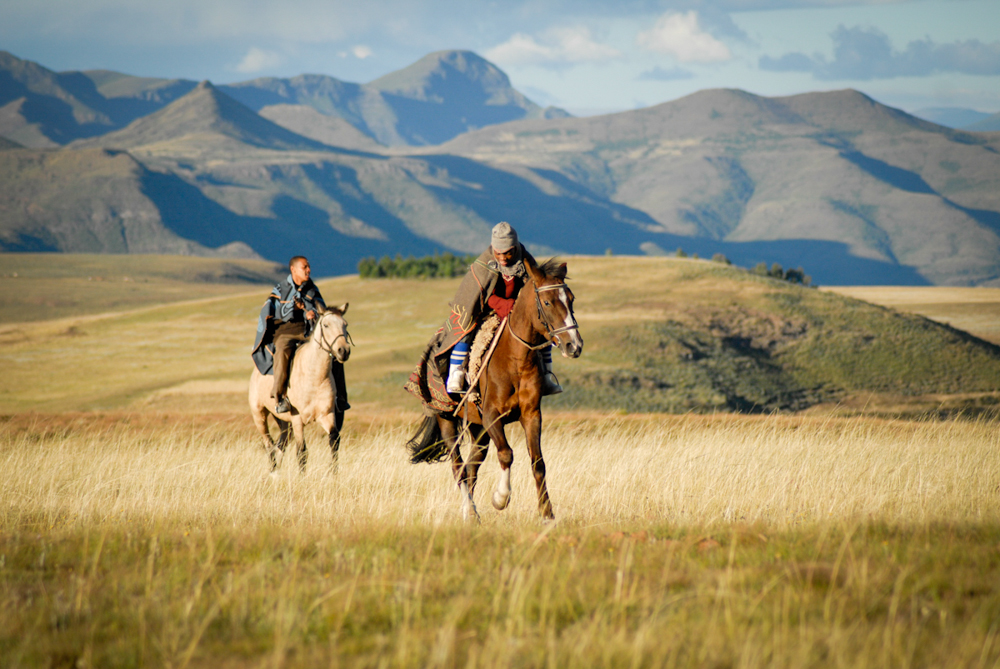
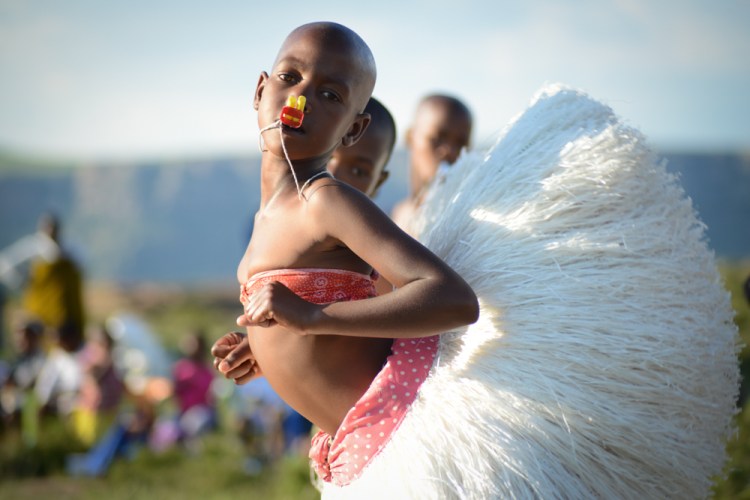
Filming The Forgotten Kingdom in Lesotho | © Meri Hyöky Photography

In 2013, at a number of film festivals across Europe and the USA, a small, independent feature film produced in Lesotho and South Africa emerged as an unexpected favourite, and succeeded in picking up an impressive list of awards, including Best Cinematography and Best Narrative Feature at the Woodstock Film Festival, as well as Audience Awards at the Cambridge and Sarasota Film Festivals.

The Forgotten Kingdom tells the story of Atang, a young man living in Johannesburg who travels back to Lesotho – the country of his birth – to bury his father. Atang is an angry, bitter character who feels estranged from his homeland, but as the film progresses, a chain of events forces him to embark on a journey of self-discovery across the country that he had forgotten and, ultimately, to re-evaluate his relationship to it.
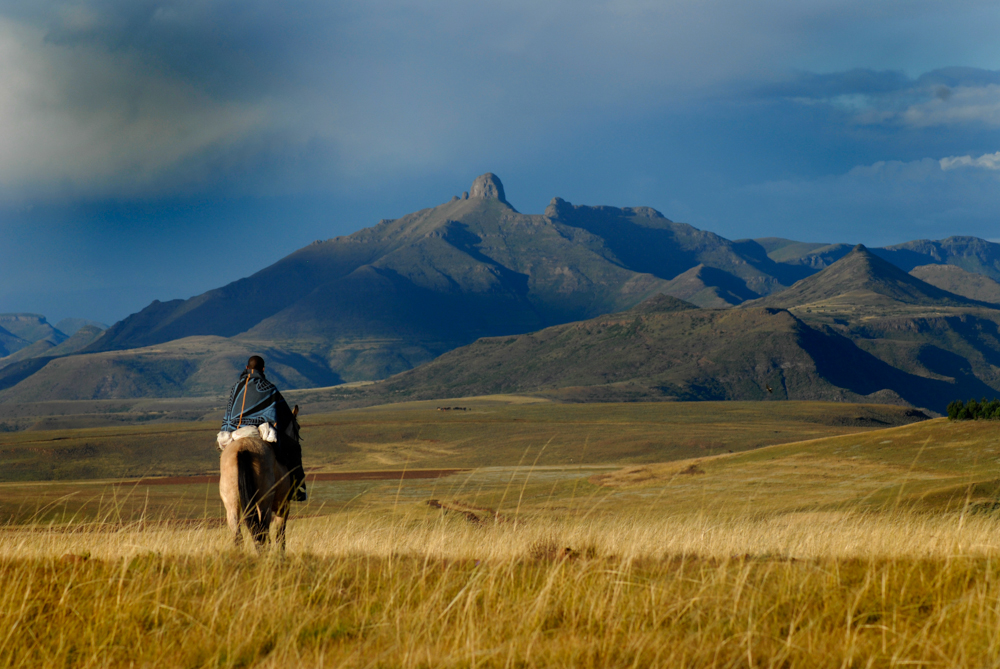
Filming The Forgotten Kingdom in Lesotho | © Meri Hyöky Photography

The film has received much praise for its cinematography, and especially for its portrayal of the stark, natural beauty of Lesotho – a largely mountainous country which, in tourist brochure language, is often referred to as the ‘Kingdom in the Sky’. Lesotho’s lowest point is 1,400 metres above sea level (it boasts the title of having the ‘highest lowest point’ in the world), and the majority of the country is at an altitude of above 1,800 metres.

Amongst its many socio-economic complexities, the country’s relationship with its neighbour – South Africa – is far from simple. Lesotho is proudly independent, but many of its inhabitants have ties on both sides of the border. Migrant labour plays a big part in the country’s history, and many Basotho continue to leave in search of work and opportunities in South Africa.
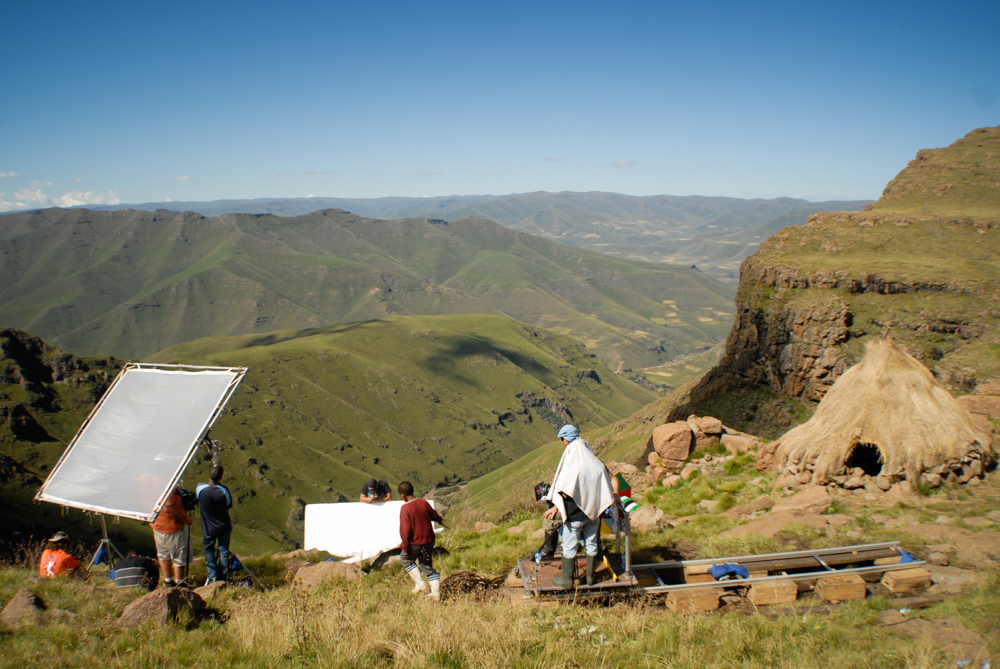
A dramatic location for a set during the filming of The Forgotten Kingdom in Lesotho | © Meri Hyöky Photography

Atang’s story of estrangement, therefore, is far from unusual in Lesotho. The Forgotten Kingdom is framed from the perspective of a protagonist who feels that he is an outsider in his own country, and there are many viewers who will identify with its themes of leaving, returning and having to figure out one’s relationship to a place. The visionary behind the film, however, is a complete outsider to the country: an American whose first encounter with Lesotho was in 2003.

Writer and director Andrew Mudge first travelled to Lesotho to visit his brother, who was working as a Peace Corps volunteer in the small town of Mohale’s Hoek in the south of the country.
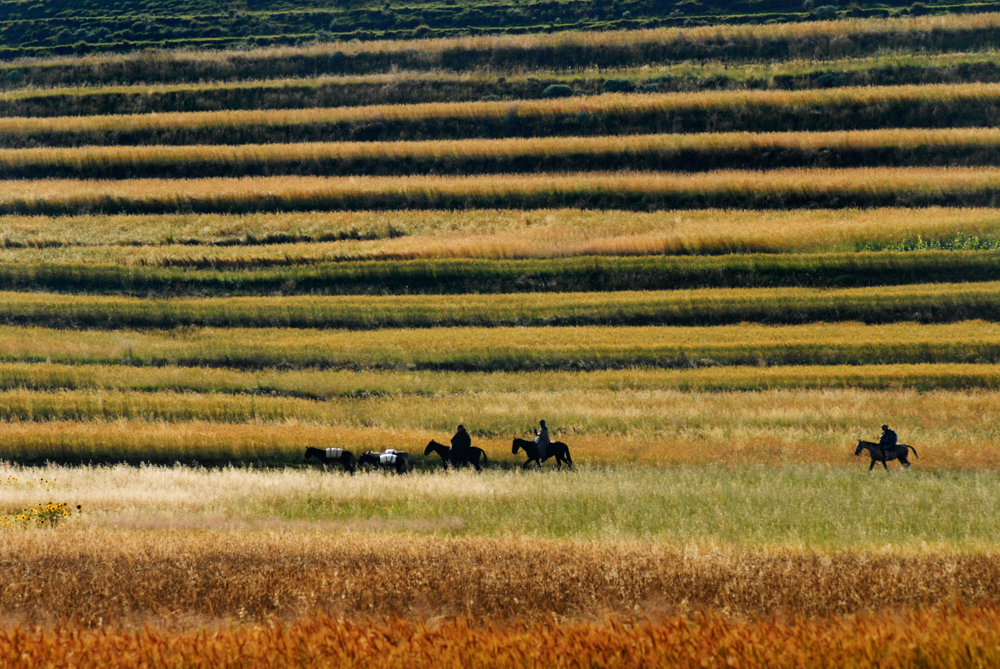
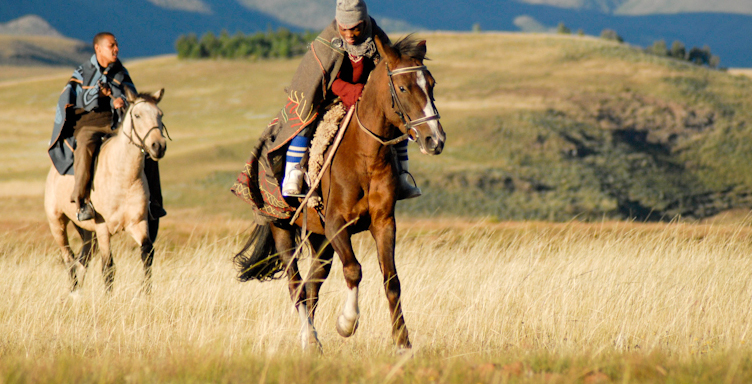
Horsemen in fields, Lesotho | © Meri Hyöky Photography

‘My first experience of Lesotho was completely unexpected,’ says Mudge. ‘So many Americans have all kinds of stereotypes about what ‘Africa’ is: the savannah, the heat, the wild animals. But Lesotho isn’t any of that. Its unique beauty is unforgettable and the adventure of it all, for me, beckoned for an odyssey-type film. A character from the outside comes in and goes on a journey. The arc of the story was there from the beginning.’

The making of the film, however, was a long journey in itself. It took Mudge a few years to develop the storyline and to commit to the project and in 2006, he returned to Lesotho to shoot a trailer for the film. Promises of funding came and went and it was only in 2011, when he had secured funding from a number of private donors, that he was finally able to come out to Lesotho with a crew. In Lesotho, a number of others came on board, including film students from a local university.
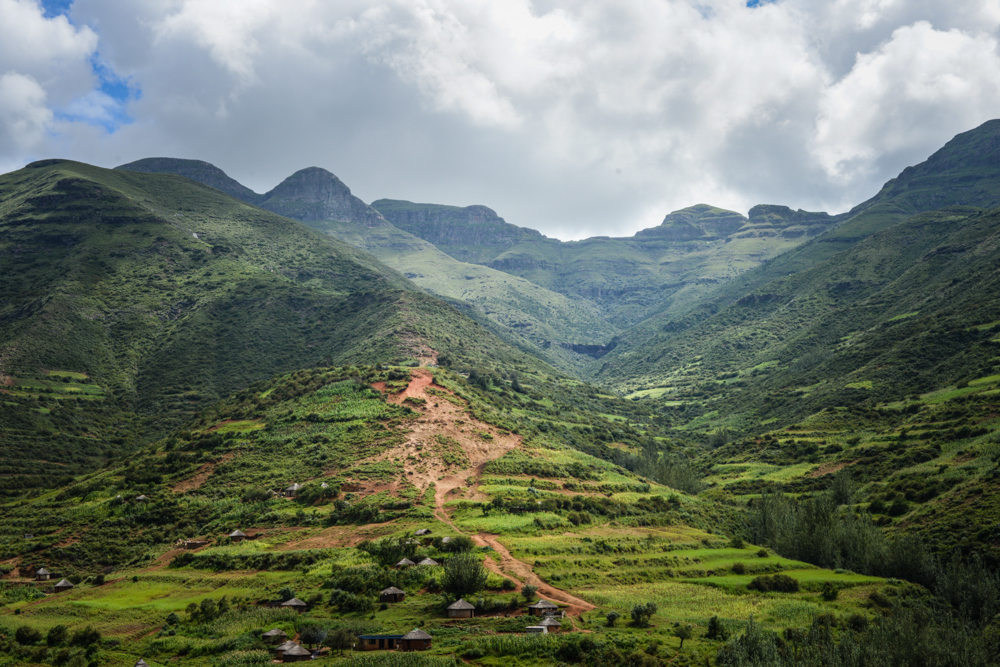
A village and a mountain road in the Lesotho highlands, en route to Mokhotlong | © Meri Hyöky Photography

A small film industry is only just beginning to develop in Lesotho, and the country has very few professional actors. Two of the lead characters – Atang and his love interest, Dineo – were played by Zenzo Ngqobe and Nozipho Nkelemba, both of whom are well-known South African television stars. However, the third major character – a nameless orphan boy who accompanies Atang on his travels – was played by Lebohang Ntsane, a young Mosotho boy who had never acted before, and who has since received much acclaim for his performance, including a recent nomination for Best Child Actor at the 2014 African Movie Academy Awards.

For ten months, Mudge and his crew faced the many challenges that accompanied filming in Lesotho. The majority of the film’s locations were in remote, mountainous areas that were only accessible by dirt roads. The cast and the crew spent much of their time travelling, and wherever they stopped, food and accommodation had to be sourced. Vehicles broke down, unexpected thunderstorms hit, and filming had to continue through a winter that was bitterly cold. Halfway through filming, funding ran out and Mudge had to find ways to source more money to continue.
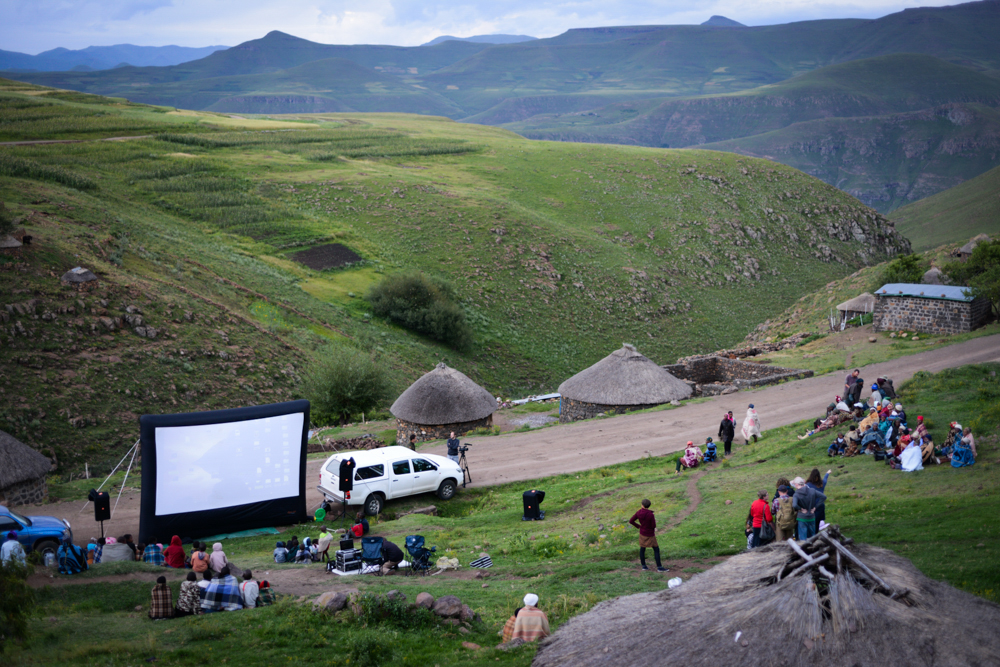
People begin to gather as the screen is set up in a village in Mokhotlong | © Meri Hyöky Photography

But in spite of it all, after a further two years of editing and post-production, there was in 2013 a final product. After its tour of film festivals, the film was picked up by a Southern African distributor and it opened in cinemas in South Africa and Lesotho in April 2014. Before this could happen, however, Mudge had a final journey in mind, which – to him – was an essential part of the making of the film.

He recalls: ‘When we were filming we would tell people: ‘we’re going to come back, we’re going to screen this film here’. We needed to make good on that.’

In March 2014, Mudge and a small team travelled around Lesotho on a road show with a difference. Armed with a projector, a huge blow-up screen and speakers, the team returned to a number of key filming locations and set up impromptu, open-air cinemas where they screened The Forgotten Kingdom for free.
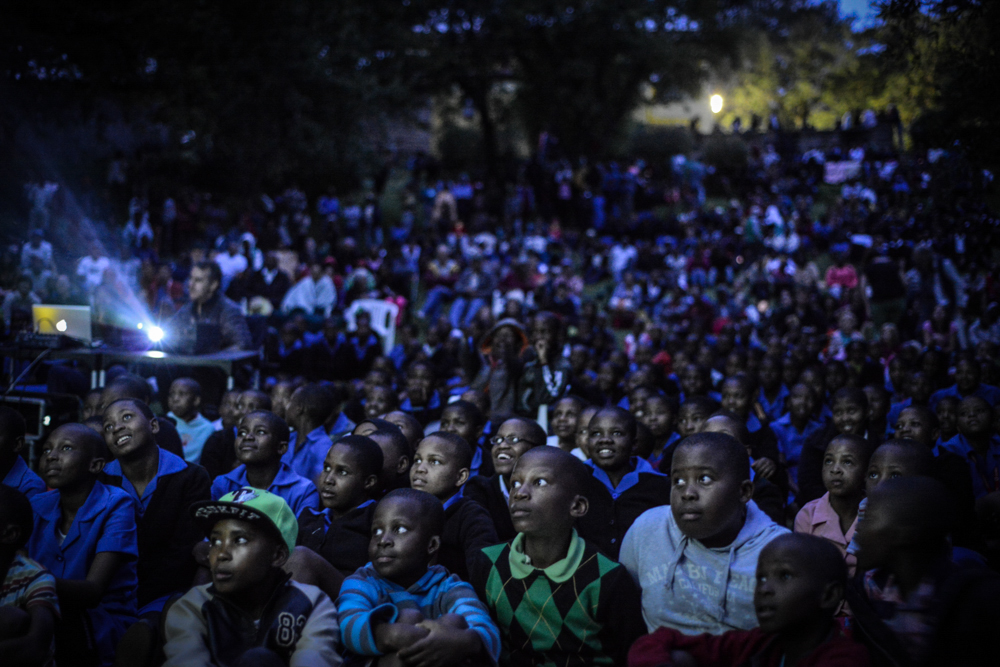
Over a thousand people filled the amphitheatre at the museum in Morija, a town just south of Maseru, for the road show’s final screening | © Meri Hyöky Photography

As fortune would have it, March 2014 proved to be a very rainy month in Lesotho. In Semonkong, a small town in the interior of Lesotho, the heavy rains cleared just in time for the open-air screening at the local football field. However, in St. Michael’s, just outside the capital Maseru, and in Ha Seetsa, in the north of the country, the rain meant that nearby churches had to be used for the screenings. Despite the rain, wind and cold, however, hundreds of people turned up to each screening, wrapped in clothes and blankets.

For many people, especially in remote villages, and particularly for children, this was their first cinema experience. At some of the screenings, the audience were standing in the very place where a scene had been shot, and there were shrieks of delight and much cheering as people recognised familiar locations.

‘In the USA, people would just shrug and say: ‘Oh, another movie screening.’ At film festivals in Europe, everybody in the audience was always so quiet,’ says Mudge. ‘The experience of screening in Lesotho was completely different. The audiences on the road show were by far the most vocal of any audience. People laughed, and shouted, and whistled. I also loved getting up to the light of the screen and watching the expressions on the children’s faces.’
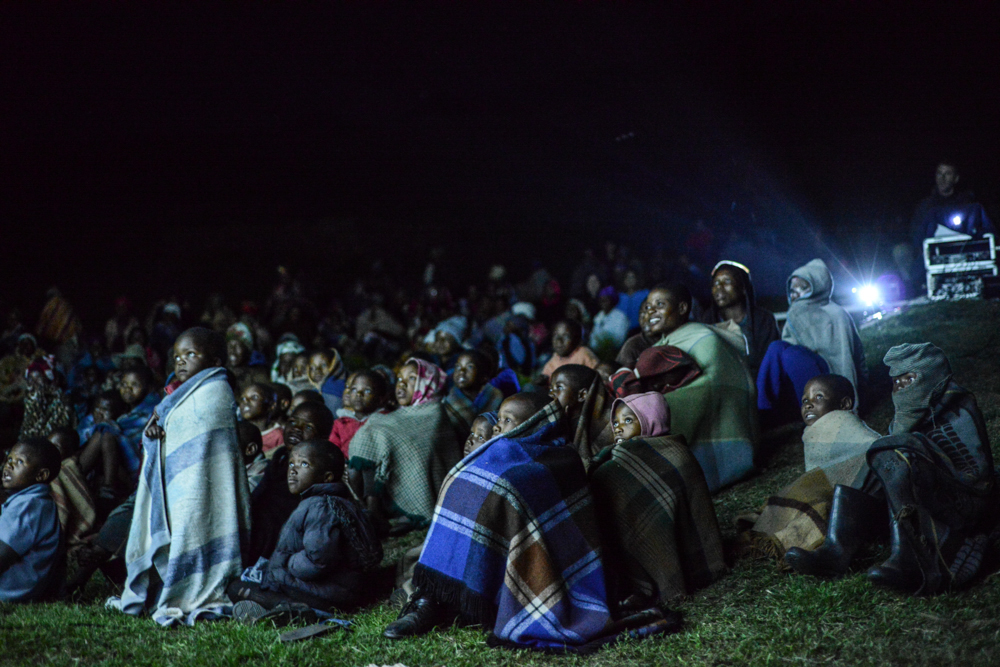
First time at the cinema! Children watch in amazement at the screening in Mokhotlong | © Meri Hyöky Photography

One of the screenings took place in a small village in Mokhotlong, a district in the northeast of the country. Against a spectacular mountain backdrop, the screen was set up just off a road in the village, and a small crowd – including herd boys and men on horseback – gathered to watch on a hillside.

‘During that screening I went for a walk,’ recalls Mudge with a smile. ‘I walked out onto the road and everything felt so distant, so quiet. I could hear only the laughter from people who were watching, and the sounds of animals and bells. There was something magical about it.’

‘Filmmaker friends have said to me before that making a film is an amazing experience, but what’s really unique is to make a film in small communities where you can go and share it. The road show was an incredible bonus to the normal ups and downs of making a film. I don’t think that I will ever get to do something quite like this again.’

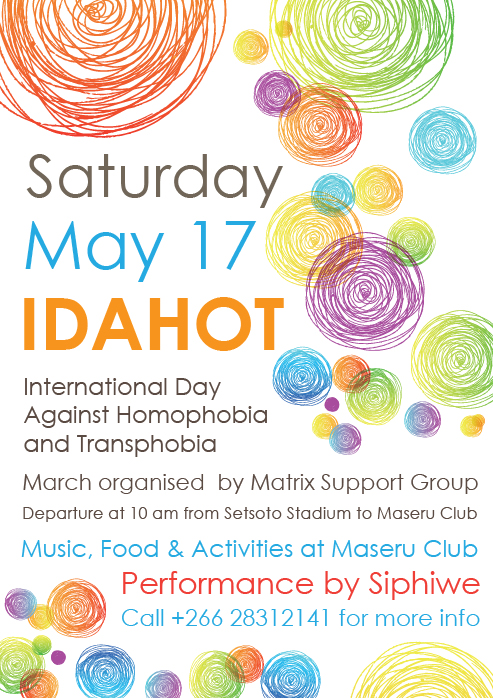
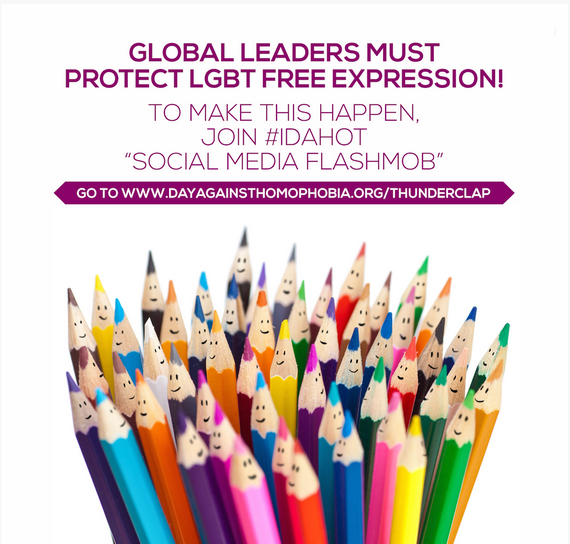
Lesotho to celebrate IDAHOT on May 17

In the face of repression, events celebrating this year’s May 17 International Day Against Homophobia and Transphobia (IDAHOT) are planned for at least seven of the 82 countries where homosexuality is not legal.  As people in many other countries celebrate diversity and the right to free expression, remember how difficult it is for many LGBTI people in  nations where persecution — or prosecution — is often the norm.

This year will mark the 10th celebration of the International Day Against Homophobia and [since 2009] Transphobia.  The theme for May 17, 2014, will be “Free Expression” in a celebration of sexual and gender diversities worldwide.  IDAHOT commemorates the day, 24 years ago on May 17, 1990, when the World Health Organisation removed homosexuality from its list of mental disorders.  For information about many of the hundreds of events planned worldwide, visit the official website for IDAHOT.

For the second time the day will also be celebrated in Lesotho. A march through Maseru is being planned by Matrix Support Group, a Lesotho-based NGO working to advocate for the rights of lesbian, gay, bisexual, transgender and intersex (LGBTI) individuals in the country. The organisation, which only received legal recognition in 2010, is the first of its kind in Lesotho.

The event will begin at 11am from Setsoto Stadium, going through Maseru down Kingsway to Maseru Club, where various activities including a performance by local poet Siphiwe will take place. Join the event on facebook to stay up-to-date on the latest.

Read about last year’s march here.

IDAHOT LESOTHO

FAST FACTS and FIGURES

  • Same sex relationships are still illegal in 81 countries, 10 of which apply the death penalty. This represents 40% of the world population.
  • 70% of the world population live under laws and regulations that limit Freedom of Expression around sexual orientation and gender identity.
  • May 17 is the International Day Against Homophobia and Transphobia.
  • IDAHOT is the largest LGBTI solidarity event to take place throughout the globe with over 1,000 events that will take place in more than 120 countries worldwide.
  • Major international institutions (UN, EU, World Bank, etc.) will mark the Day.
  • The international focus issue for 2014 is Freedom of Expression.

IDAHOT

Morija Fun Day at the Museum

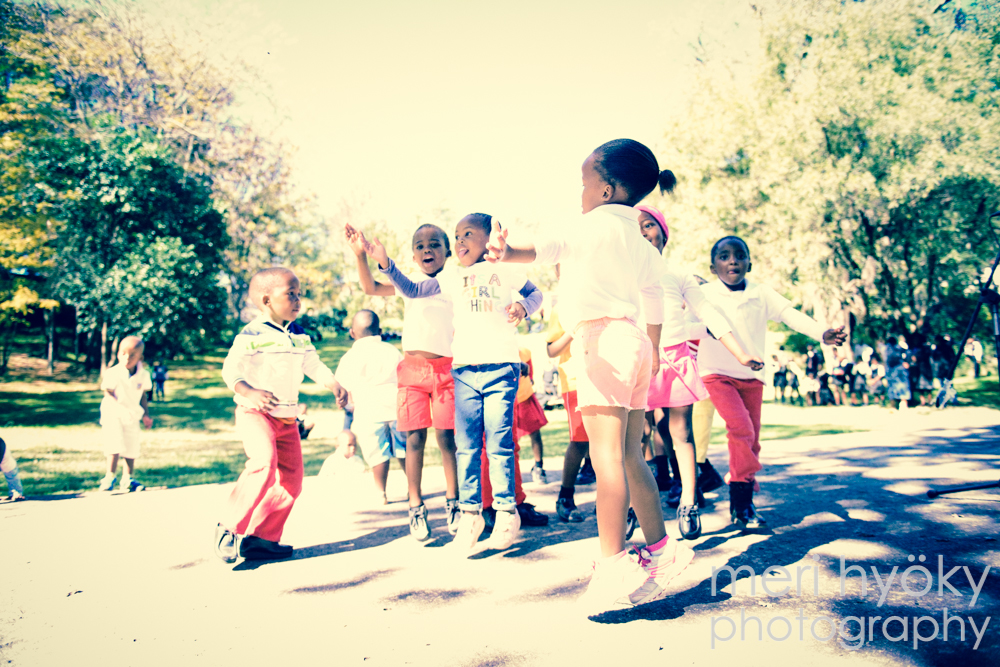
On May 1st 2014, Morija Museum & Archives (MMA) held a Fun Day for children and teenagers living in Morija. Schools in the town were invited to participate, and students were given free reign to prepare any performance of their choice. Young people of all ages, from under 5s to young adults, gathered to watch the wide variety of creative performances – ranging from traditional dances, to theatre skits, to contemporary dance pieces and poetry recitals. The event also included an interactive quiz which tested the young participants on their knowledge of Lesotho and its history.

Lineo Segoete, Events Management & Media Officer at MMA, explains where the idea for the event came from: “Many young people in Morija have talents, but they don’t have an outlet for it. This event was about trying to provide that outlet to young people.”

This is the second year in a row that the Fun Day has been held, and the event organisers are hoping that it will continue to expand and become an annual MMA event.

“We are hoping that in the future this event will be able to include more schools from the area,” says Segoete. “We’ll maintain some of the activities from this year, but we are always keen on innovation, so we’re hoping to also include new activities. We want to bring sponsors on board next year and we want to see this event grow.”

New creative team to lead Morija Arts & Cultural Festival

Originally posted on Morija.co.ls

In mid-February 2014, we announced that Mr. Thabo Leanya, who served as Director of the Morija Arts & Cultural Festival since 2009, has taken up a senior post in the Department of Culture in Maseru. We wish him well in this new post and trust that he will continue to work for the enhancement of the arts and culture sector.

© Meri Hyöky Photography

A new creative team has been appointed to oversee the Morija Arts & Cultural Festival. This team will also develop the creative Calendar of Activities at Morija and the District Road shows which serve as a build up to the Festival, and a means to develop and nurture talent among local artists and performers. The new creative team is headed by Ms Khants’i Soldart, a person with strong roots in Theatre and the Performing Arts, as well as Heritage and Cultural Studies. Her post as Creative Director means that she will be responsible for overseeing the Festival itself. Ms. Soldart is from Sebapala in Quthing District but lived for many years in Gauteng.

She will be assisted by Ms Lineo Segoete, who takes up the post of Events Management & Media Officer, responsible for developmental activities and the calendar of events, as well as assisting with Festival preparations and media work. She grew up in Maseru, and is active in poetry, creative writing, and other aspects of the performing arts though her formal training is in business.

We trust that these two new members of our team will strengthen the creative focus of the Morija Festival and bring in new partners and sponsors to join those who have remained with us over the years. It is important that the Festival should be appreciated at home while also developing a stronger regional footprint.

Mr. Thabo Nthoana, who has served the Festival and the Museum faithfully for many years as Promotions Officer, remains in his post and will help to guide and give orientation to the new team as it gradually takes responsibility for the planning and organisation of the Morija Festival. Of course, many others give a hand in this process, including Mr Pusetso Nyabela and his large team who coordinate the annual nation-wide School Cultural Competitions, Ms Mats’ooana Sekokotoana and Mr Patrick Rorke, who oversee the various Arts programmes and activities, and the Festival’s Management Team which deals with all of the nuts and bolts of running a large multi-faceted event.

Mr. Nthoana will be introducing our new creative team to all sponsors and partners organisations over the coming few weeks. In the meantime, we are putting together realistic proposals regarding the coming Festival and build up activities, proposals that we hope will give us a stronger identity and brand in the midst of an increasingly diverse and sophisticated events calendar in Lesotho and neighbouring areas.

Memories of Lesotho

Originally posted on Morija.co.ls

By Khahliso Matela

Watching an acrobatically leaping mountain eagle from the crest of yet another wetland on the Lesotho Highlands, I can swear Mokhotlong is where my insides were born. It has been over a year since that formidable confrontation with this massive land-mass, I was filming then; and the restless wonder that combed through my hair still remains.

Here, the sun slumbers in the snow, folding its glowing tentacles abound the steamy cliffs and slim creeks slithering in gaping valleys where herd-boys contemplate silence.

Trekking the steep slopes that keep elders’ sinews rejuvenated more than the young, all seemed like a dream. The euphoria mingled with nostalgia of a native born, became my fuel each dawn to wake and marshal my bones towards the picturesque weight of a nation’s story protruding with each mountain tip.

For my ancestors, I felt this journey to be a testament that they have honoured my blood with a secret vantage point that overlooks the pulchritude that only the Gods would gallantly call their own. And for that I forever am grateful and indebted to the land where my umbilical card was buried.

The majestic ‘Maletsunyane waterfall in Semonkong breathtakingly plummets into ancient crevices carved into rock and earth by forces beyond any human imagination. From the air, it takes the shape of a whisper that falls into pastured ear; yet the roar could be near deafening at first.

And these waters spilled like guts from incredible heights, snake into valleys forming cool streams and raging rivers, the mountain rocks glistening as though with sweat. Motley landscapes carry giant boulders sandy and grey, lonesome hills among crafted fields and grasslands stretching upon loins of aged mountains.

Lesotho is a loom upon which tapestries of a myriad colourful people, attitudes and linguistic variations, which carry a story of an ever evolving culture, are indeed woven. Through its people my history art unravelled, and through its young a robust future reclaimed.

I met improvised families in derelict villages fending through the earth while torched by bitter thirst; strong women who knew life’s yoke and toiled with eyes smiling at any stranger. I befriended shepherds who broke bread about mekhoaphong le metebong; old men who spoke in meek idioms, and winds that translated mysteries in their parables.

The misty Senqu at dawn, slight ponds in the distance, as we creep through rude roads and the spillage of villages with smoking rooftops. Sublime visages in MetolongTebellong with its gothic colossal mountains under a sky veiled by threats of a storm – all in mind. Days wait for no man, and rain comes at its own time.

I, recalling smells of friends who crammed with me into the truck each dawn for an entire month, through small towns abuzz with toiling aims of progress, sleep calmly each night knowing I was privileged to lay naked eyes on this land, as most would never see in their lifetimes.

A nation that still faces a plethora of social and economic challenges, Lesotho is nevertheless emerging as the paragon of self-sustaining development.

Its population has exhibited an astounding dedication to building sovereignty that has constantly been looted by petulant bigots and trampled by megalomaniac governance.

But having had opportunities to interview various policy makers within the country, I feel a magical re-incarnation of this kingdom is yet to astonish the world. There is a despondence I sensed among many rural youths still village bound; seeing a world evolve without acting their parts in the play called modernity. It left me evaluating the bias of progress which neglects the rural for the urban, while the wealth of any urbanity is sapped from the rural bark that is constantly being castrated.

There are tinges of a dwindling culture still tucked up these gigantic mountains, one that would make the diabolical pace of present day humdrum life seem like a collective suicide. In those hidden caves, some spirit calls for a reawakening of mystical wisdom earth upon these mountains by ancestors who still hum a song meant to sober the living.

Nonetheless, without purporting a romanticism of poverty, stalling their rage are the young men maimed by landfalls beneath South African mines now scattered about pastures unbeknown, able solely to become herd-boys. Shattered promises and dreams that forced villages into ruins, broken walls and kraals are now left in the hands of an ambitious coalition government that has managed to perform expertly to surmount enormous socio-political odds, with scarce financial aid packages but armed with a repatriating vibrant and young skilled labour.

But once re-familiarised with Basotho Music and dance, feeling the rhythm of a pulsating city with each breath; Maseru proved that there exists a rekindled flame that will soon illuminate Southern Africa. It burns resolutely in the souls of a proud people whose eyes glow with embers of hope in adverse times. One might say, their resilience truly can make melody out of malady.