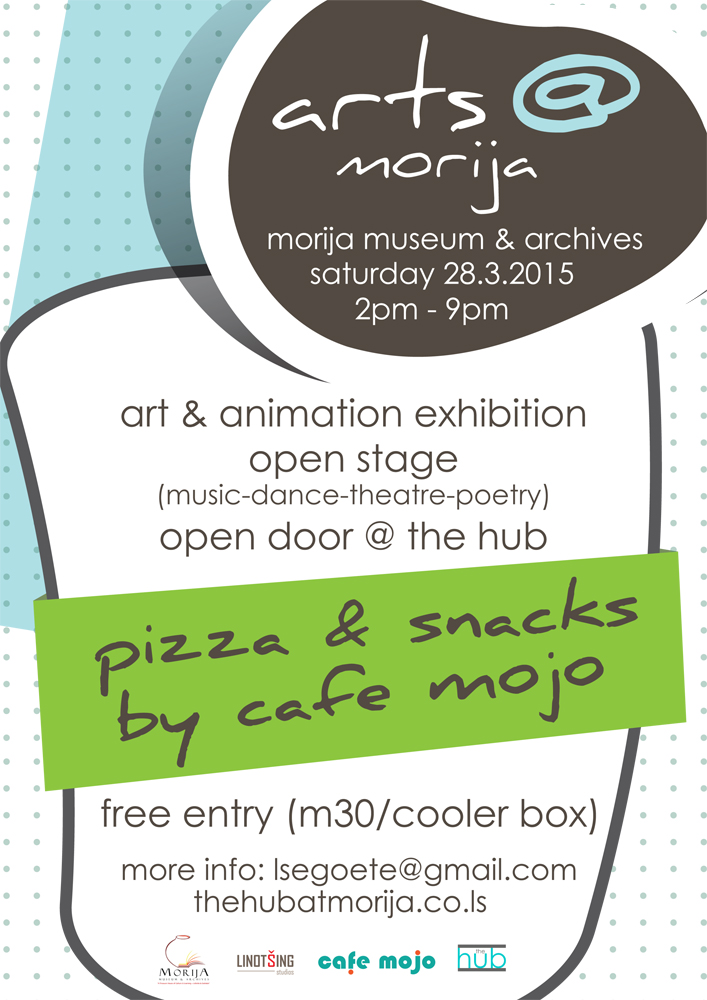
Join us in the garden at Morija Museum & Archives on Saturday March 28th for a day of arts and open door at The Hub! While we wait for the official opening, this is your chance to see the space and get to know us!
The event will be complete with an art and animation exhibition proudly produced at Linotšing Studios in Morija and an open stage where everyone and anyone will be welcome to give a demonstration of their talents in music, dance, theatre and poetry, followed by a film screening in the evening.
Cafe Mojo will have their famous pizza on sale for guaranteed enjoyment as guests relax to the afternoon entertainment.
The event is free of charge however, guests will be requested to pay a slight fee of M30 to bring their cooler-boxes onto the museum premises. If guests want to braai, they are welcome to use the braai stands at MMA, but must provide their own charcoal.
We are also running a promotion on our Facebook page. Do you ‘like’ The Hub already? We’re at 180, who will help us get to 200? Share the page, the 200th person to like The Hub will get a free annual membership!
The Hub will create a community of interest by implementing a membership model. It will offer memberships to locals at the cost of M100, which can be renewed on an annual basis.
For the annual fee, members will be able to use services including:
• Use of computers, cameras, microphones, projector and software
• Access to high-speed internet, via The Hub computers or Wi-Fi
• Participation in training and workshops.
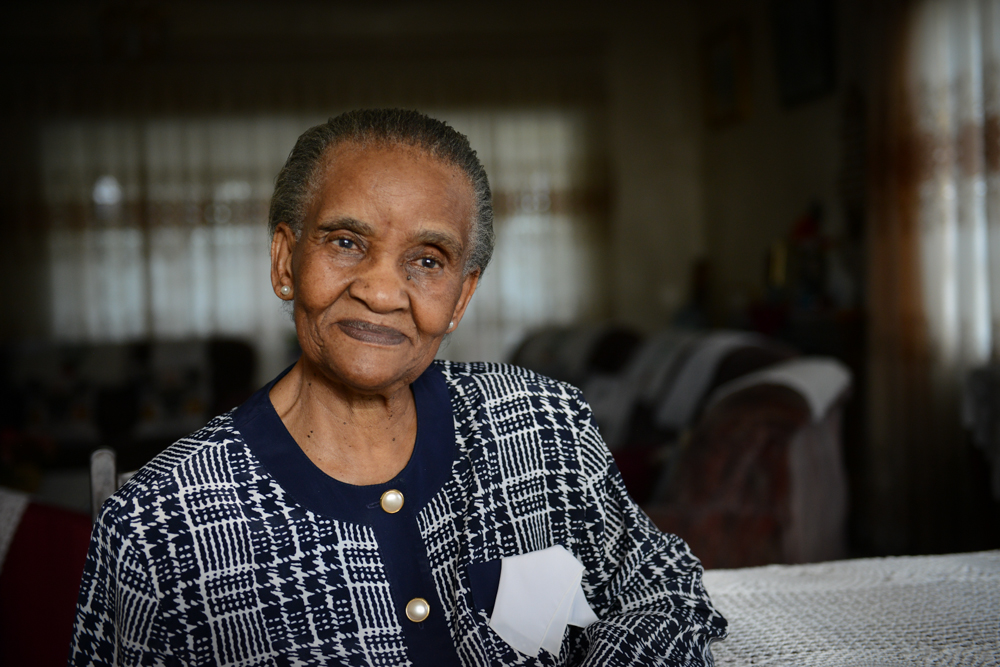
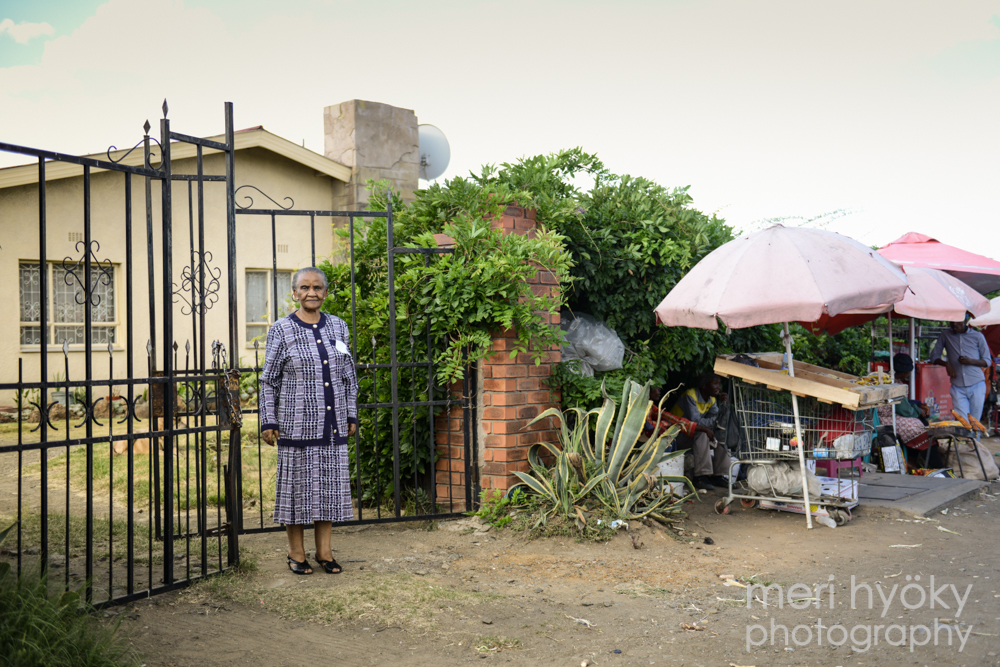
Eighty-three-year-old ‘Mathabiso Mosala lives in a bustling, chaotic part of Maseru. Her house is located on one of the city’s main roads, crowded with shops, pedestrians and heavy traffic. Street vendors line the pavement outside her gate, their shouts mingling with the incessant hooting of taxis driving past.
Mosala, or nkhono, as many fondly call her, is quiet and dignified in her appearance. The interior of her home is cool, silent and immaculately tidy, in sharp contrast to the noisy street outside. Polished ornaments sit still on shelves, and the smiling faces of her grandchildren and great grandchildren peek out of picture frames in the living room.
Despite her age, Mosala speaks with clarity and strength, and holds her listener in a steady gaze. She has many stories to tell. For the past five decades, she has been at the forefront of the Lesotho National Council of Women (LNCW), a coalition of women’s organisations that has worked tirelessly over the years to advocate for the rights of women in Lesotho, and to provide them with meaningful skills, opportunities and training.
The story of the LNCW begins in 1963, three years before Lesotho gained its independence, when Mosala and three other Basotho women boarded a flight to Israel. As the presidents of four separate women’s associations, they had been sent by King Moshoeshoe II on a study tour to observe some of the work being done by Israeli women’s organisations.
After six weeks, they returned to Lesotho feeling energised and inspired. Amongst the many things they had seen, they had been particularly impressed by the existence of an umbrella body that co-ordinated the efforts of a number of different organisations. The four associations joined forces, and the LNCW was born.
The women set to work, and steadily the LNCW grew. They began by establishing nursery schools, and then shifted their focus to opening vocational training centres. Four of these are still in operation, providing young people from poor backgrounds with training in a range of skills, including sewing, carpentry and business management.
Women’s money, women’s rights
“We’ve successfully trained more than 5 000 people,” says Mosala proudly, her face breaking into a wide smile. “We’ve made it possible for women to make money for themselves, thanks to the skills that we have given them. Our centres are not expensive, and we’re not concerned with academic qualifications. If people have hands, they can be taught to use them.”
For the past fifty years, the LNCW has also played a key role in pressuring the government of Lesotho to pass a number of laws that protect women’s rights. Among these is the Legal Capacity of Married Person’s Act, passed in 2006, which gave Basotho women the right to own and manage property. Another milestone was Lesotho’s 1995 ratification, albeit with reservations, of the Convention of the Elimination of Discrimination Against Women (Cedaw).
Mosala speaks about these achievements with a hint of pride, but mostly with a firm and realistic view of how much still needs to be done.
“In the past, a woman used to be her husband’s wife, her father’s daughter, and even her son’s daughter, because by law the eldest son was the head of the family,” she says. “Now, a woman can go to the bank or buy a site without being accompanied by a man. Many things have changed for the better, but we still won’t be satisfied until Cedaw is ratified without reservations.”
“Women who live in rural areas need to be educated. Rural women still bring their husbands with them when they want to open a bank account, because they don’t realise they have the right to do it on their own. Another issue is that many legal documents are written in English, and especially in jargon. Just this morning I was reading the constitution; there are laws in it that even I don’t understand.”
Over the years, the LNCW has expanded, and it now serves as an umbrella body for 13 member organisations who work with diverse sectors of society on a range of issues, including HIV awareness, women’s rights and caring for orphans and the elderly.
Mosala’s experiences and achievements are just as varied. Her work with the LNCW has seen her deal with a long list of foreign donors, and she has travelled widely, representing the LNCW at seminars and conferences around the world. In 1993, she was nominated by King Letsie III to serve as a member of Lesotho’s Senate, a position she held for five years. She has also received many awards in recognition of her work, including the Lifetime Achievement Award at the Lesotho African Women’s Awards ceremony in 2012.
“I am proud because I have helped many people put bread on the table,” Mosala says with a quiet humility. “I know that I have done something to make a difference in the lives of others, and I think that is something that people should aim for.”
Modern-day Lesotho
However, despite her hard work and long list of achievements, Mosala’s voice often sounds tired, and her forehead creases into a frown at many points in our conversation. Her commentary on modern-day Lesotho is harsh, and paints a bleak, unforgiving picture of many aspects of the country.
“I have lived in this house since 1976,” she says. “Back then, this street was nice and clean. I used to be able to plant flowers outside my yard. It’s terrible now. I want to move. I am too old to live in such a dirty place. Our environment has degraded horribly. There are plastic bags everywhere, and there is no recycling of waste.”
Mosala outside her home in Maseru.
“We are a country with many resources, and yet the majority of Basotho don’t benefit from these. We produce wool and mohair, but there is no processing plant in Lesotho. Our blankets are made across the river and sold back to us. The same thing happens with our water. I don’t have a vegetable garden because I can’t afford to pay for water, and yet we sell water to South Africa. We don’t even know how much we’re getting for the sale of that water, and what it is doing, for who?”
Mosala’s commentary comes at a pertinent time: Lesotho is about to hold its national elections, brought forward by two years after a politically turbulent 2014 saw an attempted coup and the dissolution of parliament. Her advice to voters is sharp and straight to the point.
“This country is in dire poverty, so why vote for somebody who is not going to take you out of poverty? Our politicians spend years in office and they do nothing. People complain that they have no food and no water, and yet they elect the same politicians back to power. Are we stupid? Are we brainwashed? Basotho need to be aware of their rights. They should elect people who will ensure their long-term empowerment, and they should hold those people accountable.”
“If the government is doing nothing, it doesn’t mean that you should sit around, complain and not take action. It took 30 years for our vocational schools to be officially accredited by the Ministry of Education, but we never tired in our efforts, and we continued with our work. Some things have changed for the better in this country, but many things haven’t. The next generation of young Basotho activists have a lot to do for the next 50 years.”
The interior of The Hub is now fully set up! We have laid out new flooring, painted the walls and installed an alarm system. Six laptops with external keyboards and mouse for each one have been set up, as well as an all-in-one touchscreen computer. The six digital cameras, which shoot 20 megapixels and HD video, have been tested and produce quality results, and will be great for people to learn on. The sound system is powerful, and the printer has already been put to use. We have also acquired an HD projector to be used in workshops and digital exhibitions and film screenings. We received a visit from Standard Lesotho Bank, our primary donors, on Friday 16th January and they were very happy with the progress that has been made. The official opening of The Hub will take place in the coming months!
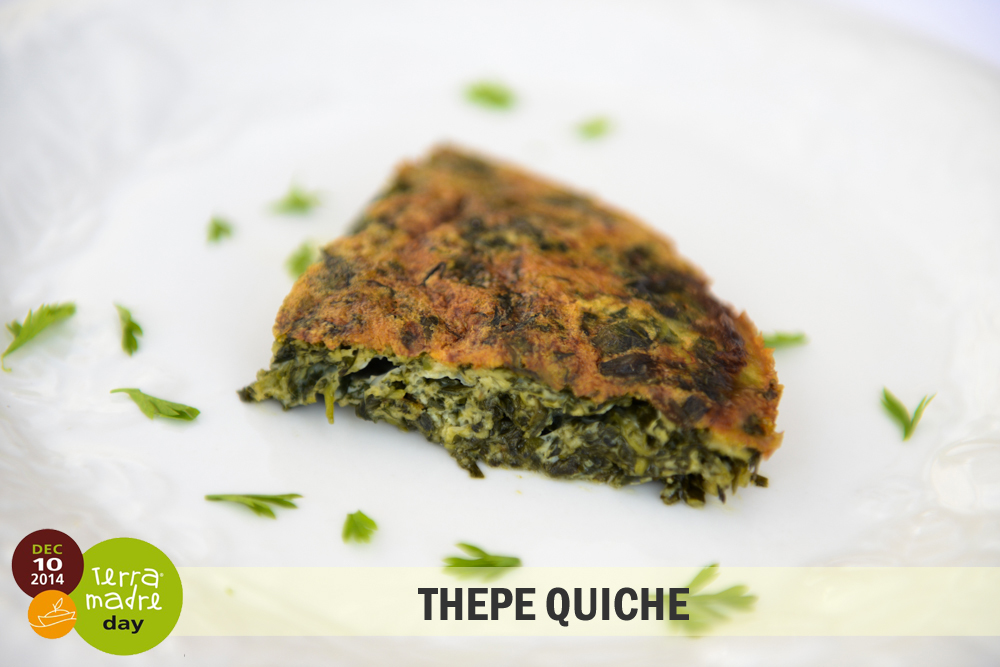
This celebration, named Tatso ea Setso – Taste of Tradition is part of a world-wide celebration to commemorate Terra Madre Day.
Terra Madre Day is a moment for the Slow Food network to highlight forgotten foods. Each year fruits and vegetables, animal breeds, cheeses, and methods of preparation disappear or are forgotten. The core message of the day is to celebrate local products, but mostly to highlight traditional foods and/or methods of preparation which are slowly disappearing or being forgotten.
Flava of Africa is a fundraising initiative aimed at raising funds to create a food appreciation movement that will reach every school, household and individual – to re-ignite the love for food, good food, home-grown food, organic food (litsoa-mobung) and encourage sustainability.
Africa’s Green Generation is an NGO that seeks to work hand in hand with communities to build Healthier, Greener and Cleaner communities.
Terra Madre loosely translated to Earth Mother is a project conceived by Slow Food as a result of its growth and development and its conviction that “eating is an agricultural act and producing is a gastronomic act.” Since Slow Food was founded, the importance of protecting and supporting small-scale producers has become increasingly clear.
Terra Madre was born to give them a voice and visibility, to raise awareness of the true value of their work, and provide them with the tools needed to be able to work in better conditions. This day is a Slow Food International global celebration of local food, and this year Lesotho will be celebrating with the rest of the world.







 The Hub