
Skills & Soup in 2025 Q2

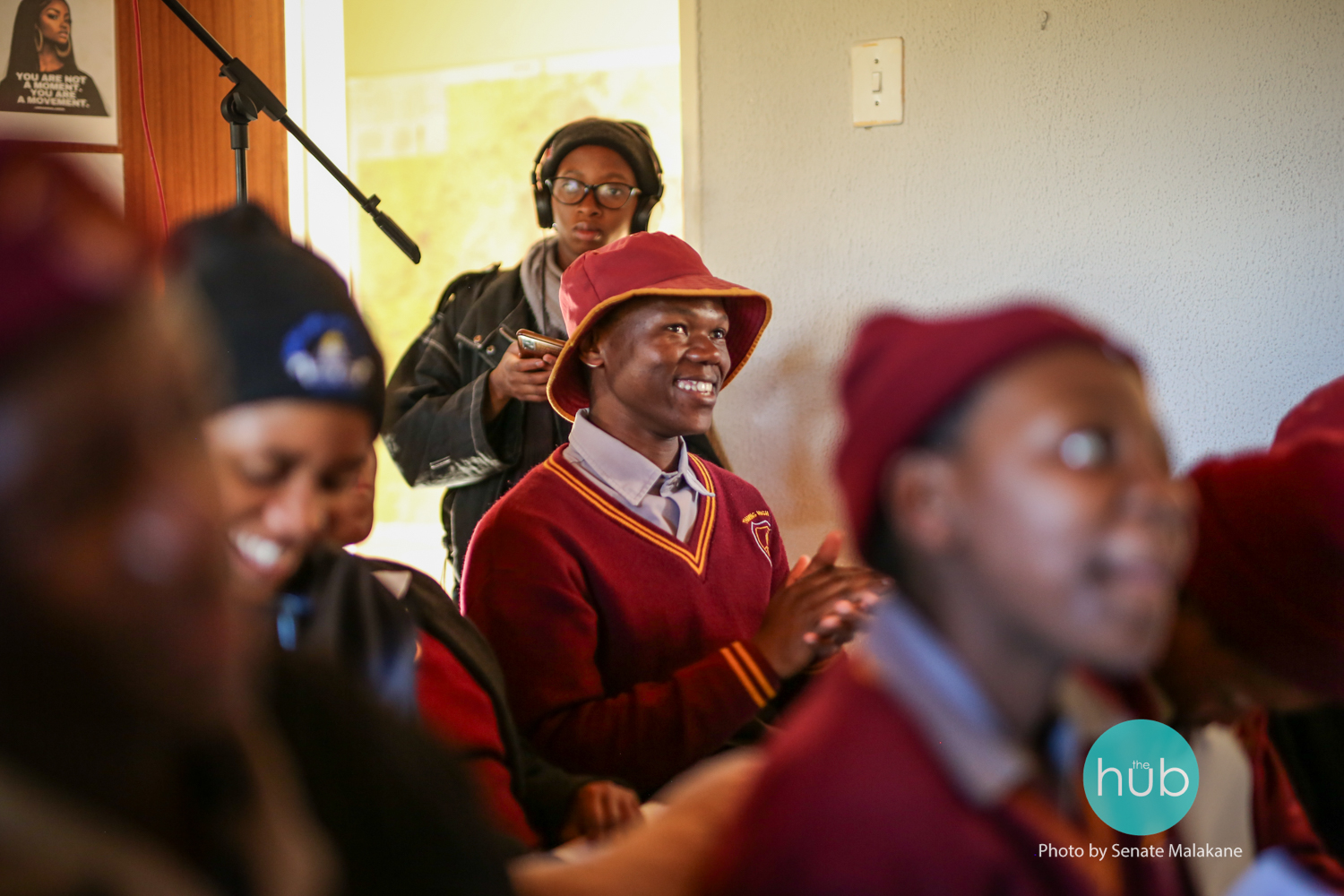
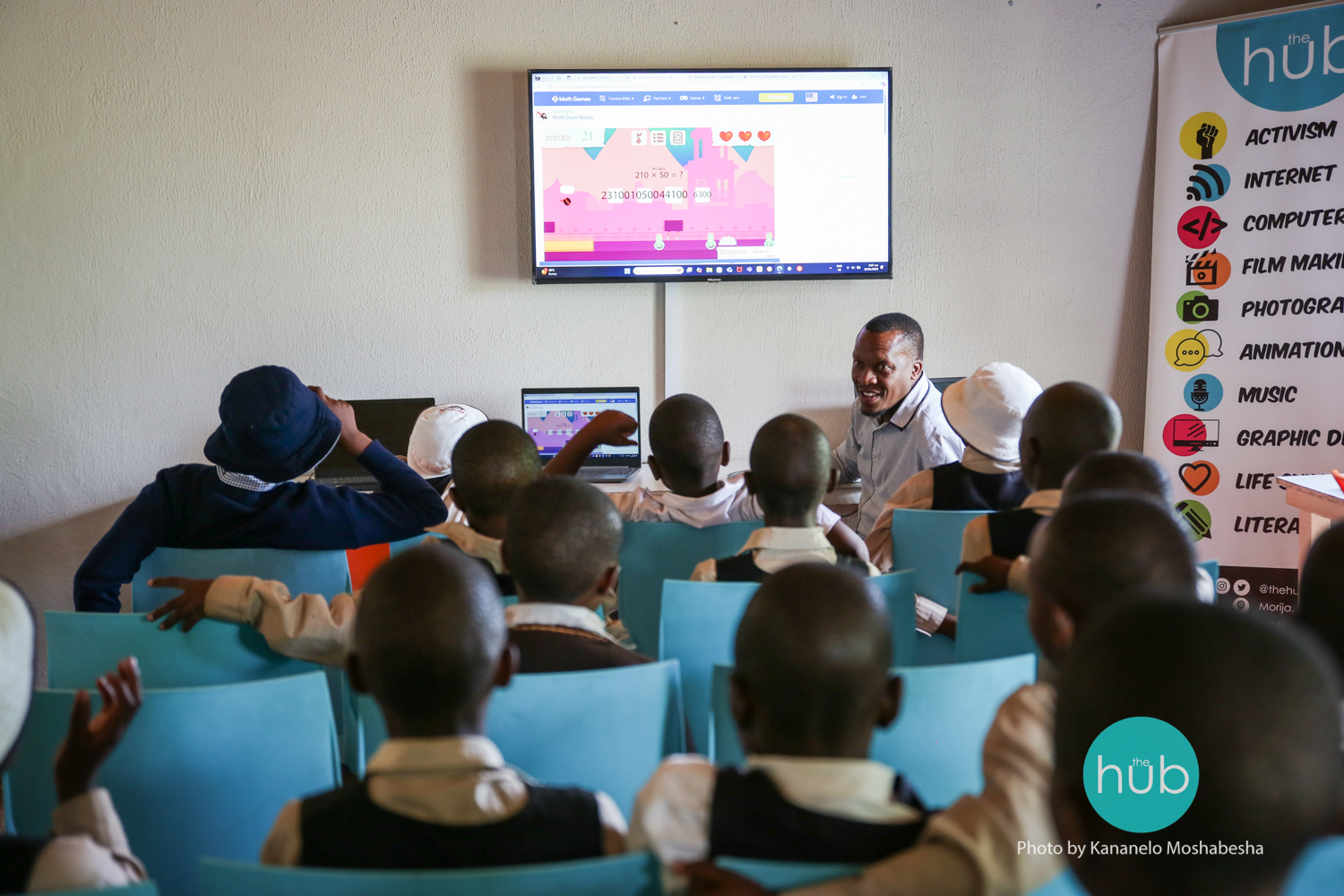
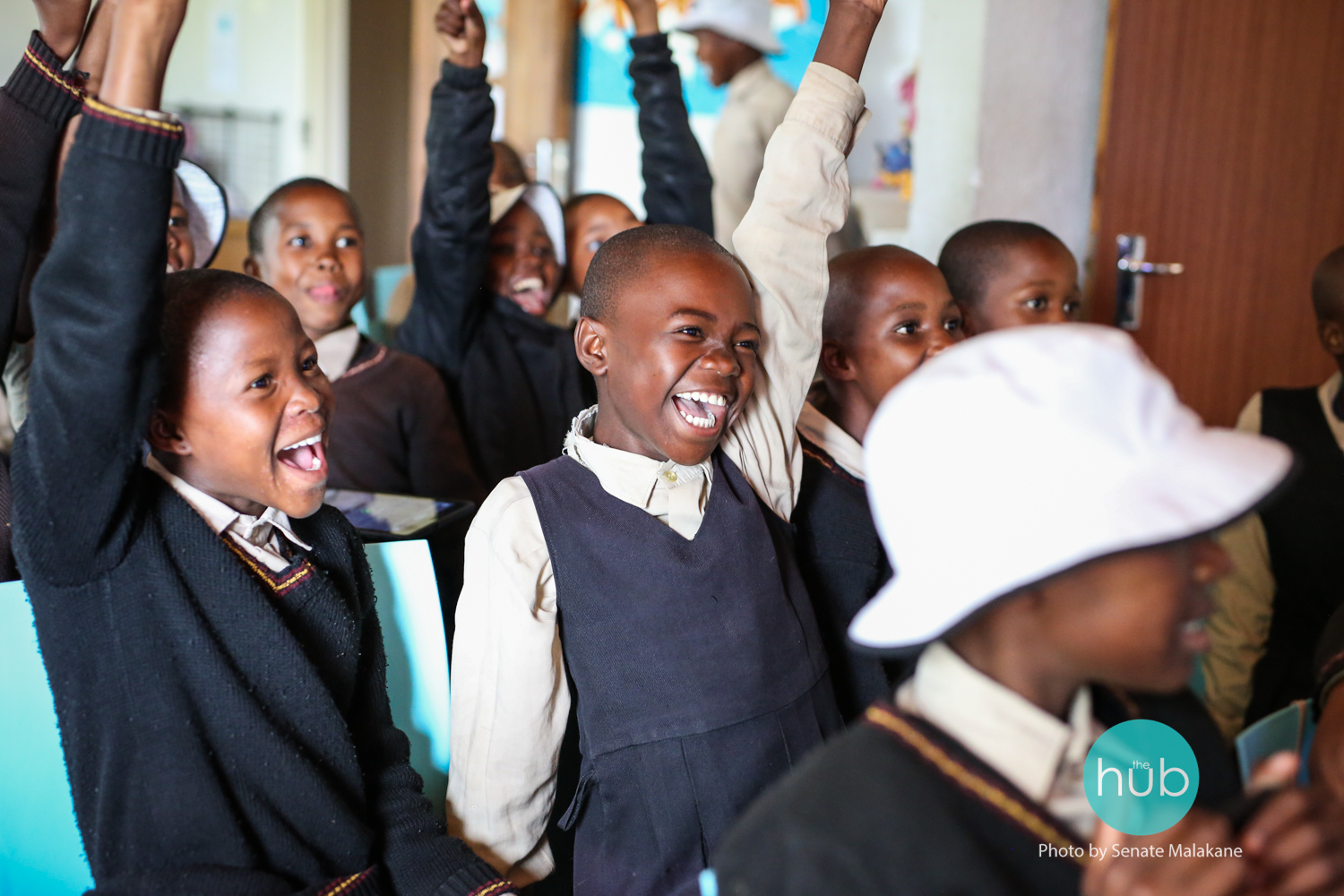
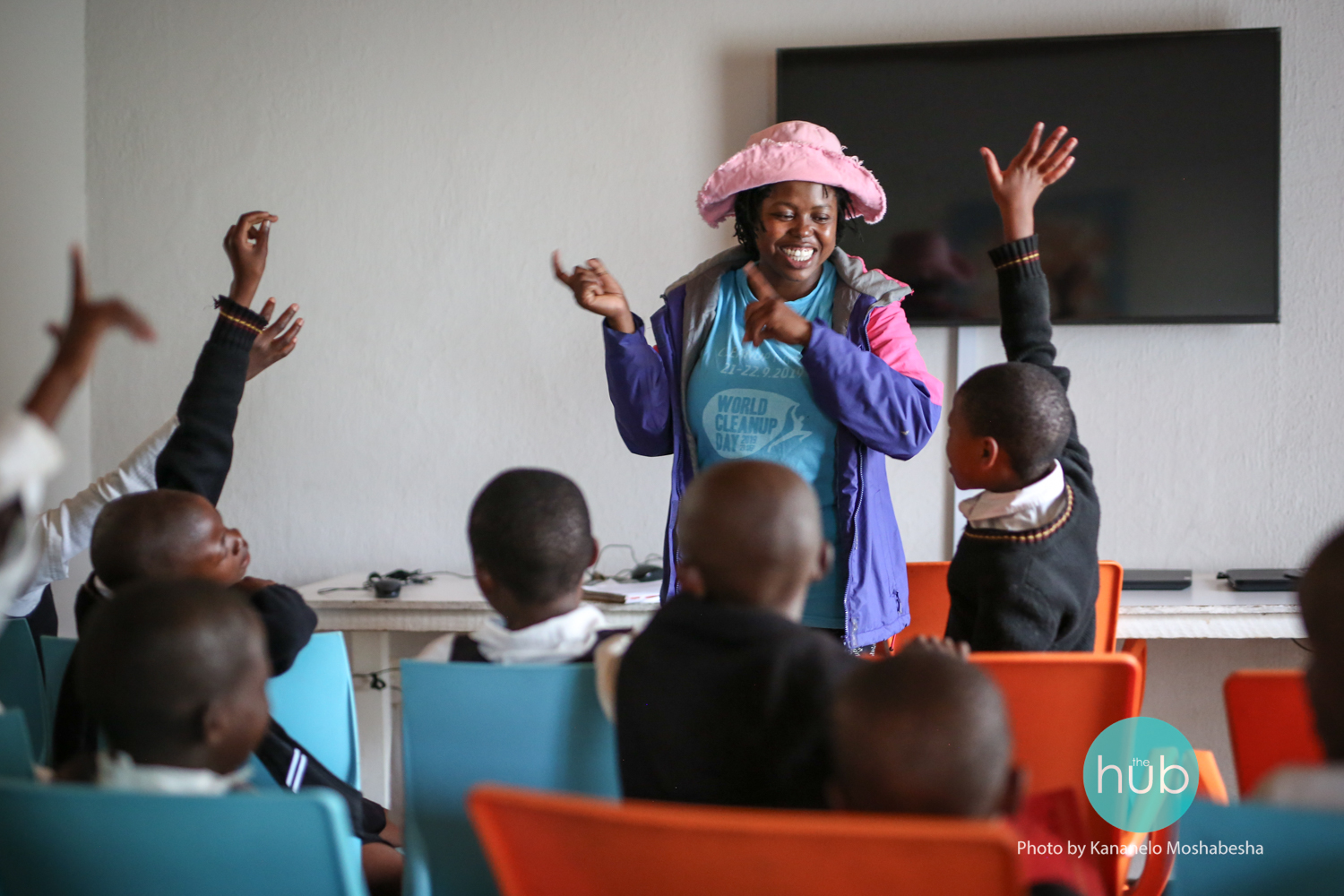
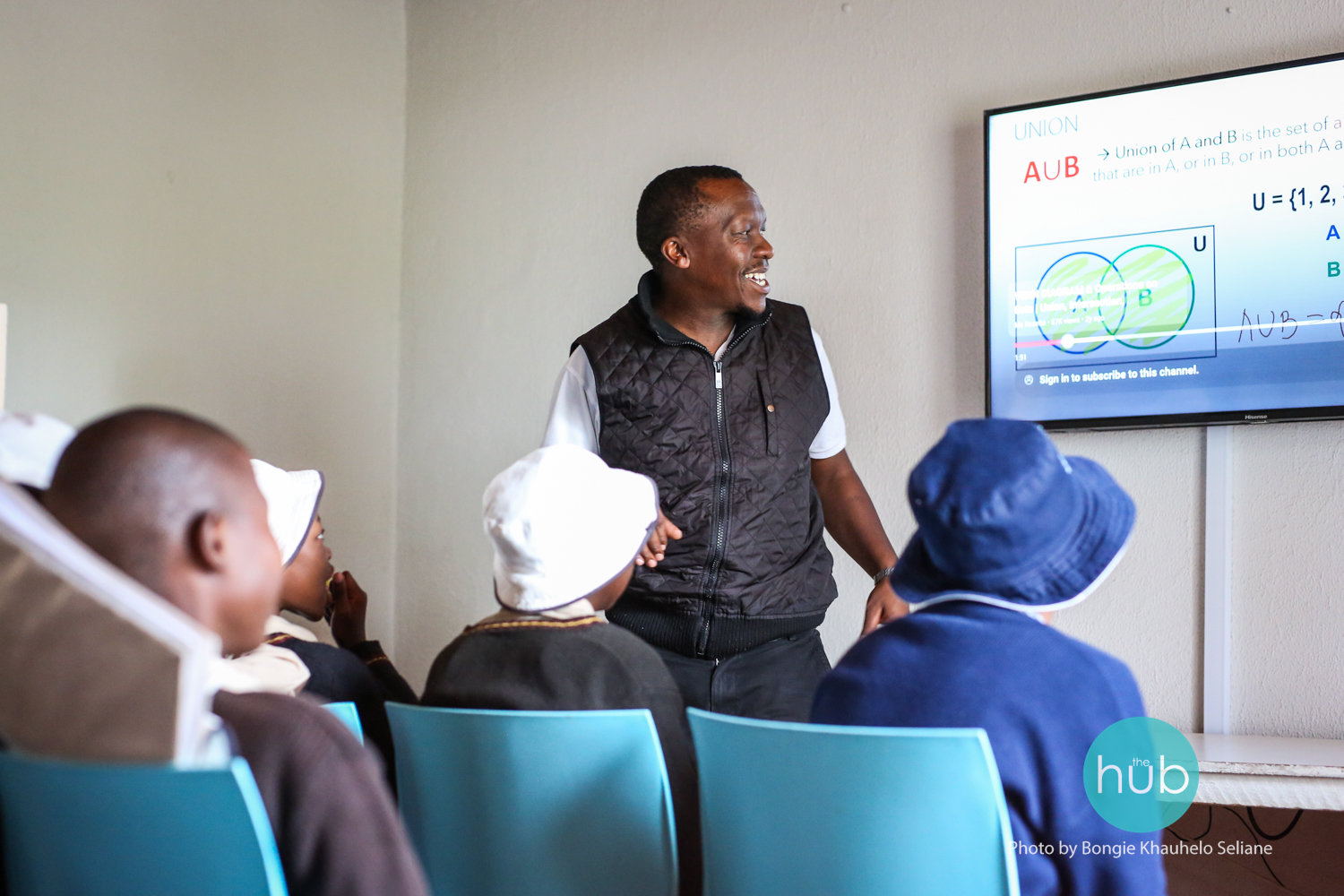
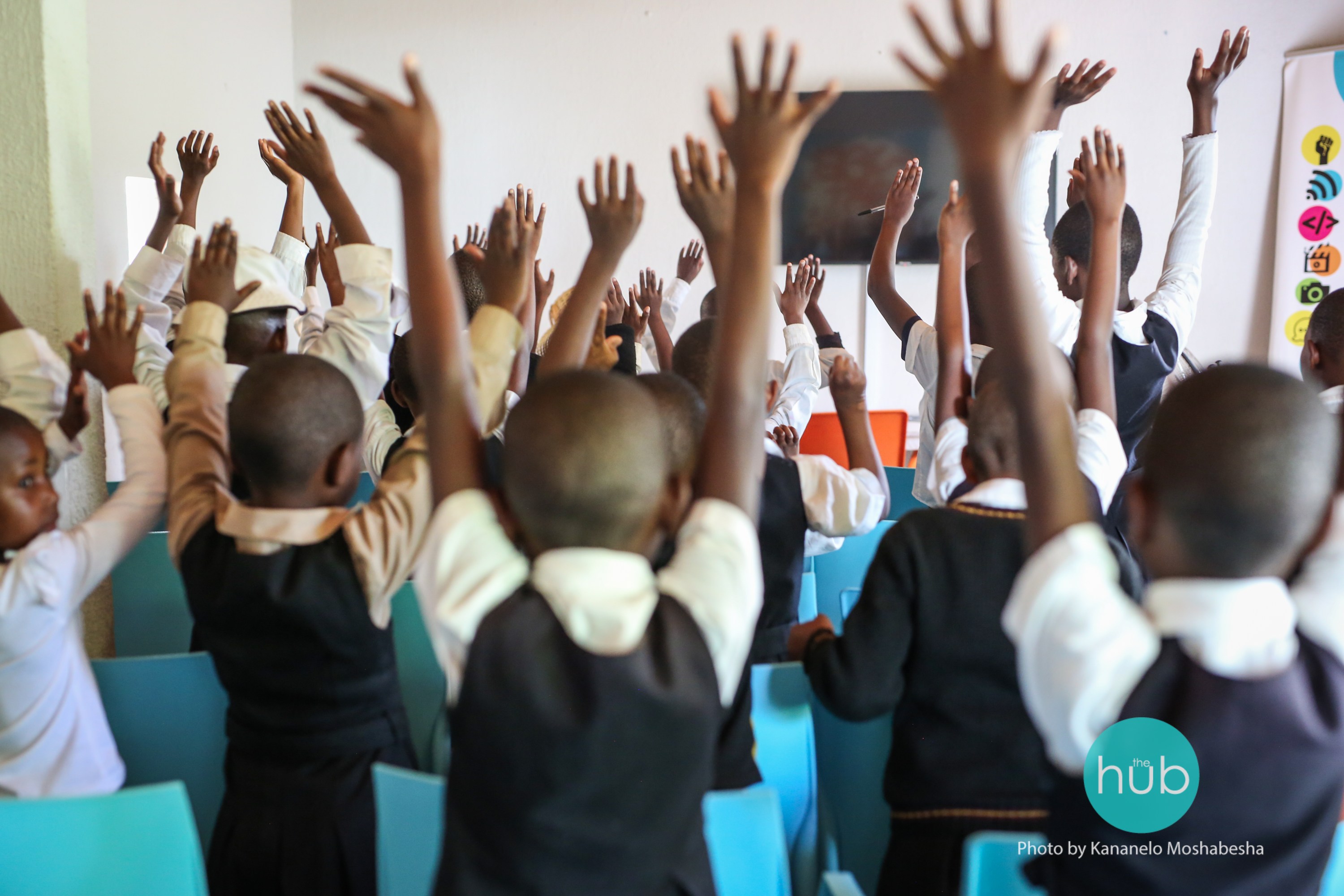
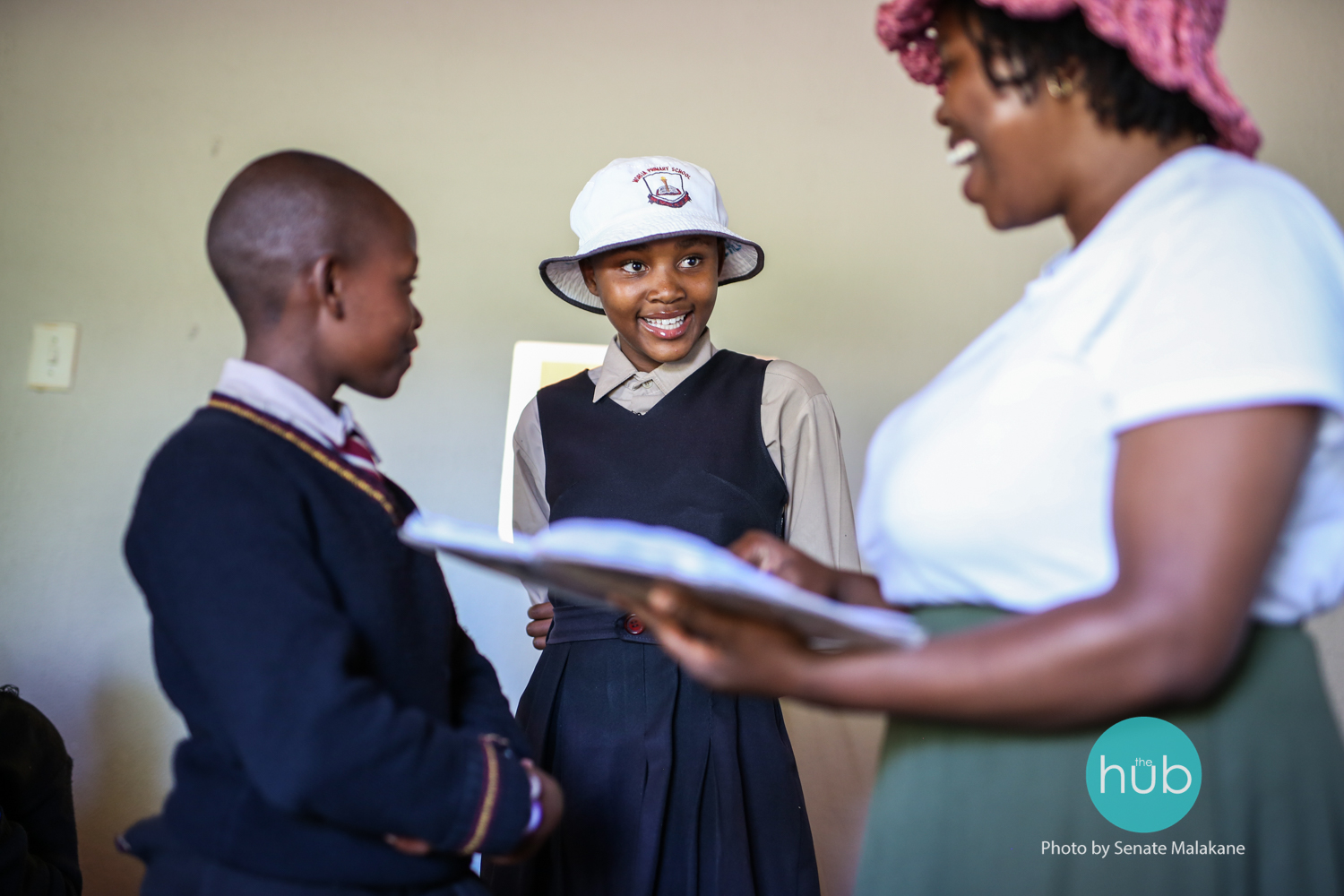
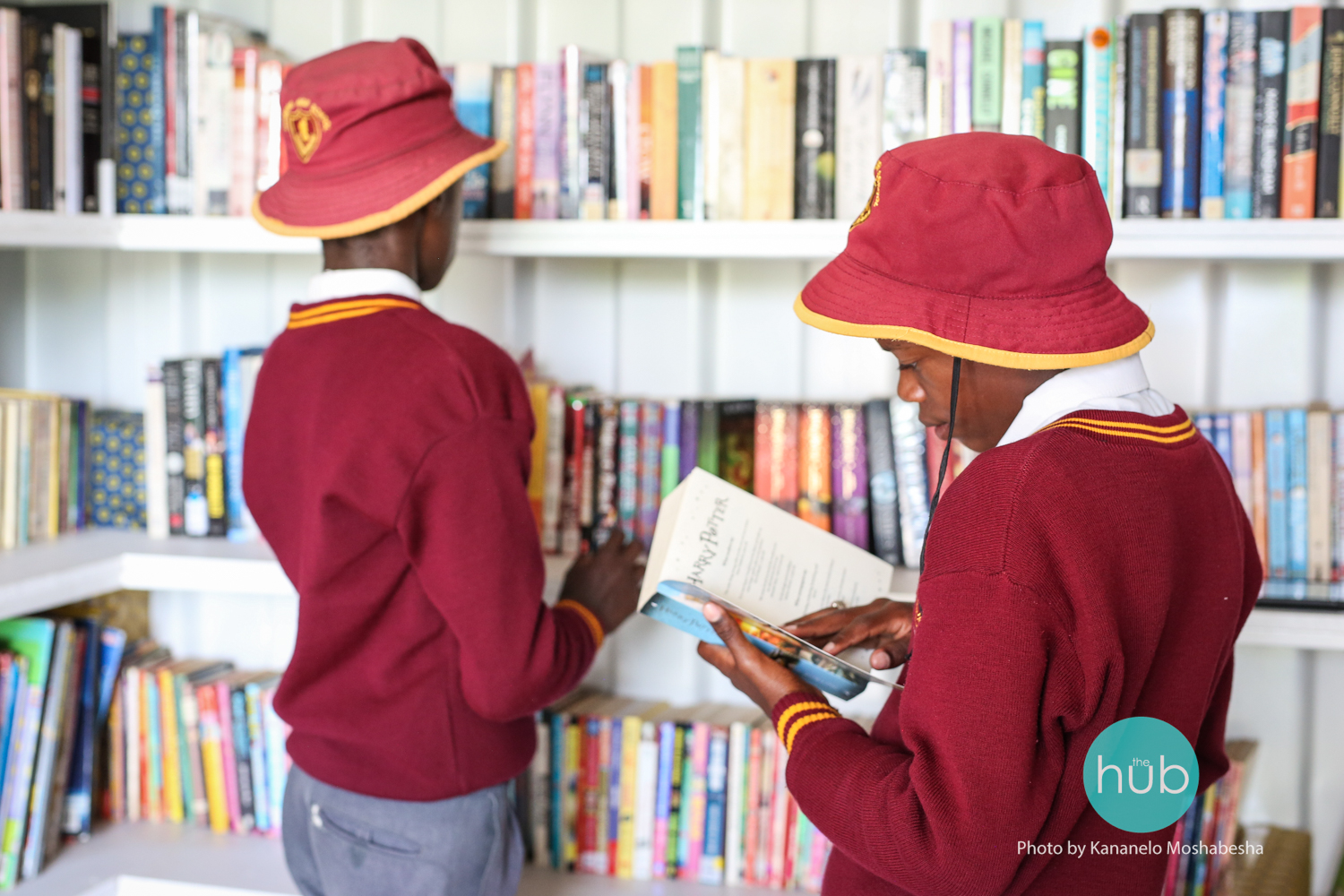
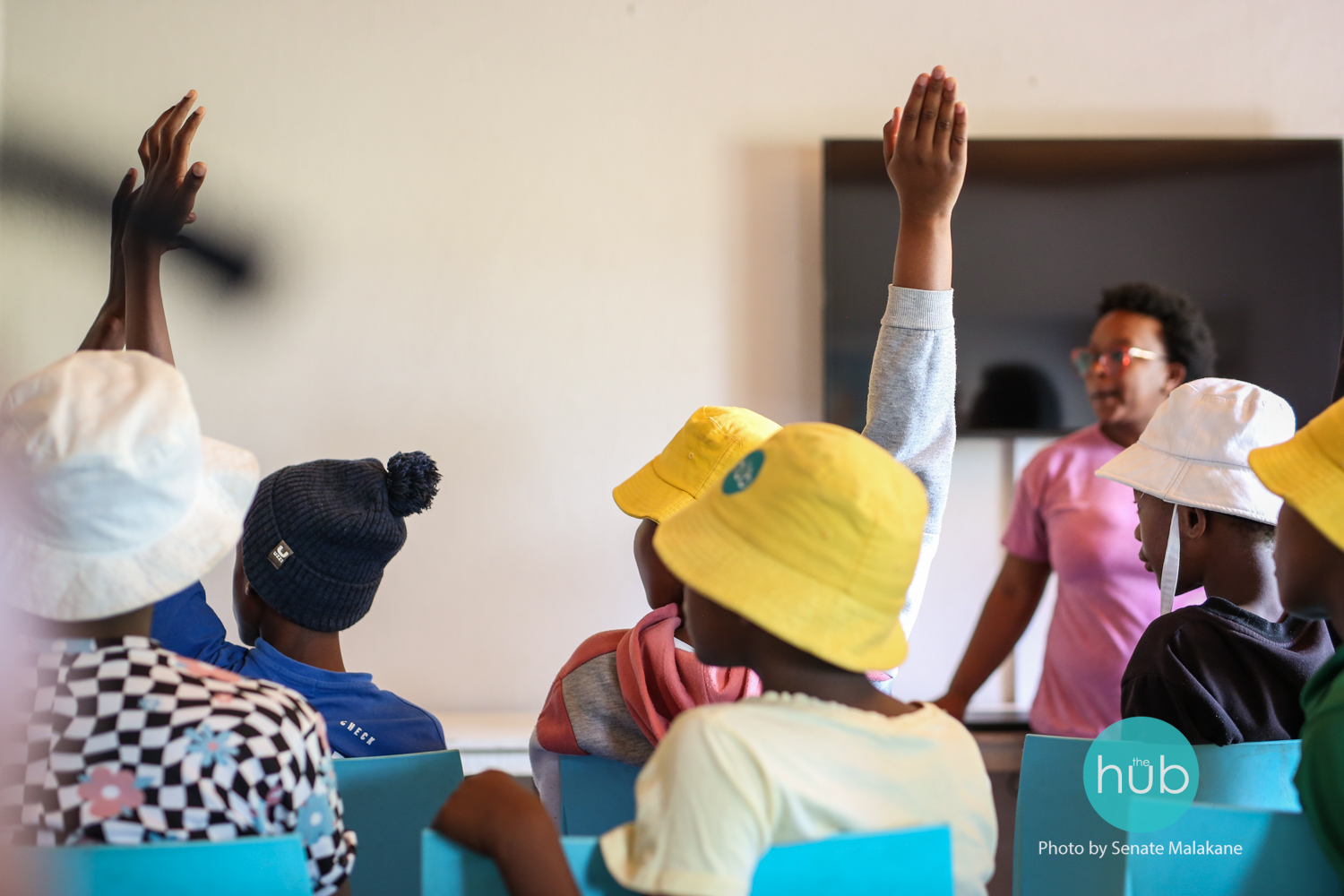
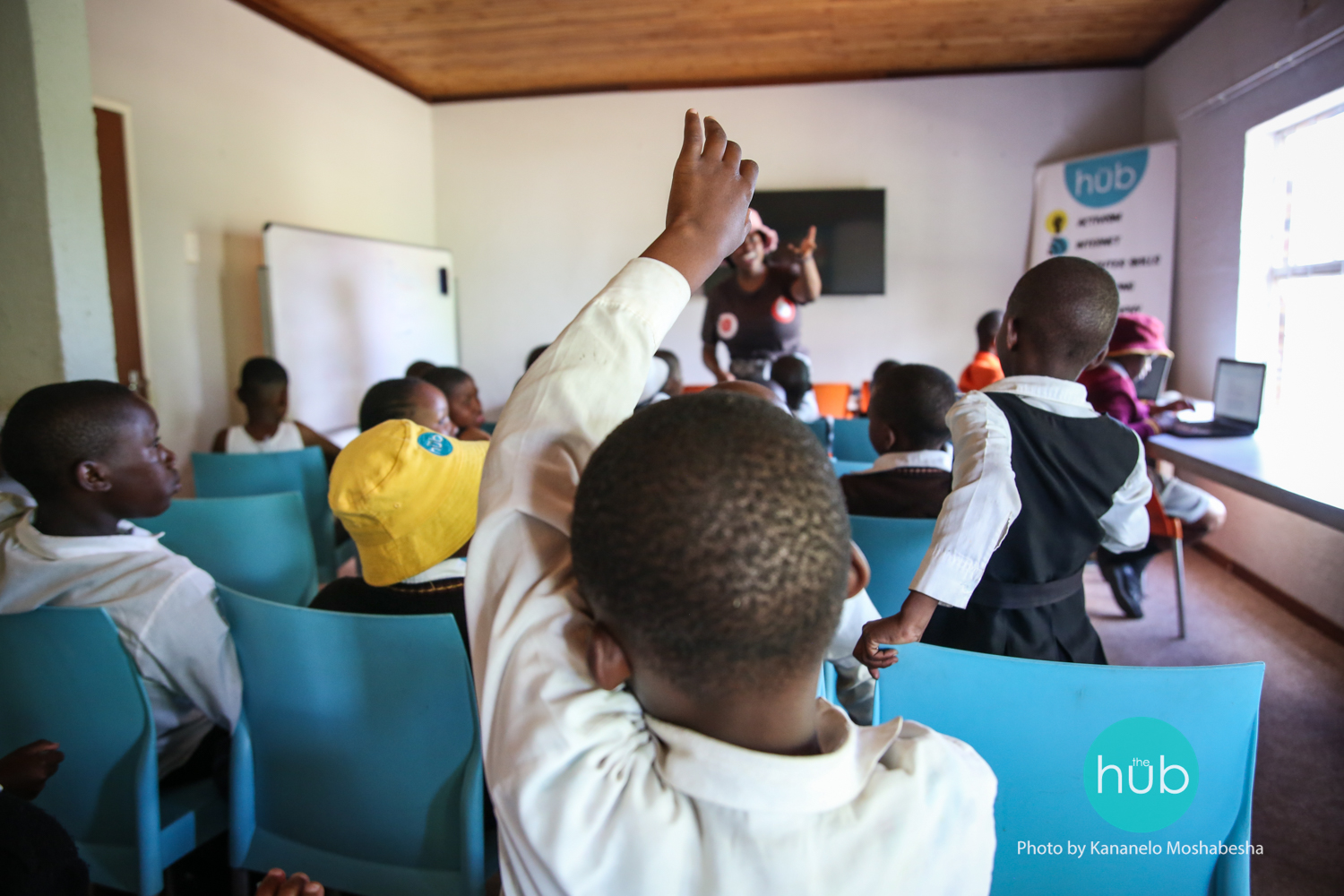
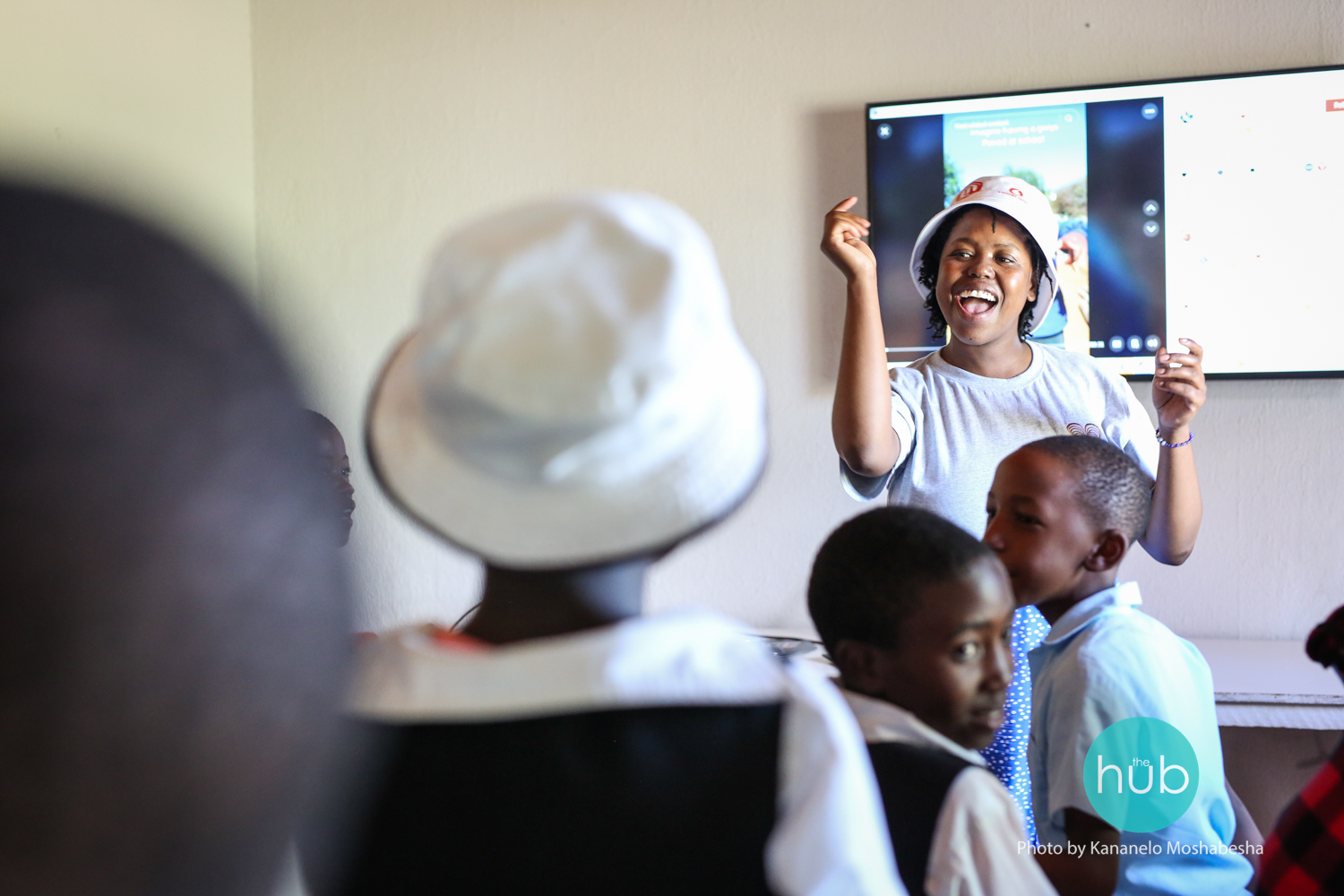
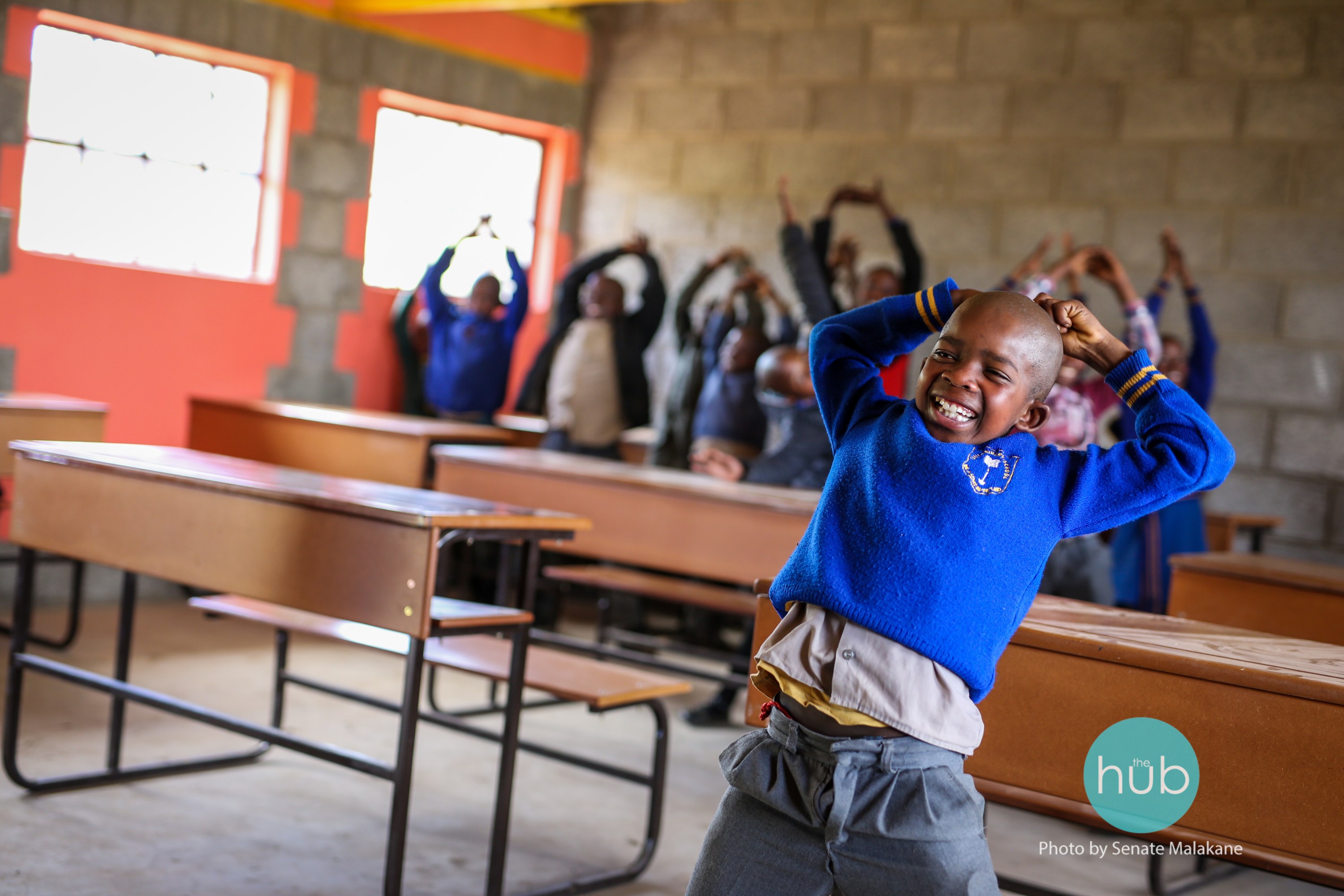
In April – June 2025, Skills & Soup at The Hub continued to provide 125 children and adolescents in Morija and surrounding communities with weekly after-school tuition, nutritional meals and life skills.

Overview of The Hub’s Skills & Soup programming
  • 125 weekly participants ranging in age from 8-18 from Morija and surrounding villages.
  • The participants attend the programming free of charge.
  • Provides daily after-school tutoring in:
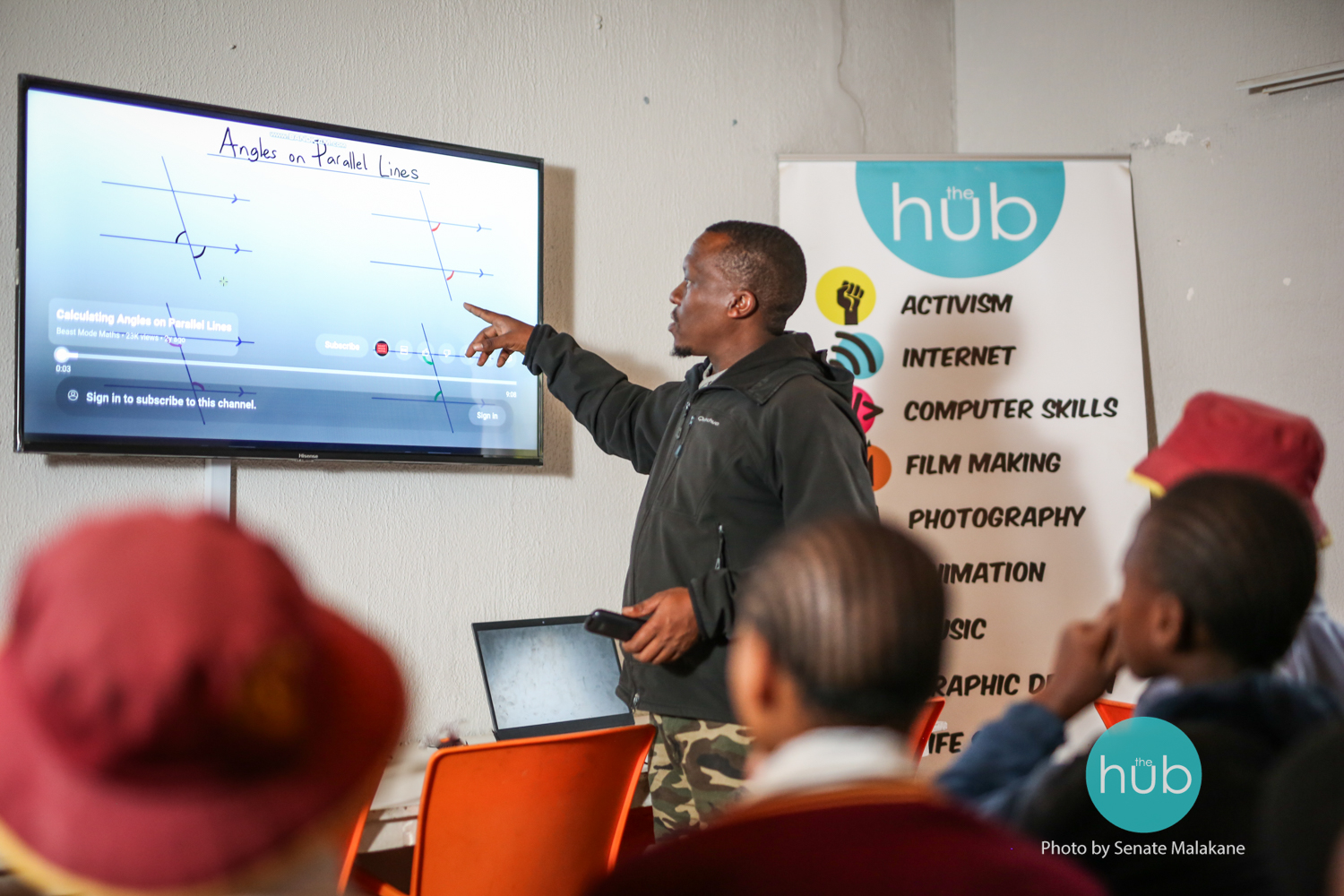
    • STEAM (Science, Technology, Engineering, Art, Mathematics) subjects
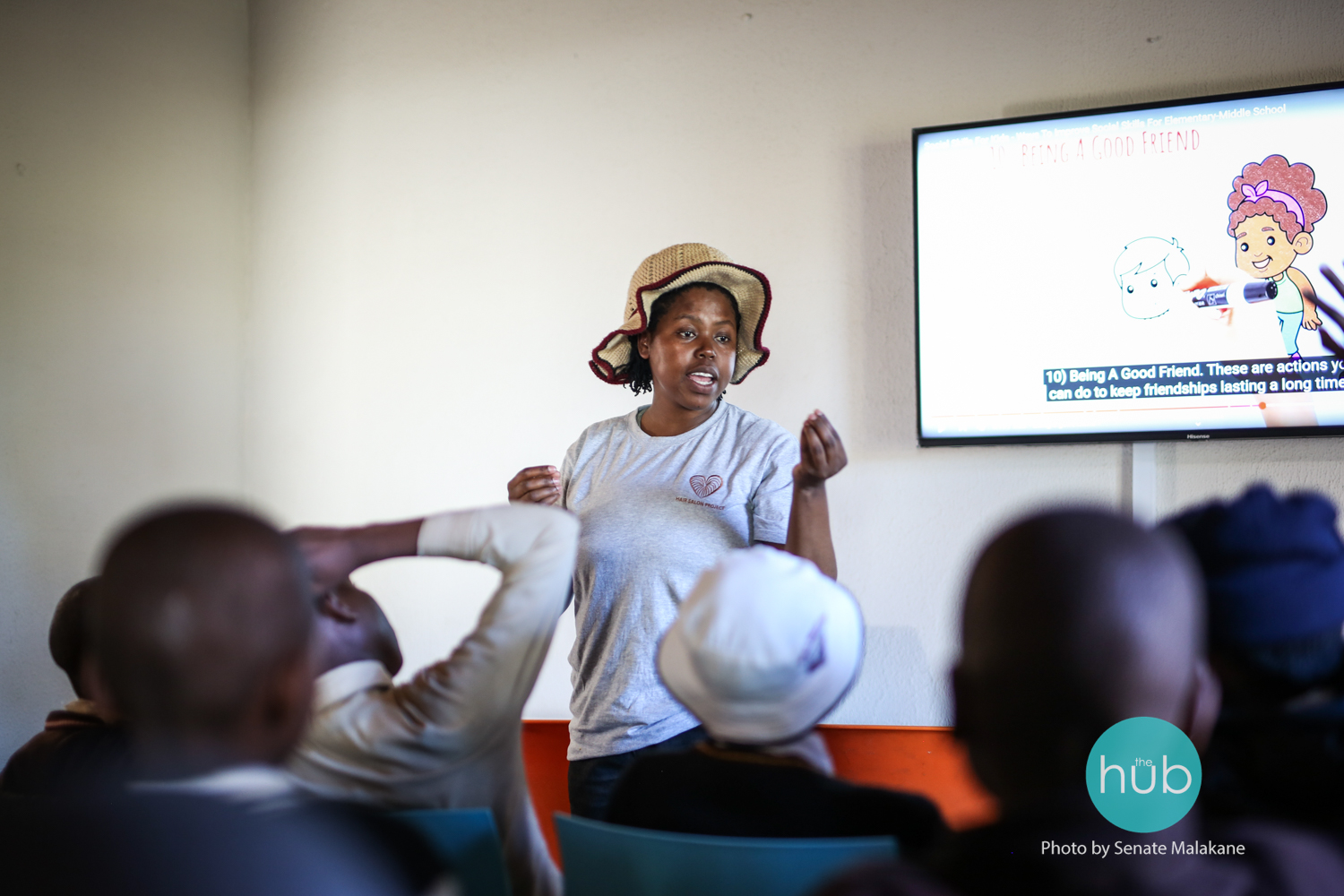
    • Mental health and well-being
    • Daily programming including sign language lessons and educational clubs during school holidays.
Skills & Soup in 2025 Q2

Through April – June 2025:

  • 65 sessions held
  • 3,250 meals served
Meals at Skills & Soup
  • Prepared by Cafe Mojo, a female-owned and run business.
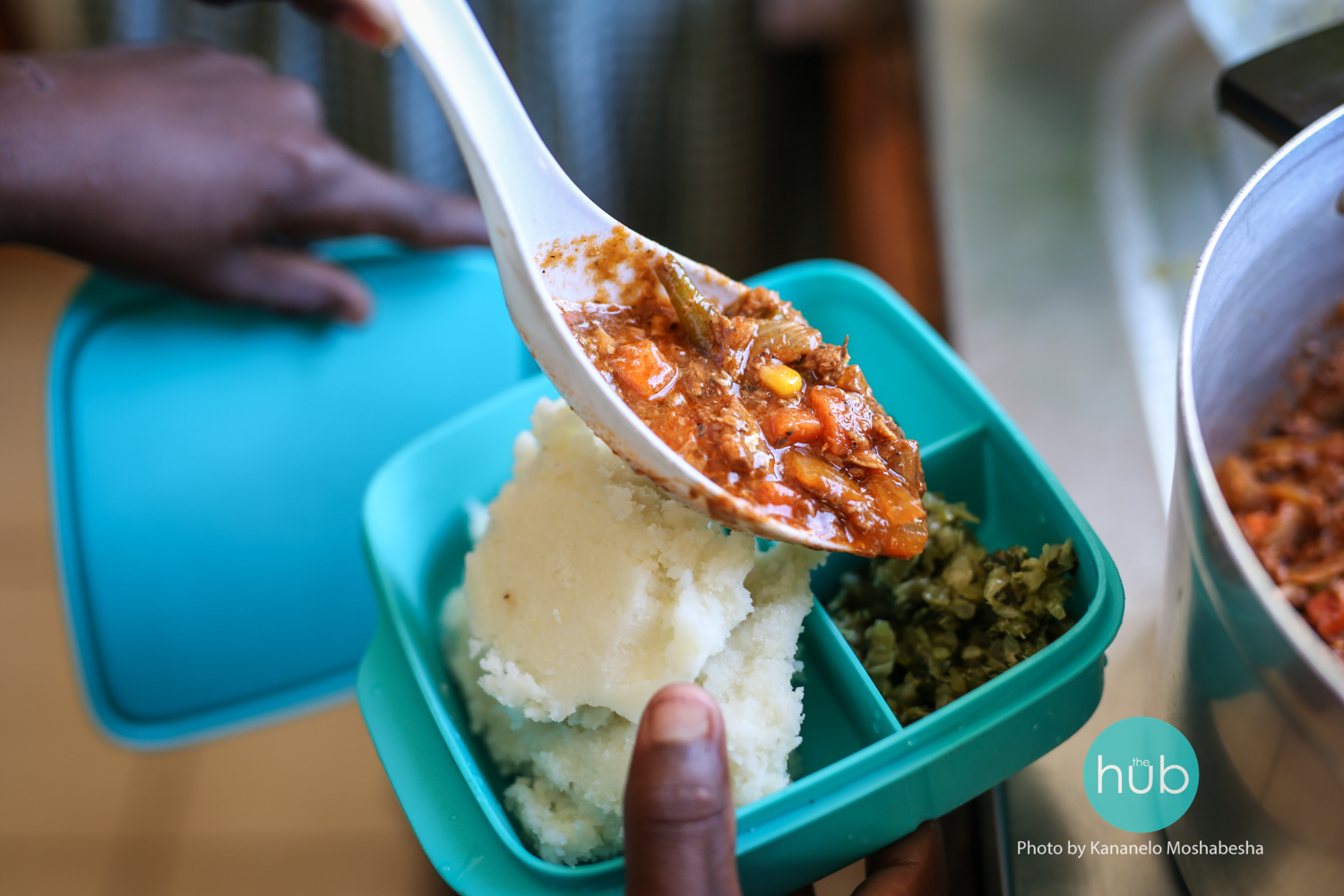
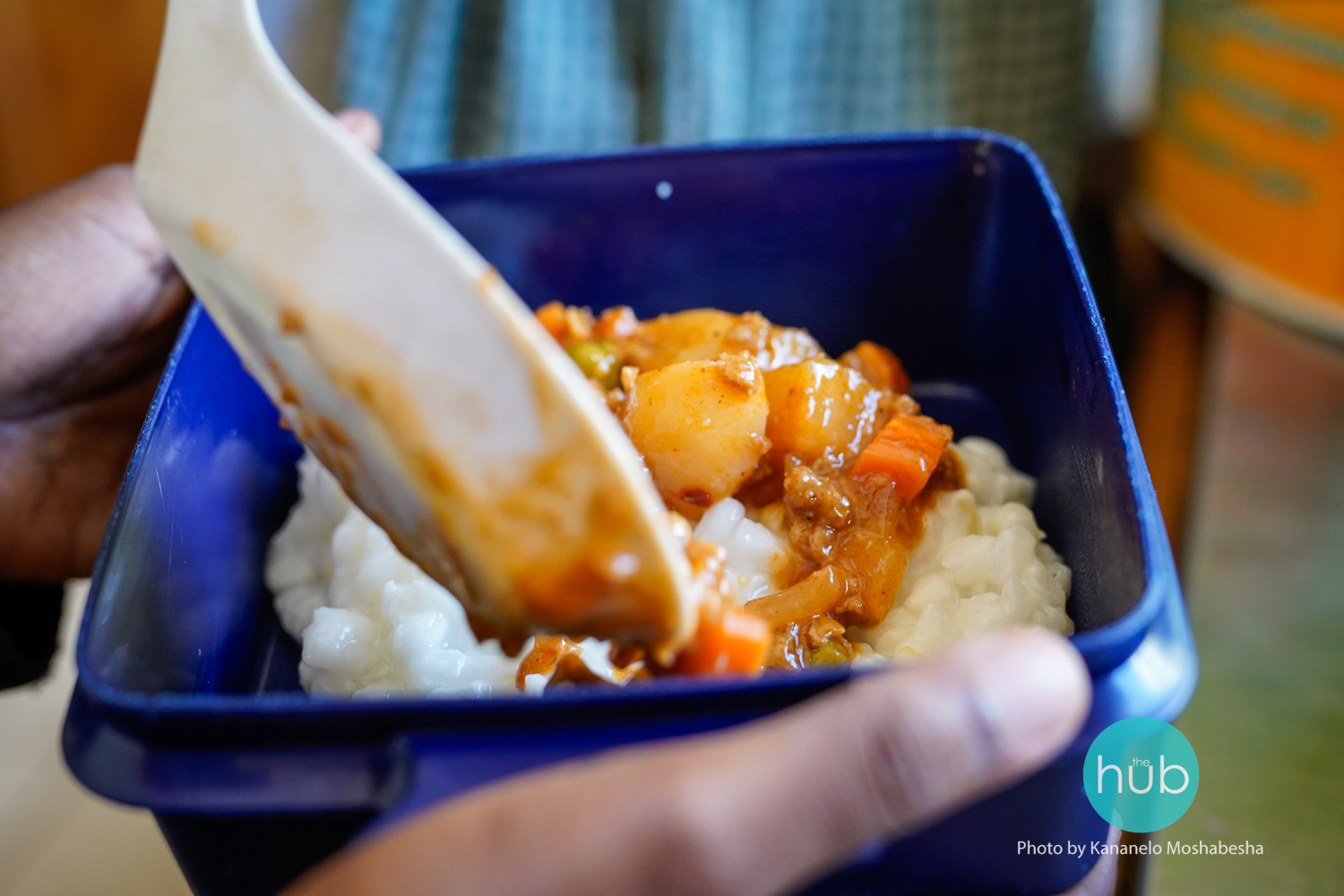
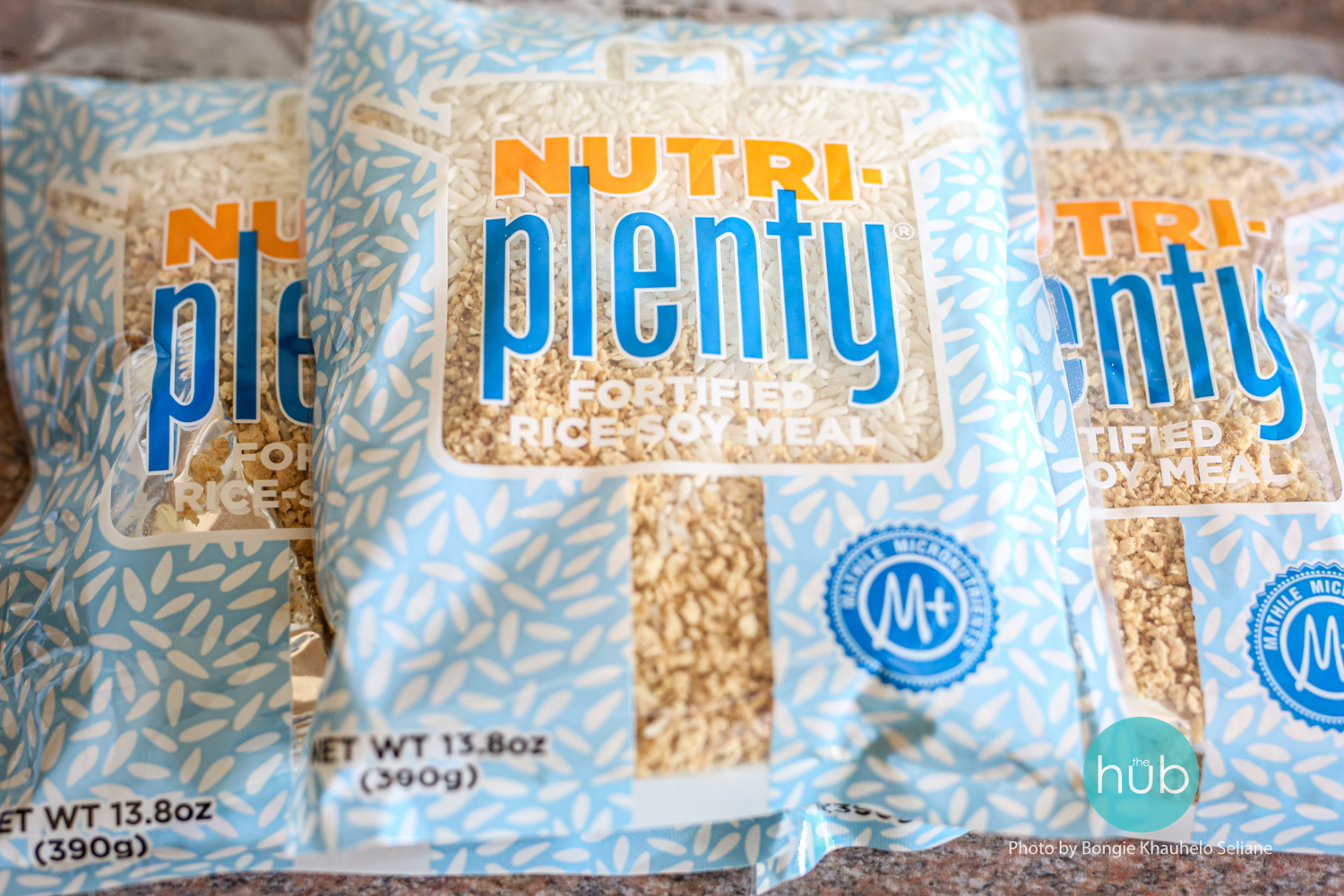
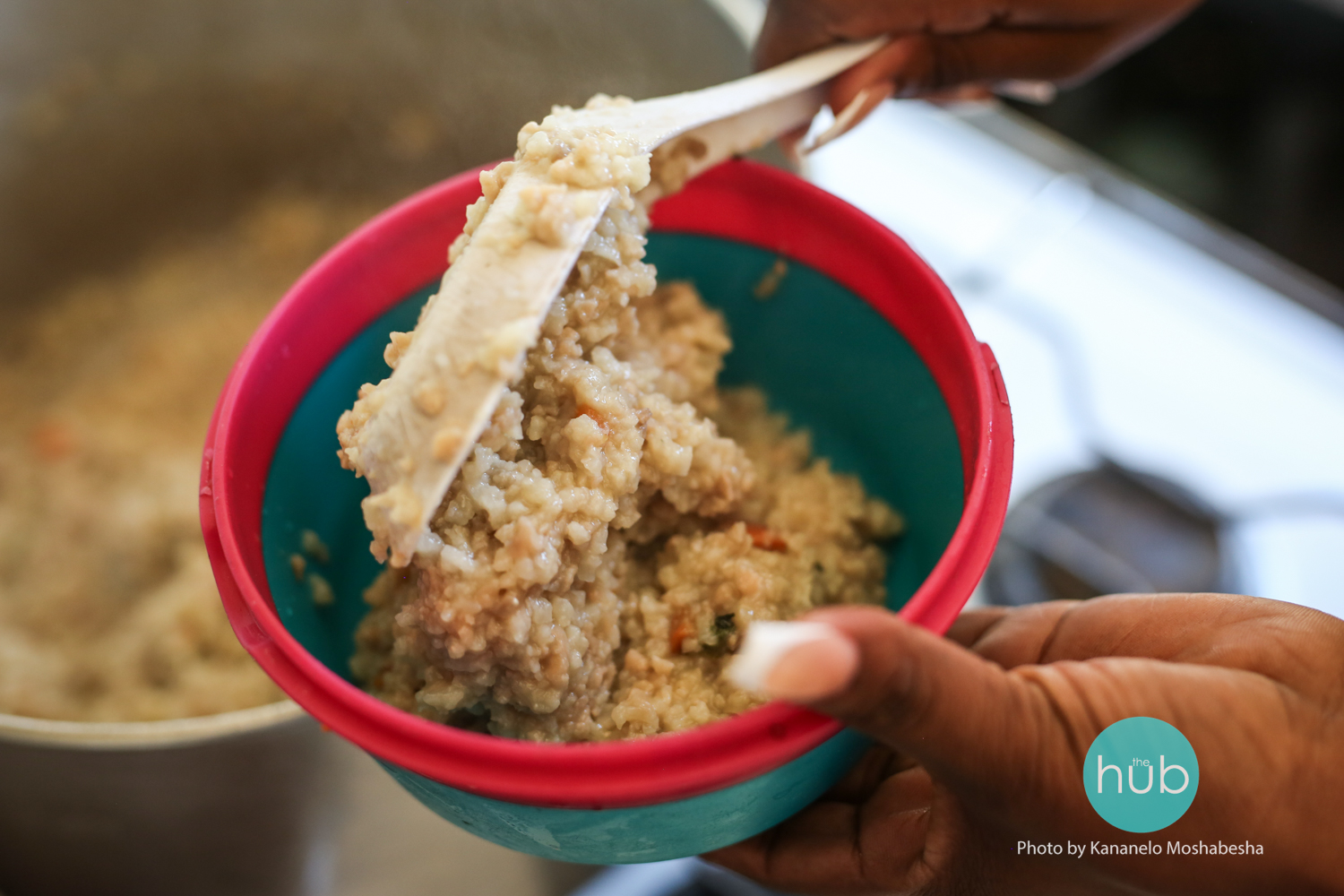
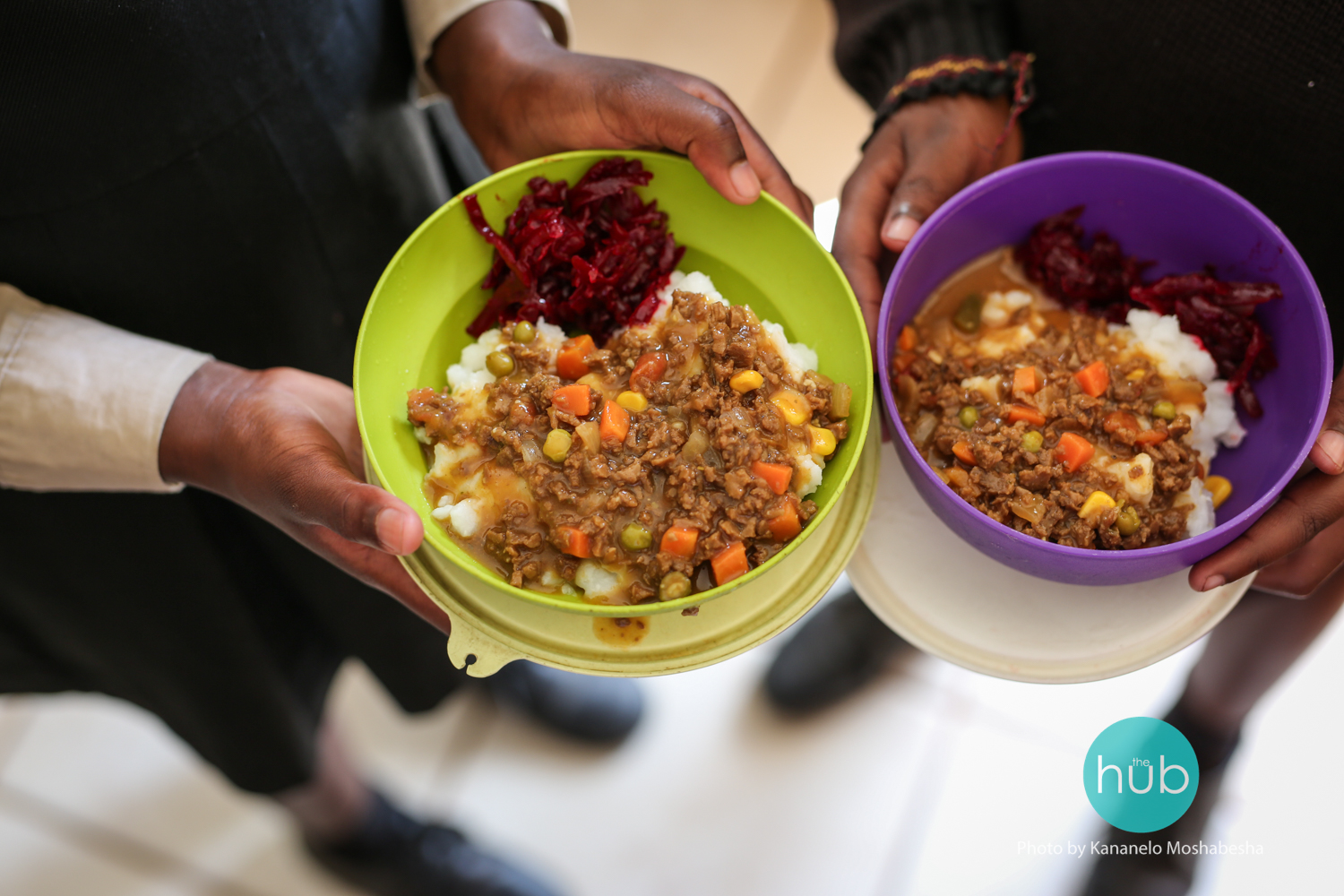
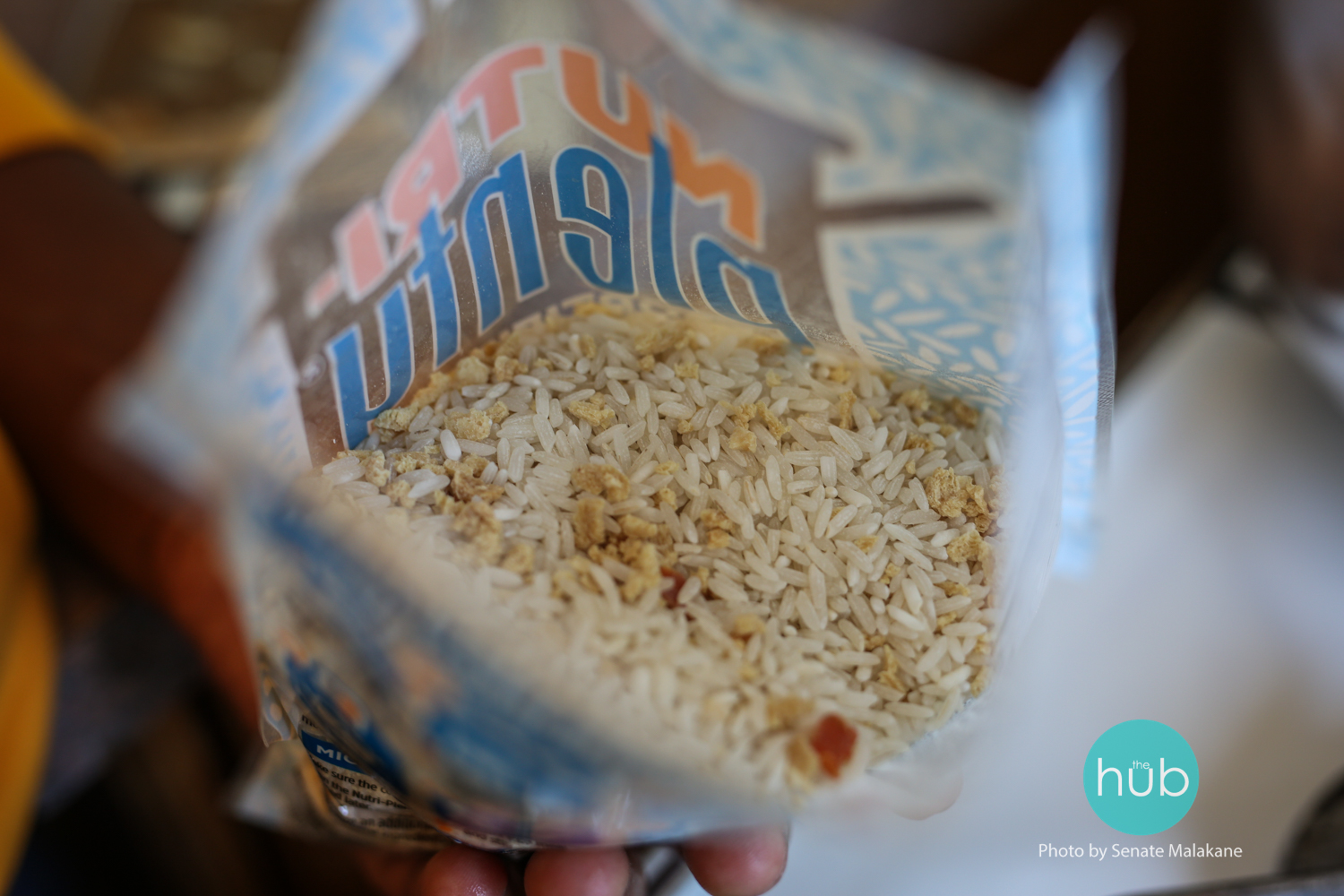
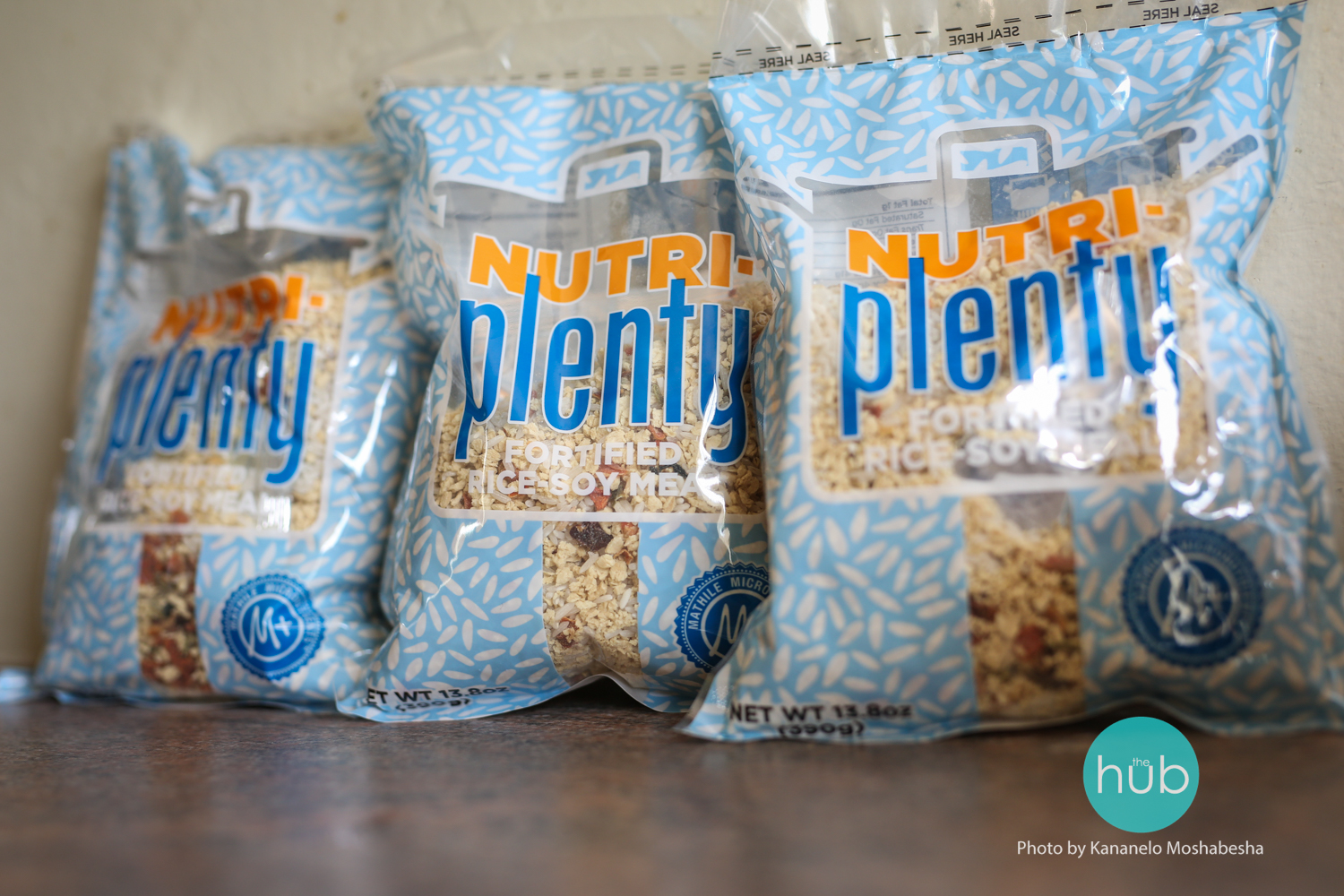
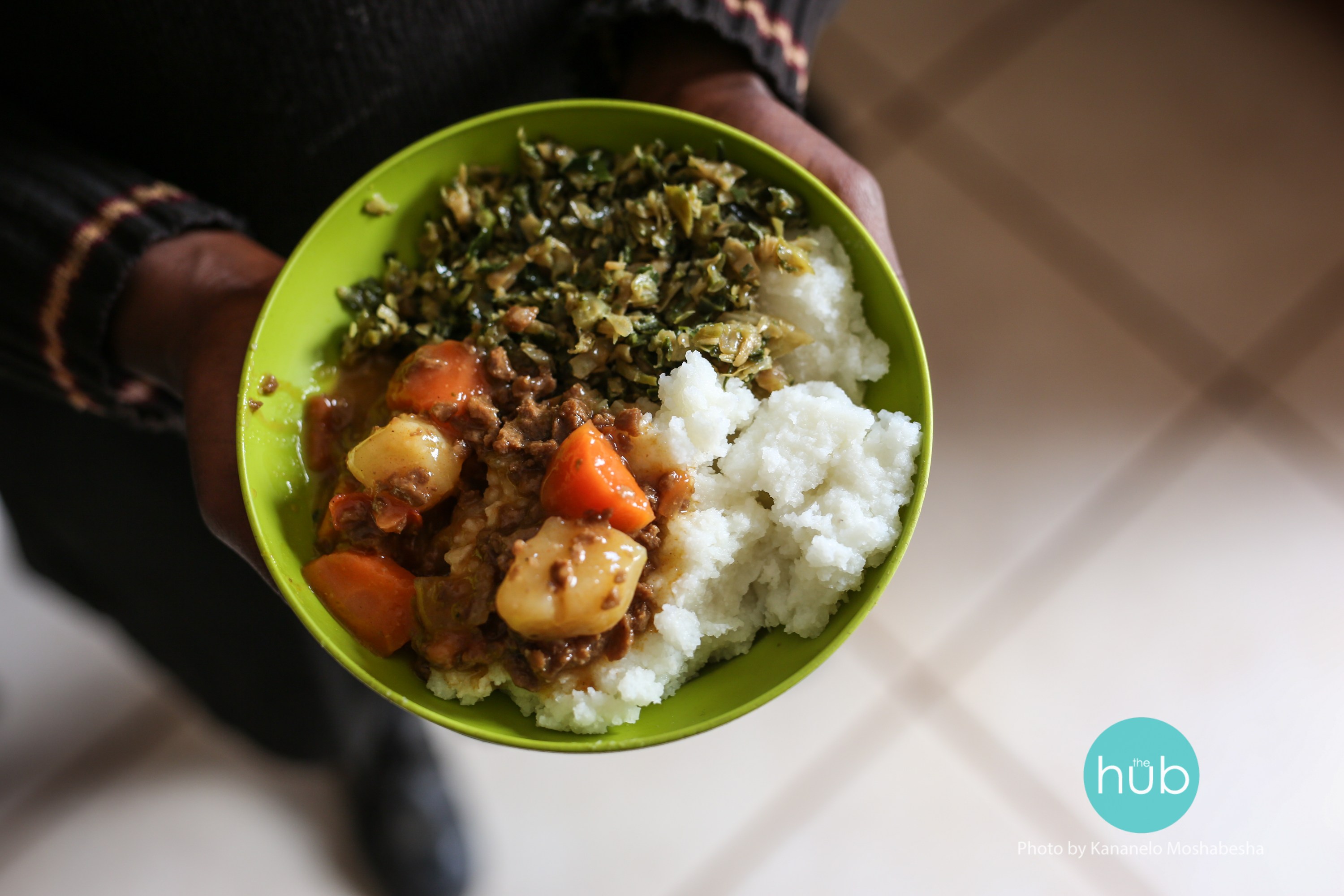
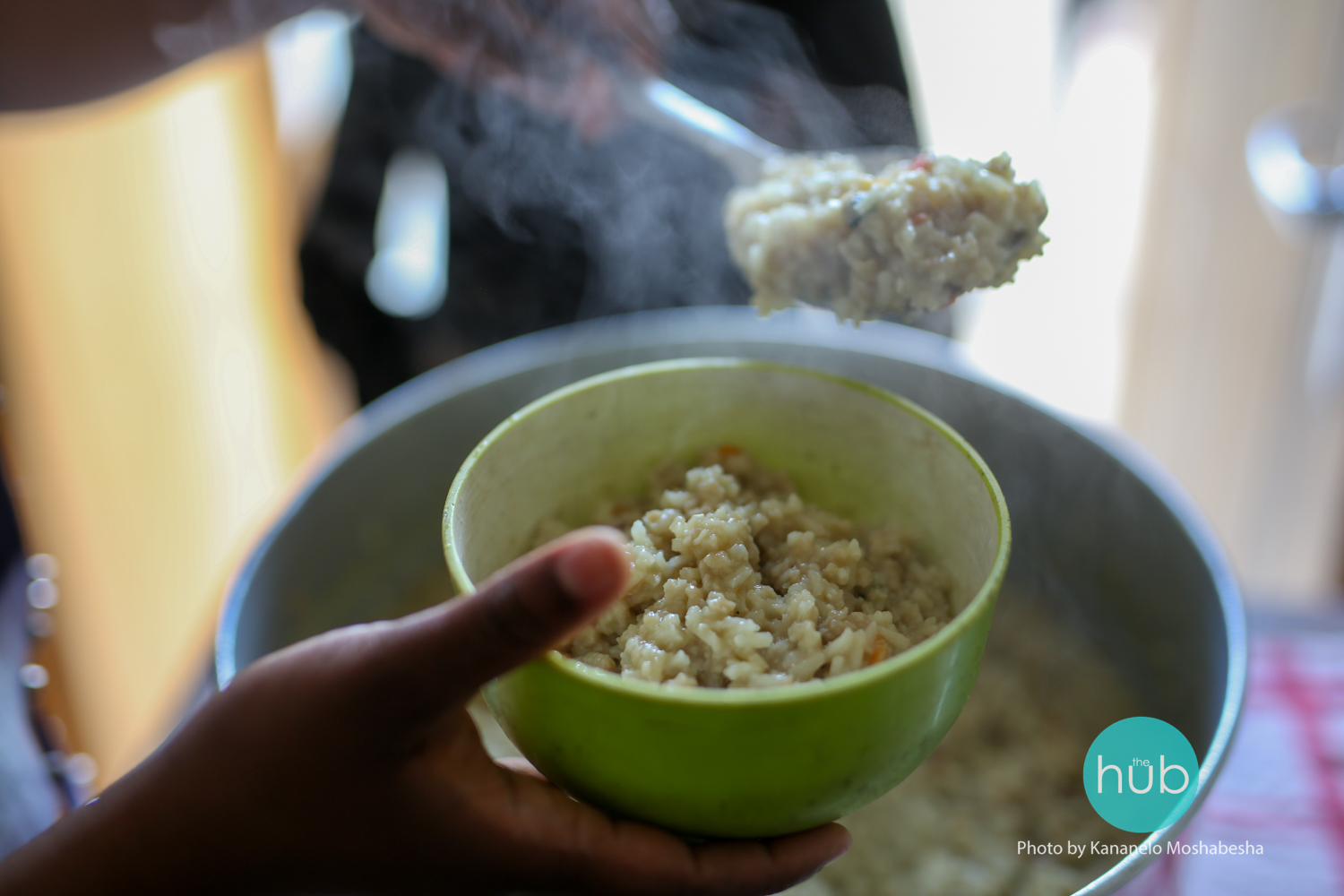
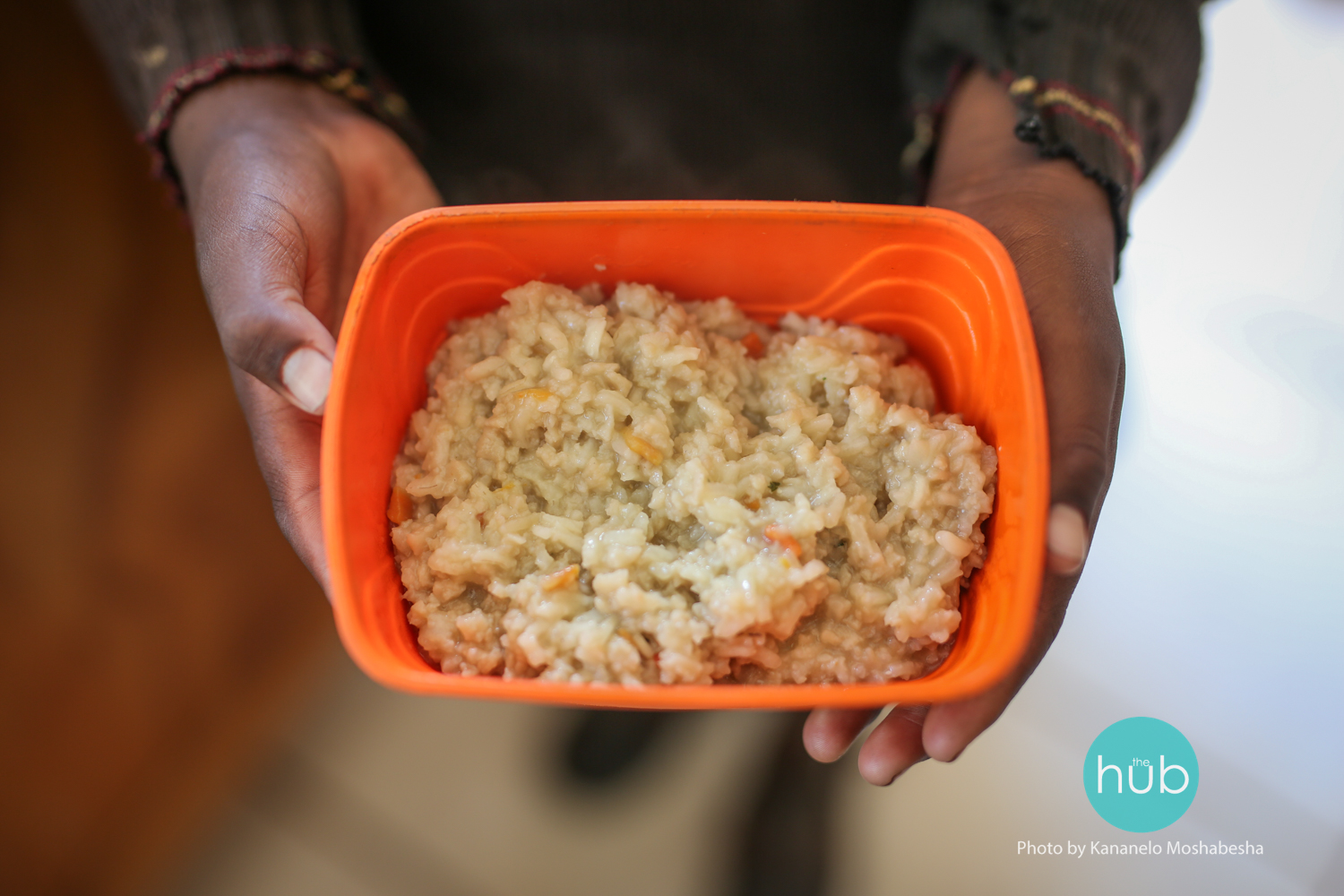
  • Daily highly nutritious hot meal includes protein (mostly plant-based), fortified starch, and vegetables.
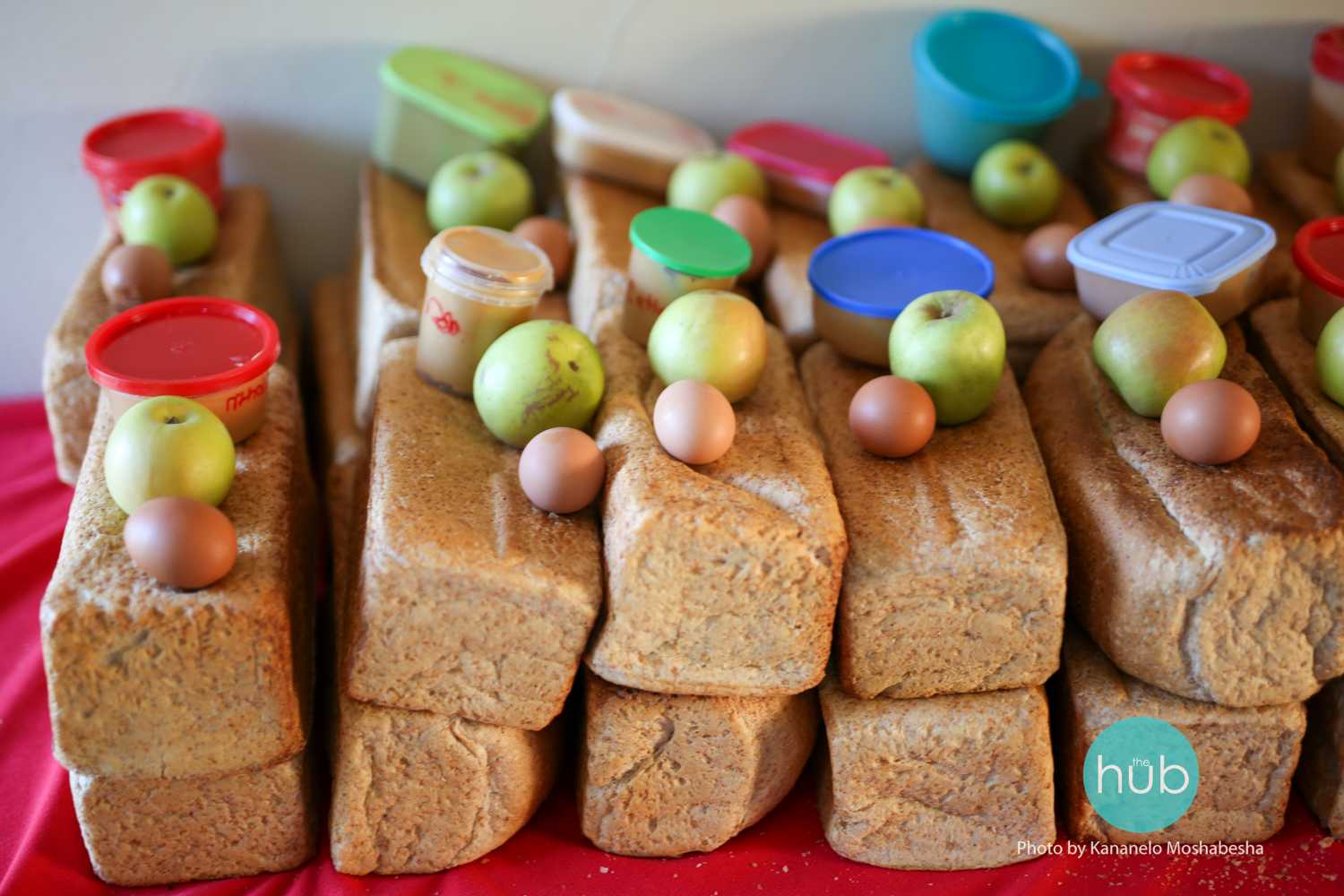
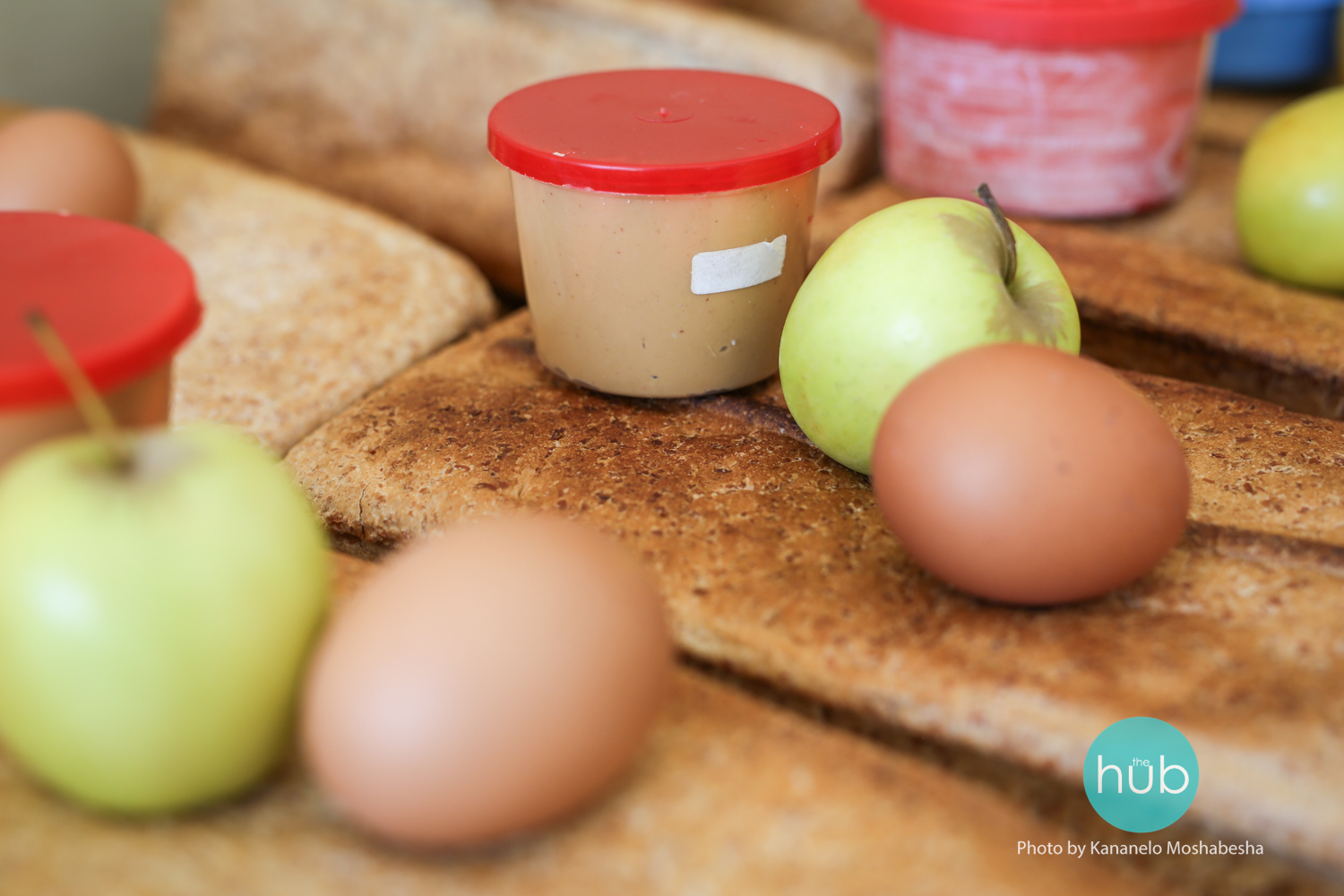
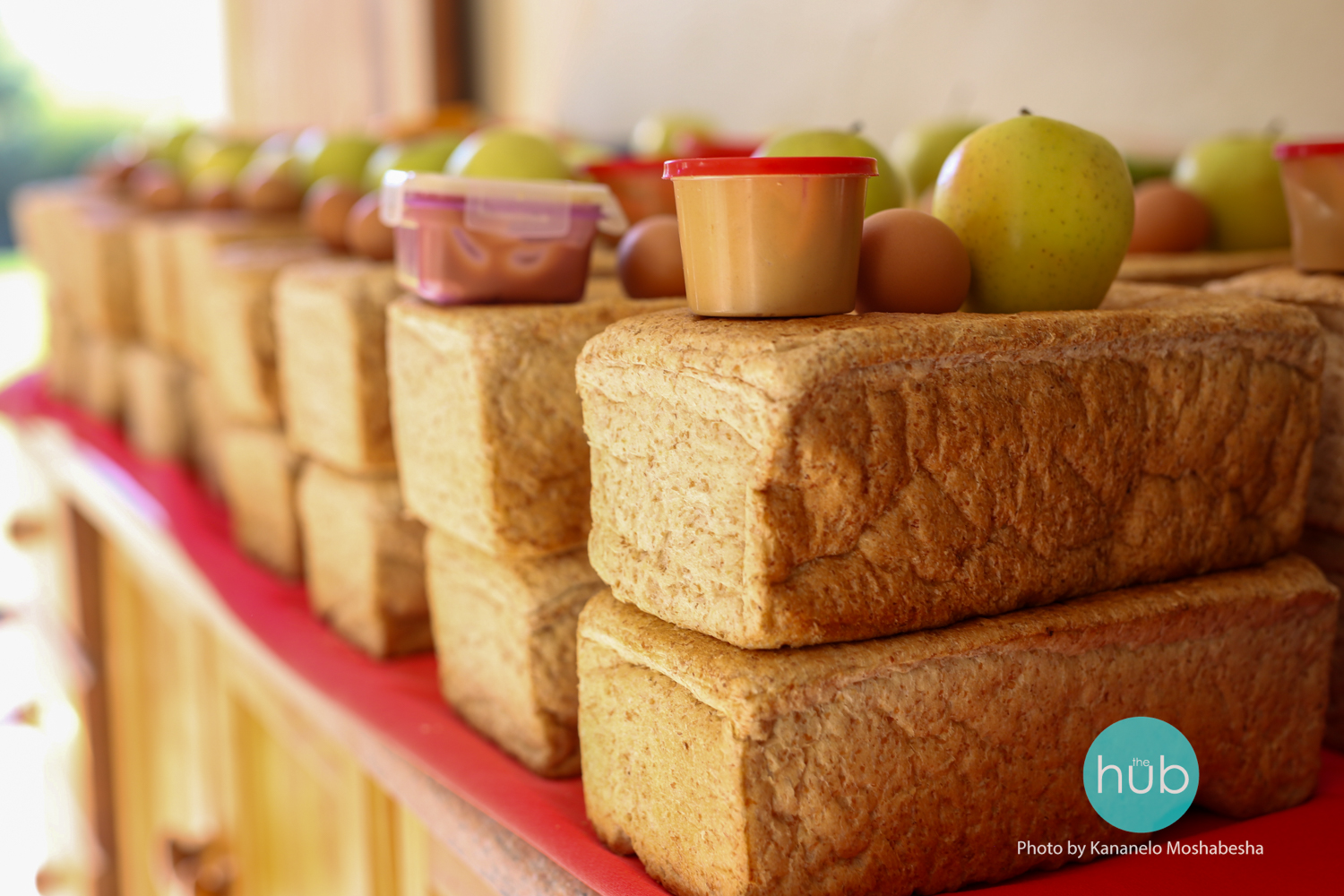
  • Daily highly nutritious take-home ration includes 2 loaves of locally baked fortified brown bread, peanut butter, boiled egg, and fruit.
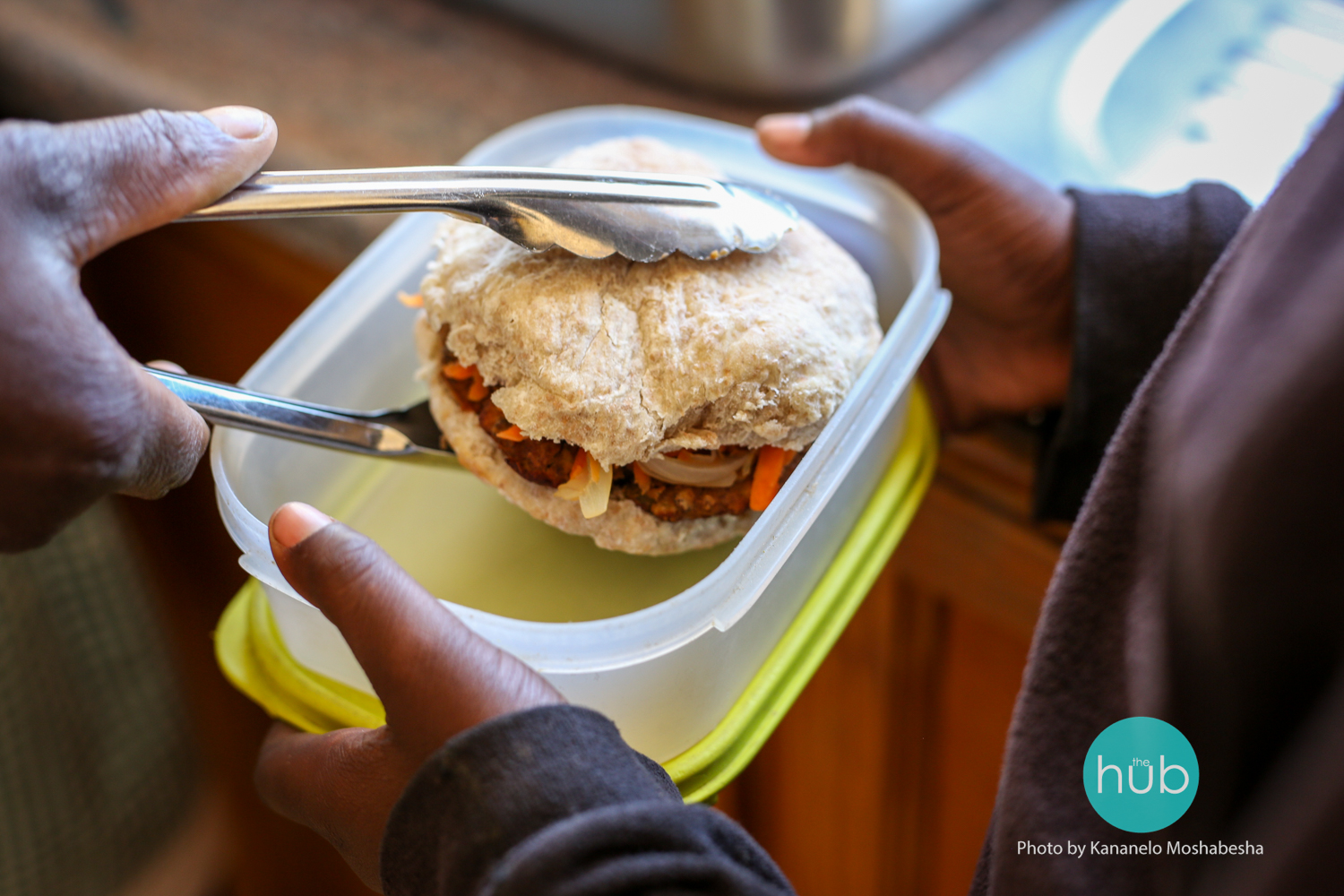
  • The Hub has eliminated single-use plastic by participants bringing their reusable containers.

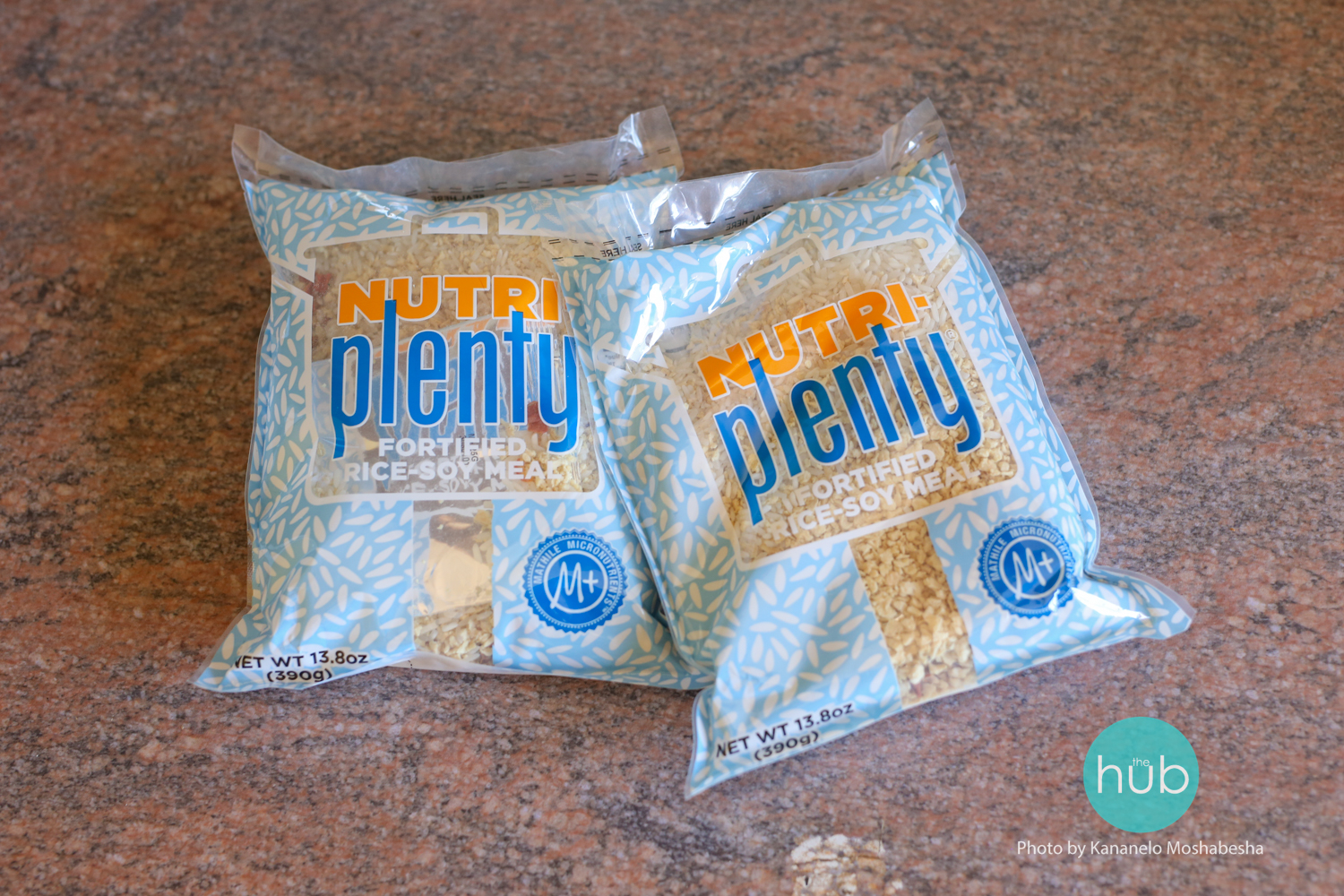
Support from the Lesotho Nutrition Initiative enables The Hub to provide highly nutritious meals for the 30 youngest and most food-vulnerable Skills & Soup participants 5 days/week:
Skills & Soup catering supports local businesses in Morija by purchasing:
  • 250 loaves of bread from a local female-owned and run bakery weekly
  • Eggs and seasonal vegetables from local farmers weekly
Skills & Soup Outreach in Q2:
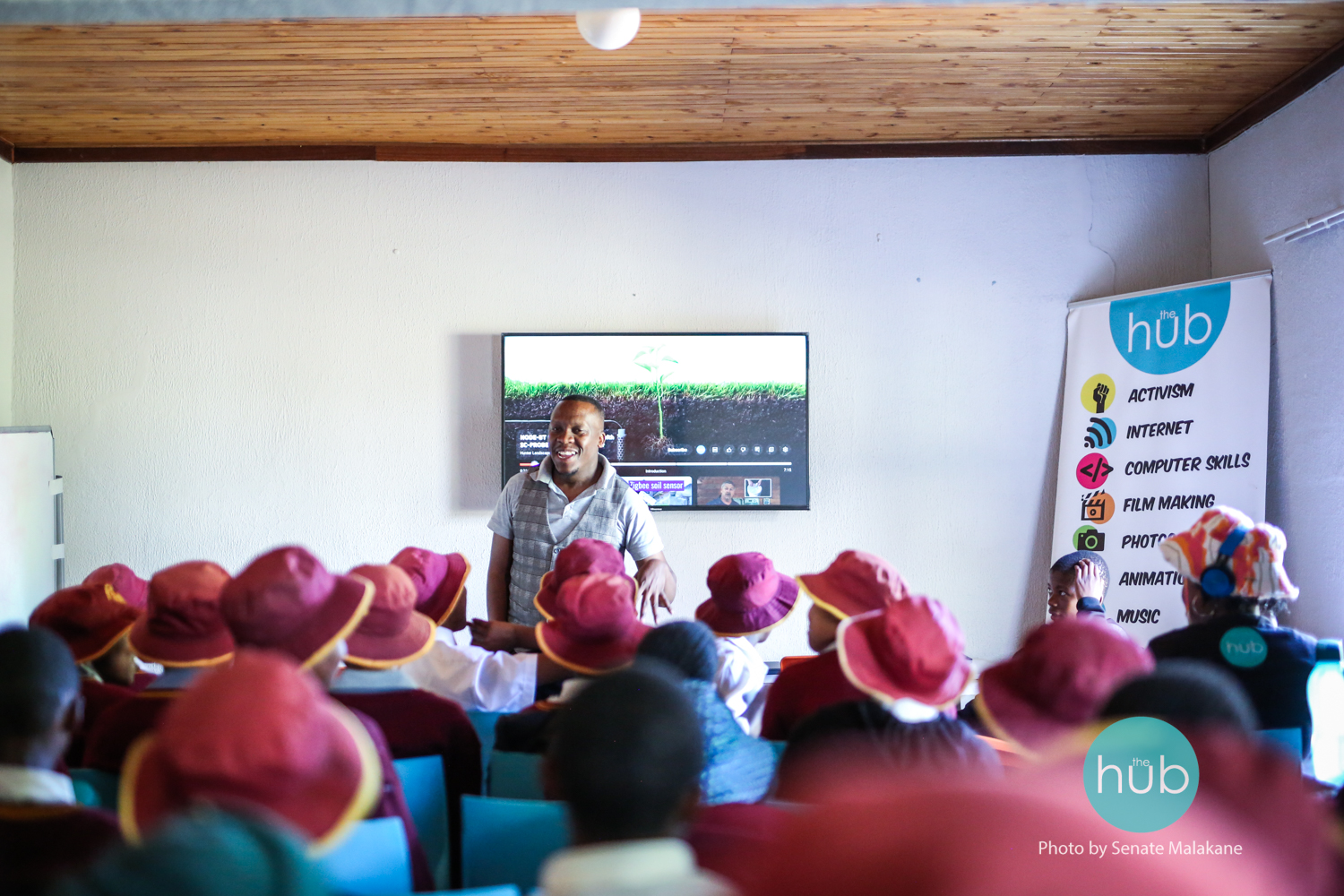
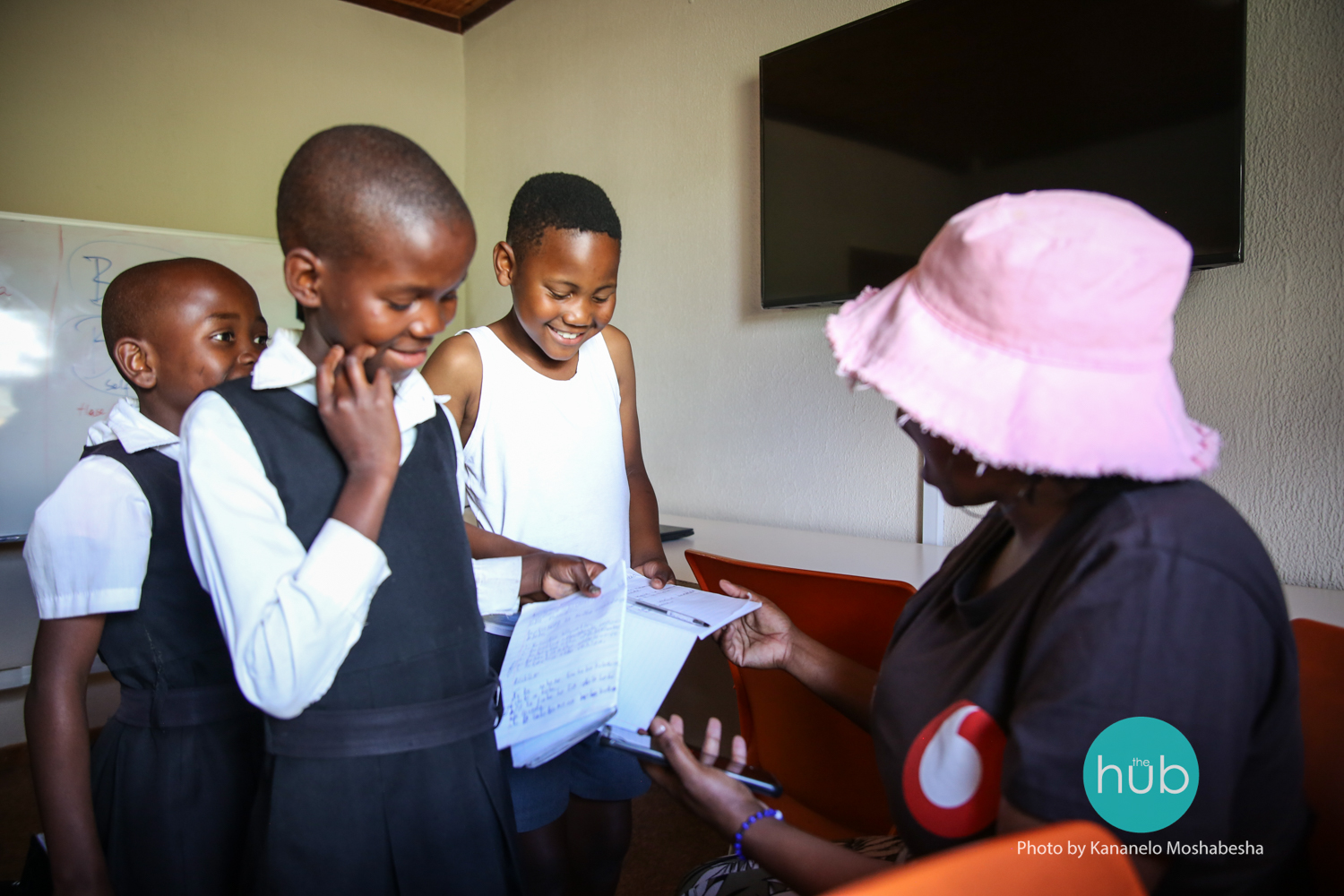
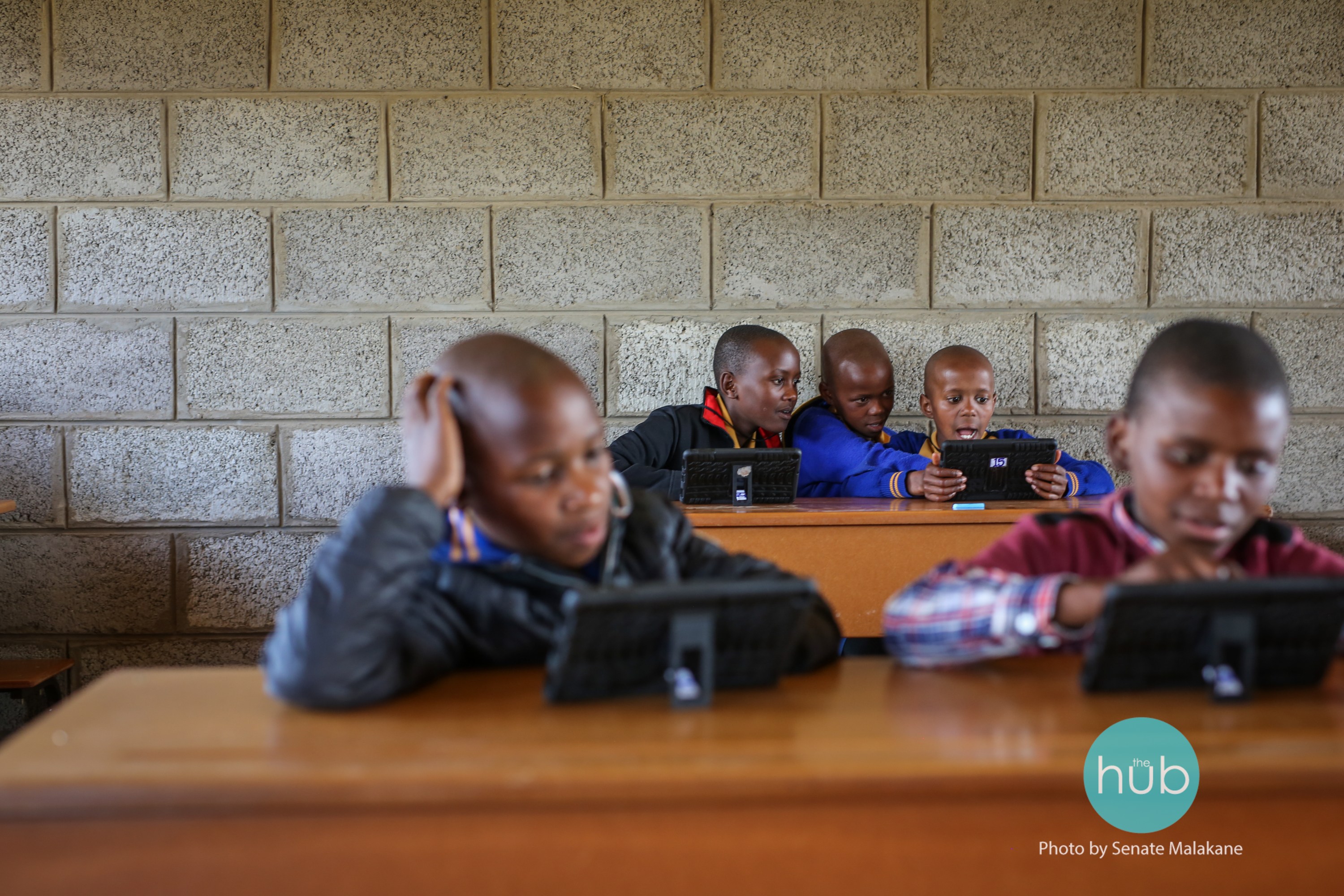
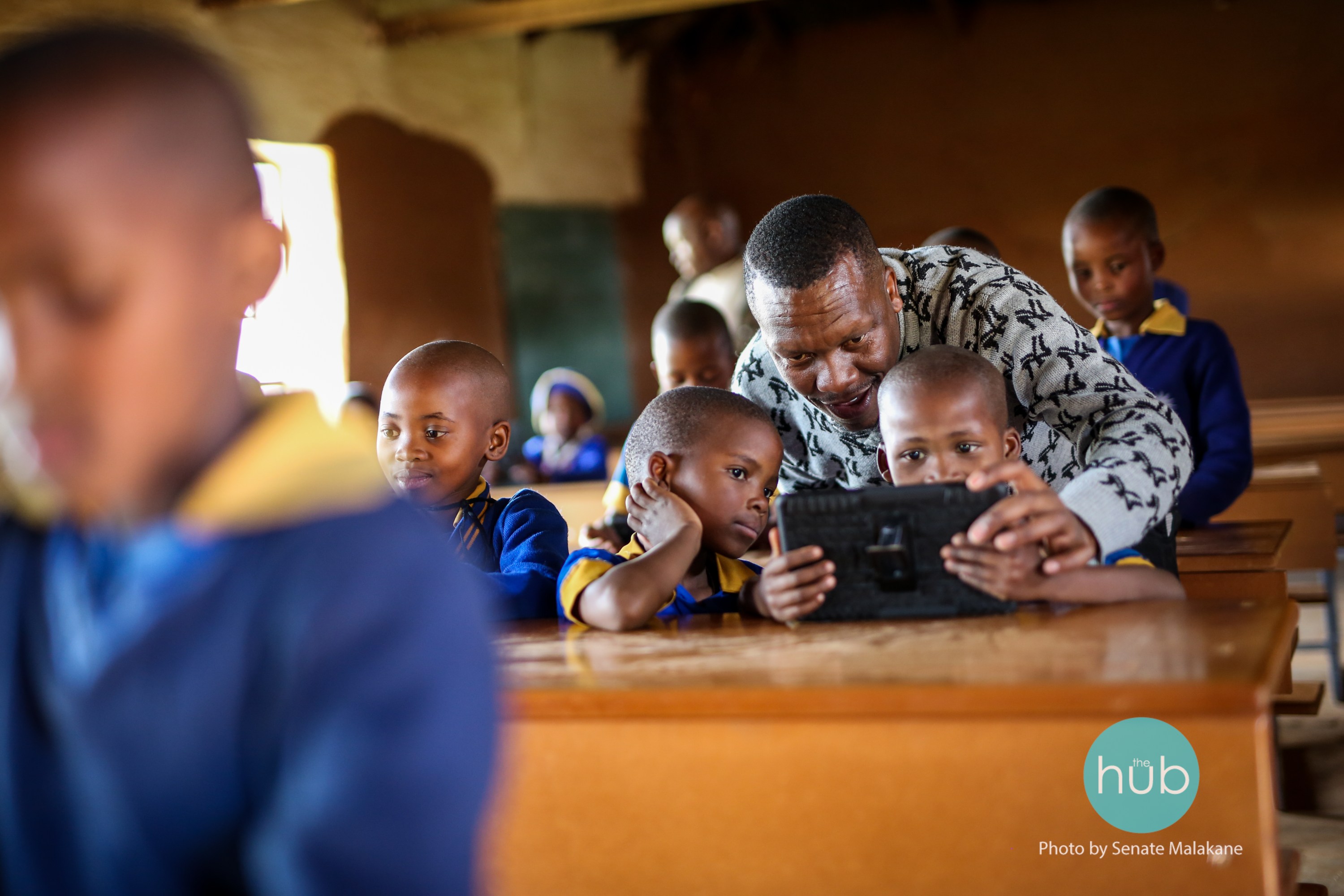
  • 5 sessions delivered at Thuto Ke Leseli High School and Theressa James Primary School – monthly outreach to rural, digitally excluded schools providing an introduction to coding using tablets and Scratch, as well as mental well-being lessons.
Hub Talks at Skills & Soup in Q2:
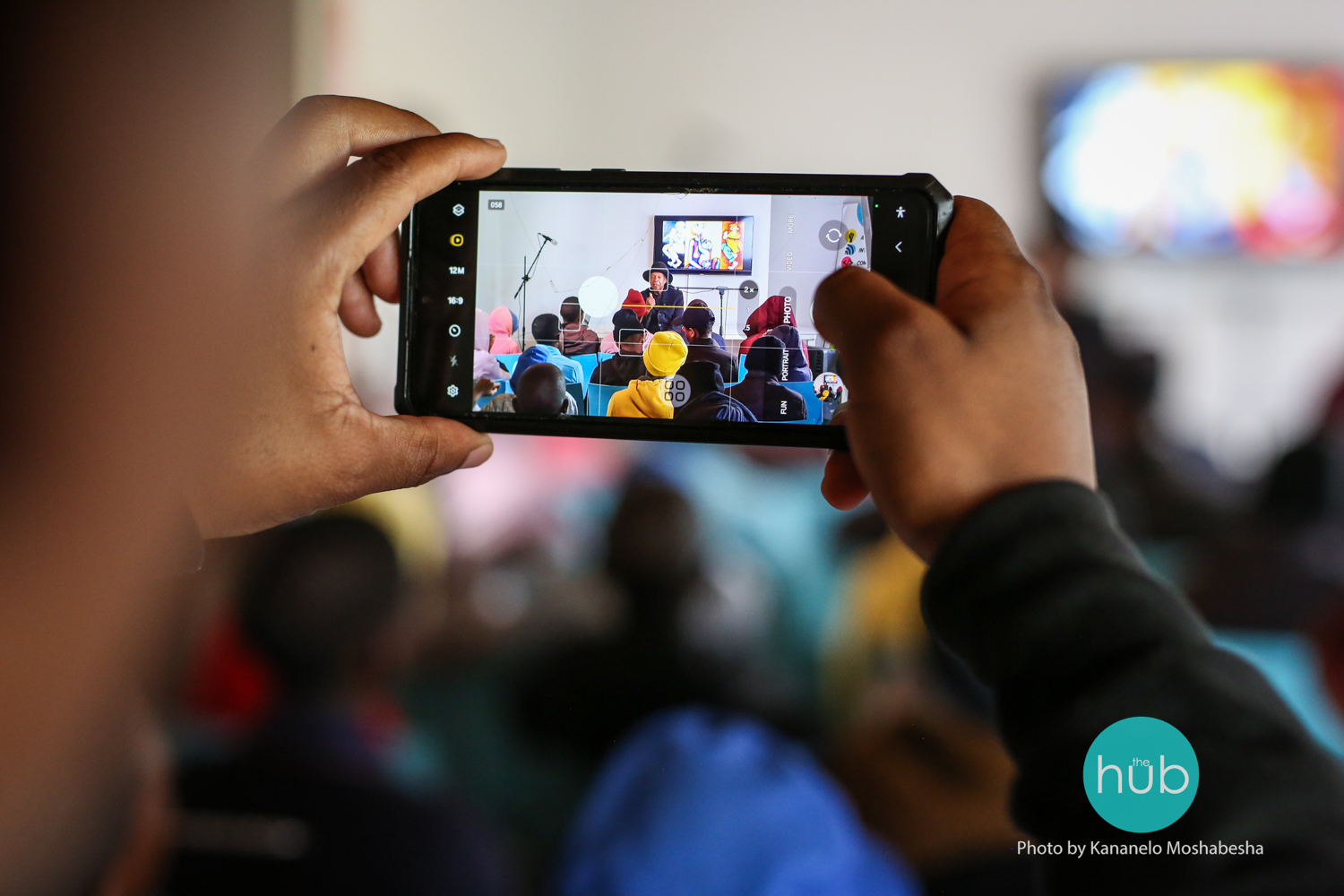
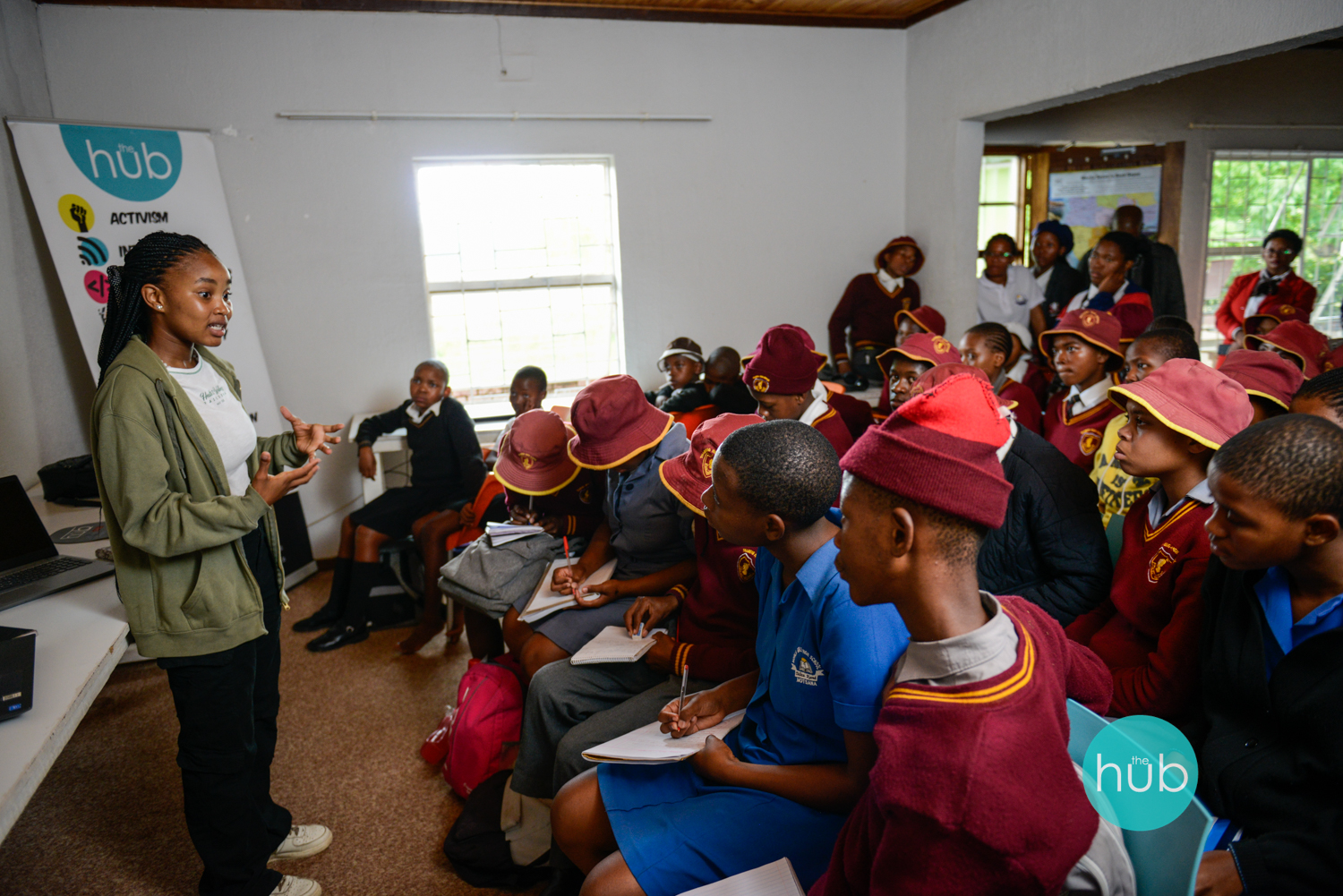
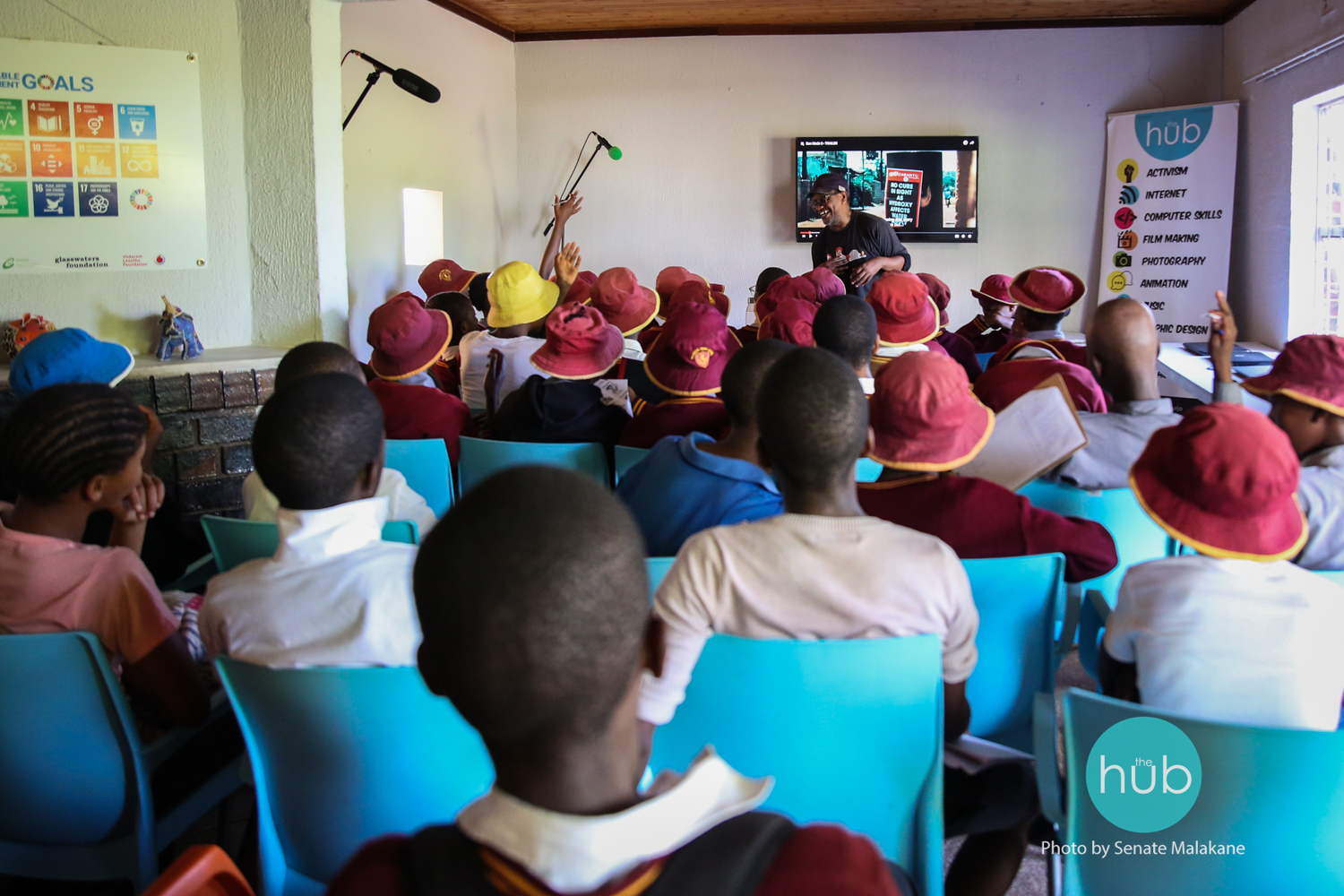
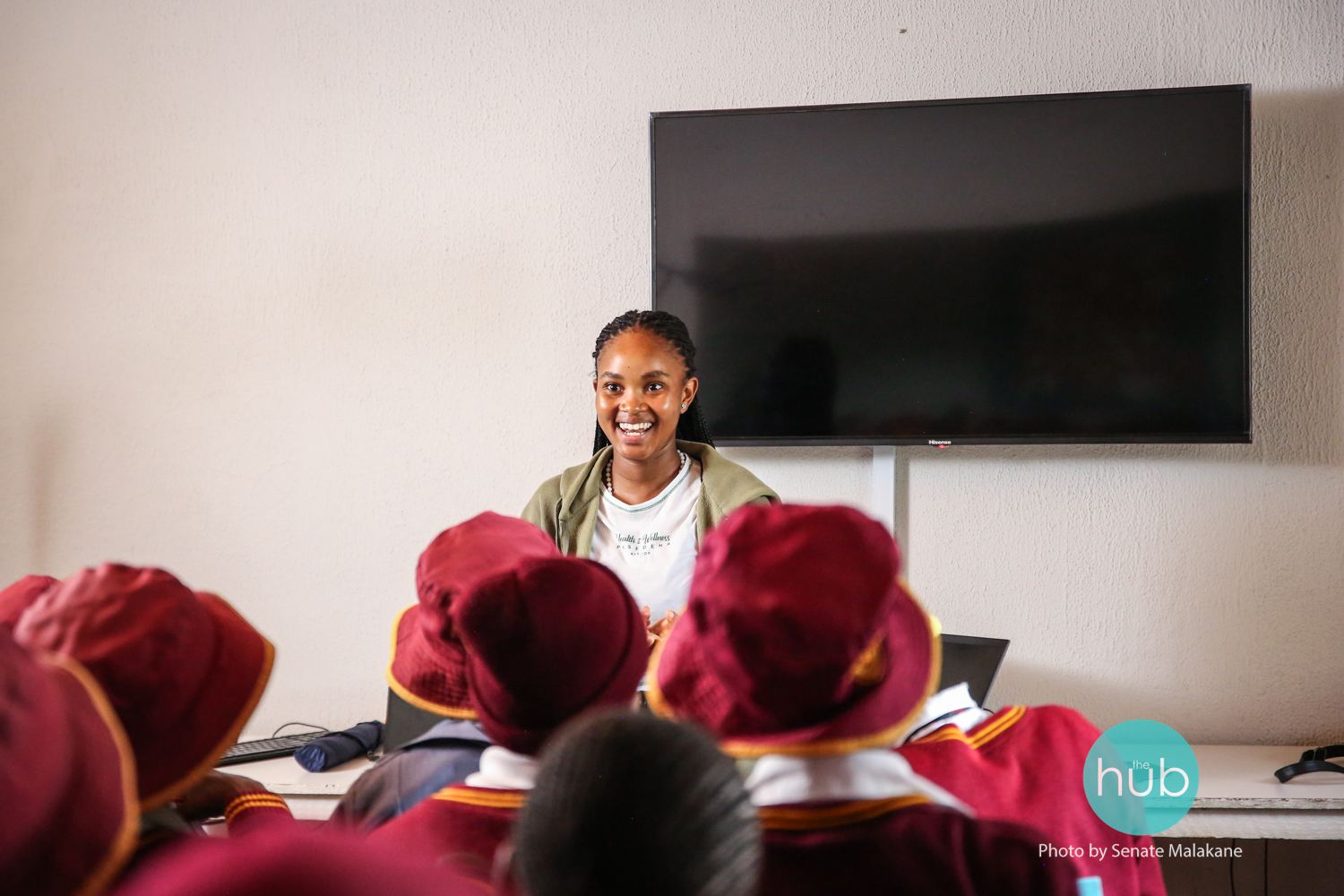
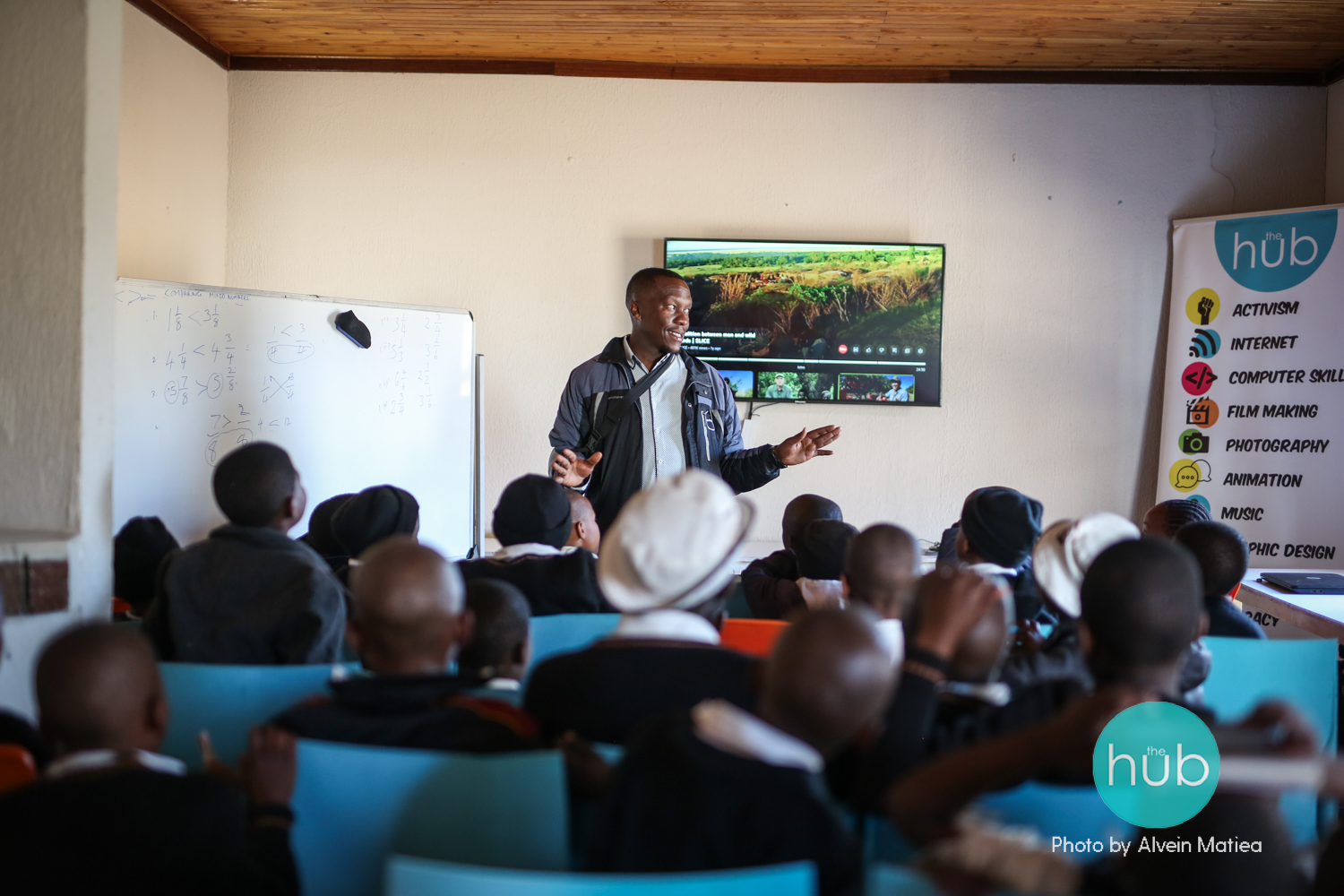
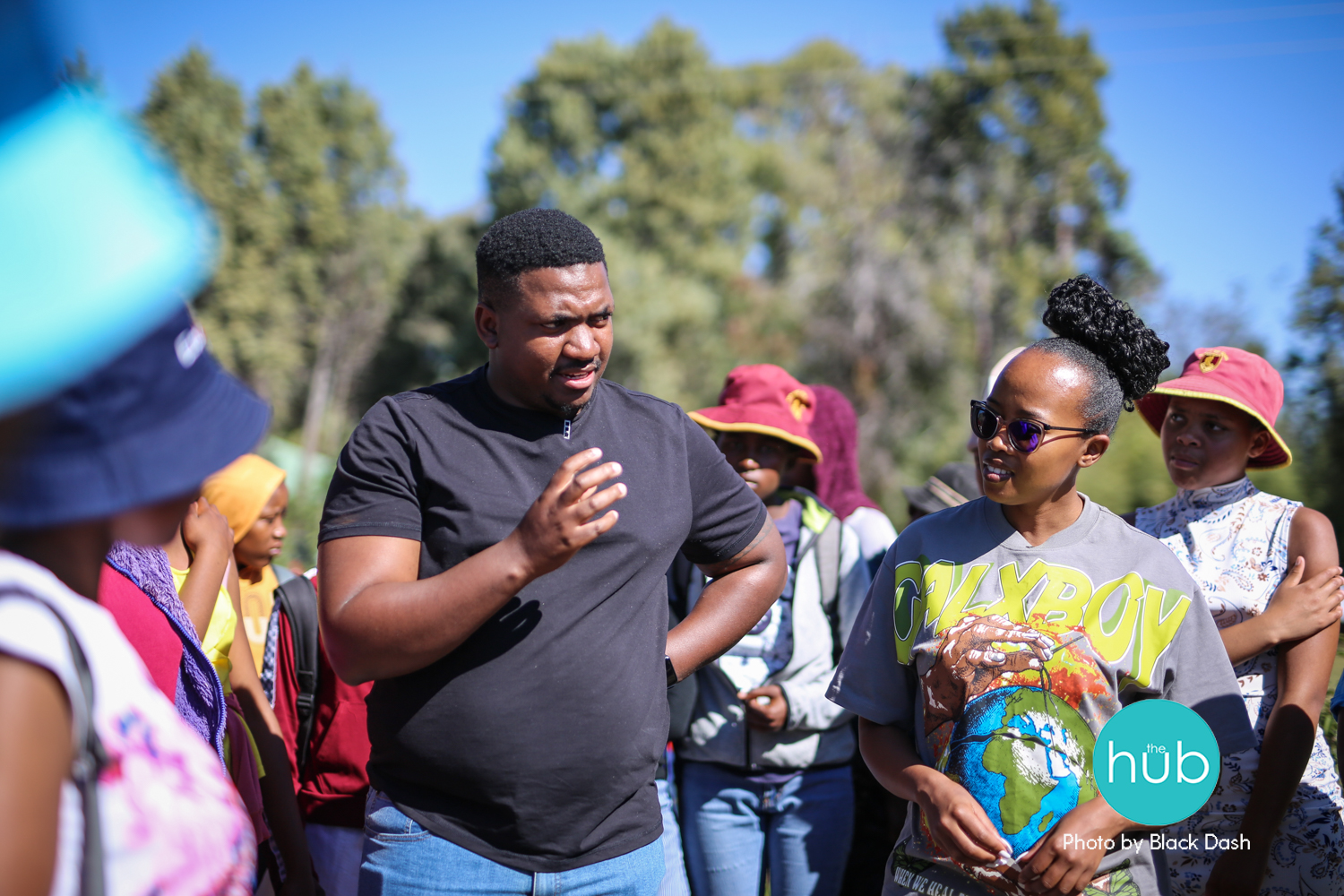
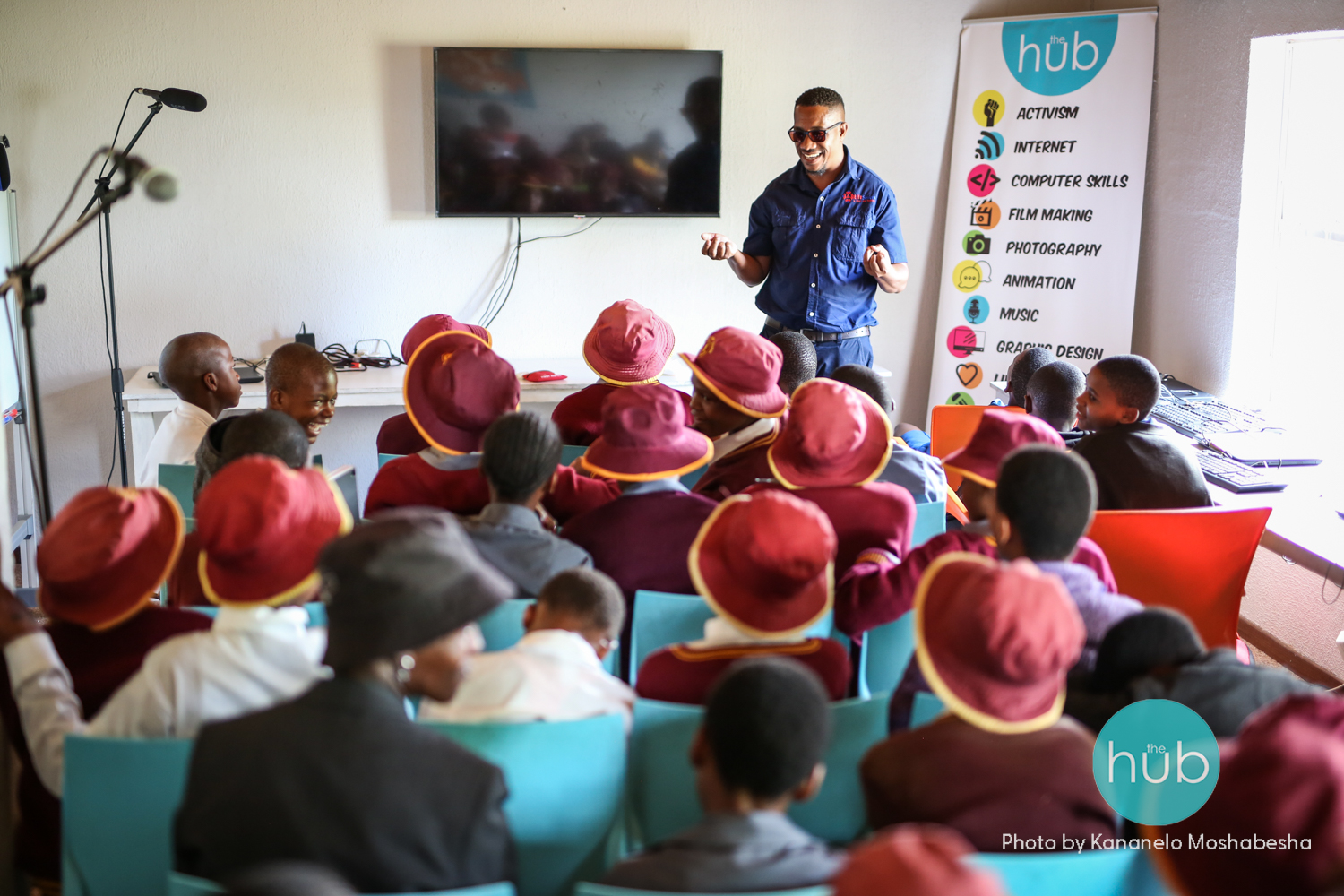
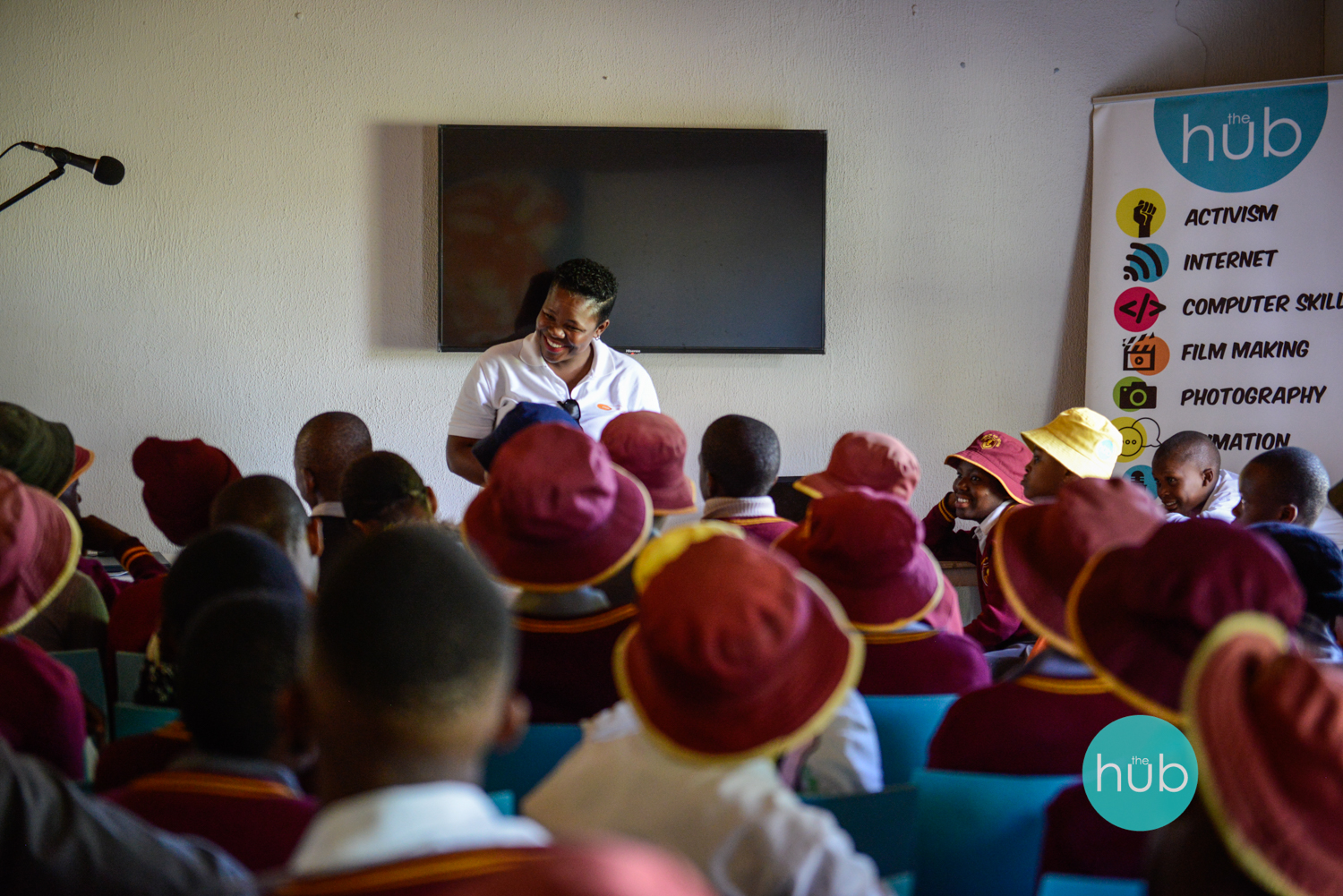
  • 4 Hub Talks – monthly motivational talks by visiting entrepreneurs, artists, students, professionals and activists.
The Hub’s garden:
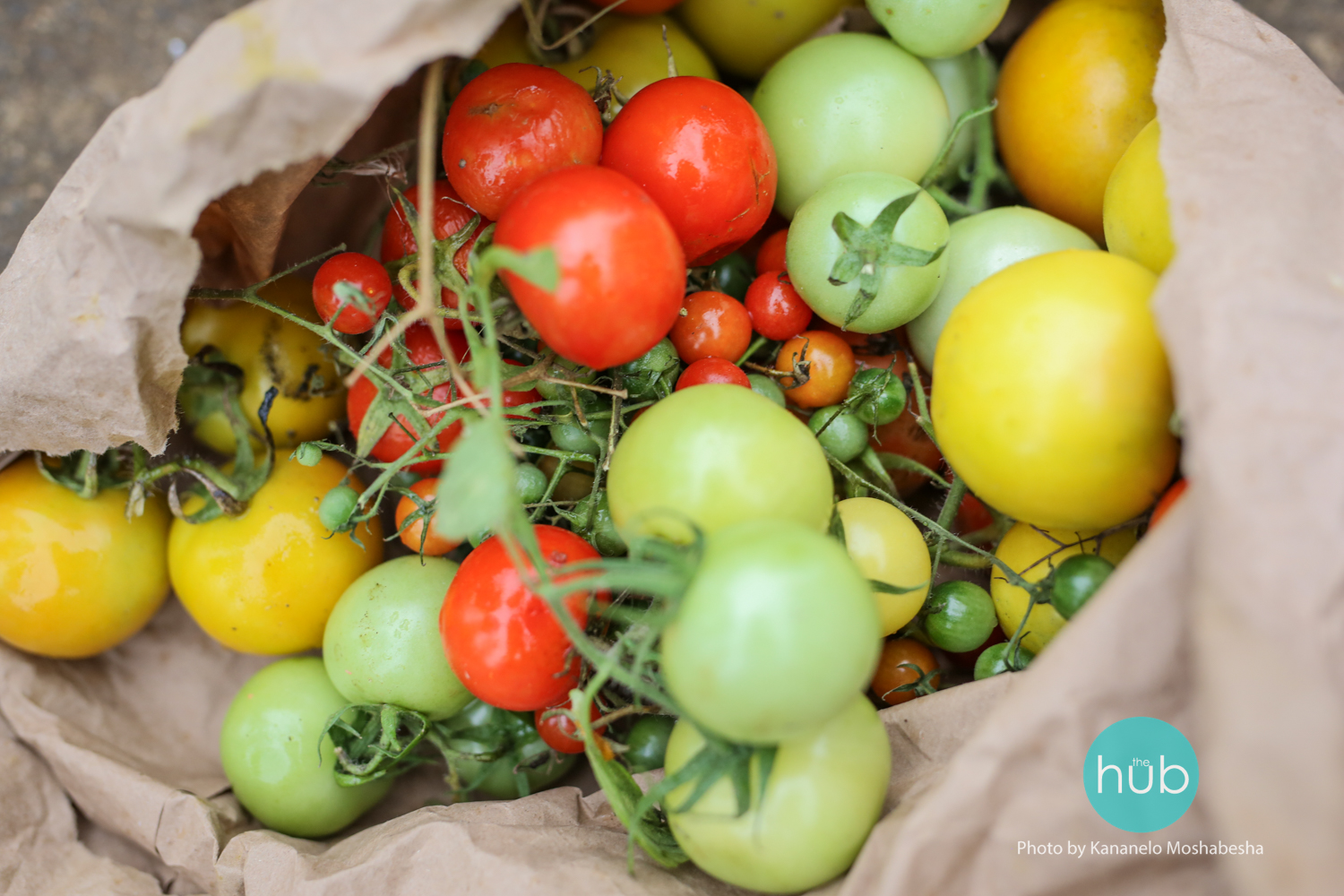
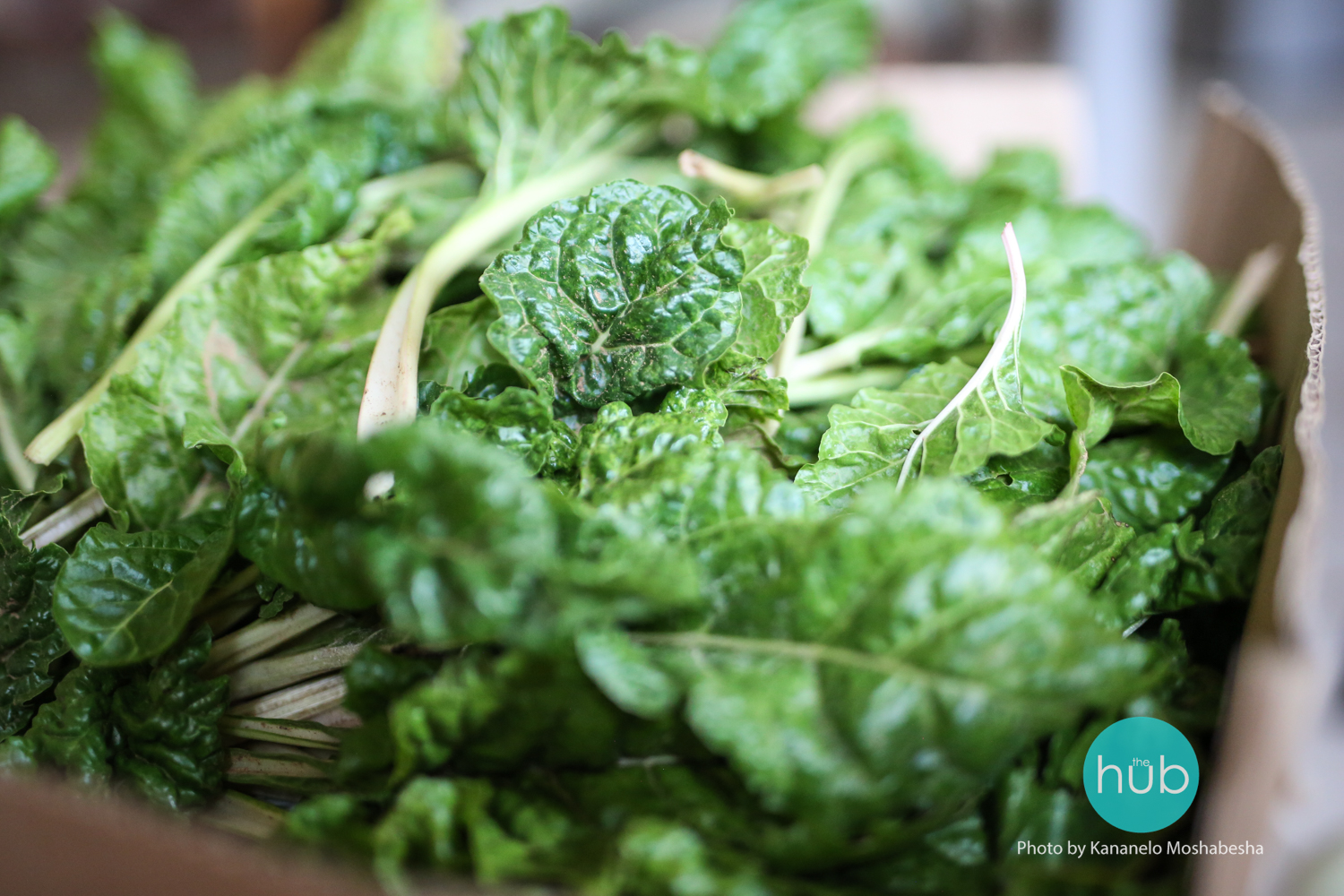
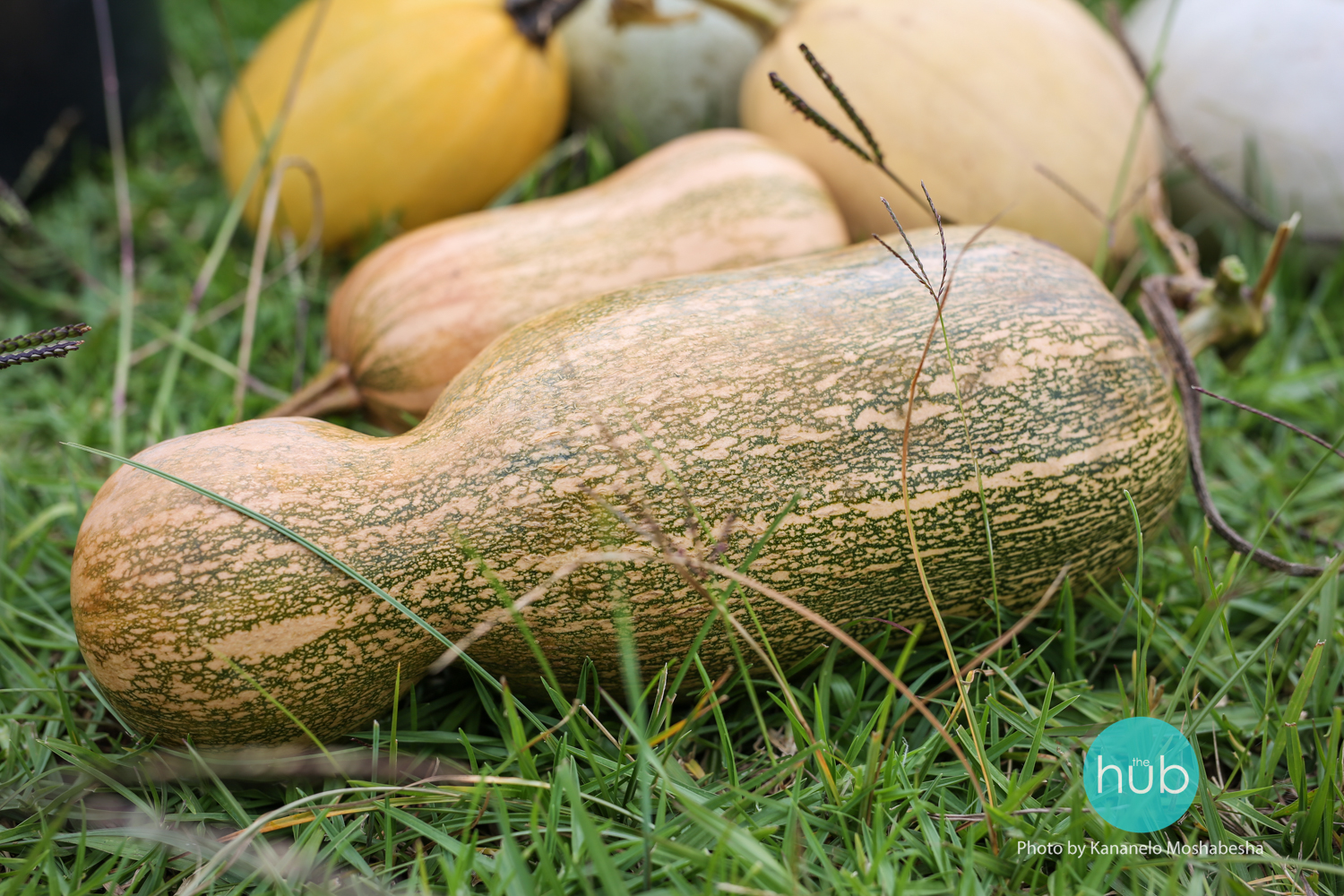
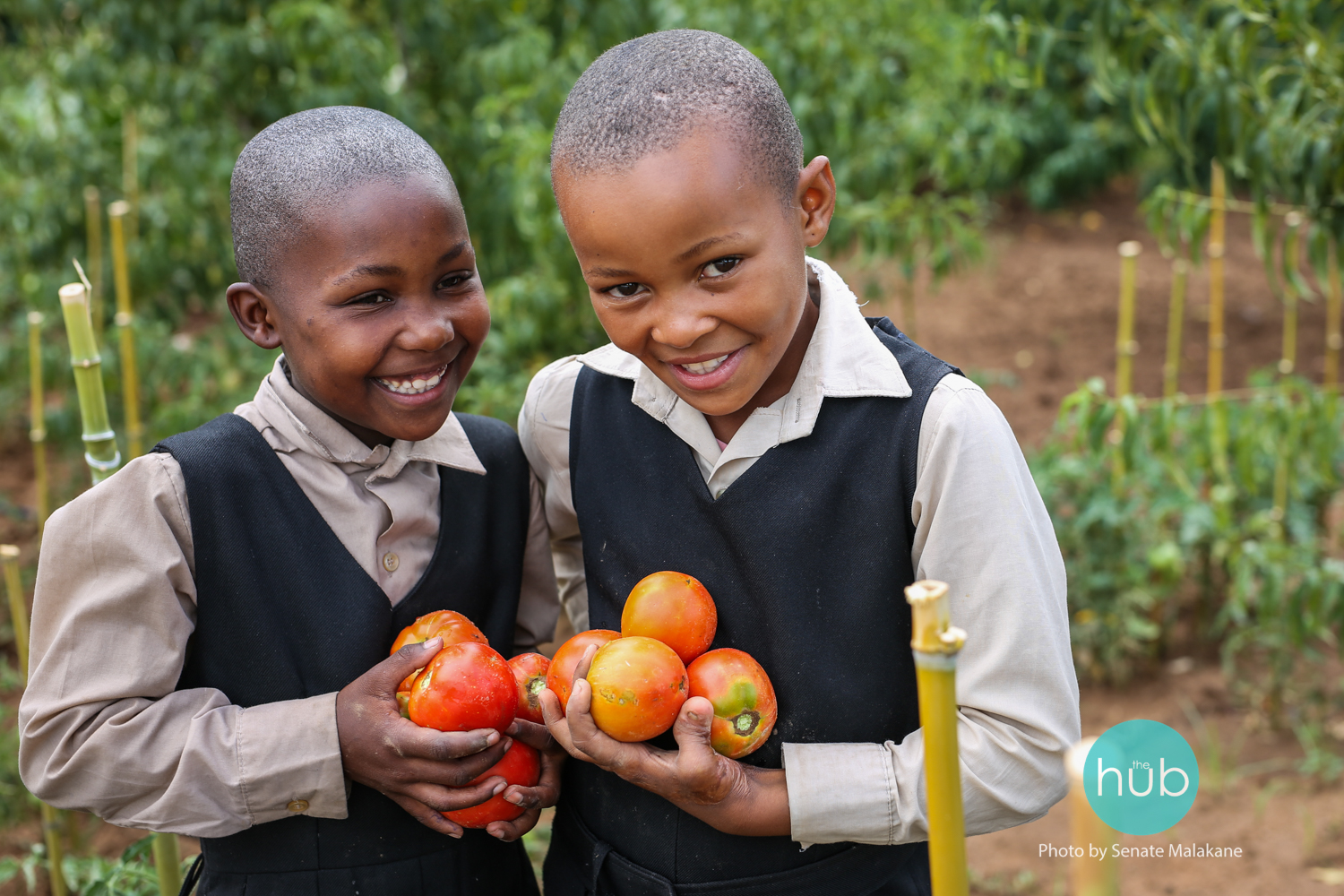
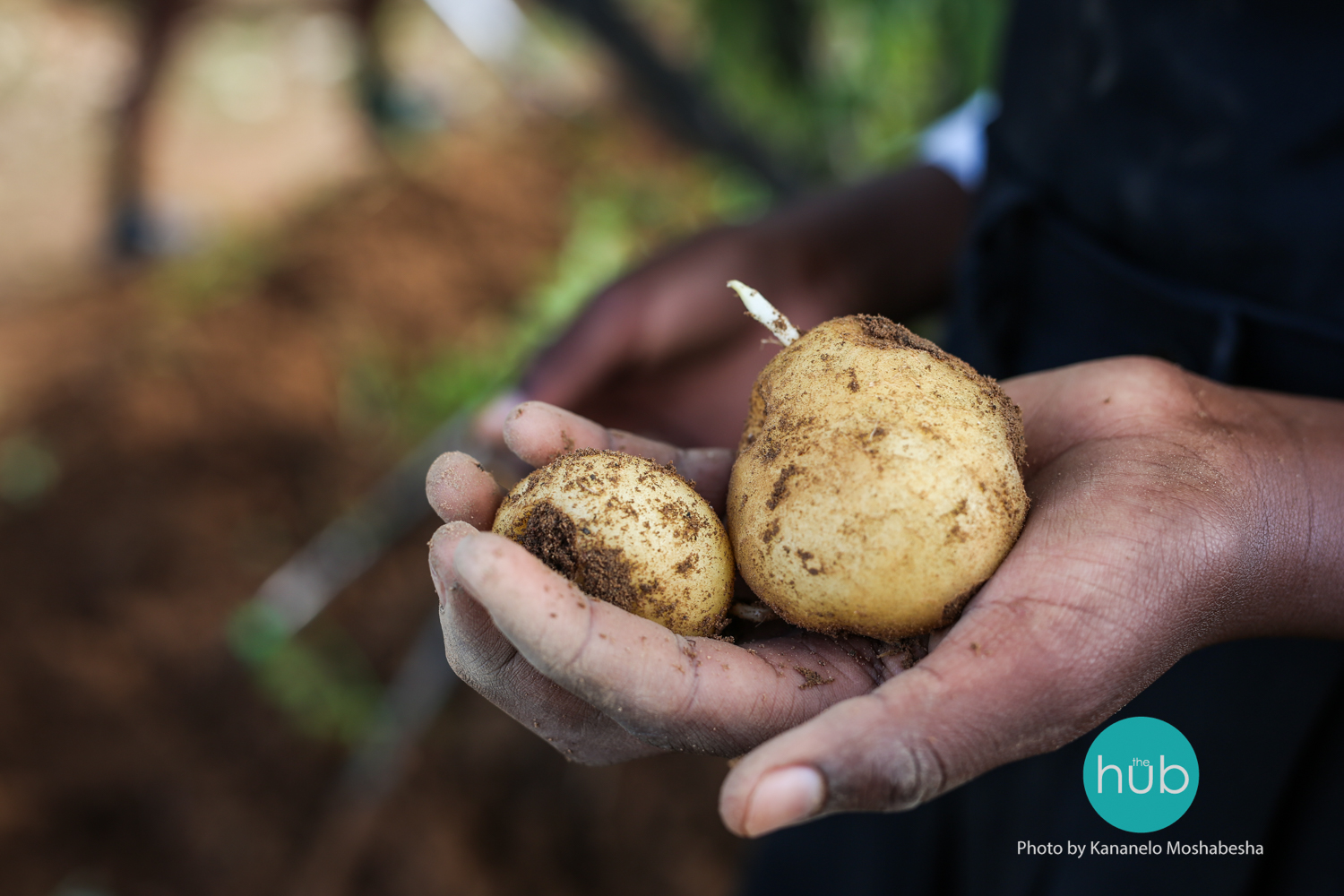
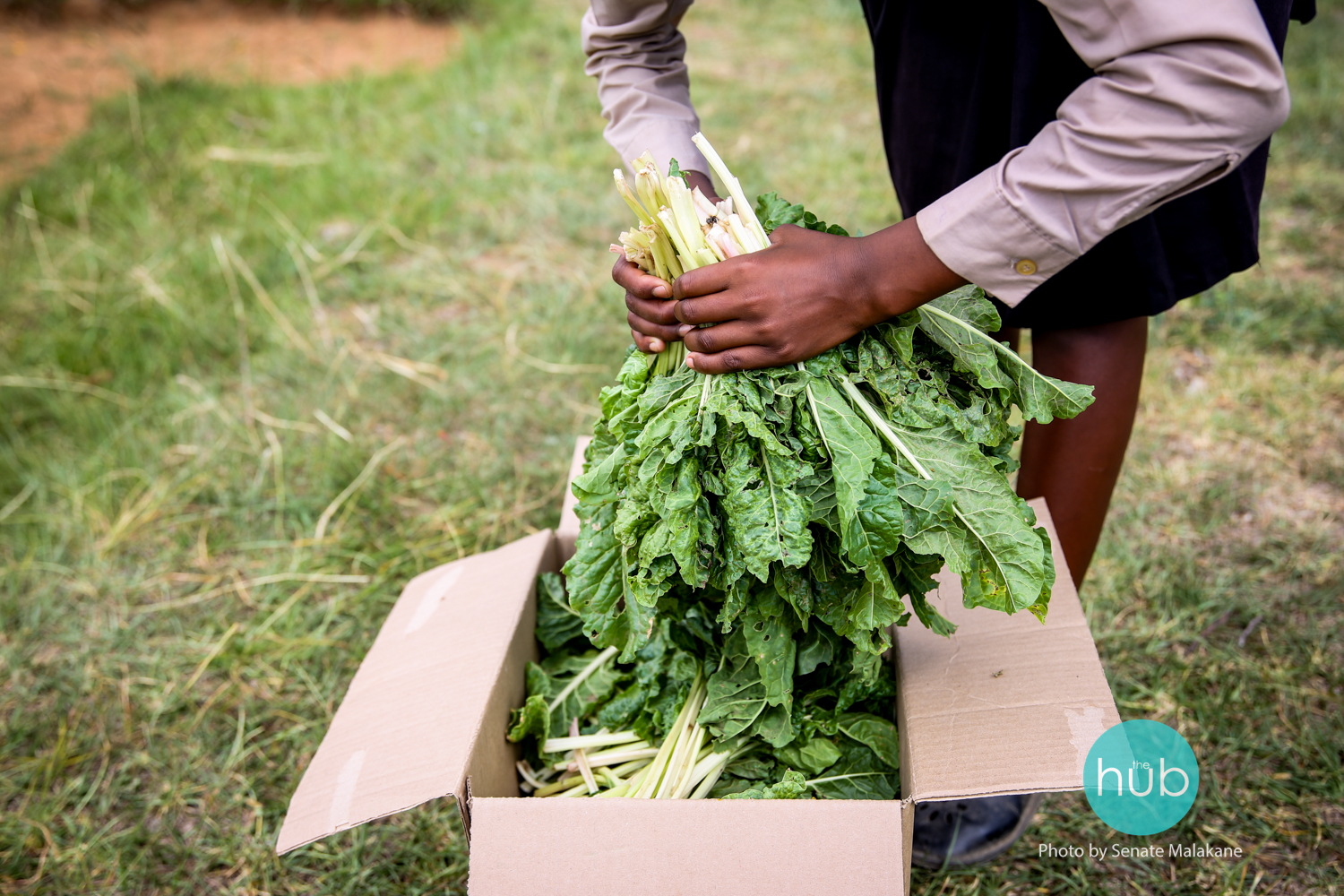
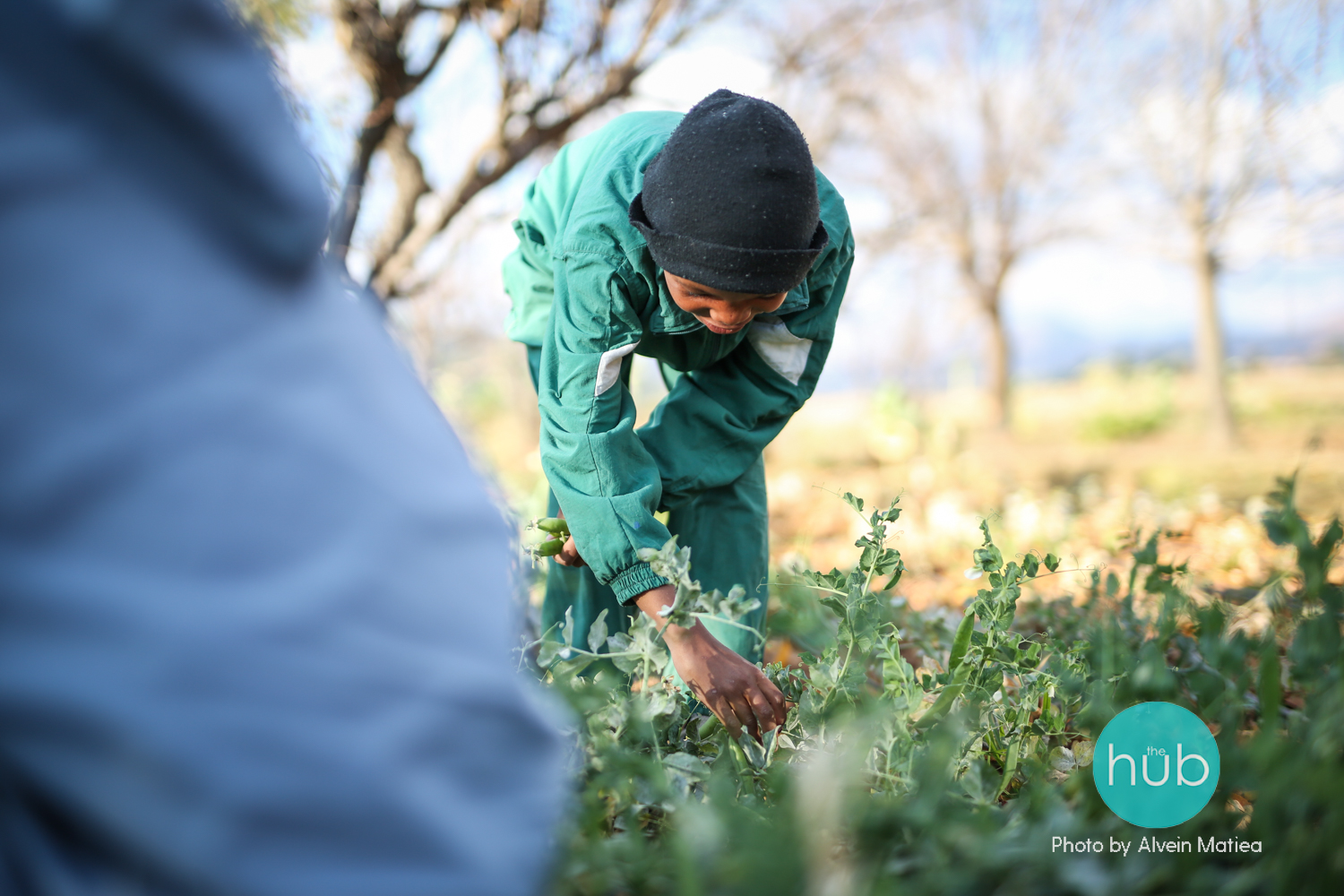
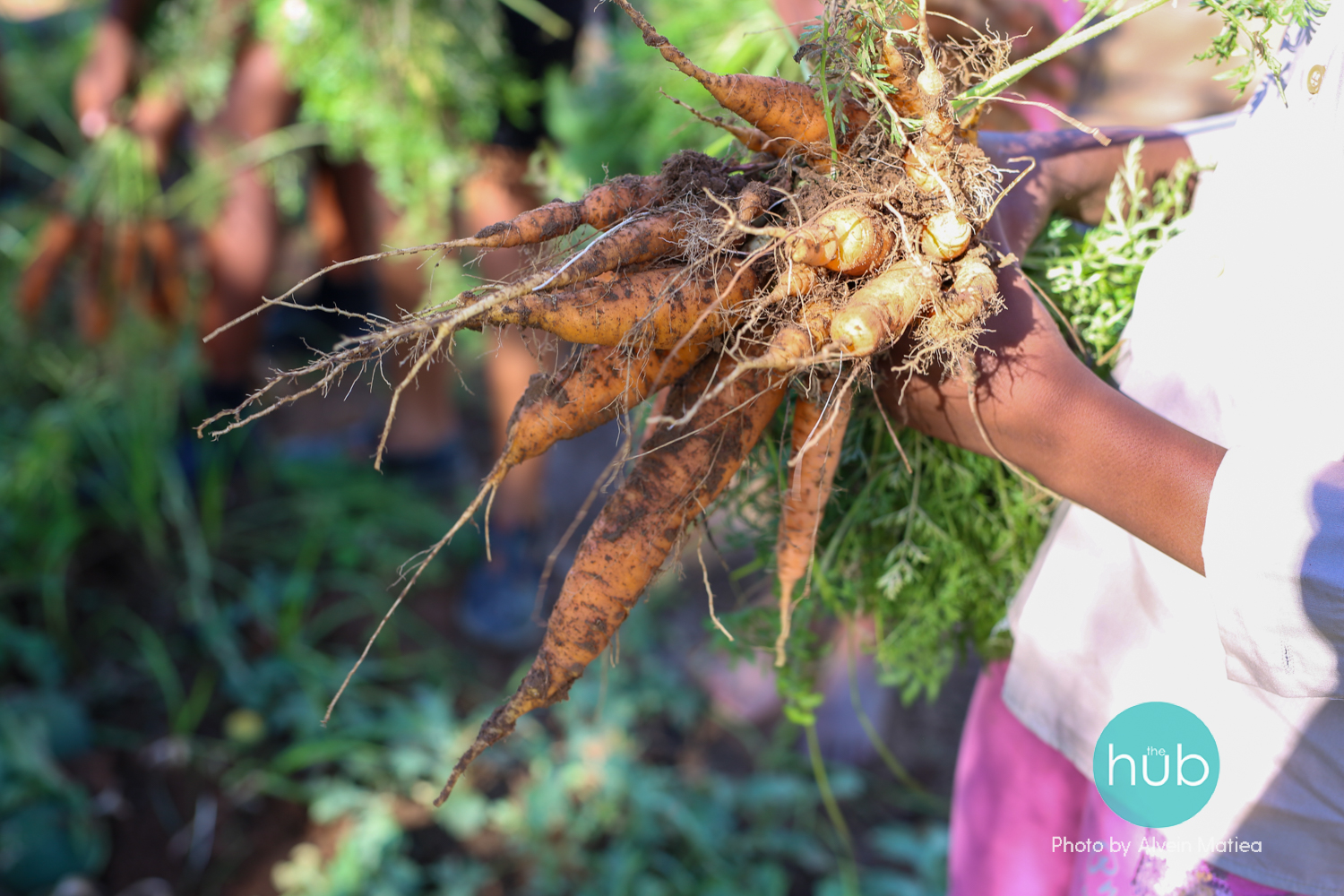
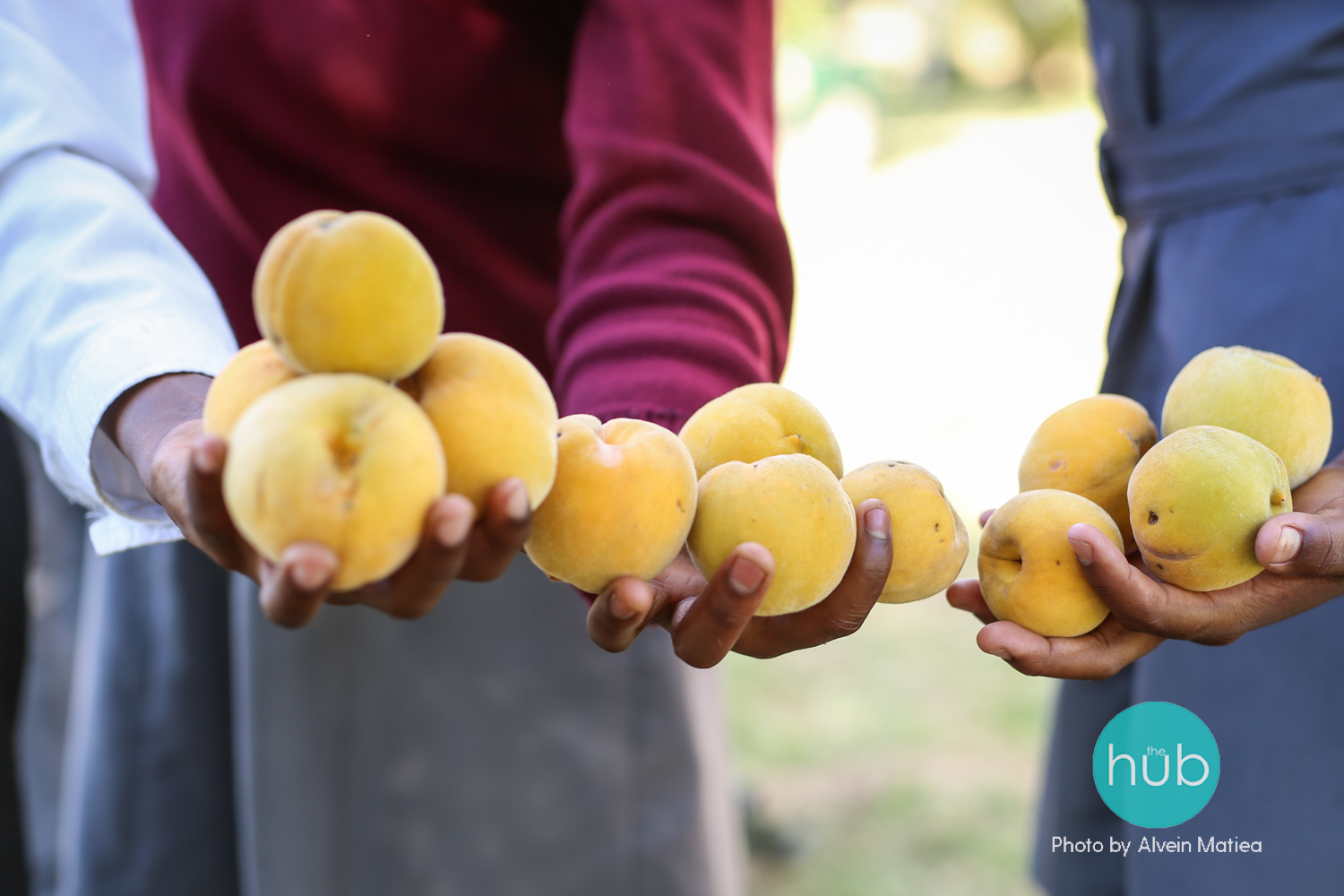
  • Aims to increase food security with fruit and vegetables for Skills & Soup participants to take home
  • Promotes organic and sustainable farming practices and adaptation to climate change
Sign Language at Skills & Soup in Q2:
Peer Tutoring Saturdays in Q2:

Weekly Peer Tutoring Saturdays continued April – June, with Skills & Soup top achievers across a range of subjects tutoring their classmates, helping to lift others up and dedicated to each other’s success!

Additional activities at Skills & Soup in Q2:
Bursary support for students:

Click below to support the Given Gain crowdfunding campaign:

Skills & Soup is looking for partnerships, contact us!

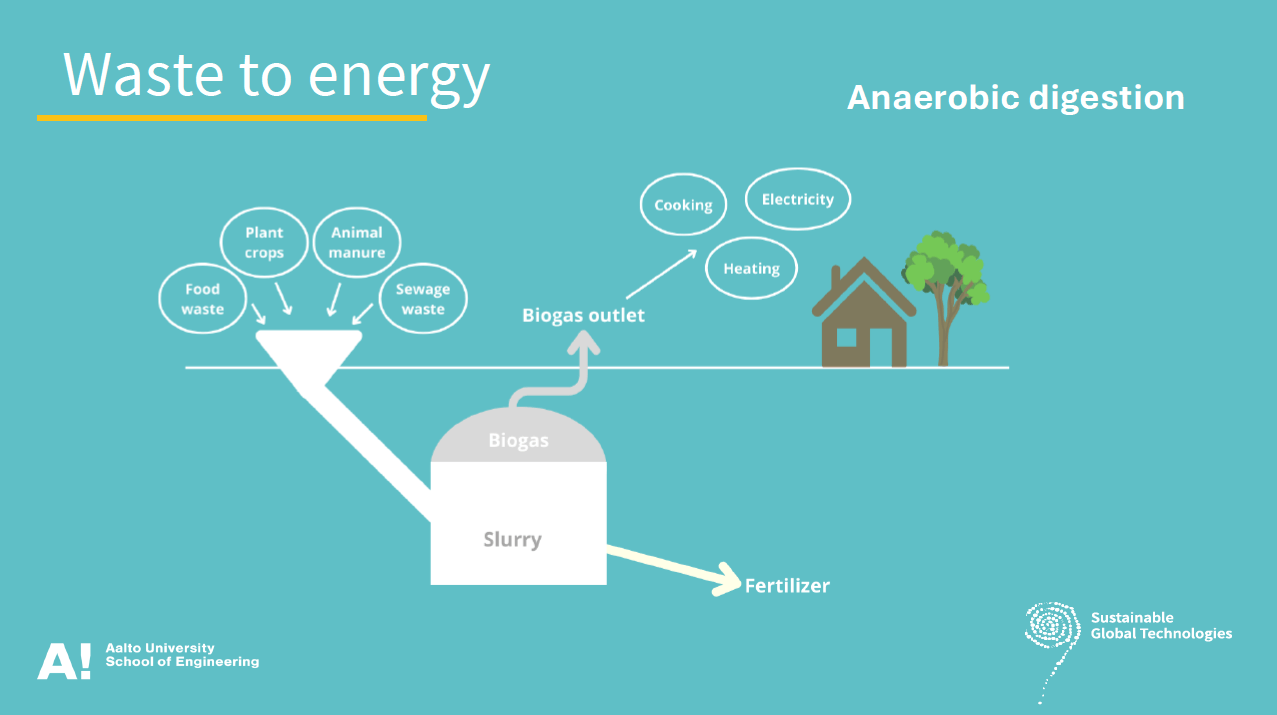
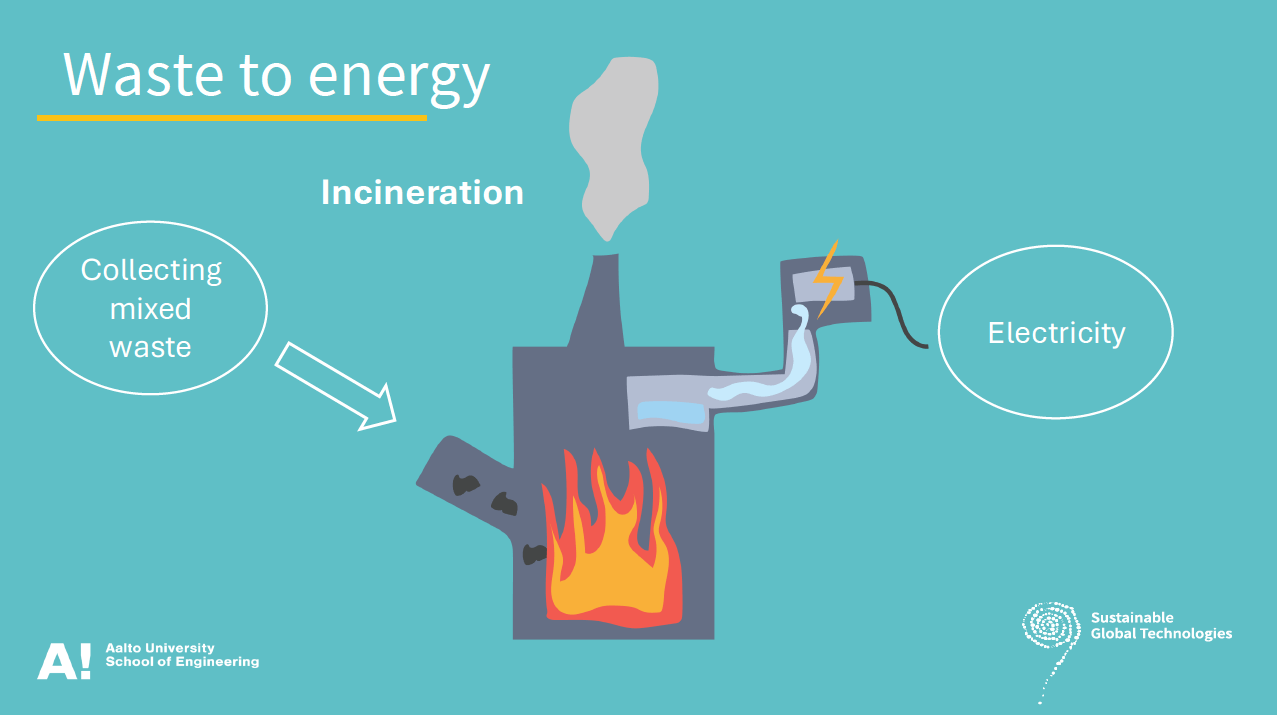
Waste-to-Energy Technologies Workshop

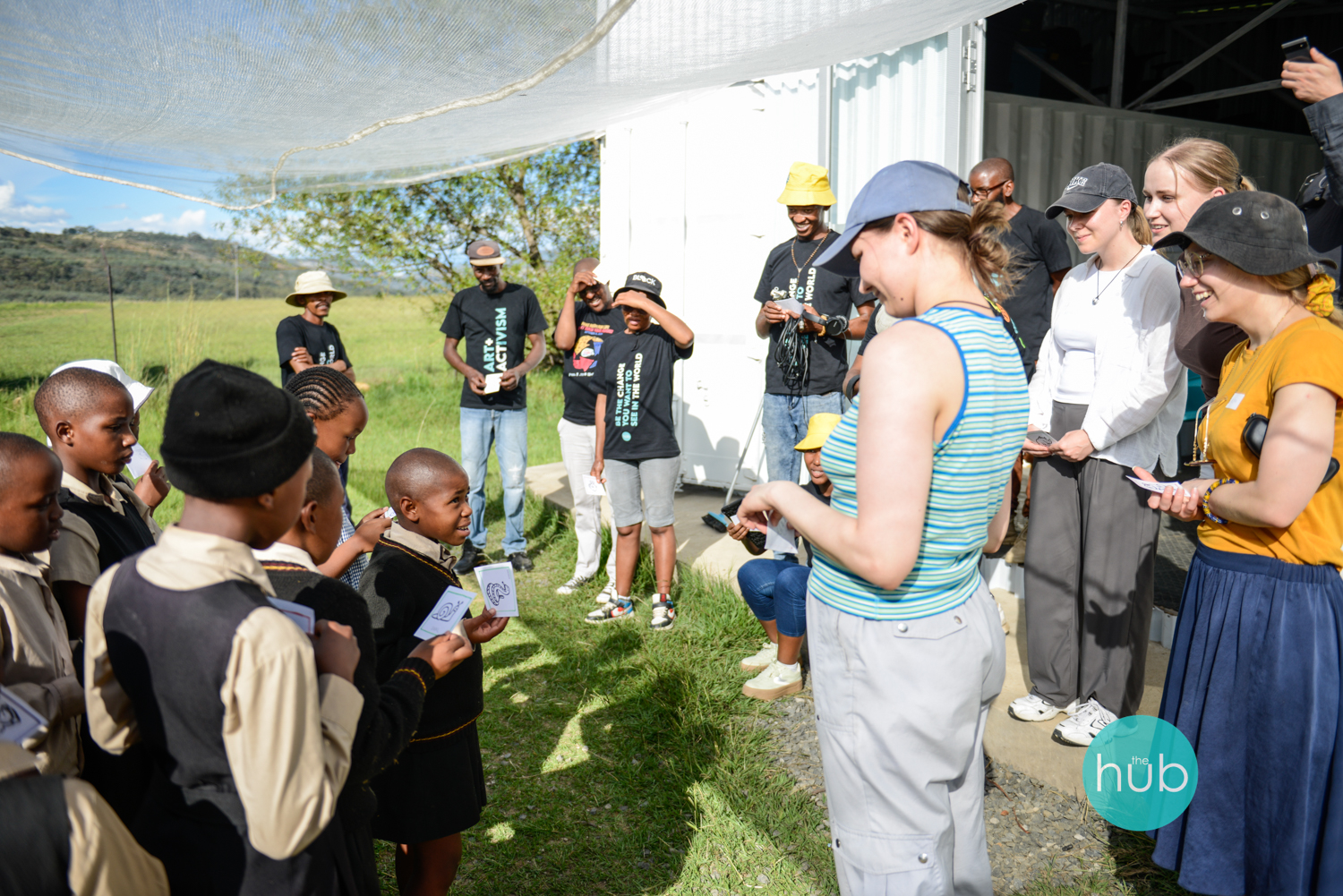
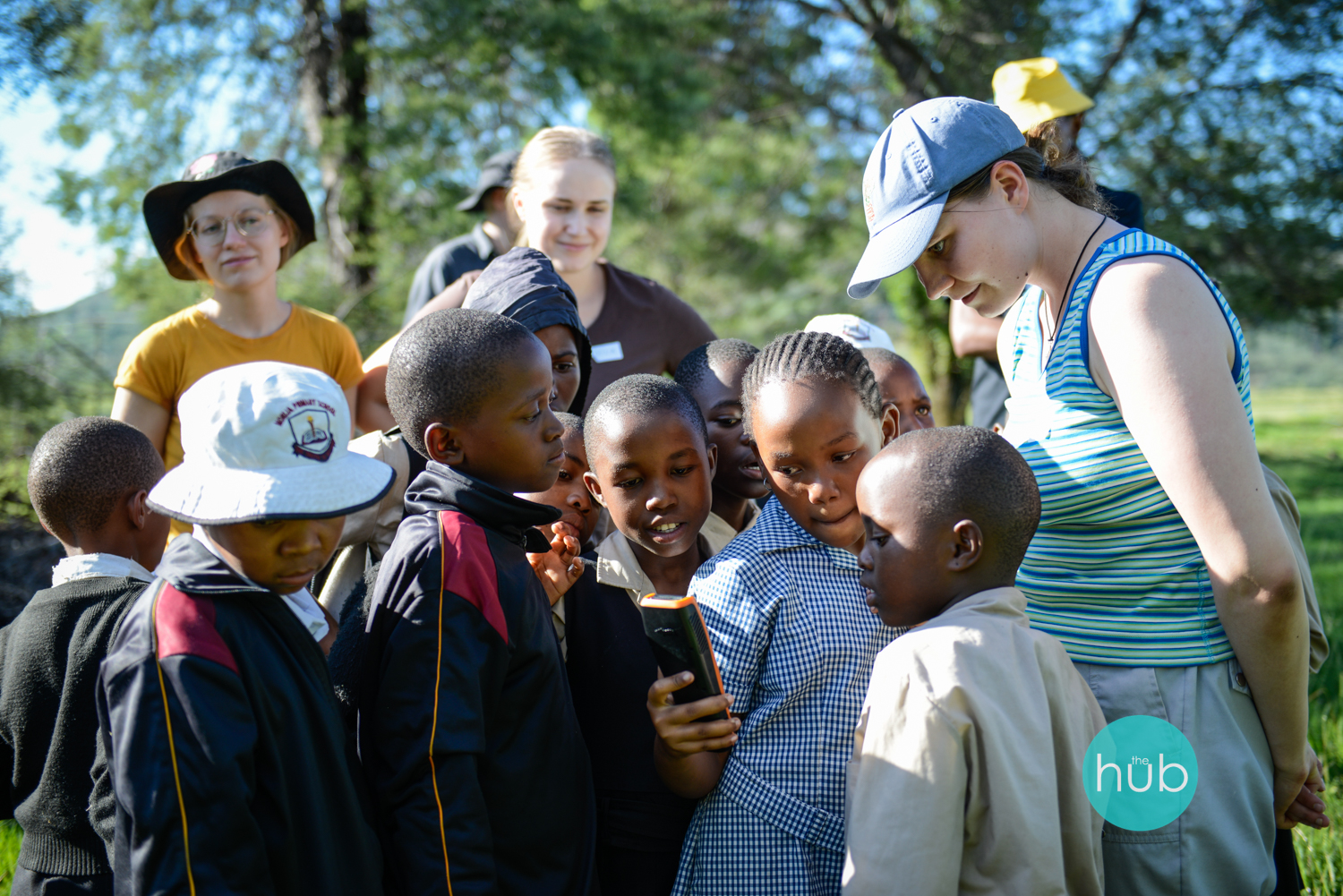
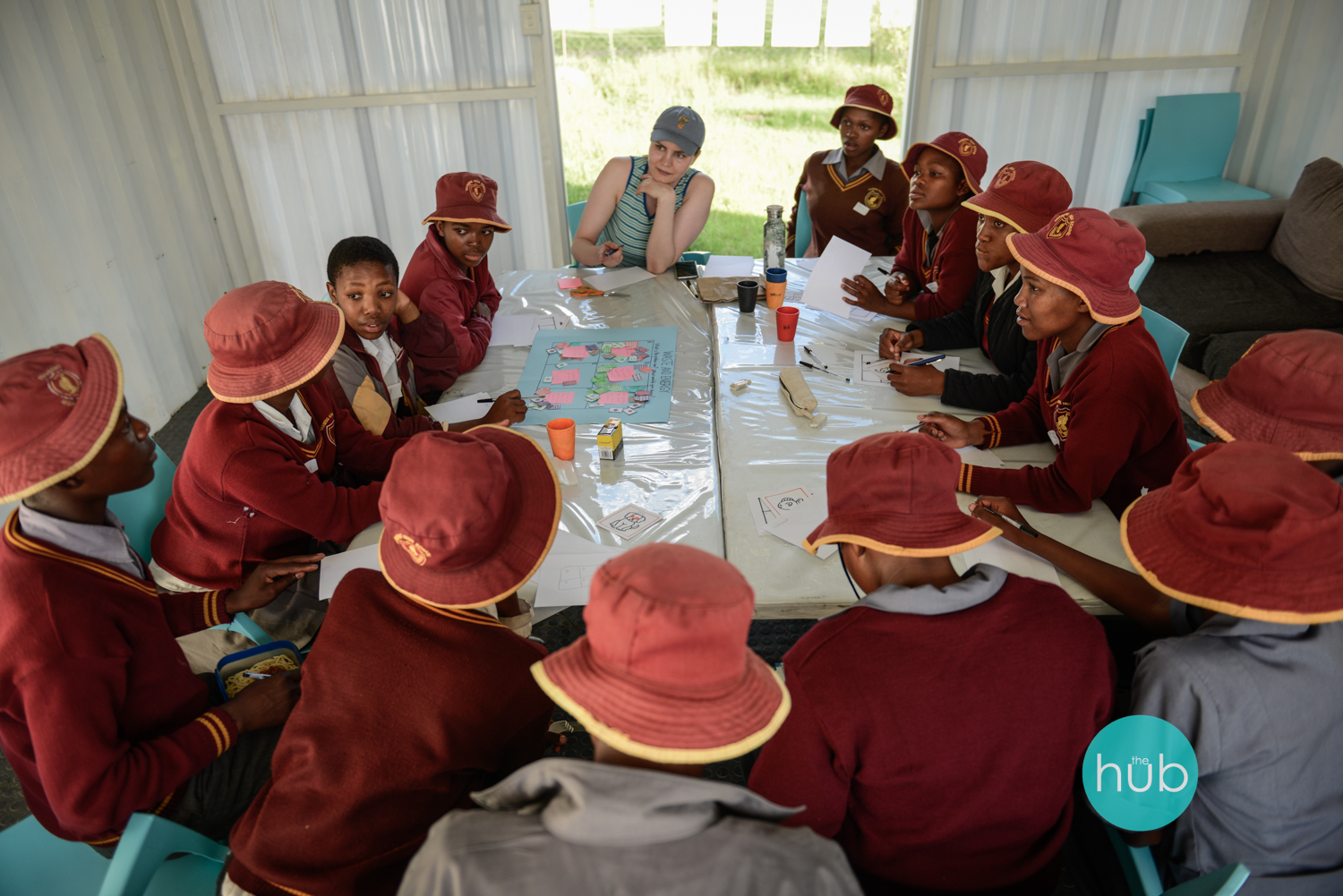
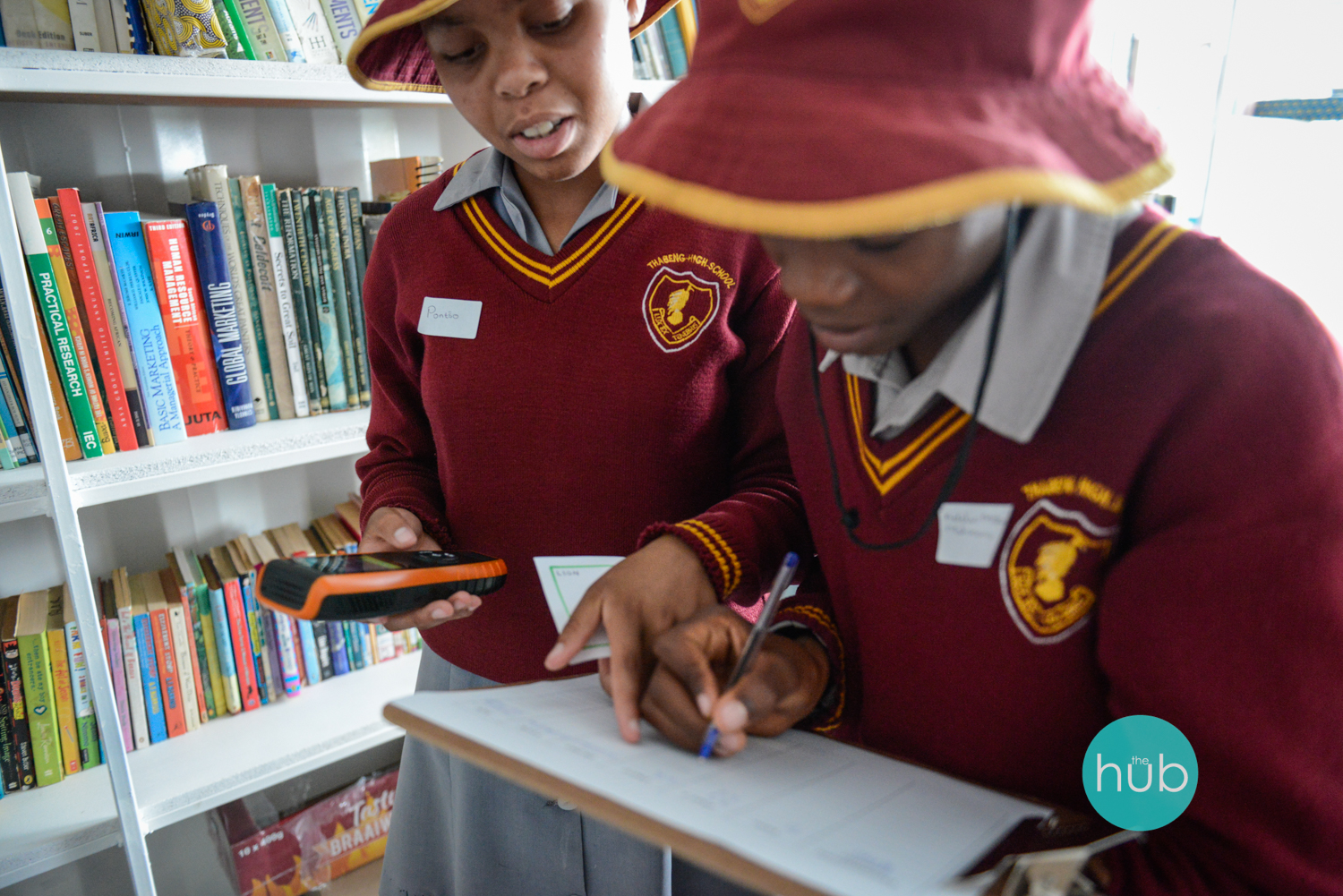
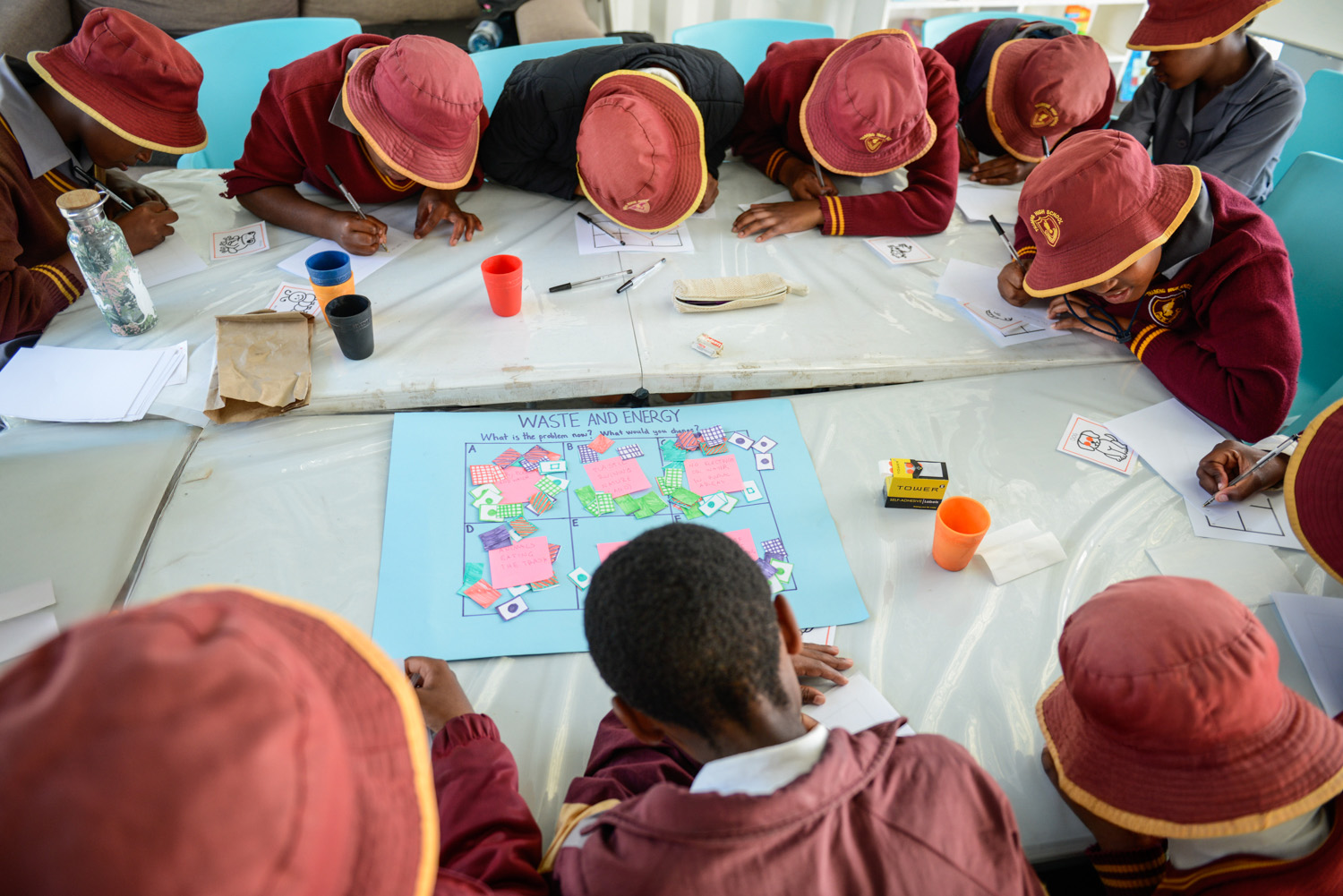
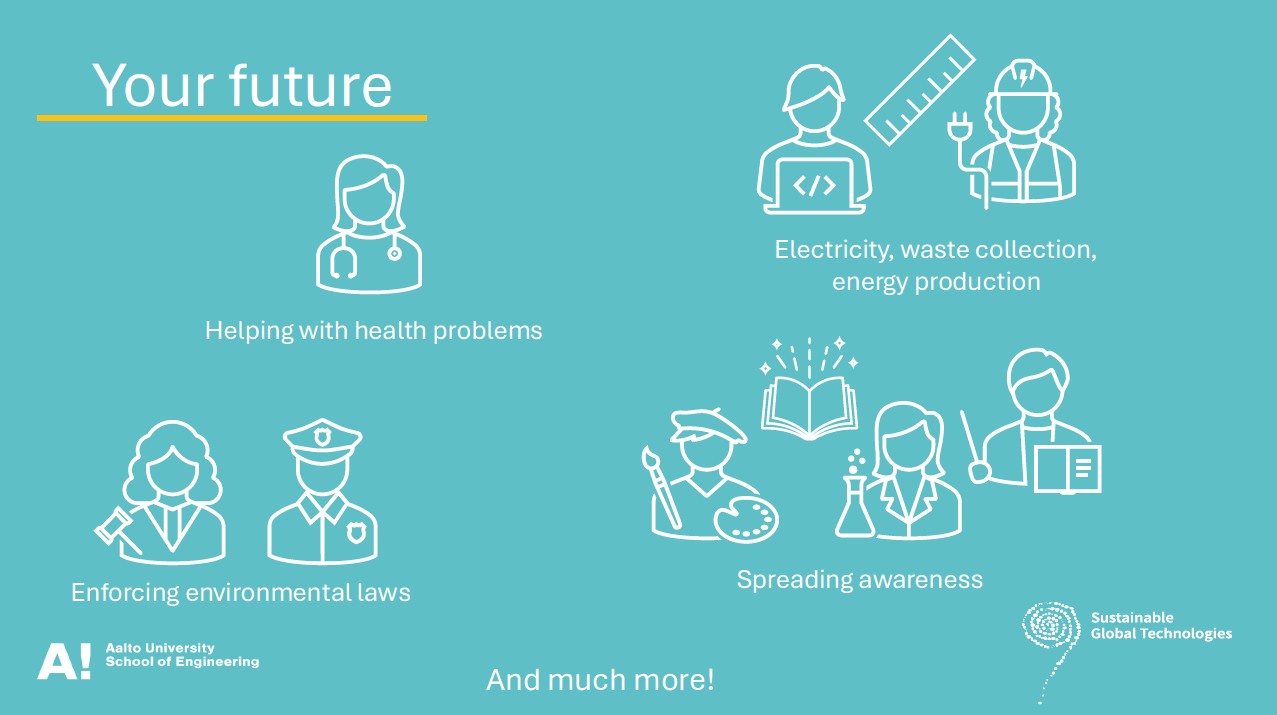
On March 6, 2025, The Hub hosted students Veera Saarenheimo, Heidi-Maria Muikku, Velma Pohjonen, and Oona Sillberg, with lecturer Marko Kallio from Aalto University in Finland for a Waste-to-Energy Technologies Workshop.

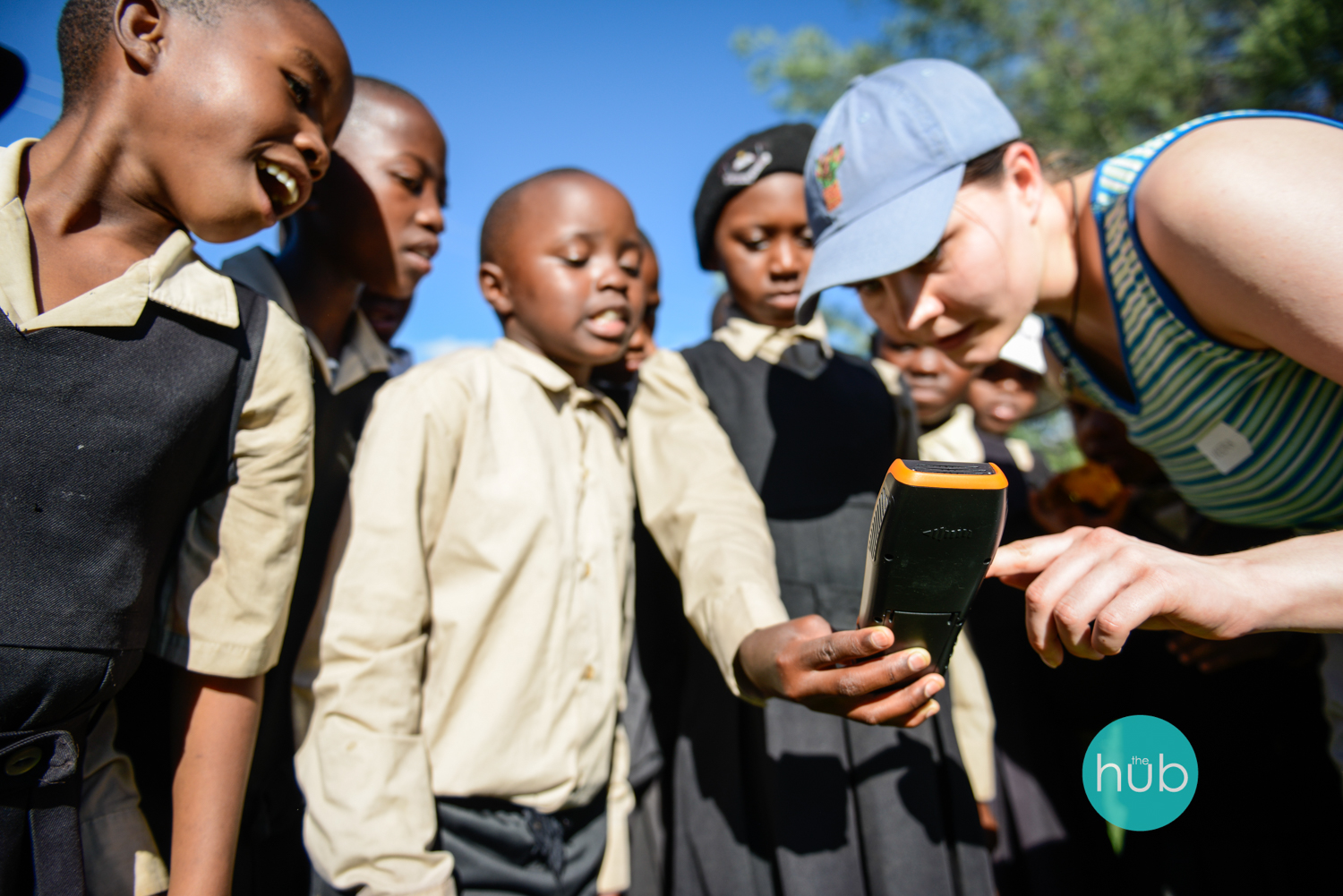
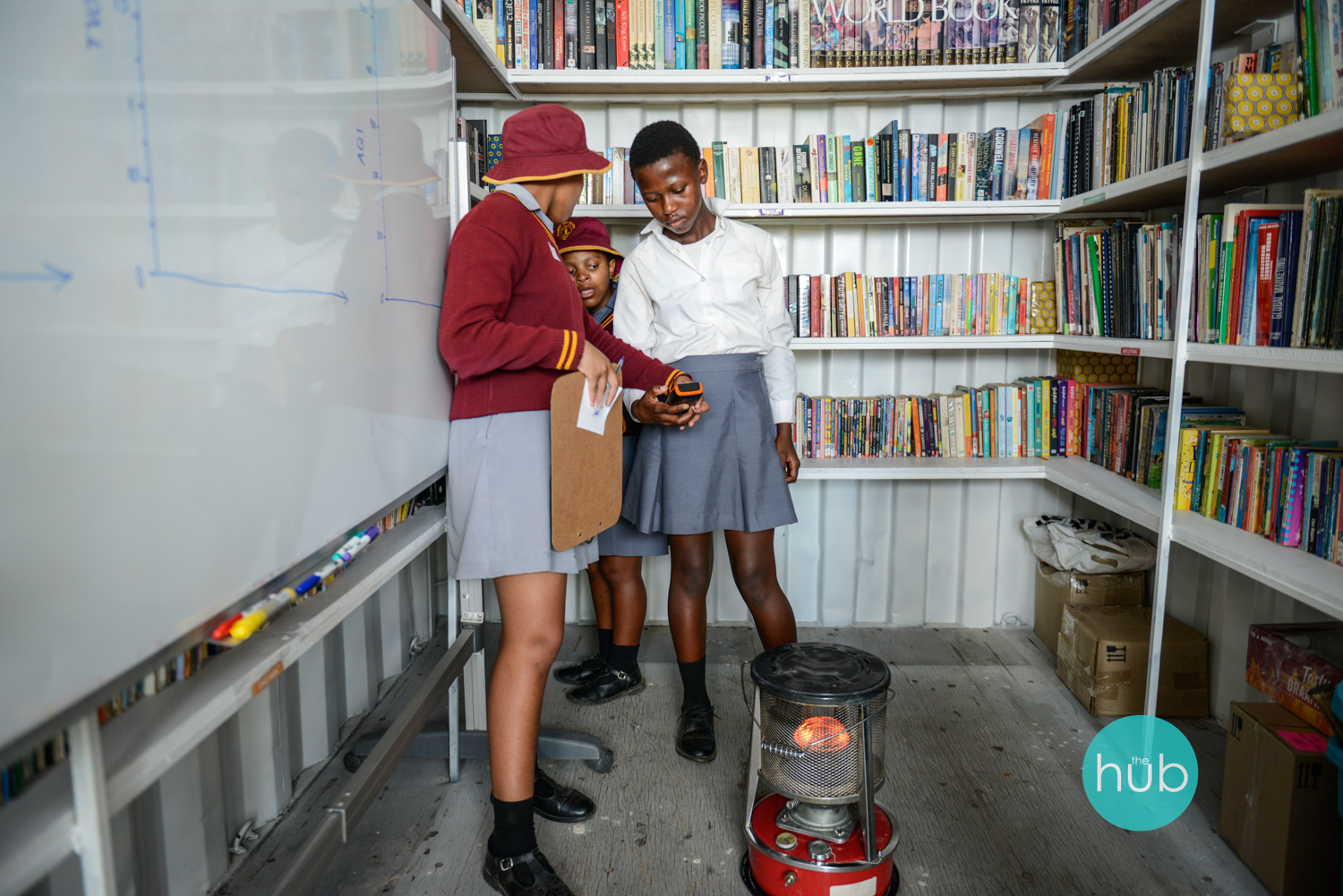
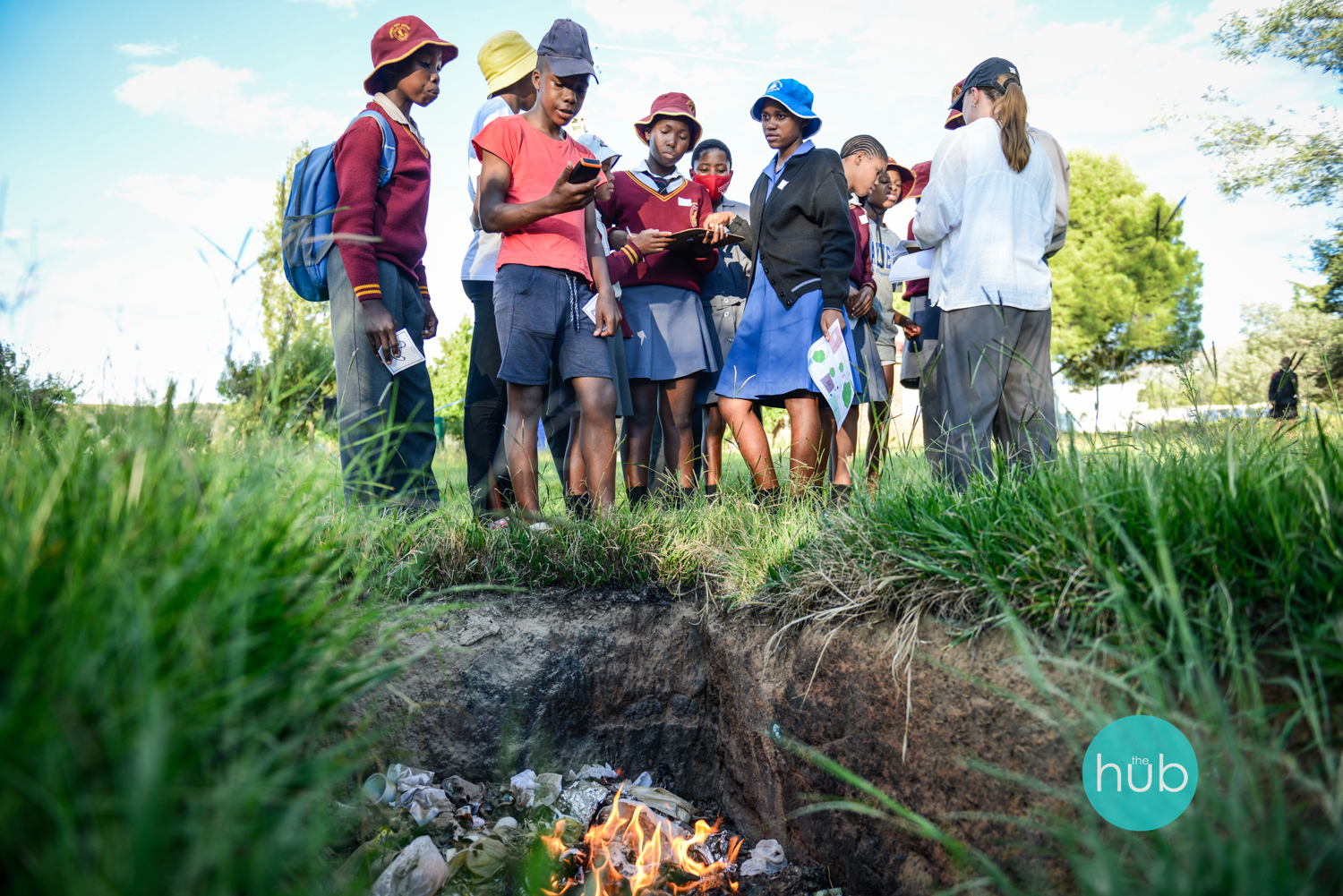
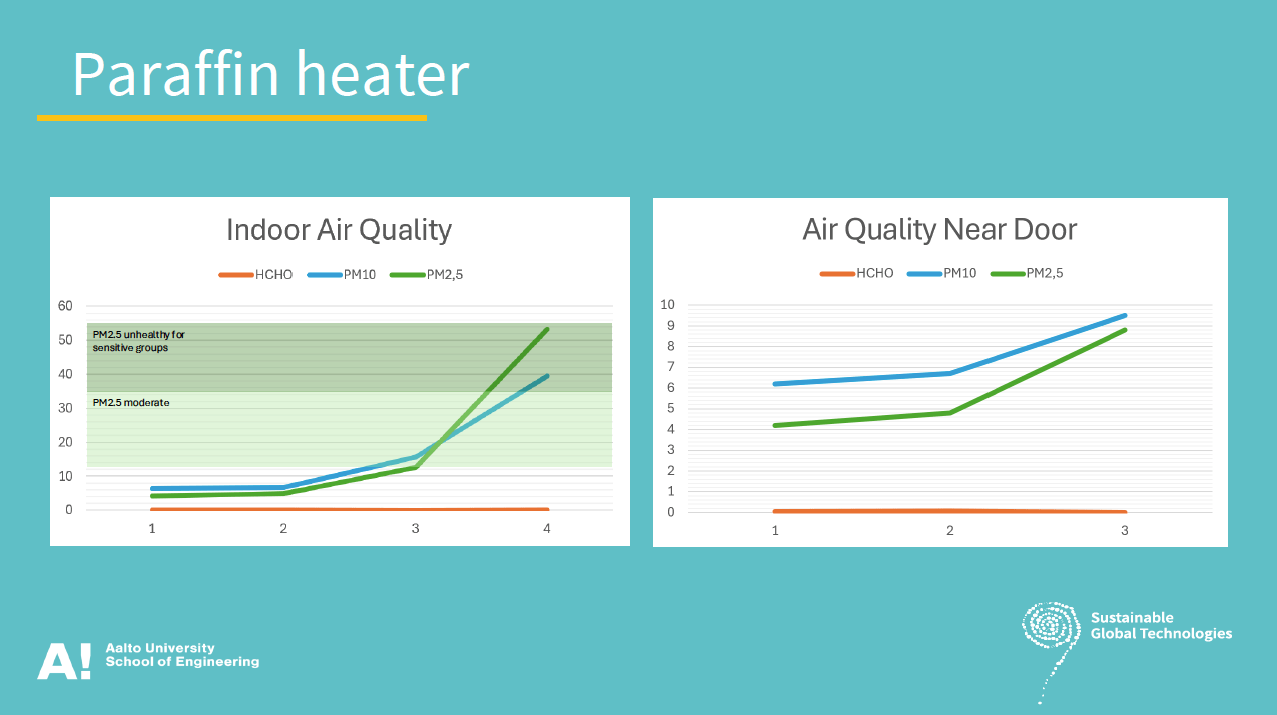
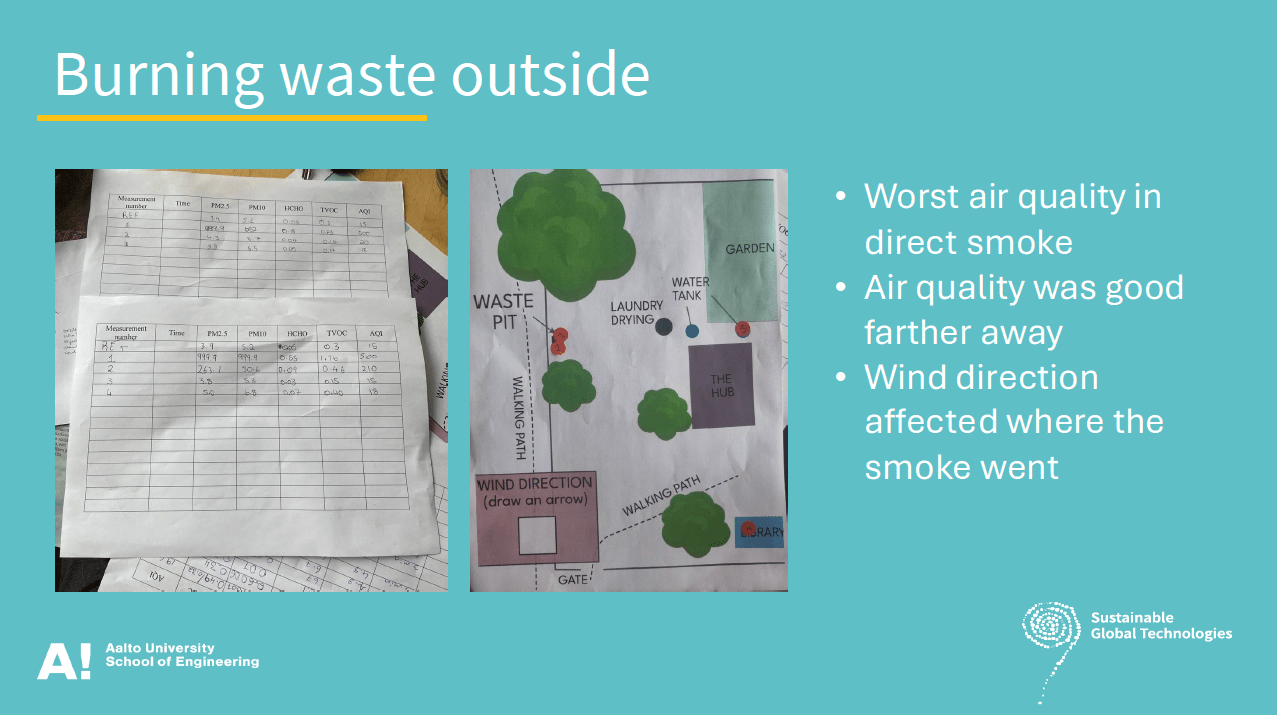
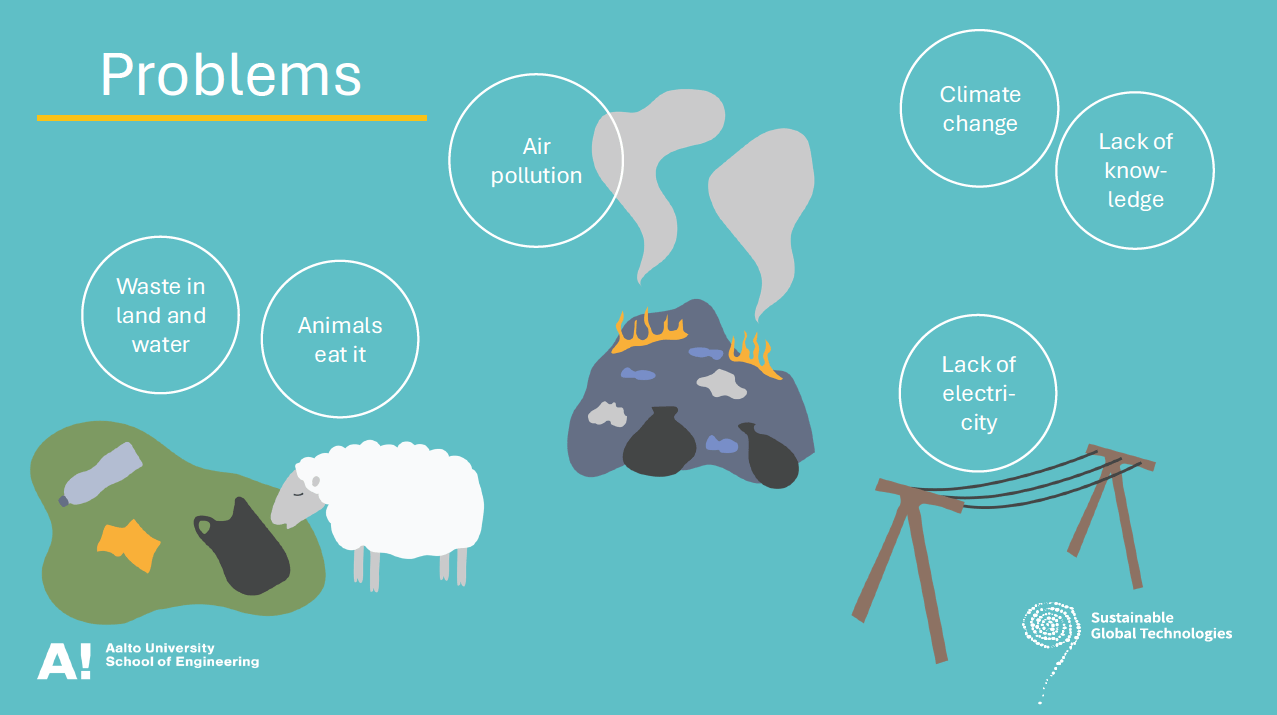
Skills & Soup’s primary- and high school students, along with our team, explored innovative solutions for waste management. We also learned about the dangers of air pollution from burning plastic waste and using paraffin heaters in closed spaces.

This student-led initiative, part of the Sustainable Global Technologies Studio course at Aalto University, is all about sharing knowledge and empowering communities with practical, eco-friendly solutions.

With the theme of renewable energy, Aalto University is collaborating with the National University of Lesotho as part of the Sustainable Global Technologies course. Last year, the group that carried out the same project visited The Hub during their course trip.

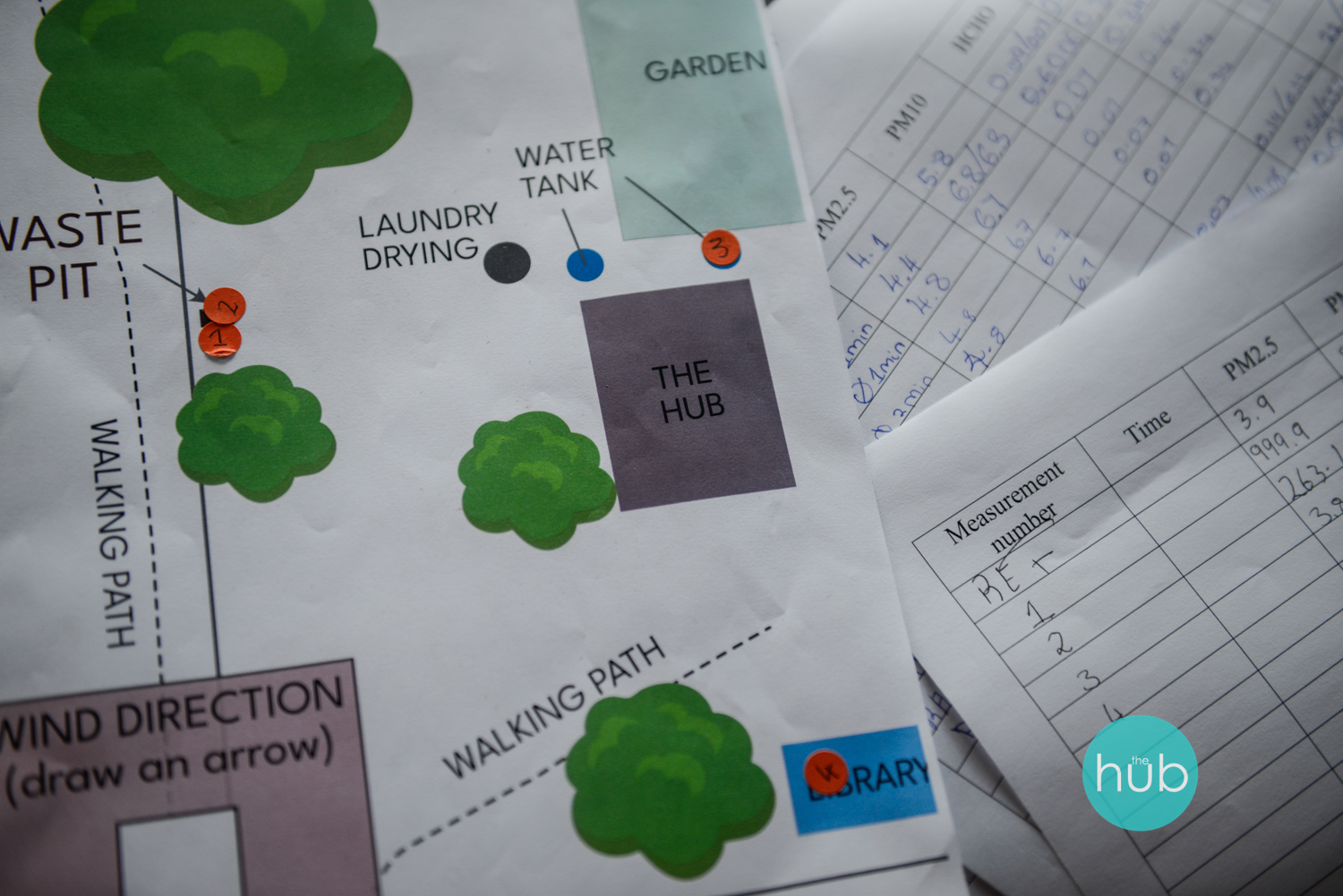
The workshop was divided into checkpoints:
  • Measuring how a paraffin heater affects air quality in an enclosed space
  • Measuring how burning plastic litter affects outdoor air quality
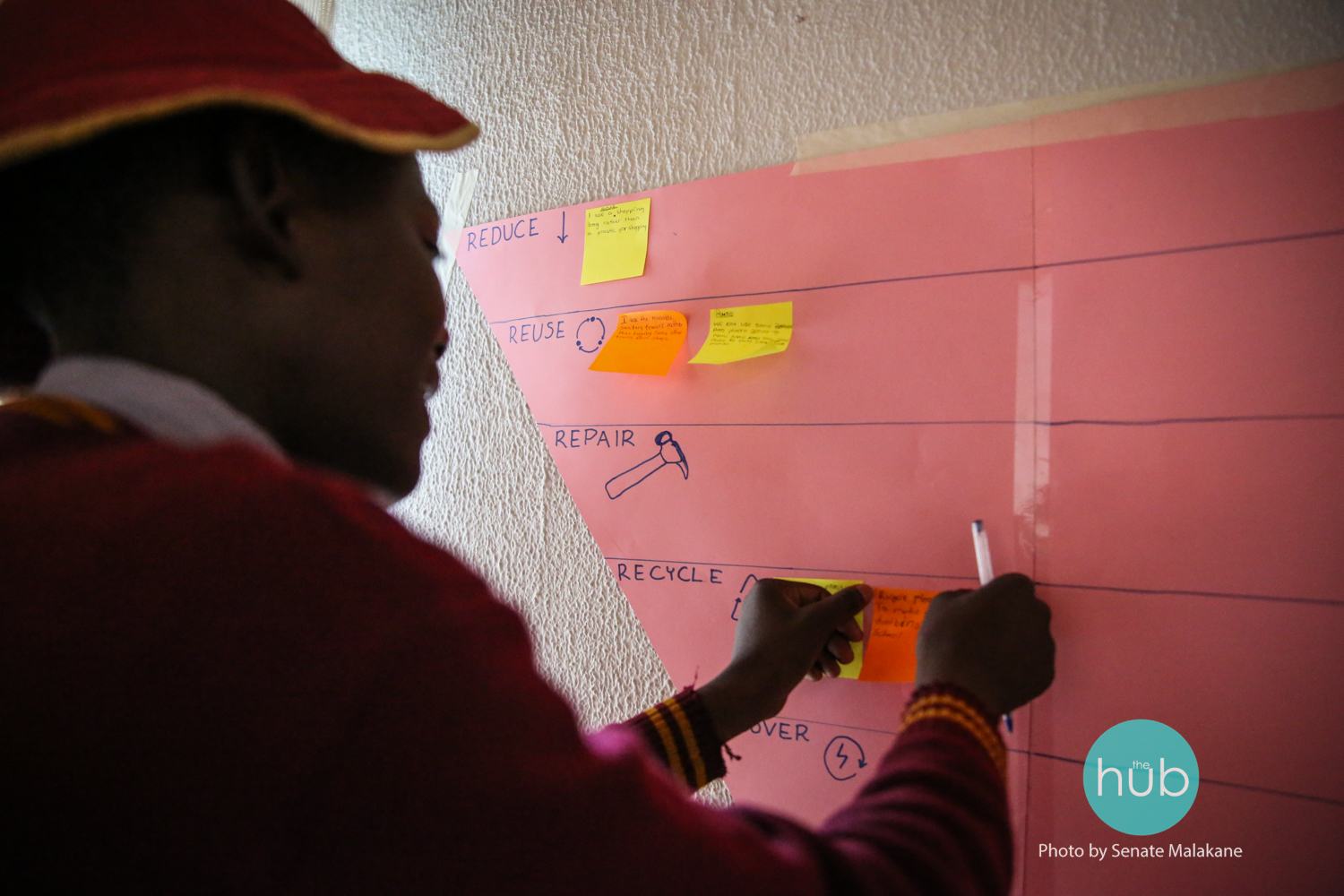
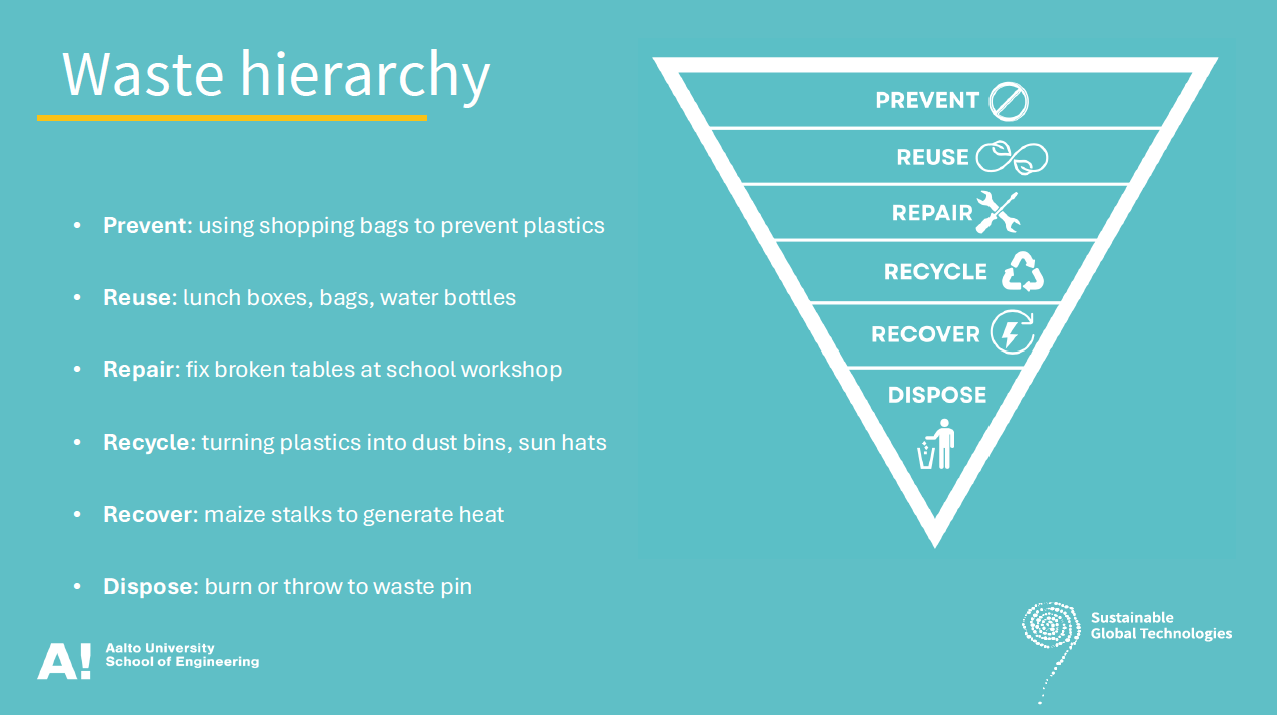
  • Exploring the waste hierarchy – identifying activities in our daily lives on how to reduce, reuse, repair, recycle, recover or dispose of waste
  • Exploring the future of waste and energy – identifying activities that we can do in the future to reduce, reuse, repair, recycle, recover or dispose of waste.
The results:
Reduce
Present:
  • Use of reusable shopping bags and lunch boxes to avoid plastic waste.
  • Bins for sorting different types of waste (paper, plastic).
  • Carrying personal bags to avoid single-use plastic bags.
Future:
  • Promote reusable shopping bags and prevent littering.
  • Install recycling bins in all streets.
  • Create educational programs or animations on reducing plastic.
  • Build robots to clean water and plant trees to reduce climate change.

Reuse
Present:
  • Reusing bottles, lunch boxes, plastic bags, glass, and clothes.
  • Creative reuse like planting in bottles, making decorations, and using reusable sanitary towels.
  • Reuse of materials like boxes and backpacks.
Future:
  • Use plastic in making useful items (e.g., car seats, lunch boxes, rings).
  • Reuse natural materials (cow skin, goat wool) for clothing.
  • Educate others about the benefits of reuse.

Repair
Present:
  • Fixing clothes, bags, shoes, furniture, and phones.
  • Schools repairing broken desks and chairs.
Future:
  • Repair household items, electronics, and even turbines.
  • Repurpose broken items creatively (e.g., jelly glass for storage).
  • Fix clothing into new fashion items like crop tops.

Recycle
Present:
  • Recycling plastic bottles into items like chairs, hats, rulers, toys, and decorations.
  • Reuse of paper into lunch boxes and papier-mâché items.
  • Bottle caps recycled into school supplies.
Future:
  • Make bricks, toy cars, jewellery, sunhats, puppets, and furniture from recycled plastic.
  • Promote recycling awareness.
  • Recycle organic materials (e.g., sheep wool, wood) into clothes and book pages.

Recover
Present:
  • Using water to generate electricity (hydropower).
Future:
  • Recovering wool and maize stalks to generate heat or make clothing.
  • Promote recovery of useful materials when further recycling isn’t possible.

Dispose
Present & Future:
  • Awareness of the environmental impacts of improper disposal (climate change, CO₂ effects).
  • Properly disposing of unrecoverable waste.
  • Promoting clean surroundings by using dustbins and discouraging burning.

We were happy that our Skills & Soup participants showed strong awareness of sustainable practices and actively engage in waste management through creative reuse, repairs, and recycling. There is a strong desire to educate others, innovate with waste materials, and build a cleaner, greener future.

The students from Aalto University will use the results of the workshop to produce learning materials for The Hub to use.

A big thank you to the incredible team from Aalto University!

Learn more about Aalto University:

Skills & Soup in 2025 Q1

In January – March 2025, Skills & Soup at The Hub continued to provide 125 children and adolescents in Morija and surrounding communities with weekly after-school tuition, nutritional meals and life skills.

Overview of The Hub’s Skills & Soup programming
  • 125 weekly participants ranging in age from 8-18 from Morija and surrounding villages.
  • The participants attend the programming free of charge.
  • Provides daily after-school tutoring in:
    • STEAM (Science, Technology, Engineering, Art, Mathematics) subjects
    • Mental health and well-being
    • Daily programming including sign language lessons and educational clubs during school holidays.
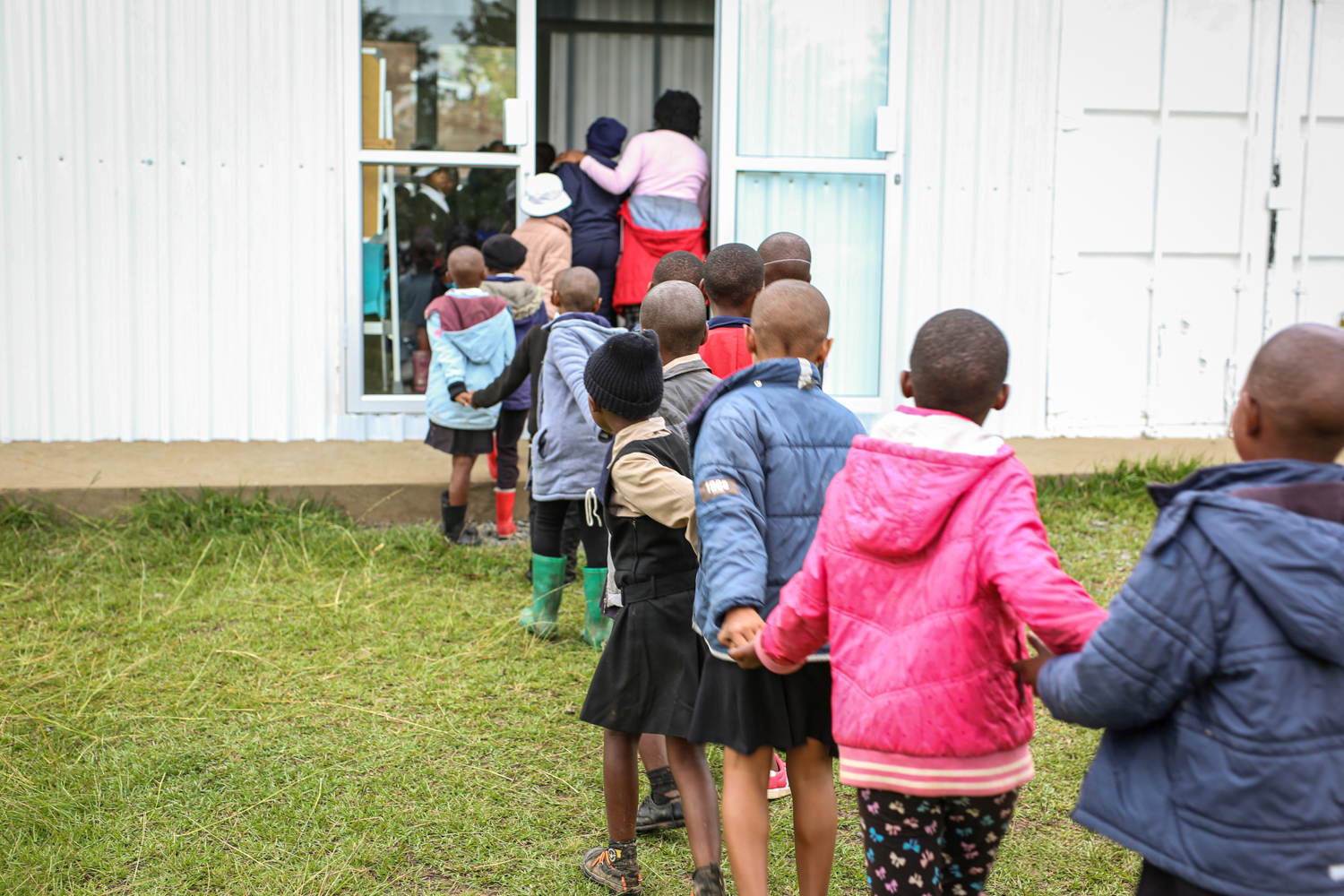
Skills & Soup in 2025 Q1

Through January – March 2025:

  • 61 sessions held
  • 3,050 meals served
Meals at Skills & Soup
  • Prepared by Cafe Mojo, a female-owned and run business.
  • Daily highly nutritious hot meal includes protein (mostly plant-based), fortified starch, and vegetables.
  • Daily highly nutritious take-home ration includes 2 loaves of locally baked fortified brown bread, peanut butter, boiled egg, and fruit.
  • The Hub has eliminated single-use plastic by participants bringing their reusable containers.
Thanks to Cafe Mojo, this harvest season Skills & Soup participants learned about preserving peaches by canning:
Support from the Lesotho Nutrition Initiative enables The Hub to provide highly nutritious meals for the 30 youngest and most food-vulnerable Skills & Soup participants 5 days/week:
Skills & Soup catering supports local businesses in Morija by purchasing:
  • 250 loaves of bread from a local female-owned and run bakery weekly
  • Eggs and seasonal vegetables from local farmers weekly
Skills & Soup Outreach in Q1:
  • 2 outreach sessions at Taele Primary School and Thuto Ke Leseli High School – monthly outreach to rural, digitally excluded schools providing an introduction to coding using tablets and Scratch, as well as mental well-being lessons.
Hub Talks at Skills & Soup in Q1:
  • 2 Hub Talks – monthly motivational talks by visiting entrepreneurs, artists, students, professionals and activists.
The Hub’s garden:
  • Aims to increase food security with fruit and vegetables for Skills & Soup participants to take home
  • Promotes organic and sustainable farming practices, and adaptation to climate change
  • In Q1 Skills & Soup participants harvested organic vegetables and fruit:
    • 300 kg peaches
    • 25 kg green beans
    • 50 kg tomatoes
    • 75 kg pumpkin
    • 10 kg grapes
    • 30 kg leafy greens, and much more!
Sign Language at Skills & Soup in Q1:
Peer Tutoring Saturdays in Q1:

Weekly Peer Tutoring Saturdays began in February, with Skills & Soup top achievers across a range of subjects tutoring their classmates, helping to lift others up and dedicated to each other’s success!

Additional activities at Skills & Soup in Q1:
Bursary support for students:

Click below to support the Given Gain crowd funding campaign:

Skills & Soup is looking for partnerships, contact us!

Strengthening Research and Innovation for Resilient Health Systems and Universal Health Coverage Symposium

By Pontšo Sekhesa

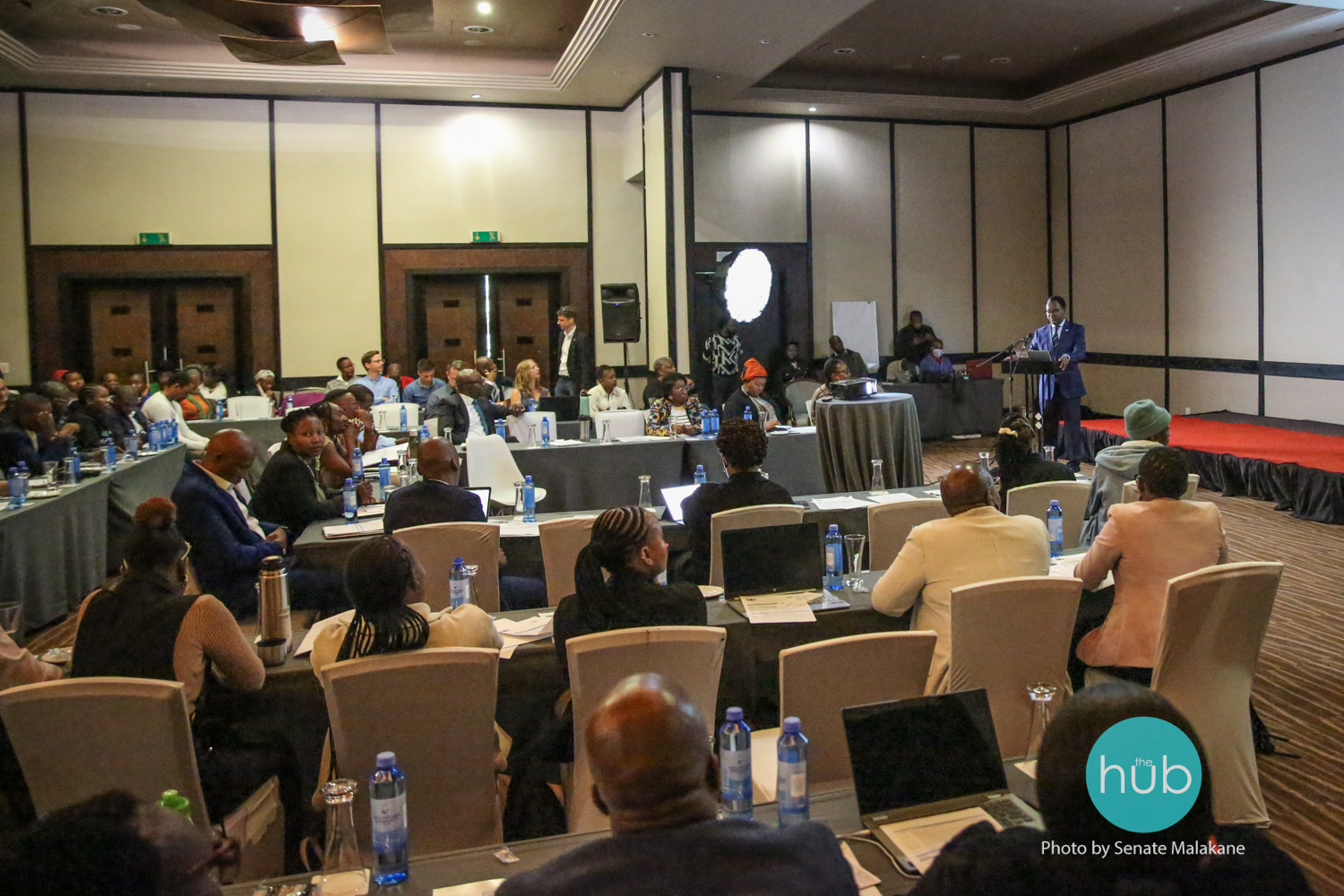
As part of the Hair Salon Project, on April 9, 2025, our Project Coordinator Pontšo Sekhesa was invited to attend a symposium by the Lesotho Ministry of Health, held under the theme “Strengthening Research and Innovation for Resilient Health Systems and Universal Health Coverage”. Below is her report.

The symposium highlighted the critical role of research and evidence in guiding effective health policies. The focus was on leveraging innovation and research to build resilient health systems, particularly in the context of ongoing health challenges.

I was particularly drawn to the discussion on the challenges in accessing Sexual and Reproductive Health (SRH) services among adolescent girls and young women in remote villages in Lesotho, presented by ‘M’e Momororontšane, SolidarMed and the University of Basel.

Key issues highlighted included:

  • Transportation barriers
  • Poor quality of care provided by healthcare workers
  • Stigma and cultural constraints
  • Misleading information
  • Inconvenient service hours, etc.

I felt connected to this presentation as it sounds intertwined with the Hair Salon Project. If hair salons became a place to offer SRH services, a lot of the barriers mentioned in that presentation would be mitigated. This presentation continued to prove that there is an intervention needed to ensure that young women in rural areas can access essential SRH services without barriers.

The symposium was both informative and inspiring. It provided a valuable platform for learning and the exchange of ideas that are crucial for policy formulation and health systems strengthening. I look forward to integrating some of the insights gained into our ongoing work, especially in areas related to youth and SRH services.

Learn more about the Hair Salon Project:

Skills & Soup in 2024

In partnership with Glasswaters Foundation, in 2024 Skills & Soup at The Hub continued to provide 125 children and adolescents in Morija and surrounding communities with weekly after-school tuition, nutritional meals and life skills.

Overview of The Hub’s Skills & Soup programming
  • 125 weekly participants ranging in age from 7-18 from Morija and surrounding villages.
  • The participants attend the programming free of charge.
  • Provides daily after-school tutoring in:
    • STEM (Science, Technology, Engineering, Mathematics) subjects
    • Mental health and well-being
    • Daily programming including sign language lessons and educational clubs during school holidays.
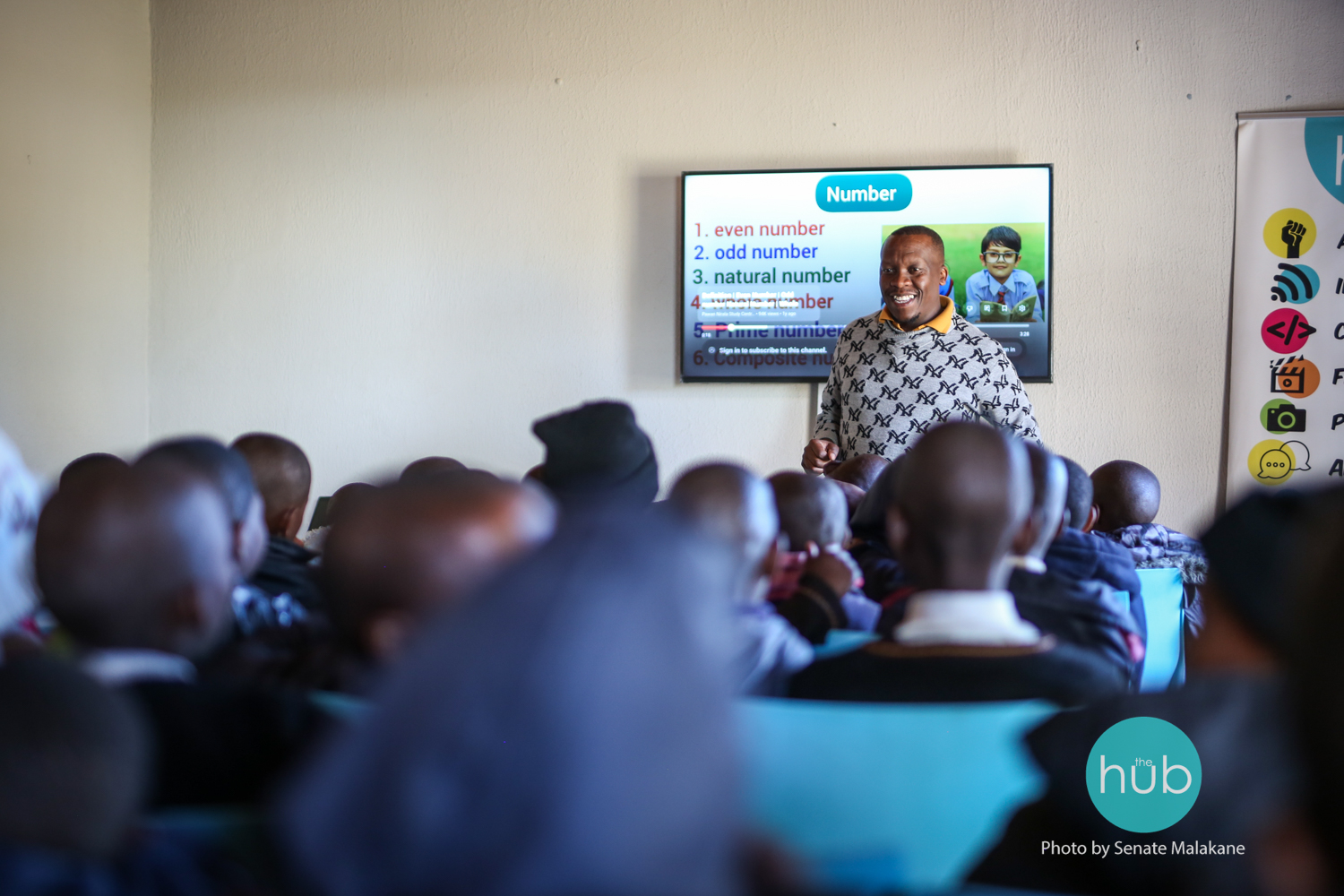
Skills & Soup in 2024

Through January – December 2024:

  • 245 sessions held
  • 11,600 meals served
Meals at Skills & Soup
  • Prepared by Cafe Mojo, a female-owned and run business.
  • Daily hot meals include protein (mostly plant-based), fortified starch, and vegetables.
  • Daily take-home rations include 2 loaves of locally baked fortified brown bread, peanut butter, boiled egg, and fruit.
  • The Hub has eliminated single-use plastic by participants bringing their reusable containers.
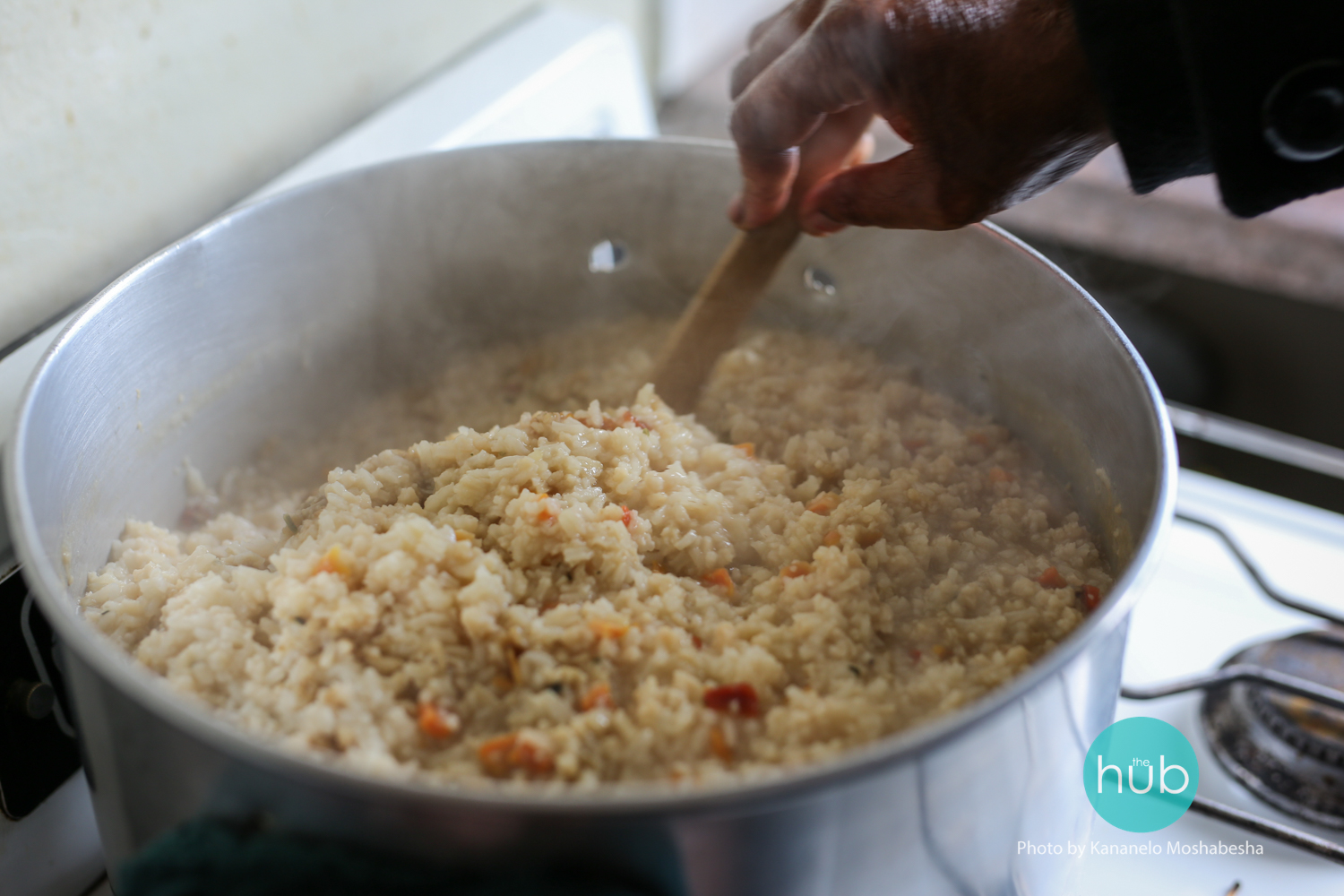
Support from the Lesotho Nutrition Initiative enables The Hub to provide highly nutritious meals for the 30 youngest and most food-vulnerable Skills & Soup participants 5 days/week:
Skills & Soup catering supports local businesses in Morija by purchasing:
  • 250 loaves of bread from a local female-owned and run bakery weekly
  • Eggs and seasonal vegetables from local farmers weekly
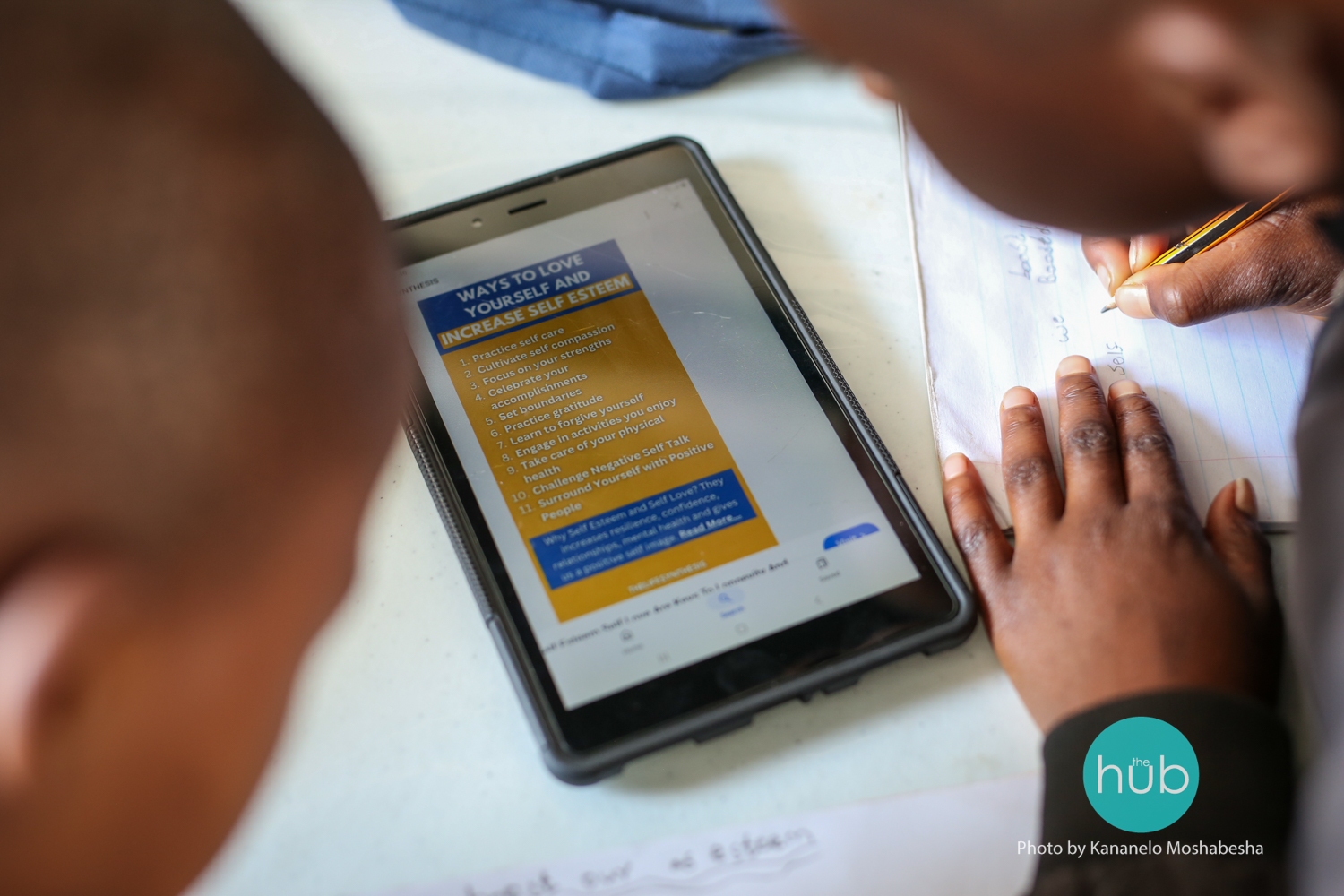
Skills & Soup Outreach in 2024:
  • 12 outreach sessions – monthly outreach to rural, digitally excluded schools providing an introduction to coding using tablets and Scratch, as well as mental well-being lessons.
Hub Talks at Skills & Soup in 2024:
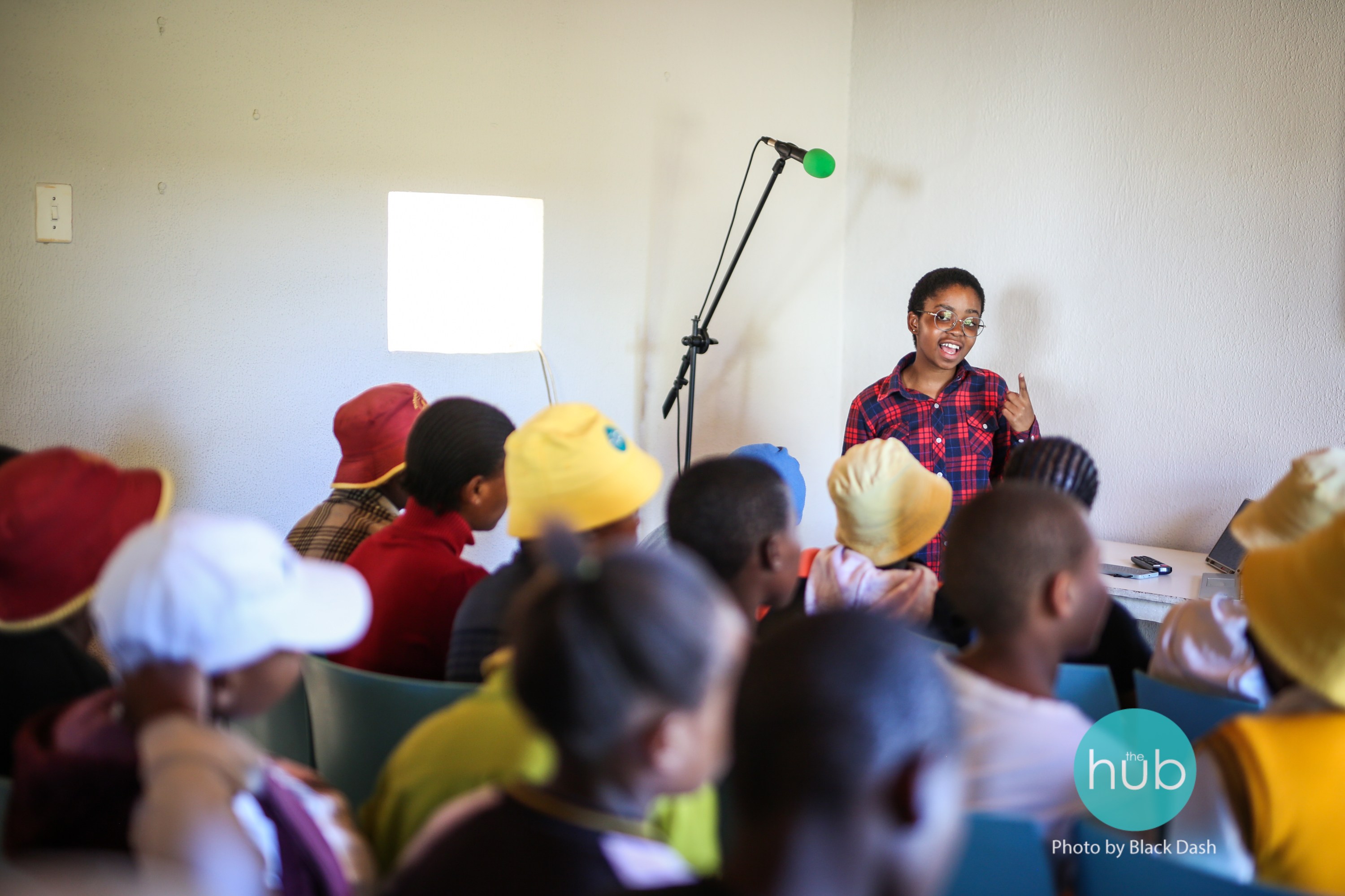
  • 12 Hub Talks – monthly motivational talks by visiting entrepreneurs, artists, professionals and activists in partnership with Selibeng sa Thuto Trust.
The Hub’s garden:
  • Aims to increase food security with fruit and vegetables for Skills & Soup participants to take home
  • Promotes organic and sustainable farming practices, and adaptation to climate change
Sign Language at Skills & Soup in 2024:
Additional activities at Skills & Soup in 2024:

Read more about World Cleanup Day 2024!

Bursary support for students:

Click below to support the Given Gain crowdfunding campaign:
Skills & Soup is looking for partnerships, contact us!