
In September 2023, The Hub travelled to Mokhotlong to document this story for Community Based Chronic Disease Care Lesotho (ComBaCaL), a collaborative programme between Lesotho and Switzerland that is tackling the non-communicable diseases (NCDs) of diabetes and hypertension in the rural districts of Butha-Buthe and Mokhotlong. Originally posted by ComBaCaL. The Hub provided services in filmmaking and journalistic photography and writing.
Story by Leila Hall and Malikomisi Mohanoe
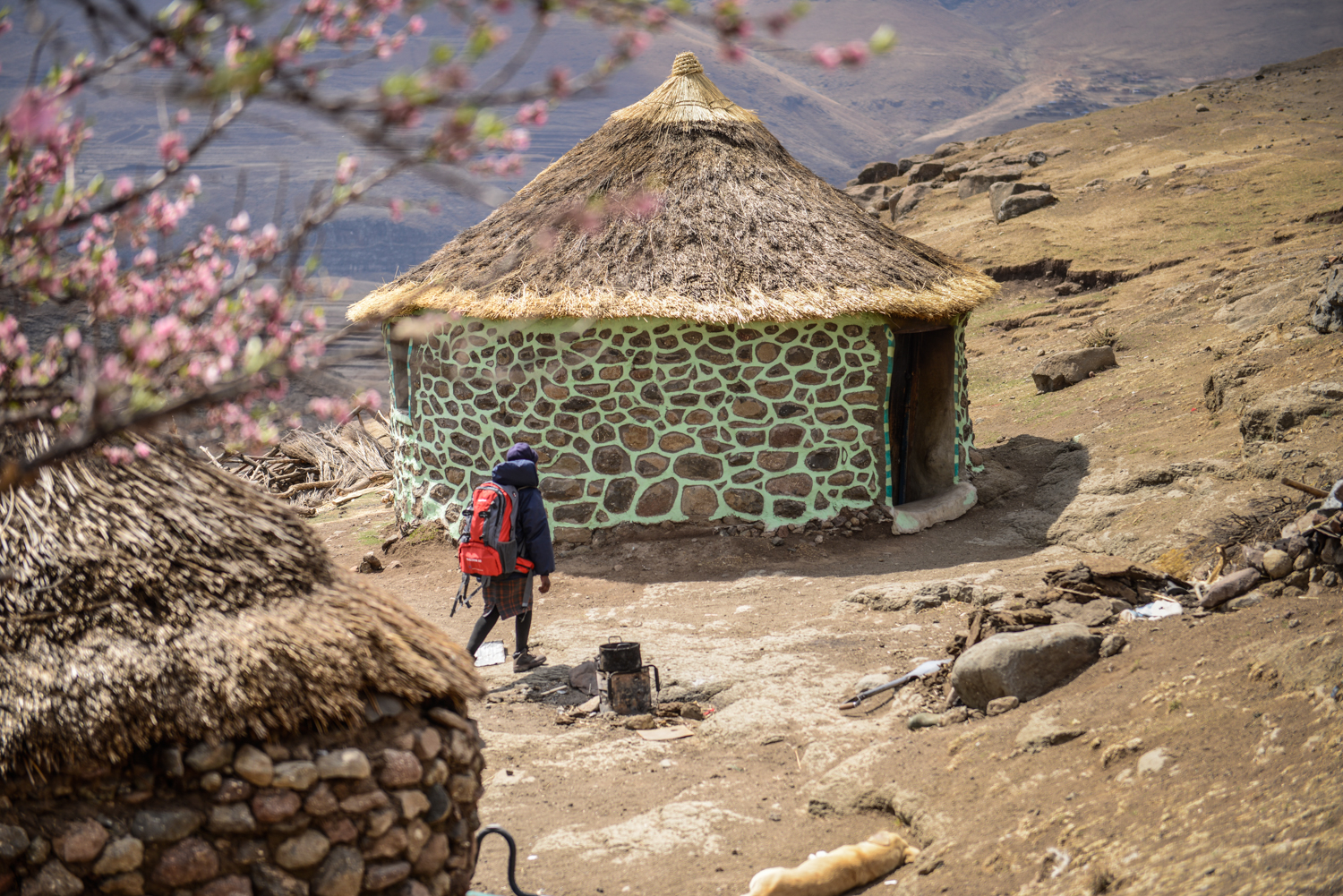
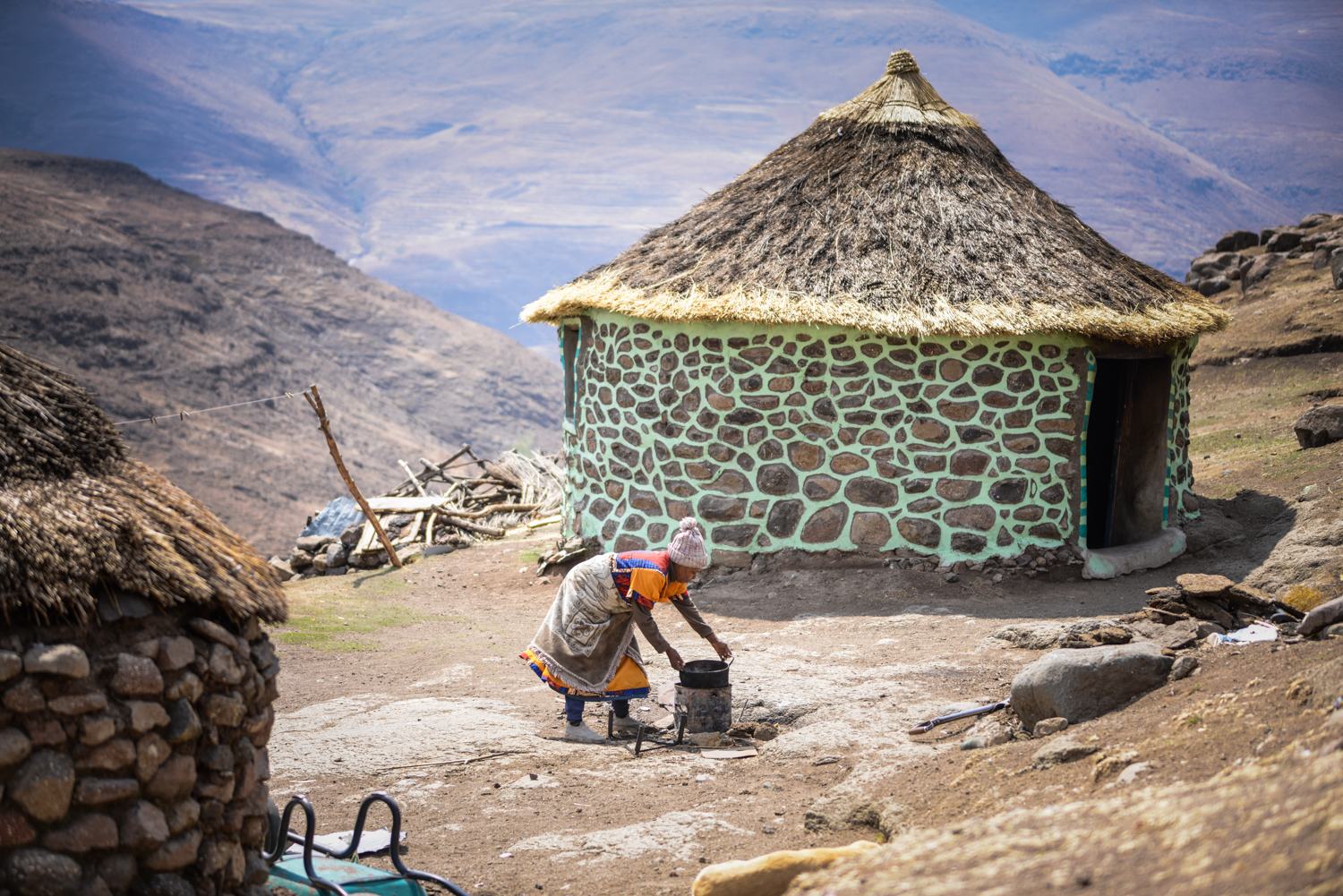
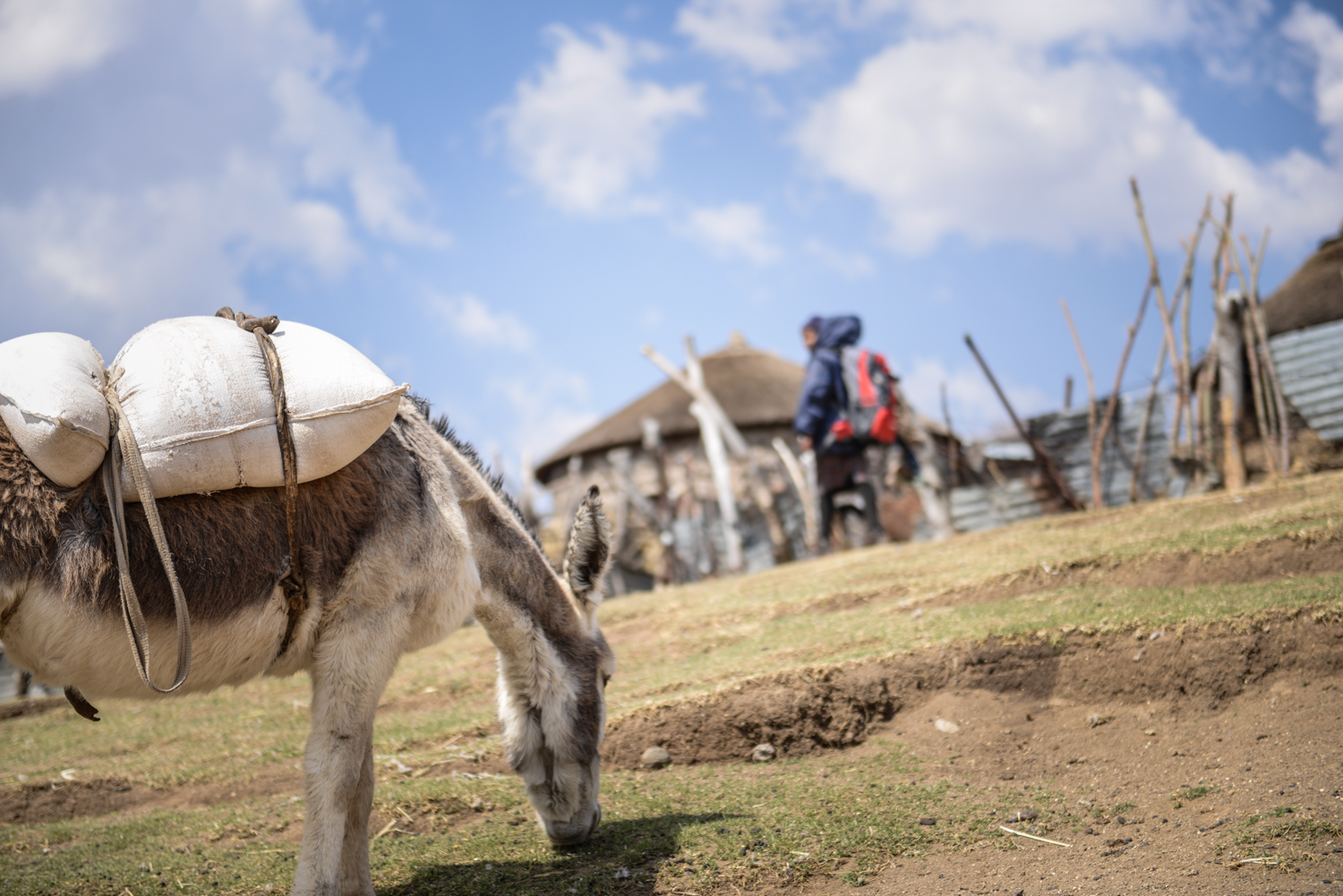
On a chilly day in September 2023, in the remote village of Kholokoe in north-eastern Lesotho, 27-year-old Likabiso Nkune sets out for her day’s work. The village is approximately 30 km away from the town of Mokhotlong and is only accessible by 4×4 vehicles that must navigate a steep and rocky gravel road to reach it. As she walks to work, Nkune passes thatched rondavels, animal kraals, and villagers going about their daily chores of fetching water and firewood. After a long and harsh winter, the early spring has brought bright pink blossoms to the village’s peach trees: bursts of colour against the dry mountainous landscape.
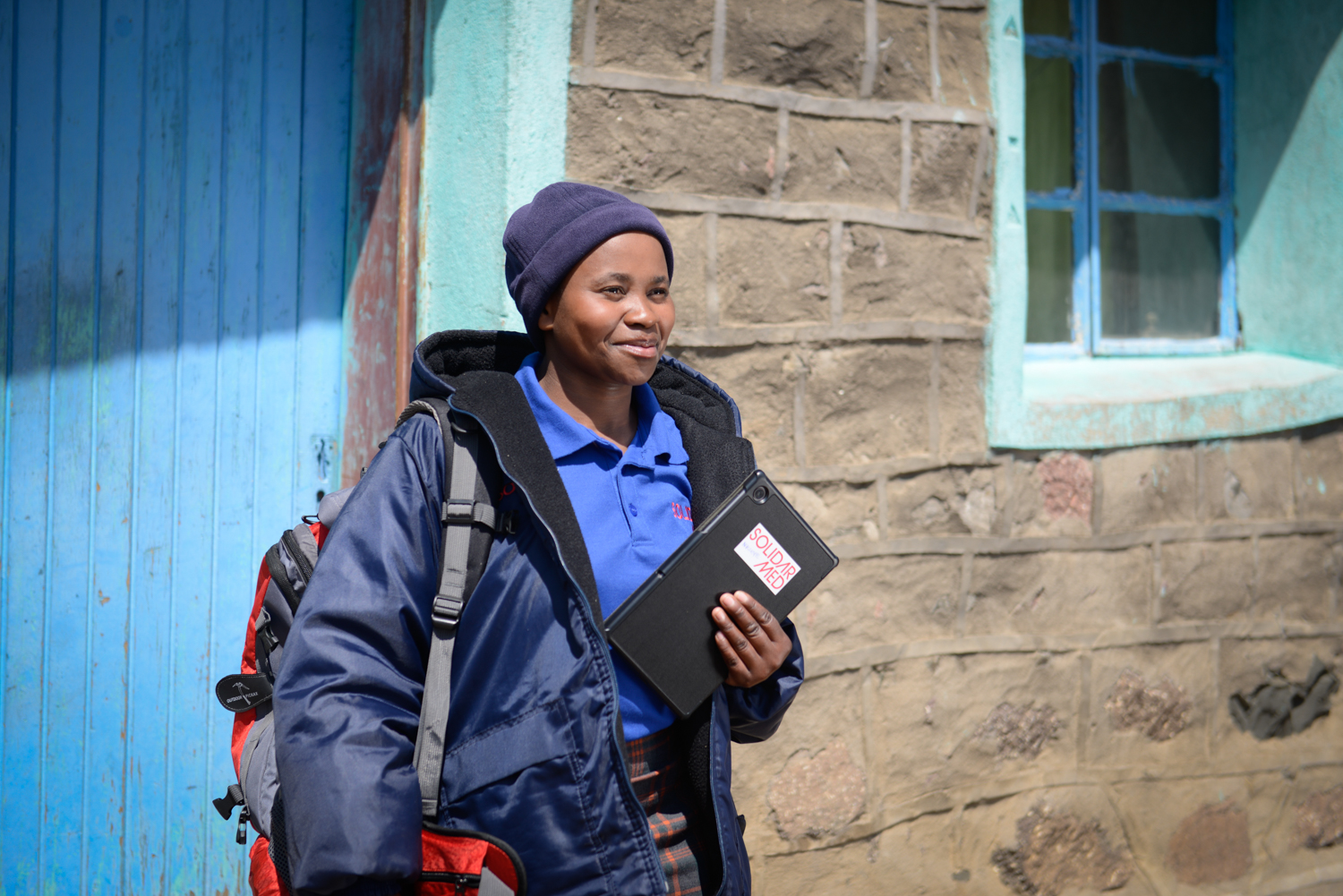
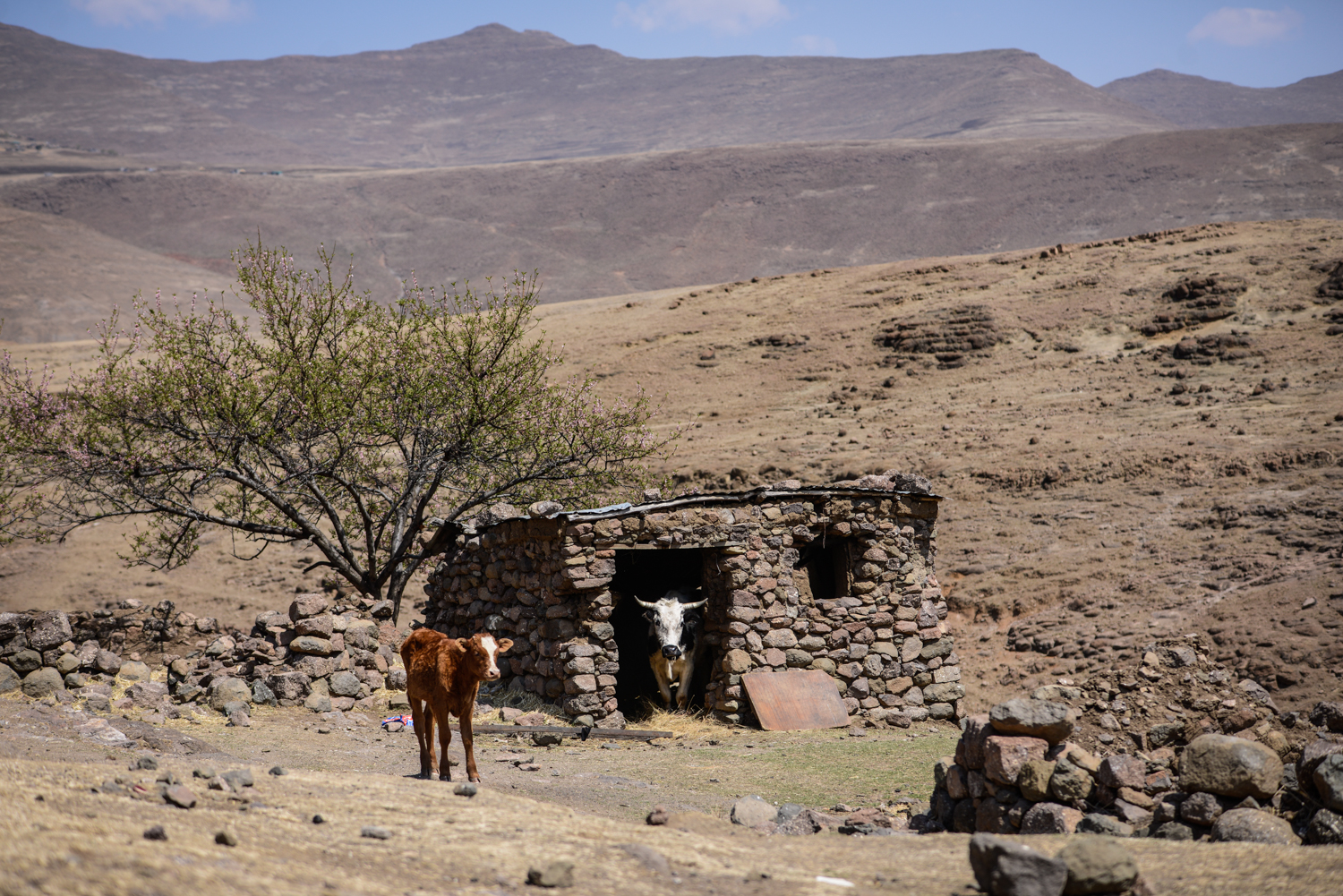
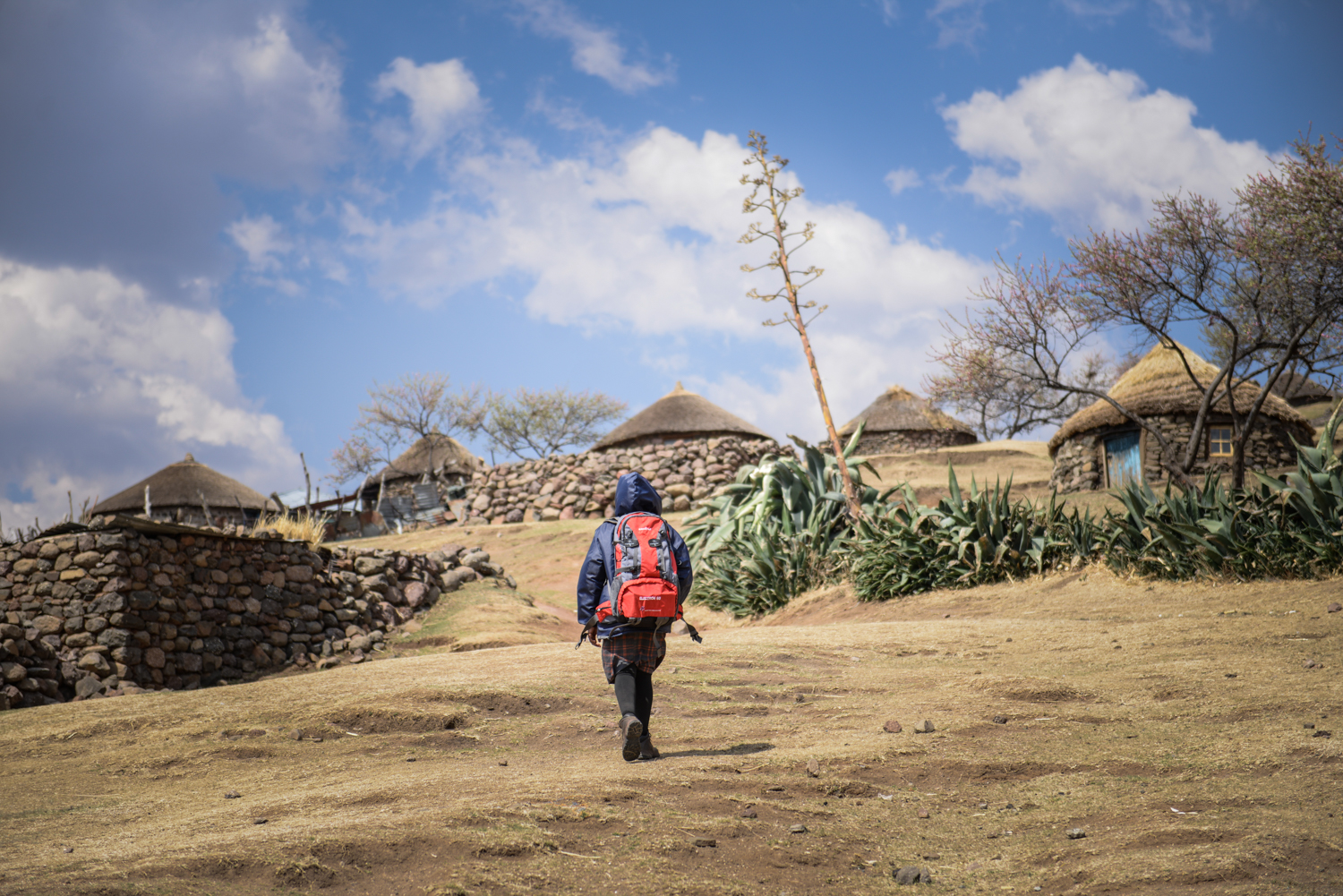
Likabiso Nkune, a VHW in the remote village of Kholokoe in north-eastern Lesotho, approximately 30 km away from the town of Mokhotlong. Photos © Meri Hyöky
Nkune is from Kholokoe and for the past eight months has been working as a village health worker (VHW) for Community Based Chronic Disease Care Lesotho (ComBaCaL), a collaborative programme between Lesotho and Switzerland that is tackling the non-communicable diseases (NCDs) of diabetes and hypertension in the rural districts of Butha-Buthe and Mokhotlong. Funded by the Swiss Agency for Development and Cooperation) and the World Diabetes Fund, ComBaCaL is a five-year implementation and research programme that is being led by SolidarMed, the University Hospital Basel, the University of Zurich, Lesotho’s Ministry of Health, and the National University of Lesotho.
Nkune is one of 113 village health workers (VHWs) trained by ComBaCaL to work directly in their villages of origin with fellow villagers who would otherwise struggle to access the healthcare that they need. Armed with diagnostic medical equipment and electronic tablets loaded with an innovative e-Health application, VHWs like Nkune bring vital healthcare to villagers, as they go door-to-door to screen, diagnose, and provide basic treatment for NCDs. The programme is currently being conducted as a research trial, with the hope that its positive outcomes will inform the Lesotho Ministry of Health’s standard of care for the country’s broader population.
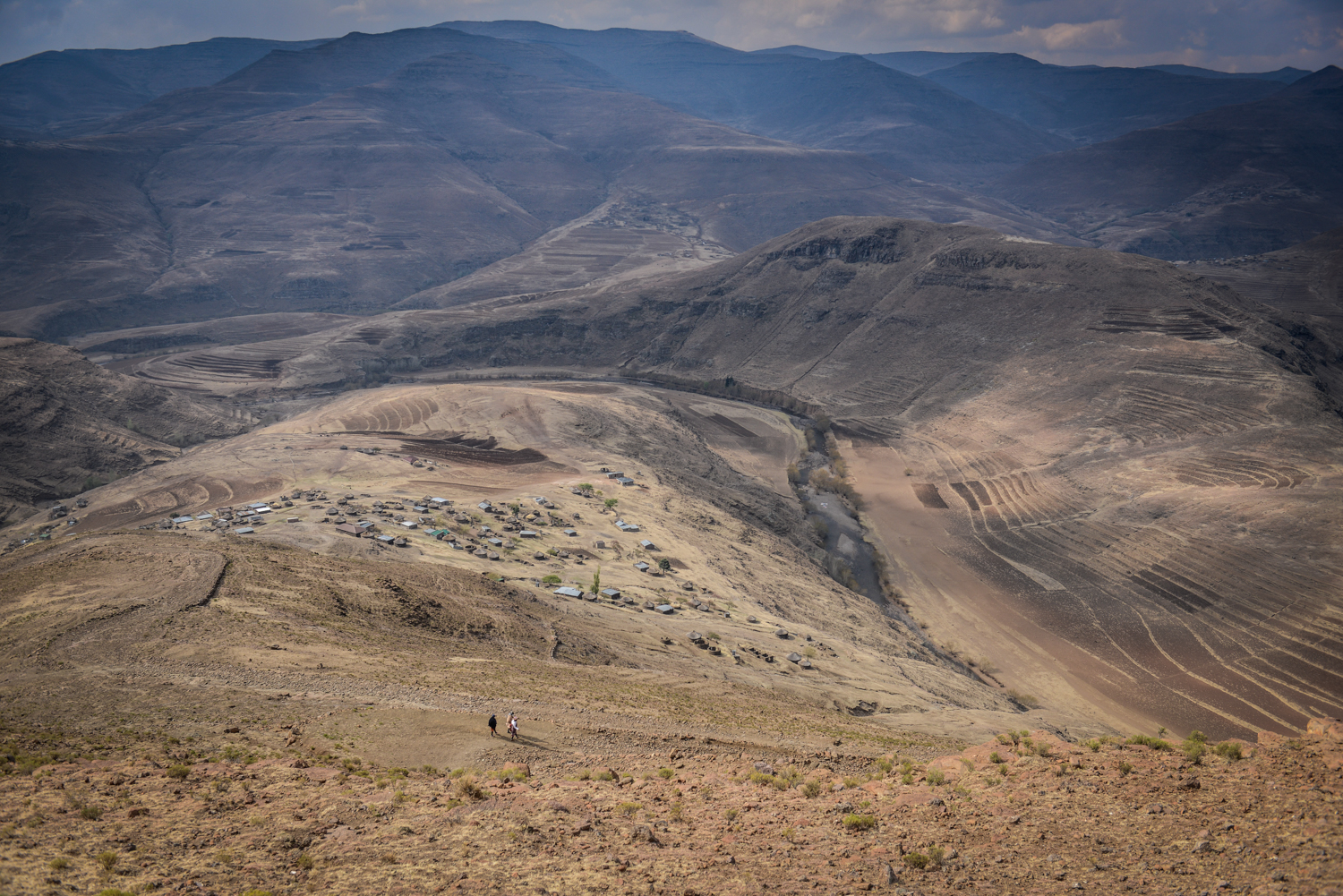
The remote village of Kholokoe in north-eastern Lesotho. Photo © Meri Hyöky
“The eHealth application helps us a lot,” says Nkune, as she opens her tablet and shows us how the application guides her through the initial process of entering patient details, testing for NCDs, and determining whether a patient requires additional check-ups or medication. “The app also helps because it reduces the need for paperwork: the patients are able to sign consent forms and everything on the app itself,” she explains. “Like this, I’m able to go from patient to patient in the village. I usually wake up very early to try and test patients’ blood sugar levels before they have their first meal of the day, as that gives us a more accurate reading.”
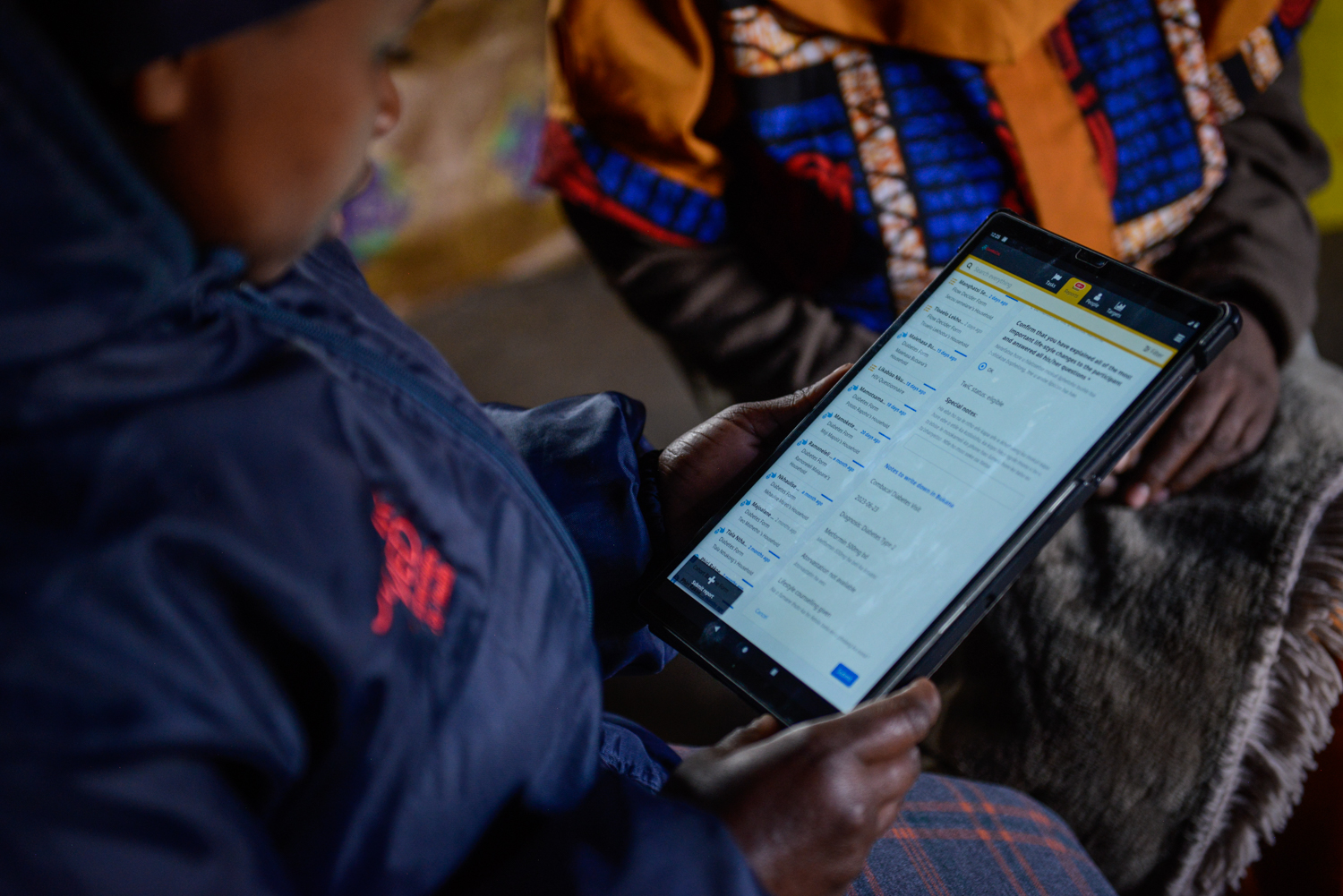
The ComBaCaL eHealth application. Photo © Meri Hyöky
”On a typical day, I’ll try to visit five to eight patients. Many of my patients were not aware that they were sick, but now they’ve been diagnosed. When I test a patient in their home, I’m able to bring them the right medication, without them having to travel on the steep terrains to the nearest health centre. This is especially helpful for elderly patients.”
Today, Nkune is visiting 67-year-old ‘Majoalane Mothetho, who was diagnosed with diabetes through the ComBaCaL project. Mothetho meets us at the door of her rondavel, dressed in a warm beanie, an African print dress, and a fleece blanket. She and Nkune sit down together for her check-up, as Nkune pulls out her tablet, goes through Mothetho’s patient details, and then proceeds to test her blood sugar and blood pressure.
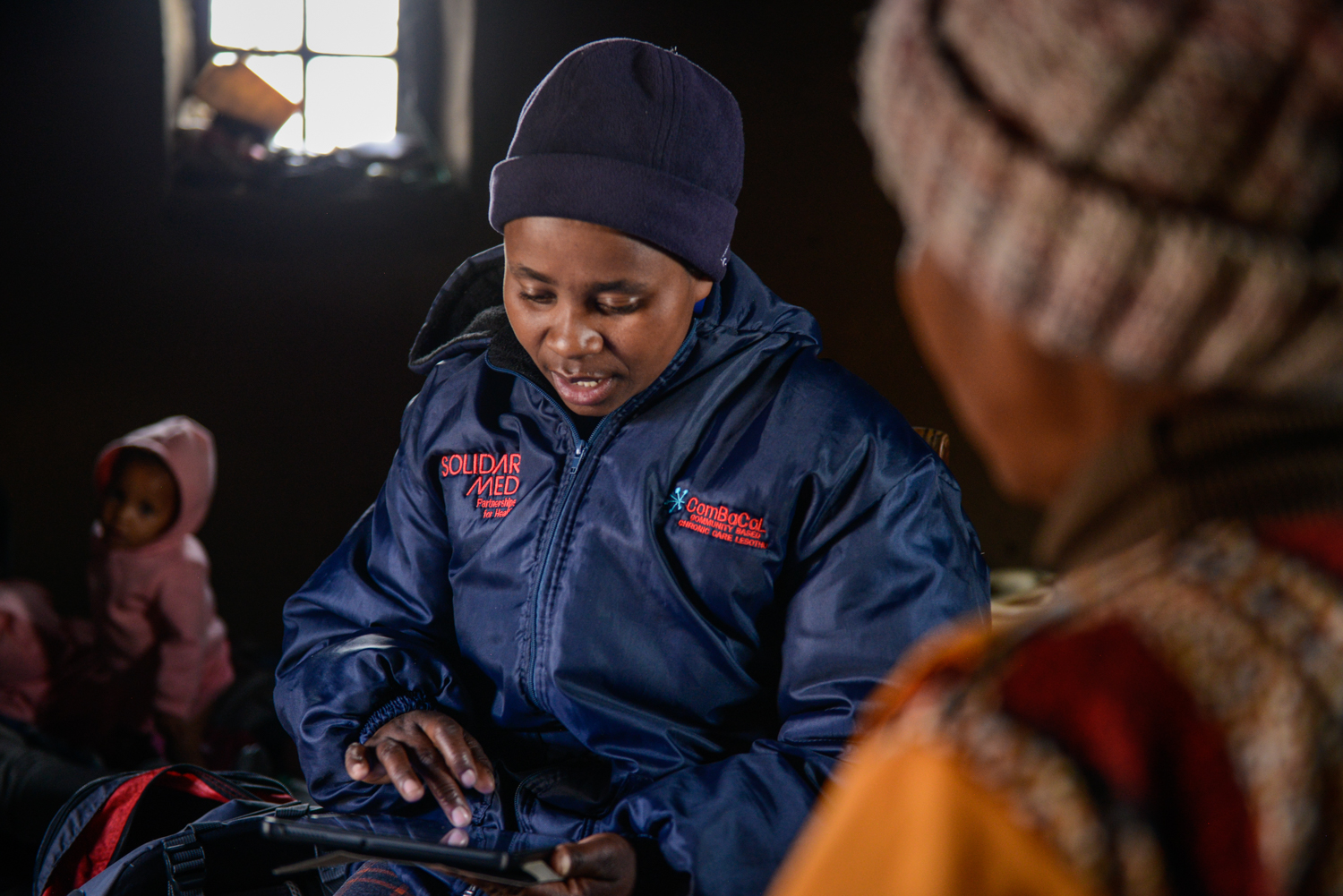
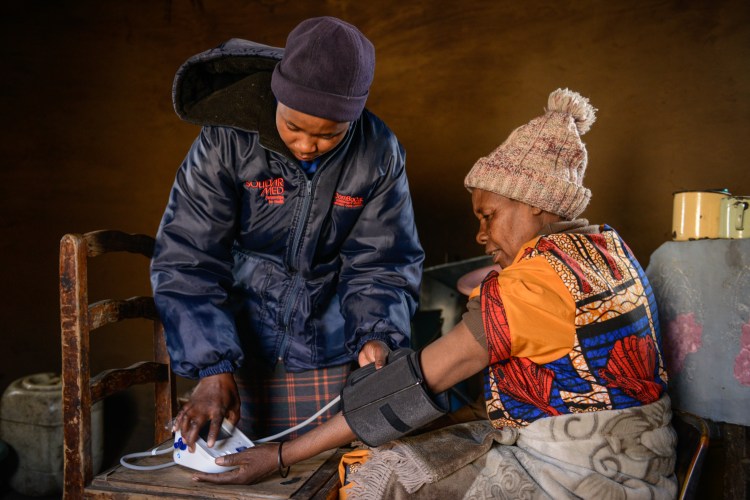
Likabiso Nkune and ‘Majoalane Mothetho in Kholokoe. Photos © Meri Hyöky
“This ComBaCaL project has really helped me,” says Mothetho with a wide smile. “I didn’t know before that I had diabetes, but because of this project I’ve now been diagnosed. The diagnosis made sense to me because I had been feeling dizzy and struggling to do my chores—sometimes my legs felt jelly-like. I was really troubled by this, but I didn’t know what to do about it. But since the village health worker explained everything to me and gave me medication, everything has become much better. I’m now stronger and able to do chores like collecting firewood. Honestly, this project has been Godsent, because now my medication comes straight to me.”
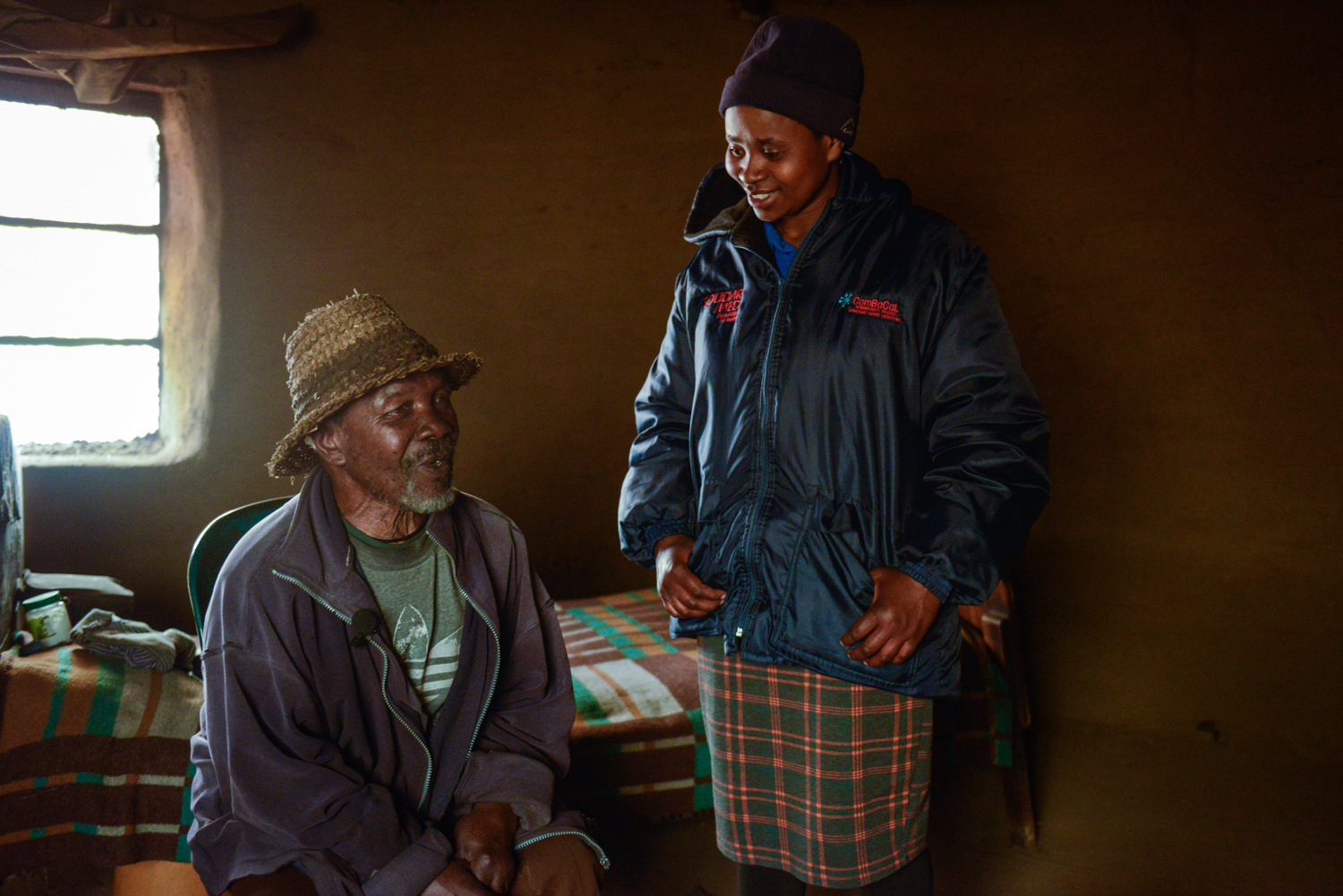
Likabiso Nkune with her patient, Nkhaolise Moleti. Photo © Meri Hyöky
In nearby Ha Taelo, another village situated on the outskirts of Mokhotlong, ‘Mats’oanelo Makaka—also 27 years old—works as a VHW in her community. Dressed in branded SolidarMed gear and with her backpack strapped over her shoulders, Makaka negotiates the village’s high and winding footpaths to visit her patients. The village’s homesteads consist of clusters of rondavels and stone kraals for sheep and cows, and Makaka often comes across her patients as they are going about their everyday work with their animals and in their fields.
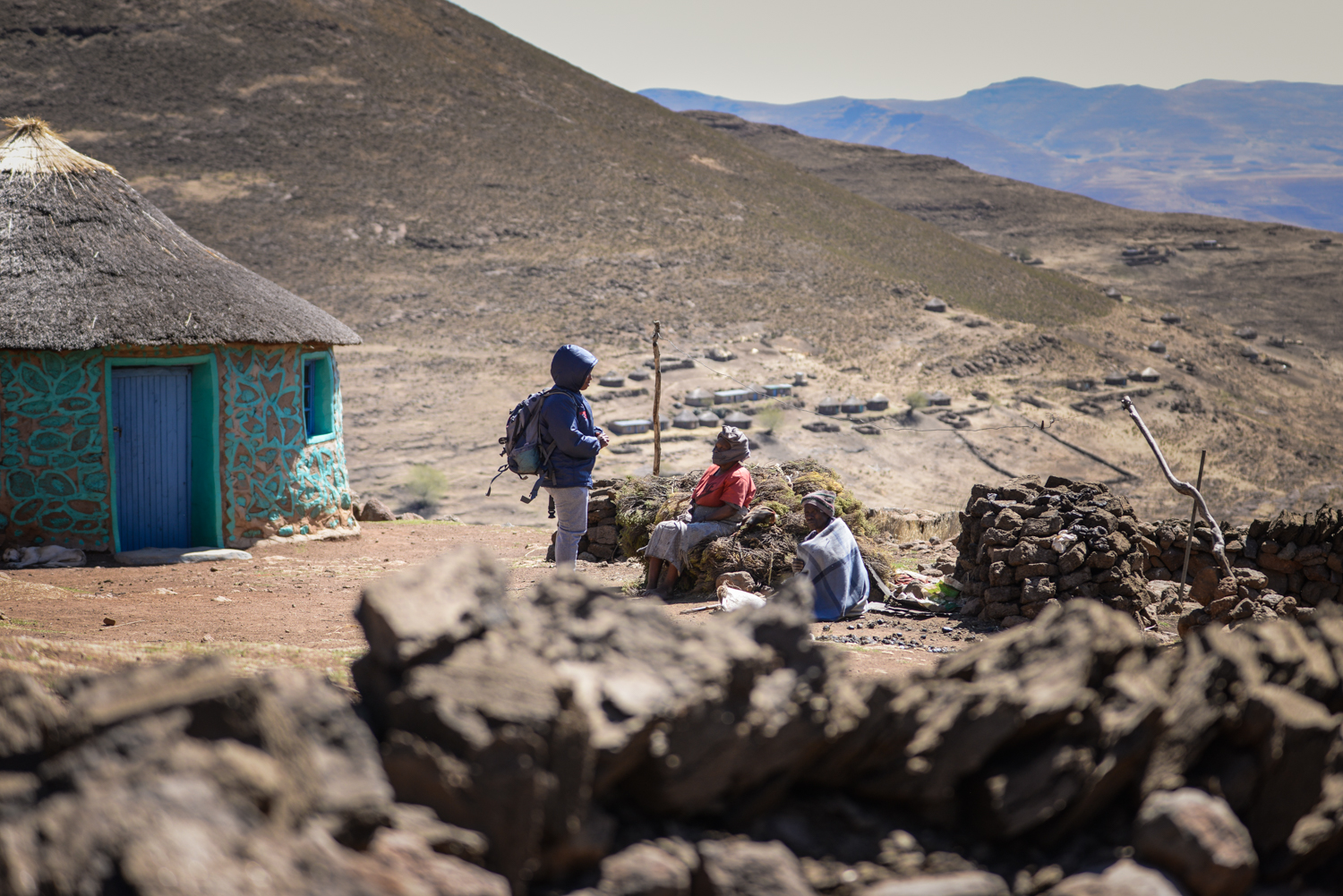
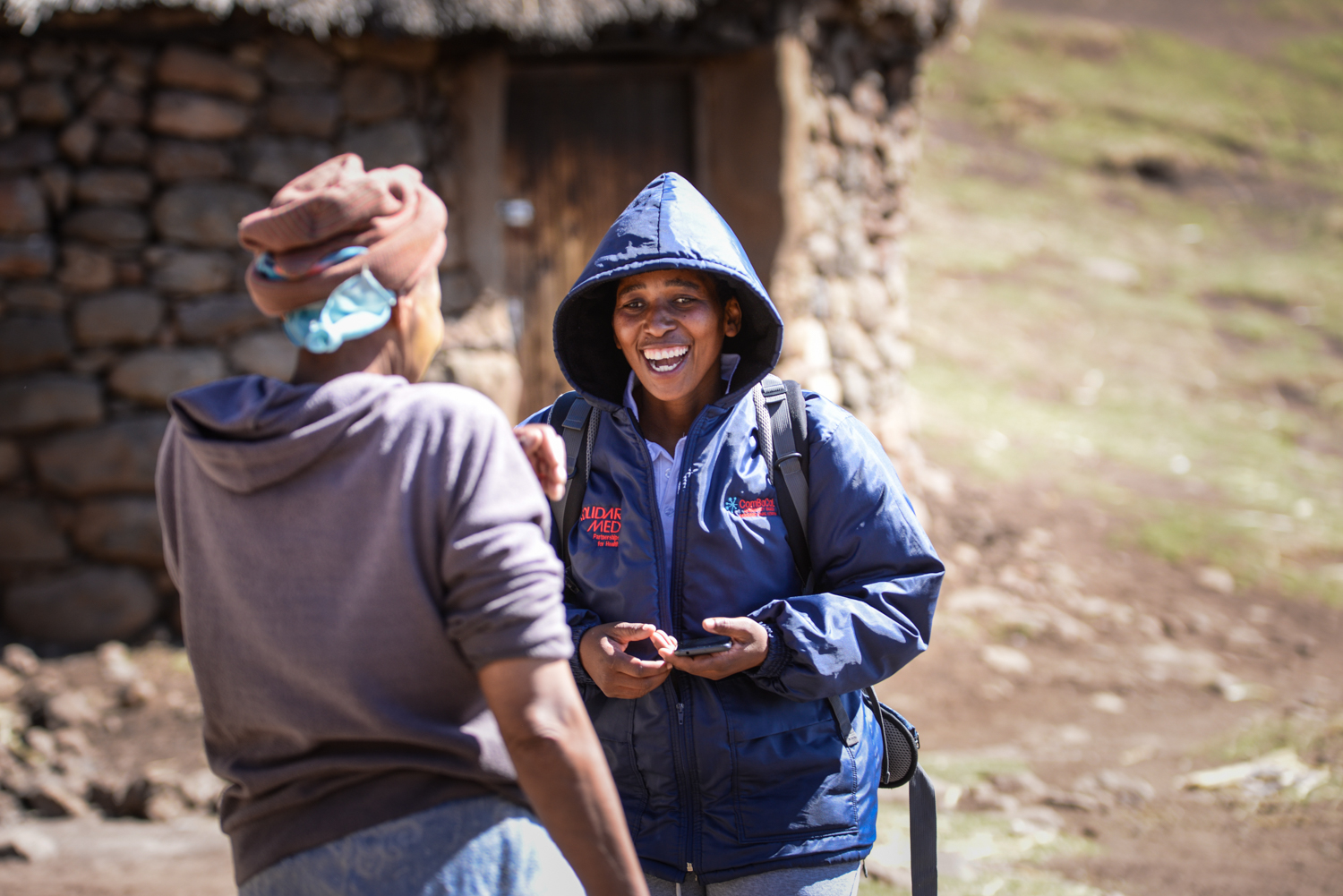
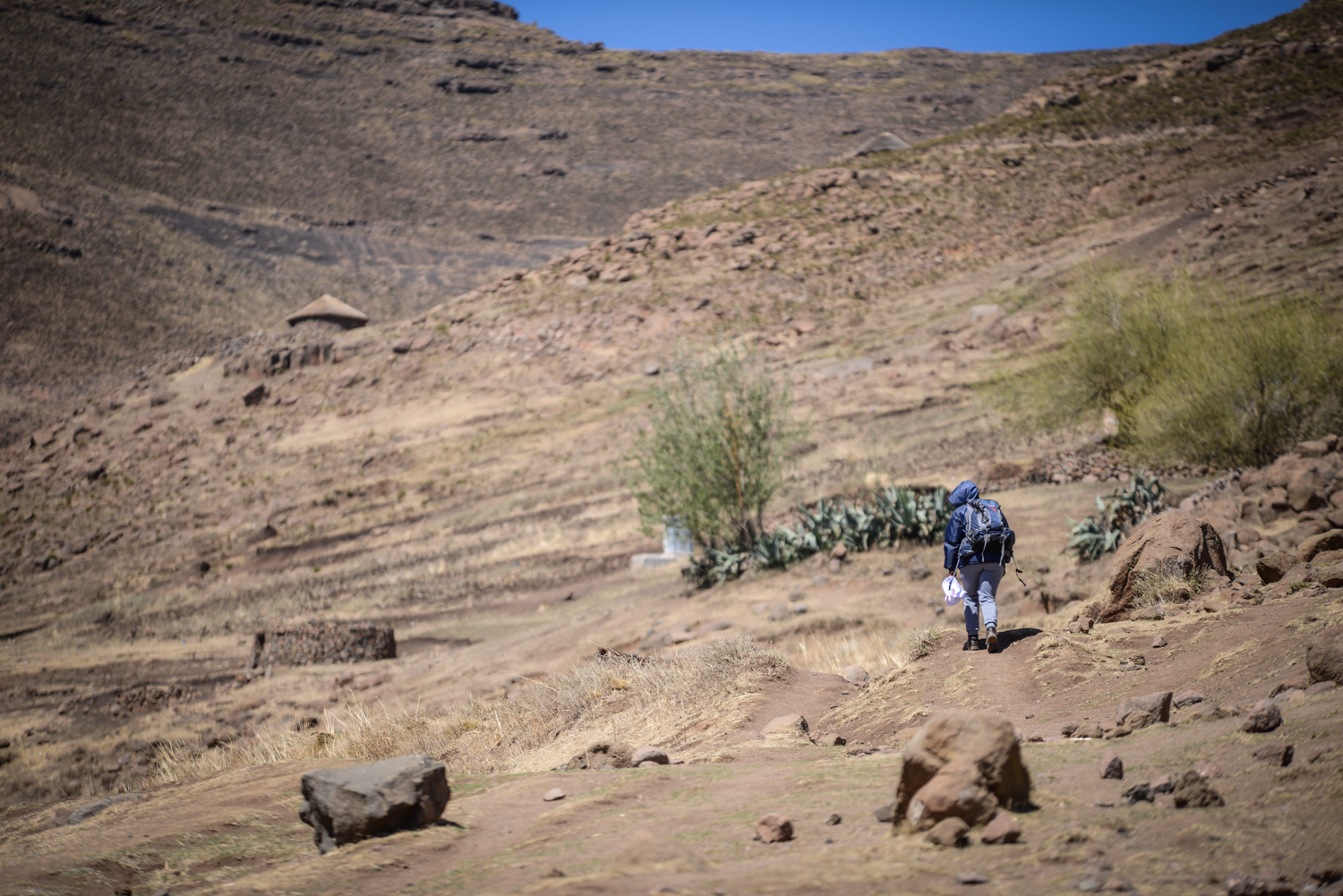
Mats’oanelo Makaka in Ha Taelo. Photos © Meri Hyöky
“People in this village live by growing maize and wheat, or by owning animals like sheep. They are able to sell the wool from their sheep, or they even sell their sheep sometimes,” explains Makaka. “It can be challenging at times to set up appointments with patients here, because you might find that you’ve agreed on a time, and when the time comes, the patient is out in their fields and is not at home.” Despite such challenges, Makaka says that the flexibility of her job allows her to adapt to the villagers’ shifting schedules and meet them on their own terms. She also explains how using a tablet and the e-Health application simplifies her work.
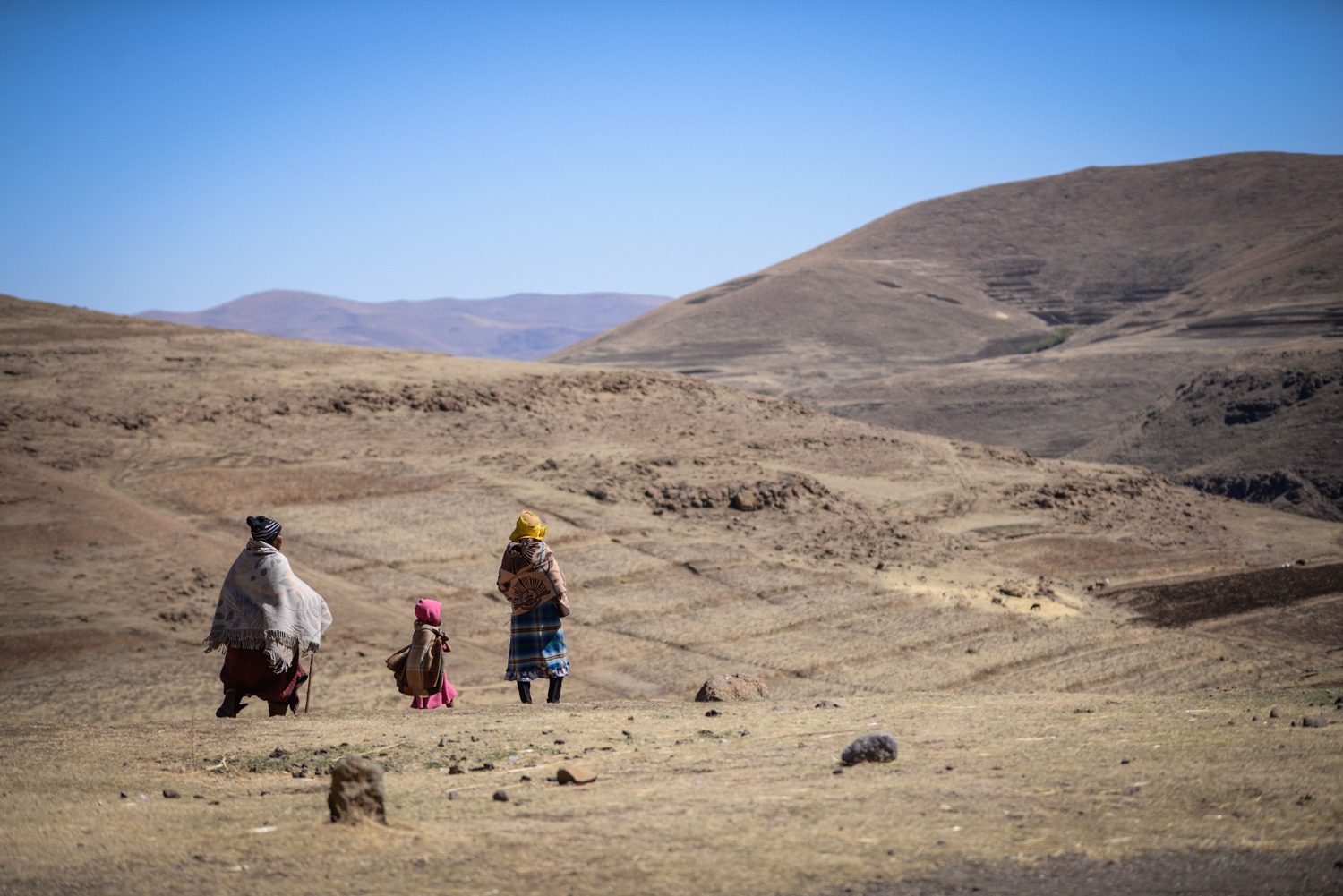
Village of Ha Taelo. Photo © Meri Hyöky
“I love my job because I don’t have a strict schedule that tells me to go to work from Monday to Friday. I go to work whenever I’m able to agree on a date and time with my patients. It could be in the afternoon, or at any time of the day. You’ll even find me at work on a Sunday, as long as I’ve set an appointment with my patients. I test my patients in their homes, and so it’s easy to set follow-up appointments if we need to. The tablet makes everything straightforward because after doing my work, I can sync all the data, and I don’t have to travel to town to deliver paperwork. If I make a mistake, my supervisors let me know, and I’m able to correct the mistake immediately.”
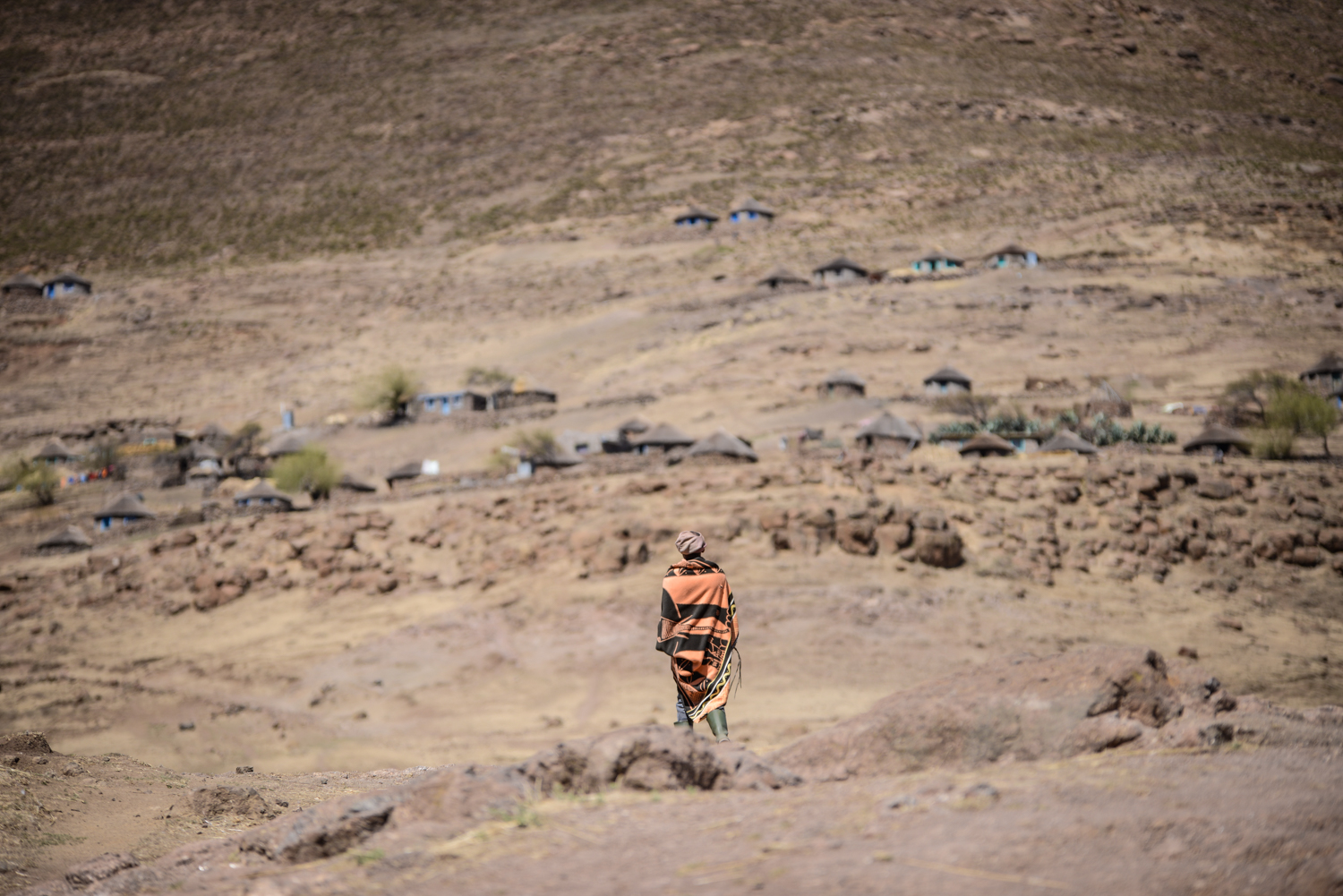
Village of Ha Taelo. Photo © Meri Hyöky
Dr Ravi Gupta, Project Manager for ComBaCaL in Lesotho, explains that the programme was initiated in 2021 in response to the growing health burden of NCDs in Lesotho, which in the past few years have overtaken HIV/AIDS as the leading causes of premature death and disability in the country. Lesotho has successfully reduced the prevalence of HIV/AIDS-related deaths, in large part due to a decentralised HIV/AIDS testing and treatment strategy. The ComBaCaL project seeks to learn from the successes of Lesotho’s HIV/AIDS interventions, to implement a similar decentralised strategy, and to generate evidence regarding whether VHWs can be utilised to offer care and treatment of uncomplicated hypertension and diabetes. The programme’s positive outcome has the potential to greatly widen the reach and accessibility of the NCD programme to other remote and underserved communities in the country.
“At the community level, we’re testing an innovative model of care that uses VHWs,” says Gupta. “The idea is that chronic care patients who are not facing major problems—but who need regular check-ups and medicine refills—can be managed and attended to at the community level by the VHWs.”
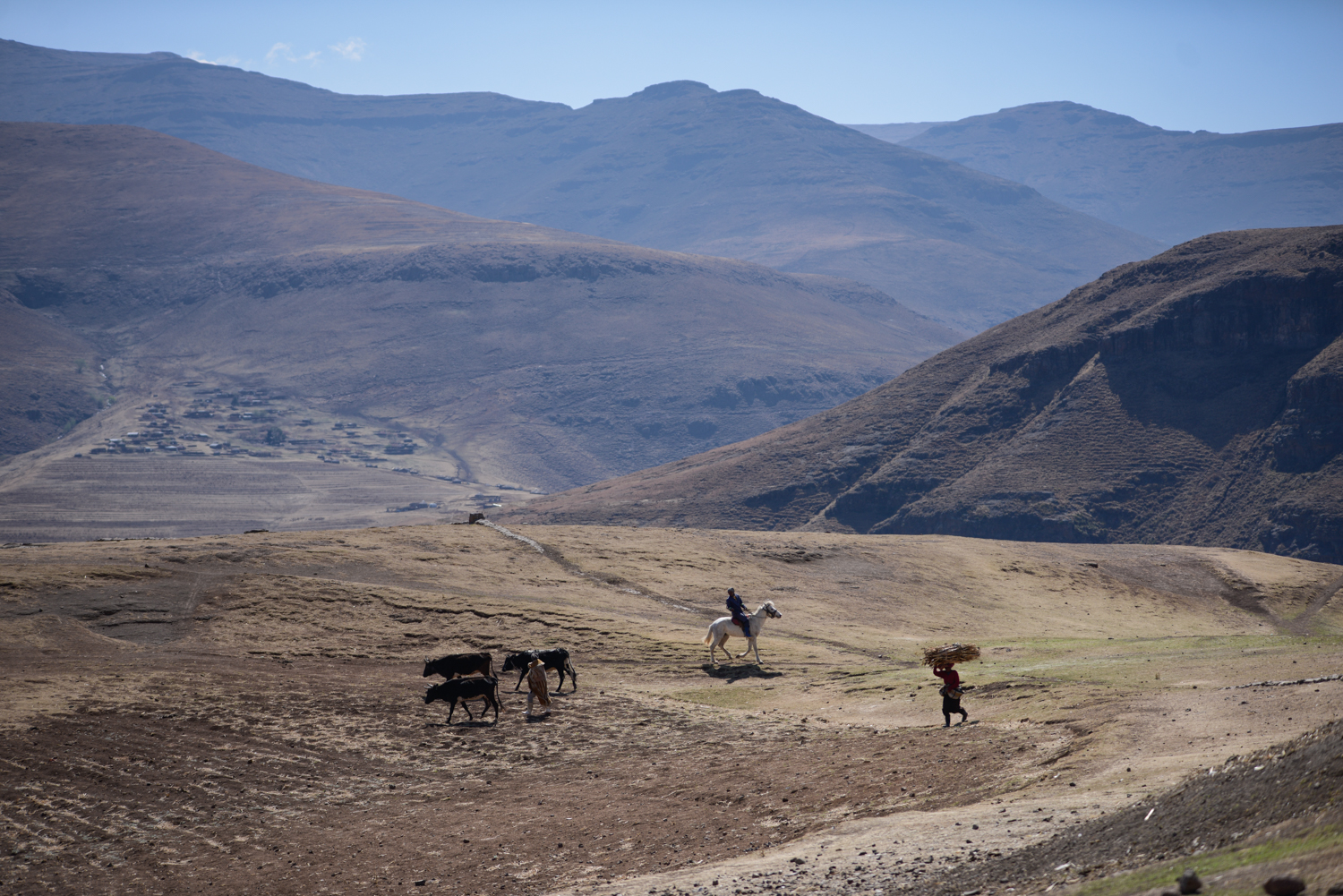
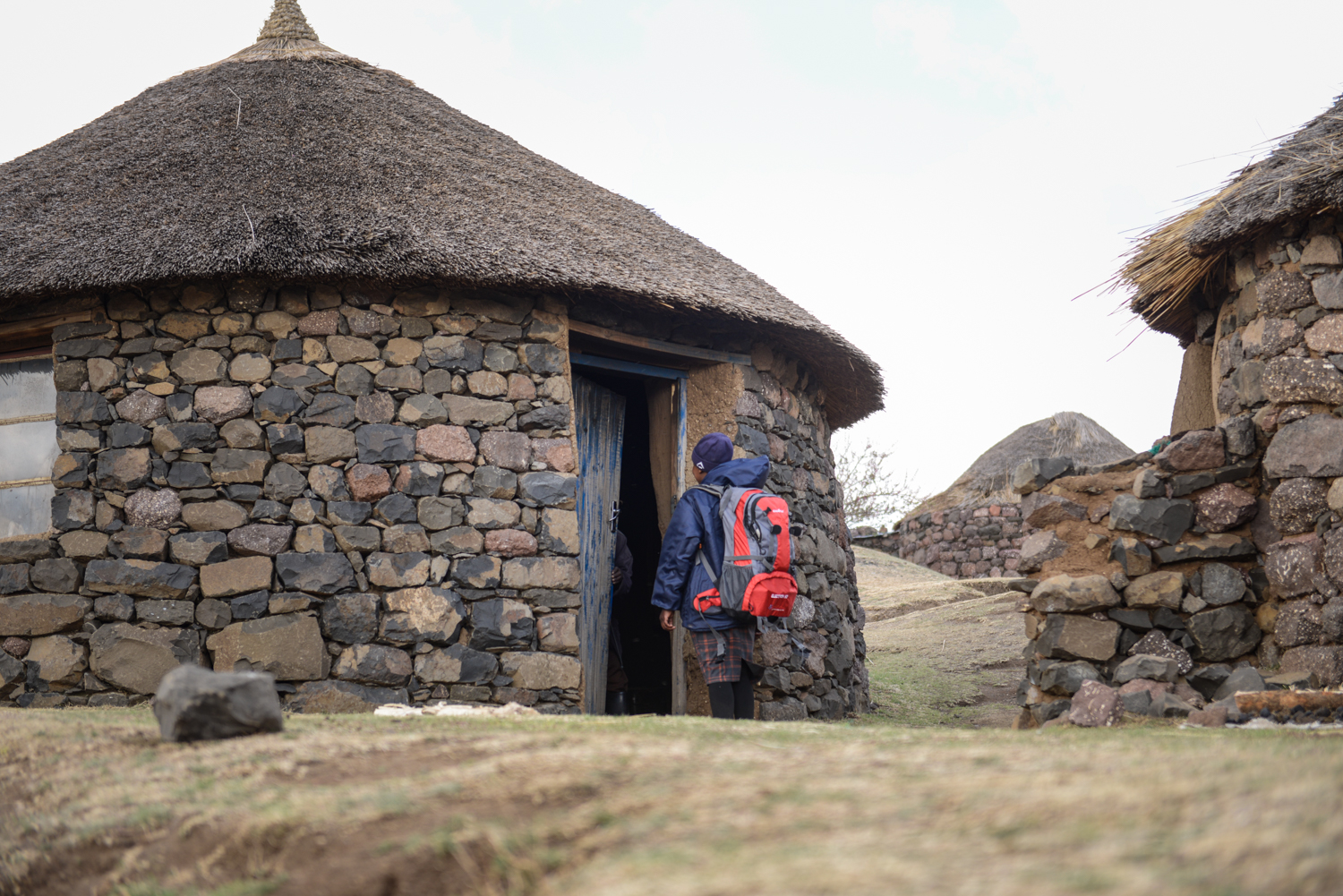
The rural village of Kholokoe in north-eastern Lesotho. Photos © Meri Hyöky
To adopt a sustainable approach, ComBaCaL has provided entrepreneurial skills training to 50 VHWs who developed context-specific business plans and will receive support to set up their own micro-enterprises. In addition to the training of VHWs at the community level, ComBaCaL has also implemented several other activities at Lesotho’s district and national levels in the first two and a half years of the programme. At the start of the programme, ComBaCaL conducted a baseline NCD prevalence and morbidity survey that evaluated the NCD status of over 6,000 people in rural Lesotho. The survey pointed to high levels of cardiovascular risk factors, including significant percentages of adults who were overweight and who had high blood pressure.
In collaboration with Lesotho’s Ministry of Health (MoH), ComBaCaL also successfully helped to revise the country’s Standard Treatment Guidelines (STGs) for the management of NCDs. ComBaCaL is currently working with 23 health facilities in Butha-Buthe and Mokhotlong where health professionals have been trained to implement the new STGs, and where a system of patient registers and treatment cards has been developed to efficiently monitor and track the status of NCD patients.
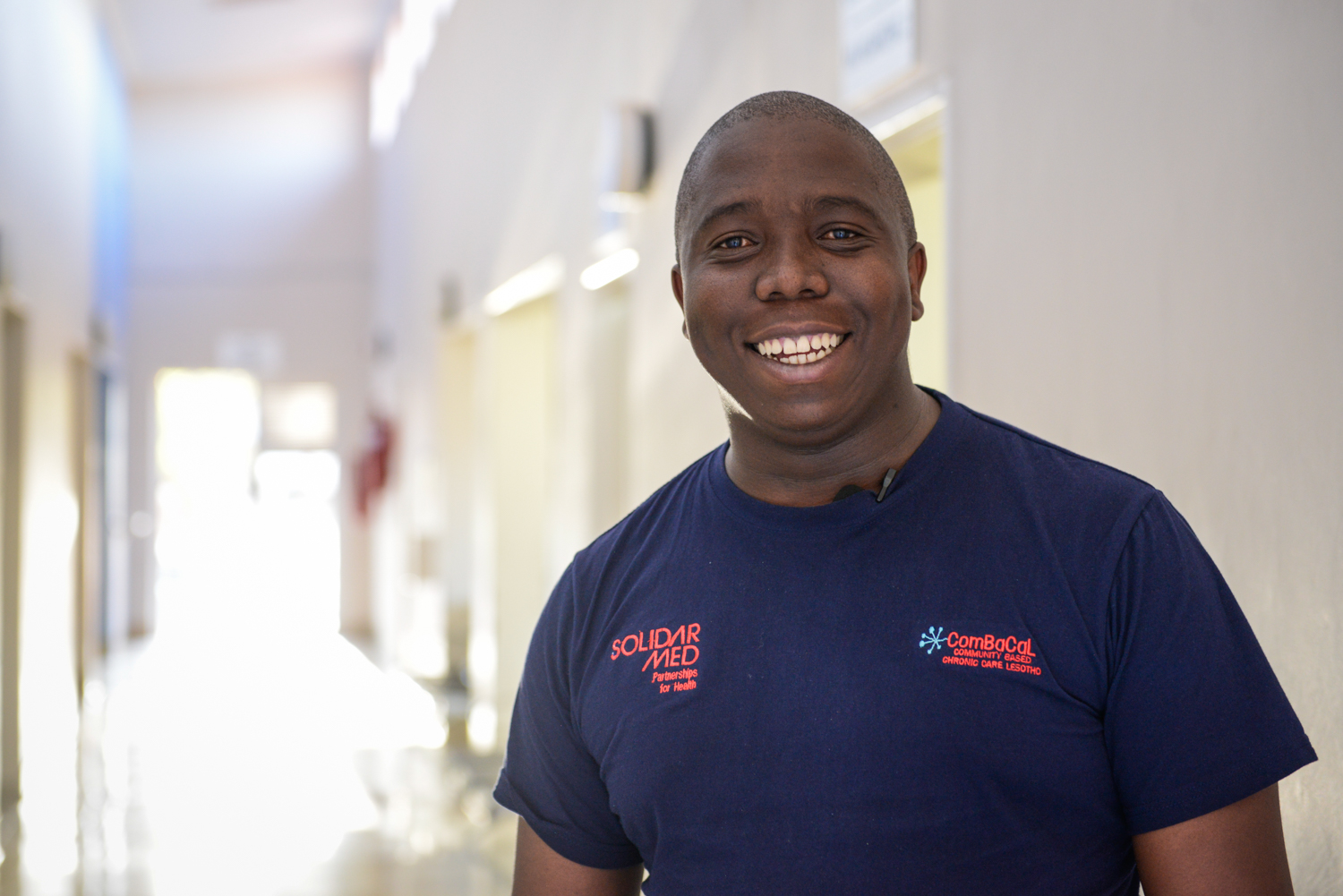
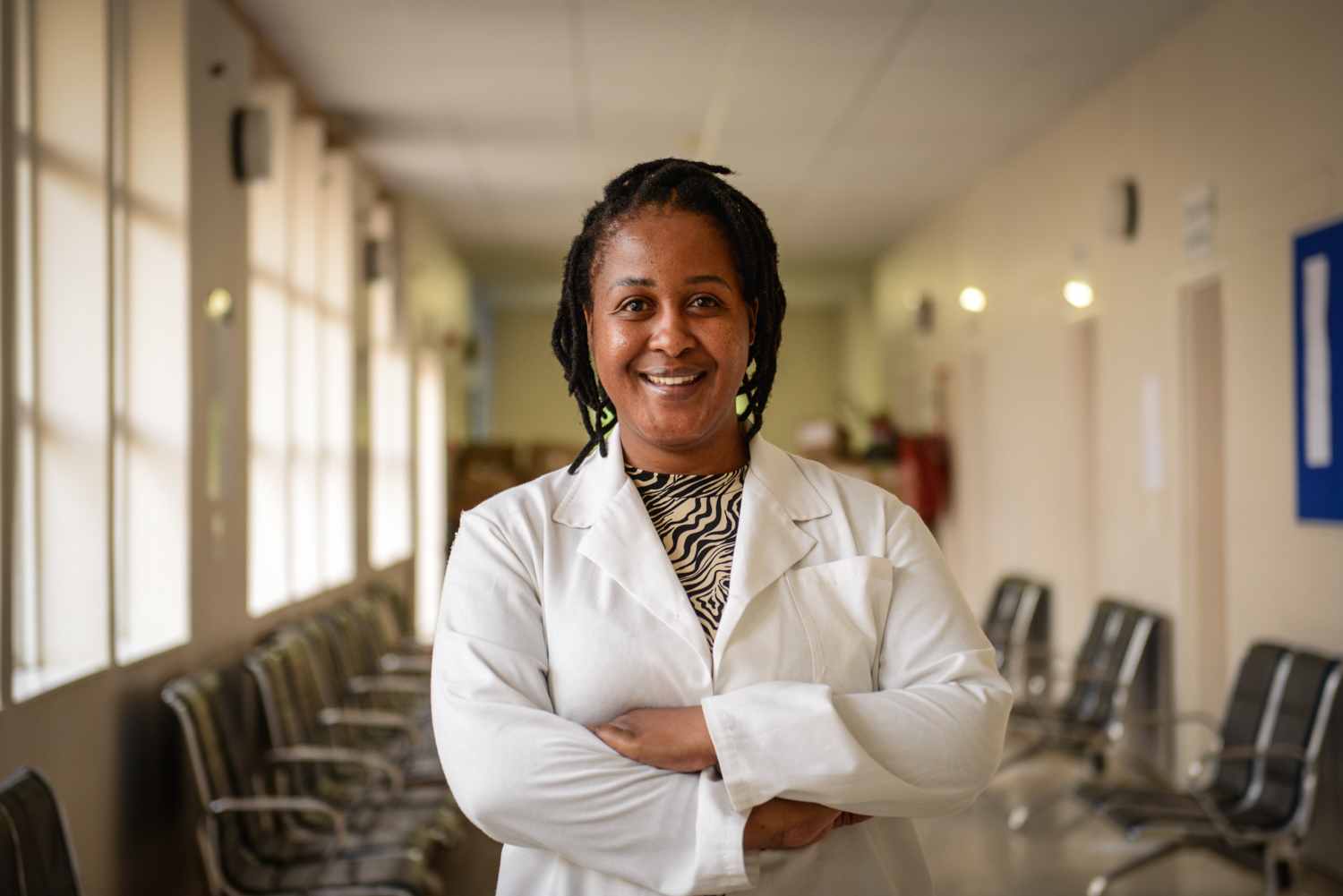
‘Mota ‘Mota and Dr ‘Mamakhala Chitja. Photos © Meri Hyöky
‘Mota ‘Mota, an NCD nurse mentor in the Mokhotlong district, explains the unique role that mentors play in the ComBaCaL project—as they simultaneously oversee the work of VHWs and mentor nurses at health facilities.
“I assist the nurses here with making sure that they adhere to the new guidelines, which helps with the provision of the best possible care to the nation,” says ‘Mota, who talks to us in one of the health centre’s corridors during his workday. “If implemented correctly, the improved guidelines really help to diagnose and manage NCDs correctly. I also supervise and assist the VHWs with any challenges they’re facing. For some of the VHWs, it’s taken time to get used to the technology, but we’re here to help when this happens. The e-Health application is great, because the questions are also translated into Sesotho and the app always guides the VHWs on what to do next.”
Dr ‘Mamakhala Chitja, NCDs Technical Advisor for ComBaCaL, also speaks to us from a corridor in the Mokhotlong District Hospital. Dressed in a white lab coat, Chitja has just stepped out of the hospital’s boardroom, where she is spending the day conducting a training workshop for health professionals on diabetes and hypertension management.
“We’re supporting all the hospitals and health centres in Butha-Buthe and Mokhotlong to improve their management of patients with NCDs, and to help with their systems of early diagnosis and early treatment,” explains Chitja. “We provide trainings where we capacitate our nurses so that they know when to screen patients, when to diagnose, and when to either treat patients within the health centre or to refer them to the hospital. We further support health centres and hospitals with medical equipment that they can use to diagnose patients.”
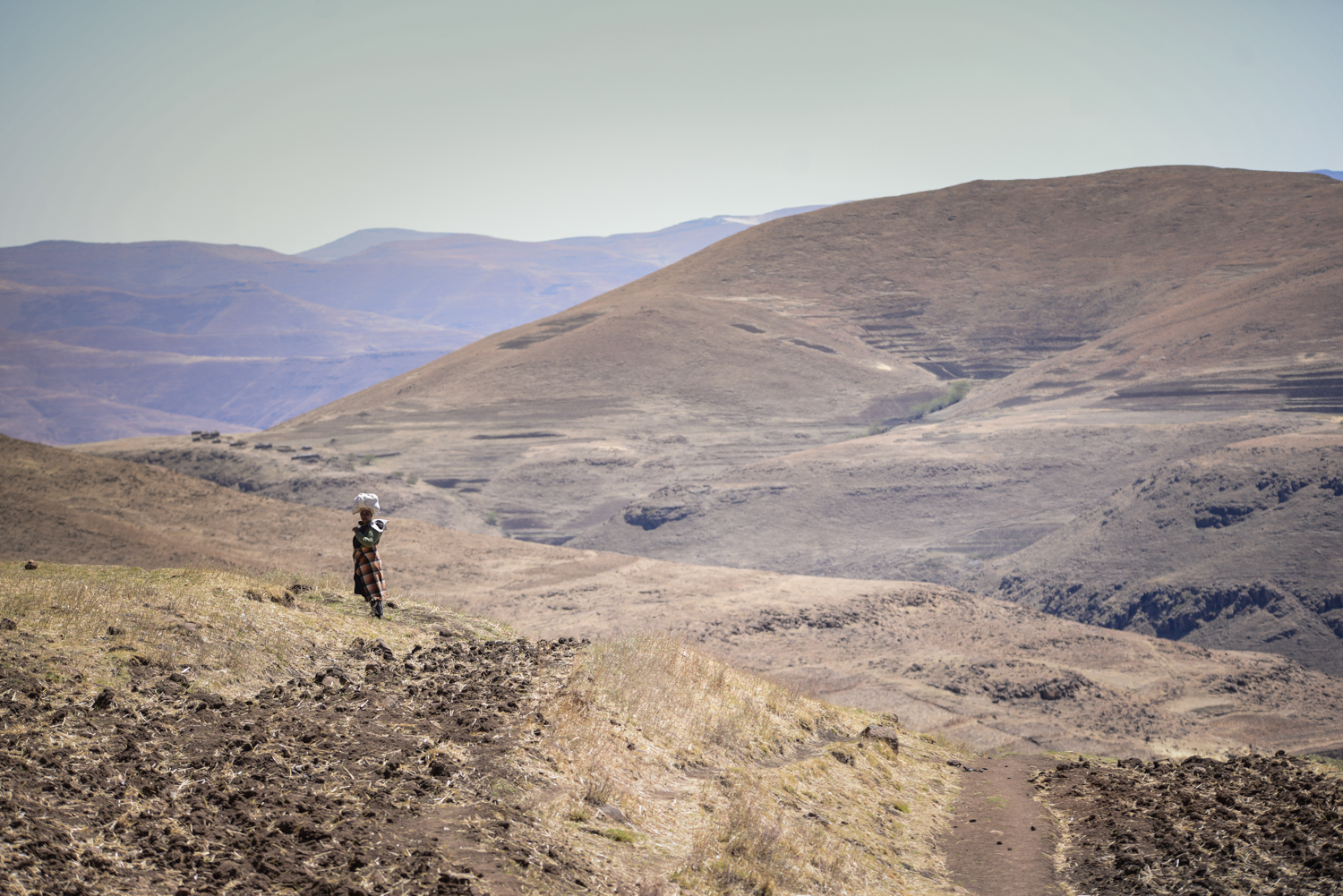
Village of Ha Taelo. Photo © Meri Hyöky
“We’re also collaborating with the National University of Lesotho,” Chitja continues. “We provide internship support to students from the Faculty of Health Sciences, who are able to come to one of these health centres to conduct research related to NCDs, and who then report their results to the hospital and district health management teams, which helps to further inform our own research and activities.”
ComBaCaL’s capacity building efforts also extend to providing bursary and training opportunities for young Basotho to complete their master’s and PhD degrees in Switzerland. Moshao Makhele, a Mosotho medical doctor, is currently pursuing a PhD in Clinical Research at the University of Basel. Makhele’s PhD research specifically investigates NCD risk factors within the population of people living with HIV/AIDS in Lesotho.
“I’ve been here since April 2023, and I’m very grateful for this opportunity,” says Makhele, who speaks to us from Switzerland over a Zoom call. “I’ve been attending courses and gaining skills that will help me to carry out efficient research when I go back into the field. This is a great opportunity for someone like me who comes from a country with very few resources. The universities here are world-class, and it’s really important for me to get that experience first-hand. I’m looking forward to gaining skills here and to bringing those skills back to Lesotho to do everything I can to improve my country’s health systems.”
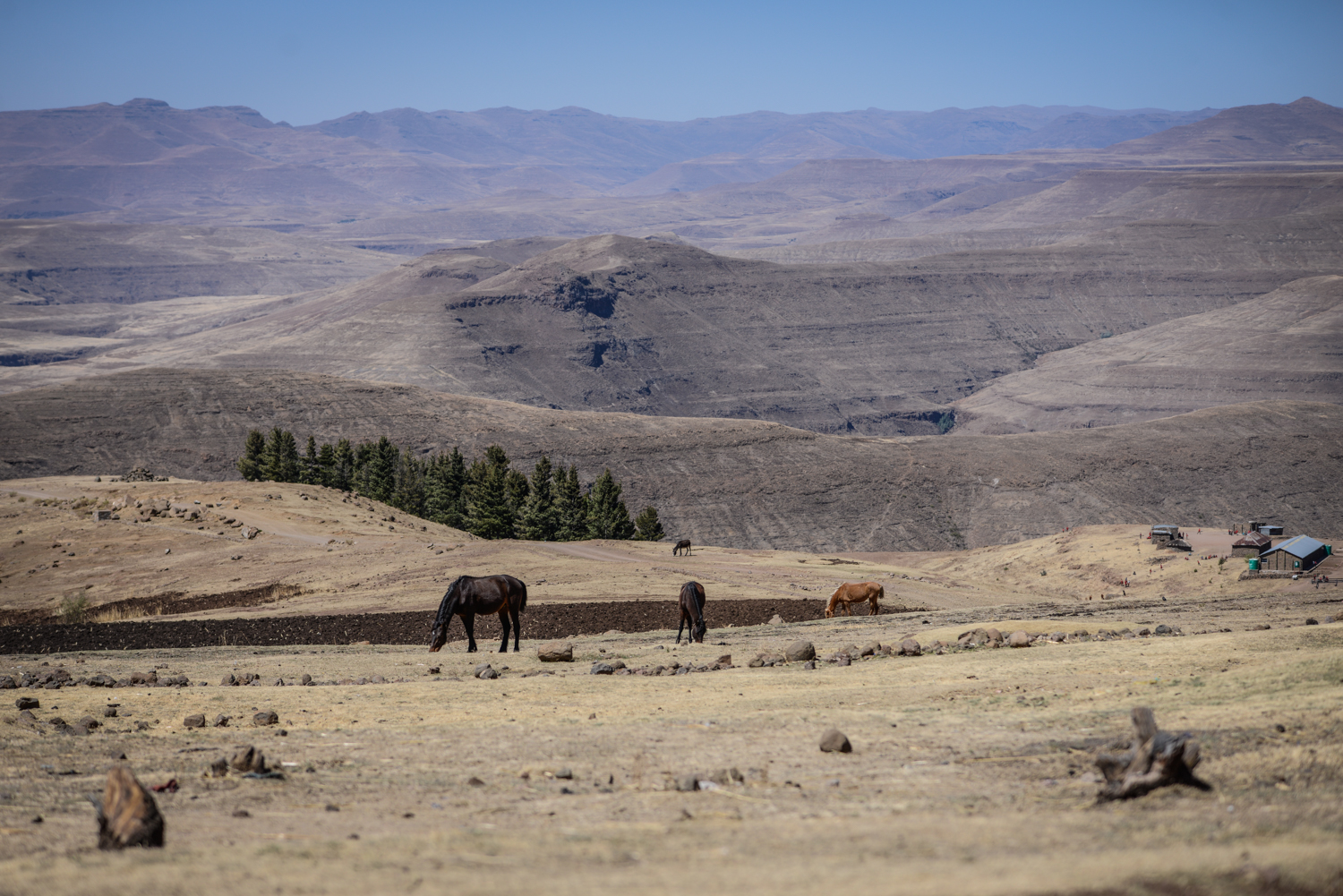
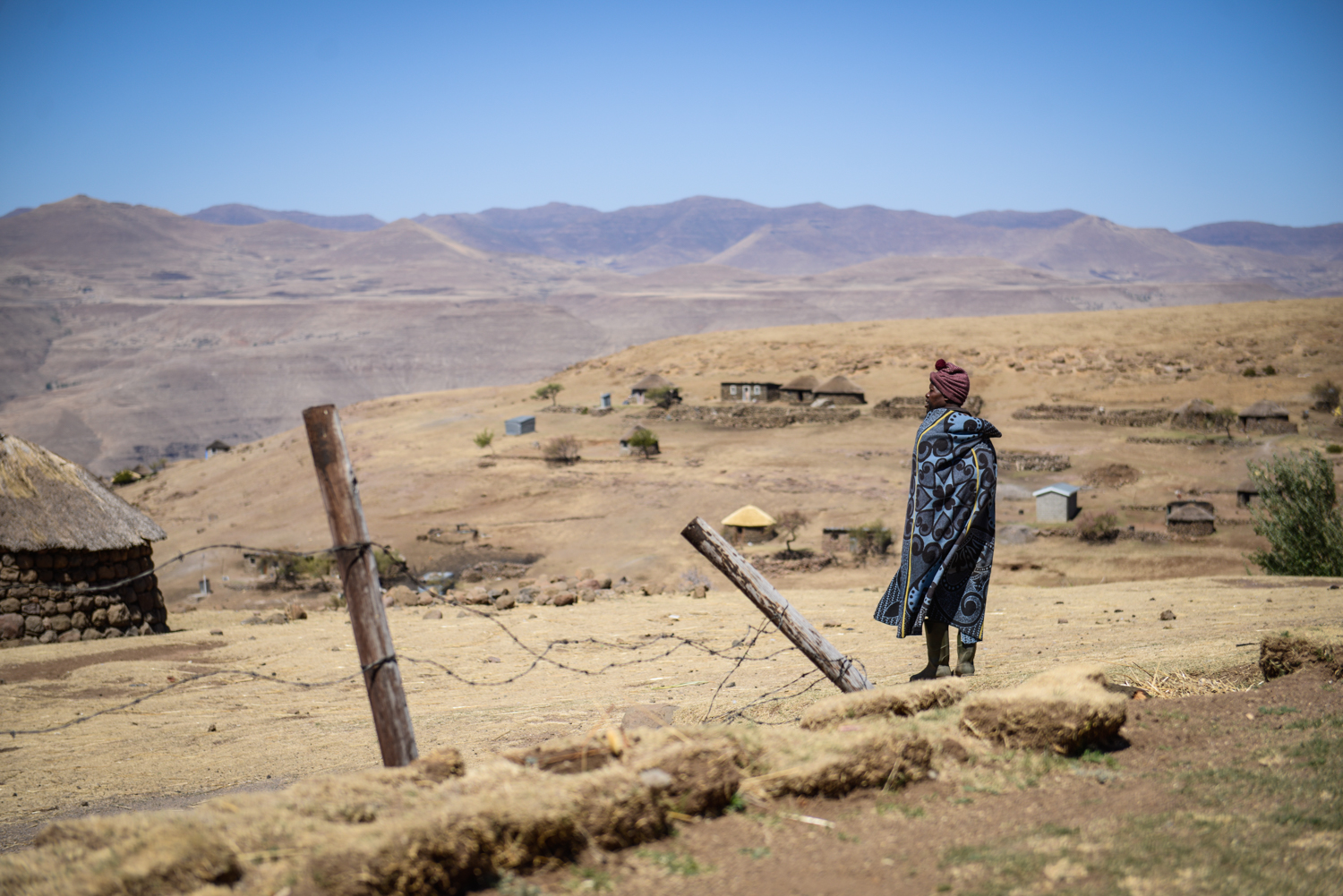
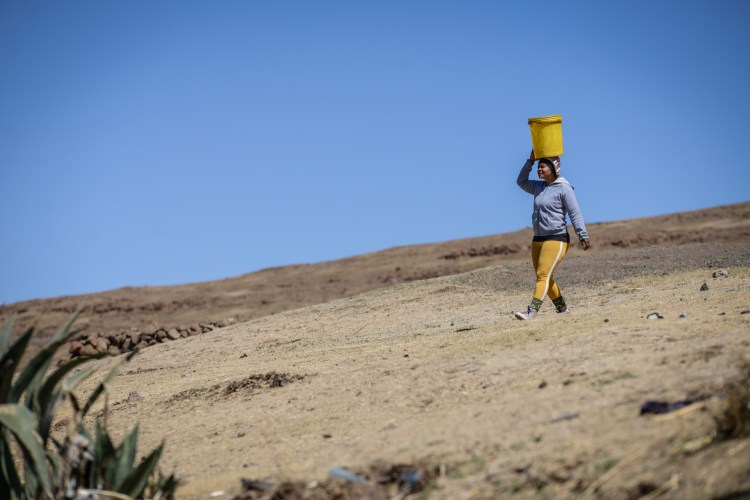
The remote village of Ha ‘Mei in north-eastern Lesotho, approximately 50 km from the town of Mokhotlong. Photos © Meri Hyöky
Back in Mokhotlong, Madavida Mphunyane—NCD Programme Manager at Lesotho’s Ministry of Health—and her colleague Likeleli Khaketla are visiting VHWs in the village of Ha ‘Mei. Mphunyane and Khaketla sit with VHWs in their homes, listen to the challenges they are encountering, and offer advice and support where necessary.
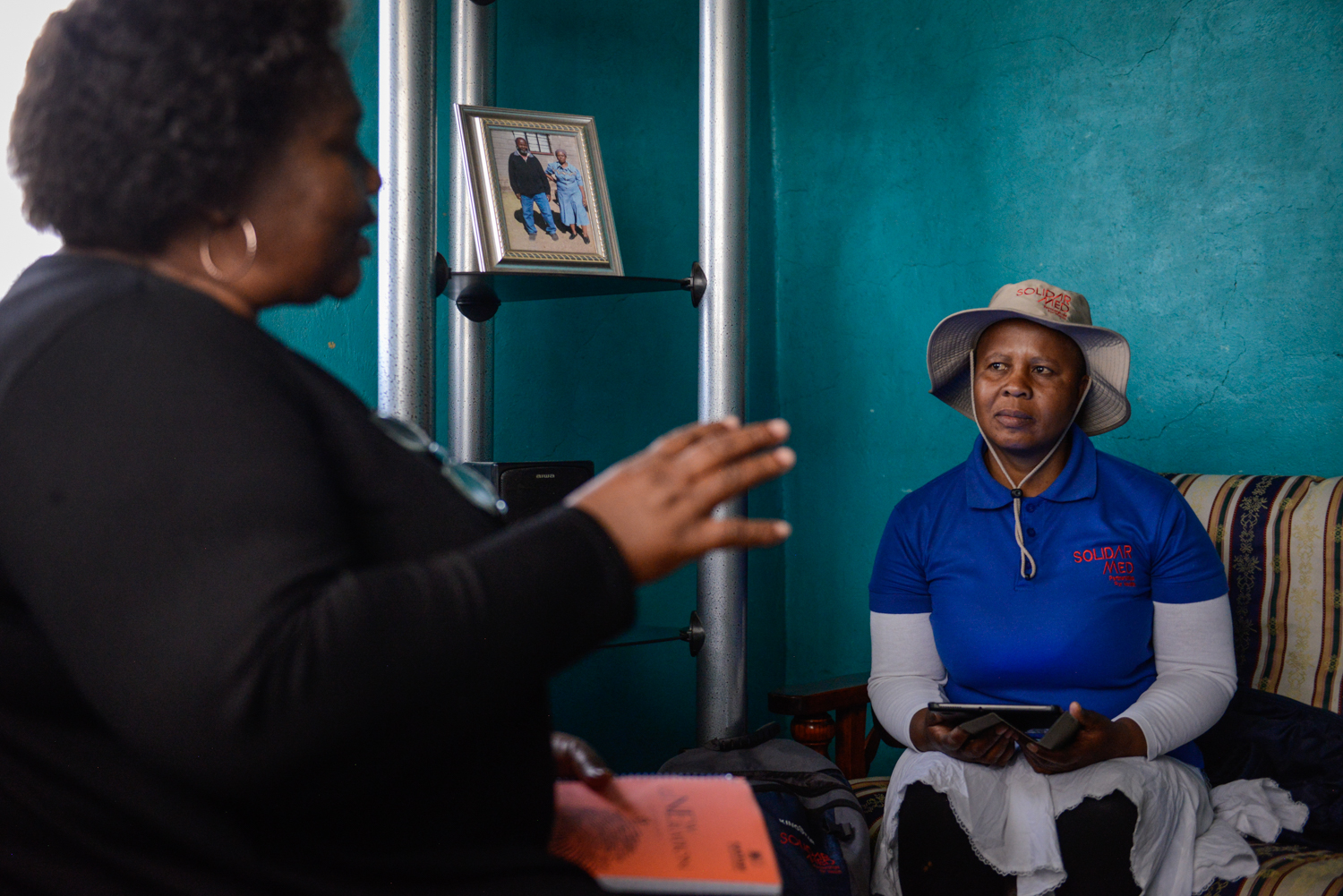
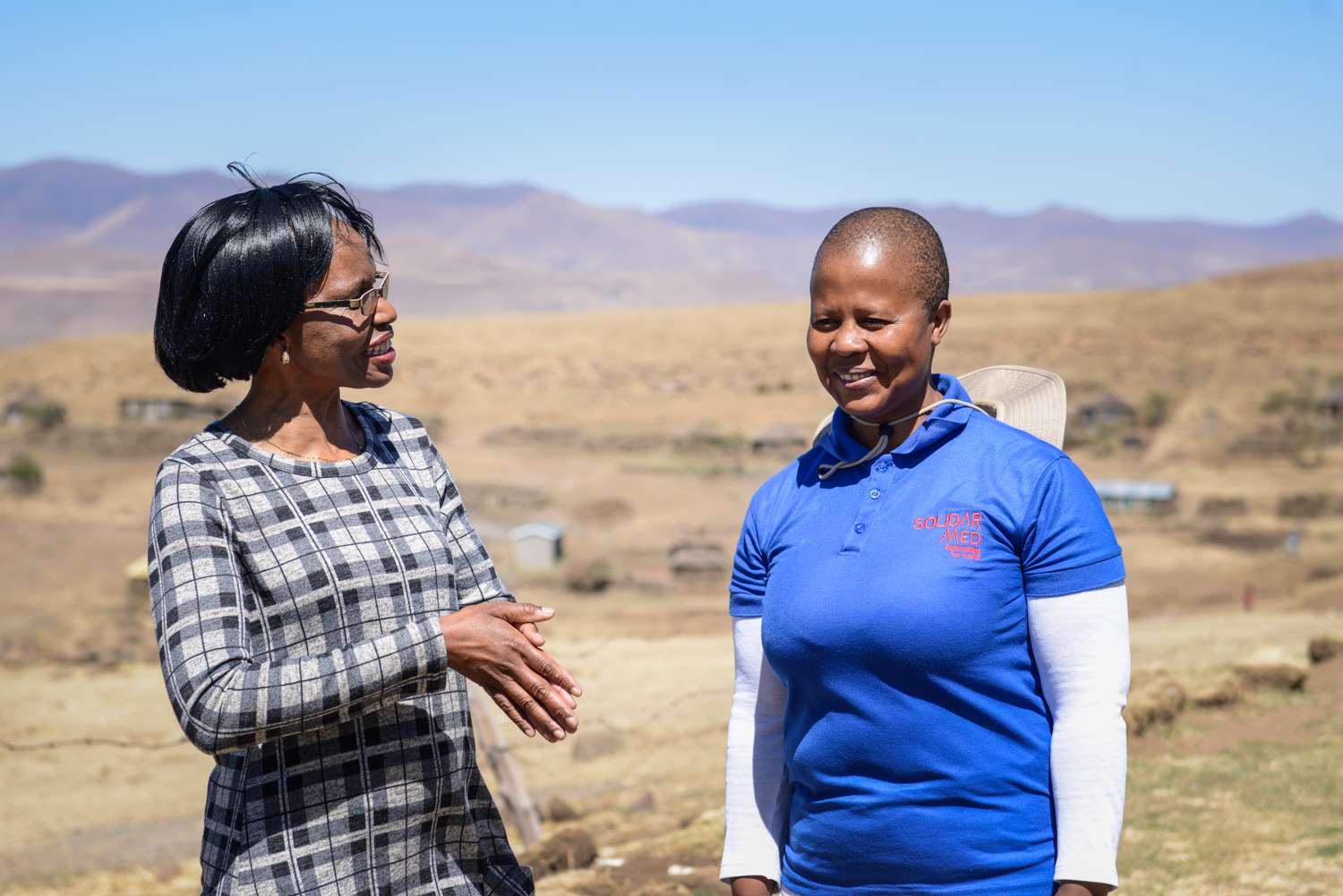
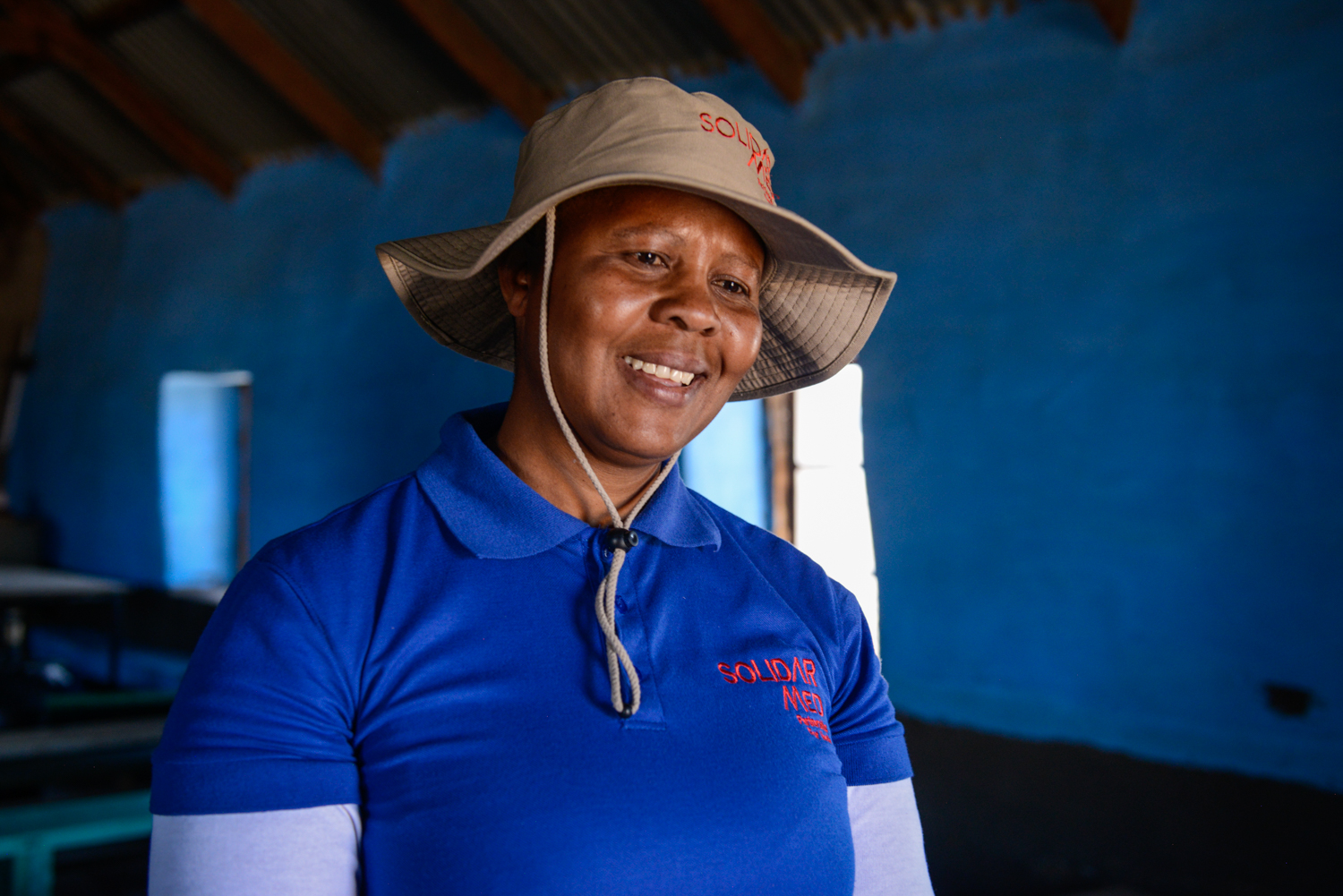
Likeleli Khaketla and Madavida Mphunyane with VHW ‘Marelebohile Foloko in the remote village of Ha ‘Mei in north-eastern Lesotho, approximately 50 km from the town of Mokhotlong. Photos © Meri Hyöky
“We try to motivate and help the VHWs in every way possible, because their job is not easy, and sometimes we need to educate other people in the village to help them understand what ComBaCaL is all about,” explains Mphunyane. “Many people in Lesotho have NCDs but are unaware of this, because these illnesses are good at hiding and can catch you off guard. Thanks to ComBaCaL, awareness around NCDs is growing and I’ve seen positive changes in people’s willingness to go and get tested. VHWs are really important because it means that there’s somebody nearby, in your village, who can run regular tests to make sure that all is well.”
“We are thankful for ComBaCaL’s presence, and we know that in these five years we’ll see even more progress,” Mphunyane continues. “We’ve seen that VHWs can do their job. At the end of the day, we need the results from the ComBaCaL project to help our work in other districts in Lesotho. NCDs are dangerous illnesses and we need this project all over Lesotho, to help all Basotho.”
Learn more about ComBaCaL: combacal.org

 Freedom of the Press and Safety of Journalists
 Elections & Information Disorder
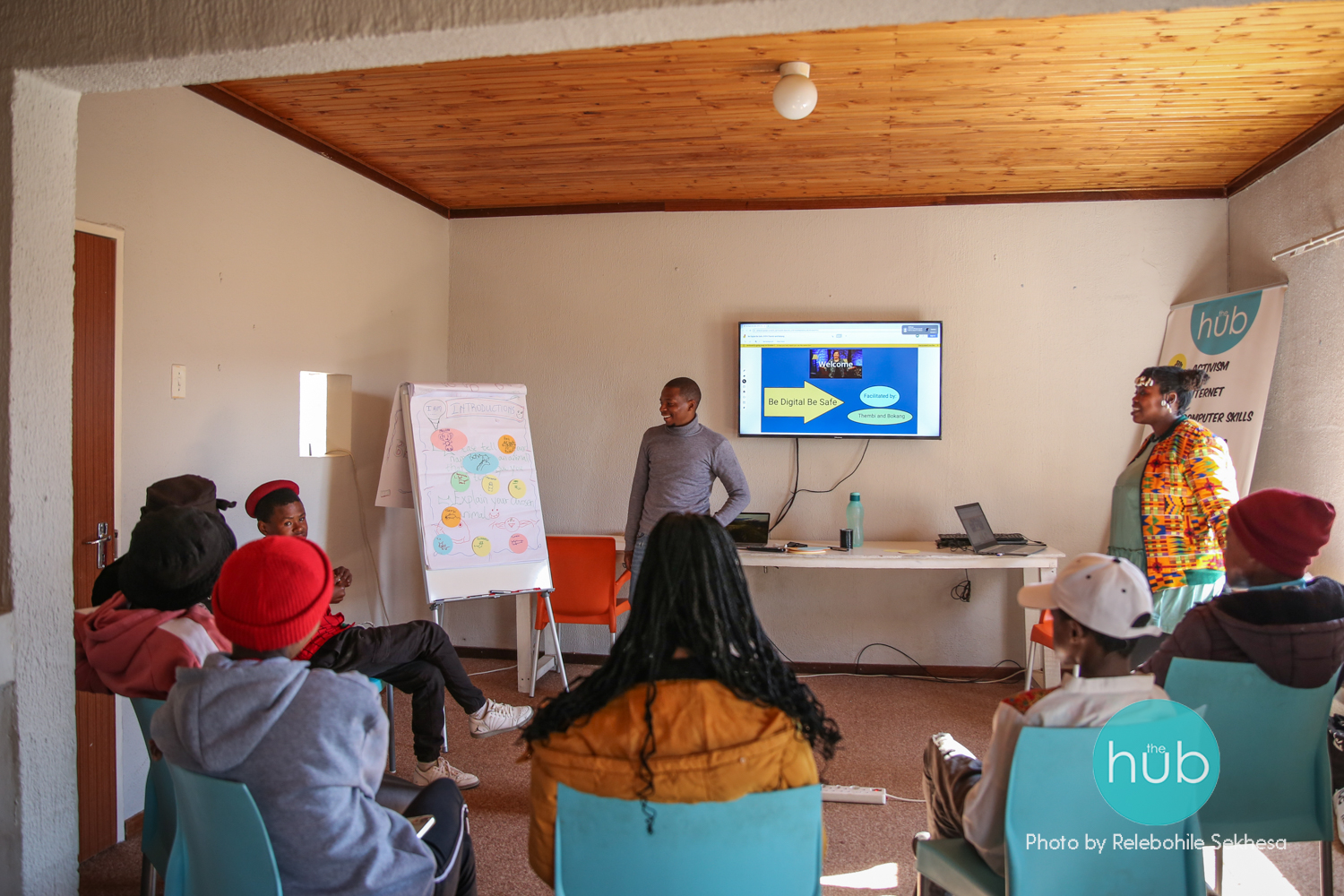
 Be Digital Be Safe
 Power 2 Empower









 The Hub