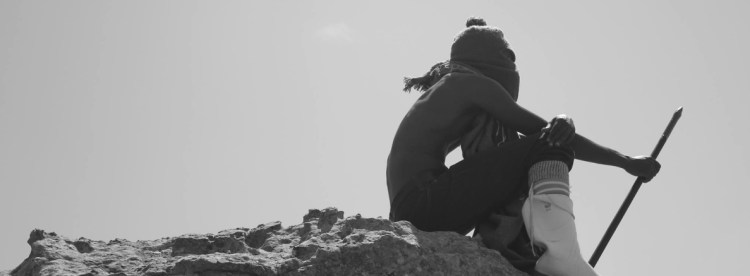
January Weekend Workshop: Photography

In 2017 The Hub is hosting monthly weekend workshops that are teaching a range of skills, including photography, film-making, women’s rights and gender based violence, and ways to meaningfully address and tackle relevant socio-economic issues such as gender-based violence and human rights.

January’s weekend workshop on photography was held from Saturday 28 – Sunday 29, led by visual artist Mpho Sephelane. She challenged the participants with exercises that made them not only think about composition in photography, but the power of concepts and messages photographs can portray.

An exhibition of photographs from the workshop will be held at Alliance Française de Maseru from March 6 – 18, 2017.

Coming up February 18 – 19: Creative Writing. Interested in joining the workshop? Become a member of The Hub for M100/year and gain access to all of our resources and workshops.

We’d like to extend a big thank you to the Open Society Initiative for Southern Africa (OSISA) for funding weekend workshops at The Hub. We are looking forward to the next workshop!

Photos from the workshop:

Ready for 2017

The Hub has been back in action for a few weeks after a summer break. Job-Ready Fridays have featured a photography Skills Session, and Hub Talks by singer Leomile, and Kanono Thabane from Lesotho Council of NGOs. Some of the upcoming speakers are award winning actor Lebohang Ntsane, and entrepreneur/motivational speaker Nozipho Nonyana. We are so fortunate to have visiting speakers who open our eyes to new possibilities. Job-Ready Fridays will continue through 2017, with support from Glasswaters Foundation.

From Saturday January 28 – Sunday January 29 we are hosting visual artist Mpho Sephelane for a weekend photography workshop. February’s creative writing workshop will run from Saturday February 18 – Sunday February 19.

The first weekend in March The Hub hosts a workshop on women’s rights and gender based violence, making way for International Women’s Day on March 8th. With support from Open Society of Southern Africa, weekend workshops will continue to cover topics that aim to foster a community of young people in Morija who are skilled, motivated, and socially conscious.

In April, The Hub hosts Maseru based NGO Africa’s Green Generation for a community clean-up workshop. The workshop will give the chance for 20 participants to earn an annual membership to The Hub by participating in the community clean-up.

Weekly literary club WordPower has also resumed. They meet every Thursday to read and write stories, poetry, and more. WordPower is supported by Selibeng sa Thuto Trust.

The Sankofa Photography Project continues to challenge members of The Hub to a monthly photography contest with different themes.

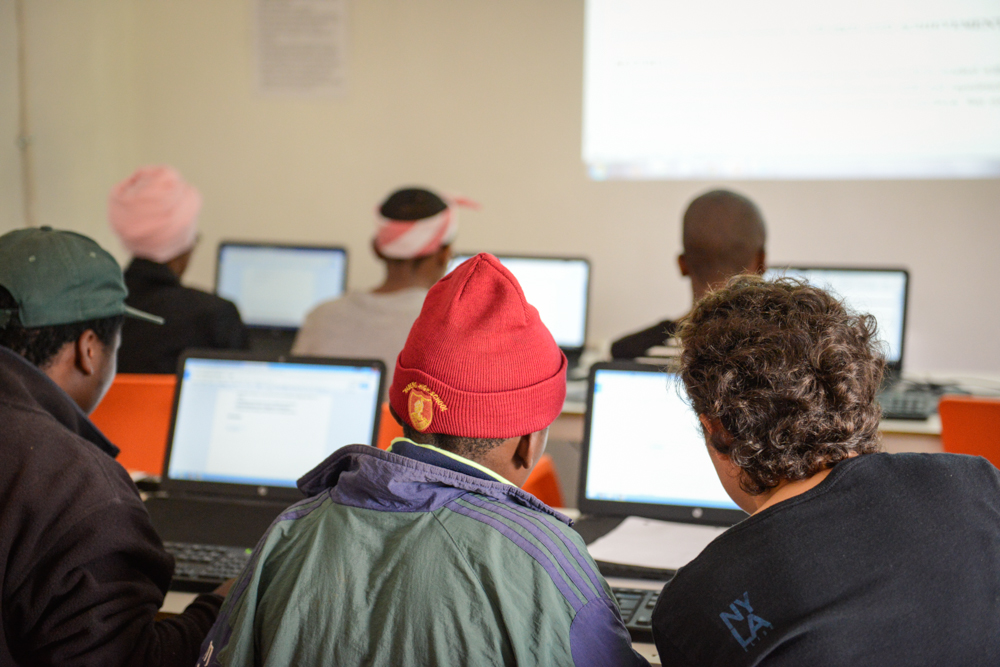
The Hub is also continuing to sponsor computer skills lessons to students from Nkhono ‘Mamohato Training Centre, as well as digital storybook readings with Morija Primary School.

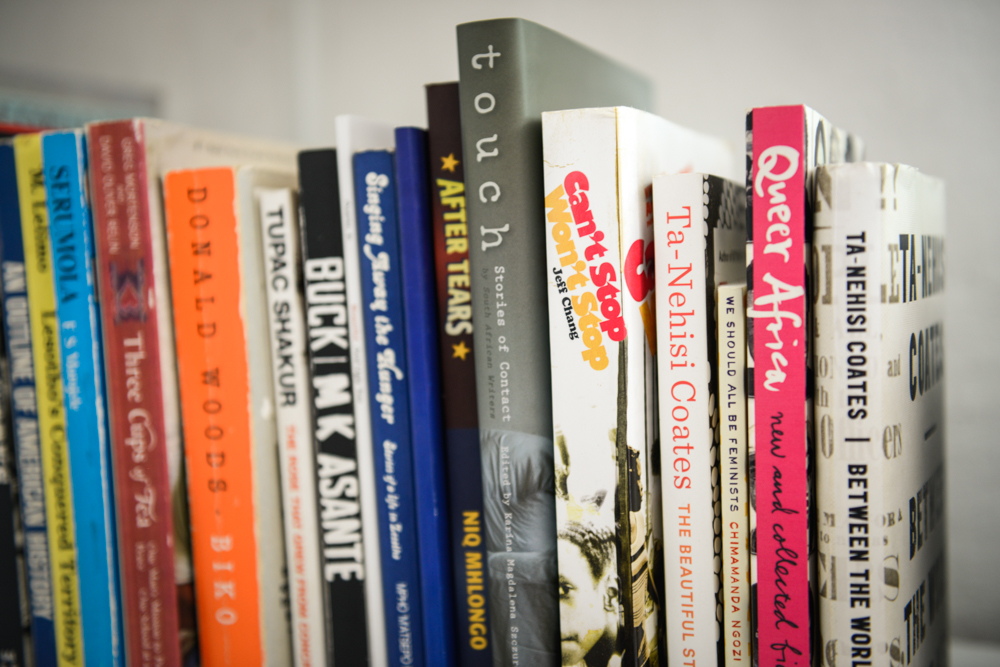
In addition to special activities, we have a growing library of fiction, novels, poetry and more. The Hub also has a digital library that holds films, documentaries, tutorials and more.

An annual membership to The Hub costs M100, which gives access to our computers, the internet, all workshops and activities.

Stay up-to-date with the latest at The Hub via our social media:

Facebook: facebook.com/thehubatmorija

Instagram: instagram.com/thehubatmorija

Questions or comments? Contact us via:

Email: [email protected]

Phone: (+266) 58888387


The Hub at #BareLitFest2016

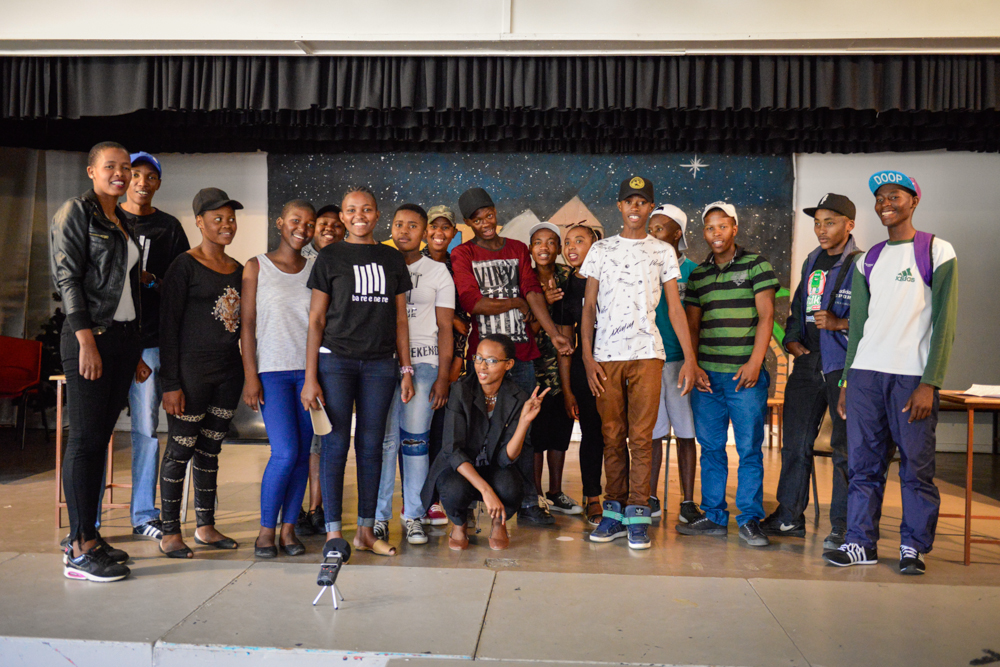
On Saturday 10th December, a group of seventeen members and volunteers of The Hub travelled to Maseru to spend the day at the 2016 Ba re e ne re Literature Festival. We had a wonderful day of listening to inspiring talks and discussions. We also had the chance to meet writers and guest speakers from different countries. Here is what our members and volunteers had to say about their experiences of the Festival:

 “I learnt many important things at Ba re e ne re. In order to be in a good position to write, one must first be in love with reading and then writing will follow. Sindiwe Magona told us that we come to the world bearing gifts from God. If one hears a whisper in his or her heart that says: “write”, it’s a reminder of the gift you came bearing to the world.” — Ts’episo Mahooe

“Ba re e ne re Literature Festival was founded in 2011 by Liepollo Rantekoa. She wanted to improve her community by providing libraries for people who had no access to books. I enjoyed the talk about decolonising our literature. We should write books in Sesotho for people and teach them how to read, write and speak Sesotho. We should also pray in Sesotho. I also liked ‘M’e Sindiwe Magona’s talk. She told us that we can be successful even if we come from poor backgrounds.”  — Tsebo Makakole

 “This year, Ba re Lit Fest included the launch of a book called Likheleke Tsa Puo, which was written by group of Basotho writers. This session inspired many authors to write stories and never give up on their talent. At the Festival I also learnt that voice is very important in stories, in order for the story to sound different from all other stories.”  — Thabo Mohloboli

“Ba re e ne re was very helpful to me, because I used to feel very insecure about my work. Now I know that writing is about finding a good theme and creating images from it. Like Joe Machina says, it’s confidence that will take us far as young writers. Before the Festival I felt stupid, but now I know that I have to trust myself. I now believe that I am good at everything that has anything to do with literature.” — Mpho Semethe

“Ba re e ne re made me believe that I can be a professional writer and poet. Joe Machina and Liatile Mohale told us that it is important to believe in our language and our culture. Sindiwe Magona said that we owe it to ourselves to write. She further explained that if we want to write, we have to start by reading. I learnt that you should never lose hope when your manuscript is not accepted, as some of the best writers were rejected many times before they were accepted.” — Liteboho Molato

“I was very inspired at this year’s Festival, especially by the discussions around decolonisation and Lesotho’s legacy of literature. For us to decolonise our literature, we have to start loving our culture and be proud of it. In the discussion about Lesotho’s legacy of literature, I learned that we have to write books that are relevant to our times. I liked the keynote speech by ‘M’e Sindiwe Magona, who is a living legend in the history of writing. She said that anyone can be a writer, as long as you have the passion for it. I also liked that we were able to talk to writers like Ace Moloi and Tumelo Moleleki during the breaks: they were able to motivate us.” — Selebalo Molefe

“I really enjoyed the talk by Sindiwe Magona. She advises people to find their own voices. People have different talents: some are poets, while others are actors. We must use our talents to succeed in life. Sindiwe Magona said that good moments come from being patient. Hard work has its reward at the end. I have learned that it is possible to succeed in life if we listen to our own voices, follow our dreams and believe in ourselves.” — Lebohang Mohola

Special thanks to Selibeng sa Thuto Trust for funding the trip for members and volunteers of The Hub to attend Ba re e ne re Literature Festival.


Morena Leraba: Blending Our Stories with Modern Sound

morenaleraba

Morena Leraba: Blending Our Stories with Modern Sound | Documentary Screening

Place: The Hub (Morija Museum & Archives)

Date: Thursday December 1st

Time: 15:00

The Hub is pleased to announce that a documentary, Morena Leraba: Blending Our Stories with Modern Sound, by a Johannesburg-based company, Blacknation Media will be screening at The Hub (Morija Museum & Archives) on the 1st of December at 15:00. The documentary was premiered by Blacknation Media on the 29th  of October in Johannesburg, South Africa, in partnership with the J&B Hive and Creative Nestlings.

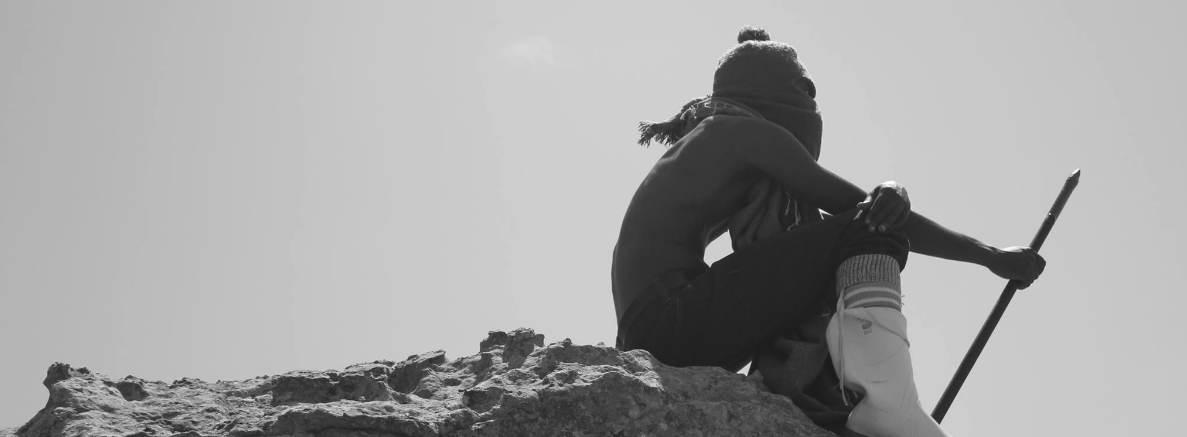
Morena Leraba: Blending Our Stories with Modern Music, a documentary by Blacknation Media, explores and reflects on discussions on Lesotho’s socio-political landscapes, artistic cultures, economic endeavours and tradition. The documentary captures rural village life in Lesotho at Ha Nchela, Berea where Morena Leraba, a Mosotho shepherd and musician, broadly narrates their daily challenges as herders and his passion for music, while also displaying the potency of Sesotho language in music and poetry.

Morena Leraba is originally a native of Ha Mojela in Mafeteng district, located south of Lesotho’s capital Maseru. Leraba’s music (especially lyrics) is deeply rooted in Lesotho’s traditional music, poetry, and it’s sub-genre, Famo, which was introduced as early as the 1920s when Basotho men were migrant workers in South African mines. However, the approach in the beat is significantly different as it hurls almost everything from Electro, Electronica, Afro-House and Hip-Hop, hence, dishing a whole new and unique sound.

This film screening will surely benefit the visitors who want to gain knowledge about Lesotho’s socio-political landscapes, artistic cultures, economic endeavours and tradition. Lesotho’s rural environment is mostly secluded in the mainstream media; hence, the documentary will provide a window for such a lifestyle.

A second screening of the documentary film will  take place in Maseru at Alliance Française de Maseru on December 2nd. The event will include a photo exhibition, documentary screening, and performance by Morena Leraba.

Your presence will be highly appreciated. For more information about the film screening, contact The Hub by phone (+266) 58888387 or email [email protected].

For additional information on Morena Leraba and his music, visit his Soundcloud page: soundcloud.com/morenaleraba. For more information about Black Nation Media, visit: blacknation.co.za.

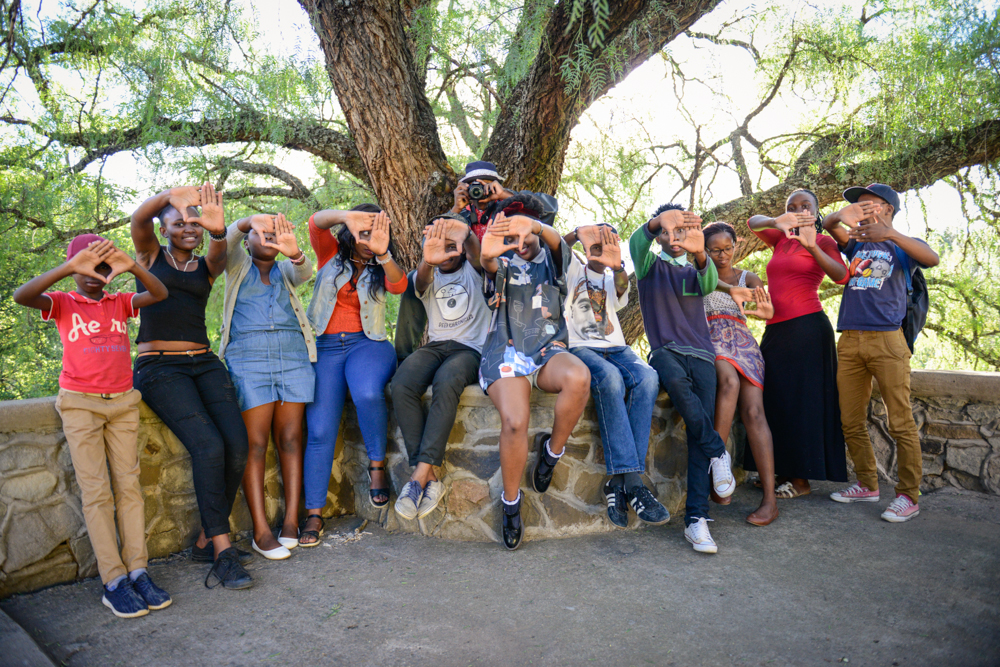
 

Weekend workshops at The Hub

Starting in November 2016, The Hub is hosting monthly weekend workshops that will teach a range of skills, including professional writing, photography, film-making, graphic design and ways to meaningfully address and tackle relevant socio-economic issues such as gender-based violence and human rights.

We just wrapped up a very successful two-day “Introduction to Professional Writing” workshop. The workshop covered the basics of writing professional emails, CVs and motivational letters. Participants were given the opportunity to practice writing all of these, and then received feedback in group editing sessions.

Coming up next weekend December 3-4: Proposal Writing. Interested in joining the workshop? Become a member of The Hub for M100/year and gain access to all of our resources and workshops.

We’d like to extend a big thank you to the Open Society Initiative for Southern Africa (OSISA) for funding weekend workshops at The Hub. We are looking forward to the next workshop!