AfriLabs Annual Gathering 2024

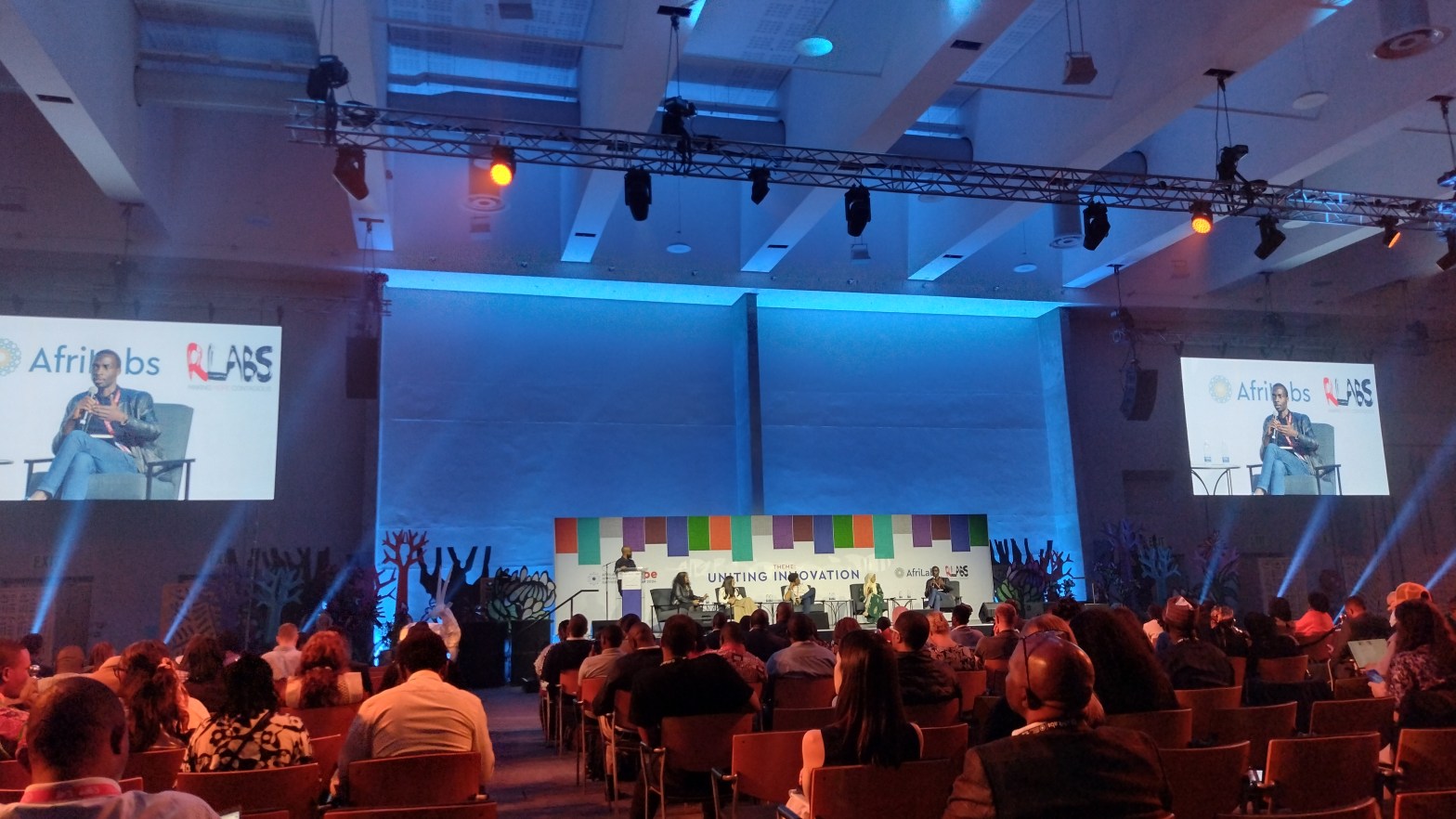
From November 5 – 7, 2024, the Embassy of France invited The Hub to join them at the AfriLabs Annual Gathering in Cape Town, South Africa.

The Hub has been a member of the AfriLabs network since 2018. AfriLabs is a dynamic innovation-focused organization empowering and building a community around innovation hubs and other stakeholders across various African countries since 2011. These hubs serve as physical co-working spaces and dedicated offices, offering comprehensive training and invaluable support in areas such as business, legalities, and finance to African entrepreneurs, innovators, developers, and young individuals. Through active involvement with these hubs and their communities, AfriLabs actively contributes to cultivating innovators and entrepreneurs, ultimately driving economic growth and social development throughout Africa.

One of the highlights of the trip was being joined from Lesotho by Lira Teboho Victor Khalala, who is a Program Manager at the NUL Innovation Hub. We enjoyed not only learning about the programs at the NUL Innovation Hub, but also his PGC Academy, a community driven association focused on innovative financial solutions. PGC Academy is dedicated to empowering individuals and businesses through high quality education and training in financial literacy to create a more just and sustainable future. We look forward to future collaborations with the PGC Academy!

The programme was packed with so many interesting events and discussions, that it was difficult to choose what to attend! Read about some of the highlights below.

Creative Digital Economy Track:

With The Hub’s focus on using digital art for positive change in our community, we spent a lot of our time at the Creative Digital Economy Track, including:

  • Fireside Chat on Creativity Meets Tech and Business: Panelists shared insights on the value of tech innovation within the creative industries, shedding light on how African creatives can harness digital tools for business growth and impact.
  • Film Showcase by Snake Nation: This session featured captivating films that demonstrate the power of African storytelling in today’s digital world, reinforcing the role of media in sharing authentic African stories globally.
  • Independent Filmmaking in the Digital Era: Filmmakers shared how they are adapting to the digital landscape, using new platforms to bring African stories to a global audience and secure innovative funding.
  • Music Talk: Platforms vs. The Industry: Panelists discussed the role of streaming platforms and whether they truly serve African creators, exploring how tech can better support artists in navigating the evolving music industry.
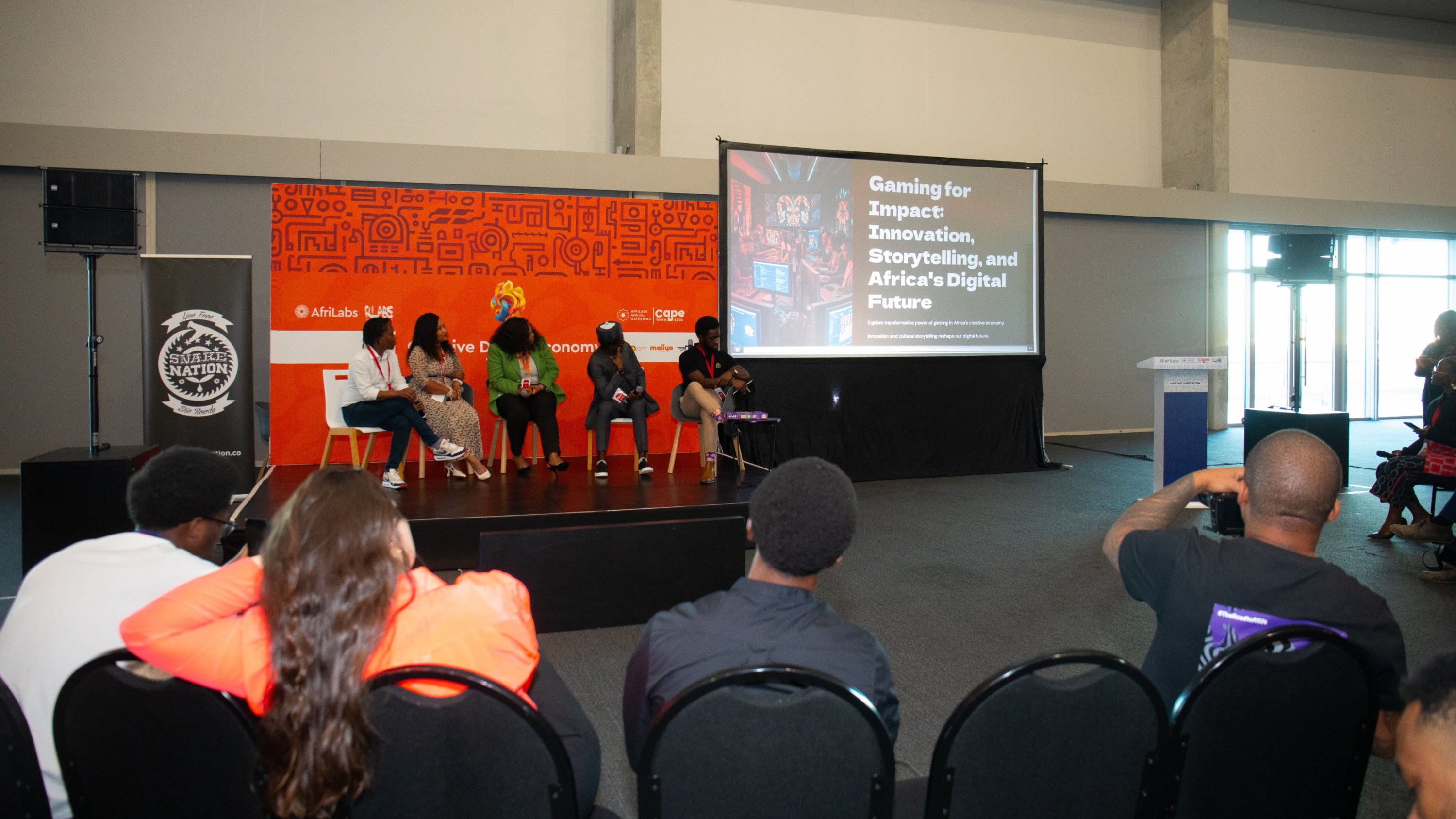
  • Gaming for Impact: Focusing on Africa’s growing gaming ecosystem, this panel explored how local storytelling and tech innovations are making an impact, from game development to community building.
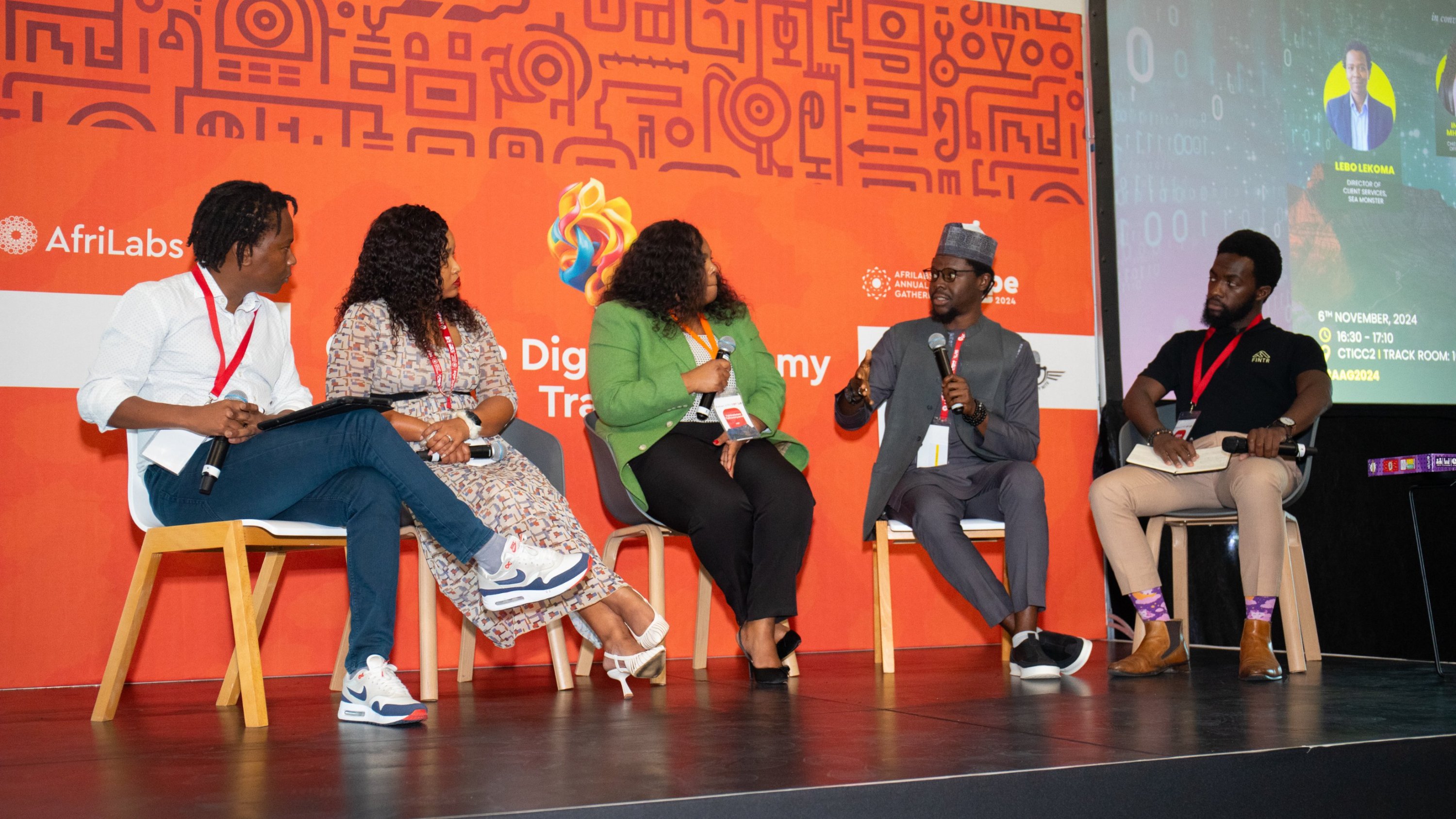
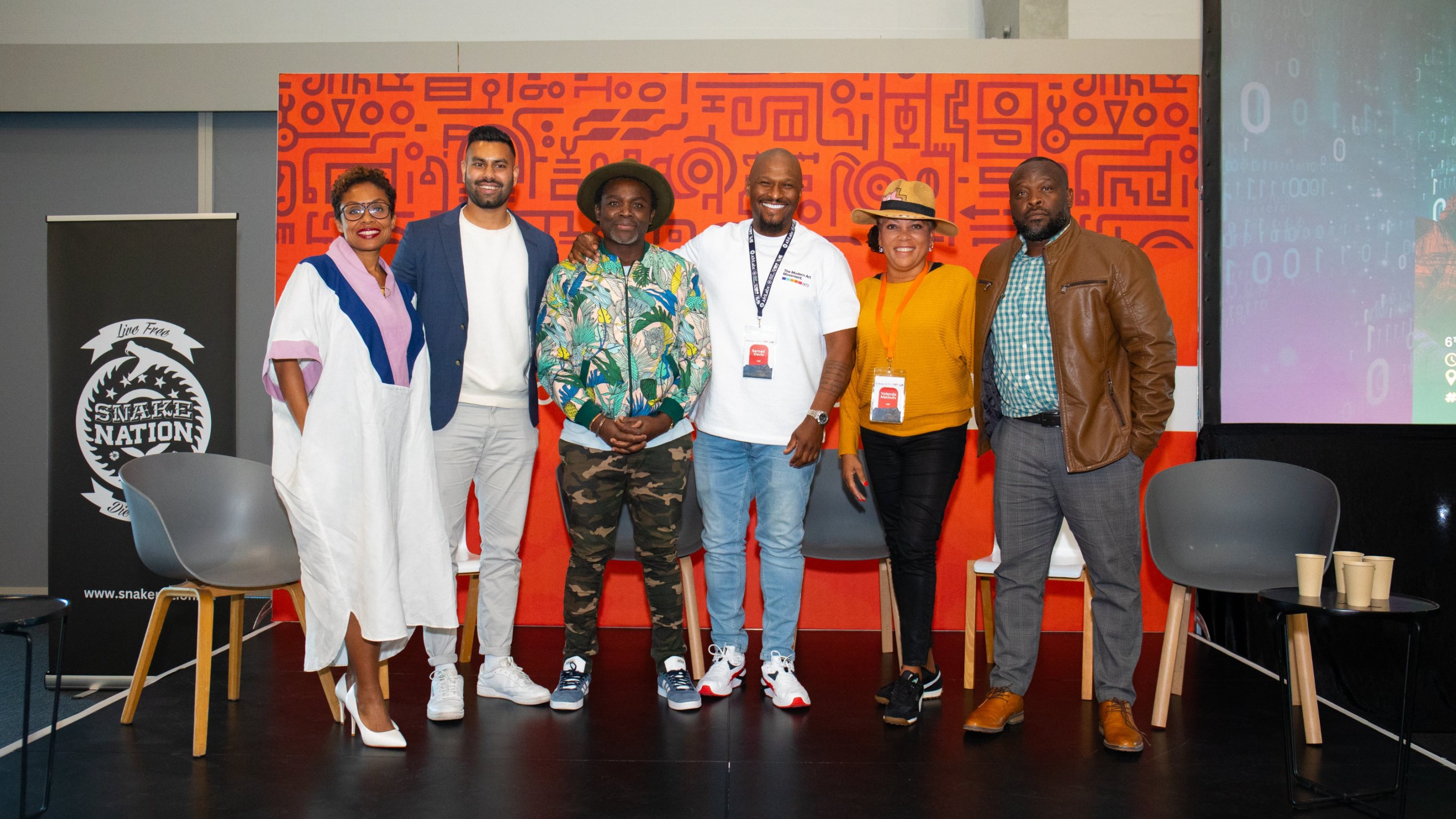
Photos: AfriLabs

“Excellence is a craft.”

– Joan Manda

Gender and Inclusion Track:

The Gender and Inclusion Track included powerful panel discussions and provided a thought-provoking look into how gender equality is shaping Africa’s innovation landscape. Panelists shared valuable insights on closing the gender gap in STEM, creating inclusive policies, and addressing evolving investment trends supporting women-led and diverse startups.

Naadiya Moosajee, co-founder of WomHub, highlighted the critical role of gender inclusion in tech. Her insights focused on building an innovation ecosystem that actively supports diverse voices, breaking down barriers for underrepresented groups.

“There is no such thing as a glass ceiling. There’s a brick wall and a door, and it lets us through one at a time.”

– Naadiya Moosajee
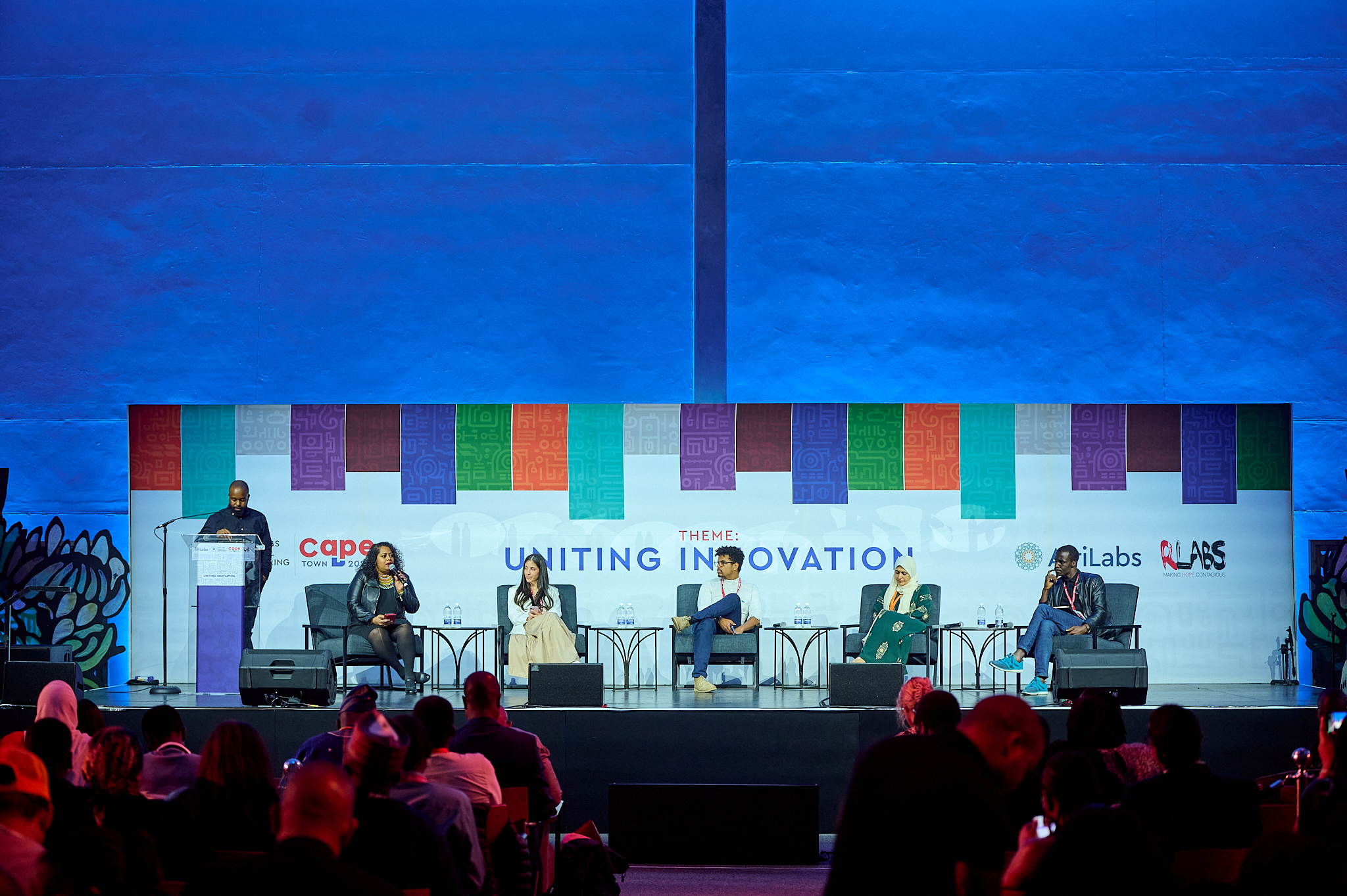
Photo: AfriLabs

Green and Blue Economy Track:

We enjoyed learning more about investor and donor expectations. During a panel discussion on the Green and Blue Economies, the message came up that some programs can’t have an income model, and partners need to keep an amount for grants, not only investment for which to expect a return. This resonated deeply with us. Although The Hub has some income-generating projects, we rely on donors for the majority of operational and programming costs.

Living and being based in a community like Morija, with no waste management, Cape Town-based ReCha was particularly inspiring for us. ReCha – Recycling Champions, is a socially responsible enterprise which aims to bridge the gap in the waste management and recycling industry in South Africa. ReCha focuses on transforming waste into resources, solving pollution issues, and empowering individuals to be more ecologically responsible. With Africa facing existential threats from climate change, the need for local solutions is critical, making the work done by ReCha invaluable.

“If you want to change the world, just change the world of one person. It doesn’t matter how small it might seem to you or how overwhelming it might seem to others.”

– Marlon Parker, Founder, @RLabs
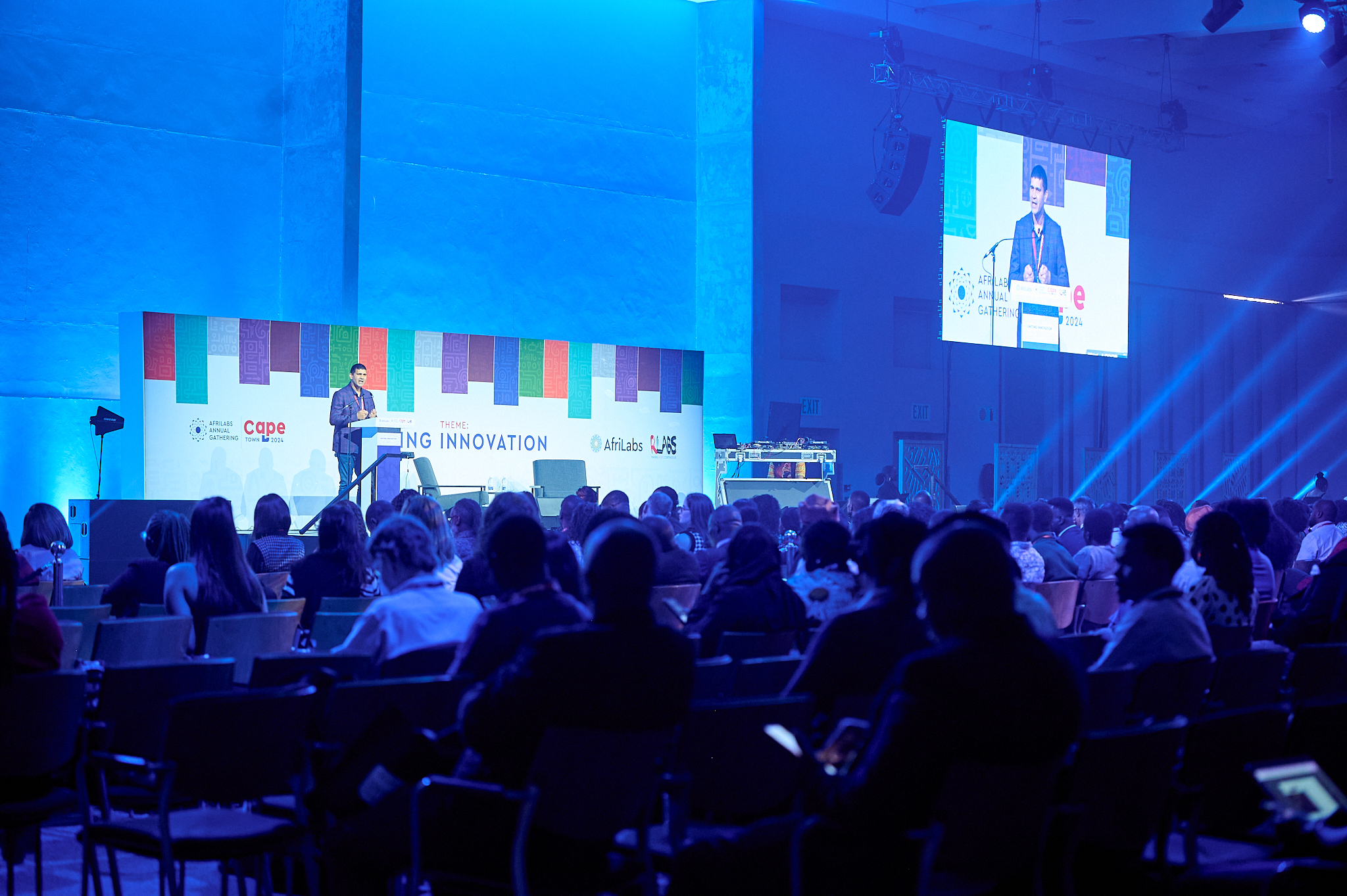
Photo: AfriLabs

Innov4Good Pitching Session:

Hosted by the French Embassy, we attended a pitching session by brilliant entrepreneurs, which inspired a teambuilding event at The Hub to practice pitching our ideas!

We want to extend our heartfelt thanks to the Embassy of France for inviting us to participate in the AfriLabs Annual Gathering! The gathering provided an invaluable opportunity learn from best practices in fostering innovation and community development. The insights gained, particularly in leveraging technology for social impact and building sustainable ecosystems, will directly inform our initiatives at The Hub.

Learn more about AfriLabs:
Learn more about the Embassy of France:
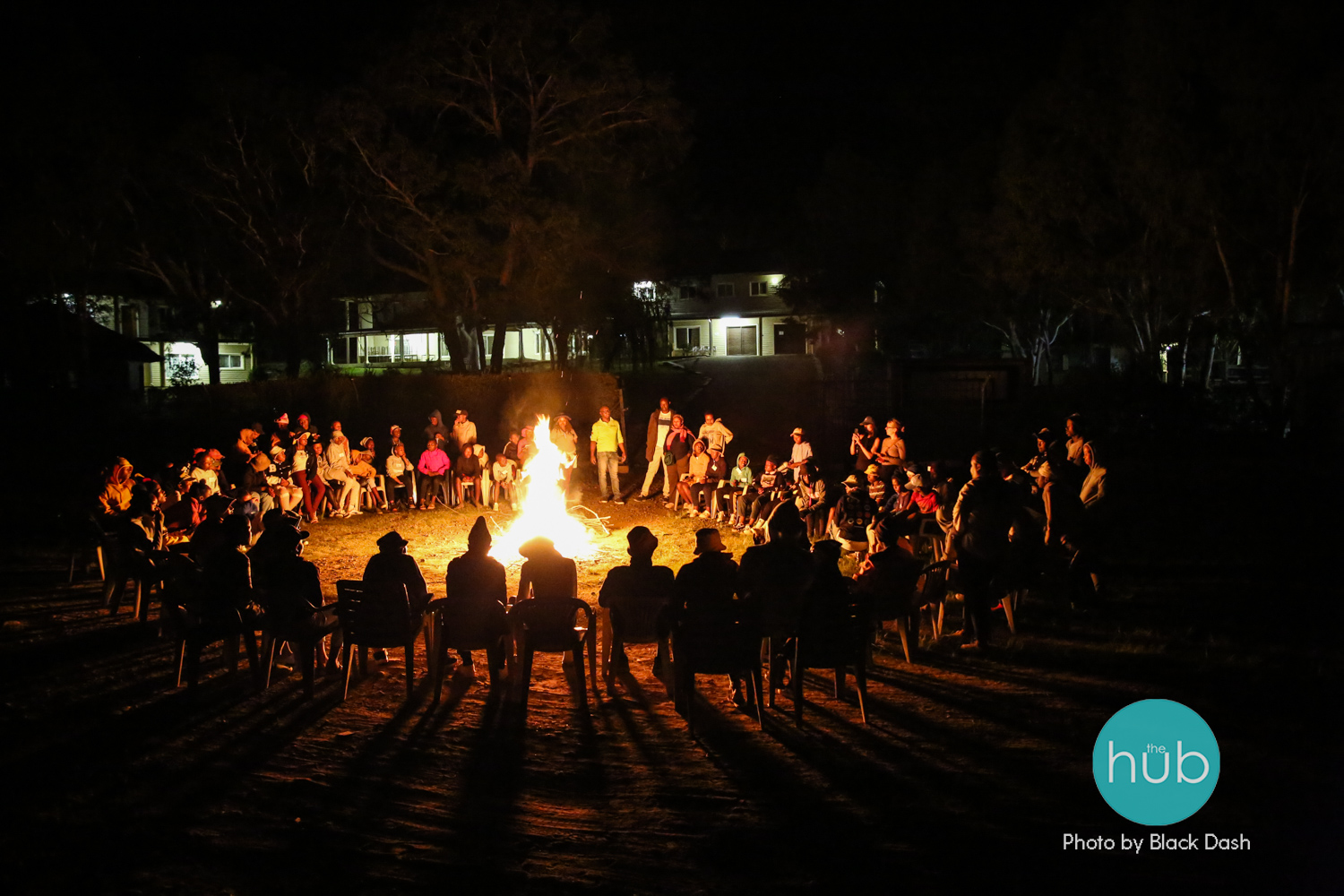
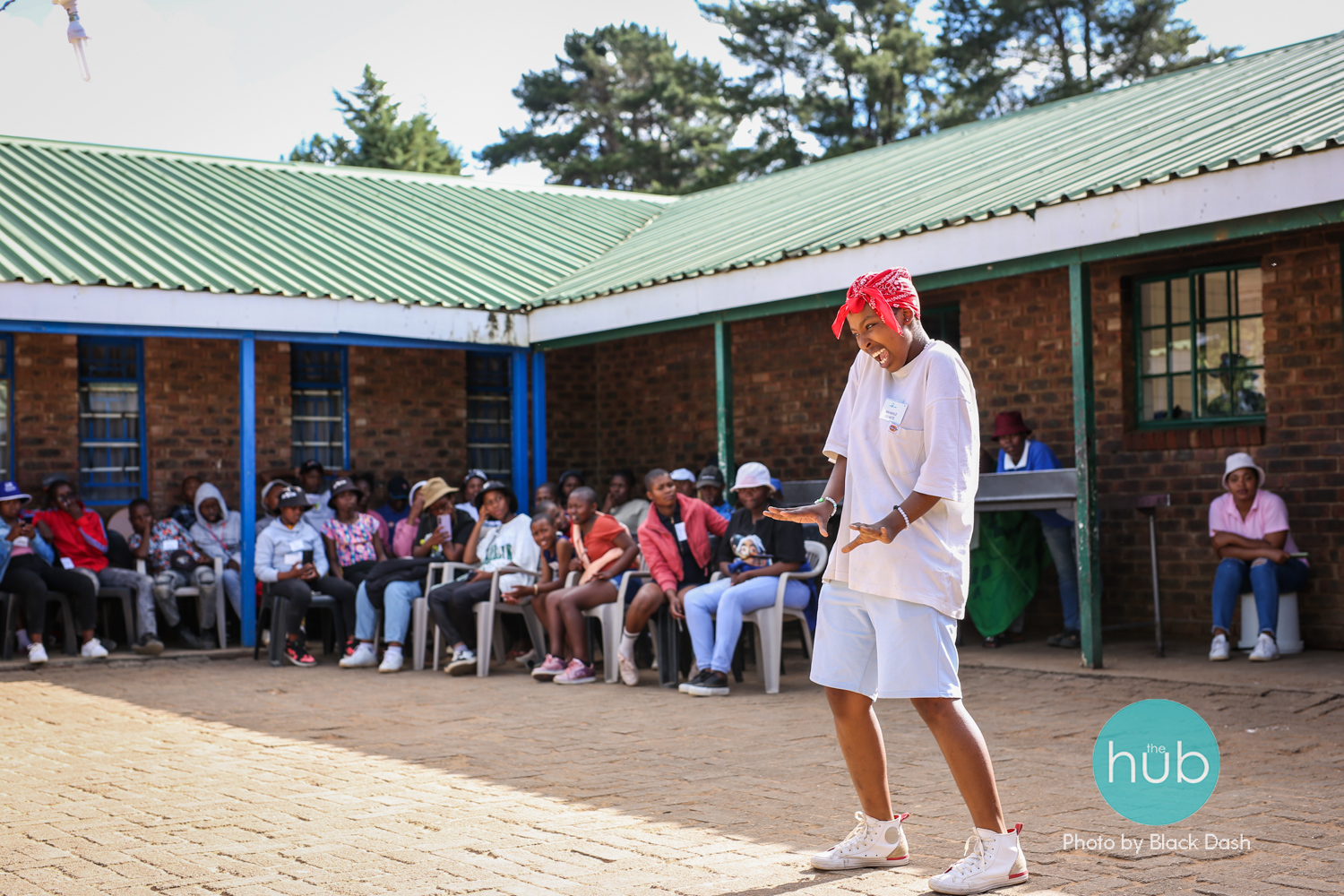
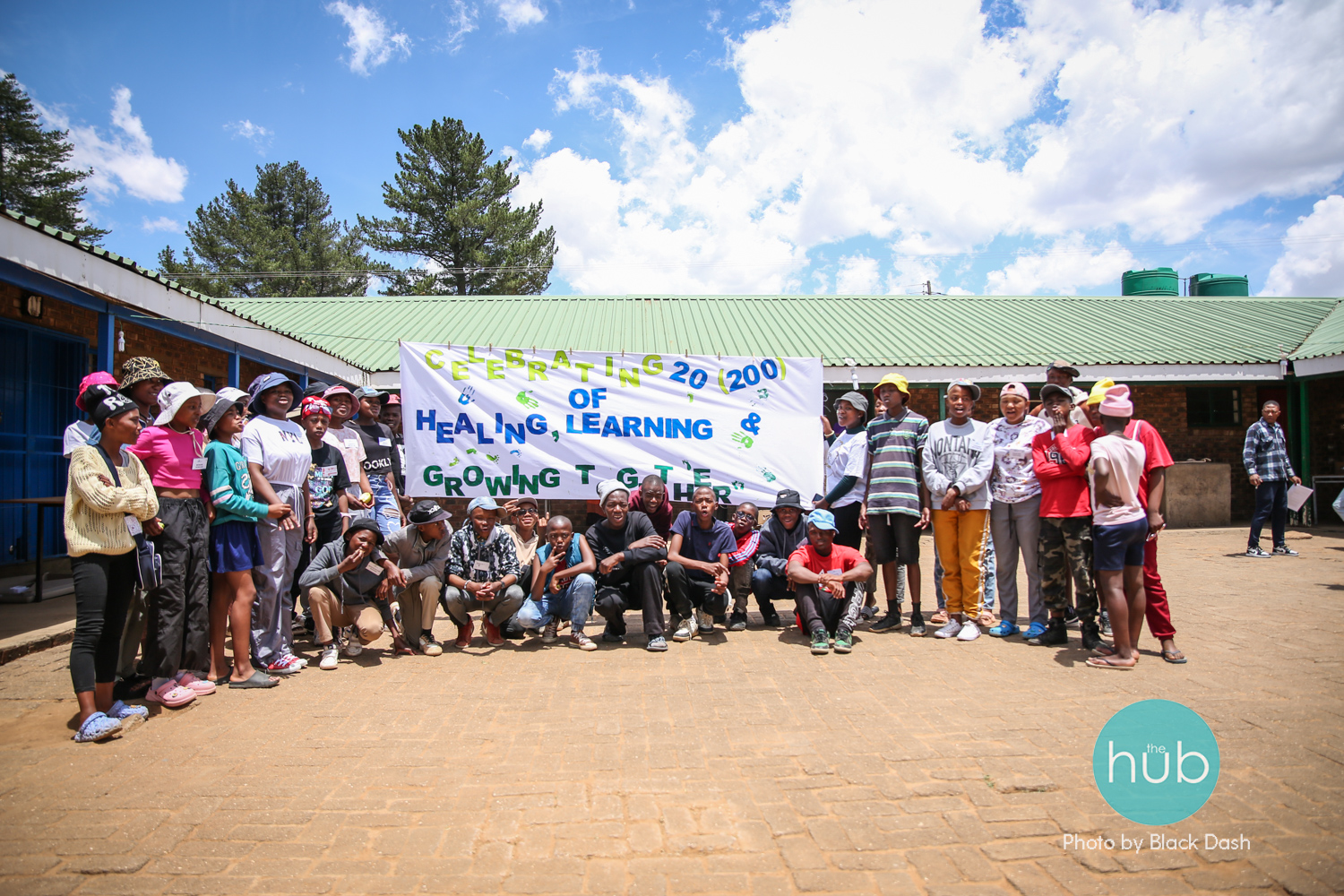
Leadership Camp at Help Lesotho

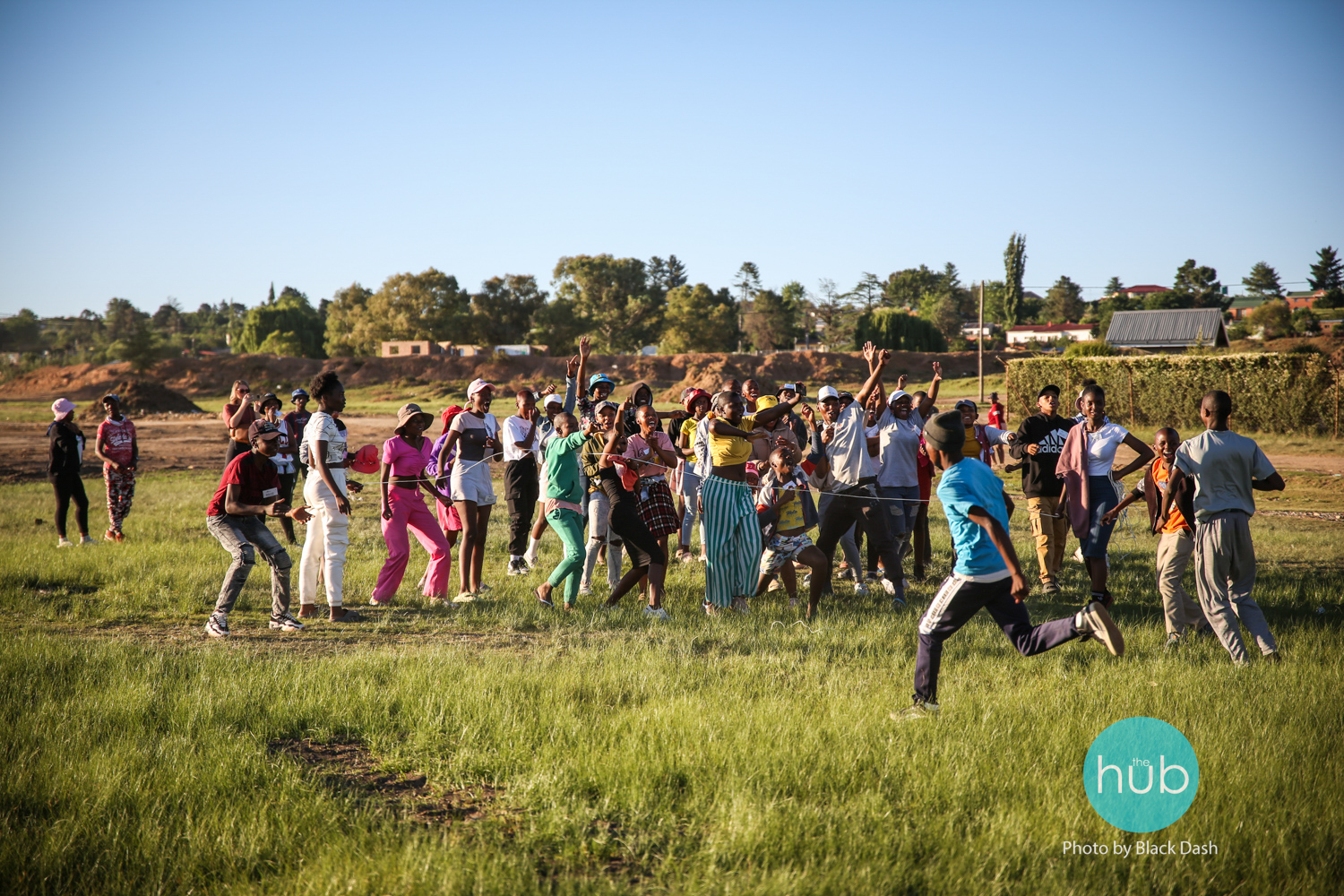
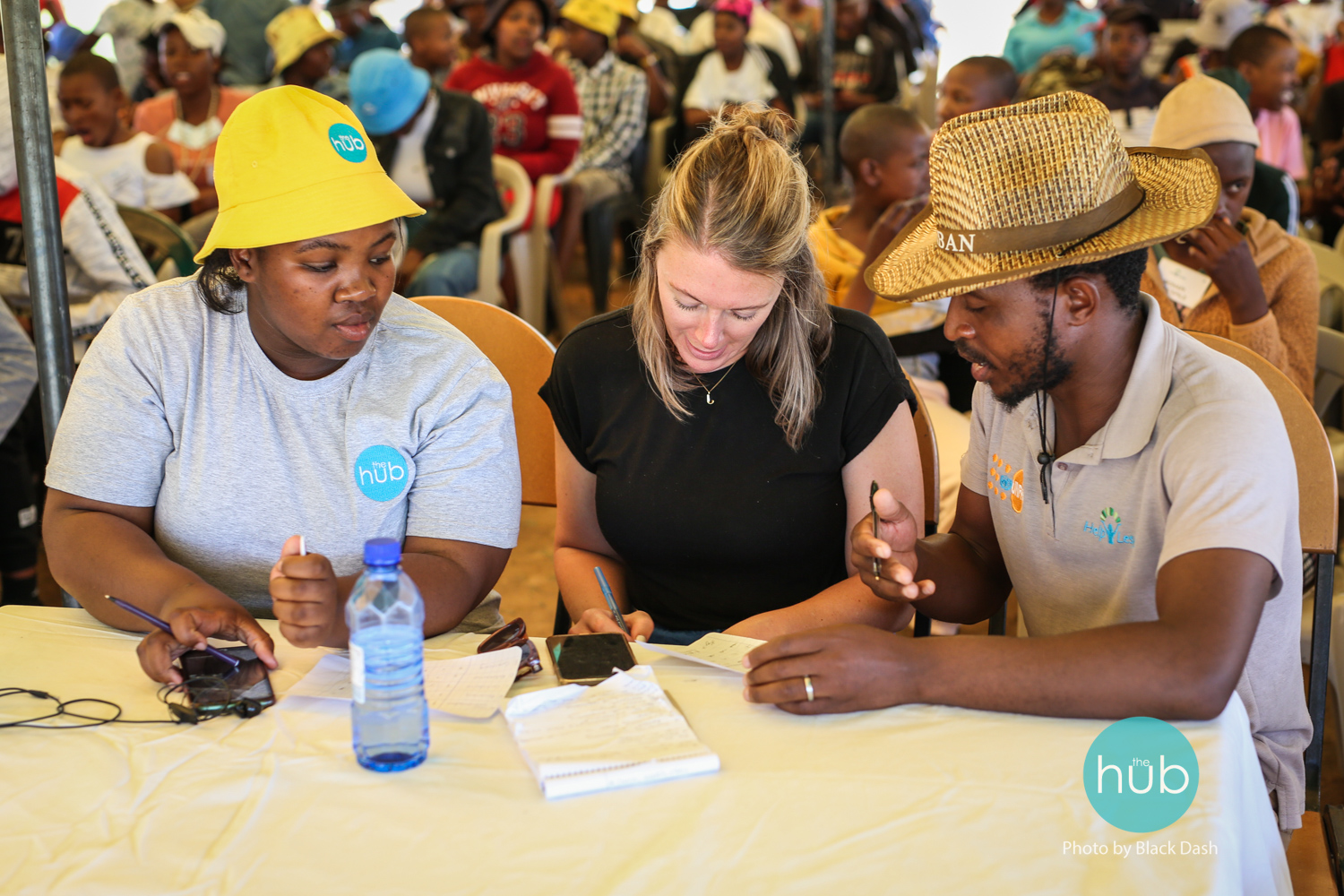
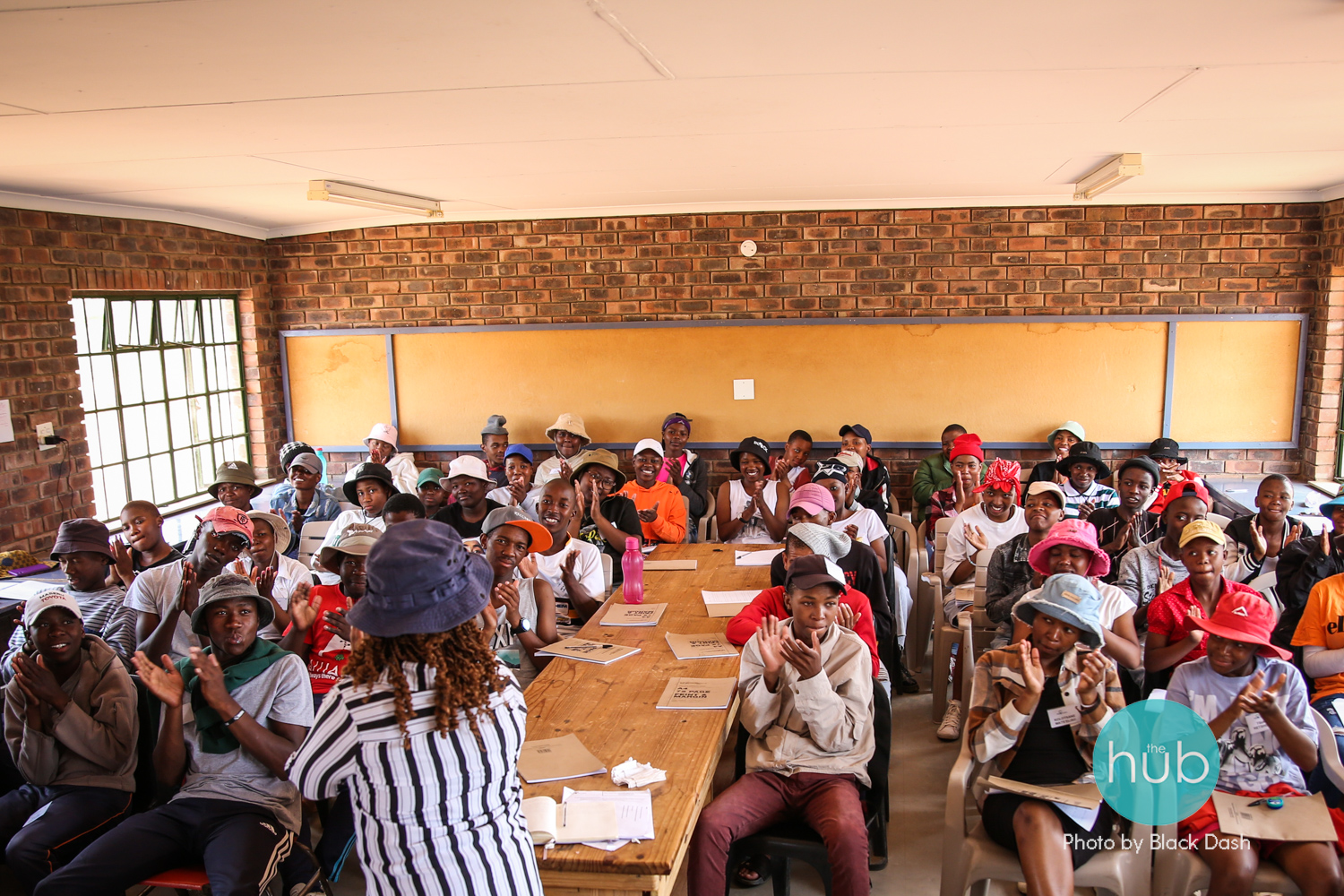
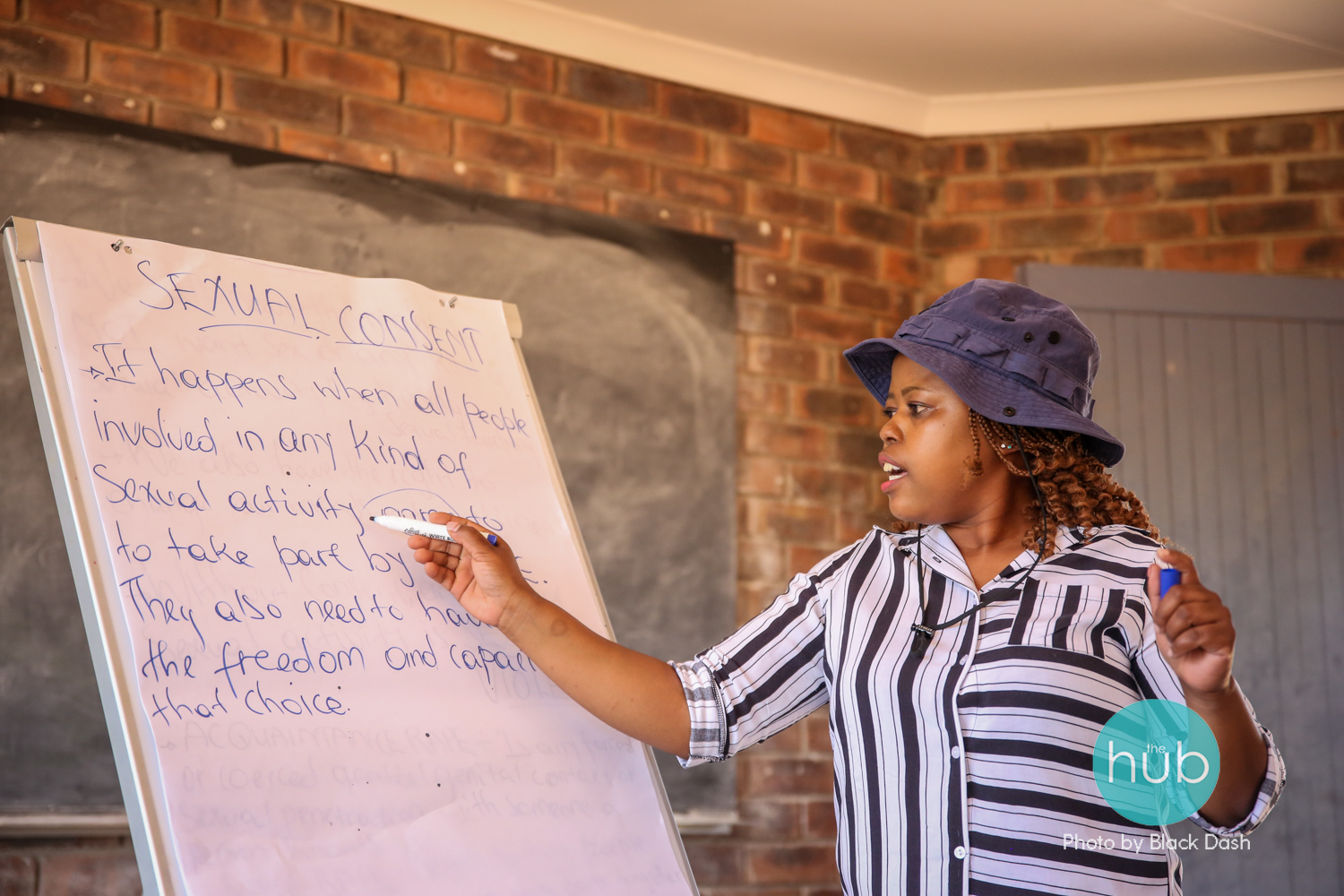
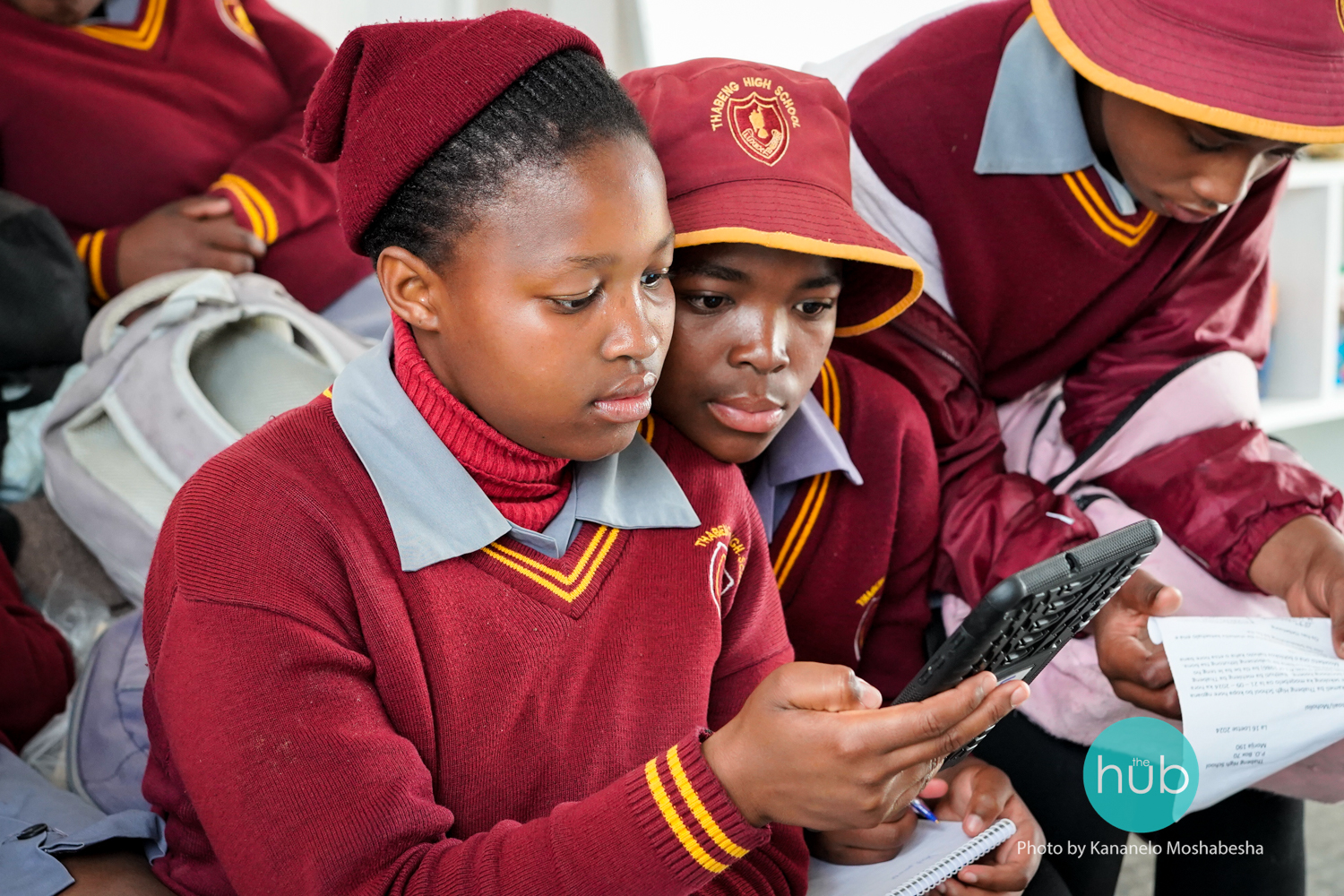
From November 30 – December 4, 2024, The Hub was invited to join a youth Leadership Camp at Help Lesotho in Hlotse. Over the last 20 years of working in rural communities in Lesotho, Help Lesotho has had over 57,000 graduates of intensive life skills and psychosocial support programs and reached more than 300,000 vulnerable people.

We were thrilled for the opportunity to learn from the experienced team at Help Lesotho! The collaboration aligned perfectly with our shared goals of empowering youth and creating opportunities that inspire growth and resilience, equipping youth with the tools they need to overcome challenges and build bright futures.

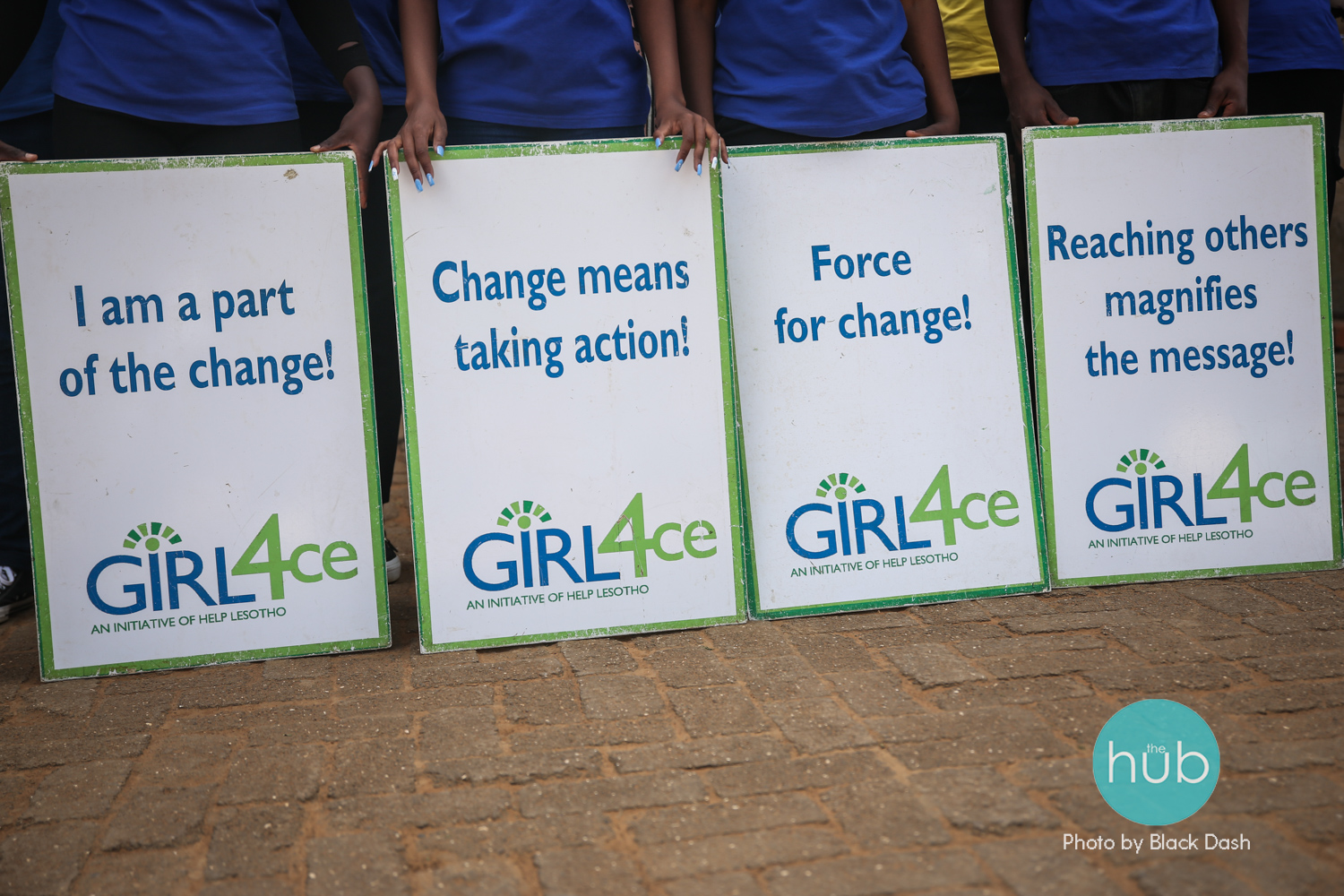
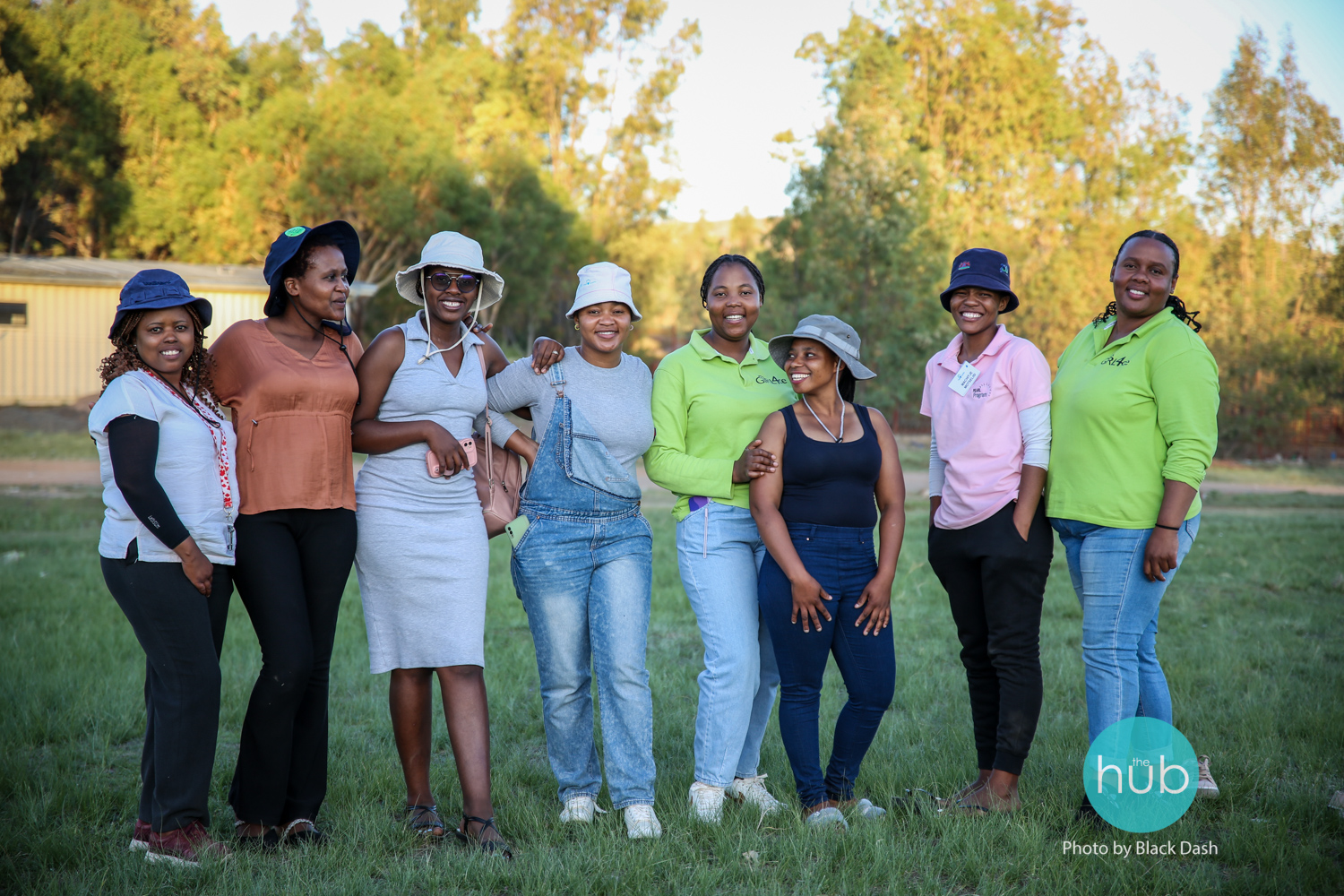
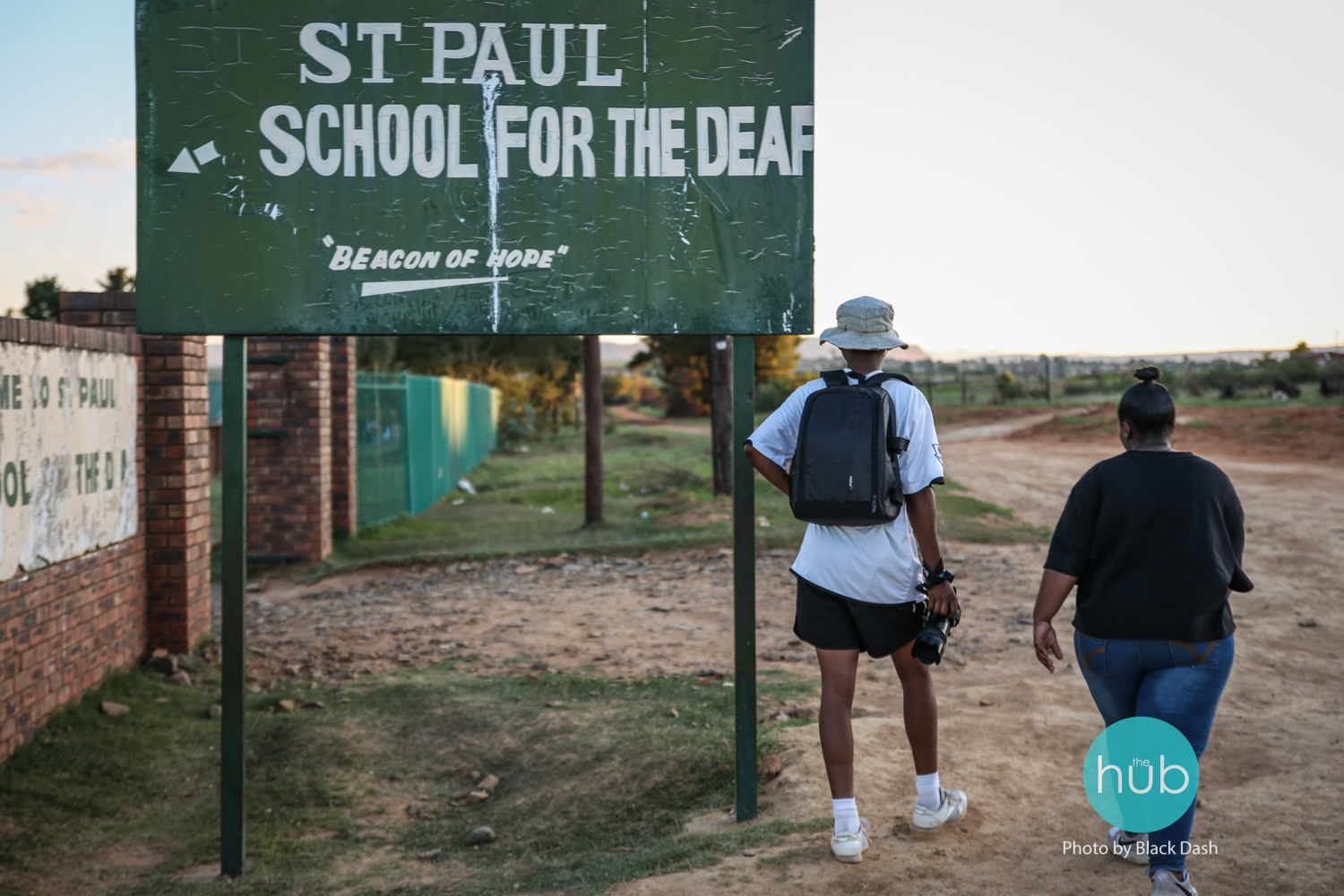
A team of three set off from Morija on November 30, 2024 with Pontšo Sekhesa, The Hub’s Office Administrator, Thabang Ntlale aka Black Dash, a production intern and high school student, and Kananelo Moshabesha, also a production intern at the Hub. The team told us about their experience, find out more below!

Pontšo:

“The leadership camp allowed me to learn more about working with youth. As much as the sessions were for the youth, I learned much about building self-confidence, self-esteem, and resilience. I felt very impacted by the sessions because I learned a lot from the facilitators. Being part of the sessions gave me an insight into the challenges and issues teenagers face daily

Some of the sessions were very intense; the campers shared their stories, which was an emotional moment. These sessions made me realise how much teenagers have to deal with, from their family issues changes in their bodies and trying to fit in as a teenager. I realised that we have to make it a norm to communicate with our participants about the challenges they encounter as teenagers. We have to be open so that they can open up about issues that could bring them consequences.

The only challenge I experienced was having to be a judge in a debate about ‘Education is the key factor in building resilience and fighting the spread of HIV’. As much as I felt intimidated by this, I was honoured to be one of the judges. I am very proud of myself for this, because now I am confident that I can do it again!

The most rewarding part of this camp was learning about different ways and ideas that I could bring back to The Hub. I am very interested in their programs, one being grade 8 participants being in a workshop with grade 7 participants, to help them be ready for all the challenges they will encounter as new high school students. Another session I thought would be great for The Hub would be anonymous Q&A sessions. The campers wrote down their question anonymously and were assisted. Some wrote about their boyfriends who wanted them to prove their love through sex. I think this helps whoever asked the question to get assistance from grown-ups.

As much as I do not work with kids directly, this camp helped me realize many ways not only academically but emotionally, that we can be pillars for our S&S participants. Encouraging them to be informed and make the right decisions, about self-love and respect so that they are not misled.”

Black Dash:

“I would like to thank The Hub for giving me such a huge opportunity to document for a wondrous organisation like Help Lesotho.

Help Lesotho camp was a very significant and amazing event. The accommodation was good, and the food was very delicious. All the people I met there were amazing including the kids.

Being there for the past four days made me a better person. I learned that everyone is a leader and the way I treat other people is the same way people will treat me. I learned to be resilient, forget about the past and focus on my future. I should believe in myself because by doing so people will believe in me. I also shared my life story to the kids during the lesson of resilience just to motivate them.

The last day I performed my two songs. I was very astonished and excited when I heard that the kids knew them and it was the first time when I performed then the audience sang together with me. I really loved Help Lesotho and hope to get another chance to join next year camp again.”

Kananelo:

“My time in Hlotse, Leribe, was an unforgettable experience. Partnering with Help Lesotho, I witnessed the incredible impact they’re having on the lives of young people in Lesotho. Their passion for education, mental health, fitness & community is genuinely inspiring. What struck me most was the energy and optimism of the young people I met at the camp.

The Help Lesotho team made me feel right at home, making sure we had eaten breakfast, lunch and dinner. In addition to being professionals, they’re incredibly warm and welcoming, making one feel like family. Of course, there were some challenges – the scorching heat was intense! But seeing our work come together and put smiles on people’s faces made every moment worth it. Those moments of joy are ingrained in my memory forever.

As I head back to The Hub, I feel like my time in Hlotse has changed me. I’ve picked up new editing skills and a fresh wave of creativity, which I’m excited to apply to future projects. This experience has reminded me of the power of teamwork and dedication in making a real difference. My time with Help Lesotho has been a true adventure, and I’ll carry the memories and lessons with me always.

A special thank you to The Hub, Kate and Bri for everything.”

We would like to extend our heartfelt gratitude to Help Lesotho for welcoming our team to join the Leadership Camp in Hlotse! We enjoyed learning more about impactful programming, and the spirit of leadership and community empowerment. The experience left the team motivated to continue fostering growth and leadership among youth in Morija! We look forward to future collaborations!

Learn more about Help Lesotho:

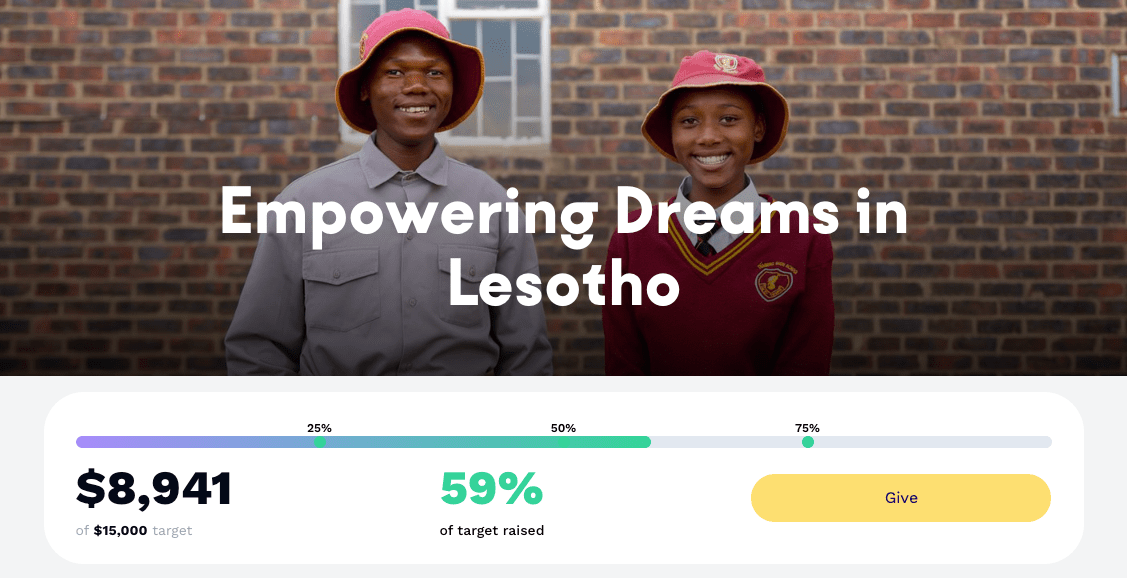
Empowering Dreams in Lesotho

The Hub is reaching out to friends and supporters worldwide with an urgent appeal: help us to give the gift of education by providing high school fees and support in 2025 for 30 of our Skills & Soup participants.

Every donation, no matter the size, will contribute to breaking down barriers and opening doors for these bright and ambitious students!

From our Skills & Soup cohort, we have identified 30 young people whose families cannot afford to send them to high school. We have successfully supported this cohort through 2024, and we need your help to keep this scholarship scheme going through 2025!

In Morija, attending high school costs approximately LSL 2,000 (USD 110) per year, but this is unattainable for many families who are already struggling to make ends meet and to put food on the table. Additional costs include exam fees, uniforms, books, dictionaries, calculators, and even boarding fees for some—costs which many families simply cannot cover. 

According to 2021 MICS-EAGLE Lesotho Education Fact Sheets, about 80% of children in Lesotho complete primary education. However, the completion rate declines steeply for lower and upper secondary education, with only 33% completing lower secondary and only 14% completing upper secondary due to these unattainable costs. 61% of children from the wealthiest families complete high school, compared to 4% from poor families.

As The Hub, we are determined to help reverse these statistics by ensuring that the young people we work with have the educational opportunities they deserve to pursue their dreams for a brighter and better future for themselves and their families. 

“Throughout this year I have been able to attend classes without the fear of being dismissed at school because of behind schedule school fees. I had a proper school uniform like any other students which promoted my equality and inclusivity with other students without consideration of economic backgrounds. I had access to loan out a book from a library which assisted me in
improving my writing skills, communication skills and improving my vocabulary. Also reading helped me understand the world around me better and learn some lessons of life.”

-Fumane Tsipane, age 15

Every donation to this campaign will go directly into a high school fees fund that will be managed by our trusted team to cover the costs of fees, exams, books, uniforms, school supplies such as a calculator, and any other additional costs that may arise for 30 of our Skills & Soup participants. The Hub has been paying high school fees for a number of our participants since 2021, and we already have strong relationships with local high schools, as well as an established system to manage these bursaries for deserving high school students. 

Our system takes the responsibility for high school fees out of the hands of families, as we pay fees and associated costs directly to high schools in the community. We also communicate regularly with schools to maintain an understanding of students’ needs and progress. This greatly relieves the pressure on families and allows our high school students to focus on what matters most: their studies.

By supporting this cause, you are investing in the future of these young students and empowering them to reach their full potential.

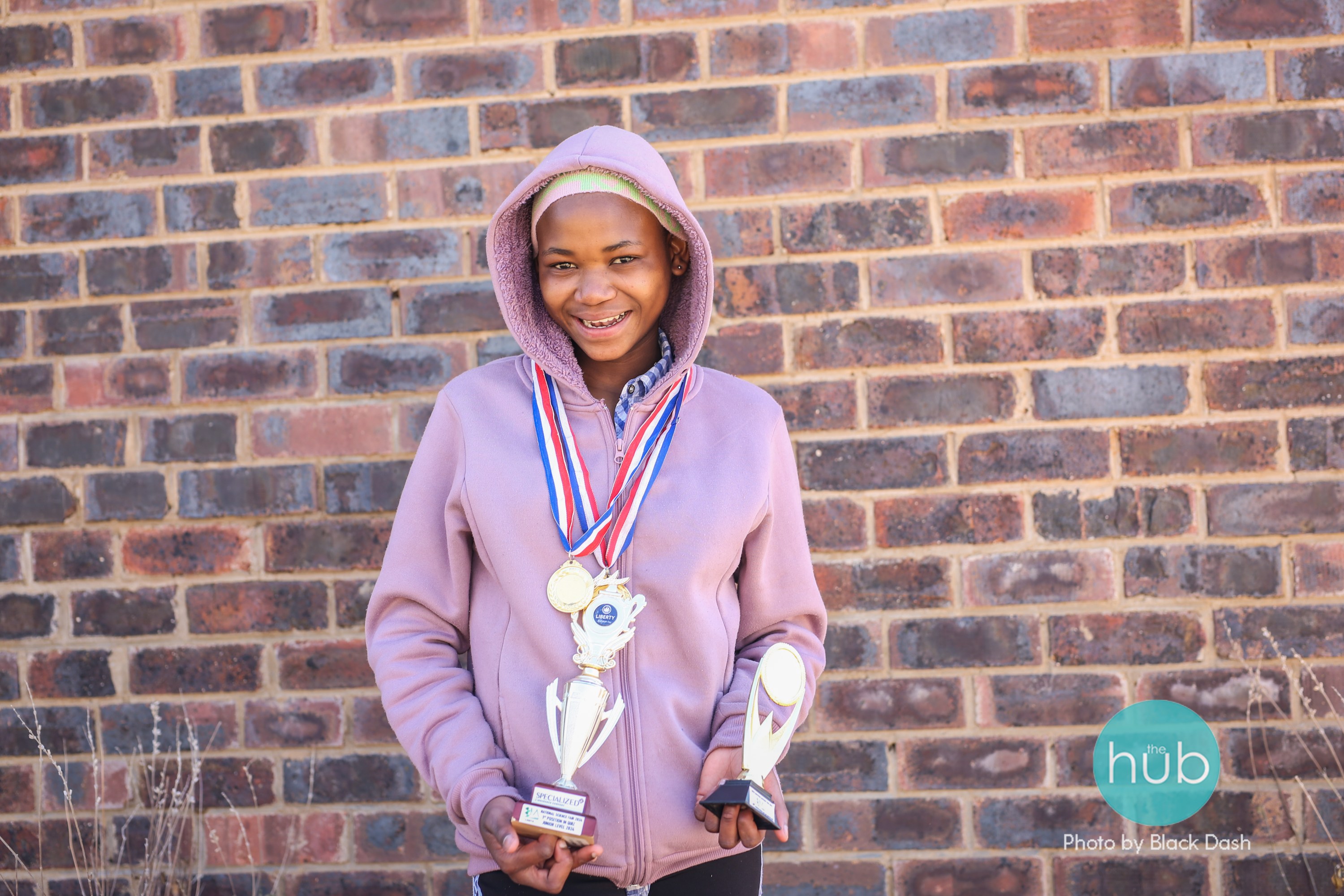
“I was one of the students awarded at school for best performing student in my grade. I was also elected to take part and represent my school in a local science fair. Being chosen to represent my school gave me motivation to keep working hard. It also boosted my confidence.

Because of this sponsorship, my grandmother can focus on other expenses without having to worry about my school fees and uniforms. I also get to focus on my school work without fear of being expelled from school because the fees are not paid. I am very grateful to The Hub for the sponsorship and I promise that when I get to the next grade I will work harder than this year.”

-Tlotlisang Chefane, age 14

“Thanks to your sponsorship I have been able to pursue these goals with greater confidence and focus. Your support has alleviated some of the financial burden and allowed me to fully immerse myself in my studies and participate in various activities.”

-Motselisi Mohapeloa, age 15

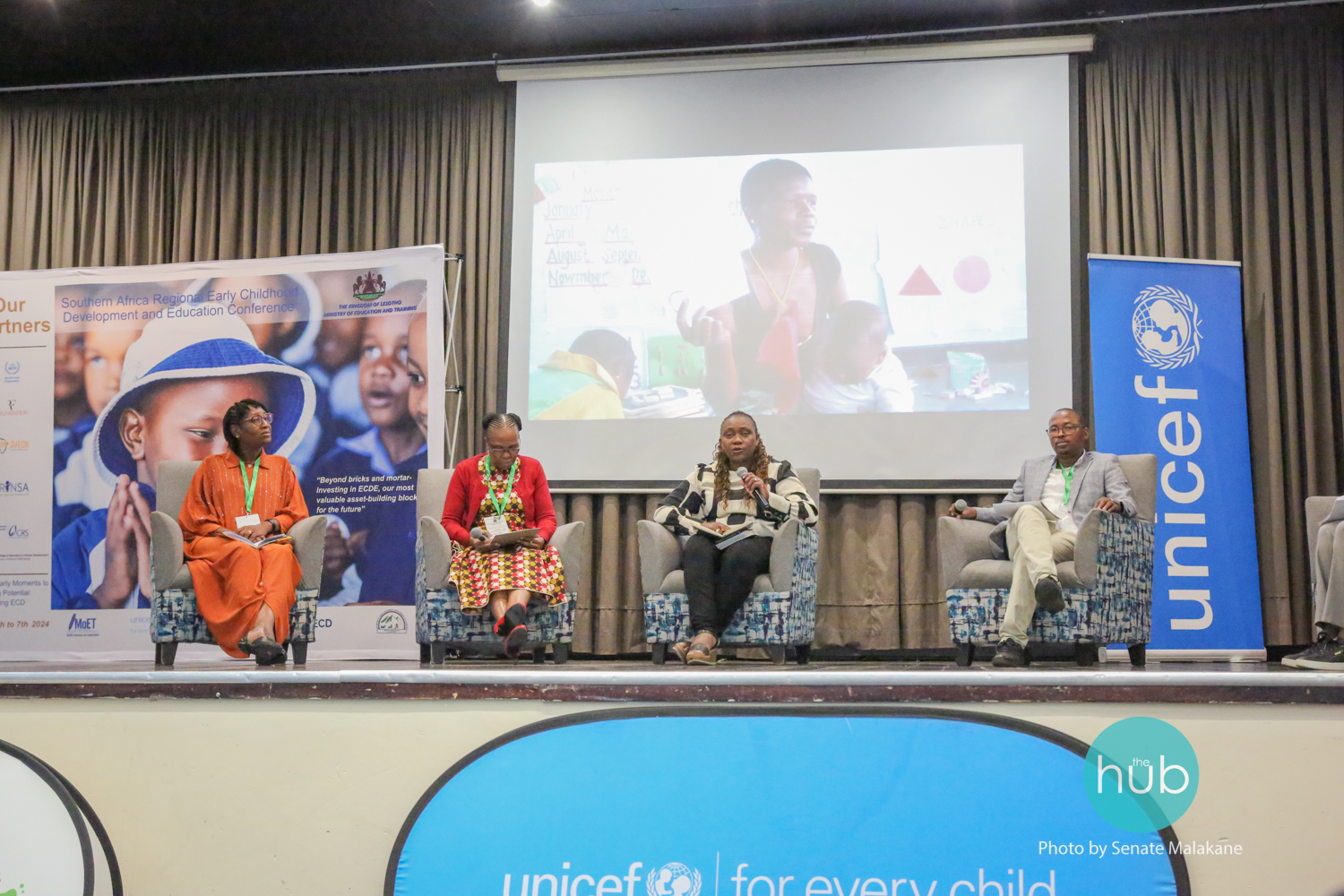
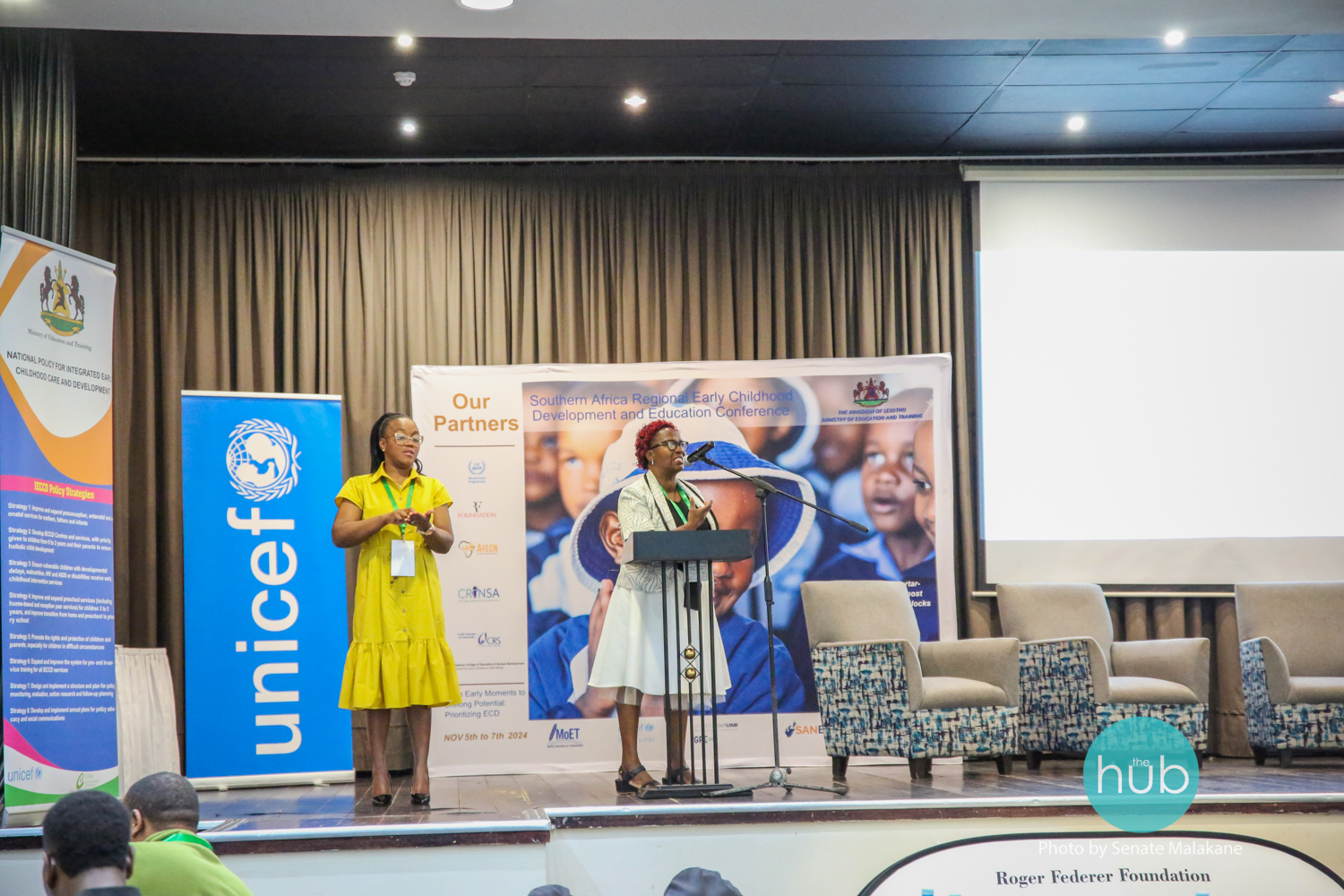
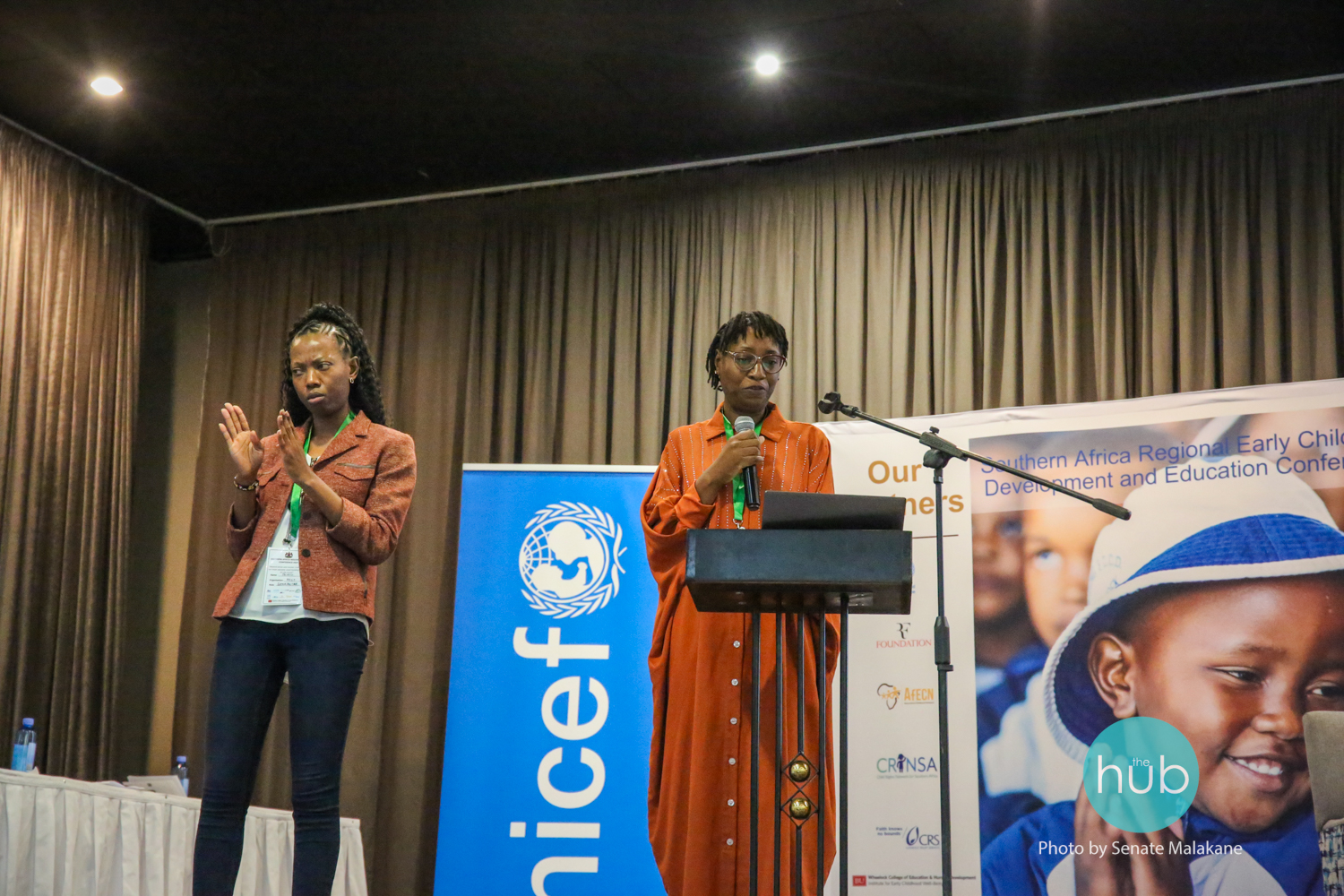
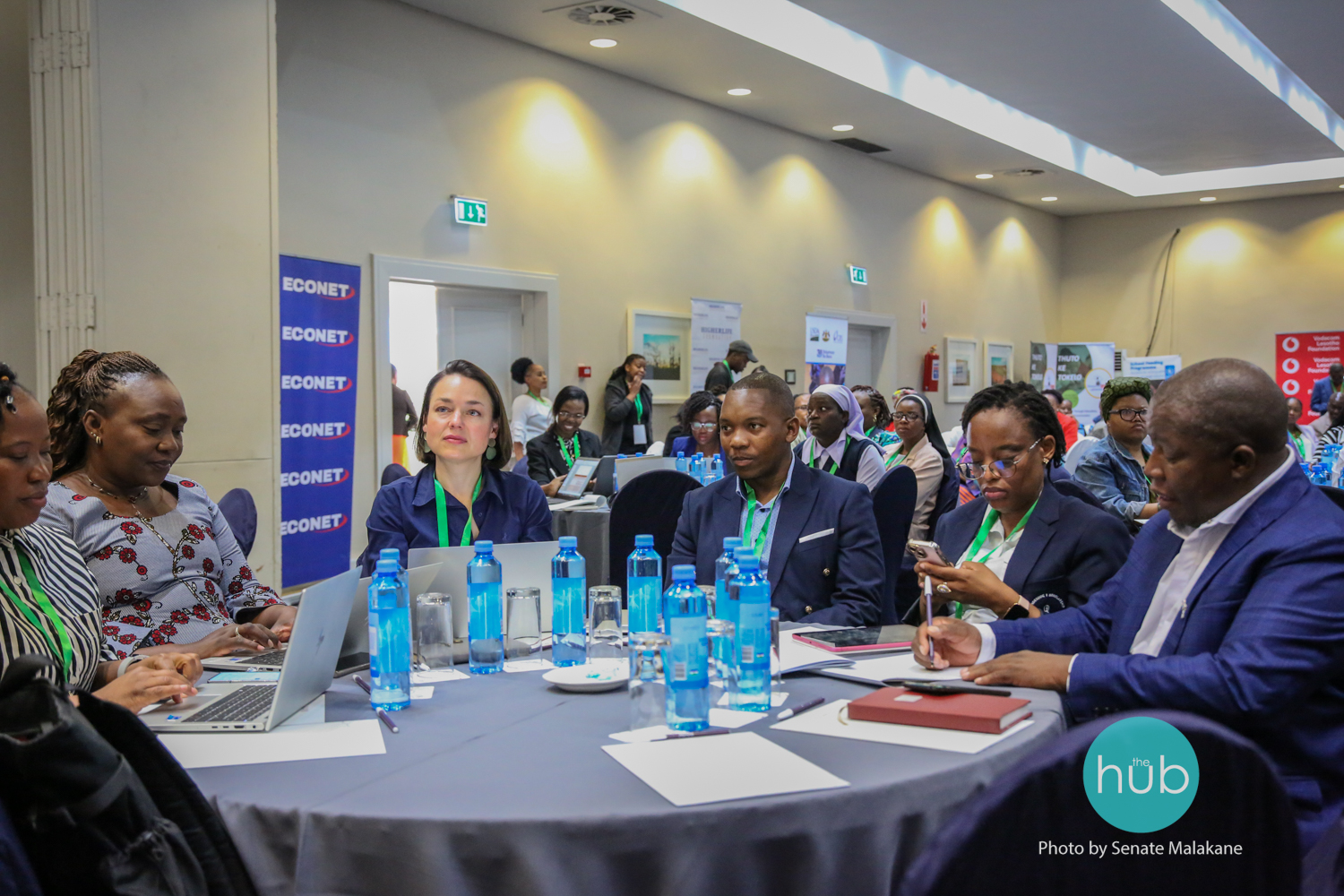
Southern Africa Early Childhood Development and Education Conference

We would like to thank the Network of Early Childhood Development of Lesotho for providing two of The Hub’s interns the opportunity to attend the Southern Africa Early Childhood Development and Education Conference.

By: Makhethe Thakalekoala

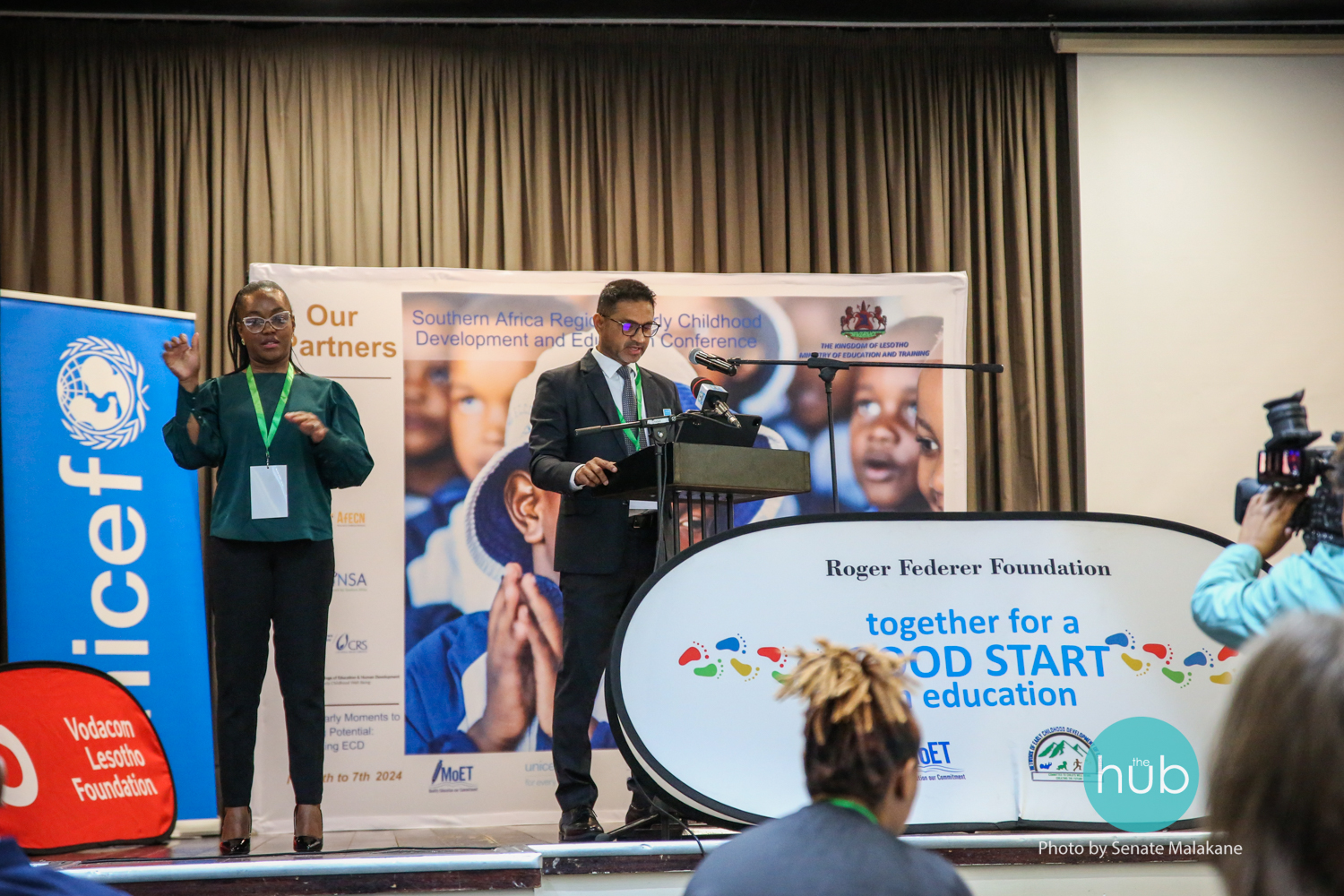
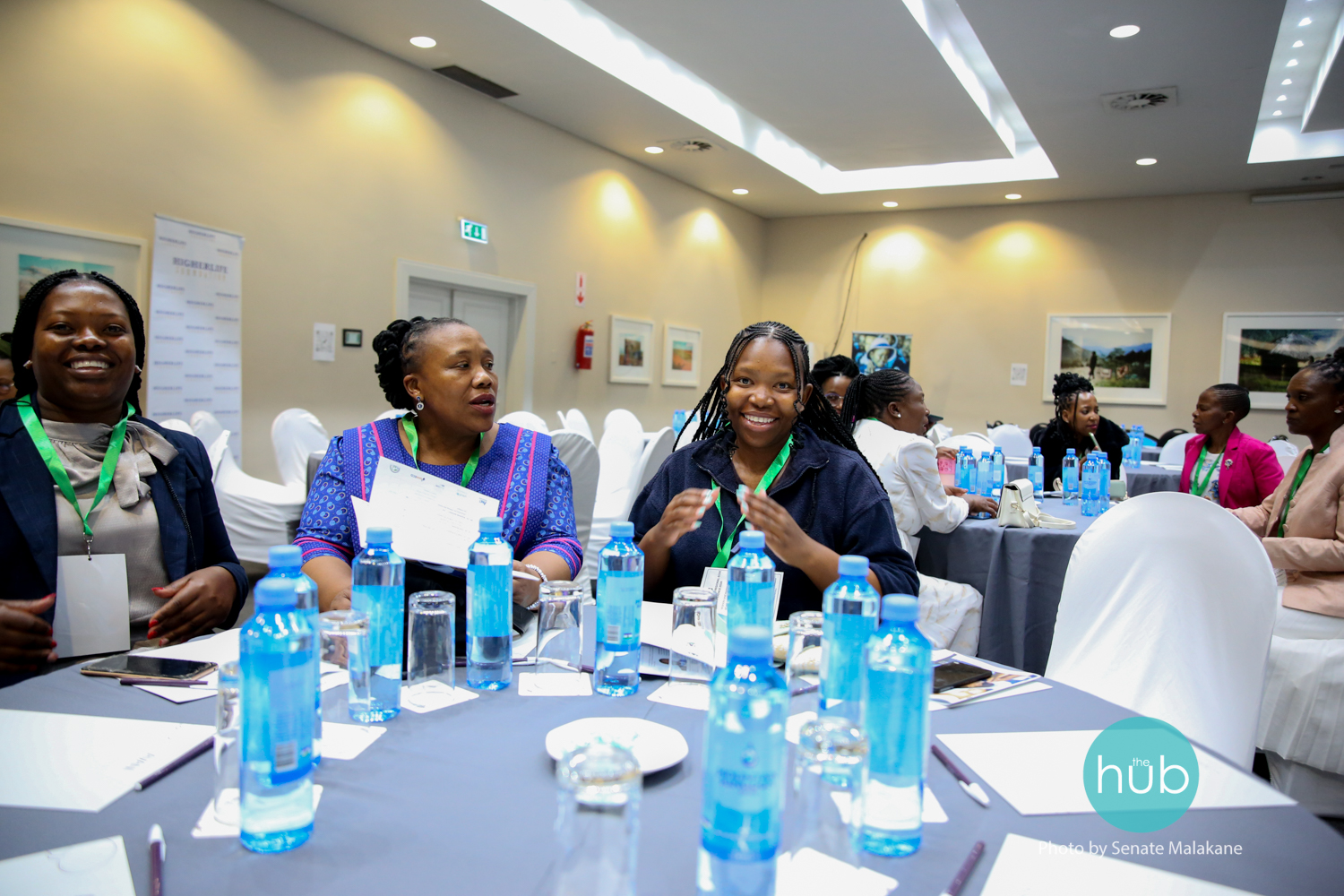
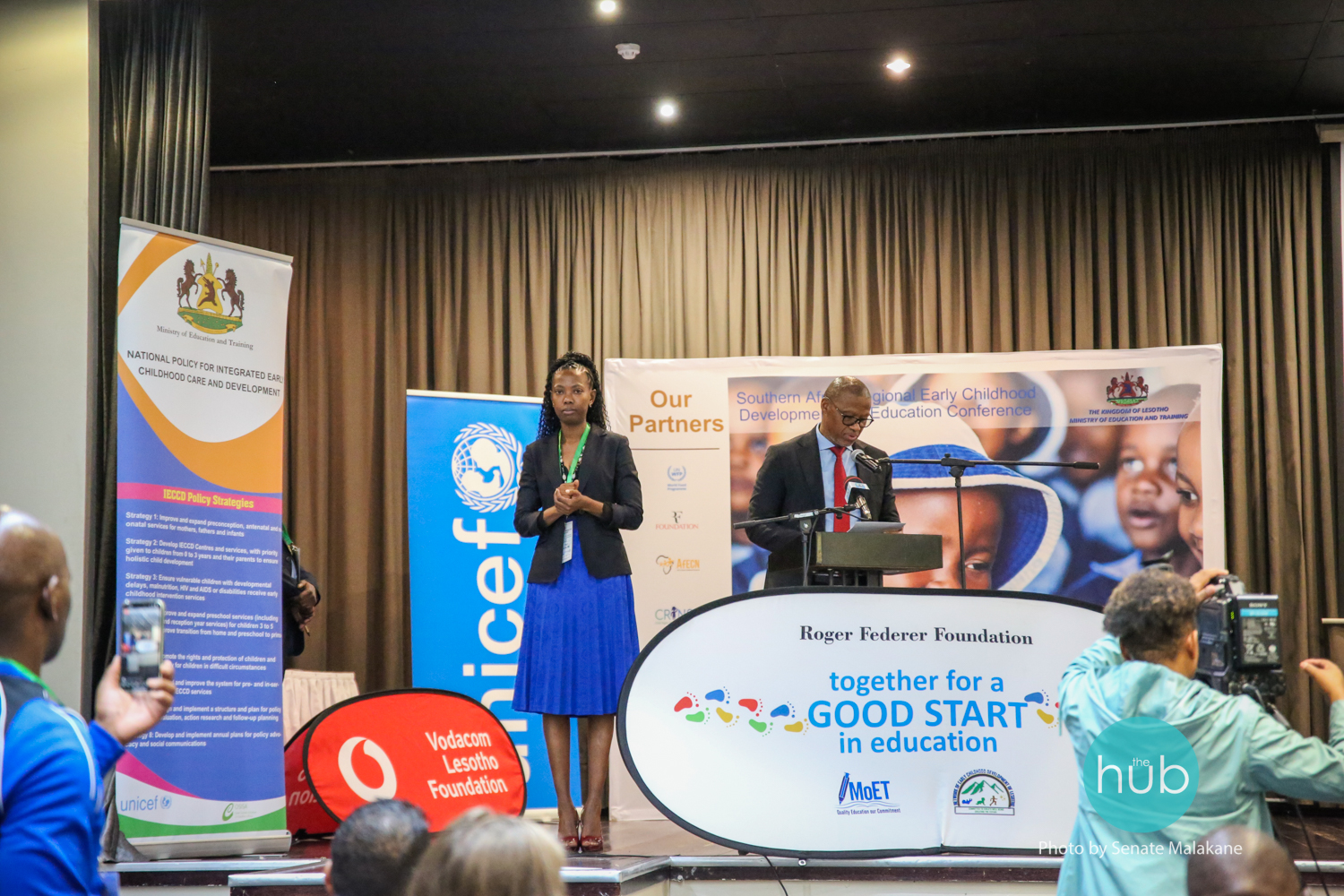
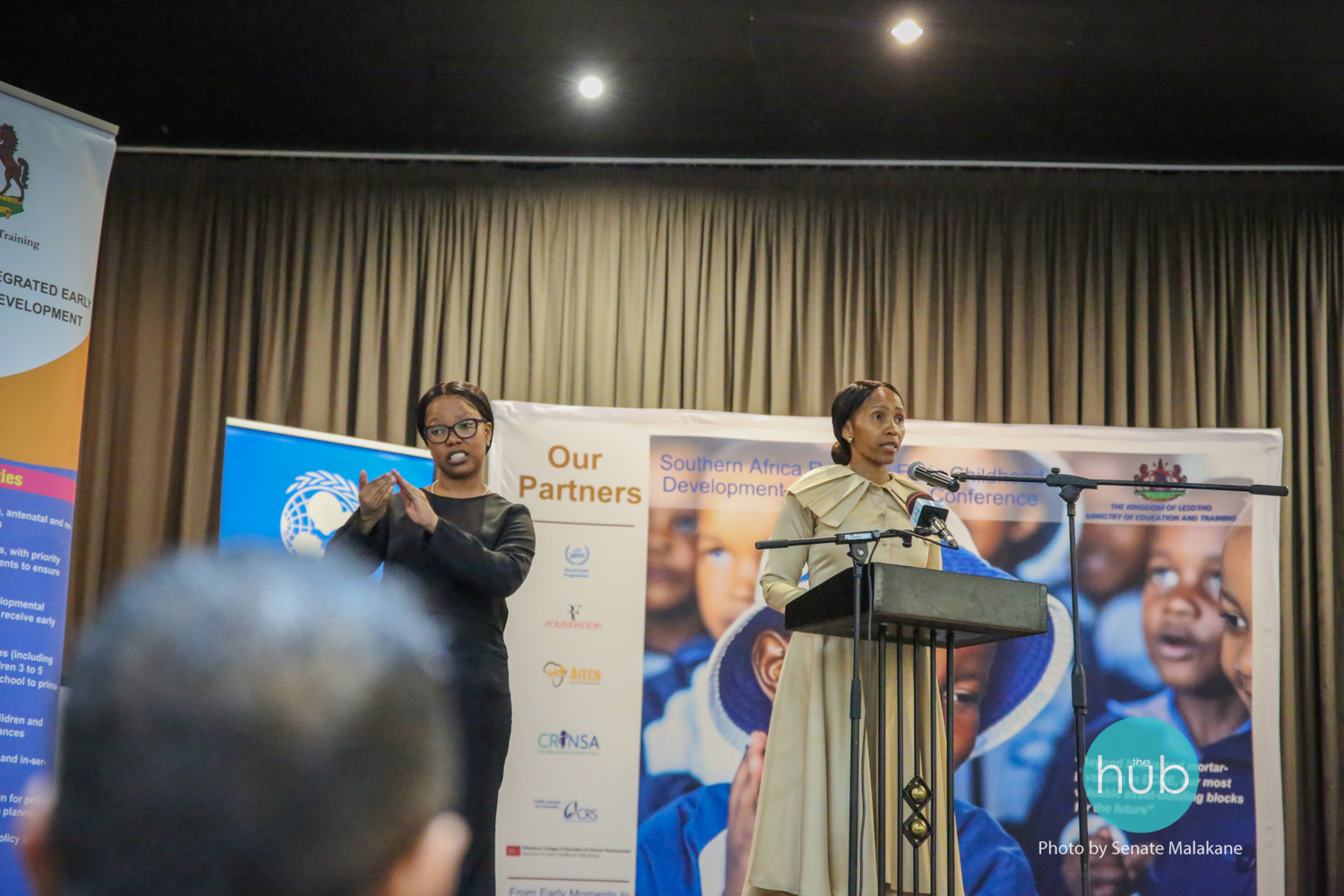
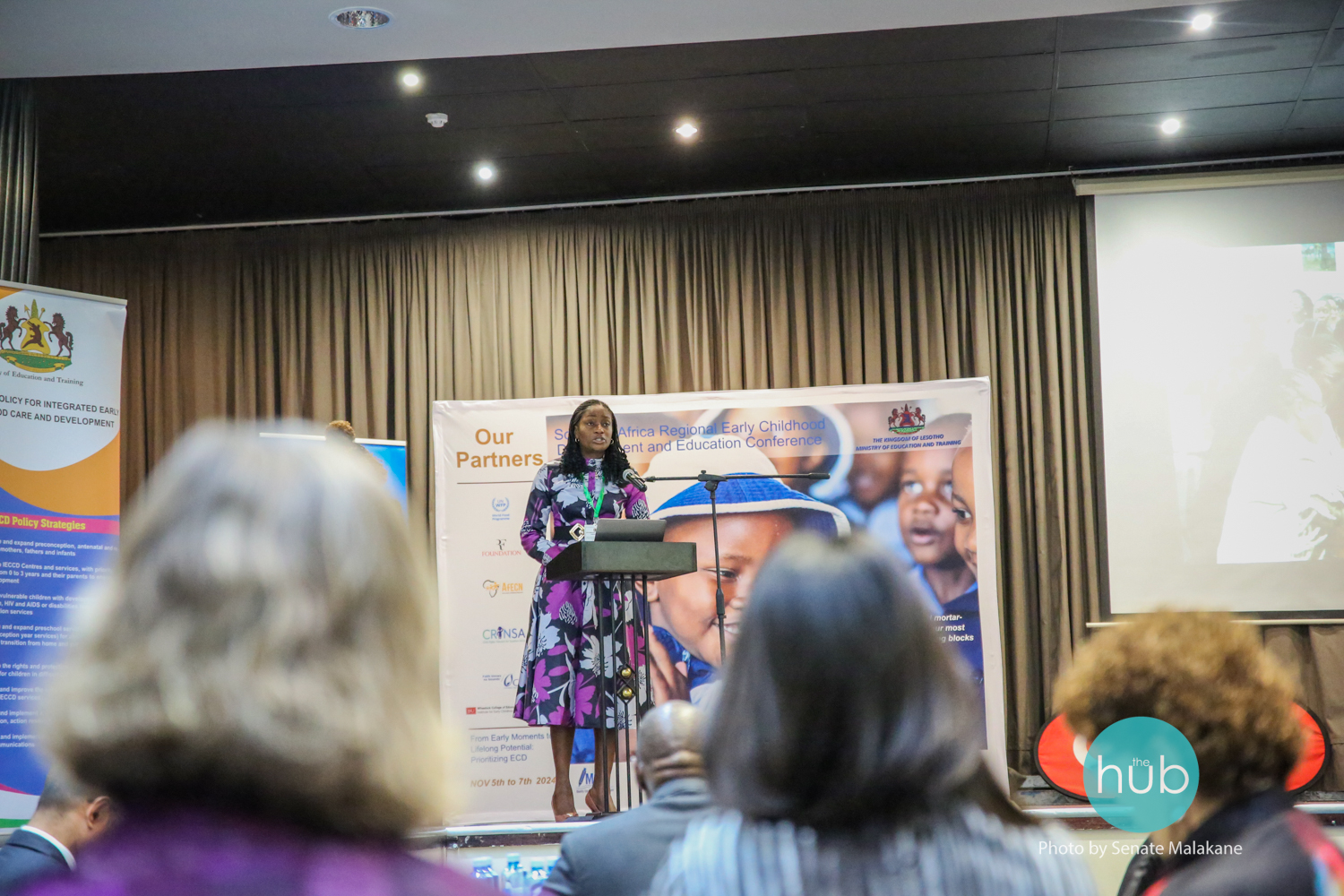
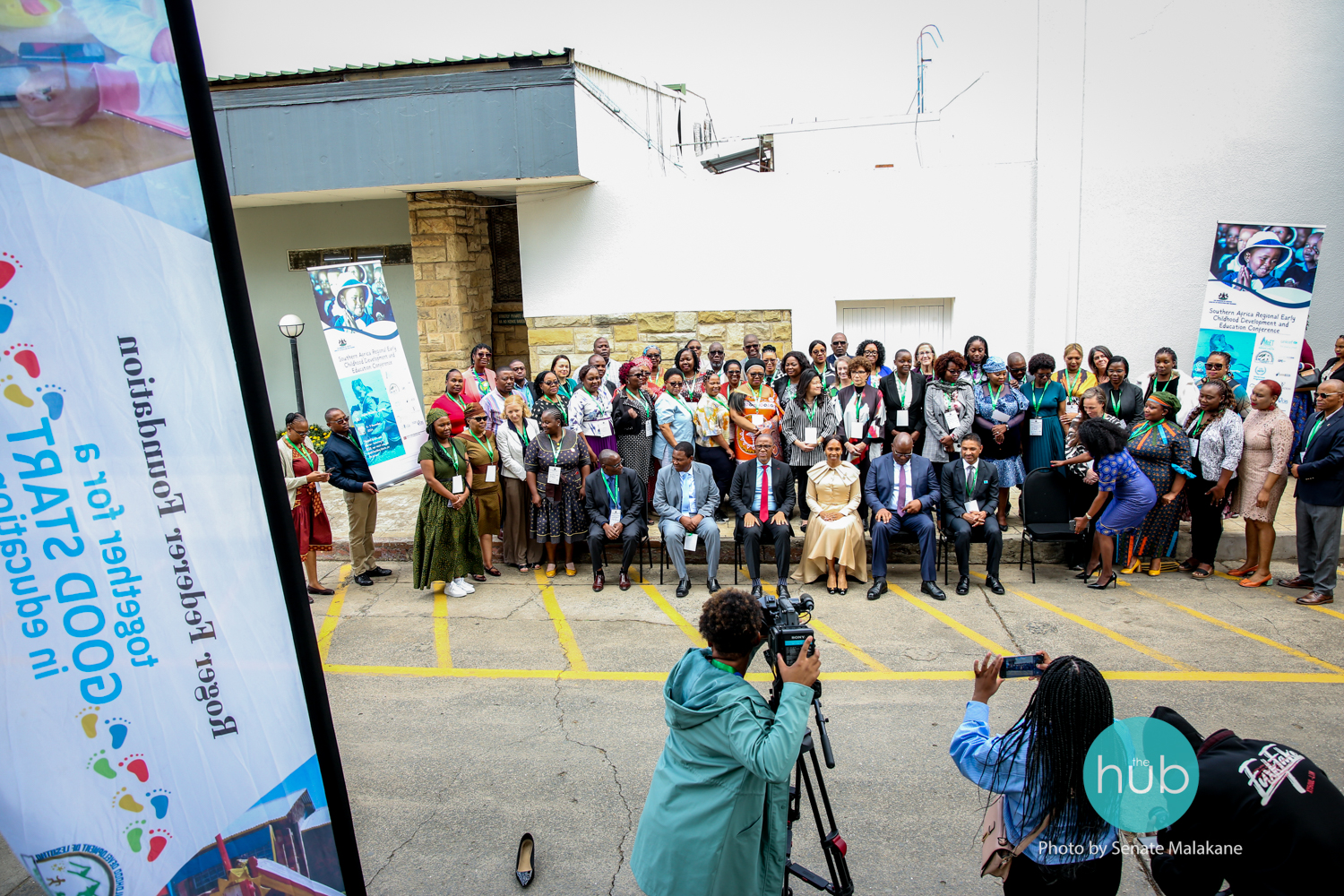
From November 5th to 7th, 2024, The Hub participated in a first of its kind Southern Africa Early Childhood Development and Education Conference with the Network of Early Childhood Development of Lesotho (NECDOL). This immersive and intellectually stimulating event centred on Early Childhood Education, a critical field that plays a pivotal role in shaping children’s holistic development and establishing a robust foundation for their future success.

Photos © Senate Malakane

During the conference, the team gained valuable insights into NECDOL, an organization founded in November 2016. NECDOL is a non-profit voluntary association that brings together individuals, organisations, and institutions united in their pursuit of objectives aimed at enhancing the overall well-being of young children aged 0-8 years. The organisation’s core values encompass people and relationships, integrity, teamwork, leadership and innovation, diversity, and inclusion. These values serve as guiding principles in their mission to improve early childhood development in Lesotho.

NECDOL’s vision is both ambitious and inspiring. By 2030, they aim to ensure that every child in Lesotho, from birth to 8 years old, will have equitable access to well-coordinated, high-quality integrated early childhood services. This vision reflects a commitment to creating a society where all children, regardless of their background or circumstances, have the opportunity to thrive and reach their full potential.

Beyond bricks and mortar: Investing in ECDE, our most valuable asset-building blocks for the future

The organisation’s mission is equally comprehensive and impactful. NECDOL strives to ensure coordination among partners, stakeholders, programs, and initiatives aimed at the holistic development of children from 0-8 years old at both national and regional levels. This coordination is achieved through a multifaceted approach that includes research, evidence-based advocacy, resource mobilisation, capacity building, partnerships, innovation, and rigorous monitoring and evaluation of Early Childhood Development and Education (ECDE) services and programs. By employing these strategies, NECDOL aims to significantly enhance the well-being of children during their crucial early years.

The conference theme, “Beyond bricks and mortar: Investing in ECDE, our most valuable asset-building blocks for the future,” encapsulated the event’s focus on the importance of investing in ECDE as a cornerstone for societal progress and individual success.

Photos © Senate Malakane

The first day of the conference was marked by several notable highlights:

The event was officially opened by Her Majesty Queen ‘Masenate Mohato Seeiso and Hon. Minister of Education and Training Prof. Ntoi Rapapa, underscoring the high-level support and recognition of the importance of early childhood education in Lesotho. The presence of the Ministry of Education and Training and Hon. Limpho Tau, representing Right Honourable Prime Minister Ntsokoane Matekane, further emphasised the government’s commitment to this crucial area of development.

International guests presented valuable insights on ECDE in their respective countries, providing a global perspective on best practices and challenges in the field. This exchange of ideas and experiences across borders is crucial for advancing early childhood education worldwide.

Ms. Shoeshoe Mofokeng, NECDOL Co-Founder and Director, delivered a presentation on the role of Civil Society Organizations (CSOs) in ECDE. This highlighted the importance of collaboration between various sectors of society in promoting early childhood development.

Marceline Kahlari from Zimbabwe discussed the significance of partnerships in supporting early learning, emphasising the need for collaborative efforts to create effective early childhood education programs.

Mr. Elliot Vhurumuku, World Food Programme (WFP) Lesotho Country Representative, addressed the critical issue of strengthening nutrition in ECDE for holistic development. This presentation underscored the interconnectedness of physical health and cognitive development in young children.

Nkhasi Sefuthi’s discussion on child protection and children’s rights to education highlighted the importance of safeguarding children’s well-being while ensuring their access to quality education.

Prof. Beatrice Matafwali from Zambia presented on building climate resilience in ECDE within the Southern African Development Community (SADC) region. This forward-thinking topic addressed the need to prepare early childhood education systems for the challenges posed by climate change.

Dr. Dudu Hlophe from Eswatini shared valuable insights on learning from best ECDE community and parenting practices, emphasising the importance of involving families and communities in early childhood education.

Dr. Bob Muchabaiwa, UNICEF Chief of Social Policy, provided an analysis of trends in public spending on early childhood education in SADC and lessons learned from Lesotho. This presentation offered important insights into the financial aspects of implementing effective ECDE programs.

Dr. Dina Castro from Boston University presented on bilingualism in early development and education, highlighting the cognitive benefits and challenges of multilingual learning environments for young children. 

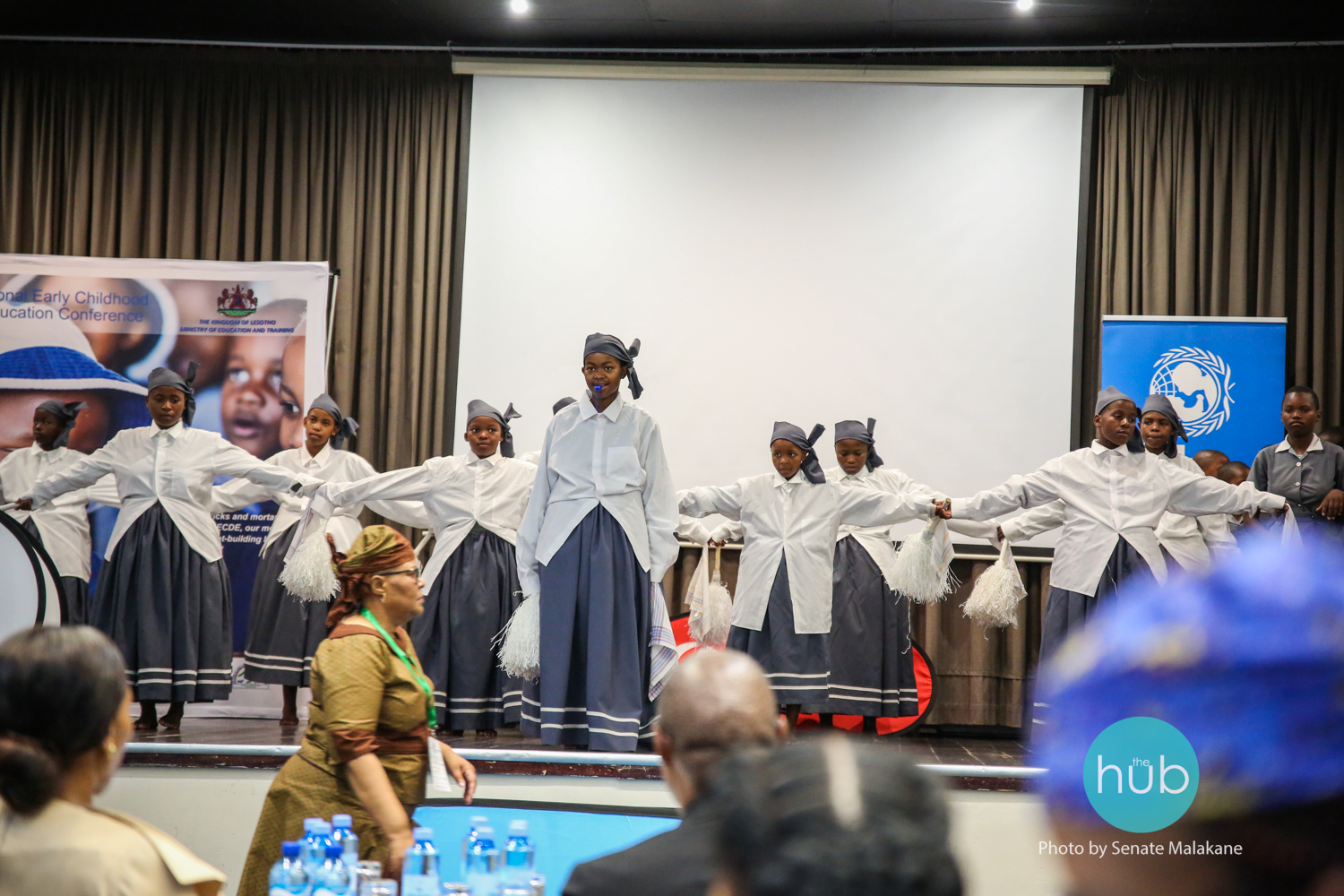
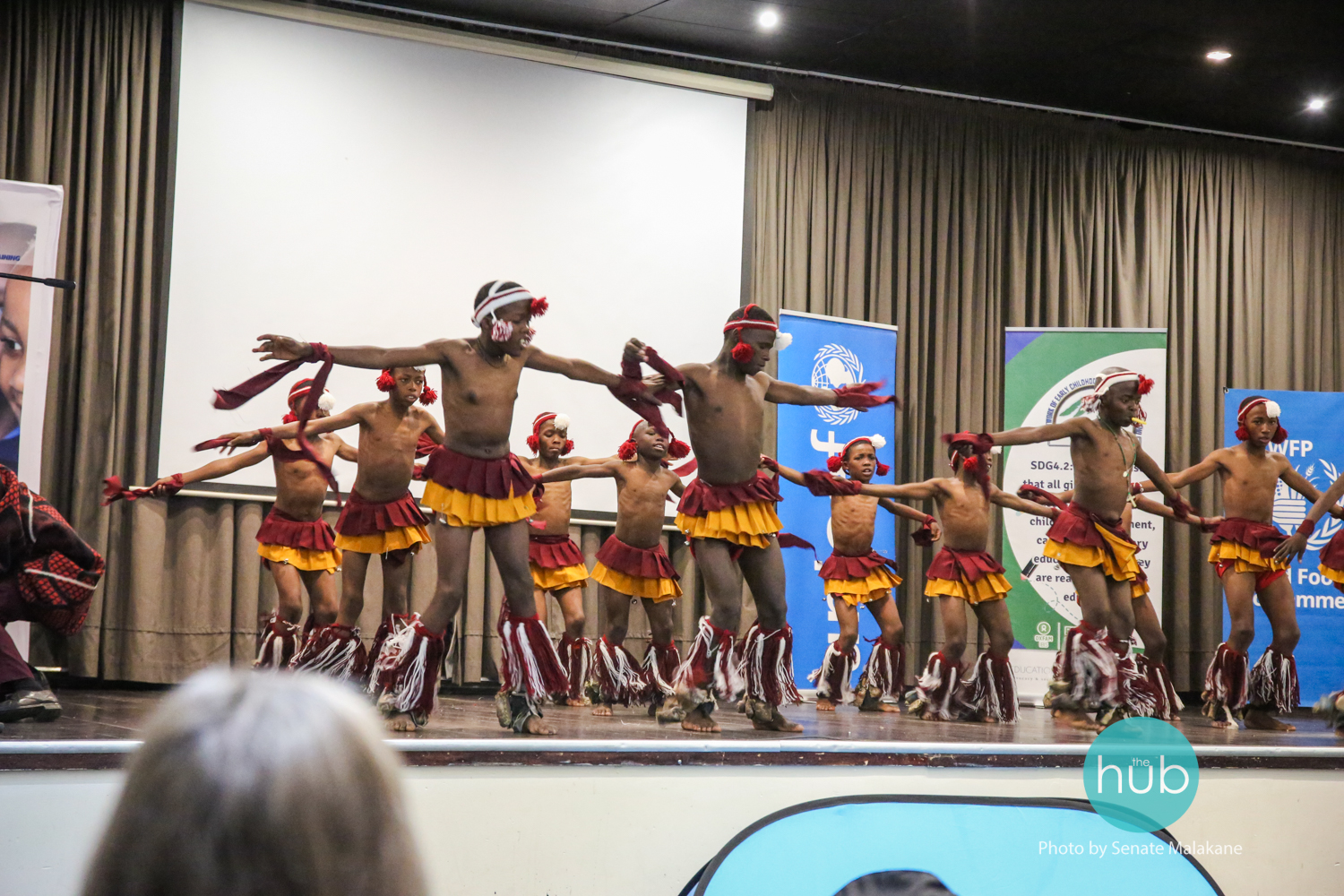
Dance performances with Mohobelo by Rasetimela Primary School students, and Mokhibo by St Louis Primary School continued the Basotho 200 Years celebrations, commemorating Lesotho’s 200th anniversary since King Moshoeshoe I founded the Basotho nation.

Photos © Senate Malakane

The second day of the conference was equally rich in content and discussions:

Dr. Torerai Moyo, Minister of Primary and Secondary Education, addressed the critical topic of assessing education outcomes in ECDE. This presentation emphasised the importance of measuring and evaluating the effectiveness of early childhood education programs to ensure they are meeting their objectives.

Prof. Mery Antonio from Mozambique explored suitable ECDE financing models and the role of the private sector. This discussion highlighted the need for innovative funding approaches to support and expand early childhood education initiatives.

Jaynet Kuyeli from Malawi presented on public-private partnerships for strengthening ECDE provisions in the SADC region. This topic underscored the potential for collaboration between government entities and private organisations to enhance early childhood education services.

Representatives from the Vodacom Lesotho Foundation and TRANAC discussed the role of the private sector and ECDE networks in early childhood development. This session highlighted the potential for corporate involvement and support in advancing early childhood education goals.

UNICEF and various experts presented on child safeguarding and wellbeing interventions and strategies. These discussions emphasised the importance of creating safe, nurturing environments for young children to learn and grow.

Mercy Sakanya discussed the impact of digitalization on tracking ECDE outcomes, exploring how technology can be leveraged to monitor and improve early childhood development programs.

Ts’epang Manyeli presented on how social protection programs can improve early childhood development in Lesotho, highlighting the interconnectedness of social welfare and educational outcomes for young children.

Photos © Senate Malakane

The third day of the conference continued to provide valuable insights and discussions:

Prof. Tapologo Maundeni from Botswana led a comprehensive discussion on promoting child protection, health, nutrition, psychosocial well-being assessment, learning, research, and intervention in the SADC region. This multifaceted approach highlighted the interconnected nature of various aspects of child development and the need for holistic strategies.

A panel discussion on the SADC protocol on children’s rights provided a platform for exploring regional policies and their impact on early childhood development and education.

Marnie Norris presented on transforming inclusive social/emotional learning for children with disabilities in early childhood education. This important topic addressed the need for inclusive practices that cater to the diverse needs of all children, including those with disabilities.

Mike Mwenda from Zambia discussed how self-help groups are breaking the cycle of poverty for adolescent and young mothers through economic strengthening in ECD. This presentation highlighted the importance of supporting young parents to ensure better outcomes for their children.

Dr. Muila Kambulandu presented on understanding early childhood mental health in Lesotho, emphasising the importance of addressing psychological well-being from an early age.

Senzo Hlophe from South Africa addressed a case study of driving systems change for children in South Africa.

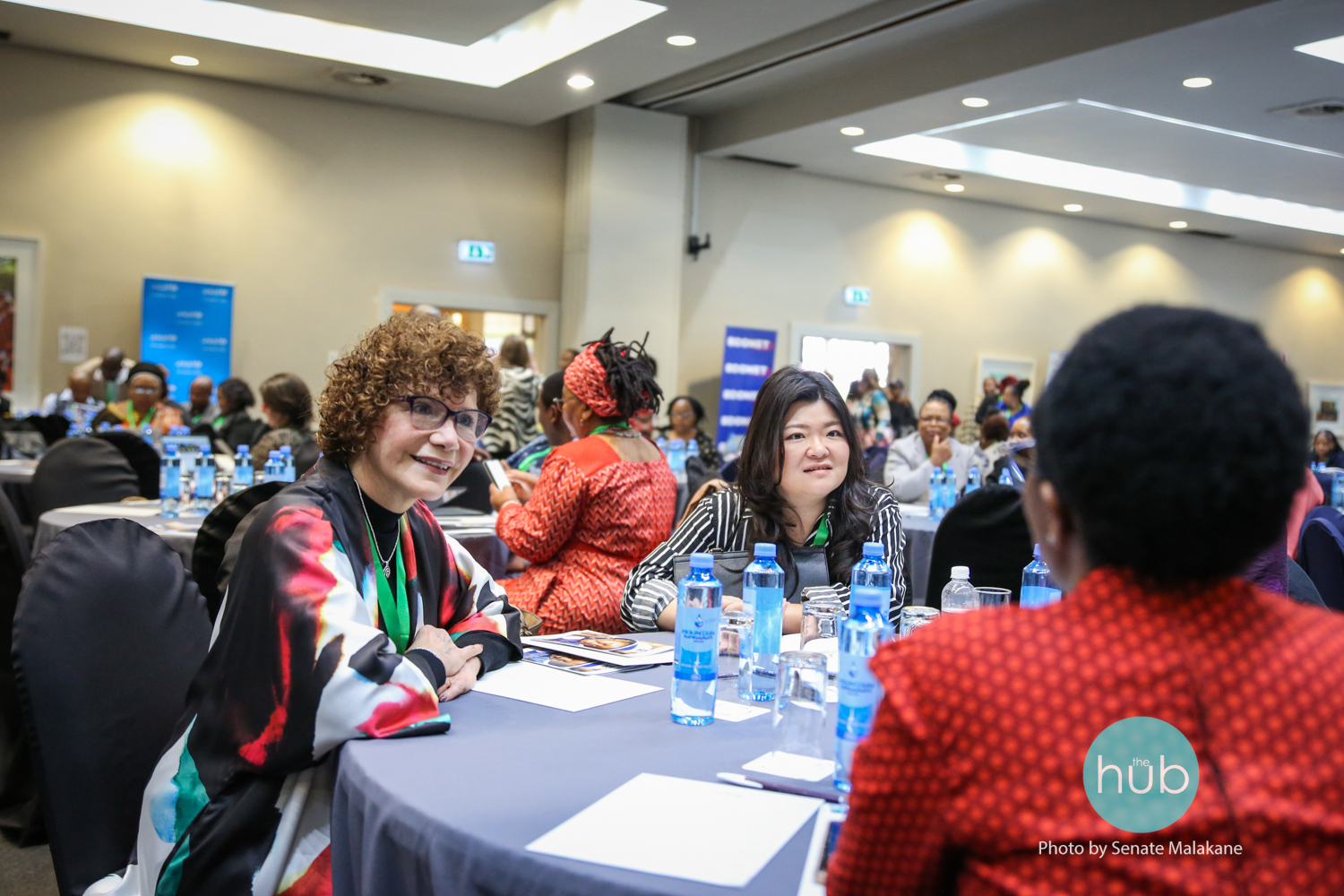
Throughout the conference, participants engaged in lively discussions, networking opportunities, and knowledge-sharing sessions. The event served as a platform for fostering collaboration among various stakeholders in the field of early childhood development and education. By bringing together experts, policymakers, educators, and advocates from across the SADC region and beyond, the conference facilitated the exchange of ideas, best practices, and innovative approaches to improving early childhood education.

The diverse range of topics covered during the three-day event reflected the multifaceted nature of early childhood development and education. From discussions on financing models and public-private partnerships to presentations on bilingualism, climate resilience, and mental health, the conference provided a comprehensive overview of the challenges and opportunities in the field.

As the conference concluded, participants left with a renewed sense of purpose and a wealth of knowledge to apply in their respective roles and organisations. The insights gained and connections made during the event are likely to contribute to ongoing efforts to improve early childhood development and education in Lesotho and the broader SADC region.

The success of this conference underscores the importance of continued dialogue, collaboration, and investment in early childhood education. As NECDOL and other organisations work towards their vision of equitable access to high-quality early childhood services, events like this play a crucial role in shaping policies, practices, and partnerships that will ultimately benefit the youngest members of society and, by extension, the future of nations.

The conference concluded with an official closing ceremony by Hon. Minister of Education and Training Prof. Ntoi Rapapa, and a wonderful performance by Mookho.

Learn more about NECDOL:

“Let’s make discrimination a thing of the past”: Celebrating Lesotho LGBTQIA+ Pride 2024

Since our inception in 2015, The Hub has proudly supported movements and organisations that promote and uphold human rights in Lesotho. This year, we are happy to have partnered with The People’s Matrix Association to cover Lesotho’s 2024 LGBTQIA+ Pride.

By Leila Hall

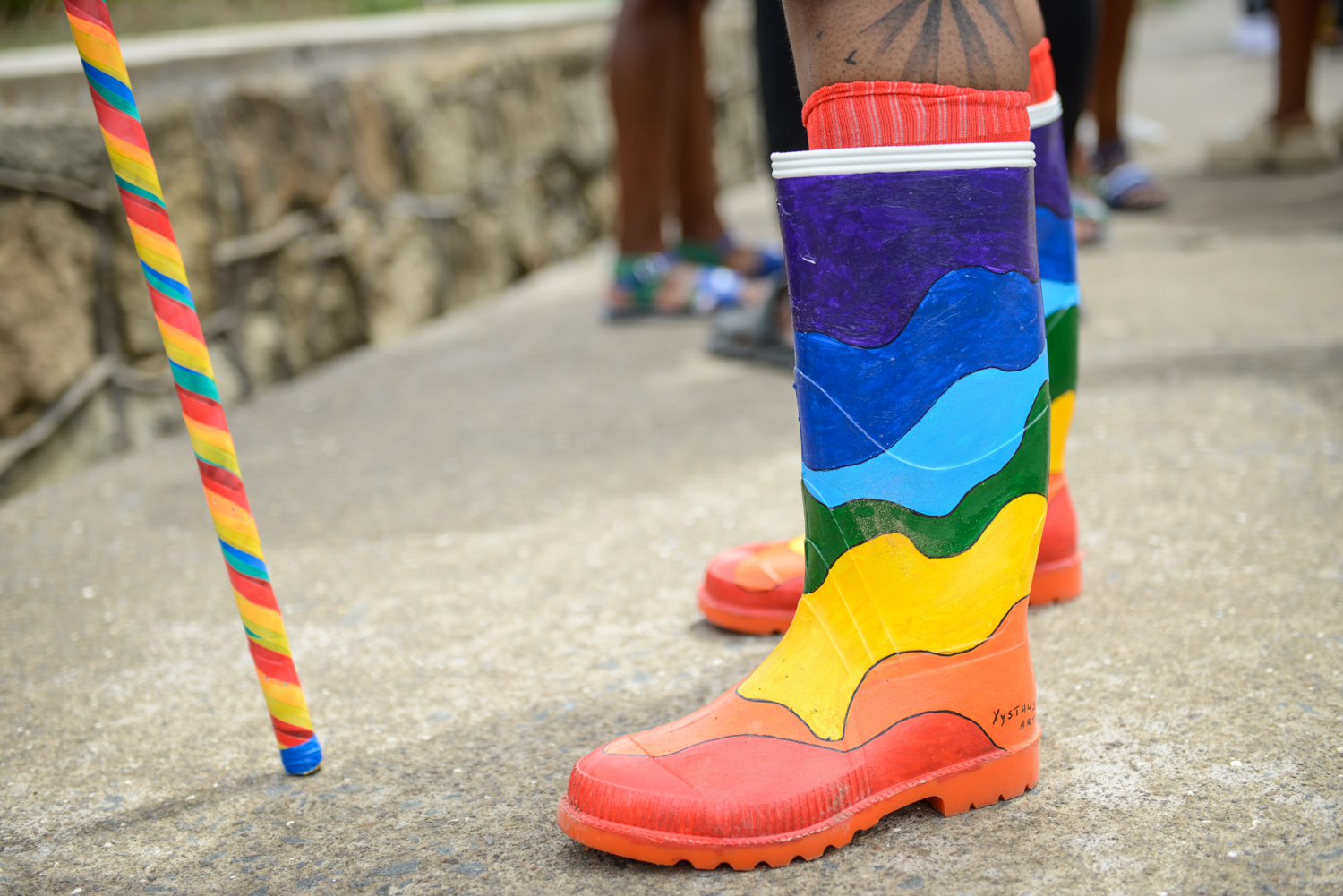
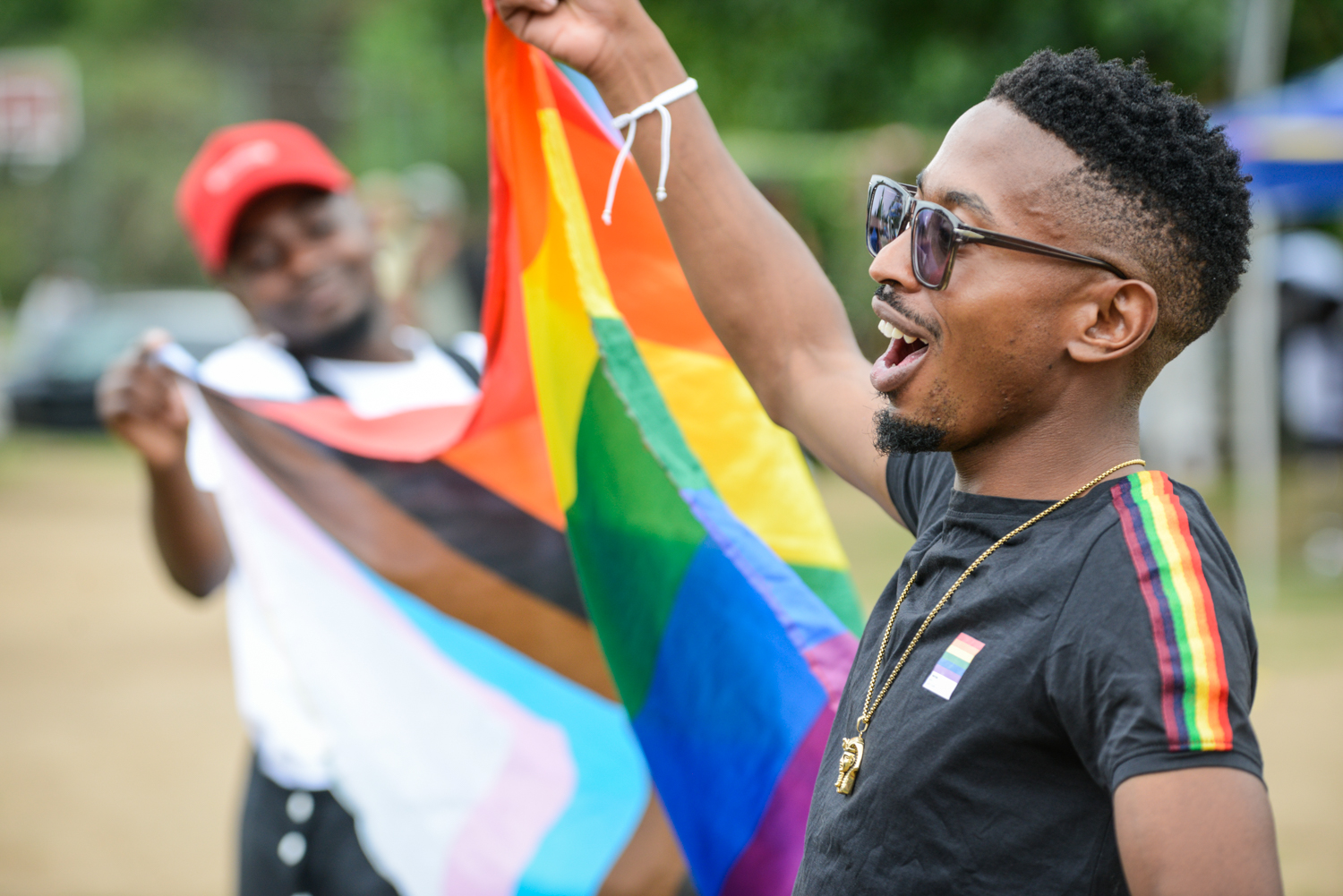
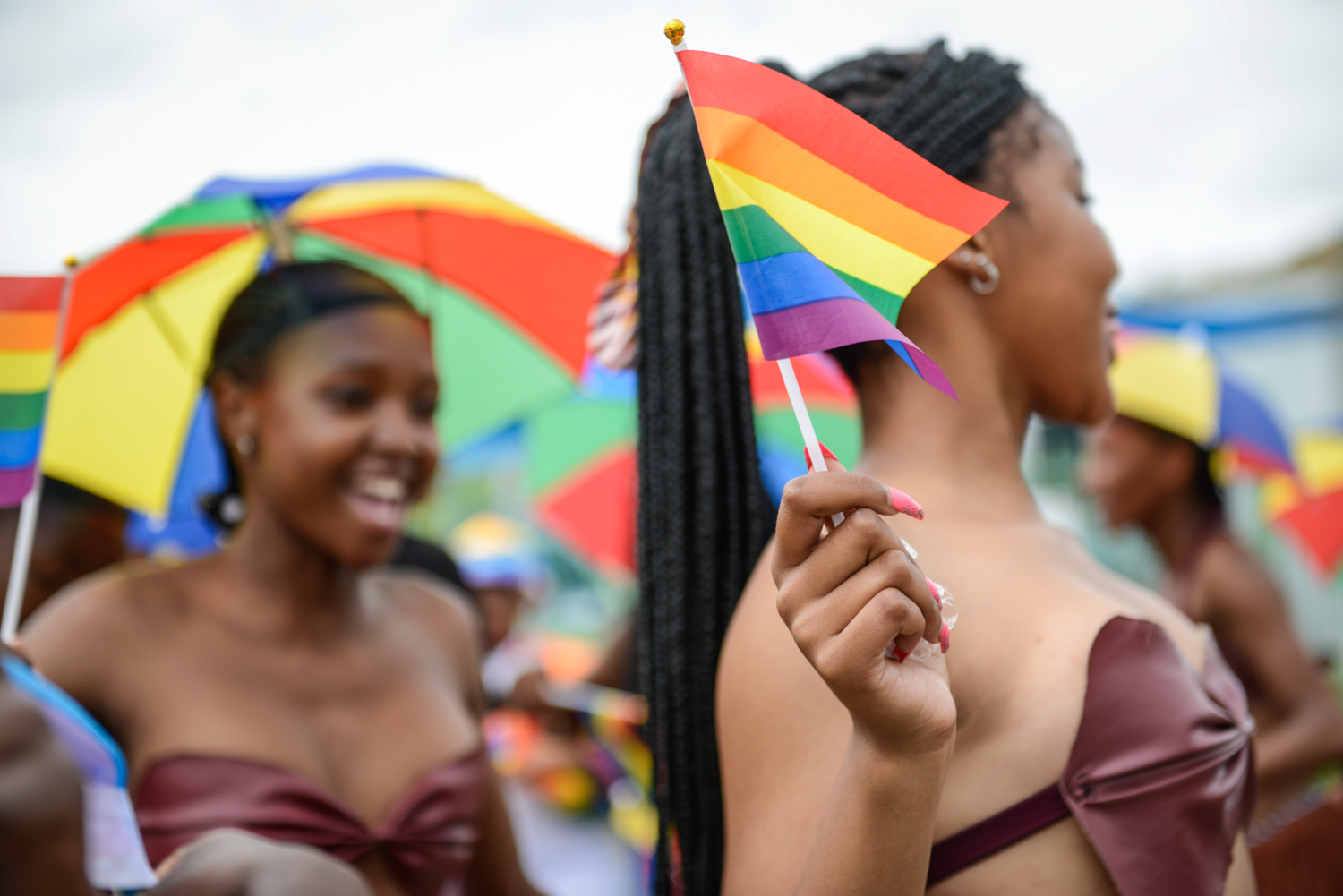
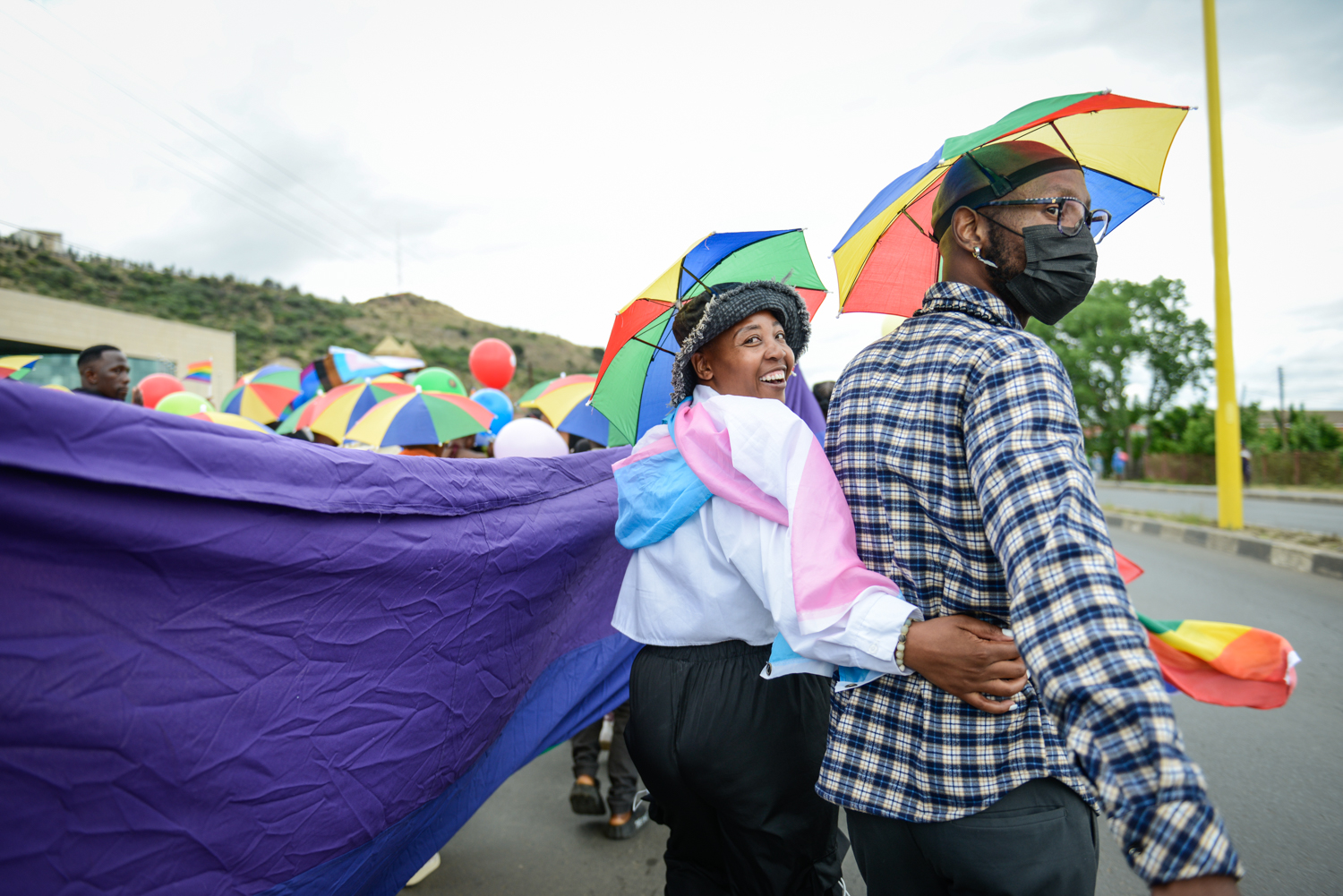
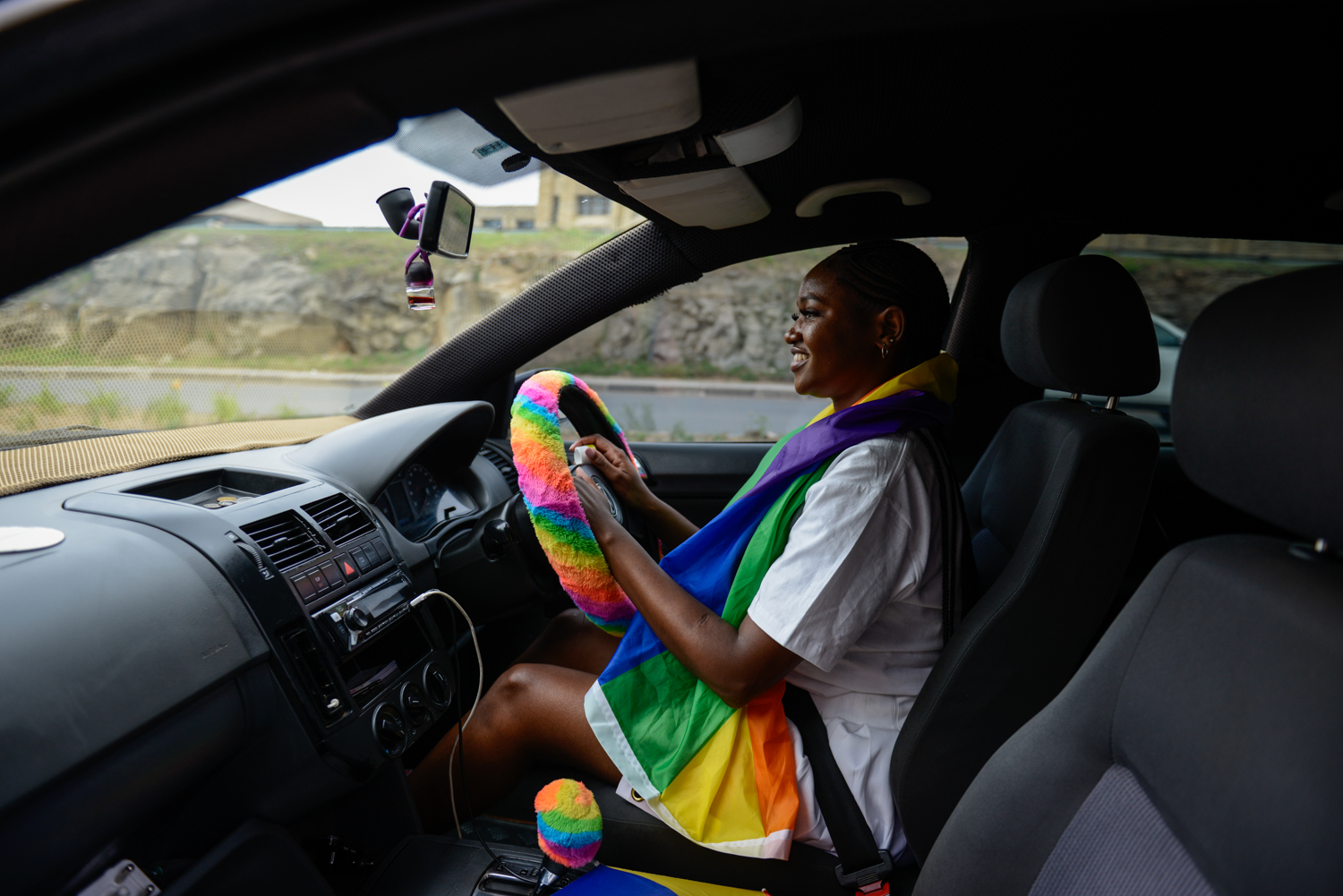
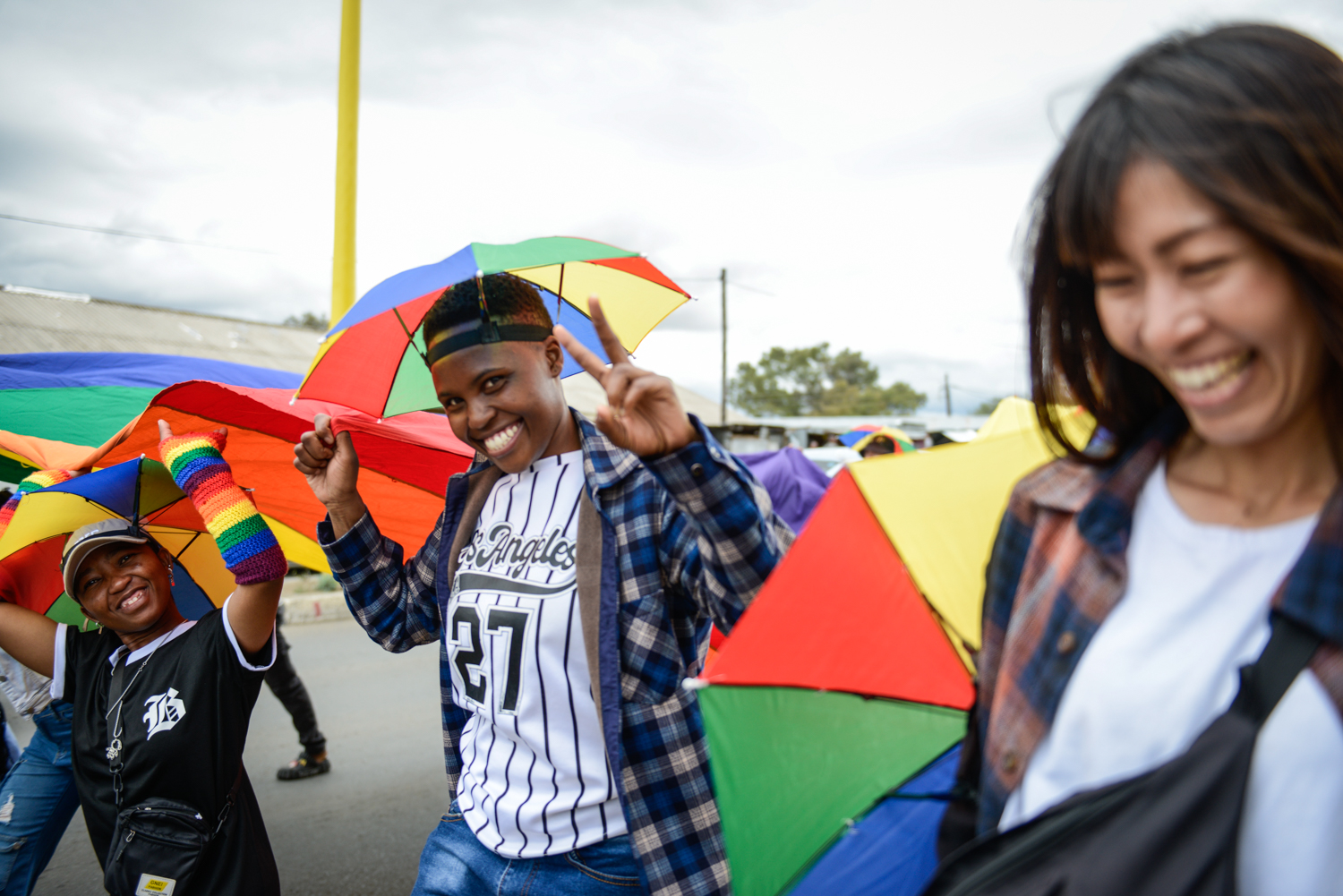
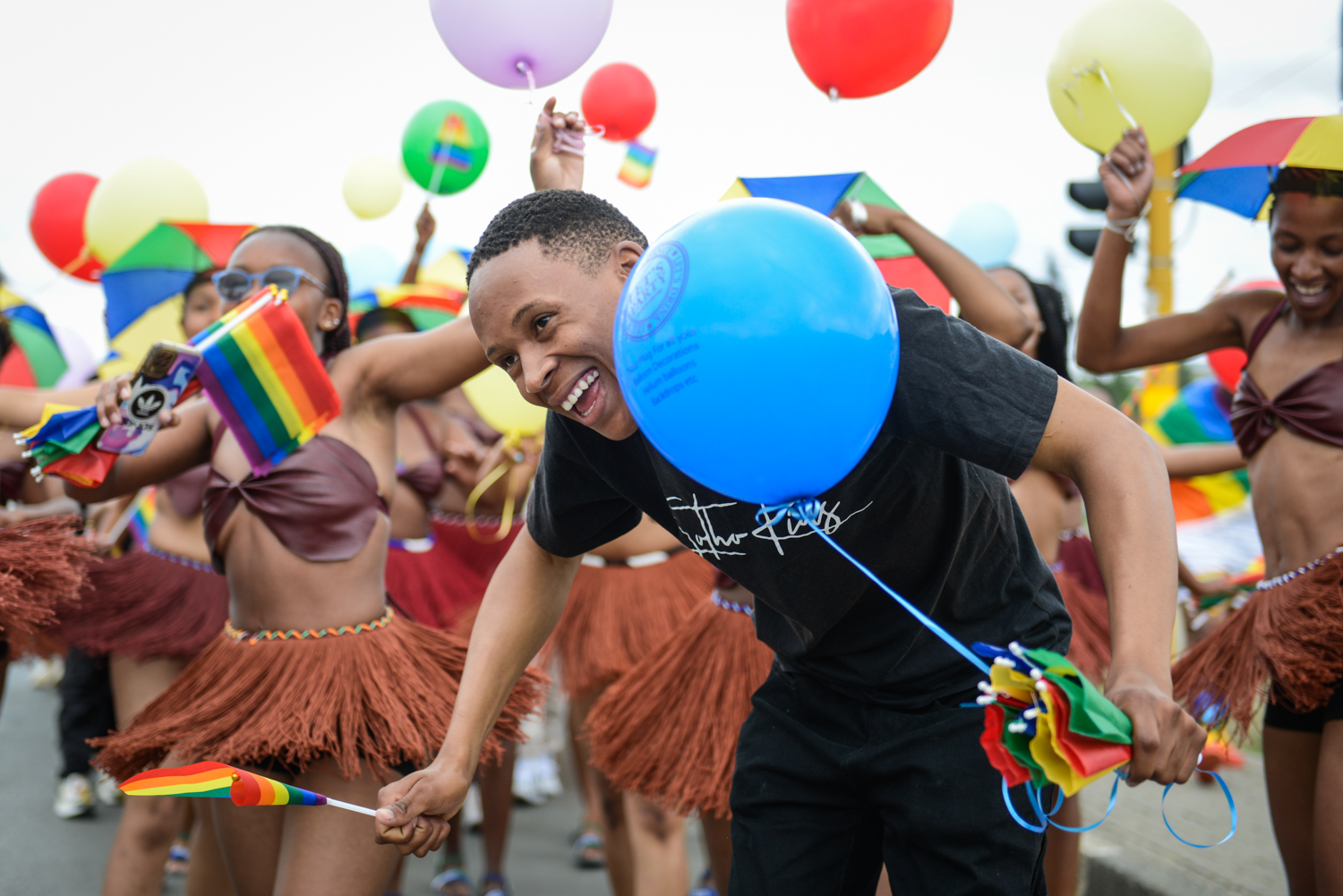
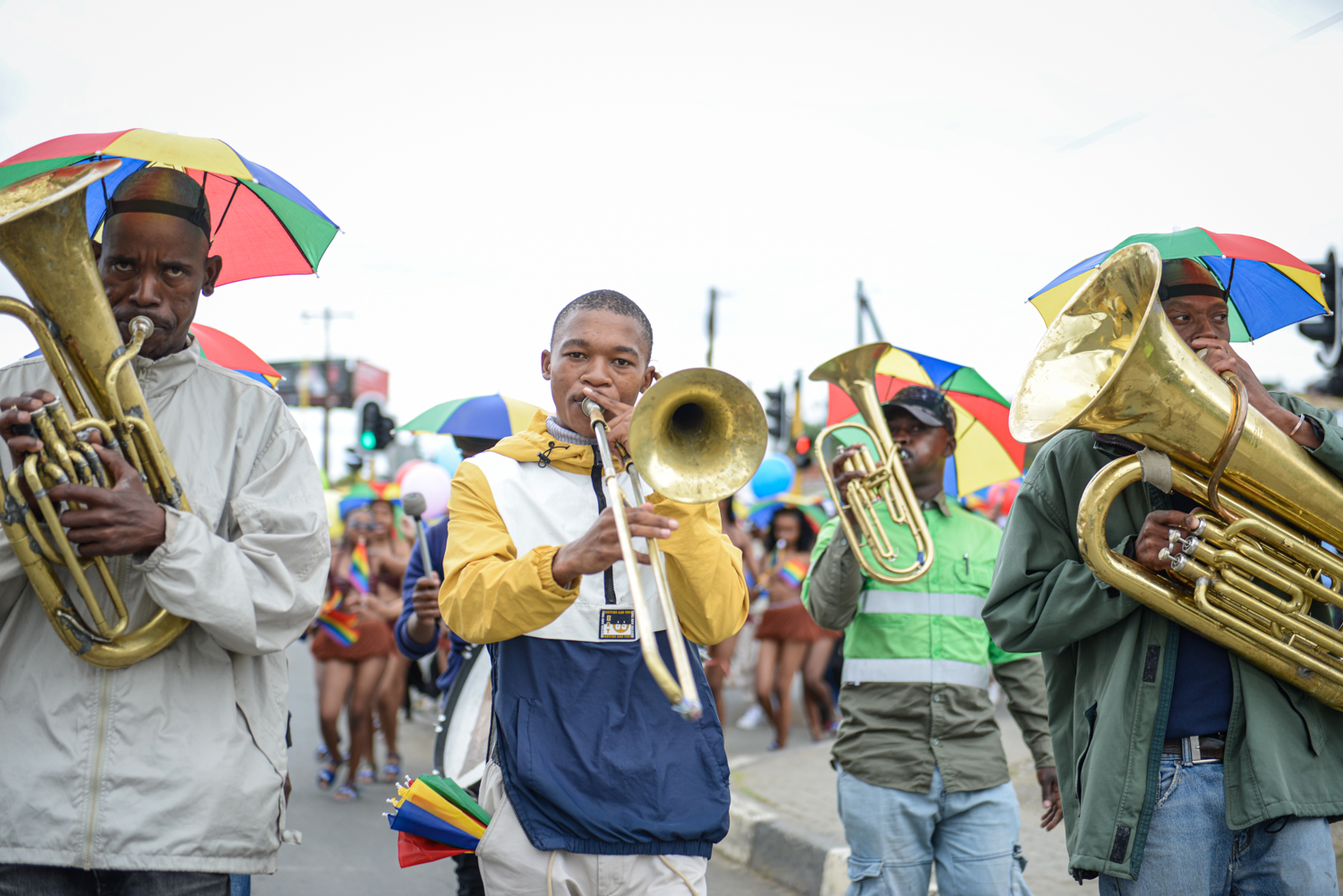
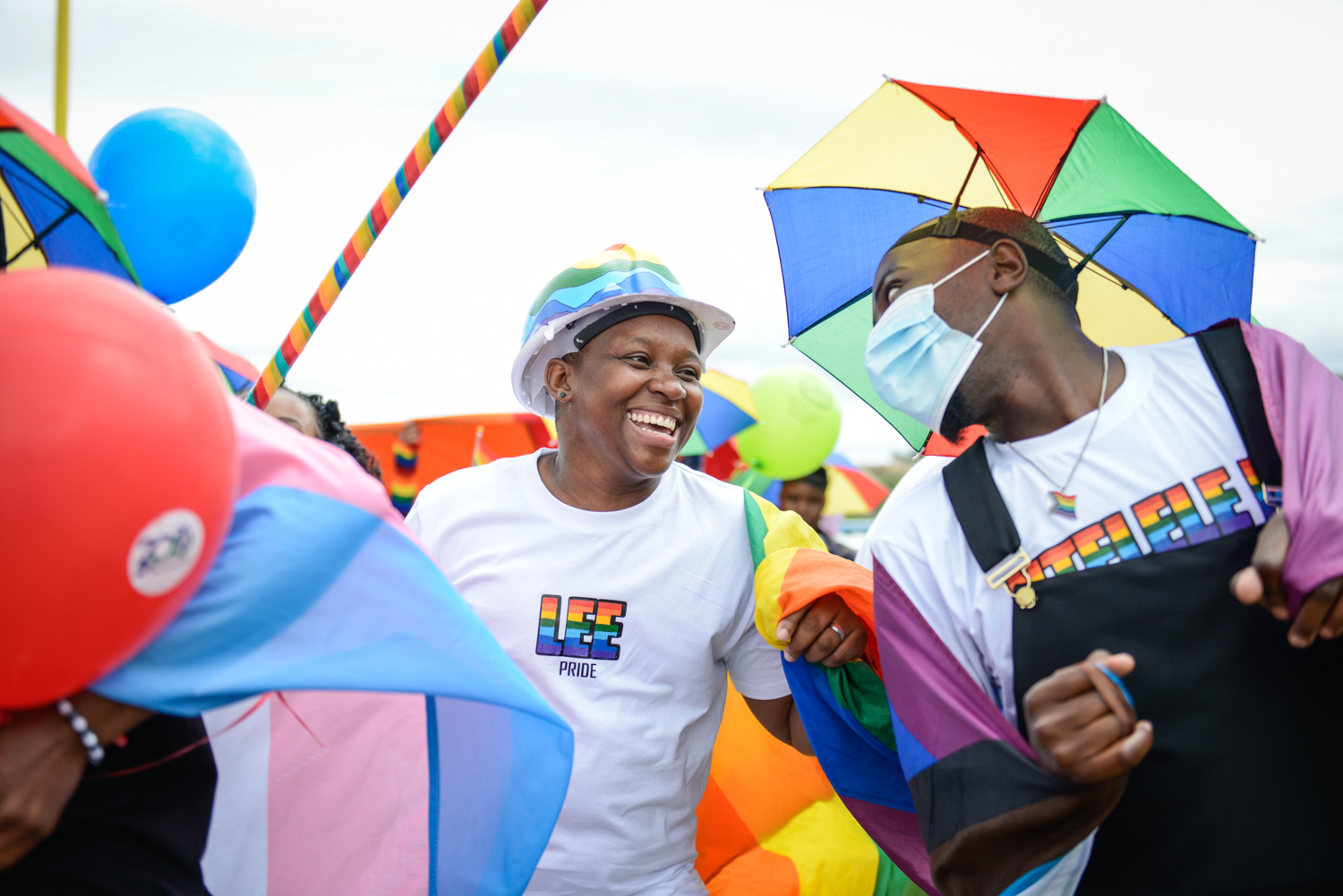
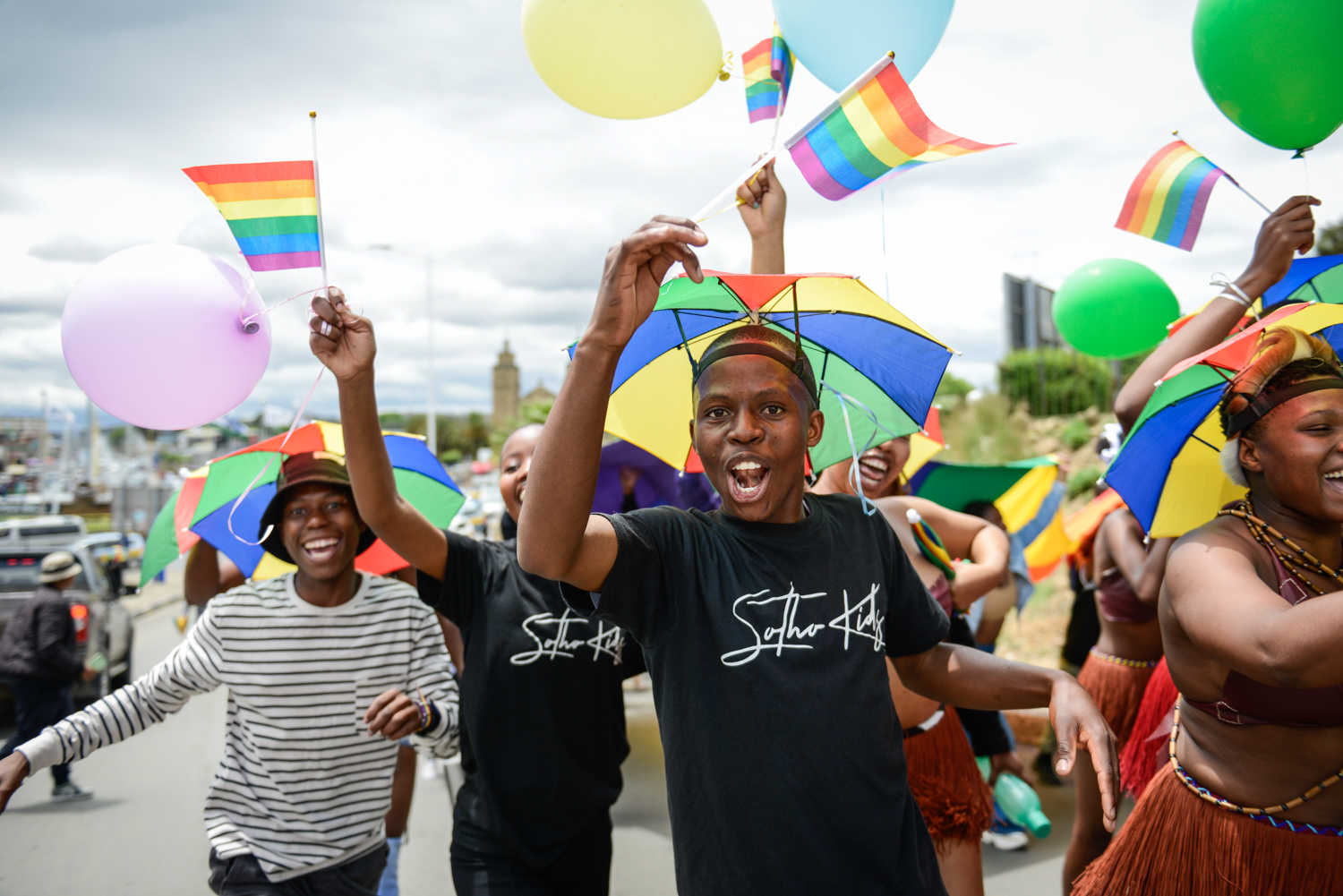
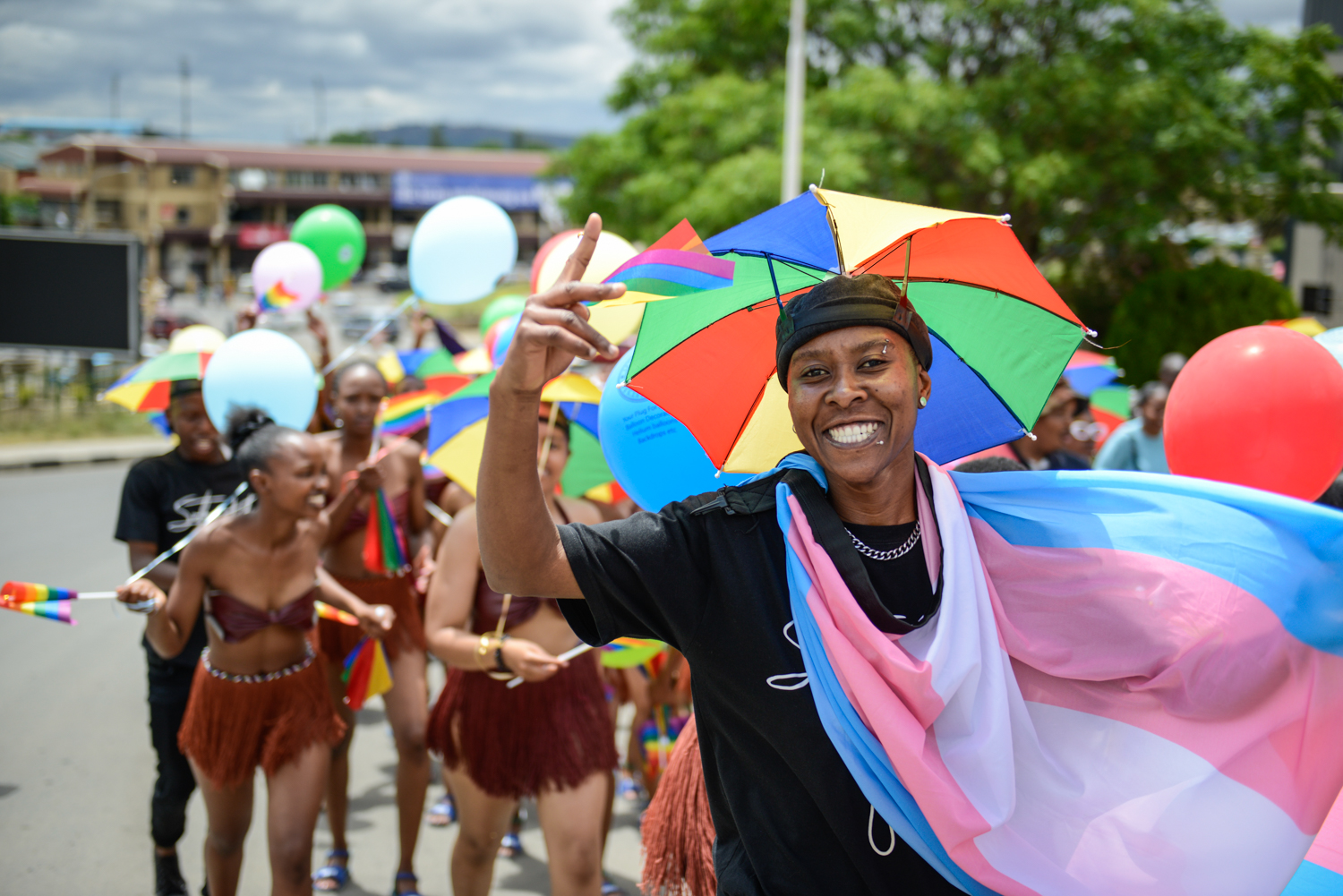
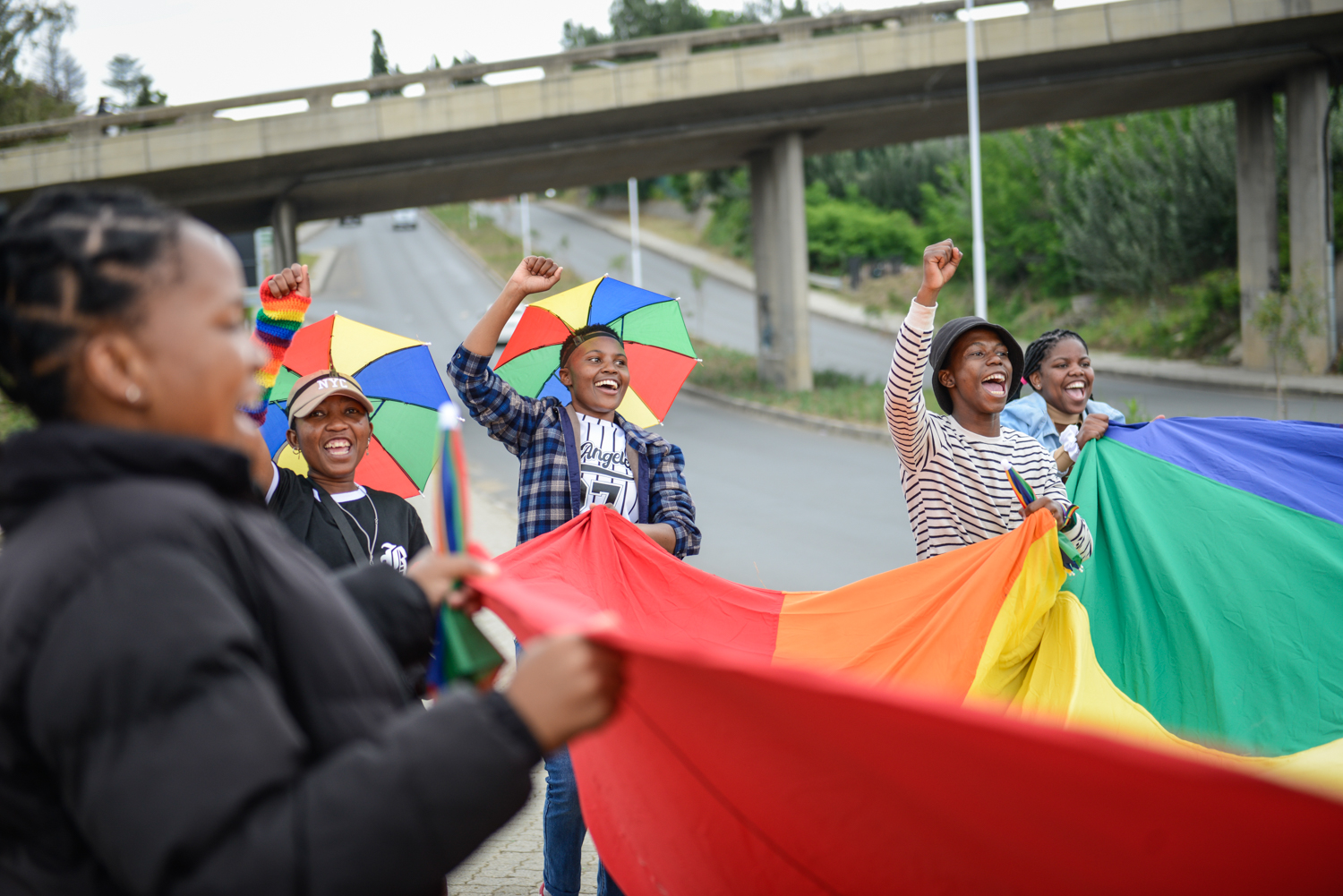
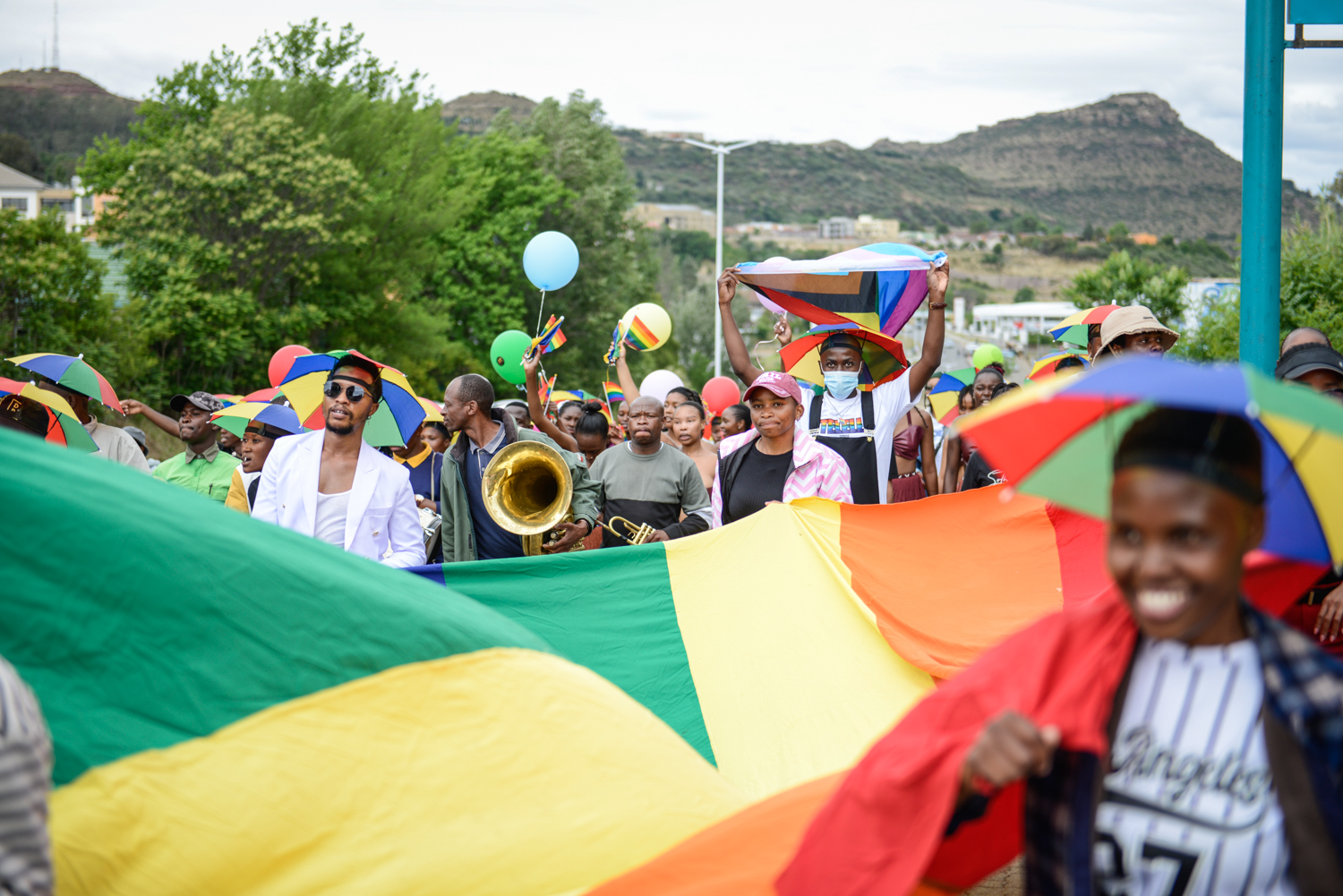
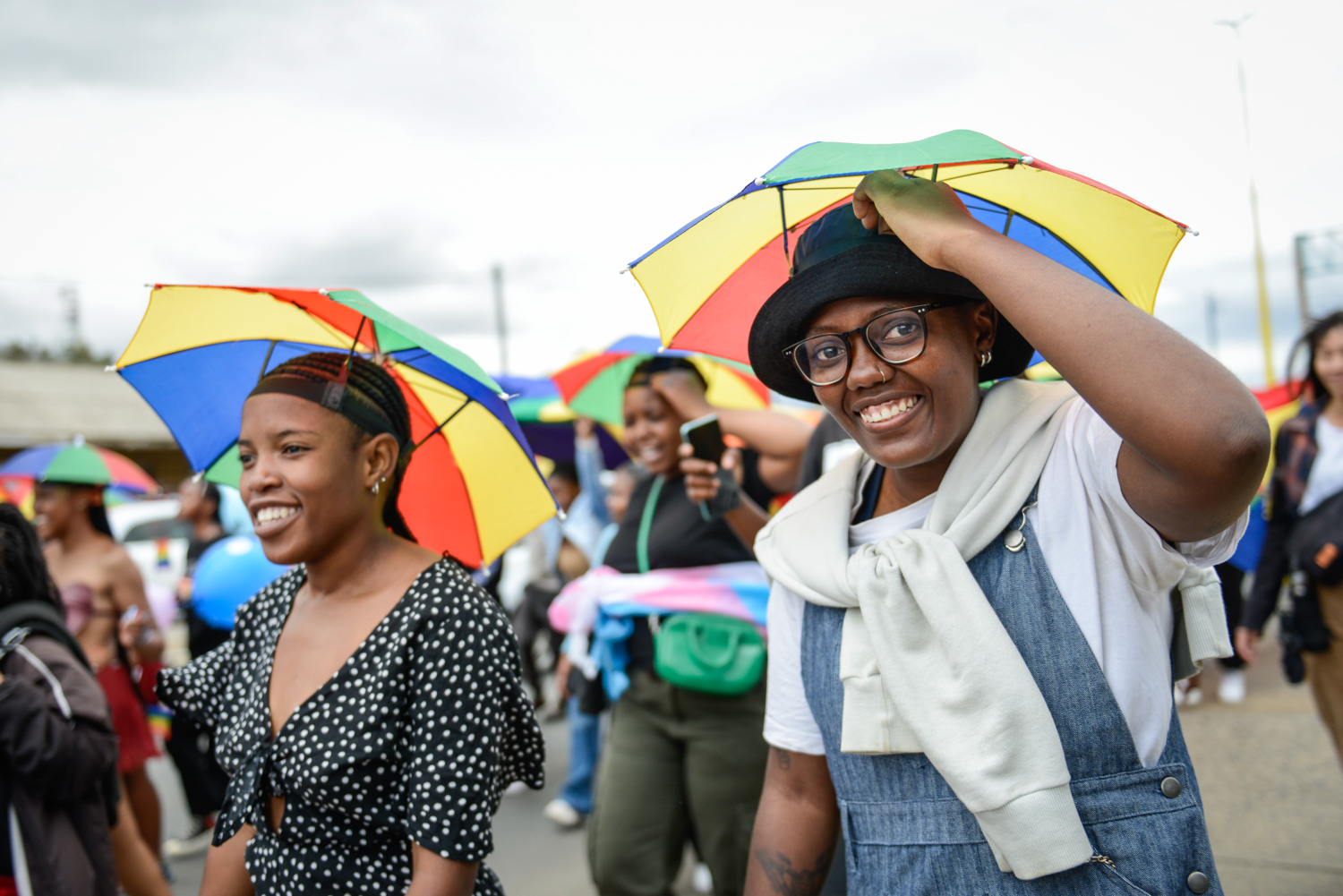
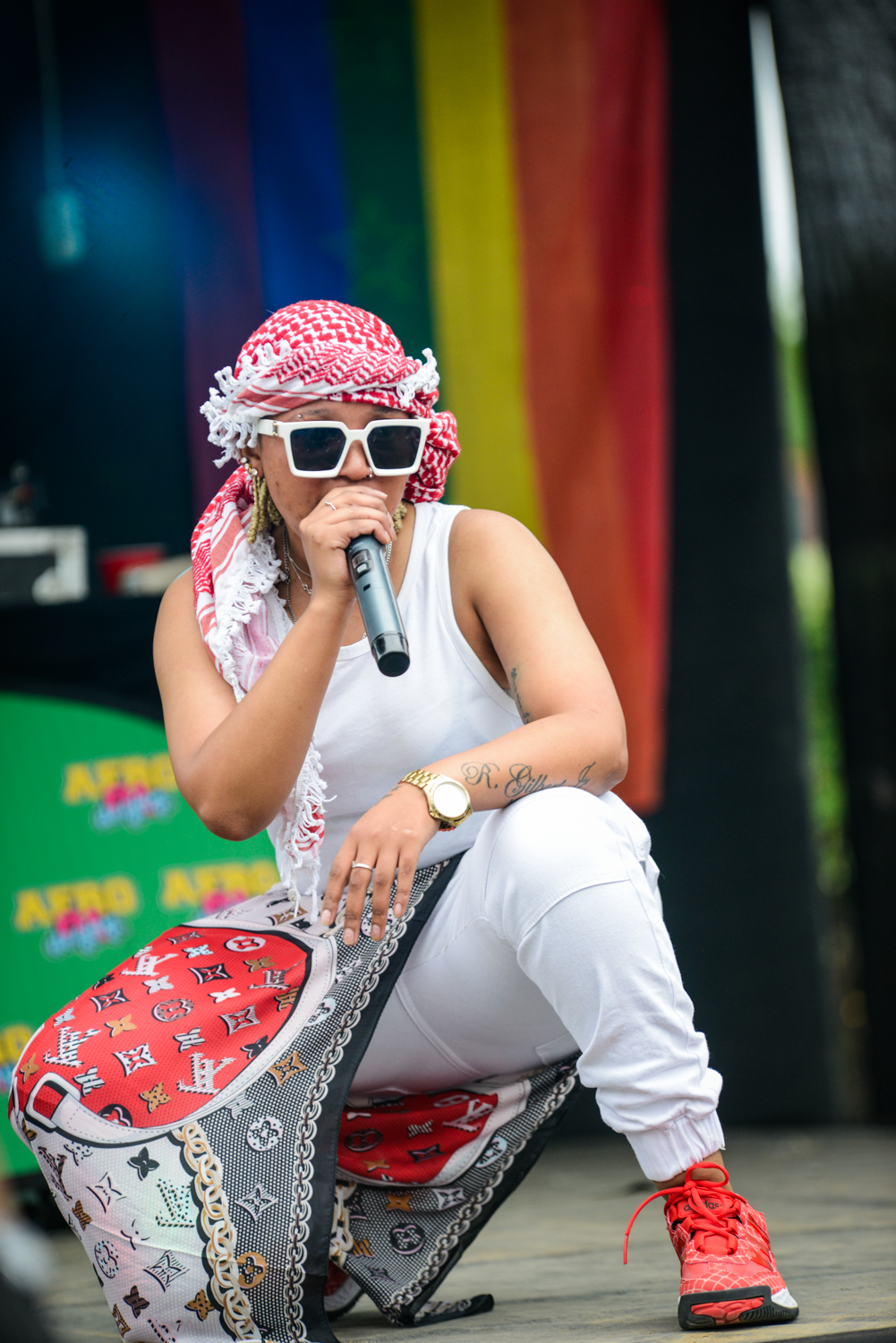
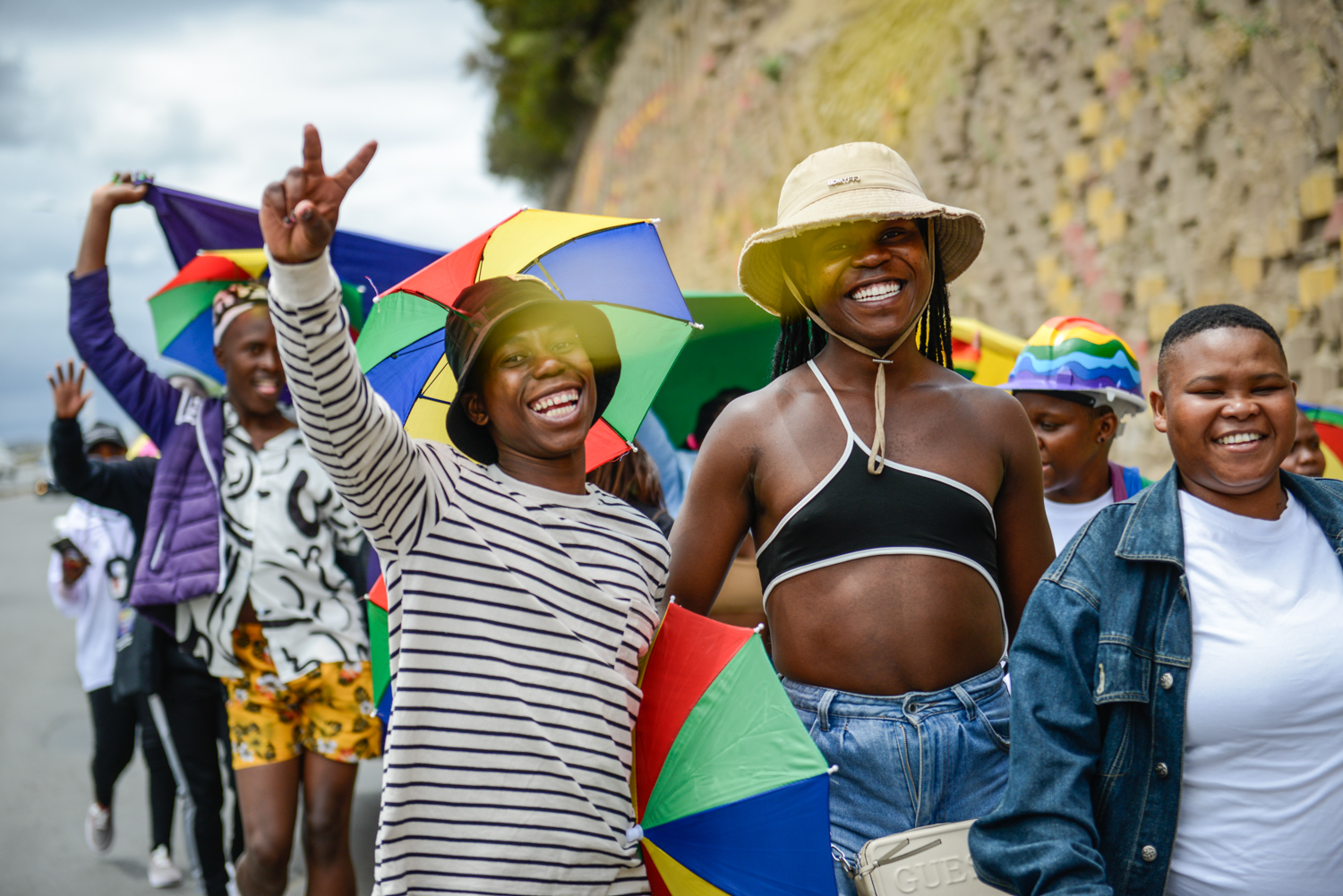
Saturday, 9th November 2024 – Outside the ‘Manthabiseng Convention Centre in central Maseru, a colourful crowd is beginning to assemble. Many are wearing rainbow-themed umbrella hats and waving mini rainbow flags. Others hold multi-coloured balloons and pose for selfies with pride flags draped around their shoulders. The creative agency Sotho Kids is present among the crowd, with young women dressed in traditional thethana skirts and sandals that bear the colour of the Lesotho flag. Other attendees have ingeniously blended Basotho traditional wear with a pride theme: one person has adorned their miner’s hat, molamu stick, and gumboots with rainbow colours – and several others have come wearing traditional Basotho blankets. A brass band has started to play and the sound of music, shouts, and excited laughter fills the air.
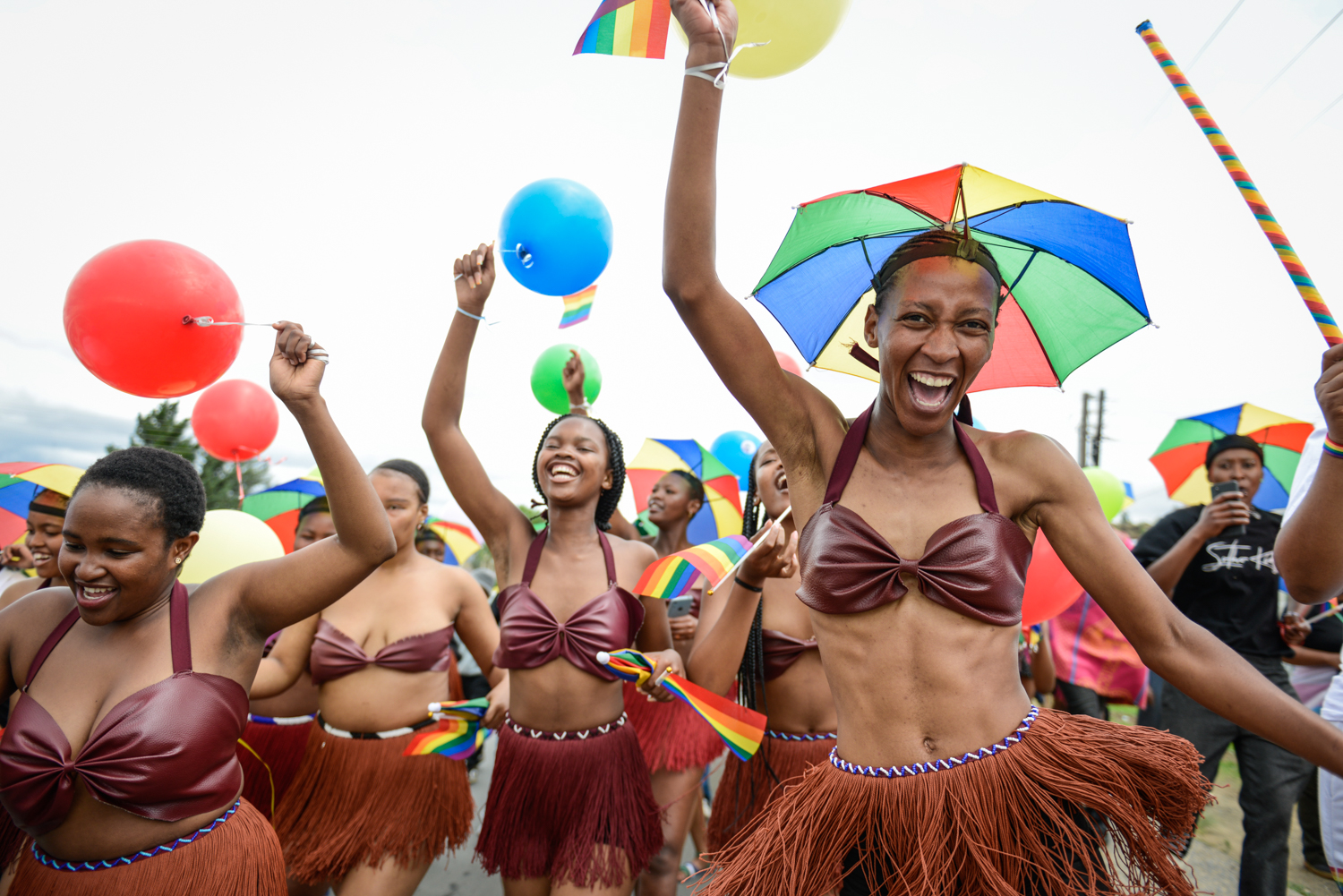
Photos © Meri Hyöky

Today is Lesotho’s 2024 Pride, one of the biggest events of the year for the country’s queer community. Traditionally hosted by The People’s Matrix Association, Lesotho’s oldest LGBTQIA+ activist organisation, this year’s event is being co-hosted with two other Lesotho-based organisations: Queer Worx and the Rainbow Alliance of Lesotho. The event also forms part of a range of nationwide celebrations this year that mark the 200th anniversary of the founding of the Basotho nation.
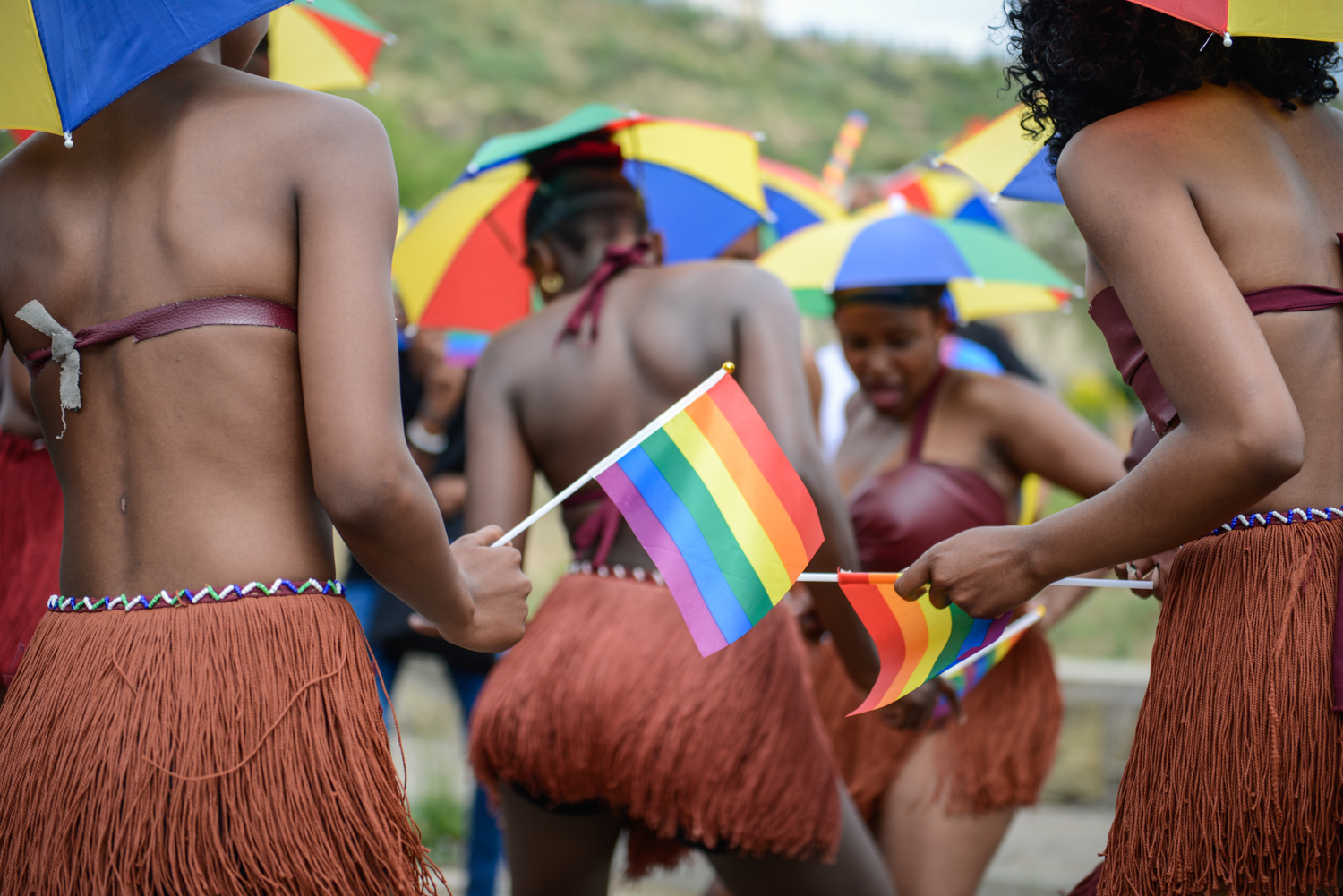
“We’re really excited to be collaborating with two other LGBTQIA+ organisations today,” says Giselle Ratalane, Project Coordinator and Advocacy Officer at The People’s Matrix. “This unifies the movement and helps to showcase our diversity. It’s also important for us that this event is included in this year’s 200-year celebrations, because there’s often the sentiment that LGBTQIA+ identities are a foreign import, when in fact the anti-sodomy legislation that is still in place in the country today is an import of British colonial law. We’re working on getting Basotho to understand that we’ve always existed here, and it’s important for us to show up today and to attach ourselves to our national identity.”

Photo © Meri Hyöky

“We’re planting a seed in people’s minds that we do exist,” Ratalane further explains, “and the hope is that this seed will grow into building a Lesotho that’s more tolerant and open-minded, so that people feel more confident and freer to come out. We’re working on changing both social acceptance and on building more progressive legislation in the country.”

The People’s Matrix recently celebrated their 15-year anniversary, and have worked tirelessly in the past decade and a half to sensitise individuals, communities, politicians, and decision makers to improve societal acceptance and legislation pertaining to Basotho LGBTQIA+ rights. Two major highlights of the past year, according to Ratalane, have been successful changes made to the country’s Labour Code, which now criminalises discrimination in the workplace based on sexual orientation or gender identity, as well as positive lobbying with parliamentarians towards protecting intersex children from uninformed corrective surgeries until they come of age and are able to self-determine their own gender identities.

Photos © Meri Hyöky

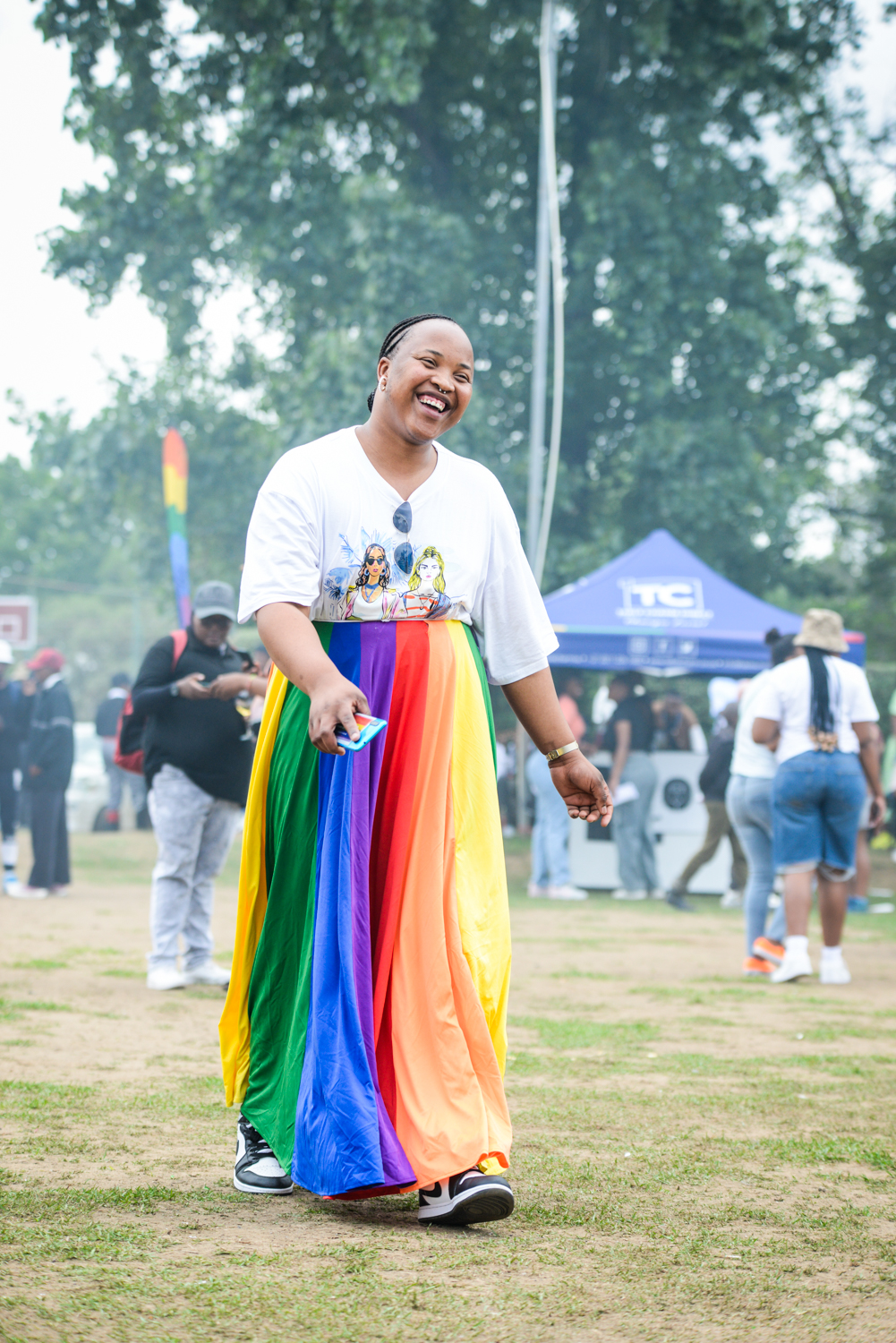
Despite these significant milestones, 2024 has also been a difficult and sad year for Lesotho’s queer community, with the untimely deaths of some community members, including the recent murder of the much-beloved Bathudacious Maphala, affectionately known as “the Catwalk Queen”, a transgender woman who was murdered in October. Maphala’s death is on the minds of many of the people I speak with as we prepare to begin our march. Aunty Botee, a 26-year-old transgender woman from Maseru with braided cornrows, hooped earrings, and a multi-coloured rainbow skirt, tells me that there are many other similar hate crimes that happen in the country, but that these often go unreported for fear of further discrimination from the police.

Photo © Meri Hyöky

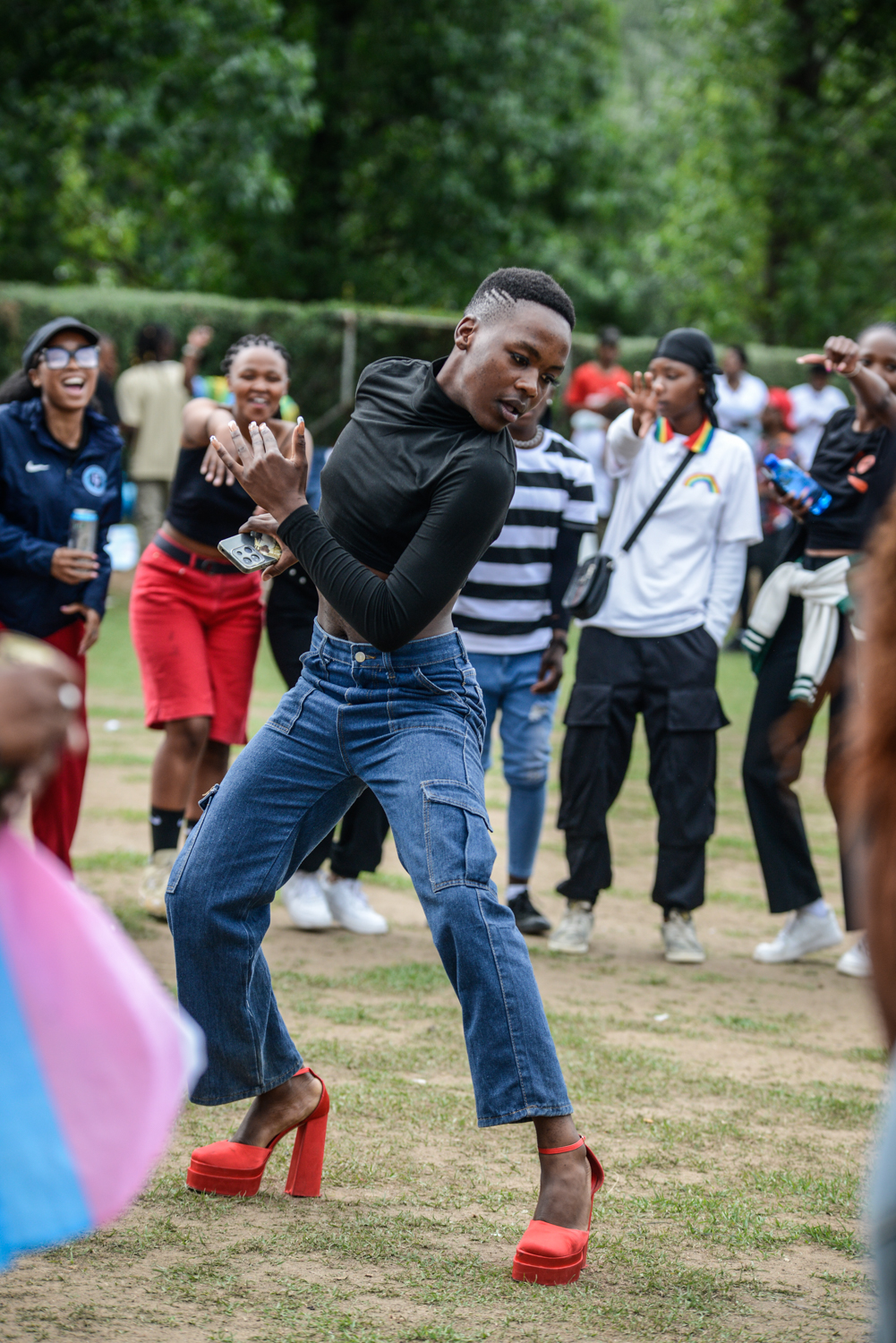
“We don’t really report,” she says. “Our community members have normalised this kind of violence because it’s something that has been going on for so long. This is why events like today are God-sent for us, because these are spaces of solidarity, where you can see that there are other LGBTQIA+ people in Lesotho. This plays a huge role in our mental health and our everyday lives. As you can see, people here today are free to be who they are, to embrace their identities.”

Photos © Meri Hyöky

Thirty-three-year old Liteboho Mats’oso, dressed in an impeccable white blazer, feels slightly nervous as this is his first ever Pride march. Mats’oso, who is originally from Mafeteng, recounts that discrimination continues to be widespread in Lesotho and for most queer-identifying Basotho. “Every day is a battle,” he says. “Leaving the house is a struggle, because you know that as soon as you step out the door, you have to put your guard up. I’ve been called so many different names, ever since my primary school days. And by being here I feel like I’m openly declaring my identity, which is not easy. There are many closeted people who won’t come to the march at all today.”

Matty Monethi, a 27-year-old visual artist from Maseru, is also marching for the first time, and feels that Pride is an important occasion to celebrate and represent diverse sexual orientations and gender identities. “I identify as asexual,” Monethi says, “and it isn’t often that we see asexual identities represented at these events. I met another ace [asexual] person recently at a queer panel event in Maseru, and it was wonderful to connect with them. I think it’s important for people to know that we’re also here, we also exist, and we’re also part of the queer community in Lesotho.”

Photos © Meri Hyöky

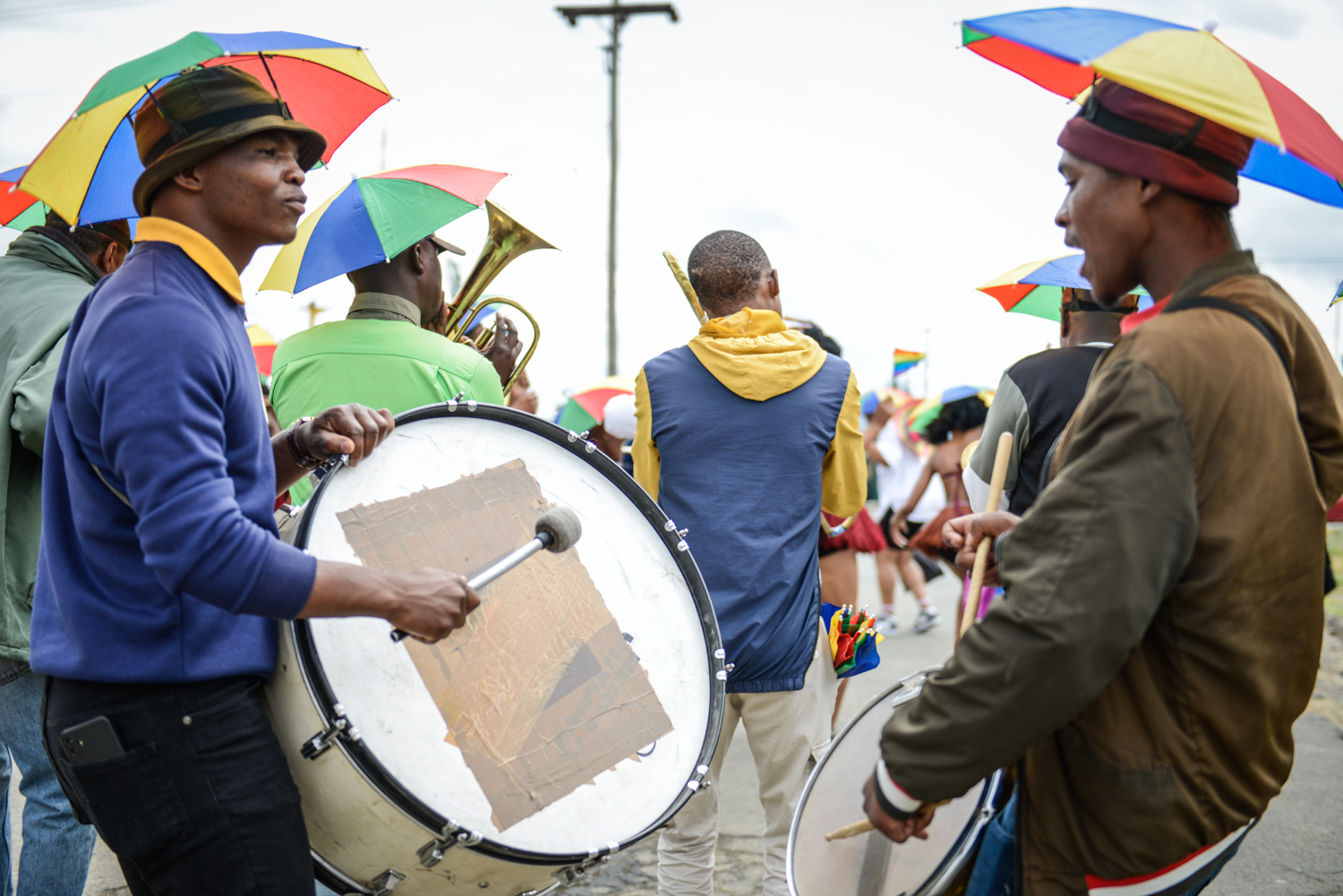
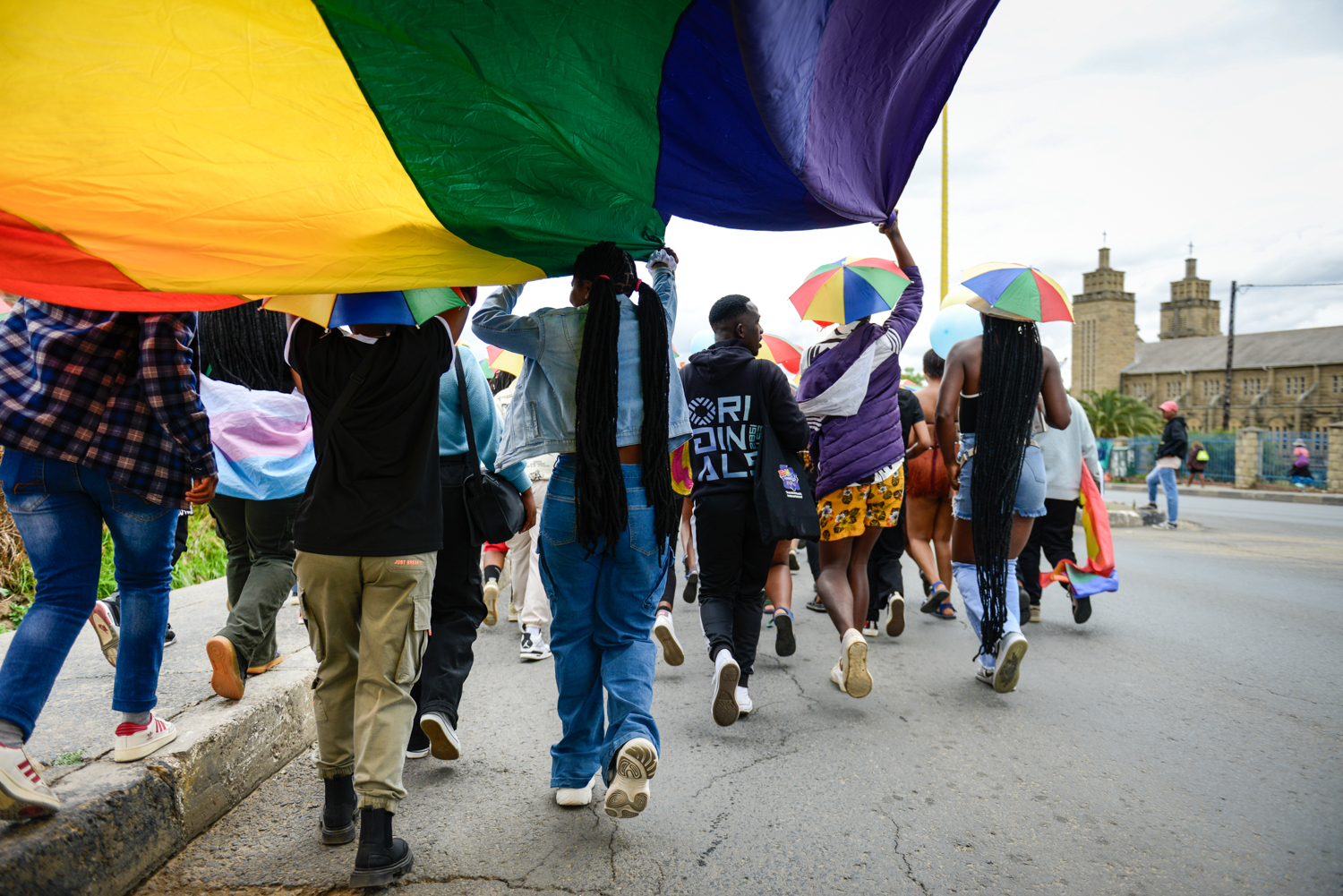
Led by the brass band, the march begins, as we make our way down the city centre’s Main South 1 Road. To the sounds of drums, trumpets, cheering, and car hooting, we are a blur of colour and noise as we walk on tarmac and pavements, bringing traffic to a standstill and attracting the curious gazes of many pedestrians and onlookers. When we get to the main traffic circle, with Maseru’s famous sandstone Our Lady of Victory Cathedral to our right, we veer left and walk up to join Mpilo Boulevard, which takes us to our final destination, Maseru Club, where a stage and tents have been set up for speeches, artist performances, and DJ sets that will last late into the night.

In between the pumping music, different speakers take to the stage shortly after we arrive. Bokang Bane, founder of Queer Worx, an organisation that advocates for the economic empowerment of LGBTQIA+ Basotho, reminds the audience that “nothing can be done in isolation” and of the importance of “unity and collaboration” in Lesotho’s LGBTQIA+ rights movement. With the help of a sign language interpreter, Kelebohile Mavuso – from the National Association of the Deaf Lesotho – says that he is honoured to represent the deaf community at this year’s Pride Celebrations, as many deaf LGBTQIA+ Basotho tend to hide their identities because of the double discrimination that they face. “It’s important for me to come here because I can see myself and I’m accepted,” says Mavuso. “I’m hopeful for the increased inclusion of people with disabilities in the future, so that none of us are left behind.”

Photos © Meri Hyöky

On the field surrounding the stage, more and more people are beginning to arrive, as they gather in groups around food and drinks stalls. As reflective of the extensive work that activists have done in the past few years to increase access to equitable healthcare for LGBTQIA+ Basotho, tents have also been set up by partners such as Sonke Gender Justice, USAID, and the Lesotho Planned Parenthood Association (LPPA). Limpho Ntsihlele, who works with LPPA, explains that the organisation provides stigma-free healthcare services to LGBTQIA+ individuals, including HIV testing and counselling, sexual and reproductive health (SRH) services, and hormone therapy for transgender men. “We’re happy to be at this Pride event,” says Ntsihlele, “and we want to come again next year because discrimination against LGBTQIA+ is still a problem in many health centres in Lesotho. At our facility, our clients don’t hide who they are anymore, and we accept people as they are. We want to continue to advocate for LGBTQIA+ rights.”

Photos © Meri Hyöky

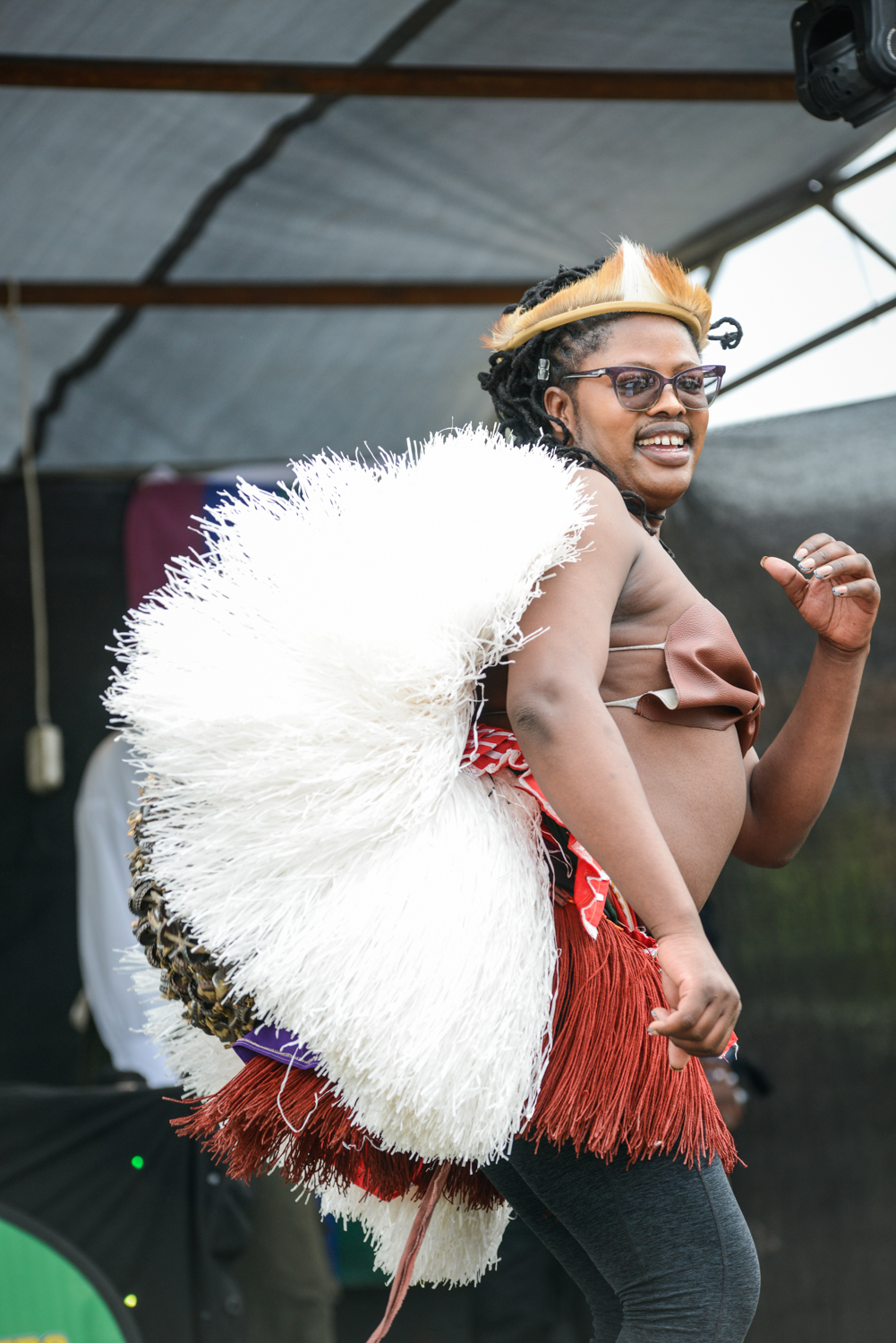
Waiting to go on stage to perform is 38-year-old Madondo “Donddy” Jane, who identifies as gender nonconforming, and who today is wearing a headband, beaded necklaces, a leather bodice, and a thethana skirt. “Biologically I’m male, but today everyone will be surprised because they’ll say, ke bona mosali [I see a woman],” Jane tells me with a smile, switching between English and Sesotho. “I’m going to be dancing litolobonya, which is traditionally a woman’s dance. People will be questioning and there’ll be some attention. I want to make people aware that I am the way I am; you can’t come to me and tell me to change. You can’t come to us and try to correct us. Today is Pride and we’re going to make everybody aware that we exist, and that we also need support. Let’s make discrimination ntho ea maobane [a thing of the past], because we are not going anywhere.”

Photo © Meri Hyöky

Learn more about the People’s Matrix Association: