
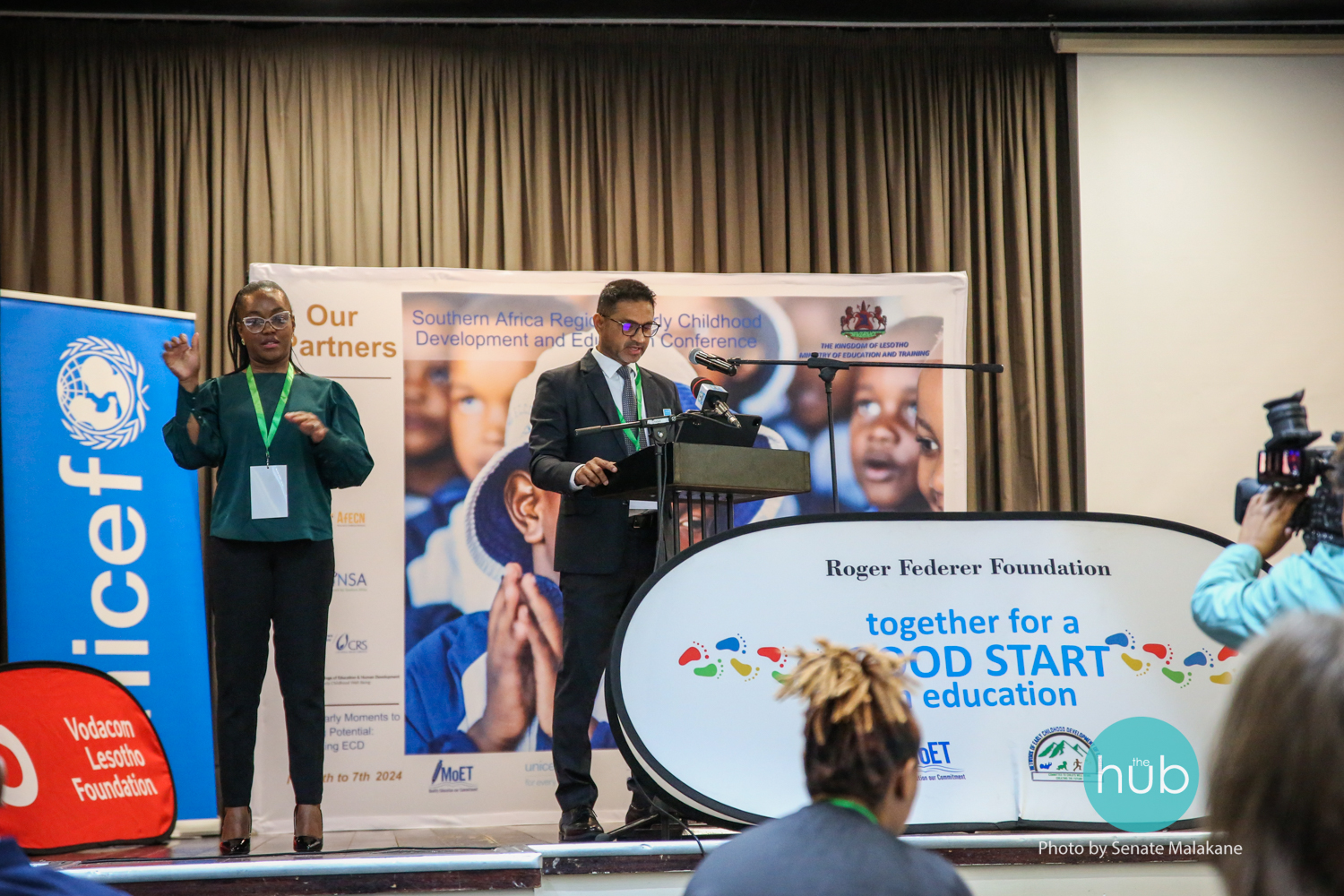
We would like to thank the Network of Early Childhood Development of Lesotho for providing two of The Hub’s interns the opportunity to attend the Southern Africa Early Childhood Development and Education Conference.
By: Makhethe Thakalekoala
From November 5th to 7th, 2024, The Hub participated in a first of its kind Southern Africa Early Childhood Development and Education Conference with the Network of Early Childhood Development of Lesotho (NECDOL). This immersive and intellectually stimulating event centred on Early Childhood Education, a critical field that plays a pivotal role in shaping children’s holistic development and establishing a robust foundation for their future success.
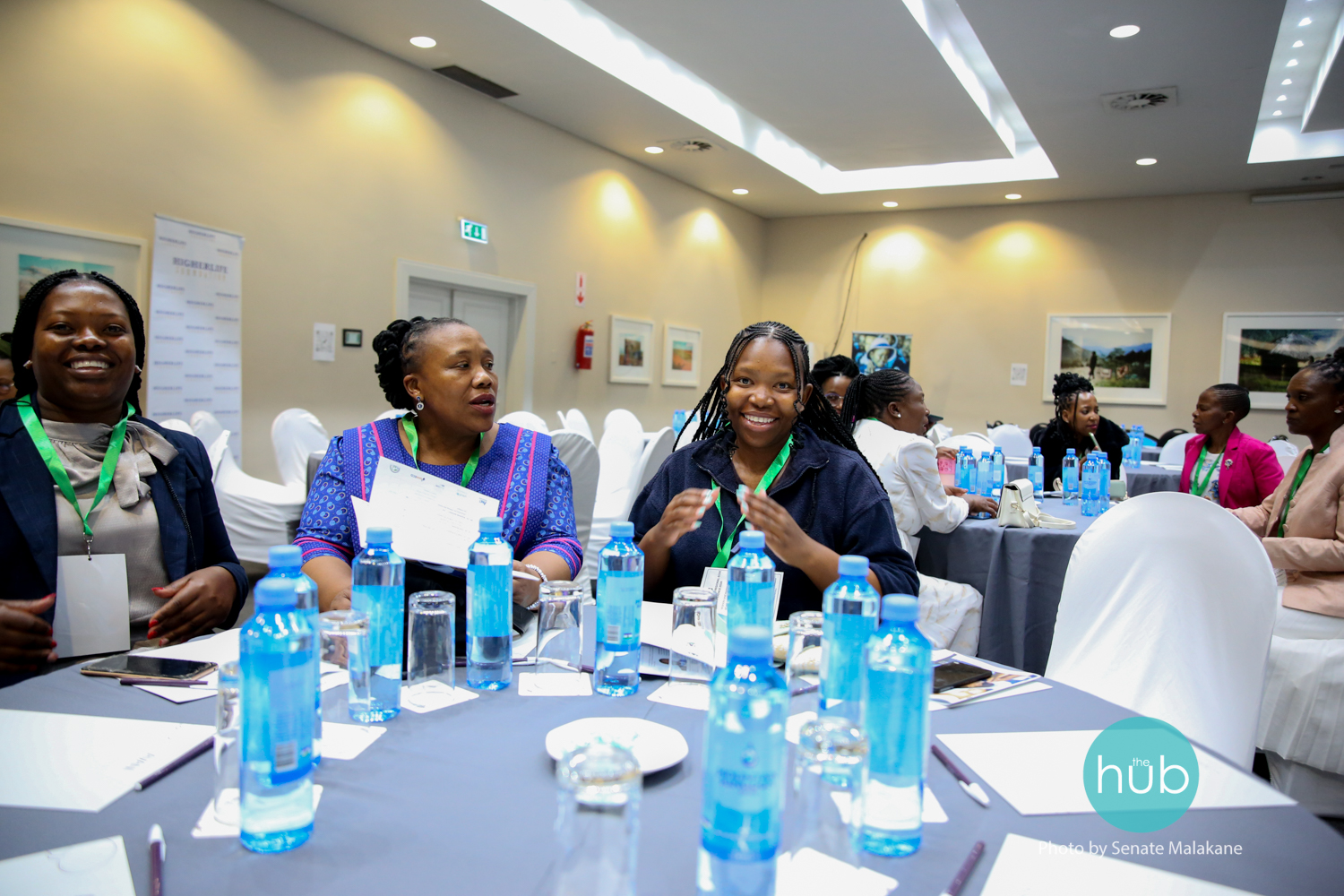
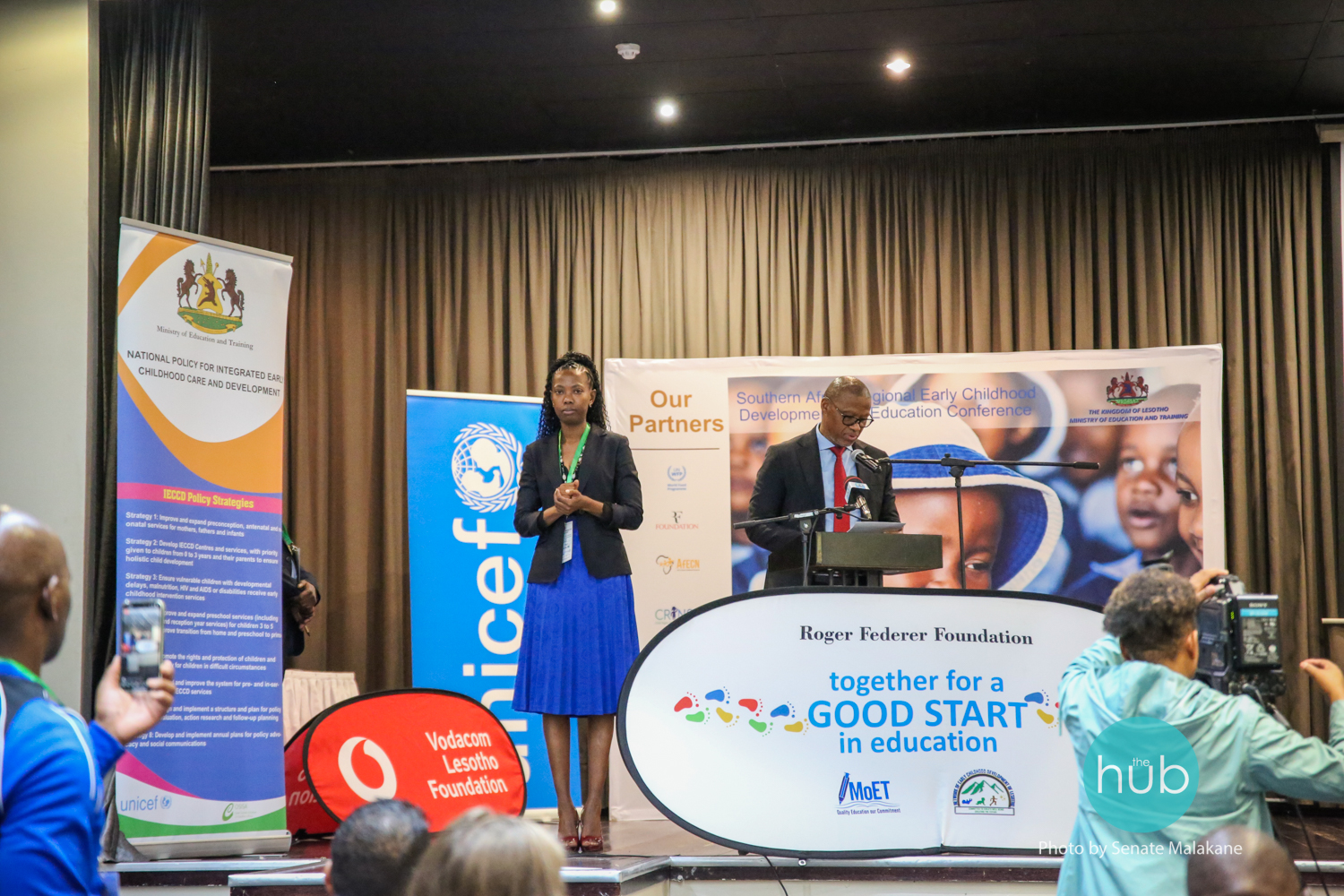
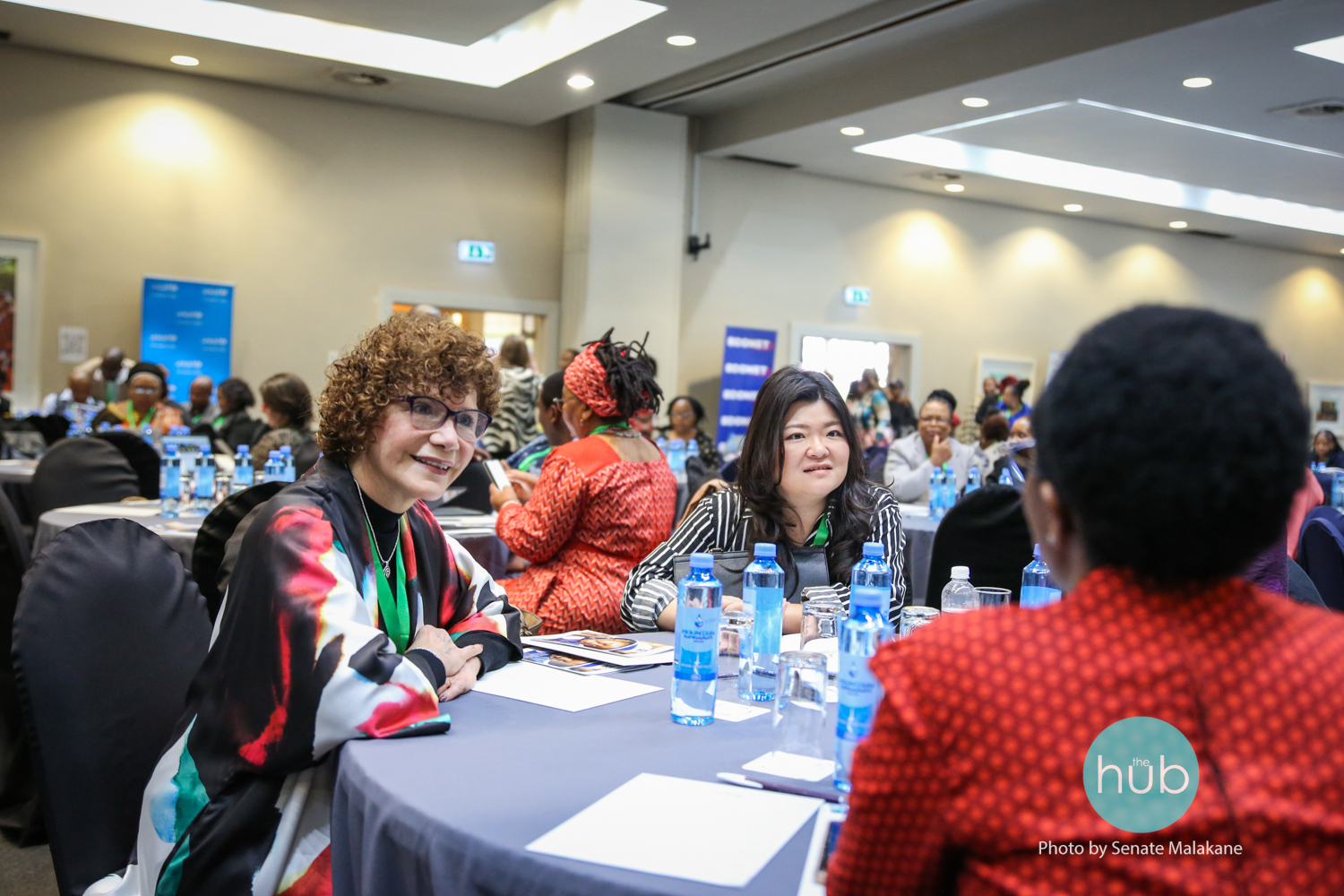
Photos © Senate Malakane
During the conference, the team gained valuable insights into NECDOL, an organization founded in November 2016. NECDOL is a non-profit voluntary association that brings together individuals, organisations, and institutions united in their pursuit of objectives aimed at enhancing the overall well-being of young children aged 0-8 years. The organisation’s core values encompass people and relationships, integrity, teamwork, leadership and innovation, diversity, and inclusion. These values serve as guiding principles in their mission to improve early childhood development in Lesotho.
NECDOL’s vision is both ambitious and inspiring. By 2030, they aim to ensure that every child in Lesotho, from birth to 8 years old, will have equitable access to well-coordinated, high-quality integrated early childhood services. This vision reflects a commitment to creating a society where all children, regardless of their background or circumstances, have the opportunity to thrive and reach their full potential.
Beyond bricks and mortar: Investing in ECDE, our most valuable asset-building blocks for the future
The organisation’s mission is equally comprehensive and impactful. NECDOL strives to ensure coordination among partners, stakeholders, programs, and initiatives aimed at the holistic development of children from 0-8 years old at both national and regional levels. This coordination is achieved through a multifaceted approach that includes research, evidence-based advocacy, resource mobilisation, capacity building, partnerships, innovation, and rigorous monitoring and evaluation of Early Childhood Development and Education (ECDE) services and programs. By employing these strategies, NECDOL aims to significantly enhance the well-being of children during their crucial early years.
The conference theme, “Beyond bricks and mortar: Investing in ECDE, our most valuable asset-building blocks for the future,” encapsulated the event’s focus on the importance of investing in ECDE as a cornerstone for societal progress and individual success.
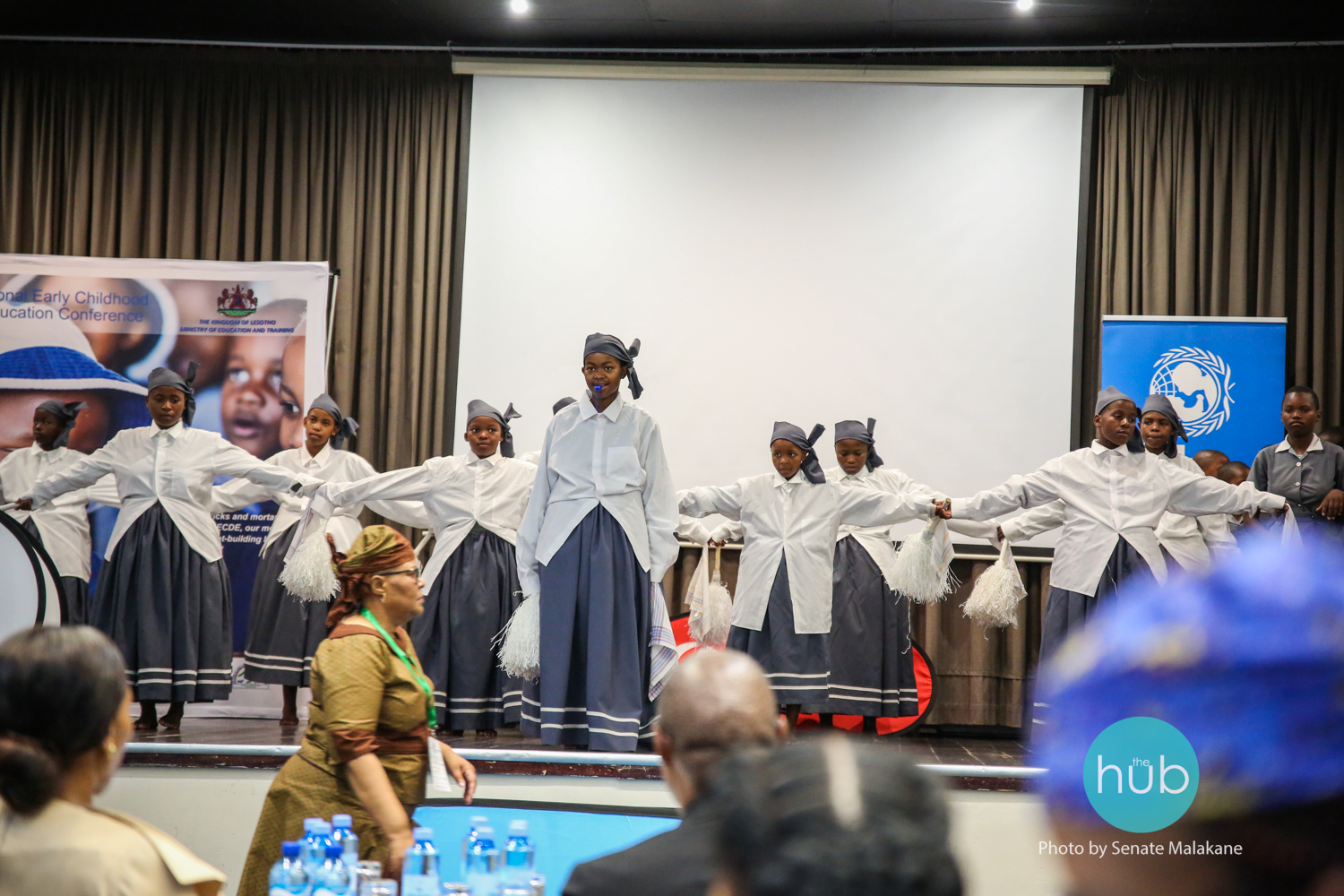
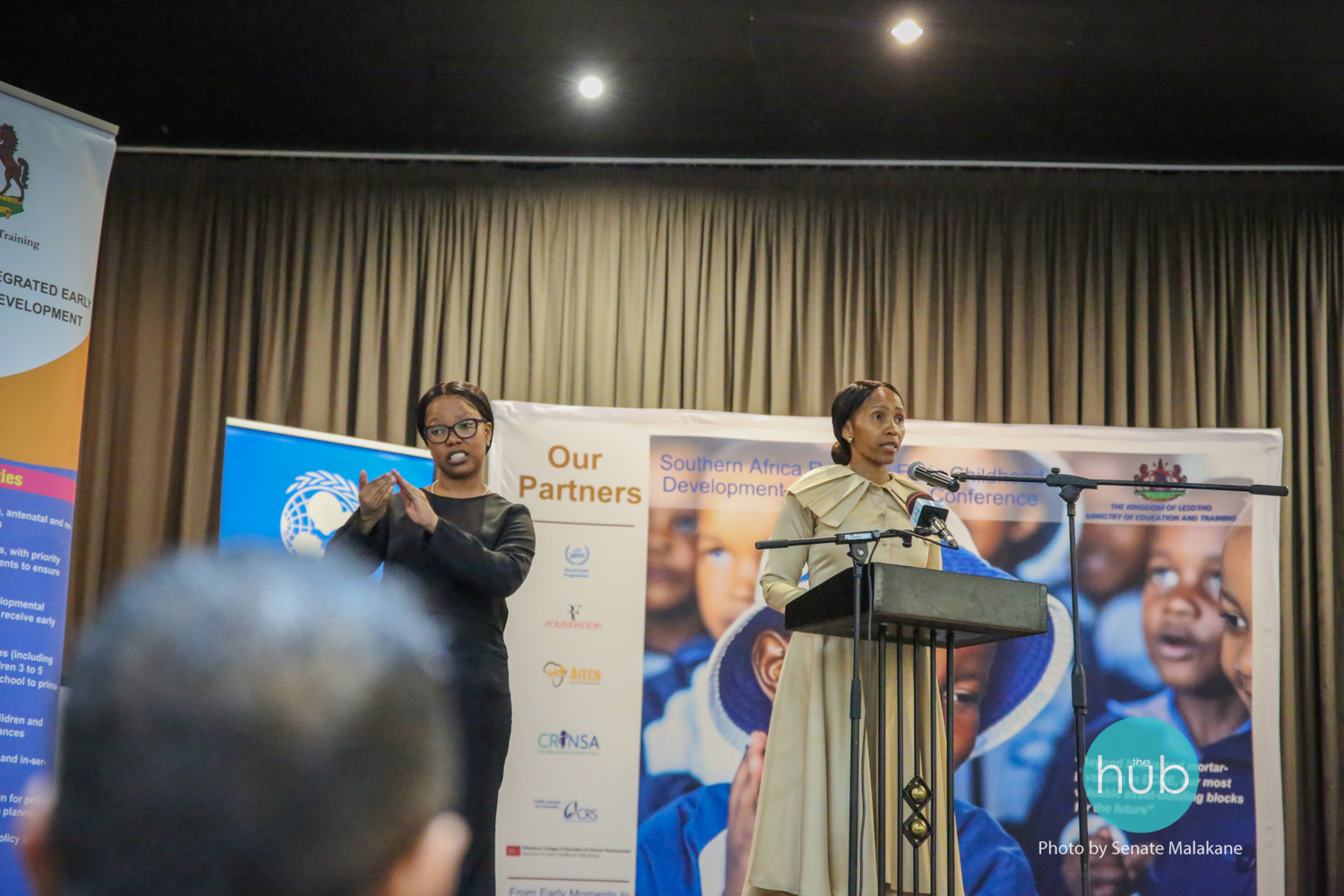
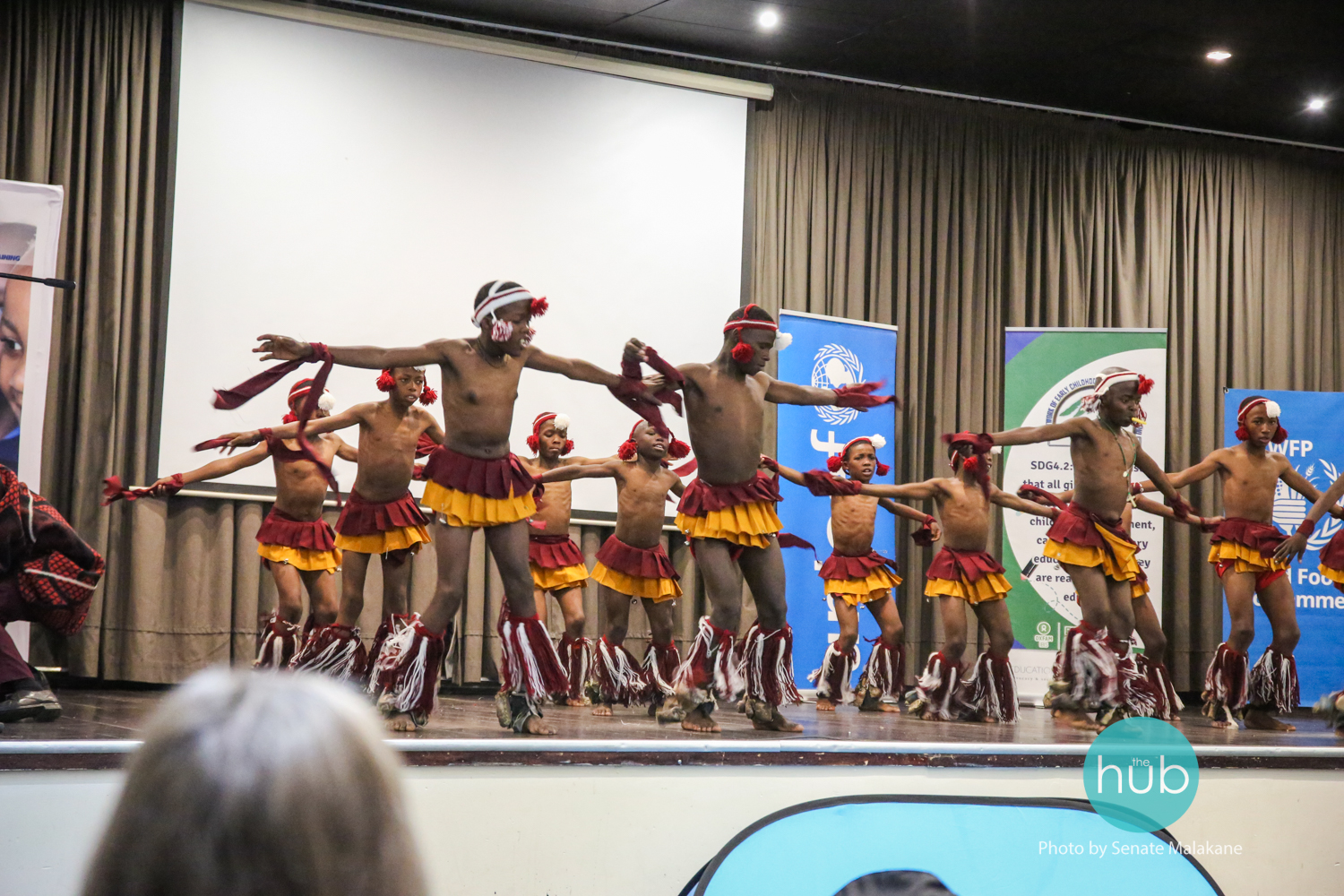
Photos © Senate Malakane
The first day of the conference was marked by several notable highlights:
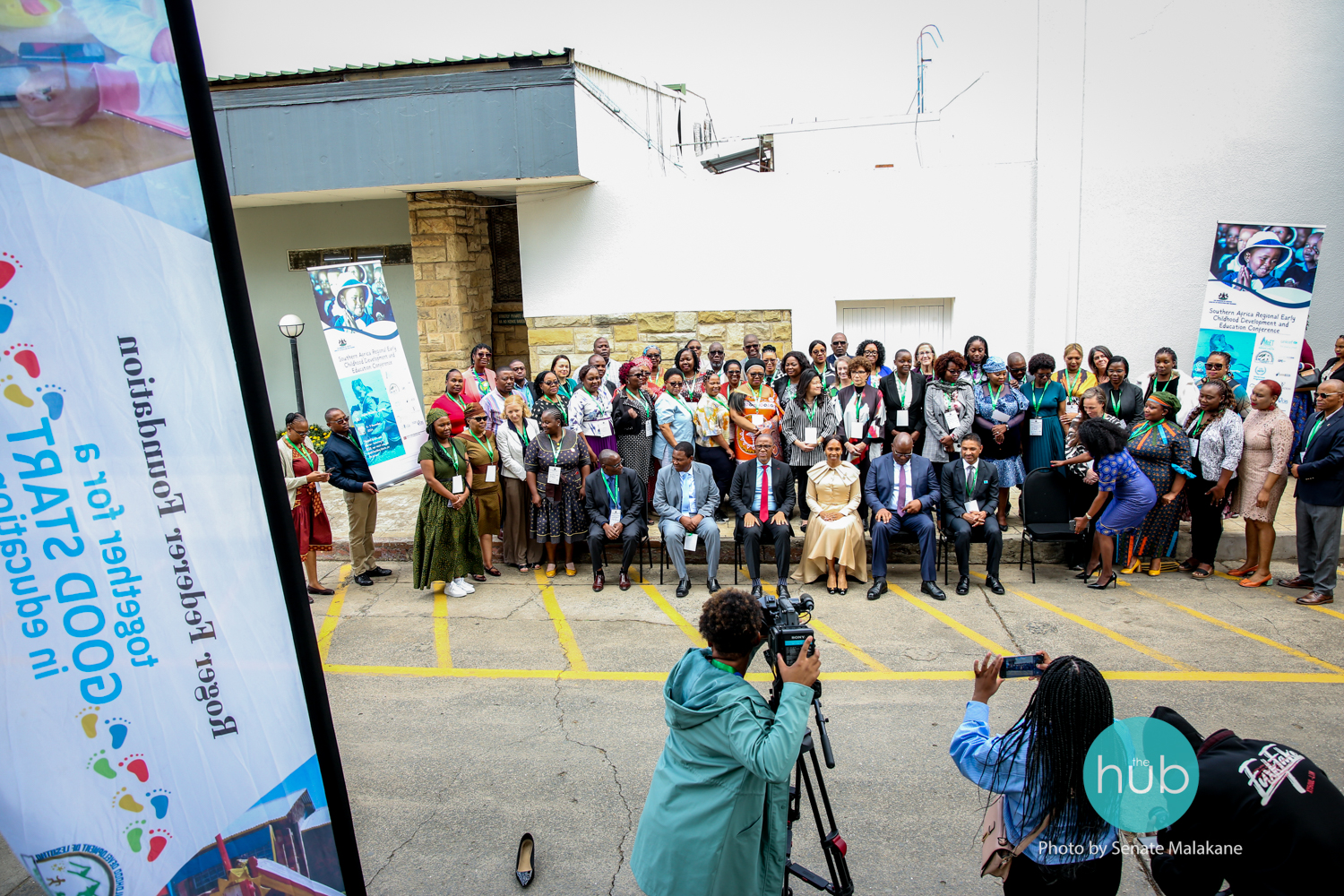
The event was officially opened by Her Majesty Queen ‘Masenate Mohato Seeiso and Hon. Minister of Education and Training Prof. Ntoi Rapapa, underscoring the high-level support and recognition of the importance of early childhood education in Lesotho. The presence of the Ministry of Education and Training and Hon. Limpho Tau, representing Right Honourable Prime Minister Ntsokoane Matekane, further emphasised the government’s commitment to this crucial area of development.
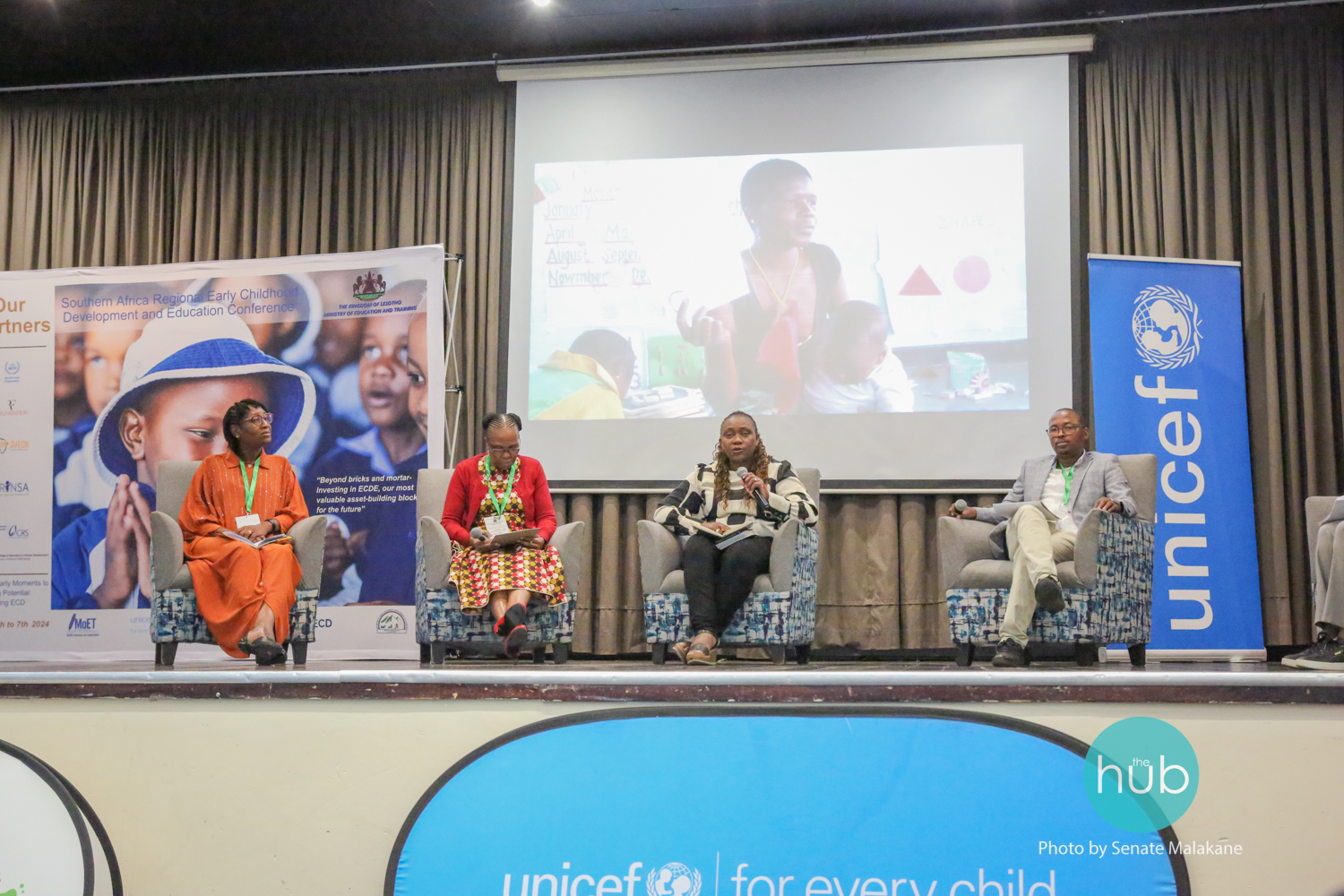
International guests presented valuable insights on ECDE in their respective countries, providing a global perspective on best practices and challenges in the field. This exchange of ideas and experiences across borders is crucial for advancing early childhood education worldwide.
Ms. Shoeshoe Mofokeng, NECDOL Co-Founder and Director, delivered a presentation on the role of Civil Society Organizations (CSOs) in ECDE. This highlighted the importance of collaboration between various sectors of society in promoting early childhood development.
Marceline Kahlari from Zimbabwe discussed the significance of partnerships in supporting early learning, emphasising the need for collaborative efforts to create effective early childhood education programs.
Mr. Elliot Vhurumuku, World Food Programme (WFP) Lesotho Country Representative, addressed the critical issue of strengthening nutrition in ECDE for holistic development. This presentation underscored the interconnectedness of physical health and cognitive development in young children.
Nkhasi Sefuthi’s discussion on child protection and children’s rights to education highlighted the importance of safeguarding children’s well-being while ensuring their access to quality education.
Prof. Beatrice Matafwali from Zambia presented on building climate resilience in ECDE within the Southern African Development Community (SADC) region. This forward-thinking topic addressed the need to prepare early childhood education systems for the challenges posed by climate change.
Dr. Dudu Hlophe from Eswatini shared valuable insights on learning from best ECDE community and parenting practices, emphasising the importance of involving families and communities in early childhood education.
Dr. Bob Muchabaiwa, UNICEF Chief of Social Policy, provided an analysis of trends in public spending on early childhood education in SADC and lessons learned from Lesotho. This presentation offered important insights into the financial aspects of implementing effective ECDE programs.
Dr. Dina Castro from Boston University presented on bilingualism in early development and education, highlighting the cognitive benefits and challenges of multilingual learning environments for young children.
Dance performances with Mohobelo by Rasetimela Primary School students, and Mokhibo by St Louis Primary School continued the Basotho 200 Years celebrations, commemorating Lesotho’s 200th anniversary since King Moshoeshoe I founded the Basotho nation.
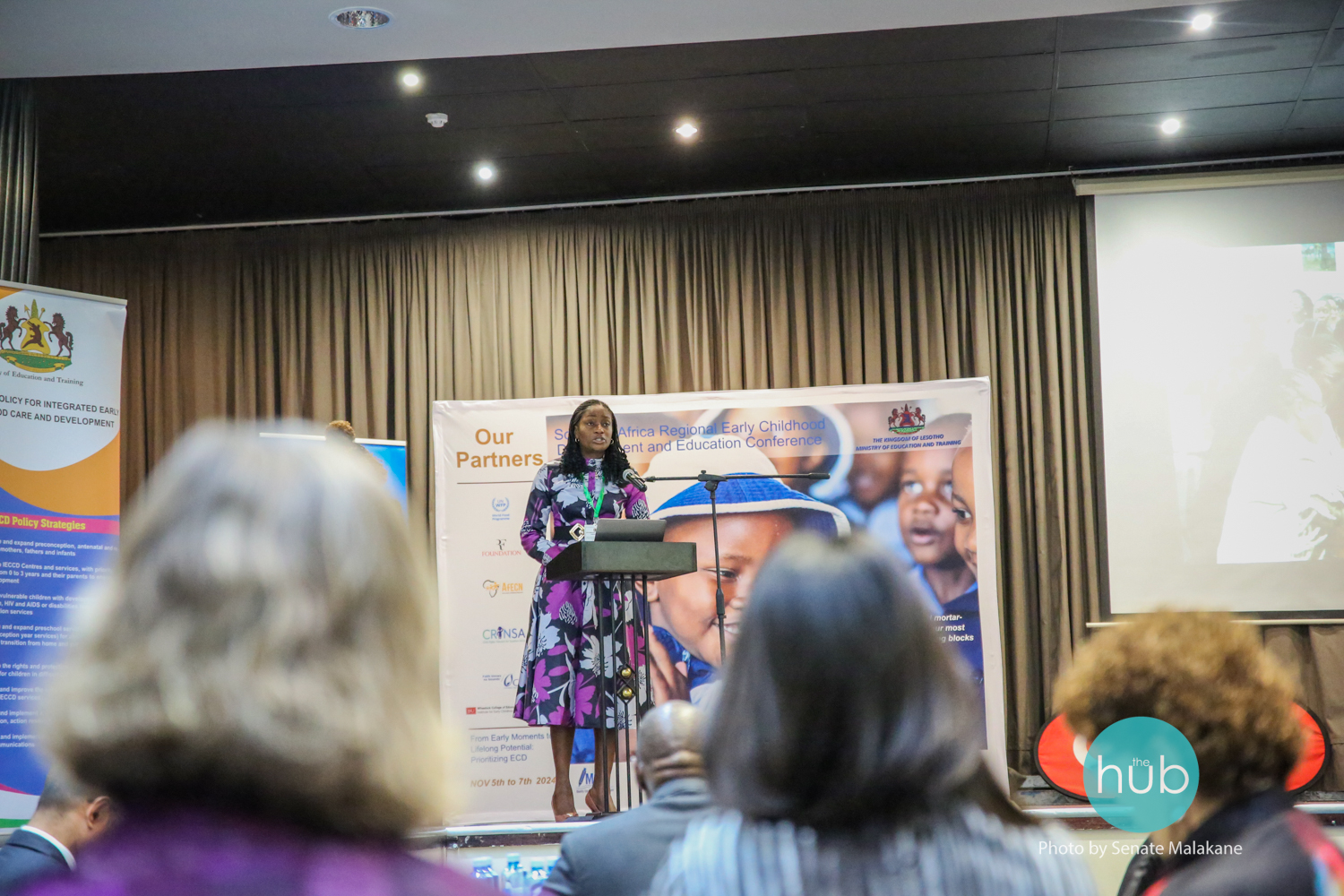
Photos © Senate Malakane
The second day of the conference was equally rich in content and discussions:
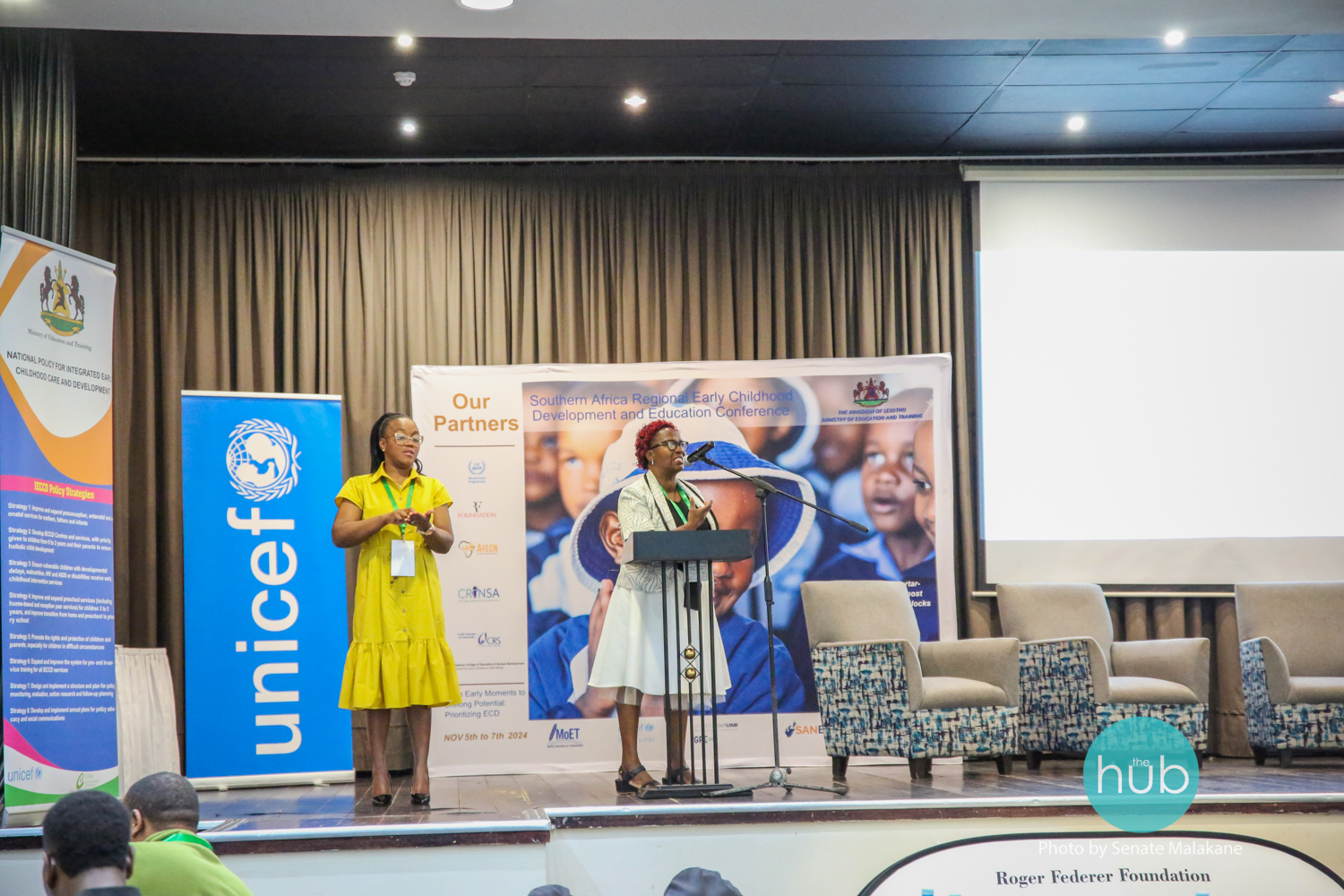
Dr. Torerai Moyo, Minister of Primary and Secondary Education, addressed the critical topic of assessing education outcomes in ECDE. This presentation emphasised the importance of measuring and evaluating the effectiveness of early childhood education programs to ensure they are meeting their objectives.
Prof. Mery Antonio from Mozambique explored suitable ECDE financing models and the role of the private sector. This discussion highlighted the need for innovative funding approaches to support and expand early childhood education initiatives.
Jaynet Kuyeli from Malawi presented on public-private partnerships for strengthening ECDE provisions in the SADC region. This topic underscored the potential for collaboration between government entities and private organisations to enhance early childhood education services.
Representatives from the Vodacom Lesotho Foundation and TRANAC discussed the role of the private sector and ECDE networks in early childhood development. This session highlighted the potential for corporate involvement and support in advancing early childhood education goals.
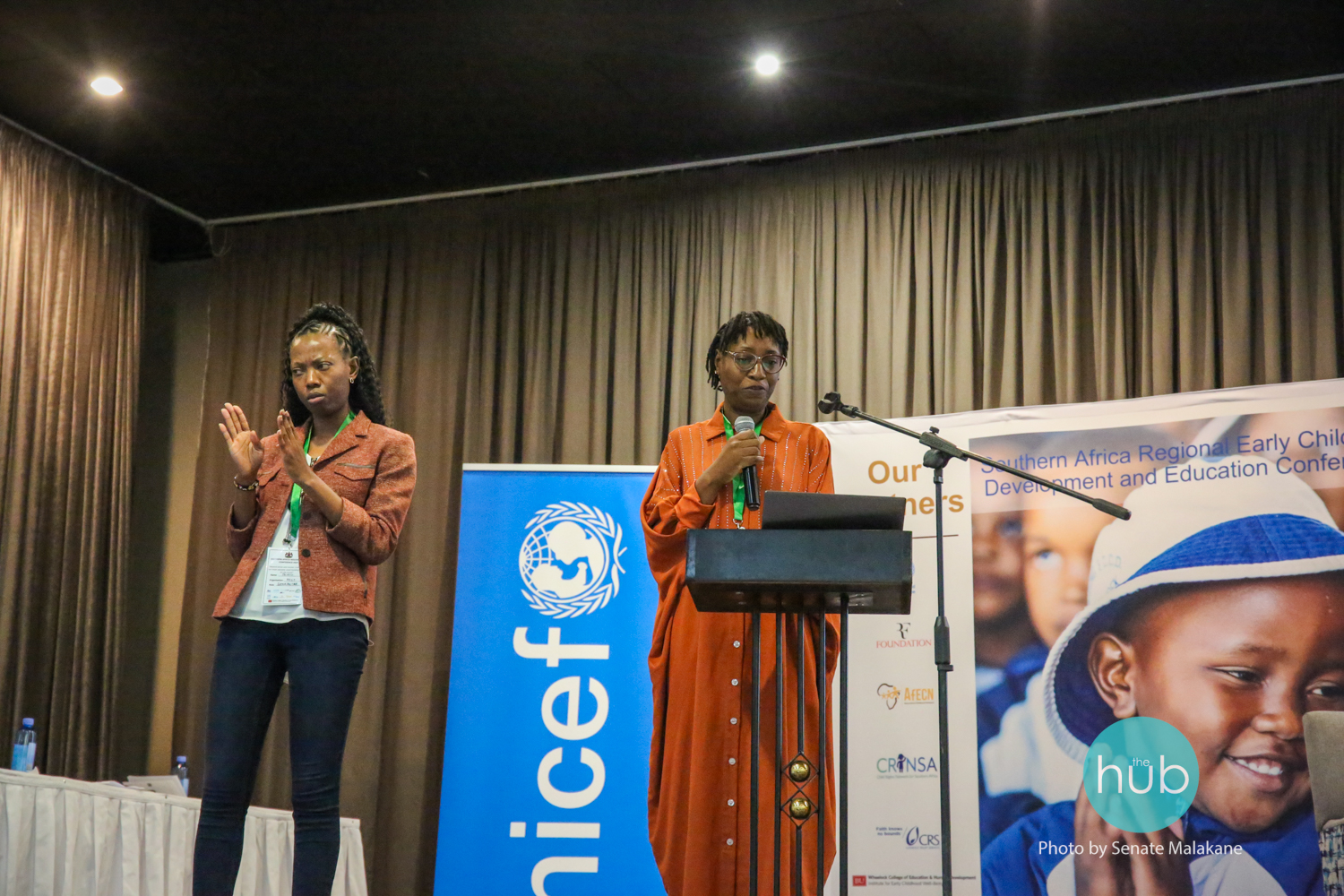
UNICEF and various experts presented on child safeguarding and wellbeing interventions and strategies. These discussions emphasised the importance of creating safe, nurturing environments for young children to learn and grow.
Mercy Sakanya discussed the impact of digitalization on tracking ECDE outcomes, exploring how technology can be leveraged to monitor and improve early childhood development programs.
Ts’epang Manyeli presented on how social protection programs can improve early childhood development in Lesotho, highlighting the interconnectedness of social welfare and educational outcomes for young children.
Photos © Senate Malakane
The third day of the conference continued to provide valuable insights and discussions:
Prof. Tapologo Maundeni from Botswana led a comprehensive discussion on promoting child protection, health, nutrition, psychosocial well-being assessment, learning, research, and intervention in the SADC region. This multifaceted approach highlighted the interconnected nature of various aspects of child development and the need for holistic strategies.
A panel discussion on the SADC protocol on children’s rights provided a platform for exploring regional policies and their impact on early childhood development and education.
Marnie Norris presented on transforming inclusive social/emotional learning for children with disabilities in early childhood education. This important topic addressed the need for inclusive practices that cater to the diverse needs of all children, including those with disabilities.
Mike Mwenda from Zambia discussed how self-help groups are breaking the cycle of poverty for adolescent and young mothers through economic strengthening in ECD. This presentation highlighted the importance of supporting young parents to ensure better outcomes for their children.
Dr. Muila Kambulandu presented on understanding early childhood mental health in Lesotho, emphasising the importance of addressing psychological well-being from an early age.
Senzo Hlophe from South Africa addressed a case study of driving systems change for children in South Africa.
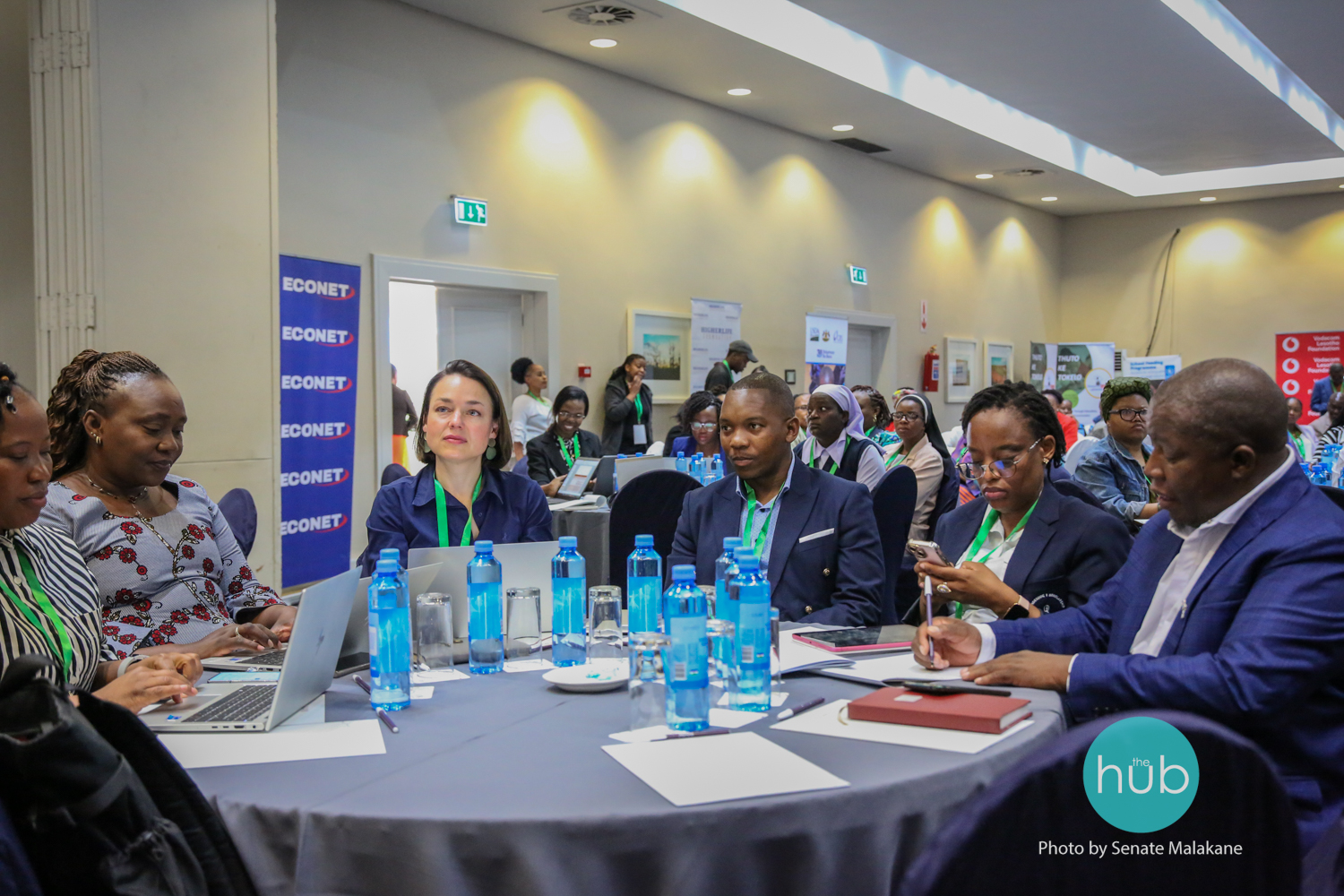
Throughout the conference, participants engaged in lively discussions, networking opportunities, and knowledge-sharing sessions. The event served as a platform for fostering collaboration among various stakeholders in the field of early childhood development and education. By bringing together experts, policymakers, educators, and advocates from across the SADC region and beyond, the conference facilitated the exchange of ideas, best practices, and innovative approaches to improving early childhood education.
The diverse range of topics covered during the three-day event reflected the multifaceted nature of early childhood development and education. From discussions on financing models and public-private partnerships to presentations on bilingualism, climate resilience, and mental health, the conference provided a comprehensive overview of the challenges and opportunities in the field.
As the conference concluded, participants left with a renewed sense of purpose and a wealth of knowledge to apply in their respective roles and organisations. The insights gained and connections made during the event are likely to contribute to ongoing efforts to improve early childhood development and education in Lesotho and the broader SADC region.
The success of this conference underscores the importance of continued dialogue, collaboration, and investment in early childhood education. As NECDOL and other organisations work towards their vision of equitable access to high-quality early childhood services, events like this play a crucial role in shaping policies, practices, and partnerships that will ultimately benefit the youngest members of society and, by extension, the future of nations.
The conference concluded with an official closing ceremony by Hon. Minister of Education and Training Prof. Ntoi Rapapa, and a wonderful performance by Mookho.
Learn more about NECDOL:
 The Hub